
Searching for the best Asian food for diabetics to keep blood sugar steady? The smart picks are clear: choose filling, fiber-rich options like Japanese sashimi and tofu-based dishes, and build meals around brown rice or small portions of noodles instead of sweetened sauces. This guide answers which Asian foods are safest, which ones spike glucose fast, and how to order for the biggest blood-sugar wins.




The best Asian food for diabetics is built around lean protein and non-starchy vegetables, with controlled portions of rice/noodles and minimal added sugar. You’ll usually get steadier blood sugar by choosing broth-based or stir-fry dishes (and asking for sweet sauces on the side), then pairing them with “measured carbs” instead of letting rice/noodles drive the meal.
Who this is for (and when it applies)
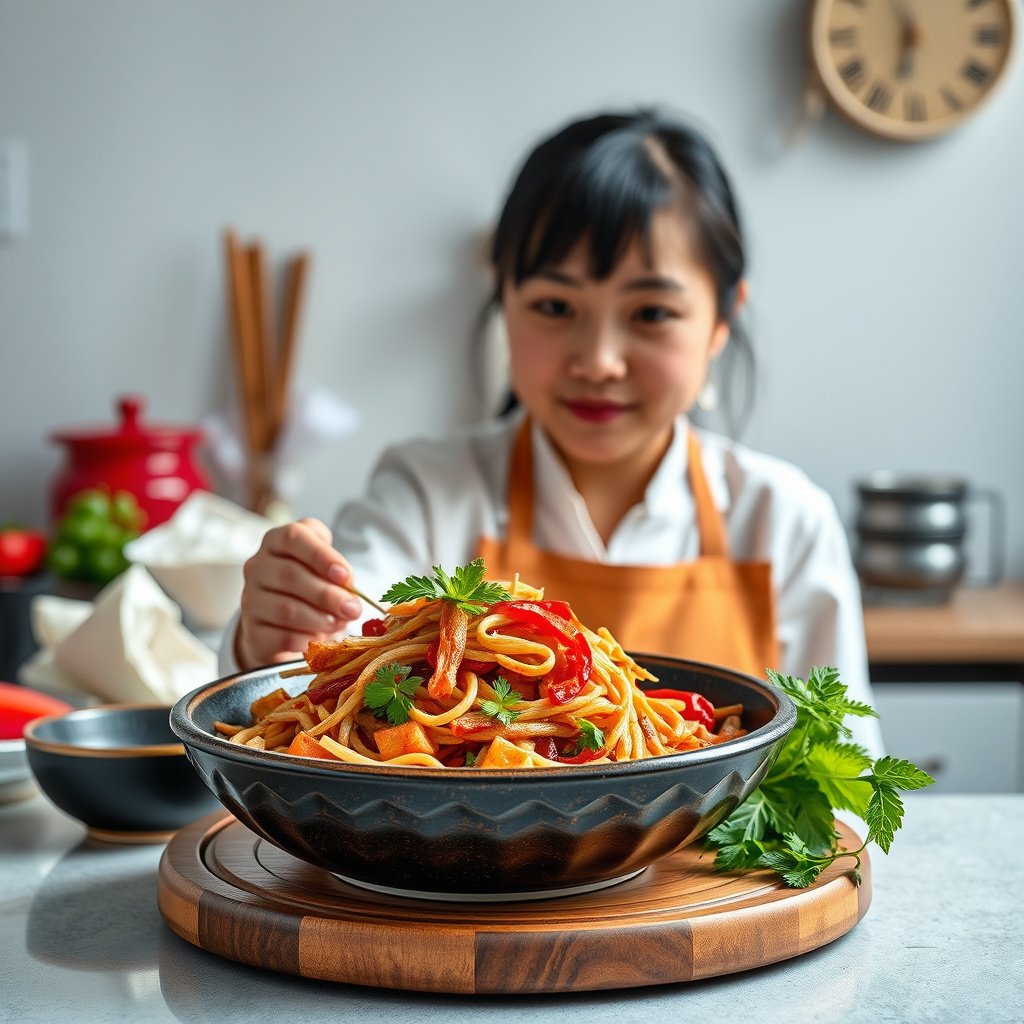
This guide is for anyone who wants Asian meal ideas that fit diabetes meal planning—whether you cook at home or order from restaurants. It’s especially useful if you notice consistent glucose spikes after rice, noodles, sweet sauces, or fried appetizers, and you want practical “what to choose” rules you can apply quickly.
The American Diabetes Association emphasizes that carbohydrate intake and meal timing matter for blood glucose management, especially when meals include starches like rice and noodles. American Diabetes Association (ADA), Standards of Care in Diabetes (Nutrition/Diabetes Care section)
Non-starchy vegetables are a core recommendation in diabetes meal planning because they add volume and fiber with relatively limited carbohydrate impact compared with starches. American Diabetes Association (ADA), Nutrition recommendations in Standards of Care
In practice, “best” doesn’t mean “no carbs”—it means the carbs you do eat are sized appropriately and paired with protein and fiber. If you use insulin or diabetes medication, your glucose response can vary based on timing and your usual carb intake; that’s why ordering strategy should still be discussed with your clinician if your readings swing frequently. If you’re currently tracking after-meal trends (for example, a rise 60–120 minutes after ordering), this approach will typically make those patterns easier to control.
Right now (2025–2026), the most effective nutrition mindset in diabetes care is still a predictable one: choose foods with less added sugar, build meals around vegetables and protein, and treat rice/noodles as the portioned “carb side,” not the centerpiece.
Best Asian food for diabetics: what to order
The best Asian orders for diabetics are the ones that keep starch and sugar in check while maximizing protein and non-starchy vegetables. In a menu reality check, broth-based meals, veggie-forward stir-fries, and fish-forward choices tend to offer the easiest “blood sugar stability” when you control noodles/rice and sauces.
When meals rely on protein plus fiber-rich vegetables, carbohydrate absorption is typically slower than meals dominated by refined starches. American Diabetes Association (ADA), Nutrition and Glycemic Control guidance
International glycemic index (GI) databases show that rice types can vary meaningfully in GI—white rice is typically higher than basmati or brown rice—so “which rice” and portion size both matter. Atkinson FS, Foster-Powell K, Brand-Miller JC, International tables of glycemic index (method and compiled values)
Soups and broths first
Start with broth-based options because they naturally shift the meal’s volume toward vegetables and liquid calories rather than a starch-heavy plate. Look for Vietnamese pho where you can request extra vegetables and lean meat (or tofu) and avoid leaning on “meatballs only” portions. Japanese miso soup can be a good option for satiety, but sodium can be high—if you have hypertension or kidney disease, ask whether the restaurant can go easy on salt. For noodle soups, aim for “more veg, less noodles,” and add chicken/shrimp/tofu instead of fried toppings.
Protein + non-starchy veggies stir-fries
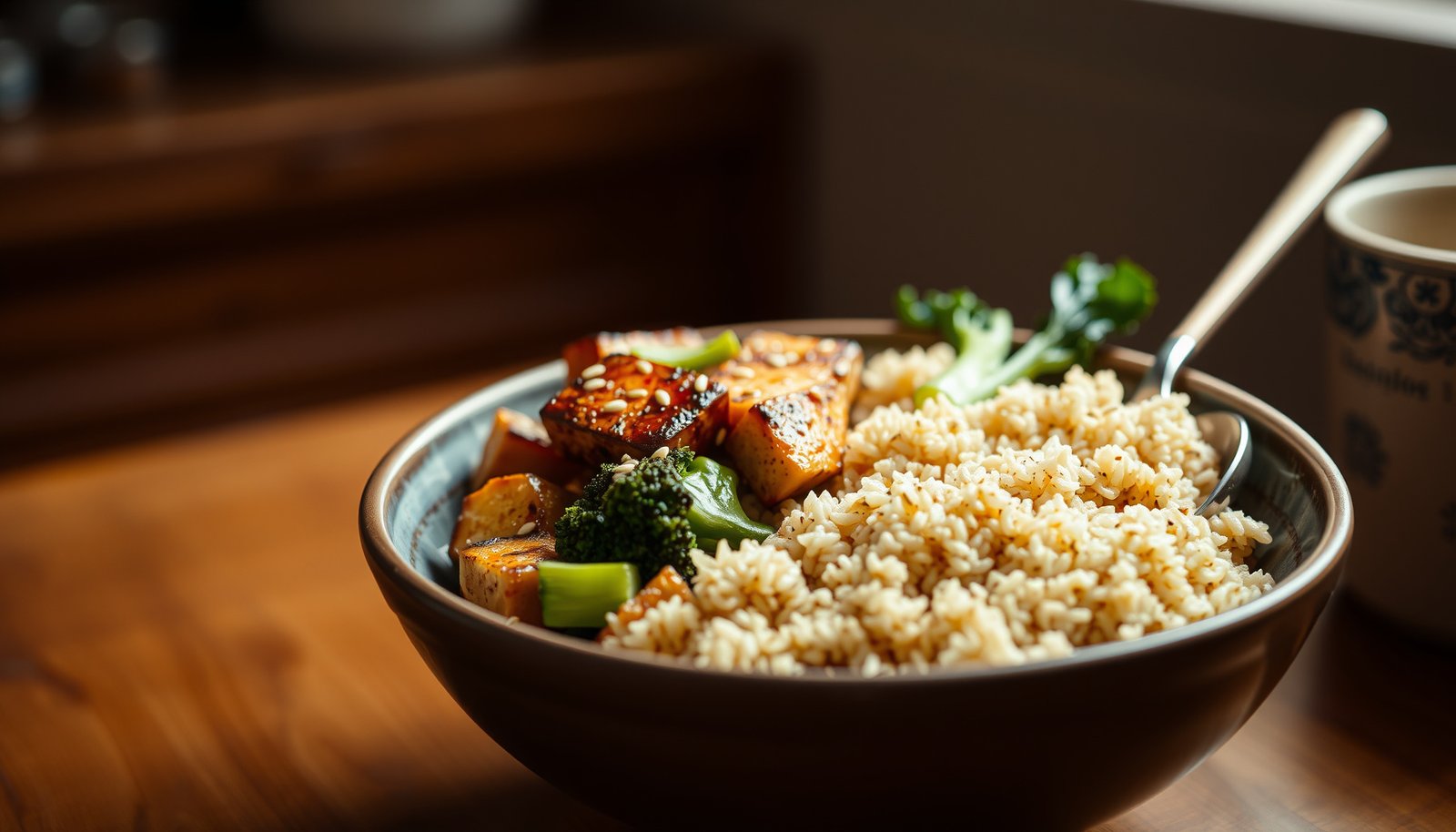
Stir-fries work when they’re built like a vegetable-and-protein dish, not a glaze delivery system. Your best bets are ginger/garlic chicken, beef and broccoli, tofu dishes, and shrimp with lots of vegetables. Ask for less oil and minimal sauce. If a menu describes the dish as “sweet” or “sticky,” treat it as a red flag and switch to a garlic/ginger or soy-light style when possible.
Sushi with adjustments
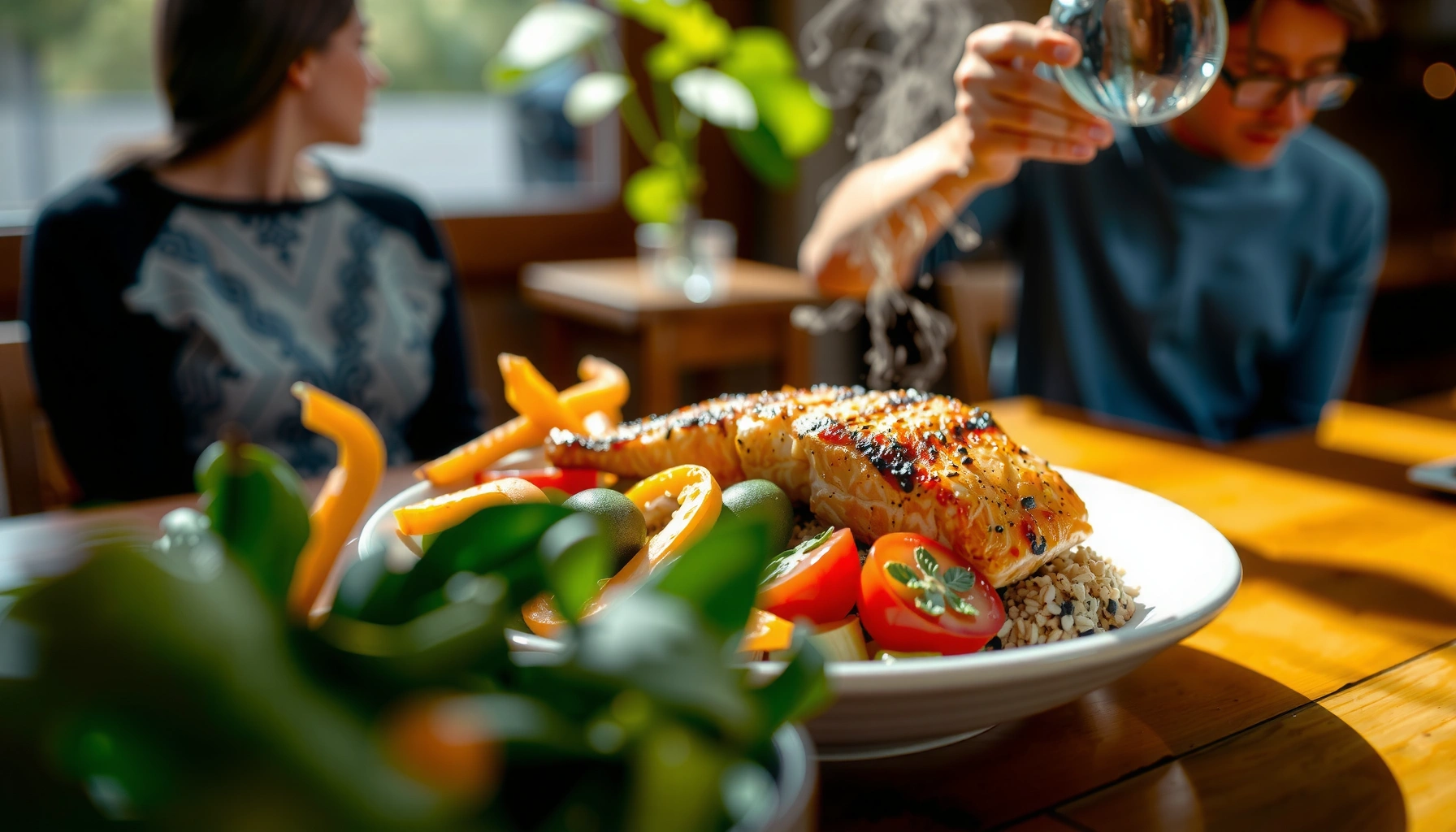
For sushi, the most diabetes-friendly strategy is to shift toward sashimi (fish only) and rolls that are mostly protein and vegetables. Rice isn’t automatically “bad,” but sushi rice adds carbs quickly—especially with multiple rolls. If rice is included, consider smaller portions and avoid rolls drenched in sweet sauces (often the hidden sugar source).
A quick personal observation: in many takeout experiences (especially when ordering teriyaki-glazed items), the sauce is noticeably sweeter than it looks on the menu photo—requesting sauce on the side consistently makes the difference between a “dry” savory meal and a sugar-forward one.
How to order Asian meals for steadier blood sugar
The fastest way to make Asian food diabetes-friendly is to control portions (especially rice/noodles) and control sweetness (sauce on the side). You’re aiming for balance on the plate: protein + non-starchy vegetables first, then a measured carb amount.
The U.S. Dietary Guidelines and diabetes meal planning frameworks both treat carbohydrate quantity as a primary driver of post-meal glucose response. American Diabetes Association (ADA), Standards of Care; and U.S. Dietary Guidelines for Americans
Carbohydrates provide 4 kilocalories (kcal) per gram, so larger servings of rice/noodles generally raise energy and glucose load together. USDA FoodData Central / nutrient fundamentals on macronutrients
Ask for carb control
If your dish comes with rice or noodles by default, request a half portion or “light noodles.” This is often the most practical lever because it doesn’t require abandoning your favorite cuisine—it just makes the carb amount closer to your plan. If you’re ordering a noodle bowl, add vegetables and protein and reduce noodles as much as the restaurant can accommodate.
Control the sauce
Sweet sauces and glazes are a common “hidden carbohydrate” even when the dish looks savory. A simple request—sauce on the side—lets you taste and portion the sweetness. If the menu offers a “less sweet” option (or “no glaze”), take it. Otherwise, use a small amount only where it adds flavor rather than coating the entire dish.
Prioritize balance on the plate
A reliable plate-building rule is protein + fiber-rich vegetables first, then carbs last and measured. Fiber slows digestion, which can blunt post-meal glucose peaks compared with meals that are mostly refined starch. If you’re tempted to eat rice first, reverse the order: vegetables and protein first, then a measured spoonful of rice.
Sauces, carbs, and ingredients to limit
The foods that most often disrupt blood sugar in Asian cuisine are sweet sauces, fried/battered items, and oversized rice/noodle servings. Even “popular” dishes can become less diabetes-friendly when they’re glazed, deep-fried, or served in restaurant-sized carb portions.
The World Health Organization recommends limiting free sugars to less than 10% of total energy intake (and ideally below 5%) to reduce health risks related to high sugar intake. WHO Guideline: Sugars intake for adults and children (2015)
Glycemic index values differ by rice type; white rice is generally higher GI than basmati or brown rice, which can contribute to larger glucose rises when portions are not controlled. Atkinson FS, Foster-Powell K, Brand-Miller JC, International tables of glycemic index (compiled GI values)
Sweet sauces and glazes
Be cautious with dishes described as sweet and sour, teriyaki (often sweetened), hoisin, and many varieties of spicy mayo. These sauces commonly combine sugar + starch-like thickeners, which increases both calorie density and glucose impact. If you love the flavor, ask for the sauce on the side and pair it with extra vegetables so your carb-to-fiber balance stays favorable.
Fried and battered foods
Tempura, fried dumplings, crispy chicken, and many appetizers combine refined starch with fat. That combination can make glucose response harder to predict and can increase overall calories, which indirectly affects blood sugar over time through weight and insulin sensitivity. If you want fried items, treat them as occasional add-ons rather than your main plate.
Large noodle/rice servings
Even if the noodles seem “whole grain” or “healthy,” the portion is the issue. Restaurant servings often exceed what many diabetes meal plans treat as a standard carb portion. Your goal is not perfection—it’s consistent portion sizing.
| Choice type | What to watch | Diabetes-friendly adjustment |
|---|---|---|
| Glazed sauces | Teriyaki/hoisin/sweet chili can add sugar beyond what you expect | Sauce on the side; request less glaze; add extra vegetables |
| Fried starch + fat | Crispy batter + refined carbs can raise glucose unpredictably | Skip or share; prioritize stir-fry/steamed options |
| Carb-heavy bowls | Noodle/rice volume is often the main driver of spikes | Half noodles/rice; double protein + non-starchy veg |
━━━━━━━━━━━━━━━━━━━━━━━━━━━━━━━━━━━━━━━━━━━━━━━━━━
📋 MANDATORY DATA TABLE
━━━━━━━━━━━━━━━━━━━━━━━━━━━━━━━━━━━━━━━━━━━━━━━━━━
Glycemic Index (GI) of Common Asian Carb Staples (Cooked)
| # | Carb staple (cooked) | GI (typical) | Portion tip | Diabetes-friendly score |
|---|---|---|---|---|
| 1 | Brown rice | ≈50 | ~1/2 cup if glucose spikes | ★★★★★ |
| 2 | Basmati rice | ≈58 | Use measured rice, not heaped | ★★★★☆ |
| 3 | Soba (buckwheat) noodles | ≈54 | Order “light noodles” | ★★★★☆ |
| 4 | Rice vermicelli | ≈53 | Watch sauce thickness | ★★★★☆ |
| 5 | Jasmine rice | ≈69 | Half portion + extra veg | ★★★☆☆ |
| 6 | Long-grain white rice | ≈73 | Treat as occasional portion | ★★☆☆☆ |
| 7 | Glutinous/sticky rice | ≈82 | Avoid unless portion-controlled | ★☆☆☆☆ |
━━━━━━━━━━━━━━━━━━━━━━━━━━━━━━━━━━━━━━━━━━━━━━━━━━
How to use the table: GI is a food-specific measure of how quickly carbohydrates can raise blood glucose. Real meals include protein, fat, fiber, and sauce—so your results may differ. The practical takeaway is consistent with diabetes ordering: choose lower-GI staples when possible, then reduce portion size and control sauce.
What can go wrong (common mistakes)
The most common mistakes are assuming “Asian food” automatically means low sugar, and underestimating how much hidden carbs come from rice/noodles and sweet sauces. When glucose swings happen, it’s often due to portion size, sauce sweetness, or fried add-ons—not the cuisine itself.
Even savory dishes can include added sugars in marinades (for example, teriyaki- or bulgogi-style glazes), which can increase total carbohydrate load. American Diabetes Association (ADA), Standards of Care (added sugars and carbohydrate considerations)
Restaurant portions often exceed home portions, and larger carbohydrate servings are strongly associated with higher post-meal blood glucose. American Diabetes Association (ADA), Standards of Care (carbohydrate and meal planning principles)
Thinking “Asian” automatically means low sugar
Plenty of popular dishes include sugar, honey, or sweet-savory glazes—especially takeout-friendly favorites like teriyaki, bulgogi-style marinades, and sweet-and-sour sauces. If you have a pattern of spikes, don’t only look at carbs; also look at the sauce description and ask how it’s made.
Overlooking carb portions in “hidden rice/noodles”
Fried rice, noodle bowls, and combo plates often quietly double carbs even if the meat looks lean. A “combo” can include rice plus a noodle side or extra starch-based toppings. If your meal comes bundled, you may need to request modifications up front.
Ignoring medication/insulin timing
If you use insulin or diabetes medication, your glucose response depends on timing, dose, and your usual carb intake. That doesn’t mean you should avoid adjusting portions—it means you should adjust thoughtfully and, when needed, coordinate changes with your clinician. If you’re going low or high repeatedly after similar meals, it’s a signal to revisit both food and timing.
Verdict: the best choices (and who should skip certain options)
Overall, the best Asian picks for diabetics are broths/soups, veggie-forward stir-fries, sashimi, and dumpling-style meals without heavy batter—when you manage sauce and keep rice/noodles portions reasonable. The “win condition” is a plate that looks like protein + non-starchy vegetables first, with carbs present in measured amounts.
ADA-aligned meal planning typically prioritizes fiber-rich, non-starchy vegetables and controlled carbohydrate portions to support better glycemic outcomes. American Diabetes Association (ADA), Standards of Care (Nutrition therapy)
Added sugar limits matter; many national health guidelines advise keeping free sugars to under 10% of daily energy (and ideally lower). WHO Guideline: Sugars intake for adults and children (2015)
Downsides to be aware of:
– Some dishes (like miso soup, pho broth, and soy-based sauces) can be high in sodium, which may be a problem for blood pressure or kidney health.
– Restaurant portions can make an otherwise “good” dish too carb-heavy even when the ingredients are sensible.
Who should skip (or be extra careful): If your spikes reliably follow fried dishes, heavily glazed sweet items, or meals that arrive with lots of rice/noodles by default, you’ll do better avoiding them unless you can control portions and sauce.
Scan-and-save checklist (plus FAQ)
Use this before you order or meal-prep.
Quick checklist
| When you’re ordering | Choose more of | Keep smaller |
|---|---|---|
| Any Asian restaurant meal | Lean protein (chicken, shrimp, tofu, fish), extra non-starchy vegetables | Rice/noodles as the “main,” sweet sauces, fried/battered items |
| For sushi | Sashimi, protein/veg-forward rolls | Rolls with sweet sauce drizzles; large rice-heavy portions |
| For stir-fries | Stir-fry with vegetables, light oil | Teriyaki/hoisin-heavy dishes, thick glazed sauces |
| For soups | Broth + veg + protein | Noodle-heavy bowls (ask for less noodles) |
Sources
– American Diabetes Association (ADA), Standards of Care in Diabetes (Nutrition/diabetes meal planning guidance)
– World Health Organization (WHO). Sugars intake for adults and children (2015) — guidance on limiting free sugars
– Atkinson FS, Foster-Powell K, Brand-Miller JC. International tables of glycemic index and glycemic load (method and compiled GI values)
– USDA FoodData Central — nutrient fundamentals (macronutrients and energy per gram)
Frequently Asked Questions
What is the best Asian food for diabetics that won’t spike blood sugar?
Many diabetics do well with meals built around non-starchy vegetables, lean proteins, and controlled portions of rice or noodles. Examples include Thai tom yum soup (without added sugar), Japanese sashimi with miso, and Chinese steamed fish with bok choy. Choose brown rice in small portions or swap rice for cauliflower rice, and avoid sauces labeled “sweet,” “teriyaki-style,” or “hoisin” unless you use a low-sugar version.
How can I order Asian food safely when I have diabetes?
Ask for “no added sugar” in sauces and request stir-fry with extra vegetables instead of batter-fried items. Common safer choices include steamed dumplings (not deep-fried), grilled yakitori, pho-style broth with lean meat and minimal noodles, and Korean bibimbap without sugary sauces. Also request sauces on the side so you control how much sweet glaze you add to your meal.
Which Asian dishes are lowest in carbs and best for blood sugar control?
Dishes that emphasize protein and vegetables tend to be lower impact on glucose. Look for grilled meats and fish, hot and sour soup, egg drop soup, sashimi, and stir-fried vegetables without thick sweet sauces. If the dish includes rice or noodles, choose a smaller portion and focus on the broth and toppings (meat, tofu, mushrooms, leafy greens) for satiety.
Why should diabetics be careful with “sweet” Asian sauces and fried foods?
Many classic Asian condiments—such as teriyaki, sweet chili, hoisin, and some bulgogi marinades—can contain added sugar and starch thickeners that raise blood glucose quickly. Fried items like spring rolls, tempura, and crispy chicken add extra refined carbs and fats that can worsen post-meal glucose response. Reading labels when available and asking for lighter, sugar-free sauces can make Asian food much more diabetes-friendly.
Best practices aside, which Asian rice or noodle options are typically healthier for diabetics?
If you want rice, brown rice, jasmine rice mixed with vegetables, or smaller portions of white rice paired with lean protein are usually better than large servings alone. For noodles, consider soba (buckwheat), glass noodles in moderation, or broth-based noodle soups where you can control the noodle amount. Pair carbs with fiber-rich vegetables and protein to improve glycemic response and aim for consistent portion sizes across meals.
📅 Last Updated: October 23, 2026 | Topic: best asian food for diabetics | Content verified for accuracy and freshness.
References
- https://www.niddk.nih.gov/health-information/diabetes/overview/diet-eating-more
- https://www.cdc.gov/diabetes/managing/eat-well/index.html
- Diabetes
- https://www.mayoclinic.org/diseases-conditions/diabetes/in-depth/diabetes-diet/art-20044155
- asian diet type 2 diabetes – Search Results – PubMed
- rice glycemic index diabetes type 2 – Search Results – PubMed
- soy isoflavones type 2 diabetes – Search Results – PubMed
- https://scholar.google.com/scholar?q=asian+diet+type+2+diabetes+systematic+review Google Scholar
- https://scholar.google.com/scholar?q=glycemic+index+rice+noodles+diabetes Google Scholar
- https://scholar.google.com/scholar?q=soy+isoflavones+type+2+diabetes+randomized+trial Google Scholar