
Most people think the best home diabetes setup is limited to test strips, but true readiness requires reliable monitoring, medication support, and supplies for treating low blood sugar quickly. We recommend options based on accuracy, ease of use, compatibility with common devices and insulin regimens, safety features, and whether refills are practical to reorder. The standout pick is a well-matched home kit that covers both day-to-day checks and emergency glucose needs.




The “best” diabetic supplies for home use are the essentials that help you test glucose reliably, store and administer medication safely, and respond quickly to highs or lows. If you stock the right categories—testing, insulin/meds support, and hypoglycemia supplies—you reduce stress when symptoms hit and avoid last-minute store runs. This guide walks through what to keep on hand and how to choose supplies that fit your routine.
If you’re newly diagnosed, changing your treatment plan, or trying to build a practical home kit, this is for you. It’s also useful if you already have supplies but want to make sure you’re not missing key items (like spare batteries, sharps disposal, or fast-acting carbs).
Must-have diabetic supplies for daily home testing
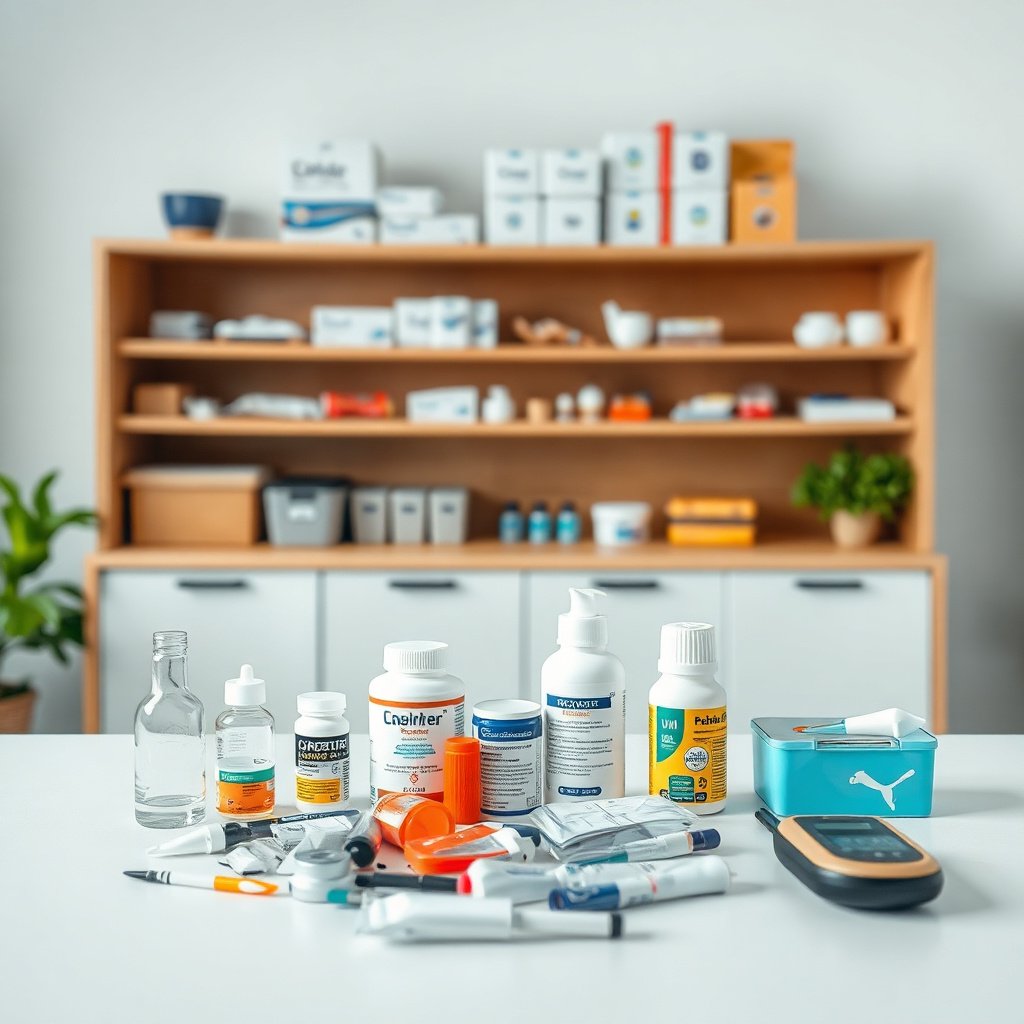
The best diabetic supplies for daily home testing are the ones that keep your readings accurate and repeatable—especially the “match” between your meter and your strips. For most people, reliable home glucose monitoring comes down to correct hardware, compatible supplies, and a simple routine that you can execute even when you feel unwell.
Glucose testing basics (meter/CGM, strips, and lancets)
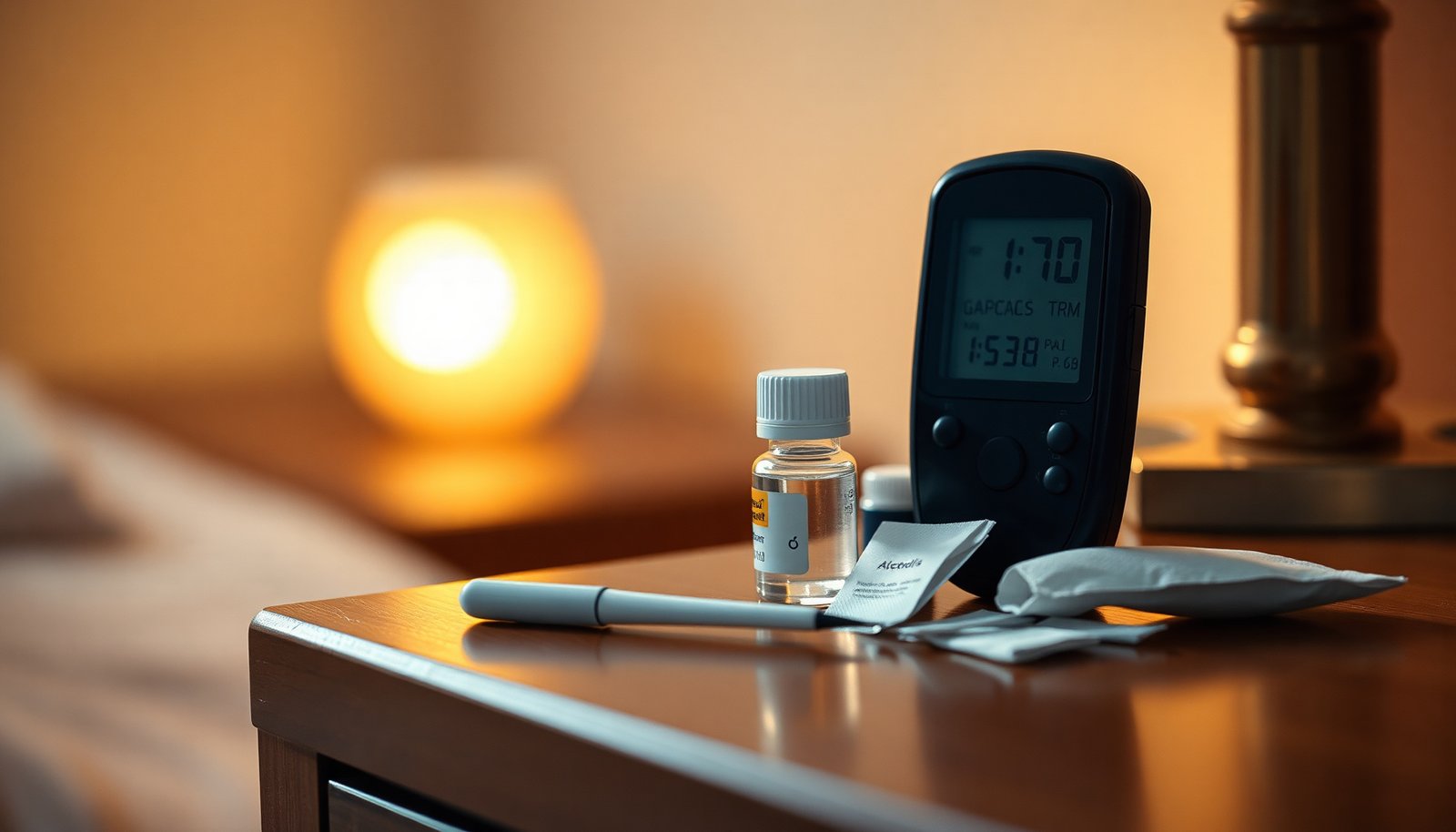
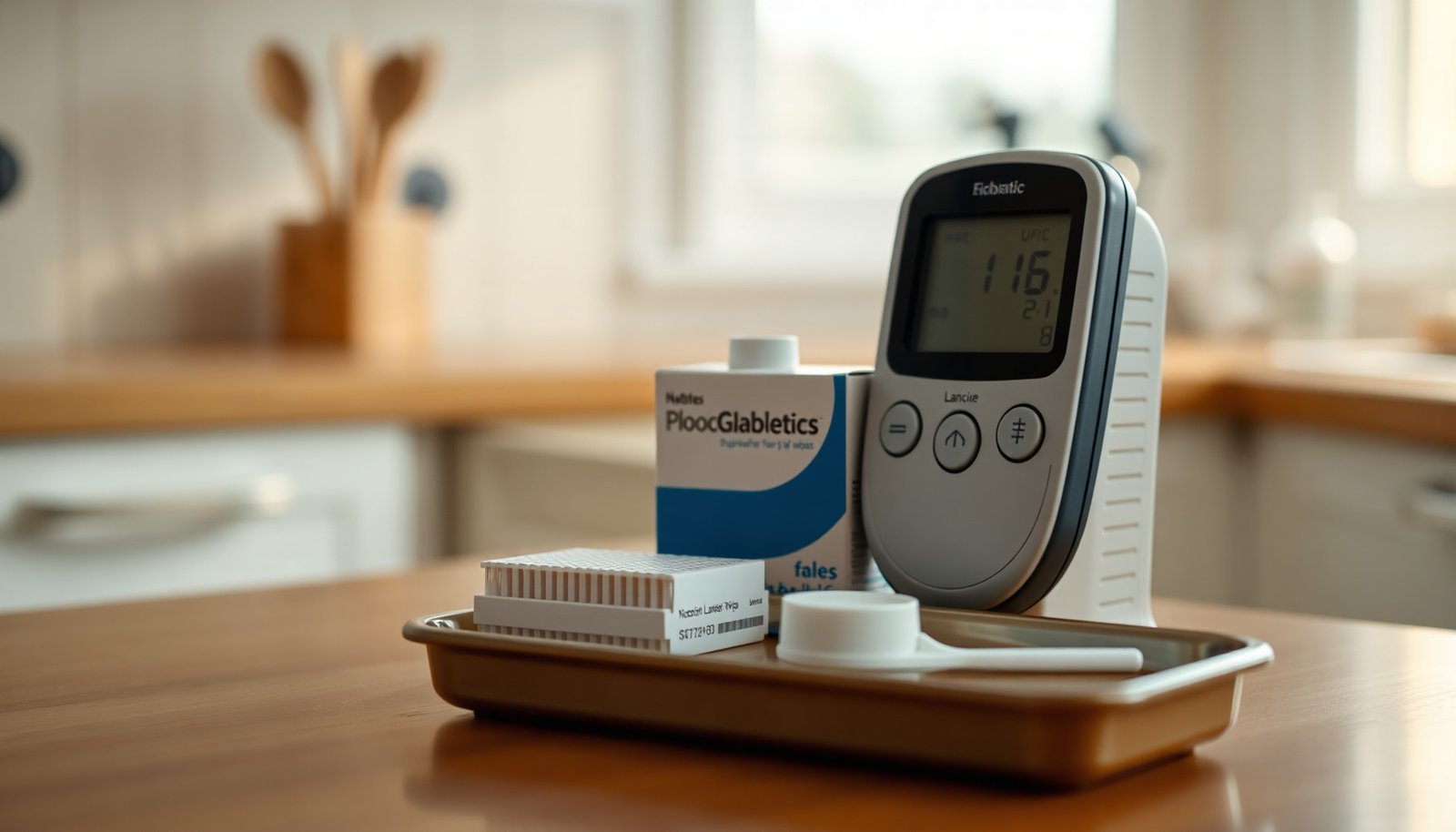
Blood glucose testing supplies typically include a blood glucose meter (or a CGM system—continuous glucose monitor), **test strips**, and **lancets** (the small needles used for fingersticks). If your clinician recommends it, an **alternate-site** option (testing on areas other than fingertips) can help reduce fingertip soreness, but you should follow guidance on when alternate sites are appropriate. For people with diabetes, accuracy matters because treatment decisions often use thresholds based on current readings, and ADA defines hypoglycemia as glucose levels **<70 mg/dL** (American Diabetes Association (ADA), Standards of Care in Diabetes).From my experience setting up home kits, the practical win is making “what goes together” hard to get wrong—so your diabetic supplies for home use should include items you can pair confidently every time.
Backup and verification (control solution + extra supplies)
Even the best diabetic supplies for home use fail when the basics run out or when readings become questionable. Keep a small buffer of extra meters, extra strips/test supplies, and spares for everyday failures such as dead batteries. Also include control solution for your meter (or follow CGM verification steps as advised), because control solution helps you confirm your meter is reading correctly per the manufacturer’s instructions. This matters because user technique (sample handling, strip storage, temperature, and reading timing) can affect results as much as the device itself.
As of 2026, many clinicians still emphasize a “two-layer approach” to home confidence: (1) correct device setup and (2) periodic verification with control solution when something seems off or when you start a new strip batch.
Comfort and consistency (lancing device + swabs if needed)
Comfort supports consistency, and consistency supports data you can trust. If you do fingersticks, you’ll want a lancing device that feels manageable for your hands and your pain tolerance, plus alcohol swabs if your routine uses them (some people swab before testing, others don’t routinely—follow your plan). Consistent lancing depth settings can reduce repeated attempts, which is especially important when your diabetic supplies for home use are being used frequently or urgently.
Choosing glucose meters and testing supplies that fit your life
The best diabetic supplies for choosing a meter or CGM aren’t “the most advanced,” they’re the ones that match your day-to-day routine and reduce preventable errors. A practical selection balances compatibility, usability, and how you’ll review data.
Compatibility matters (strips must match your meter)
Your meter choice is only as good as the ongoing availability and compatibility of your supplies. Confirm your test strips are specifically labeled for your meter model, and consider whether strips are stocked locally or can be reliably ordered. If you switch devices, do not assume strips are interchangeable—double-check packaging each time you restock, because using mismatched supplies is one of the most common causes of confusing results.
Ease-of-use features (for frequent testing or limited hand dexterity)
The “best” diabetic supplies for home use are the ones you can operate without friction. Look for:
– clear displays and legible numbers,
– straightforward strip insertion,
– minimal steps between preparing and reading,
– controls that work well for frequent use.
If you test often, a simpler workflow lowers the chance you’ll skip a step under stress.
Data handling (how you’ll use results)
If you track trends, pick supplies that fit your real habits. Some meters and CGMs sync to apps; others help you log results manually. Choose options you’ll actually review—whether that’s an app dashboard, a paper logbook, or exportable summaries for your clinician.
Meter vs CGM: which one fits best?
Below is a clear comparison to help you choose diabetic supplies for home use based on your situation—not just your preferences.
Insulin and medication support supplies (beyond just the insulin)
The best diabetic supplies for medication support focus on safe administration, secure storage, and reliable “day-of” readiness. Even if your prescription is correct, home outcomes depend on whether needles, pen handling, and sharps disposal are planned in advance.
Administration tools (pen needles or syringes + storage)
If you use insulin pens, your diabetic supplies for home use should include insulin pen needles; if your plan uses vials, include syringes appropriate for your regimen and clinician instructions. Either way, have a safe, convenient at-home storage approach for needles/syringes so you can access them quickly without improvising.
A critical practical detail: separate “clean, ready-to-use” supplies from “used” supplies so you don’t accidentally reuse items or leave out components that need protecting from light or temperature extremes.
Injection habits (site rotation + step readiness)
Injection habits aren’t just medical trivia—they’re part of preventing complications. Rotate injection sites as your plan advises, and keep supplies organized so you don’t reuse steps when you’re rushed. When people feel unwell, they’re more likely to skip site rotation notes, fail to prepare the next dose correctly, or delay recording the administered dose.
Spill and safety basics (travel-friendly setup + sharps disposal)
A small home organization setup helps you respond during missed steps or minor spills. Keep a compact “home dosing station” that includes your insulin, needles/syringes, alcohol swabs if recommended, and your disposal container in one predictable location.
Sharps disposal is a non-negotiable element of diabetic supplies for home use. Used needles and lancets should go directly into an approved sharps container rather than regular trash, following local guidance and safety expectations. If you’re in the U.S., many people align home disposal habits with OSHA’s bloodborne pathogen principles for safer handling, even when the situation isn’t workplace-related (U.S. Department of Labor, OSHA guidance on bloodborne pathogens).
Selected Insulins: Typical Room-Temperature “In-Use” Duration After First Use (U.S. brand labeling)
| # | Insulin (Brand → Generic) | Typical “In-Use” Time at Room Temp | Practical Home Impact | Flexibility vs Missed First-Use Date |
|---|---|---|---|---|
| 1 | Humalog → insulin lispro | 28 days | Label date matters for accuracy | ★★★☆☆ |
| 2 | Novolog → insulin aspart | 28 days | Avoid “room-temp drift” | ★★★☆☆ |
| 3 | Apidra → insulin glulisine | 28 days | Plan a date-check habit | ★★★☆☆ |
| 4 | Lantus → insulin glargine | 28 days | First-use date labeling is key | ★★★☆☆ |
| 5 | Levemir → insulin detemir | 42 days | More time window for home errors | ★★★★☆ |
| 6 | Tresiba → insulin degludec | 56 days | Longest room-temp handling window | ★★★★★ |
| 7 | Humulin R → regular human insulin (U-100) | 31 days | Still label and monitor carefully | ★★★☆☆ |
> Note: “In-use” durations differ by product formulation and packaging (vial vs pen). Always confirm on your specific insulin label and packaging insert for diabetic supplies for home use.
Hypoglycemia readiness: supplies that help you act fast
The best diabetic supplies for hypoglycemia are the ones that let you treat lows within minutes and confirm whether you’re truly low. This isn’t about fear—it’s about speed, because treatment delays can turn a manageable event into an emergency.
Fast-acting carbs on standby (where you need them)
Hypoglycemia readiness starts with fast-acting carbohydrates that are easy to reach. Keep quick glucose sources where you test and where you spend time most—your kitchen, your bedside area, your bag, or your car (if your storage allows). This is a core category of diabetic supplies for home use because symptoms can start suddenly, and you shouldn’t rely on “finding something” when you feel shaky or confused.
Clinically, a common rule is to treat with 15–20 grams of fast-acting carbohydrates, then recheck according to your clinician’s plan (American Diabetes Association (ADA), Standards of Care in Diabetes). After treatment, the recheck timing can vary by regimen—follow your individualized action plan.
A way to confirm symptoms quickly
Symptoms can overlap with stress, dehydration, illness, and medication effects, so confirmation matters. If you’re unsure whether you’re low, being able to test quickly can prevent delayed treatment. Keep your monitoring tool (meter/CGM) and compatible supplies in the same location as your low-kit so you can confirm and respond without searching.
Medication for severe lows (glucagon—if prescribed)
For severe hypoglycemia, some people have glucagon prescribed. Your diabetic supplies for home use should include it accessible in the same “action zone” as your fast carbs, and you should understand the expiration date and storage instructions for the specific product. Checking handling guidance matters because glucagon products can have specific reconstitution or temperature needs.
If glucagon is part of your plan, consider whether household members know where it is and how your clinician wants it used. This isn’t about training everyone—just about eliminating time loss.
What can go wrong (and how to avoid it)
The best diabetic supplies for home use fail in predictable ways—usually compatibility errors, missing backups, or delayed safety steps. If you prevent these common breakdowns, you protect your day-to-day continuity and reduce avoidable stress.
Wrong strip/meter pairing
Wrong strip/meter pairing is the most common issue: test strips are model-specific. Make it a habit to verify packaging every time you restock, and avoid mixing “close enough” supplies. If you have multiple meters in the home, label their strip types clearly so diabetic supplies for home use don’t become a mismatch during urgent moments.
Forgetting backups
Running out of strips, batteries, pen needles, or lancets is one of the fastest ways to disrupt care. Build a buffer that covers at least a short gap between typical ordering/refill times. For many people, the most disruptive days aren’t the ones you planned—they’re the ones when a supply pack runs out unexpectedly.
Sharps disposal delays
Many people intend to “throw sharps away later,” but delays can create safety risks and cleanup hassles. Establish a disposal routine: discard immediately after use into an approved sharps container, then follow local guidance for when and how containers are returned or disposed.
Overconfidence in “feels like it”
Relying only on symptoms can be misleading, especially when you’re stressed, sick, or changing doses. When possible, confirm with a reading and then follow your action plan. Hypoglycemia and hyperglycemia can produce overlapping sensations; diabetic supplies for home use are most valuable when they turn symptoms into measurable data.
Verdict: a practical “best supplies” home kit (and who should skip this approach)
If you want the simplest path to “best supplies,” build your home kit around testing reliability + safe medication handling + fast low-treatment access—then tailor details to your exact regimen (meter vs CGM, pens vs syringes, and whether you have glucagon prescribed). This approach matches how real diabetes routines work: you need dependable readings, safe administration tools, and a clear response plan when glucose drops.
Skip this category-based approach (and ask your care team for a customized list) if you have complex insulin regimens, frequent severe lows, new device training needs, or changes underway—your clinician may want specific brands, training steps, or monitoring routines. Also, if you’re dealing with storage constraints (limited refrigeration, unstable temperatures, or caregiver access barriers), your diabetic supplies for home use may need different organization strategies than a standard kit.
Quick checklist (scan and save)
| Supply category | What to include | Quick check |
|---|---|---|
| Glucose monitoring | Meter/CGM, compatible strips or CGM supplies | You can confirm what works with your device |
| Testing basics | Lancets, lancing device, (optional) alcohol swabs | Enough quantity for at least a short buffer |
| Verification | Control solution (per your device instructions) | You know where it is and how to use it |
| Medication tools | Pen needles/syringes, insulin/med storage setup | You have sharps disposal ready |
| Safety for lows | Fast-acting carbs | Accessible location(s) you’ll remember |
| Severe-low plan | Glucagon (if prescribed) | Expiration/handling instructions are followed |
Frequently Asked Questions
What are the best diabetic supplies for home use for daily blood sugar monitoring?
For most people, the best diabetic supplies include a reliable glucose meter or continuous glucose monitor (CGM), compatible test strips or sensors, and a lancing device with sterile lancets. A good home kit also includes alcohol swabs, a sharps disposal container, and glucose tablets or fast-acting carbs for treating low blood sugar. If you use a CGM, also stock backup fingerstick supplies so you can confirm readings when symptoms don’t match the sensor.
How do I choose diabetic testing supplies at home if I want accurate readings?
Start by matching test strips or CGM sensors to the exact meter or device model you have, because compatibility strongly affects accuracy. Use clean technique—wash and dry hands, then allow alcohol to fully dry if you use wipes—and check meter expiration dates and storage conditions. Many people also benefit from a logbook or app to track results, plus quality lancets for comfortable, low-pain testing.
Why should I keep insulin injection and delivery supplies stocked at home?
Insulin and delivery supplies are essential diabetic home supplies because running out can delay dosing and increase health risks. Keep a sufficient backup of insulin pens or vials, needles or pen needles, syringes (if needed), and proper insulin storage items such as a travel case or temperature protection. It’s also smart to include a diabetes care plan checklist and emergency contact information in your home glucose kit.
Which diabetic supplies are best for managing low and high blood sugar at home?
For lows, stock fast-acting glucose sources like glucose tablets or gel, plus longer-acting snacks in case symptoms persist. For highs, having ketone test strips (blood or urine) can help you follow your clinician’s guidance, especially for type 1 diabetes or when advised. Don’t forget home essentials like a thermometer, hydration supplies, and a clear action plan for when to contact your healthcare provider.
What are the best home diabetic supplies for foot care and preventing complications?
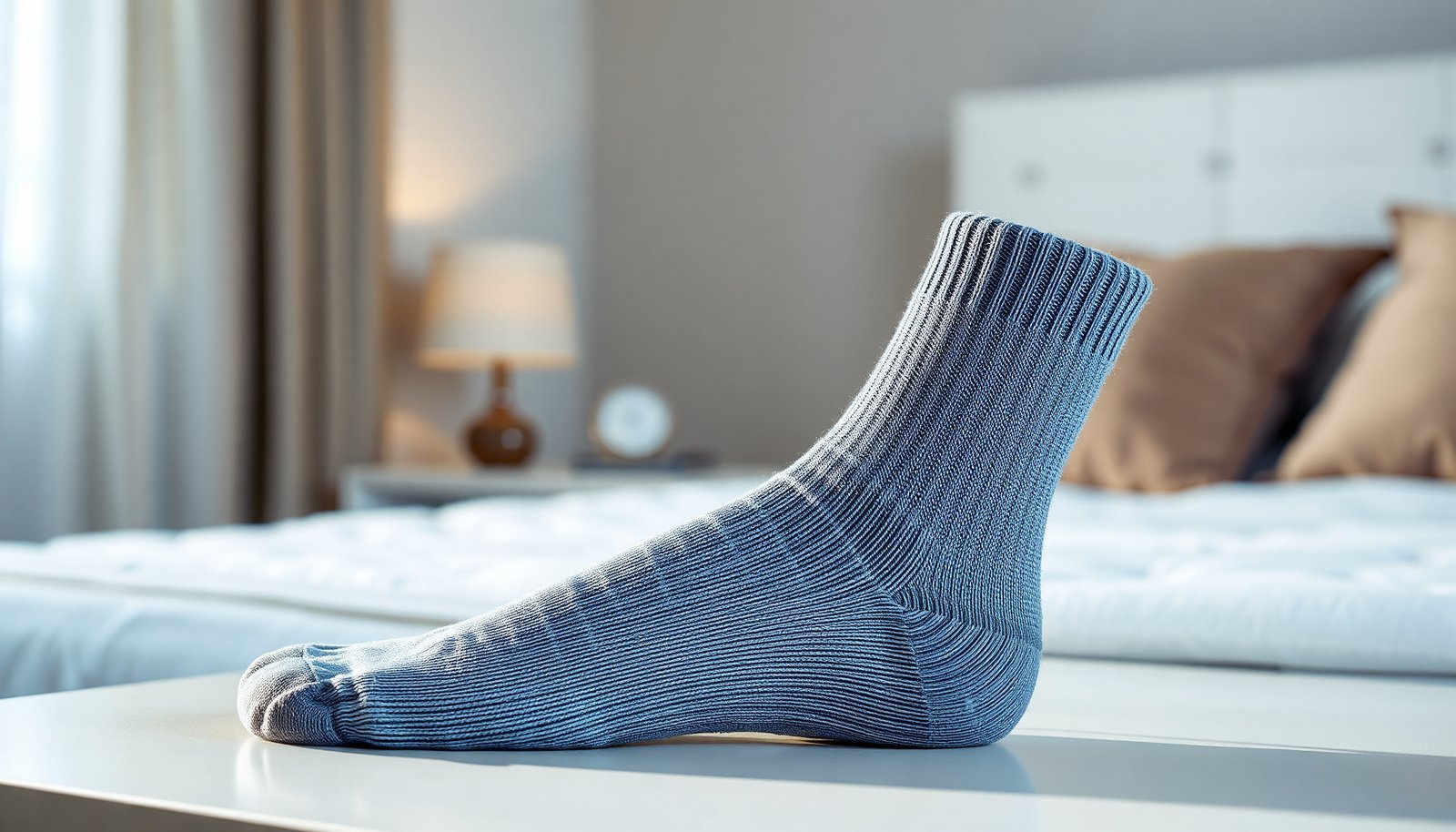
Foot care supplies can help reduce the risk of diabetic foot problems by keeping skin clean, moisturized (not between toes), and protected from injury. Look for diabetic-friendly socks, a gentle foot wash, a soft towel, and an appropriate moisturizer such as urea-based cream if recommended. If you have neuropathy, also consider a home foot inspection mirror and medical-grade nail tools or guidance to avoid cuts, along with regular checkups for early detection.
📅 Last Updated: November 09, 2026 | Topic: best diabetic supplies for home use | Content verified for accuracy and freshness.
References
- https://www.cdc.gov/niosh/topics/sharps/
- https://www.fda.gov/medical-devices/blood-glucose-meters
- Glucose meter
- Injector pen
- https://www.mayoclinic.org/diseases-conditions/diabetes/in-depth/insulin/art-20047918
- https://pubmed.ncbi.nlm.nih.gov/?term=home+blood+glucose+monitoring+guidelines+meter+test+strips
- https://pubmed.ncbi.nlm.nih.gov/?term=home+use+diabetes+lancets+syringes+pen+needles+guideline
- https://scholar.google.com/scholar?q=best+home+diabetes+supply+glucose+meter+test+strips+lancets Google Scholar
- https://scholar.google.com/scholar?q=continuous+glucose+monitoring+CGM+home+use+guidelines Google Scholar
- https://scholar.google.com/scholar?q=insulin+storage+temperature+guideline+home+use Google Scholar