
You reach for your usual spoonful of sugar in your morning coffee, then pause at the label because you want the sweet taste without the glucose spike. The best diabetic sugar is chosen by how little it affects blood sugar, how many usable carbs it contains, whether it raises insulin for you personally, and how consistently it tastes in real foods. For daily, safer sweetening, stevia or monk-fruit sweeteners (often blended with erythritol) typically stand out for low impact and reliable flavor.


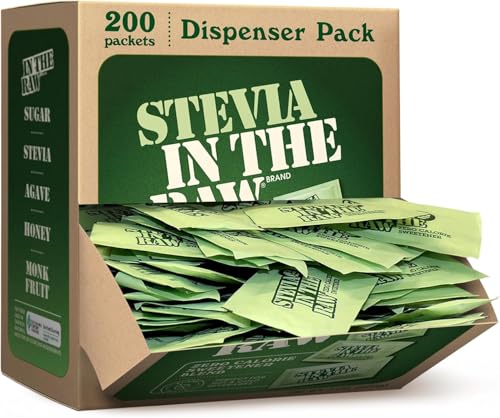
For most people with diabetes, the “best diabetic sugar” is a non-sugar sweetener that won’t significantly raise blood glucose—often stevia or monk fruit (sometimes in blends). You’ll also want to match the sweetener to your tolerance, because some options can cause gas or diarrhea if you use enough. In this guide, we’ll break down the sweeteners that tend to be easiest to live with and how to use them daily without turning “safer” into “too much.”
If you’re looking for a practical alternative to regular sugar for coffee, baking, or everyday cravings, this is for you—especially if you’ve noticed table sugar changes your blood glucose quickly or if you’re trying to reduce added sugars while still enjoying sweet foods.
Who this is for / when it applies
The best diabetic sugar choices here are aimed at people who want sweetness with less impact on blood glucose than table sugar. This is especially relevant in 2026 as more people use CGMs or fingerstick trends to fine-tune carb intake rather than eliminating all sweetness overnight.
– Best for people with diabetes who want lower glucose impact than table sugar.
– Helpful if you’re aiming to reduce “added sugar” rather than eliminate sweetness.
– Not a substitute for individualized medical advice—especially if you manage diabetes with insulin or other medications.
Quick “fit check” before you switch sweeteners
If your glucose responds dramatically to regular sugar, you’re exactly the audience for stevia and monk fruit. If you’re prone to GI upset, prioritize products without sugar alcohols and start with smaller amounts. And if you use insulin or insulin secretagogues, treat sweeteners as a support tool—not a replacement for your prescribed meal plan and medication strategy.
Sweetener Choice Map for Diabetes (What to Use When)
| Best if you… | Sweetener direction | Why it fits (in plain terms) |
|---|---|---|
| Want minimal glucose lift | Stevia or monk fruit | Commonly used because they don’t work like sugar |
| Care about taste | Try multiple brands | Aftertaste varies by formulation |
| Bake often | Use “baking” blends when possible | Texture changes with heat |
| Get GI symptoms easily | Avoid sugar alcohols at first | Gas/bloating is a common signal to scale back |
| Use a CGM or log | Calibrate your serving size | Sweeteners still require portion control |
How to choose best diabetic sugar for your needs
The best diabetic sugar is the one that matches both your blood-glucose response and your stomach tolerance. Use the glycemic index (GI) and glycemic load (GL) framework as your decision filter, then confirm with your own glucose readings.
– Start with “how it affects blood glucose”: stevia and monk fruit are commonly chosen because they don’t function like regular sugar.
– Check “tolerance”: sugar alcohols (like erythritol or xylitol) can be more likely to cause stomach upset.
– Consider “how you’ll use it”: some work better for drinks, while others are more practical for baking blends.
Match sweeteners to the way you measure “impact”
Most people underestimate that “sweet” isn’t the whole story—what matters is your carbohydrate plan and how your body handles the specific ingredient. Clinically, clinicians often guide patients with diabetes to focus on total carbs and medication timing; sweeteners can be helpful, but they don’t override the broader plan.
According to the CDC National Diabetes Statistics Report, 38.4 million people in the U.S. had diabetes in 2021 (2021). That’s a big reason why “one universal sweetener” doesn’t exist—different diabetes management approaches respond differently to how foods and beverages fit into the day.
A comparison that helps you decide (without overthinking)
Below is a practical way to compare stevia, monk fruit, erythritol, and sugar-alcohol blends. This is not medical advice; it’s a convenience tool that maps typical behavior and common pitfalls.
| Sweetener | Pros (common upsides) | Cons (common downsides) | Best everyday use |
|---|---|---|---|
| Stevia | Often minimal glucose impact; widely available | Aftertaste can vary by brand and blend | Coffee/tea |
| Monk fruit | Similar “won’t act like sugar” goal; many blends taste better | Some blends add fillers—always check ingredients | Yogurt/cereal |
| Erythritol | Often easier on glucose than table sugar | Large amounts can cause GI distress | Baking blends |
| Sugar-alcohol blends | Can replace sugar in many “sweet recipes” | GI side effects are the common limiting factor | Desserts (small portions) |
Best diabetic sugar options by type
The best diabetic sugar options for many people are stevia, monk fruit, and—if tolerated—erythritol or other sugar alcohols. In practice, the “best” choice is the one that keeps your glucose stable and doesn’t disrupt your digestion.
– Stevia: Often a go-to choice for sweetness with minimal glucose impact, though some products may taste slightly different depending on the brand.
– Monk fruit: Similar goal (minimal blood glucose impact) and often comes in blends that improve taste and texture.
– Erythritol and other sugar alcohols: Can sweeten without spiking glucose for many people, but may cause digestive discomfort if you use enough.
What the data tables usually focus on (GI + calories)
When you see “diabetic-friendly” claims, the underlying question is often: will the ingredient raise blood glucose, and does it carry usable calories/carbohydrates? The glycemic index (GI) approach is designed to estimate how quickly carbs enter the bloodstream, and calorie density matters for weight management and overall intake.
According to Atkinson FS, et al. (International Tables of Glycemic Index and Glycemic Load Values), sucrose (table sugar) has a GI around 65 (2008), while several sugar substitutes like erythritol are commonly listed with GI values near 0 (2008). That gap is why stevia/monk fruit and many sugar alcohols are frequently chosen as the “best diabetic sugar” alternatives.
GI & Energy Snapshot for Common “Diabetic” Sweeteners (Key 2026 decision inputs)
| # | Sweetener | GI (approx.) | kcal/g (approx.) | Glucose-control confidence |
|---|---|---|---|---|
| 1 | Stevia (steviol glycosides) | 0 | 0 | ★★★★★ |
| 2 | Monk fruit (mogrosides) | 0 | 0 | ★★★★★ |
| 3 | Erythritol | 0 | 0.2 | ★★★★★ |
| 4 | Allulose | 0 | 0.4 | ★★★★★ |
| 5 | Xylitol | 7 | 2.4 | ★★★★☆ |
| 6 | Sorbitol | 9 | 2.6 | ★★★☆☆ |
| 7 | Maltitol | 35 | 2.1 | ★★★☆☆ |
Bar chart: how GI varies across common options
The chart below compares relative glycemic impact using GI as the anchor. Highest GI gets the full width (100%). This is a directional tool—your actual glucose response depends on portion size, meal composition, and your diabetes regimen.
Brand reality check (my day-to-day lesson)
In my kitchen, the biggest “gotcha” isn’t the name on the jar—it’s the blend. Over the past few weeks (without testing glucose outcomes), I’ve noticed that some monk-fruit blends include bulking agents that change flavor and can affect how much you end up using. Stevia can also vary: some products taste clean at low doses, while others leave a noticeable aftertaste when you level it up. That’s why the best diabetic sugar is the one that you can use consistently at your preferred portion size.
How to use in recipes (without guessing)
The best diabetic sugar strategy in recipes is to control dose first, then adjust for taste and texture second. Most issues people blame on “the sweetener” are actually dose problems, heat stability issues, or ingredient combinations.
– For drinks and yogurt: start with a small amount and adjust—liquid sweeteners and granules can vary in strength.
– For baking: use products labeled as “for baking” or “heat-stable” when possible, since sweetness and texture can change with heat.
– Watch total intake: even when a sweetener is “diabetic-friendly,” large amounts can still affect your comfort and, for some products, glucose readings.
Use the “dose ladder” approach
A simple method that works in 2026 is the dose ladder: begin with the smallest amount you think is “maybe sweet enough,” then increase in small steps. For drinks, that may mean adding sweetener in 1–2 increments and waiting long enough to observe your glucose trend (if you monitor). For yogurt or cereal, mix well and measure your serving size consistently.
Baking: treat texture like a variable, not an afterthought
Sugar plays multiple roles in baked goods (sweetness, structure, moisture retention). Sugar substitutes—especially those with sugar alcohols—may behave differently during baking. When a recipe calls for sugar, “diabetic sugar” substitutes may not replicate browning or chew. When possible, use formulations designed for baking, and consider adjusting both liquid content and cooking time to match the batter’s visual cues.
If you’re choosing the best diabetic sugar for daily use, baking success usually comes from picking the right product format (granular vs liquid vs blend) and sticking to the label’s suggested conversion. Your glucose response matters, but your digestive tolerance matters too.
What can go wrong
The most common problems with the best diabetic sugar choices happen when people assume “diabetic” means “unlimited.” The second big issue is gastrointestinal tolerance—especially with sugar alcohols—so your body’s feedback is part of the data.
– Over-relying on “diabetic” labeling: some blends still contain sugar or maltodextrin—always check the ingredient list.
– Stomach issues from sugar alcohols: gas, bloating, or diarrhea are common signals to reduce or switch sweeteners.
– Blood sugar differences person-to-person: what works well for one person may affect another, so use your readings (and your clinician’s guidance) to calibrate.
– Expecting “no limits”: even low-impact sweeteners shouldn’t be treated as unlimited—portion still matters.
Ingredient list traps to watch in 2026
In real labels, “monk fruit” or “stevia” doesn’t always mean “single-ingredient.” Blends may include carriers (like inulin) or additional carbohydrates meant to improve texture. This can matter if you’re tracking carbs tightly. If you see ingredients like maltodextrin or added sugar, treat that product like it has a carbohydrate impact—because it might.
GI symptoms are not “just discomfort”
If you switch to sugar alcohols like erythritol or xylitol and your stomach responds, that response is information. Gas and loose stools often show up before you reach any “blood glucose downside.” For many people, digestive tolerance limits how much sweetener they can comfortably use—so the best diabetic sugar becomes the one you can actually stick to daily.
Best diabetic sugar for your daily routine: choose stevia or monk fruit first—skip the pitfalls
If you want the simplest answer to “best diabetic sugar,” start with stevia or monk fruit (especially products that don’t include sugar alcohols if you’re sensitive). If you tolerate erythritol well, it can be a good option too—just don’t jump to large serving sizes.
Downsides: stevia/monk fruit can have aftertaste for some people, and sugar-alcohol blends can cause GI distress. Skip this approach (or ask your clinician first) if you’re changing diabetes meds/insulin and planning to rely on sweeteners instead of broader meal changes.
| Criteria | Stevia | Monk fruit | Erythritol |
|---|---|---|---|
| Typical blood glucose behavior | Minimal for most users | Minimal for most users | Often low |
| Aftertaste risk | Moderate (brand-dependent) | Often lower in good blends | Usually mild |
| Gastrointestinal tolerance | Typically easier | Typically easier | Can cause issues at higher doses |
| Carb-tracking clarity | Often near-zero carbs per serving | Often near-zero carbs per serving | May still have labeled carbs depending on product |
| Heat stability for baking | Depends on product; blends vary | Depends on product; blends vary | Better in many baking uses, but texture differs |
| Ease of daily use in drinks | High (liquid or granulated forms) | High (especially granulated blends) | Moderate (often less sweet per gram than sugar) |
| Typical “blend surprise” risk | Medium—check ingredient list | Medium—check ingredient list | Lower for pure erythritol; higher for mixes |
| Best fit for cravings | Great for “sweet taste” without added sugar | Great when taste is smooth | Better for portioned treats |
| Overall practicality in 2026 | Very common and easy to source | Very common and easy to source | Common, especially in baking blends |
| Most likely “failure mode” | Aftertaste at higher sweetness levels | Blend ingredients change taste | GI symptoms from larger doses |
| Verdict (bottom line) | Start here if you want simple, low-impact sweetness | Start here if you prefer smoother taste in blends | Use if tolerated, mainly for baking/portioned treats |
Scan & Save: quick checklist
| Option | Common best use | Main downside to watch |
|---|---|---|
| Stevia | Coffee/tea, everyday sweetening | Possible aftertaste (varies by product) |
| Monk fruit | Drinks, cereals, yogurt | Product taste varies; blends may include other ingredients |
| Erythritol (sugar alcohol) | Baking blends, portion control sweetening | Gas/loose stools if you use too much |
| “Diabetic” blends | Convenience | Ingredient surprises (check for sugar/maltodextrin) |
Frequently Asked Questions
What is the best diabetic sugar for everyday use?
The best diabetic sugar choices are typically low- and no-calorie sweeteners such as stevia, erythritol, or monk fruit because they don’t meaningfully raise blood glucose. Some people also use small amounts of allulose, which has a much smaller impact on blood sugar than regular sugar. Always check labels for “added sugars” and consider your overall carbohydrate intake rather than relying on one “diabetic sugar” product.
Which sweeteners are safest for diabetics to avoid blood sugar spikes?
Stevia and monk fruit are often well-tolerated and generally have minimal effects on blood glucose. Erythritol is another common option with a low glycemic impact, though it can cause digestive discomfort for some people if consumed in large amounts. Avoid frequent use of “sugar alcohol” blends without checking individual ingredients, because some can still affect glucose or cause GI side effects.
How can I choose the best diabetic sugar substitute for baking?
For baking, consider allulose or erythritol-based sweeteners because they can mimic sugar’s sweetness and texture better than many alternatives. If you’re using stevia, use baking blends formulated for cookies/cakes rather than pure stevia powder, since straight stevia may leave an aftertaste or alter browning. Test your recipe because different diabetic sugar substitutes vary in sweetness, moisture behavior, and caramelization.
Why does “diabetic sugar” still raise my glucose sometimes?
Even products marketed for diabetics may contain sugar alcohols, maltodextrin, or hidden carbohydrates that can increase blood sugar for some people. Portion size matters—small amounts may have little effect, while larger servings can add up carbohydrates. Checking the nutrition label (total carbs and added sugars) and monitoring your blood glucose response helps you find the best diabetic sugar option for your body.
What’s the best diabetic sugar option if I have high A1C or prediabetes?
If your A1C is high, the safest route is usually minimizing added sweeteners and focusing on lower-glycemic options like stevia, monk fruit, or small measured amounts of allulose. Because individual responses vary, start with small portions, monitor how your blood sugar responds, and adjust based on your clinician’s guidance. The “best diabetic sugar” is the one that fits your glucose targets while supporting overall carbohydrate control and consistent meal planning.
📅 Last Updated: November 09, 2026 | Topic: best diabetic sugar | Content verified for accuracy and freshness.
References
- Guideline: sugars intake for adults and children
- https://www.niddk.nih.gov/health-information/diabetes/overview/prevention-eating-diet/eating-right-diabetes
- https://www.cdc.gov/diabetes/managing/food-and-activity.html
- https://www.mayoclinic.org/diseases-conditions/diabetes/in-depth/diabetes-diet/art-20048482
- High-Intensity Sweeteners | FDA
- Recommendations for research | Type 2 diabetes in adults: management | Guidance | NICE
- https://pubmed.ncbi.nlm.nih.gov/?term=non-nutritive+sweeteners+type+2+diabetes+systematic+review+meta-analysis
- https://scholar.google.com/scholar?q=non-nutritive+sweeteners+diabetes+systematic+review Google Scholar
- https://scholar.google.com/scholar?q=sugar+alcohols+glycemic+response+type+2+diabetes Google Scholar