
If your slow-cooker meals leave you with higher-than-expected blood sugar, the problem is usually the hidden carbohydrates—like sugary sauces, sweetened canned ingredients, or large portions of starchy sides. These choices can overwhelm a diabetes-friendly plate even when the recipe sounds “healthy.” Below, you’ll find practical diabetic slow cooker recipes built to support steady eating: balanced carbs, plenty of non-starchy vegetables, and smart seasoning.




The best diabetic slow cooker recipes are the ones that lead with lean protein, bulk up with non-starchy vegetables, and keep carb portions measured—then season everything for flavor without added sugar. If you follow that structure, slow-cooker convenience can fit diabetes-friendly eating (and still taste satisfying) because you control the variables that most often drive glucose spikes—hidden sugars, starchy sides, and “unlimited” carb portions.
If you manage diabetes (type 1, type 2, or gestational) and want hands-off meals that don’t turn into carb surprises, these guidelines are built for real-world cooking. This is especially useful when you’re tempted by convenience foods like pre-seasoned sauces, canned ingredients, or frozen mixes.
How to pick diabetic slow cooker recipes that actually fit
The fastest way to make diabetic slow cooker recipes work is to choose meals that are protein-forward and vegetable-heavy first, then confirm carb sources and sauce ingredients second. Here’s what to look for so the recipe’s “healthy” intent survives label reading and portioning.
– Look for recipes that center on protein first (chicken, turkey, fish, lean beef, eggs) and use vegetables as the volume.
– Prefer non-starchy veggies (like peppers, zucchini, mushrooms, greens) over recipes that rely heavily on potatoes, corn, or large amounts of refined grains.
– Choose meals where carb sources are measured and balanced (for example, a set serving of beans or whole grains rather than “as much as you want”).
To keep this practical, think in “diabetes meal math”: protein + high-fiber vegetables = steady meal volume, while carbs become a planned variable you can measure. As of 2026, many slow cooker recipes still assume “normal” carb freedom; diabetes-friendly versions assume the opposite—carbs are intentional.
A helpful anchor: the CDC estimates diabetes affects 38.4 million people in the U.S. (2021), which is why meal structure consistency matters so much for everyday routines. CDC When a slow cooker is involved, consistency also means consistent ingredient labels, consistent portion sizes, and consistent serving pairings.
Quick recipe-suitability scoring (so you don’t have to guess)
Here’s how I’d triage recipe candidates for diabetic slow cooker recipes before you cook. I can’t replace your clinician’s plan, but this scoring approach helps you compare options objectively—especially when you’re using canned or frozen components.
Diabetes-Friendly Slow Cooker Base Types: Safety + Planning Score (2026)
| # | Slow cooker base type | Typical LOW window (hours) | USDA doneness target | Diabetes-fit score |
|---|---|---|---|---|
| 1 | Turkey chili with extra peppers | 7–8 | 165°F (74°C) | ★★★★★ |
| 2 | Chicken + zucchini ragù | 4–6 | 165°F (74°C) | ★★★★☆ |
| 3 | Beef stew with non-starchy veg | 7–9 | 145°F (63°C) + rest | ★★★★☆ |
| 4 | Lentil soup (measured portions) | 6–8 | 165°F (74°C) when using meat | ★★★☆☆ |
| 5 | Shredded pork with cabbage | 8–10 | 145°F (63°C) + rest (for whole cuts) | ★★★★☆ |
| 6 | Chicken soup without sweet bases | 5–7 | 165°F (74°C) | ★★★★☆ |
| 7 | “Creamy” pasta soups (watch portions) | 6–7 | Varies by meat; meat still 165°F (74°C) | ★☆☆☆☆ |
This table focuses on what tends to make diabetic slow cooker recipes easier to manage: predictable safety targets (USDA doneness) and carb volatility. The star score is editorial and assumes you’ll pair with lower-carb sides (and control beans/grains per your plan).
The most reliable recipe types to start with
The best diabetic slow cooker recipes to start with are the ones that naturally support portion control and easy swaps—think chili, shredded-meat bowls, and savory soups. These formats keep vegetables as the “main character,” while carbs stay measurable and adjustable.
– Chili and stew-style meals: They’re naturally portion-friendly and easy to customize with different vegetables and lean proteins.
– Shredded meat recipes (chicken/turkey/beef): Great for serving over lower-carb sides (like salad greens) instead of bread-based options.
– Soup options without sugary bases: Vegetable + protein soups can be more predictable than recipes that start with sweetened sauces.
How chili becomes diabetes-friendly (without losing flavor)
Chili works because it’s a “matrix” dish: protein provides satiety, vegetables add volume, and beans (if included) add fiber—yet the carb impact is still controllable if you measure servings. Fiber is also directly relevant: the National Academies’ Dietary Reference Intakes describe adequate fiber intake targets of 38 g/day for men and 25 g/day for women (Adequate Intake). National Academies (DRIs) When chili includes fiber-rich vegetables and measured legumes, it’s easier to keep glucose patterns steadier than with pasta-heavy slow cooker meals.
How shredded-meat bowls simplify glucose management
With shredded meats, the slow cooker handles tenderness while you keep carbs on the side. The diabetes advantage is structural: you can serve the same base over salad greens, roasted cauliflower, or zucchini noodles, rather than defaulting to tortillas or bread.
Flavor upgrades without added sugar
The quickest way to prevent “diabetic slow cooker” recipes from sabotaging glucose is to upgrade flavor using acid, aromatics, and spices instead of sweeteners. If you remove added sugar while keeping savory depth, you get better taste—and better label control.
– Skip or reduce sweet ingredients like sugar, honey, sweet barbecue sauce, and teriyaki-style glazes; use vinegar, citrus, garlic, onion, smoked paprika, chili powder, and herbs for depth.
– Be careful with “healthy-sounding” shortcuts (like pre-made sauce mixes): read labels for hidden sugars and starch thickeners.
– If you need thickening, consider natural methods (cooking down vegetables) rather than relying on large amounts of flour or sugar-based thickeners. If you use a thickener, check that it won’t add significant carbs per serving.
Acid + spice: your highest-impact swap
If a recipe calls for a sweet sauce, try these flavor replacements that don’t require sugar:
– Vinegar (apple cider or red wine) for tang and “bright” perception
– Citrus (lemon or lime zest) near the end to keep aroma
– Garlic + onion sautéed briefly (optional) before adding to the slow cooker
– Smoked paprika + cumin + chili powder to mimic “roasted” notes
As of 2026, label reading matters more than ever because many pantry items list “added sugars” in multiple forms (e.g., cane sugar, dextrose, evaporated cane juice). The Dietary Guidelines for Americans recommend keeping added sugars below 10% of total calories; for a 2,000-calorie diet, that’s about 50 grams/day. Dietary Guidelines for Americans
Pros and cons: canned beans vs. dried beans for diabetic slow cooker recipes
Choosing bean type can change texture and how “measured” your carb portion stays. Here’s a practical comparison.
| Option | Pros for diabetes planning | Cons / watch-outs |
|---|---|---|
| Canned beans | Fast; easy to portion by draining and measuring; often consistent texture once rinsed | Label variability (sodium; sometimes added ingredients); texture can get softer in long simmers |
| Dried beans | You control soaking and cook time; no “canned” add-ins; often economical | Requires planning; inconsistent tenderness if under/overcooked; more variables if you’re building glucose tracking habits |
Slow cooker timing, temperature, and texture basics
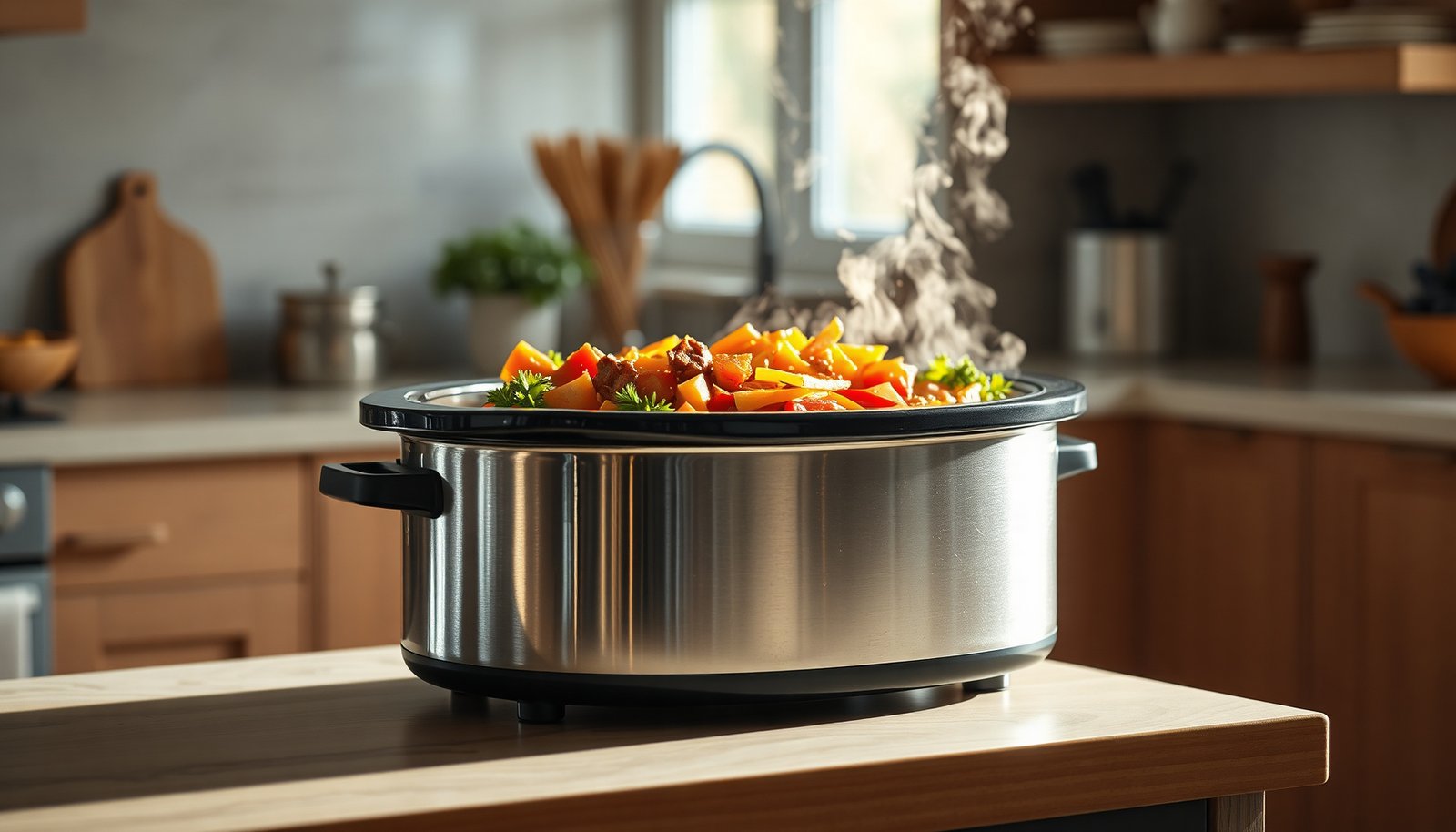
The most reliable diabetic slow cooker recipes still depend on timing and temperature—because texture changes influence how much you eat, and safe cooking prevents added risk. Use low vs. high strategically, and handle ingredients in a way that keeps food safe and consistent (especially poultry and ready-to-eat components).
– Follow the recipe’s direction for low vs. high settings, because timing changes texture (especially for chicken, beans, and vegetables).
– For safety and consistency, avoid leaving food at unsafe temperatures; use safe handling and thawing practices (especially with poultry and ready-to-eat ingredients).
– To prevent mushy vegetables (or undercooked dense ones), cut vegetables into similar-sized pieces and layer them appropriately (harder vegetables closer to the bottom, tender ones later if the recipe suggests it).
Safety anchor: cook meats to target doneness
If your recipe includes chicken, turkey, or ground meats, cook to 165°F (74°C). USDA Food Safety and Inspection Service This matters because “diabetic-friendly” still has to be food-safe; temperature mistakes can add risk regardless of carbs.
Texture affects portioning (and glucose)
When vegetables turn mushy, people often eat more quickly or scoop larger portions. In diabetic slow cooker recipes, consistent texture helps you keep servings predictable—especially if you’re meal prepping. As of 2026, more clinicians also encourage people to pair nutrition changes with monitoring to personalize how meal patterns land for them (with guidance).
What can go wrong (and how to fix it)
Even diabetic slow cooker recipes can backfire—usually because hidden sugars, carb-heavy pairings, or “helpful” ingredient substitutions drift from the plan. The good news: most issues are fixable if you check labels and control serving structure.
– Hidden sugar in sauces: Many slow cooker favorites rely on bottled sauces—check nutrition labels for added sugar and choose lower-sugar options where possible.
– Carb overload from “healthy swaps”: Even “diabetic-friendly” meals can spike glucose if the recipe quietly includes lots of potatoes, pasta, rice, corn, or bread. Measure portions.
– Serving suggestions can undo the recipe: A balanced chili can become high-carb if you pair it with large servings of tortillas, white rice, or sweetened toppings.
– Inconsistent results from ingredient differences: Canned beans, frozen vegetables, and fresh vegetables release liquid differently—texture changes can affect how much you end up eating, which matters for glucose control.
– Not accounting for your personal glucose response: Diabetes is individualized. If you’re adjusting carb sources, consider checking glucose response (as recommended by your clinician) so you can refine your portions over time.
How to audit a “diabetic” recipe in 5 minutes
If you want a repeatable process, read the recipe like an auditor:
1. Identify carb sources (beans, lentils, rice, tortillas, starchy vegetables).
2. Confirm whether carbs are measured or “to taste.”
3. Check sauce ingredients for added sugars and starch thickeners.
4. Replace “sweet” with acid/aromatics if needed.
5. Decide your serving plan before cooking.
This is especially important in 2026 because many meal-prep labels now include multiple sugar terms, and some “no sugar added” products still contain carbohydrate amounts that matter for glucose response.
Verdict: what to do next (plus downsides and who should skip)
Diabetic slow cooker recipes can be a great tool for convenient meals—especially when you treat them like carb-managed dishes, not “free food.” The biggest upside is convenience with predictable ingredient choices; the main downside is that slow cookers can make it easy to miss label details (like added sugar in sauces) or end up with larger portions than planned.
Skip or get extra guidance before using these recipes if:
– You’ve been advised to follow a specific meal plan with strict carb targets you must not deviate from.
– You have kidney disease or other conditions that require additional restrictions (e.g., protein, potassium, phosphorus).
– You’re experimenting with sweeteners or thickening agents and haven’t confirmed what’s safe and suitable for you.
Bottom line: start with simple, protein-forward recipes, control carb additions, and pair them with lower-carb sides. Then fine-tune based on your glucose monitoring and clinician guidance.
Save-and-scan diabetic slow cooker checklist
The goal of this checklist is quick, confident cooking decisions—so you don’t have to “rethink everything” after the slow cooker finishes.
| Step | What to look for | Quick yes/no |
|---|---|---|
| Base | Lean protein + lots of non-starchy vegetables | Yes / No |
| Carbs | Measured portions of beans/whole grains (not “unlimited”) | Yes / No |
| Flavor | Spices, herbs, garlic, vinegar/citrus (no added sugar needed) | Yes / No |
| Sauce | Low sugar / clearly labeled ingredients | Yes / No |
| Serving | Pair with lower-carb sides (avoid big rice/tortilla portions) | Yes / No |
| Consistency | Similar veggie sizes + proper layering for texture | Yes / No |
Frequently Asked Questions
What are the best diabetic slow cooker recipes for beginners?
Start with simple, high-fiber options like slow cooker chicken and vegetable stew, turkey chili, and lentil soup that keep carbs steady. Choose recipes that focus on non-starchy vegetables (zucchini, peppers, leafy greens) and use lean protein to avoid blood sugar spikes. Look for portion-friendly serving ideas such as pairing with cauliflower rice or a small measured side of whole grains.
How do I adjust slow cooker diabetic recipes to keep blood sugar stable?
Use the “smart carb” approach by limiting added sugars, skipping sweet sauces, and seasoning with herbs, garlic, and spices instead. Aim for higher fiber ingredients—beans, lentils, and vegetables—while controlling starchy add-ins like potatoes and using them sparingly. If your recipe includes juice, ketchup, or brown sugar, replace with no-sugar-added alternatives and taste carefully before serving. Always monitor your glucose and consider talking with your clinician about medication timing when changing meal patterns.
Which slow cooker recipes are best for diabetics with weight loss goals?
Weight-loss-friendly diabetic slow cooker recipes usually feature lean proteins (chicken breast, turkey, fish), lots of non-starchy vegetables, and controlled portions of beans. Try a hearty slow cooker vegetable minestrone, chicken fajita soup, or a low-carb chili loaded with peppers and tomatoes. Keep creamy textures without excess carbs by using Greek yogurt stirred in at the end or using broth-based thickening methods.
Why should diabetics choose high-fiber ingredients in slow cooker meals?
High-fiber ingredients slow digestion and help reduce rapid glucose rises after meals. In slow cooker diabetic recipes, fiber-rich foods like beans, lentils, and a variety of vegetables improve satiety and support better blood sugar management. They also help you stay full longer, which can make portion control easier. For best results, prioritize whole-food ingredients over refined carbs and sugar-heavy condiments.
Best diabetic slow cooker recipe: how can I make a low-carb chili that’s still flavorful?
Use a base of tomatoes, onion, garlic, and spices like cumin, chili powder, and smoked paprika, then add lean ground turkey or chicken along with plenty of non-starchy vegetables. For “diabetic slow cooker chili,” consider beans in measured amounts (or half the usual amount) and bulk the rest with extra peppers, celery, and zucchini. Keep sweeteners out of the recipe and rely on slow-cooked flavor to build richness; thickening comes naturally from tomatoes as it simmers. Serve with cauliflower rice or a small salad instead of bread to keep carbs controlled.
📅 Last Updated: November 09, 2026 | Topic: best diabetic slow cooker recipes | Content verified for accuracy and freshness.
References
- https://www.cdc.gov/diabetes/managing/eat-well/index.html
- https://www.niddk.nih.gov/health-information/diabetes/overview/eating-healthy-diabetes
- Diabetes
- Diabetes diet: Create your healthy-eating plan – Mayo Clinic
- Type 2 diabetes – NHS
- Glycemic index
- Slow cooker
- https://scholar.google.com/scholar?q=best+diabetic+slow+cooker+recipes Google Scholar
- https://scholar.google.com/scholar?q=type+2+diabetes+crock+pot+recipes+carbohydrate+control Google Scholar
- https://scholar.google.com/scholar?q=slow+cooker+meal+planning+diabetes+glycemic+index Google Scholar