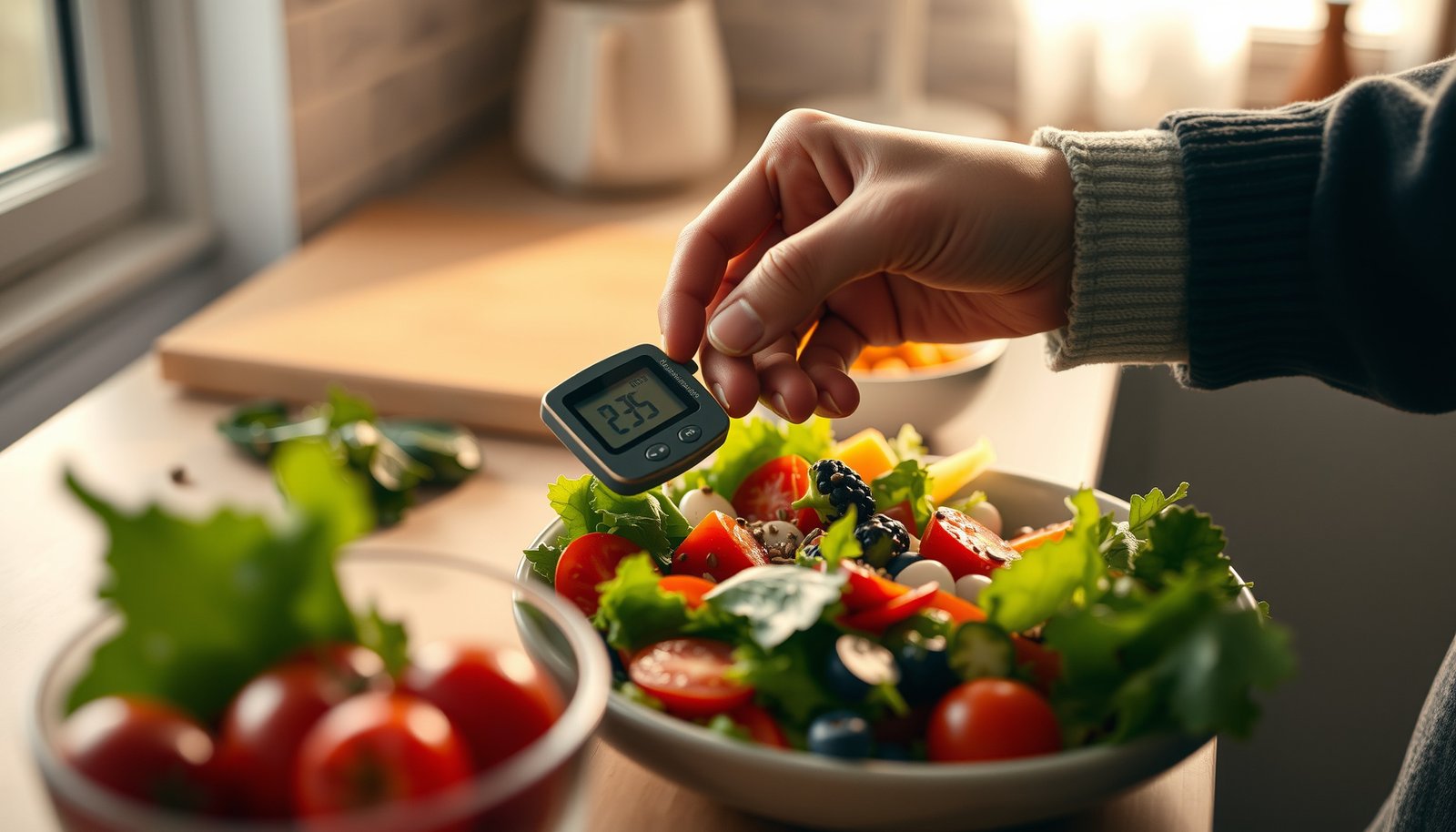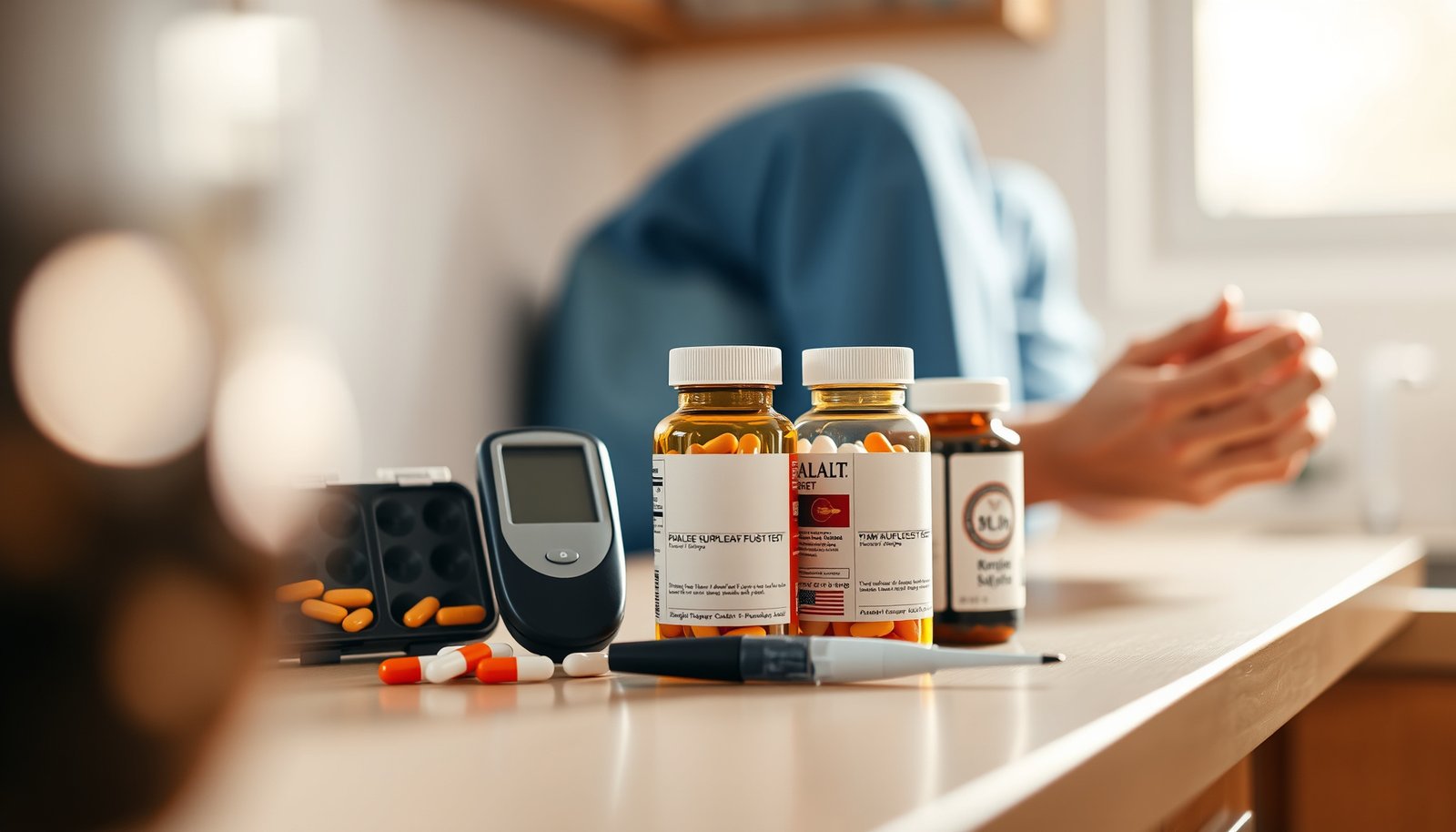

Type 2 diabetes commonly disrupts blood flow and nerves, so the frustration of persistent erectile dysfunction is often compounded by risky trial-and-error with ED drugs. We’ll cut through the noise by comparing treatments on proven effectiveness, interaction risks with common diabetes and heart medications, and cardiovascular safety. For most men, correctly prescribed PDE5 inhibitors—especially tadalafil for longer coverage—are the standout starting point after a medical check.




If you have type 2 diabetes and erectile dysfunction (ED), the “best” treatment usually starts with improving blood sugar and cardiovascular health, then using a proven ED medication like a PDE5 inhibitor if your clinician says it’s safe. In many cases, that combo works better than trying an ED-only fix. This guide will walk you through the most effective options, what to watch out for, and how to choose the right next step.
If you’re dealing with trouble getting or keeping an erection—and especially if your diabetes is known to affect nerves or blood vessels—this is for you. It’s also useful if you’ve tried lifestyle changes but still need a more reliable, step-by-step plan.
Start here: confirm what’s driving ED in diabetes

For ED in type 2 diabetes, the “best” first move is getting clarity on whether the main driver is reduced blood flow, nerve dysfunction, medication effects, or a mix. Diabetes commonly affects both arteries (blood flow) and nerves (signal transmission), so treating only the symptom can lead to partial or short-lived results.
– Diabetes-related ED commonly involves blood-flow issues, nerve signaling problems, or medication side effects—sometimes more than one at once.
– A quick medical check (including medication review and cardiovascular risk assessment) helps choose the safest, most effective ED option.
In practice, clinicians often start by reviewing your diabetes control (for example, recent A1C), checking for complications such as neuropathy (nerve issues like reduced sensation in the feet), and assessing cardiovascular risk because ED can be an early marker of vascular disease. The American Urological Association (AUA) and cardiology partners commonly use cardiovascular risk frameworks (such as the Princeton Consensus approach) to decide whether sexual activity and ED medications are safe for you. This matters specifically for ED in type 2 diabetes because the same vascular changes that contribute to ED often track with coronary artery disease risk.
Also make sure your ED timeline is clear: gradual ED that worsens over months often fits long-term diabetes effects, while sudden ED can suggest another medical issue that deserves prompt evaluation. Medication review is also key—some antihypertensives, antidepressants, and prostate-related drugs can affect erections, even when diabetes is well managed.
First-line ED meds (often the best starting point)
For ED in type 2 diabetes, the best starting prescription—when safe—is usually an oral PDE5 inhibitor. PDE5 inhibitors (oral medications that help erections by enhancing blood flow response to sexual stimulation) are typically more effective than supplements because they target a known pathway involved in penile vascular relaxation.
– PDE5 inhibitors (oral ED medications) are typically the first recommendation when there are no safety conflicts, because they improve erections by enhancing blood flow.
– Your clinician will also check for contraindications (for example, certain heart medications) and consider kidney function and other health factors that can be relevant in type 2 diabetes.
Why this works in ED in type 2 diabetes: when diabetes impairs endothelial function (the inner lining of blood vessels), penile blood flow may not ramp up reliably. PDE5 inhibitors help the body translate sexual stimulation into stronger smooth-muscle relaxation and improved inflow/outflow balance—so you’re not just “hoping” for an erection, you’re using an evidence-based mechanism.
A critical safety point: PDE5 inhibitors are not for everyone. If you use nitrate medications for chest pain (angina) or certain “nitro” therapies, combining them with PDE5 inhibitors can cause dangerous blood-pressure drops. Clinicians also consider heart stability, recent cardiovascular events, and how diabetes medications and comorbidities affect kidney function and overall tolerability.
Below is a practical view of how commonly prescribed ED therapies differ in time-to-effect and how long they’re typically effective—useful for choosing what fits your schedule and diabetes routine.
Common ED Medications: Typical Onset & Duration (U.S. FDA-Approved)
| # | Therapy | Typical onset (minutes) | Typical effect window (hours) | Route |
|---|---|---|---|---|
| 1 | Tadalafil | ~30 | Up to 36 | Oral |
| 2 | Avanafil | 15–30 | Up to 17 | Oral |
| 3 | Sildenafil | 30–60 | Up to 4 | Oral |
| 4 | Vardenafil | 30–60 | Up to 4 | Oral |
| 5 | Alprostadil (intracavernosal) | 5–20 | 1–2 | Injection |
| 6 | Alprostadil (intraurethral) | 10–20 | ~1 | Intraurethral |
| 7 | Trimix (custom compounded) | 5–15 | 1–2 | Injection |
These timelines can guide expectations, especially when ED in type 2 diabetes is unpredictable due to variable blood flow and sensation. For example, according to U.S. Food and Drug Administration, tadalafil (approved 2003) is typically effective up to about 36 hours, while sildenafil (approved 1998) is typically effective up to about 4 hours (FDA, 1998/2003). According to U.S. FDA, avanafil (approved 2012) typically has a faster onset (often 15–30 minutes) compared with older options (FDA, 2012).
Non-pill options that can work when pills aren’t ideal
For ED in type 2 diabetes, non-pill options are often the next best step when PDE5 inhibitors don’t work well, cause side effects, or aren’t safe. These alternatives can be especially useful when neuropathy (nerve impairment from diabetes) blunts sensation or when vascular issues are more advanced.
– Vacuum erection devices can be effective and are sometimes used when oral meds don’t work, aren’t tolerated, or aren’t safe for you.
– For more persistent cases, intracavernosal injections or intraurethral therapy may be considered—usually after clinician-guided training and evaluation.
A vacuum erection device (VED) creates a controlled vacuum around the penis to draw blood in, then uses a constriction band to help maintain the erection. For ED in type 2 diabetes, the advantage is that it doesn’t rely on the PDE5 pathway in the same way pills do. Some men find VEDs work reliably, though technique and comfort matter. Your clinician or a trained sexual medicine specialist can teach the correct fit and timing to reduce bruising or discomfort.
For injection-based therapy, medications like alprostadil (a prostaglandin that increases smooth-muscle relaxation and blood inflow) can be administered directly into penile tissue. Intraurethral therapy (also commonly alprostadil) delivers medication via the urethra. These options can work even when diabetes-related nerve and vascular changes are significant, but they require clinician-guided setup and careful dose titration to reduce the risk of prolonged erection (priapism).
Diabetes-specific upgrades that make ED treatment more effective
For ED in type 2 diabetes, improving the underlying metabolic and cardiovascular drivers often makes any ED therapy work better—and sometimes reduces how often you need escalation. Diabetes is not just “a separate issue”; it actively shapes blood vessel health, nerve function, inflammation, and hormone balance.
– Tighten blood sugar management and address weight, activity, sleep, and smoking status—these can improve both ED and the underlying causes over time.
– Treat contributing factors like high blood pressure, abnormal cholesterol, neuropathy symptoms, and stress/depression, because ED is often multifactorial in diabetes.
Start with blood sugar consistency. If A1C remains above individualized targets, erectile response can be blunted because microvascular damage (small-vessel disease) continues. According to American Diabetes Association, for many nonpregnant adults, an HbA1c goal is often less than 7% (with individualization based on comorbidities and hypoglycemia risk) (ADA, 2024). That metabolic target won’t fix ED overnight, but it improves the probability that PDE5 inhibitors will deliver a dependable effect.
Next, address cardiovascular risk factors that overlap with ED biology: controlling blood pressure, improving lipid profiles (for example, using statins when appropriate), and treating sleep apnea. In my view, one of the most practical “systems” changes for ED in type 2 diabetes is pairing medication timing with stable routines—sleep, meal timing, and reduced alcohol variability—because these influence erection quality even when the ED medication is the same.
Don’t overlook neuropathy and mental health. Diabetes-related neuropathy can reduce erectile sensation and affect reflexes needed for erection maintenance. Anxiety and depression can also worsen performance and arousal pathways, creating a feedback loop where ED increases stress, and stress further reduces erectile function.
What can go wrong (common mistakes and limits)
For ED in type 2 diabetes, the biggest setbacks come from skipping the safety screen, treating ED as purely psychological, or escalating too quickly without understanding what’s driving the problem. This leads to side effects, frustration, and delays in getting the right therapy.
– Assuming ED is “just aging”: if diabetes is involved, ignoring circulation and nerve causes can delay the right treatment.
– Skipping safety screening: ED meds aren’t one-size-fits-all, and certain heart-related situations or medication combinations can make them unsafe.
– Overusing “workarounds”: frequent changes in supplements or unverified products can waste time and sometimes worsen side effects—especially if they affect blood pressure.
Common mistakes include:
1) Trialing PDE5 inhibitors without addressing timing and fundamentals. For example, heavy alcohol, very large fatty meals (for some agents), or inconsistent sexual stimulation can make an otherwise appropriate prescription seem ineffective.
2) Changing multiple variables at once. If you alter dose, switch brands, add supplements, and change meal timing simultaneously, you won’t know what helped or hurt ED in type 2 diabetes.
3) Assuming supplements are harmless. Some “male enhancement” products have variable ingredients that can affect blood pressure or interact with diabetes and cardiovascular medications.
Also consider “edge cases.” If ED starts suddenly—especially with pain, curvature, or other neurologic symptoms—ED in type 2 diabetes may be signaling a separate problem that needs immediate evaluation. And if you have unstable chest pain, recent heart procedures, or significant blood pressure instability, your clinician may recommend stabilization before ED pharmacotherapy.
Verdict / tip: the most practical “best” plan for many people
For ED in type 2 diabetes, the best overall plan usually follows a sequence: confirm safety and likely drivers, optimize diabetes and cardiovascular risk, start evidence-based ED therapy, then escalate based on response. This approach reduces trial-and-error and improves the odds you’ll find a reliable solution.
– For many people with type 2 diabetes, the best starting path is: clinician clearance → lifestyle/diabetes optimization → a PDE5 inhibitor trial (if safe) → escalate to device or injections if needed.
– Skip this step-by-step approach (and talk to your clinician first) if you have unstable heart symptoms, take medications that conflict with PDE5 inhibitors, or you’re unsure whether your ED is sudden or linked to other concerning symptoms.
To make that choice easier, here’s a comparison of typical next-step options when ED in type 2 diabetes isn’t fully controlled by oral medication.
| Feature | PDE5 inhibitor (oral) | Vacuum erection device | Intracavernosal / intraurethral therapy |
|---|---|---|---|
| Mechanism | Enhances nitric oxide–mediated blood flow response (PDE5 pathway) | Creates vacuum to draw blood in; uses a constriction band to maintain erection | Directly increases penile smooth-muscle relaxation (often prostaglandin-based) |
| Typical onset | Often ~15–60 minutes depending on agent | Usually minutes after correct setup | Often minutes (varies by formulation and dose) |
| Cardiovascular screening needed | Yes (especially to rule out nitrate use or unstable disease) | Usually less medication-interaction risk than pills, but still requires clinician guidance | Yes; also includes procedure-related safety assessment |
| Effectiveness in neuropathy | Can be reduced when nerve signaling is impaired | Can work despite reduced sensation, especially with consistent technique | Often effective when pills underperform in diabetes-related neuropathy |
| Side effects (common) | Headache, flushing, nasal congestion, sometimes indigestion | Bruising, discomfort, coldness, band-related pressure | Injection-site discomfort, penile pain; risk of prolonged erection |
| Training required | Minimal, but dose/timing counseling helps | Moderate: correct sizing and band timing | High: clinician-guided dose training and safe technique |
| Medication interaction risk | Higher with nitrates and some blood-pressure strategies | Lower systemic interaction risk than PDE5 inhibitors | Lower than systemic pills but still needs medication review |
| Practical spontaneity | Depends on agent; some have longer windows | Requires setup; less spontaneous | Requires preparation; can be planned |
| Fit for “can’t take pills” scenarios | Not always | Often yes | Often yes (after training) |
| Cost/access variability | Varies by insurance and generic availability | Varies by device brand and coverage | Varies by formulation, compounding, and coverage |
| Best For | Men with ED in type 2 diabetes who are safe for PDE5 inhibitors and want a simple first-line trial | Men who can’t take PDE5 inhibitors, prefer non-drug options, or need a reliable alternative | Men with ED in type 2 diabetes who don’t get enough response from pills and want high-effect options |
Quick checklist: choose your next step
| Step | What to do | Why it matters |
|---|---|---|
| 1 | Review diabetes control + diabetes complications | Diabetes-driven ED often needs both ED treatment and cause control |
| 2 | Do a safety check with your clinician | Determines which ED options are safe for your heart/meds |
| 3 | Try a first-line ED option (often oral PDE5 inhibitor) | Most evidence-based starting point when appropriate |
| 4 | If not enough, escalate (device → injections/intraurethral therapy) | Reliable options when oral meds don’t work |
| 5 | Keep lifestyle supports consistent | Improves outcomes and reduces recurrence |
PDE5 Inhibitors vs. Intracavernosal/Intr aurethral Therapy for ED in Type 2 Diabetes
| # | Criteria | Oral PDE5 inhibitors | Injections / intraurethral |
|---|---|---|---|
| 1 | Predictability of effect | Moderate (varies with diabetes control) | Higher with dose titration |
| 2 | Ease of use | High | Lower (training and preparation) |
| 3 | Effect when neuropathy is significant | May be reduced | Often more reliable |
| 4 | Cardiovascular contraindications | Requires careful screening (not with nitrates) | Still requires screening, but avoids nitrate interaction pathway |
| 5 | Common side effects | Headache/flushing/nasal congestion | Penile pain/discomfort; priapism risk if overdosed |
| 6 | Time-to-plan | Easy scheduling (agent dependent) | Planned use with training |
| 7 | Risk of blood pressure effects | Can lower BP; interactions matter | Less systemic BP change, but clinician oversight required |
| 8 | Consistency with lifestyle changes | Improves as glucose improves | Also benefits from glucose control, but effect is more “direct” |
| 9 | When clinicians escalate to this | If oral response is insufficient | If oral response is low or contraindicated |
| 10 | Overall practicality for most first trials | Best first-line fit | Best “escalation” fit |
| Verdict | Which is best for ED in type 2 diabetes? | Often the best first trial (when safe) | Often the best next step after inadequate oral response |
Frequently Asked Questions
What is the best evidence-based treatment for type 2 diabetes?
The best treatment for type 2 diabetes usually starts with lifestyle changes (medical nutrition therapy, weight loss if needed, and regular physical activity) plus medication when blood glucose remains above target. For most people, metformin is the first-line drug because it is effective, widely recommended, and supports long-term glycemic control with a relatively low risk of hypoglycemia. Many patients also need additional therapies such as GLP-1 receptor agonists or SGLT2 inhibitors, especially when cardiovascular disease, kidney disease, or high body weight are part of the picture.
How do doctors choose between metformin, GLP-1 medications, and SGLT2 inhibitors?
Clinicians typically choose based on A1C level, body weight goals, kidney function (eGFR), cardiovascular risk, and the presence of complications like heart failure. Metformin is often preferred as the initial step, while GLP-1 receptor agonists are commonly used for stronger A1C reduction and weight loss benefits. SGLT2 inhibitors are often favored when kidney protection and heart failure risk reduction are priorities, alongside glucose lowering.
Why is lifestyle treatment considered a core part of the best ED treatment plan for type 2 diabetes?
Lifestyle treatment is foundational because it improves insulin sensitivity, reduces blood glucose, and can decrease the need for escalating medications. A structured approach—such as reducing refined carbohydrates, increasing fiber and protein, and maintaining a sustainable calorie deficit—can meaningfully lower A1C over time. Regular exercise (both aerobic activity and resistance training) also helps improve glucose control and metabolic health, making it one of the most effective “best ed treatment for type 2 diabetes” strategies.
Which medications are most likely to cause weight loss and improve A1C in type 2 diabetes?
GLP-1 receptor agonists and related therapies are often the best choice for people whose main goals include lowering A1C and losing weight. These medications can reduce appetite and slow gastric emptying, leading to gradual weight reduction while improving blood sugar control. Your prescriber will consider your history and side effects—such as gastrointestinal symptoms—before choosing the right option and dose.
What is the best next step if my blood sugar is still high despite starting treatment for type 2 diabetes?
If A1C remains above target after starting first-line therapy like metformin and lifestyle changes, clinicians usually intensify treatment by adding a second medication with complementary benefits. Common next add-ons include a GLP-1 receptor agonist for additional A1C reduction and weight management or an SGLT2 inhibitor for kidney and heart benefits. If glucose levels are significantly high or symptoms are present, your doctor may discuss short-term insulin therapy or a more rapid combination plan to regain control safely.
📅 Last Updated: November 25, 2026 | Topic: best ed treatment for type 2 diabetes | Content verified for accuracy and freshness.
References
- https://diabetesjournals.org/care/issue/47/Supplement_1
- Overview | Type 2 diabetes in adults: management | Guidance | NICE
- Diabetes
- https://www.cdc.gov/diabetes/basics/treatment.html
- Diabetic ketoacidosis
- Hyperosmolar hyperglycemic state
- https://pubmed.ncbi.nlm.nih.gov/?term=hyperglycemic+crises+adult+patients+with+diabetes+consensus+statement
- https://scholar.google.com/scholar?q=emergency+department+management+type+2+diabetes+hyperglycemia Google Scholar
- https://scholar.google.com/scholar?q=hyperosmolar+hyperglycemic+state+emergency+department+treatment+guideline Google Scholar
- https://scholar.google.com/scholar?q=diabetic+ketoacidosis+initial+management+emergency+department+adults+guideline Google Scholar