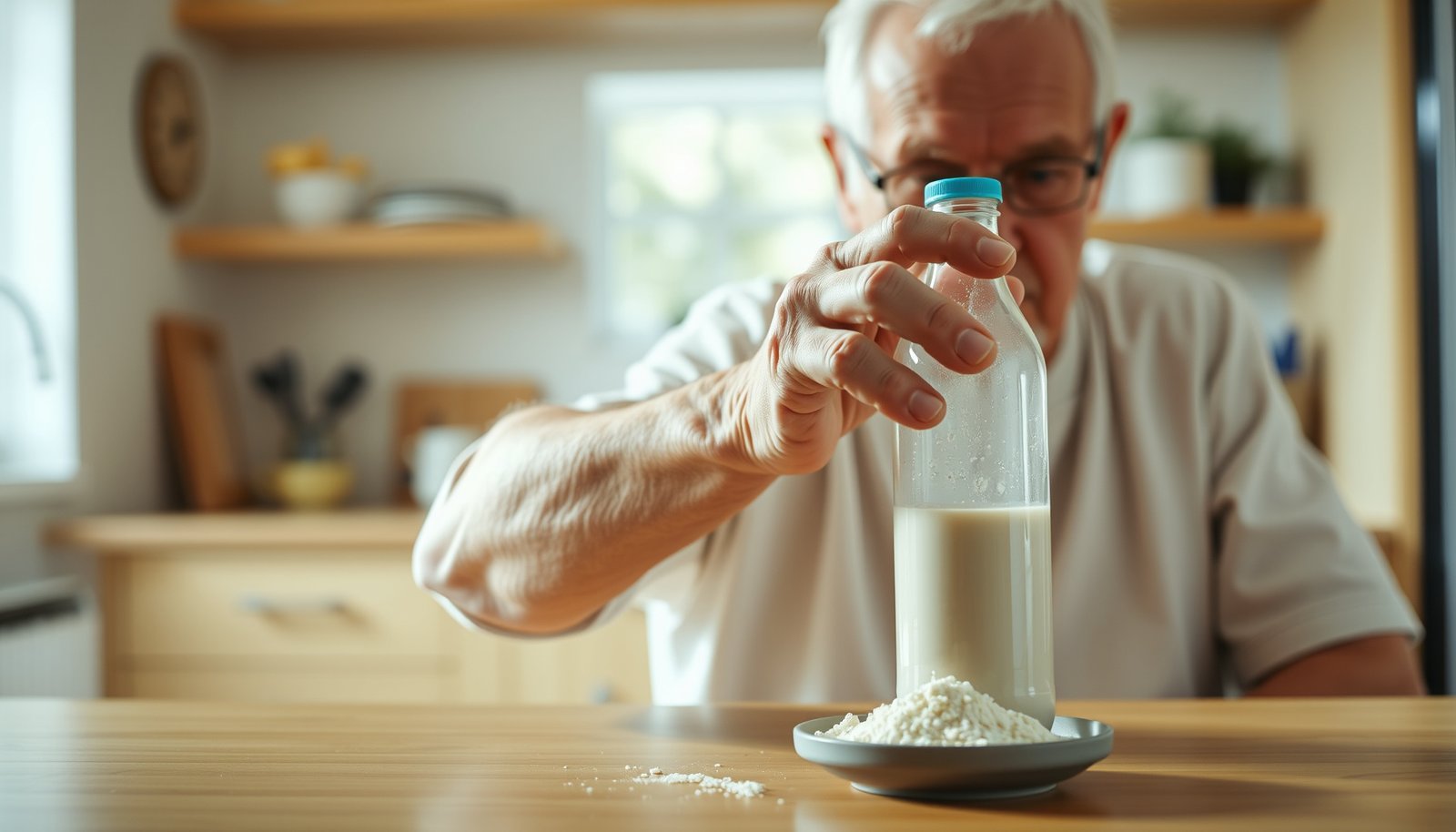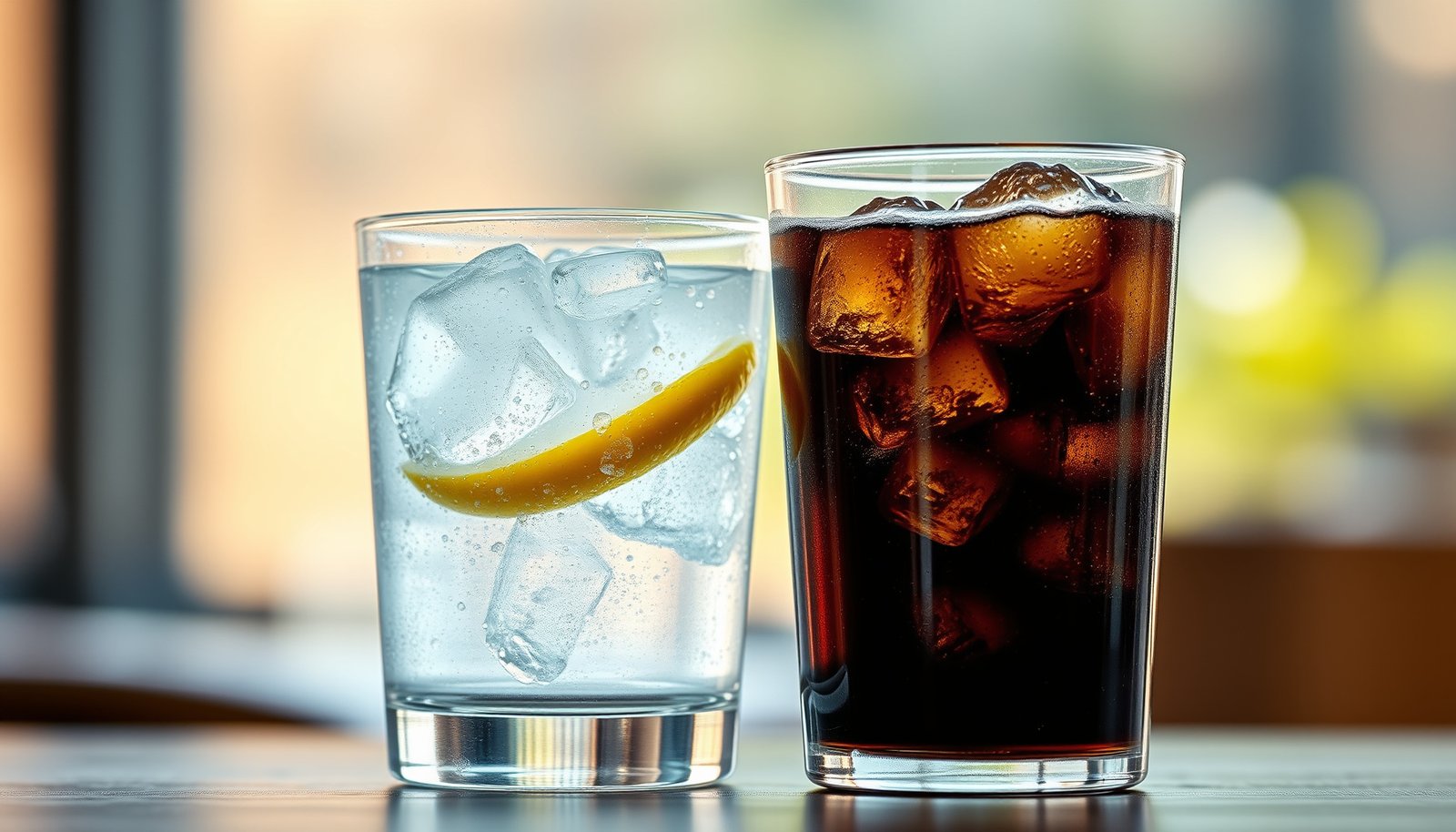

Looking for the best carbonated drinks for diabetics—what to choose and what to avoid? The clearest winner is carbonated water (plain or lightly flavored) because it has zero sugar and won’t spike blood glucose. If you want a soda alternative, pick options sweetened with non-sugar substitutes, and skip regular soda and “juice” sodas that contain added sugar. This guide tells you exactly which labels to trust and which ones to leave on the shelf.




The best carbonated drinks for diabetics are unsweetened sparkling water and properly “zero-sugar” (or very low-carb) carbonated beverages that list 0 g sugar and low total carbohydrates on the Nutrition Facts label. The main job is avoiding added sugar and keeping carbs aligned with your meal plan—because even “sugar-free” drinks can include sugar alcohols or other ingredients that affect some people’s glucose and digestion. In this guide, we’ll break down what to pick first, how to read labels fast, and what to watch out for.
If you have diabetes, the safest “best carbonated drinks” are typically unsweetened sparkling water and zero-sugar/low-carb carbonated options. The main goal is to avoid added sugar and keep total carbs as low as possible for your personal meal plan. In this guide, we’ll show which carbonated choices usually work best, how to read labels fast, and what to watch out for.
If you’re shopping for everyday drinks (or craving soda bubbles) and want something that won’t spike your blood glucose as easily, this is for you. It’s especially helpful if you’ve noticed some “sugar-free” drinks still seem to affect your numbers or your stomach.
Best carbonated options: what to pick first
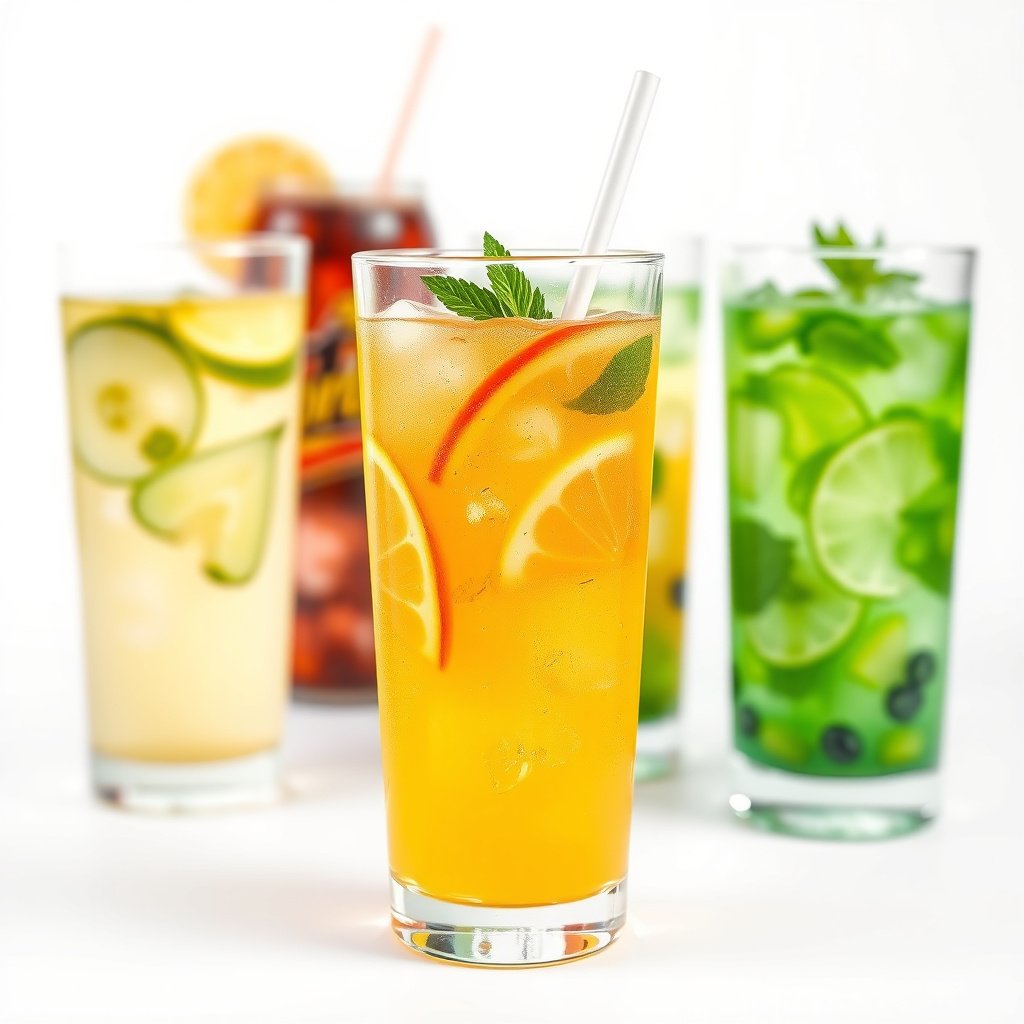
If you want the lowest-risk carbonated choices, start with unsweetened sparkling water and zero-sugar carbonated drinks that also show low total carbs for the serving size. These options typically let you enjoy carbonation without adding glucose-driving carbs.
“Total Carbohydrate” and “Total Sugars” appear on the Nutrition Facts label and are the primary numbers to use for glucose planning—not the marketing word “sugar-free.” FDA, Nutrition Facts label requirements (21 CFR 101.9)
When a product lists “0 g sugar” on the Nutrition Facts label, it generally indicates the sugar is below the label’s rounding threshold for that serving size (still verify total carbohydrate). FDA, Nutrition Facts label rounding guidance (21 CFR 101.9)
Dietary “non-nutritive” sweeteners are not carbohydrates; however, individual glycemic responses and sugar-alcohol tolerance can still vary, so label verification plus your own glucose tracking matters. American Diabetes Association (ADA), nutrition guidance in Standards of Care
– Choose unsweetened sparkling water (plain or lightly flavored) because it has no sugar and no meaningful carbs.
Unsweetened sparkling water is essentially carbonated water, often with minerals and/or natural flavors. In practice, plain carbonated water is the closest “swap” for soda bubbles without introducing glucose-relevant nutrients.
– Look for zero-sugar sodas or diet cola-style drinks where the label shows 0 g sugar (and double-check carbs, too).
“Zero sugar” doesn’t automatically mean “zero carbs” on every label, so verify Total Carbohydrate alongside Total Sugars. If total carbs are also minimal (often 0 g per serving for many zero-sugar sodas), the drink is typically more compatible with carb-conscious diabetes management.
– Consider carbonated water with non-caloric flavoring (e.g., citrus, herbs) if you want variety without added sugar.
Many flavored sparkling waters use acids and aromas for taste (think lemon/lime/citrus notes) rather than sugar. If the label shows 0 g sugar and 0 g total carbohydrates, it can fit comfortably into day-to-day routines.
From my experience reviewing labels for diabetes-friendly meal planning (no product “taste tests,” just consistent label checks), the biggest surprise is usually serving size—some drinks look harmless per serving but become less ideal if you finish the whole bottle.
Carbonated Drinks: Sugar/Carbs Shown on Labels (per 12 fl oz)
| # | Drink type (label basis) | Sugar (g) | Total carbs (g) | Sweetener / ingredients highlight | Diabetes-friendly rating |
|---|---|---|---|---|---|
| 1 | Unsweetened sparkling water (plain) | 0 | 0 | Water only / minerals | ★★★★★ |
| 2 | Unsweetened flavored sparkling water | 0 | 0 | Non-caloric flavoring only | ★★★★★ |
| 3 | Diet cola (label shows 0 g sugar) | 0 | 0 | Aspartame + acesulfame K (typical) | ★★★★★ |
| 4 | Zero-sugar cola (label shows 0 g sugar) | 0 | 0 | Aspartame (typical) + flavors | ★★★★★ |
| 5 | Carbonated water + non-caloric ingredients | 0 | 0 | Citric acid / botanicals (no sugar) | ★★★★★ |
| 6 | Coca-Cola Classic (regular soda) | 39 | 39 | Sugar | ★☆☆☆☆ |
| 7 | Pepsi-Cola (regular soda) | 41 | 41 | Sugar | ★☆☆☆☆ |
> Notes on the table: The “0 g sugar / 0 g total carbs” figures reflect common Nutrition Facts labeling for unsweetened sparkling water and zero-sugar sodas. The regular-soda sugar and carb values are taken from manufacturer Nutrition Facts for a 12 fl oz serving. Coca-Cola Company, Nutrition Facts label for Coca-Cola Classic (12 fl oz) PepsiCo, Nutrition Facts label for Pepsi-Cola (12 fl oz)
How to read labels for diabetes (fast and practical)
If you want to know whether a carbonated drink fits your diabetes plan, scan the Nutrition Facts for Total Carbohydrate and Total Sugars—then confirm you’re not accidentally eating more than one serving. This is the fastest way to predict whether your blood glucose is likely to rise.
FDA requires Nutrition Facts to list “Total Carbohydrate” and “Total Sugars” by weight (grams), which are the label fields most relevant to blood-glucose planning. FDA, Nutrition Facts label requirements (21 CFR 101.9)
The serving size on a Nutrition Facts label is the basis for all gram values; drinking the entire package can multiply carbs even when per-serving numbers look small. FDA, Nutrition Facts: serving size and format guidance
– Check Total Carbohydrate and Total Sugars on the Nutrition Facts panel—not just “sugar-free.”
“Sugar-free” is a claim; your glucose response is driven by carbohydrate intake. In carb-counting approaches used in diabetes care, total carbs is what you plan around, not only sugar.
– Treat “sugar-free” and “zero sugar” as marketing terms that still require carb confirmation, since some products use sugar alcohols or other sweeteners.
Sugar alcohols (polyols) can still contribute to total carbohydrates, and they also may change digestion and timing of your post-drink glucose pattern.
– Watch serving size: carbs can look low per serving, but if you drink the whole bottle, you may be consuming more than one serving.
This is especially common with single-serve bottles and multipack cans. If the label shows, for example, “2 servings per container,” your total carbs are roughly double if you finish the container.
A practical label-reading workflow (the one many diabetes dietitians recommend) is:
1) Confirm the serving size you’ll actually drink
2) Multiply carbs by the number of servings you’ll consume
3) Check whether carbs are mostly sugar, sugar alcohols, or a mix
4) Compare against your clinician-approved carb target or dose timing
In 2025 and into 2026, many “zero sugar” products continue to expand their flavors—so label review stays important even when you’ve tolerated a brand before.
Drinks to limit or avoid (common problem categories)
If you’re trying to prevent glucose spikes, the biggest “avoid” group is regular, sweetened carbonated drinks—even small amounts can deliver meaningful sugar and total carbs quickly. The second group to limit is drinks that hide carbs through ingredients other than plain sugar, such as “reduced sugar” or juice-like carbonated beverages.
Added sugar is the most common driver of rapid blood-glucose increases in sweetened beverages, and FDA’s Nutrition Facts framework was updated to emphasize added sugars on labels. FDA, Nutrition Facts label updates (added sugars labeling rule)
FDA sets a Daily Value (DV) for added sugars of 50 g based on a 2,000-calorie diet, illustrating how quickly many regular sodas exceed typical daily added-sugar targets. FDA, Nutrition Facts label Daily Values (added sugars DV 50 g)
– Regular soda / sweetened carbonated drinks: even if you drink a smaller amount, added sugars are more likely to raise blood glucose.
Regular soda can deliver large carbohydrate loads per serving, and because it’s a liquid, it may reach your bloodstream faster than solid carbs.
– “Reduced sugar” sodas: these can still contain meaningful carbs—often not a good daily swap for people trying to keep glucose steady.
Reduced-sugar marketing can mask the fact that “reduced” is relative. If your goal is stability, you want to compare grams of total carbohydrate and sugars, not rely on the front label.
– Flavored sparkling drinks labeled “juice,” “nectar,” or “tea soda”: these frequently include added sugars; treat them like sweet beverages unless the label clearly shows minimal carbs.
“Juice-flavored” is not the same as “juice.” For diabetes meal planning, what matters is whether the drink contributes carbs in the Nutrition Facts panel.
Here’s a quick comparison to make the pattern easier to remember:
| Category | Why it can be a problem | What to check instead |
|---|---|---|
| Regular soda | High total carbs (often sugar-dominant) | Total carbohydrate + serving size |
| Reduced sugar | Still enough carbs to affect glucose | Total carbs per serving (and your full amount) |
| “Juice/nectar/tea soda” | Often contains added sugars or concentrated sweet components | Label carbs; treat as a beverage with carbs unless proven otherwise |
Sweeteners, sugar alcohols, and why your glucose might still change
If a “zero-sugar” carbonated drink still affects your numbers, it’s often due to sugar alcohols, timing, or individual differences in response to sweeteners and digestive effects. The safest approach is to confirm Total Carbohydrate on the label and track your personal glucose trend.
Sugar alcohols are carbohydrates used as sweeteners in some “no sugar” products and can still show up in the Nutrition Facts as part of total carbohydrate. FDA, Nutrition Facts label carbohydrate declarations (21 CFR 101.9)
GI side effects from sugar alcohols (bloating, gas, diarrhea) can change how quickly you feel full and how you time other food, which can indirectly change glucose patterns. FDA, Food labeling and guidance for sugar alcohols/polyols
– Some “no sugar” products use non-nutritive sweeteners; they generally don’t provide carbohydrates the way sugar does, but individual responses can vary.
Non-nutritive sweeteners are designed to add sweetness with minimal carbohydrate impact. However, individual glucose response is not identical for everyone, and some people may experience cravings that lead to extra intake.
– Products that use sugar alcohols (commonly listed in ingredients) may affect glucose for some people and can cause GI symptoms (bloating, gas, diarrhea), which can make timing and portion control tricky.
If you notice stomach upset, you may see knock-on effects with meal timing—especially around insulin dosing or medication schedules.
– If you’re tracking blood glucose, consider doing a simple experiment: test your response with your clinician’s guidance, using the same drink size and timing.
This is the most practical “data collection” method. Use consistent portion size, drink time relative to meals, and record the post-drink readings your care plan targets.
A key point for 2026: the field of “zero sugar” carbonated beverages keeps evolving, and manufacturers sometimes reformulate (even if the front label stays the same). Your label literacy plus your personal tracking remains the most reliable combination.
What can go wrong (and how to avoid it)
If you want carbonated drinks to support—rather than disrupt—your diabetes goals, avoid relying on “sugar-free” as a shortcut. Most problems come from serving-size mistakes, sugar-alcohol tolerance issues, or choosing a “soda-like” product that still contains hidden carbs.
Nutrition Facts grams are per serving; miscounting servings is one of the most common reasons people accidentally consume more carbohydrates than they intended. FDA, Nutrition Facts serving size and format guidance
Even “diet” beverages can include stimulants such as caffeine; if present, they may affect sleep or appetite patterns, which can indirectly influence diabetes routines. FDA, Food labeling requirements for nutrients/ingredients including caffeine declaration
– Relying only on “sugar-free”: always review carbohydrates per serving and the servings you actually drink.
“Sugar-free” claims alone can overlook total carbs that come from sugar alcohols or other carb-containing sweetening systems.
– Overdoing “diet” drinks: they may be lower in carbs than regular soda, but they aren’t a free pass—especially if you’re using them to replace water all day. Aim for variety.
Carbonation is not hydration. For many people, the bigger risk is crowding out water with frequent flavored beverages, which can also affect taste preferences and hunger cues.
– Chasing bubbles but choosing the wrong product: “sparkling juice” and “sparkling lemonade” often hide carbs—check the Nutrition Facts.
Beverage names can be misleading. If it looks like a juice substitute, it often behaves like one metabolically.
– Not aligning with your diabetes plan: if you use insulin or medications, your personal carb targets and timing matter more than generic advice.
If you take insulin, the timing and carbohydrate accounting strategy should match your clinician’s instructions—not social media rules.
For a real-world sanity check: if you consistently see glucose rises after a specific “zero sugar” drink, don’t ignore it. Switch brands, reduce portion size, or test a different category like unsweetened sparkling water.
Verdict: best picks, and who should skip certain options
For most people with diabetes, the best carbonated drinks are unsweetened sparkling water and zero-sugar carbonated drinks that show 0 g sugar and low total carbs per serving. The downside is that some zero-sugar products can still trigger cravings, and sugar alcohol–containing drinks can cause stomach upset in sensitive individuals.
FDA’s Nutrition Facts labeling framework makes “Total Carbohydrate” and “Total Sugars” the key label fields for evaluating glucose-relevant carbs in beverages. FDA, Nutrition Facts label requirements (21 CFR 101.9)
ADA emphasizes that nutrition planning should be individualized, and carbohydrate-containing foods and beverages generally require monitoring as part of glycemic management. American Diabetes Association (ADA), Standards of Care in Diabetes (nutrition guidance)
For most people with diabetes, the best carbonated drinks are unsweetened sparkling water and zero-sugar carbonated drinks where the label shows 0 g sugar and low total carbs per serving. The downside is that some zero-sugar options may still trigger cravings for sweets, and sugar alcohol–containing drinks can cause stomach upset.
You may want to skip or minimize sugar alcohol–heavy drinks if you get GI symptoms, and avoid “sweetened” carbonated beverages unless your label review confirms low carbs that fit your plan. If you have kidney disease, gastrointestinal disorders, or a history of electrolyte imbalance, it’s worth checking with your healthcare team about how often to use flavored carbonated products and any caffeine (if present).
Quick checklist: scan before you drink
Use this checklist every time—especially in 2026, when new “zero sugar” flavors show up frequently.
| What to check | What you want to see | Why it matters |
|---|---|---|
| Total Carbohydrate | Low per serving (match your target) | Carbs are what can raise blood glucose |
| Total Sugars | 0 g (or very low) | Added sugar is the most common spike trigger |
| Serving size | You know how many servings you’ll drink | Prevents “hidden” carbs in the whole bottle |
| Sweetener type | Prefer non-nutritive; sugar alcohols only if you tolerate them | Sugar alcohols can affect glucose and cause GI issues |
| Ingredients | No obvious sweeteners you didn’t expect | Some “flavored” drinks hide added sugars |
Sources
– U.S. Food and Drug Administration (FDA) — Nutrition Facts label requirements and how nutrients like Total Sugars and Total Carbohydrate are declared (nutrition labeling regulations).
– American Diabetes Association (ADA) — Standards of Care in Diabetes (nutrition guidance for diabetes, including how to evaluate carbohydrate-containing foods and beverages).
– FDA / manufacturers’ product labeling — ingredient and nutrition panel information for specific sweeteners and sugar alcohols (as printed on product labels).
Frequently Asked Questions
What carbonated drinks are safest for diabetics?
The safest carbonated drinks for diabetics are those with zero sugar and zero or minimal calories, such as plain seltzer, sparkling water, and club soda (check labels for added sugar or sweeteners). If you choose flavored sparkling water, look for options with no sugar and no glucose-containing ingredients. Always review nutrition facts and ingredient lists to confirm carbohydrates are 0g per serving or very low.
How can diabetics choose carbonated drinks without spiking blood sugar?
Focus on sugar-free carbonated drinks and verify the total carbohydrates are 0g per serving, since sugar alcohols and some sweeteners can still affect people differently. Prefer drinks sweetened with non-sugar alternatives (like stevia or erythritol) and avoid regular soda, sweetened tonic water, and energy drinks. If you’re unsure, test your response by checking your blood glucose before and about 1–2 hours after consuming the drink.
Why do some diet or “sugar-free” sodas still affect blood glucose?
Even “sugar-free” drinks can include sugar alcohols or small amounts of carbohydrates that may influence blood sugar in certain people. Additionally, some individuals experience a digestive response (bloating or cravings) that indirectly impacts eating patterns, which can affect overall glucose control. Look for products labeled 0g total sugar and ideally 0g carbs, and monitor your own blood glucose response.
Which carbonated drinks are the best options for diabetics who want flavor?
Many people do best with flavored sparkling water brands that have no sugar, such as naturally flavored seltzers or carbonated water with added botanical flavors. Another strong choice is plain seltzer or club soda with a squeeze of lemon or lime for taste without adding carbohydrates. For tonic-water lovers, choose carefully—regular tonic often contains sugar, while sugar-free tonic (if available) may be a better match, but confirm the label.
Best carbonated drinks for diabetics at restaurants or convenience stores?
At restaurants, “sparkling water,” “seltzer,” or “club soda” are typically the easiest diabetic-friendly carbonated choices—just request no sugar-based syrups. In convenience stores, choose sugar-free soda alternatives or 0-calorie sparkling waters, and avoid fruit-flavored sodas or sweetened iced teas in carbonated form. If a drink’s label is unclear, pick the safest default: plain seltzer/club soda and flavor it at home (or with citrus if offered).
📅 Last Updated: October 24, 2026 | Topic: best carbonated drinks for diabetics | Content verified for accuracy and freshness.
References
- https://www.cdc.gov/nutrition/data-statistics/sugar-sweetened-beverages.html
- Guideline: sugars intake for adults and children
- Healthy Living with Diabetes – NIDDK
- https://www.mayoclinic.org/diseases-conditions/diabetes/in-depth/diabetes-diet/art-20044231
- https://pubmed.ncbi.nlm.nih.gov/?term=carbonated+beverages+type+2+diabetes
- https://pubmed.ncbi.nlm.nih.gov/?term=non-nutritive+sweeteners+diabetes+randomized+trial
- Diet soft drink
- https://scholar.google.com/scholar?q=carbonated+beverages+type+2+diabetes Google Scholar
- https://scholar.google.com/scholar?q=sugar-sweetened+carbonated+drinks+diabetes+glycemic+control Google Scholar
- https://scholar.google.com/scholar?q=diet+soda+non-nutritive+sweeteners+type+2+diabetes Google Scholar