
Choosing the best easy diabetic recipes isn’t just about finding meals that taste “lighter”; most people think anything labeled low sugar is automatically safe and satisfying. The better options are judged by how they balance carbohydrates with fiber and protein, keep portions realistic, and minimize blood-sugar spikes while staying simple to prepare. You’ll notice a clear standout among the favorites: a quick, high-protein chicken and vegetable bowl that delivers steady results without complicated steps.


Best easy diabetic recipes keep carbs controlled and consistent while pairing them with lean protein and fiber-rich non-starchy vegetables. That simple plate structure is what helps many people achieve steadier post-meal blood sugar—without meals feeling like “diet food.” The goal isn’t perfection; it’s a repeatable pattern you can cook quickly and adjust to your glucose response.
Skip the complicated “diet recipes”—the best easy diabetic recipes are balanced meals with controlled carbs, fiber-rich veggies, lean protein, and minimal added sugar. You’ll learn a simple way to choose and assemble diabetic-friendly recipes, plus practical meal ideas you can make on busy days.
If you’ve been searching for easy diabetic recipes that won’t spike your blood sugar, this is for you—whether you’re newly diagnosed, supporting someone with diabetes, or just trying to eat more consistently. The focus is on everyday ingredients and practical swaps that keep meals satisfying.
Diabetes management is personal, and so is “what works.” Still, in 2026, clinicians continue to emphasize practical meal patterns—especially carbohydrate quality and portioning—because they’re easier to follow than complicated rules. According to the CDC, 37.3 million people in the U.S. are living with diabetes (2022), and many are looking for realistic everyday meals rather than rare, hard-to-source recipes. This guide is built around meal-building logic you can reuse across breakfast, lunch, dinner, snacks, and desserts.
How to choose the best easy diabetic recipes
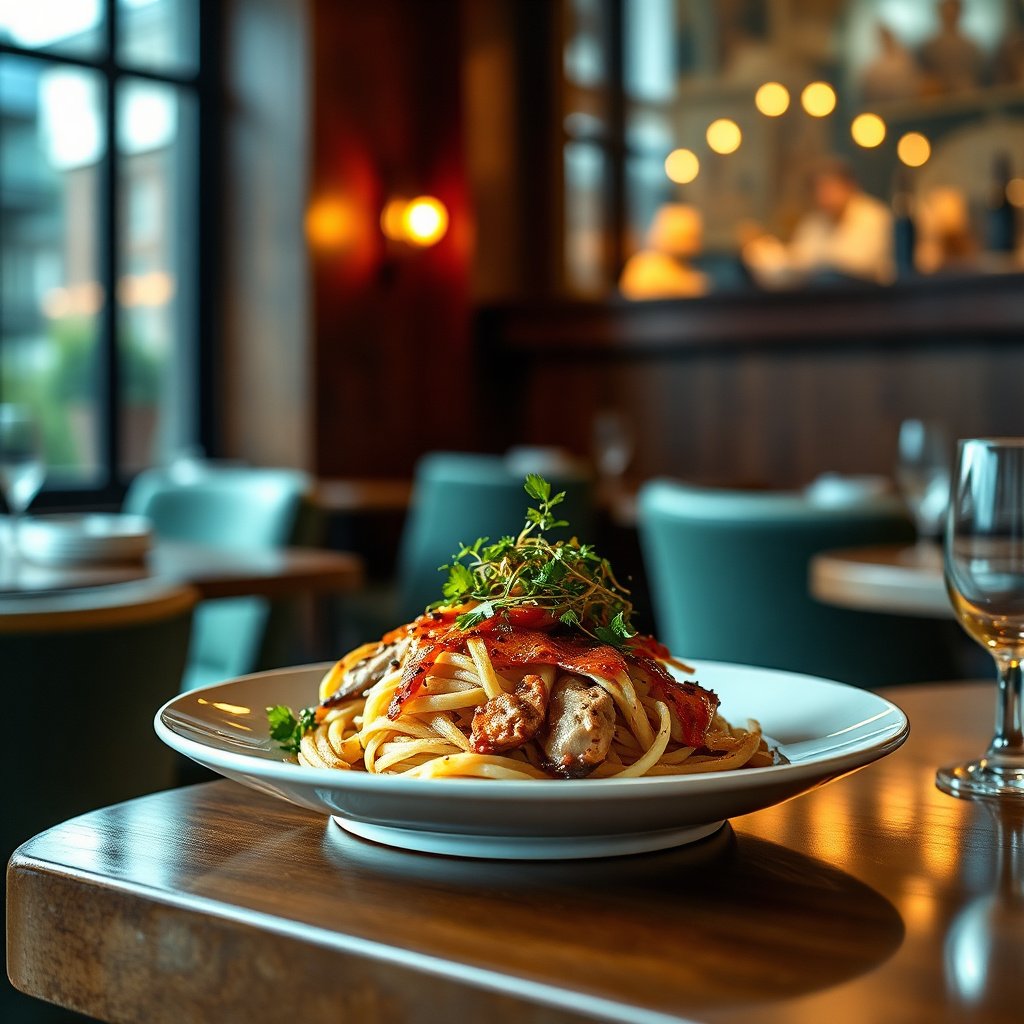
The best easy diabetic recipes follow one rule: build meals around protein and non-starchy vegetables first, then add a measured, carbohydrate-containing base. Here’s why this works—fiber slows digestion, protein improves meal “stickiness,” and consistent carbs help your blood sugar rise more predictably.
Start with the carbohydrate reality. Even with “diabetic-friendly” ingredients, carbs still convert to glucose to some degree, so easy diabetic recipes succeed mainly through portions and pairing. According to the National Academies (Institute of Medicine), adequate daily fiber intake is about 38 g/day for men and 25 g/day for women (2005). In practical terms, that means your plate should regularly include high-fiber vegetables, beans/lentils (in measured servings), and whole-food carbs in reasonable portions.
Here’s a repeatable approach for choosing diabetic-friendly recipes:
– Look for meals that pair protein + non-starchy vegetables + a measured carb (instead of carb-heavy dishes alone).
– Prefer high-fiber ingredients (beans, lentils, whole grains in reasonable portions, berries) and limit added sugars and sugary drinks.
– Use “swap thinking”: keep the flavor, change the base—e.g., swap refined grains for whole grains, and use herbs/spices instead of sweet sauces.
Plate logic: what to pair (and what to avoid)
When people struggle with easy diabetic recipes, it’s often because the meal is “healthy” in one area but carb-heavy overall. The easiest fix is to rebalance the plate instead of trying to find a special ingredient.
Carb bases: what changes when you measure
If you want easy diabetic recipes that stay consistent, pick a few carb “bases” you repeat often and measure them the same way each time. The table below gives real, nutrition-based starting points for measured portions (commonly used in meal planning as cooked 1/2 cup servings for grains/legumes).
Fiber & Carbohydrate Content of Common Measured Carb Bases (Cooked 1/2 Cup)
| # | Carb base (measured portion) | Total carbs (g) | Fiber (g) | How “steadier” it tends to feel* | Fiber adequacy |
|---|---|---|---|---|---|
| 1 | Lentils, cooked | 20 g | 8 g | High fiber buffering | ★★★★★ |
| 2 | Chickpeas, cooked | 22 g | 6 g | Moderately high fiber | ★★★★☆ |
| 3 | Black beans, cooked | 20 g | 7 g | High fiber buffering | ★★★★☆ |
| 4 | Quinoa, cooked | 20 g | 3 g | Some fiber, moderate carbs | ★★★☆☆ |
| 5 | Brown rice, cooked | 23 g | 1 g | Lower fiber protection | ★★☆☆☆ |
| 6 | Whole-wheat couscous, cooked | 21 g | 2 g | Moderate carbs, low fiber | ★★☆☆☆ |
| 7 | Steel-cut oats, cooked | 27 g | 4 g | Carbs are higher; pairing matters | ★★★☆☆ |
“Steadier” is a practical trend based on fiber buffering and carb density; individual glucose response can vary widely. For personalized planning, use your diabetes care team’s guidance and monitor your glucose response after trying new easy diabetic recipes.
Easy diabetic breakfasts that don’t spike hunger
Easy diabetic breakfasts that don’t spike hunger are protein-forward and fiber-supported, with carbs measured rather than poured freely. In practice, this means starting with eggs, Greek yogurt (unsweetened), cottage cheese, or tofu scramble, then adding berries or chia/flax in controlled portions.
The fastest win for easy diabetic breakfasts is to build around protein, not cereal or pastries. This is especially important in diabetes because a carb-heavy breakfast can trigger a quick rise in blood glucose, followed by hunger returning sooner. If you’re using carb counting, measure your carb source (like oats or fruit) the same way every time.
– Try protein-forward breakfasts: Greek yogurt (unsweetened), cottage cheese, eggs, or tofu scramble with veggies.
– Add fiber with berries or chia/flax and keep fruit portions measured if you’re carb-counting.
– Quick ideas: egg-and-vegetable skillet, overnight chia yogurt (no added sugar), or savory oatmeal with nuts and cinnamon (portion-controlled).
Here are breakfast formulas you can rotate without stress:
1) Savory skillet: 2 eggs (or 3 egg whites + 1 whole egg) + sautéed spinach/peppers + mushrooms; add 1 measured serving of potatoes if desired.
2) Overnight chia yogurt: unsweetened Greek yogurt + chia + cinnamon; mix in a small portion of berries right before eating.
3) Tofu scramble: tofu crumbles + onion/garlic + turmeric/cumin; serve with a side of non-starchy vegetables.
4) Portion-controlled oatmeal: cook oats with water or unsweetened milk, then add chopped walnuts/almonds for fat and fullness.
A quick note for 2026: many people underestimate how “healthy-sounding” breakfasts can still contain added sugar (flavored yogurt, granola clusters, instant oatmeal packets). Easy diabetic breakfasts should rely on plain ingredients first and add sweetness only through measured fruit or spices.
Fast diabetic-friendly lunches and dinners
Fast diabetic-friendly lunches and dinners work when your plate follows the balanced structure: mostly non-starchy vegetables, a solid lean protein, and only a measured carb base. That keeps meals satisfying and reduces the likelihood of large post-meal glucose swings.
For many people managing diabetes, the most practical framework is a “balanced plate” model:
– Build a “balanced plate” for most meals: half non-starchy veggies, quarter lean protein, quarter smart carbs, plus a small amount of healthy fat.
– Choose cooking methods that stay simple: sheet-pan meals, stir-fries with controlled sauces, soups, and grilled/baked proteins.
– Easy dinner ideas: salmon or chicken with roasted vegetables, lentil soup, black bean taco bowls (no sweet sauces), or zucchini noodle + lean protein pasta night.
Simple dinner systems you can repeat weekly
You don’t need new recipes every night—easy diabetic recipes work best when you can “re-run” the same cooking pattern with different proteins and vegetables.
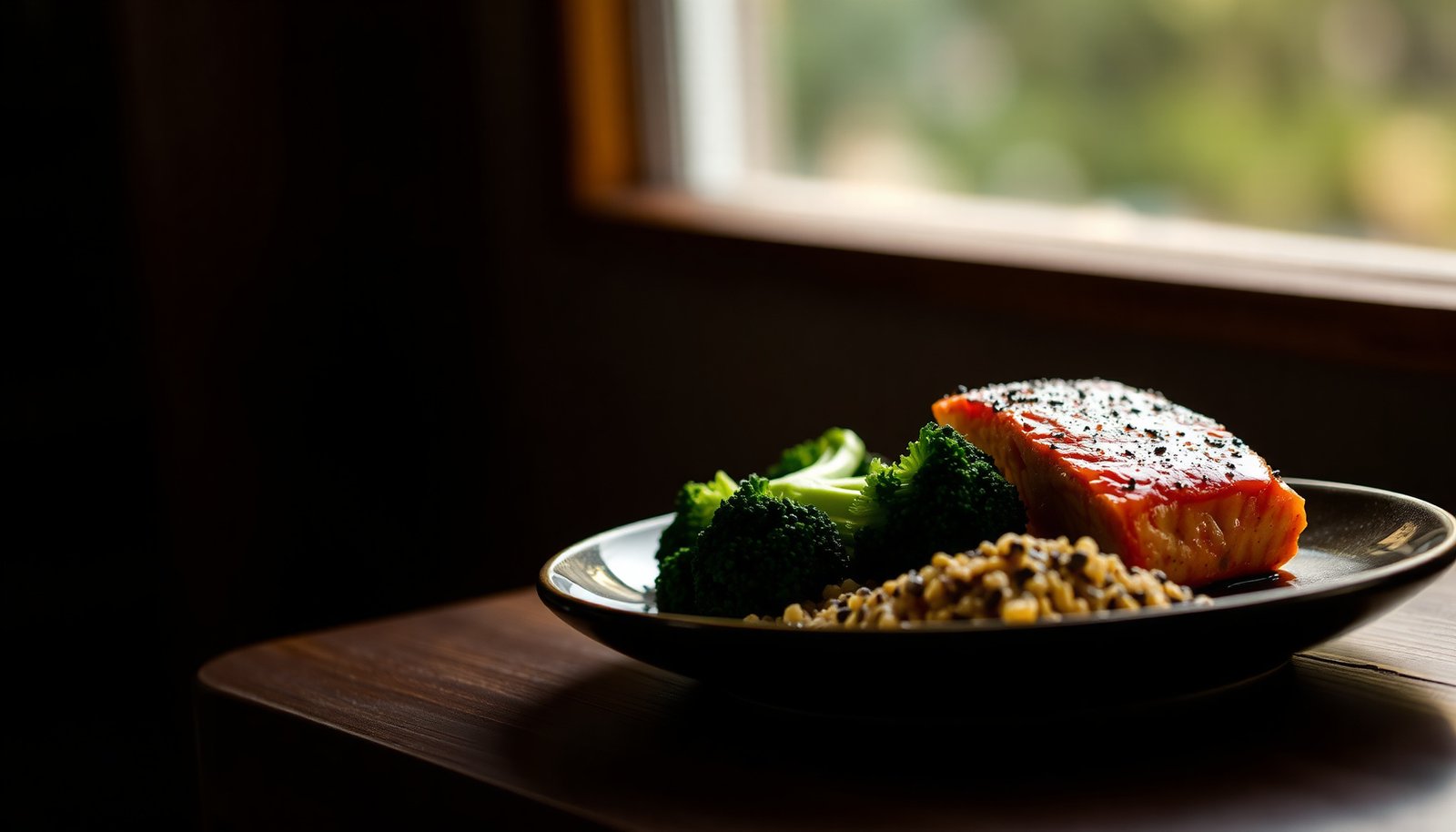
– Sheet-pan protein + vegetables: roast chicken thighs (or salmon) with broccoli, cauliflower, zucchini, or bell peppers; pair with a measured portion of quinoa or beans if you need carbs.
– Stir-fry with a no-sugar sauce: use ginger, garlic, vinegar, chili flakes, and soy sauce (check sodium and sugar); serve over cauliflower rice or a measured whole grain.
– Soup as a meal: lentil soup, turkey/vegetable soup, or bean chili—especially useful for batch cooking and consistent portions.
– Taco bowls: black beans + lettuce + tomato + avocado + salsa (unsweetened). Skip sugary taco sauces; season with cumin and lime.
From an analytical standpoint, portion consistency is as important as ingredient quality. According to the American Diabetes Association (ADA), many nonpregnant adults target an A1C of <7% (Standards of Care, 2024). Achieving that often depends on predictable carbohydrate intake plus medication adherence—so easy diabetic recipes should be stable enough to track and adjust.
Also, if you use insulin or other diabetes medications, new meal patterns can require closer glucose monitoring—especially during the first week of changes.
Simple snacks and desserts for diabetics
Simple snacks and desserts are most effective when they combine protein or healthy fat + fiber, rather than relying on carbs alone. The pairing slows absorption and can reduce quick hunger rebounds that lead to “snack spirals.”
For snacks:
– Stick to snacks that combine protein or healthy fat + fiber (so they’re less likely to cause quick blood sugar jumps).
– Prefer “lower-sugar” dessert approaches: smaller portions, fruit-based options, or recipes using cinnamon, cocoa, and unsweetened yogurt.
– Snack ideas: nuts + cheese, hummus + veggies, hard-boiled eggs, or unsweetened yogurt with berries (portion-controlled).
Practical dessert swaps that still feel enjoyable:
– Yogurt + berries + cocoa instead of ice cream.
– Chia pudding (made with unsweetened milk) flavored with vanilla extract and cinnamon.
– Fruit portion + nuts when you want something sweet but controlled.
In 2026, many packaged “low sugar” snacks can still be higher in carbs than you expect due to starches, sugar alcohols, or serving size creep. Easy diabetic recipes—and easy diabetic snacks—work best when you pay attention to the label and keep portions consistent.
What can go wrong with easy diabetic recipes
Easy diabetic recipes fail most often when people treat them as “carb-free” or “guaranteed.” Carbs still affect blood glucose, and diabetes medications can change how sensitive you are to meal timing and portion size.
Common pitfalls:
– Assuming “diabetic” automatically means zero impact—carbs still affect blood sugar, so portions and carb choices matter.
– Overdoing “healthy carbs” (like granola, juice, or large servings of fruit) while feeling like you’re safe because they’re “natural.”
– Using sweetened products without realizing it (flavored yogurts, packaged sauces, bread that’s sweeter than expected)—always check labels.
– If you take insulin or other diabetes medications, changing meals can require monitoring—don’t ignore glucose checks when you start new recipes.
A deeper issue is that people sometimes build an “almost diabetic” meal: they use whole grains but skip enough non-starchy vegetables or protein. Then they’re surprised by hunger and glucose variability. Easy diabetic recipes should be judged as a full meal system—not a single ingredient.
If you’re pregnant, managing type 1 diabetes, or have kidney disease, meal planning needs additional individualized guidance. In those cases, the structure here can still help with meal organization, but you should confirm targets and portion sizes with your clinician.
A practical verdict: Use these easy diabetic recipes as repeatable templates, but keep your diabetes care plan in the driver’s seat—especially if you use insulin, have a history of hypoglycemia, or can’t reliably monitor glucose right now. The downside is that portioning and label-checking take effort at first; the upside is that the method gets easier quickly and makes progress more measurable.
Checklist: best easy diabetic recipes to save
| Recipe type | Quick rule | Easy swap |
|---|---|---|
| Breakfast | Protein first + fiber add-in | Eggs/tofu instead of pastries |
| Lunch/Dinner | Balanced plate | Veg-heavy sides + measured carbs |
| Snacks | Protein + fiber | Hummus/eggs instead of chips |
| Dessert | Smaller portions | Unsweetened yogurt + berries |
Keep a short list of “go-to” proteins (eggs, chicken, fish, tofu, Greek yogurt). Stock flexible veggies (frozen works) and simple seasonings (garlic, cumin, chili, basil). Finally, choose one measured carb source you repeat often (beans, lentils, quinoa, brown rice, whole grains) so meals stay consistent—consistency is one of the most underrated strategies in easy diabetic recipes.
Frequently Asked Questions
What are the best easy diabetic recipes for busy weeknights?
The best easy diabetic recipes for weeknights are meals that combine lean protein, high-fiber vegetables, and controlled portions of carbs. Look for options like sheet-pan salmon with broccoli, turkey taco bowls, or zucchini noodle stir-fries with tofu and a simple soy-ginger sauce. These diabetic-friendly recipes are typically quick to prepare, help reduce blood sugar spikes, and keep you full with fewer refined carbs.
How can I make diabetic-friendly dinner recipes taste great without added sugar?
Use flavor boosters like garlic, ginger, herbs, citrus, vinegar, and chili instead of sugar-based sauces. For easy diabetic meals, try sugar-free marinades, homemade salsa, or a quick yogurt-lime dressing to add tang without raising carbs. You’ll still get bold flavor while following low-glycemic cooking methods that support stable blood glucose.
Which easy breakfast ideas help with diabetes-friendly blood sugar control?
Choose diabetes-friendly breakfasts with fiber and protein to slow digestion, such as Greek yogurt with nuts and berries, veggie omelets, or chia pudding made with unsweetened milk. If you prefer oatmeal, use portion-controlled servings and add cinnamon plus nuts to improve satiety. These easy diabetic breakfast recipes can help reduce morning blood sugar swings and keep cravings under control.
Why are low-carb, high-fiber diabetic recipes recommended?
Low-carb, high-fiber diabetic recipes help limit rapid glucose increases by slowing how quickly carbs are absorbed. Fiber from non-starchy vegetables, legumes, and whole-food sources supports gut health and improves fullness, which can make portion control easier. This is why many of the best easy diabetic recipes focus on balanced plates rather than sugar reduction alone.
What are the best easy diabetic recipes for lunch meal prep?
For lunch meal prep, focus on recipes that reheat well, like chicken salad lettuce wraps, quinoa-and-black-bean bowls (with measured portions), or lentil soup with lots of vegetables. Batch-cook proteins and cook vegetables separately to keep texture, then combine with a fiber-rich base. These meal-prep diabetic recipes reduce decision fatigue, support consistent carb intake, and make it easier to follow a diabetes-friendly eating plan.
📅 Last Updated: November 25, 2026 | Topic: best easy diabetic recipes | Content verified for accuracy and freshness.
References
- https://www.niddk.nih.gov/health-information/diabetes/overview/eating-diet-physical-activity
- https://www.mayoclinic.org/diseases-conditions/diabetes/in-depth/diabetes-diet/art-20048395
- https://www.cdc.gov/diabetes/managing/healthy-eating.html
- Diabetes
- Diet in diabetes
- Glycemic index
- https://scholar.google.com/scholar?q=easy+diabetic+recipes Google Scholar
- https://scholar.google.com/scholar?q=diabetes+meal+planning+healthy+recipes Google Scholar
- https://scholar.google.com/scholar?q=type+2+diabetes+diet+intervention+meal+planning+randomized+trial Google Scholar