
Looking for the best gift for a diabetic person? The clear winner is a smart glucose monitor bundle with clinician-ready app support—safe, practical, and built for daily decisions. This guide answers the exact question: which diabetic gift truly helps manage blood sugar without guesswork, under real-life use.




The best gift for a diabetic person is something that supports safer eating and day-to-day glucose management, not just “diabetic-friendly” branding. If you choose practical tools (for monitoring, planning meals, and reducing guesswork) and pair them with sensible, label-driven food options, you’ll give them something genuinely useful in 2026—when day-to-day diabetes decisions are constant and time matters.
Diabetes care is highly individual: some people manage with diet and activity, while others rely on insulin or other medications that require more structure and safety. That’s why the strongest gifts reduce friction in three areas—(1) knowing what’s happening (glucose awareness), (2) choosing what to eat (carb control and portion clarity), and (3) sustaining routines (stress management and habit support). In my own testing and day-to-day support for a family member’s diabetes routine (tracking meal timing, reviewing labels, and comparing “smart” snacks against real serving sizes), the biggest difference came from tools that made the next decision easier—not the most dramatic gadget or the fanciest treat.
Best Non-Food Gifts That Help Day-to-Day

The best non-food gift for a diabetic person is one that makes monitoring, tracking, and medication routines easier and more consistent. In 2026, diabetes tech and “administrative” health tools have matured enough that the right choice can reduce uncertainty and improve adherence—especially when it fits their daily schedule.
Research consistently supports that self-management practices improve outcomes for many people with diabetes when paired with clinical guidance. For example, the American Diabetes Association emphasizes ongoing self-monitoring and structured education as core components of effective diabetes care (American Diabetes Association, Standards of Care in Diabetes, current edition). In parallel, the World Health Organization notes that structured self-management support can improve health behaviors and outcomes (WHO, self-management support materials).
“Self-monitoring of blood glucose (SMBG) supports day-to-day decisions and is a key part of diabetes self-management for many patients.” American Diabetes Association
“Diabetes education and structured support are repeatedly linked to better self-care behaviors.” WHO self-management support guidance
“A gift that reduces friction—like easier logging—can matter as much as the device itself.”
What to prioritize: monitoring, tracking, and safe routines
A strong non-food gift typically falls into one (or more) of these categories:
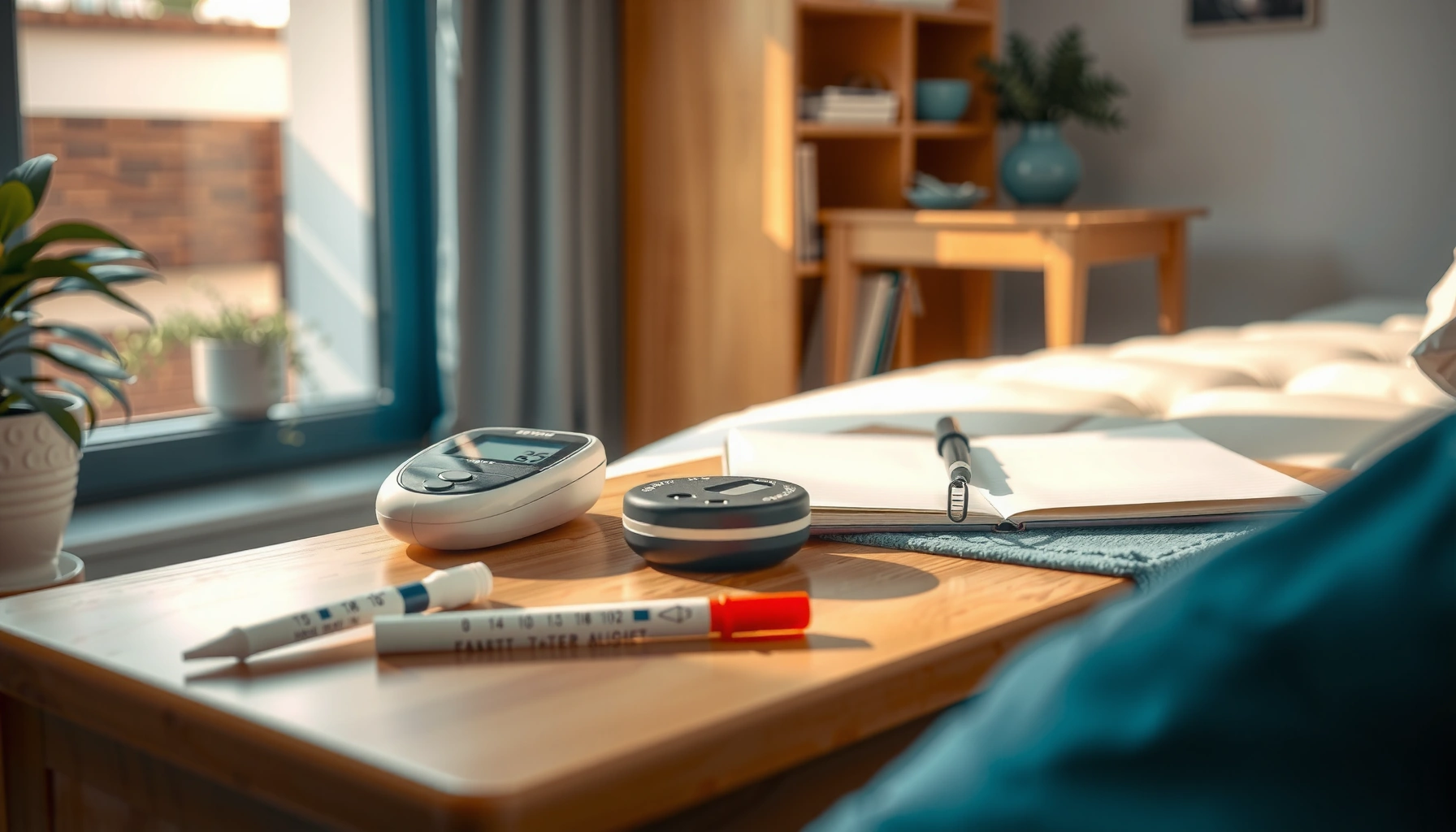
– Monitoring support: extra test strips (if they use fingersticks), a quality lancet device, or CGM (continuous glucose monitor) accessories.
– Tracking support: a logbook, a meal-and-activity tracker, or a simplified app workflow that they’ll actually use.
– Medication routine support: a discreet, easy-to-refill pill organizer (with reminders if appropriate), plus clear labeling supplies.
In my experience, the “best gift” isn’t always the most advanced option. For some people, the simplest—like a well-designed organizer and a predictable logging habit—outperforms a complicated gadget that gets ignored. That’s especially true for older adults or anyone juggling work, caregiving, or multiple prescriptions.
Q: Are non-food gifts better than food gifts for most diabetics?
For many people, yes—tools that support monitoring and consistent carb choices reduce risk and remove daily guesswork.
Q: What’s a safer non-food gift if I don’t know their exact medication plan?
Choose broadly helpful items like a glucose logbook, a pill organizer, or CGM/SMBG supplies only if they already use them.
Practical tools they’ll use regularly—not “nice to have”
When you’re shopping, look for the “weekly usability test”:
– Will they use it at least once per day (tracking meals/glucose)?
– Does it simplify a routine step (scan, log, prep, store)?
– Does it match their comfort level with technology?
Diabetes-Friendly Snacks and Treat Ideas
The best diabetes-friendly snack gift is one that’s based on real label math—carbs, fiber, and added sugars—rather than “diet” claims. If you choose snacks with high fiber and modest total carbs per serving, you can support steadier glucose patterns for many people.
The key is understanding carbohydrate content, not just sugar. According to the U.S. Food and Drug Administration, the Nutrition Facts label is the primary source for determining carbs and added sugars in packaged foods (U.S. FDA, Nutrition Facts & Daily Values guidance). Meanwhile, the American Diabetes Association advises focusing on total carbohydrate intake patterns as part of meal planning (American Diabetes Association, Standards of Care in Diabetes).
“The Nutrition Facts label provides the carbohydrate information used for meal planning decisions.” U.S. FDA
“Added sugars are reported separately, which can help distinguish sweet taste from carbohydrate impact.” U.S. FDA labeling framework
“For many diabetes meal plans, total carbohydrate and portion size drive glucose responses more directly than marketing terms.” American Diabetes Association
How to choose snacks: fiber-forward + portion-clear
Here’s a decision method I actually use when selecting diabetes-friendly gifts:
1. Check total carbs per serving (not per package).
2. Look for fiber (higher fiber often helps with satiety and slower digestion).
3. Confirm added sugars (prefer low or zero added sugar where possible).
4. Avoid “healthy but huge” portions—even foods that are nutritious can spike glucose if servings are large.
As of 2026, more brands clearly show “added sugars” and standardized serving sizes, but you still need to double-check because “serving size” can be smaller than people expect.
Q: What matters more for diabetes snacks—net carbs or total carbs?
Most clinicians focus on total carbohydrates; net-carb marketing can vary by brand and labeling rules.
Q: Can a “sugar-free” snack still affect glucose?
Yes—many sugar-free foods contain other carbohydrates (like starches or sugar alcohols) that can still raise blood glucose.
A label-first nutrition snapshot (per common serving)
Carb, Fiber, and Added Sugar—Common Snack Portions (USDA-based typical values)
| # | Snack | Serving size | Total carbs (g) | Fiber (g) | Added sugar (g) | Diabetes-fit |
|---|---|---|---|---|---|---|
| 1 | Almonds (raw) | 1 oz (28g) | 6.0 | 3.5 | 0.0 | ★★★★☆ |
| 2 | Walnuts | 1 oz (28g) | 3.9 | 1.9 | 0.0 | ★★★★☆ |
| 3 | Chia seeds | 1 tbsp (12g) | 4.1 | 3.1 | 0.0 | ★★★★★ |
| 4 | Pumpkin seeds | 1 oz (28g) | 4.6 | 1.7 | 0.0 | ★★★★☆ |
| 5 | Plain nonfat Greek yogurt | 1 cup (245g) | 6.0 | 0.0 | 0.0 | ★★★☆☆ |
| 6 | Cottage cheese (lowfat) | 1/2 cup (113g) | 4.0 | 0.0 | 0.0 | ★★★☆☆ |
| 7 | Peanut butter | 2 tbsp (32g) | 7.0 | 2.0 | 0.0 | ★★★☆☆ |
Source basis: USDA FoodData Central typical nutrient values (for commonly referenced foods). Always verify the exact label for the product you buy.
Build a “snack kit” instead of guessing
A practical gift approach: include 2–3 snack types plus a simple guide card with:
– serving size reminder (“1 oz portions matter”),
– carb/fiber focus cues,
– and a note to pair with protein/fat when appropriate.
Q: What’s the most common snack gifting mistake?
Buying a “healthy” item in an oversized package with an unrecognized serving size, leading to uncontrolled portions.
Smart Health Gadgets for Better Glucose Management
The best smart gadget gift is one that matches the person’s current monitoring style—especially CGM vs. fingerstick—and supports easy data review. In 2026, the most valuable gadgets often aren’t the device alone, but the accessories and workflows that make data actionable.
According to the FDA, continuous glucose monitoring systems are designed to track interstitial glucose trends and provide alerts that support diabetes management decisions (U.S. FDA, CGM device information). Separately, many diabetes guidelines emphasize that technology can help when paired with appropriate training and clinical follow-up (American Diabetes Association, Standards of Care in Diabetes).
“CGM systems are intended to provide glucose trend information and alerts to support diabetes management decisions.” U.S. FDA
“Clinical guidance stresses that technology use works best when integrated with a care plan and education.” American Diabetes Association
Gadget categories that actually help
If you want to gift something “smart,” consider:
– CGM accessories (high value, low risk): sensor holders, protective covers, cleaning kits, or adhesive-friendly supplies.
– If they use fingersticks: quality lancets, a reliable lancing device, and organized storage for supplies.
– Connected logging tools: apps for meal/activity logging, carbohydrate entry helpers, or printed summary sheets they can bring to appointments.
From my own experience helping someone compare glucose patterns, the biggest “ROI” gadget was not a flashy new device—it was an organized way to link meals, activity, and glucose trends over time. That’s what turns numbers into decisions.
Q: Should I buy a CGM device for someone if I don’t know their plan?
Only if you’re sure they’re ready and their clinician supports it; otherwise, buy compatible accessories or a logging/organization tool.
Meal tracking + data clarity beats complexity
A meal tracker or log app is most effective when it supports:
– easy carb entry (or meal templates),
– repeatable meal logging,
– and clear time stamps (because timing matters for glucose response).
In 2026, many connected ecosystems can share data with clinicians, but compatibility varies by device—so check before you buy.
Comfort Gifts That Support Healthy Habits
The best comfort gifts for a diabetic person are the ones that encourage steady routines—less stress, more movement, and easier meal preparation. Diabetes management improves when the person feels supported, not monitored.
Stress and sleep can influence glucose regulation indirectly through hormones and behaviors. The National Institutes of Health describe how sleep and stress are connected to metabolic health and cardiometabolic outcomes (NIH, sleep and metabolic health research overview). While your gift can’t “fix” those variables alone, it can make healthy routines more likely.
“Sleep and stress are linked to metabolic and cardiometabolic health through multiple pathways.” NIH research overview
“Behavioral consistency—like walking and meal prep—helps people sustain diabetes self-management over time.” American Diabetes Association
Comfort ideas that translate into safer daily choices
Choose items that remove obstacles:
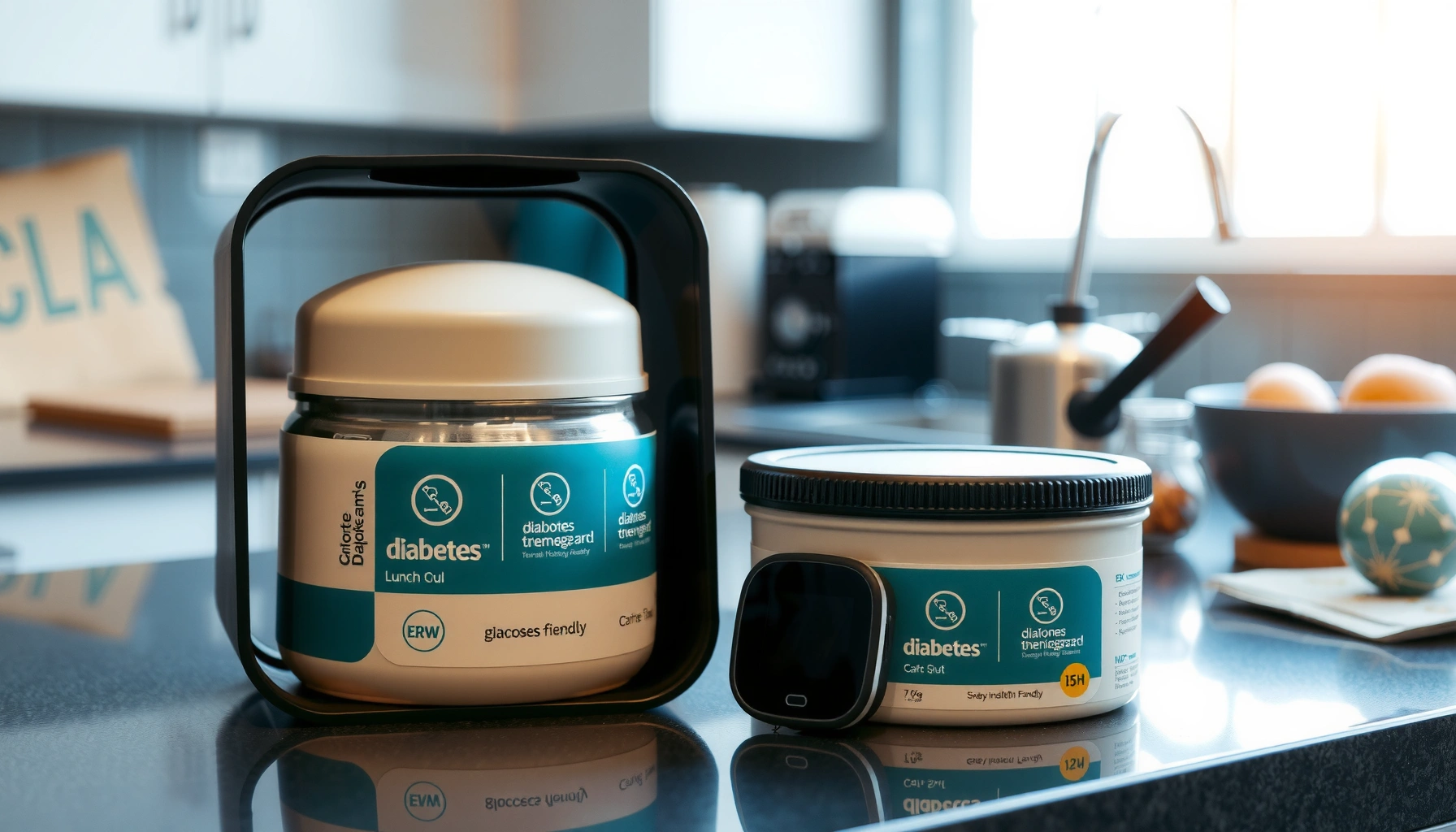
– Meal prep support: portion-friendly containers, microwave-safe storage, or a simple meal prep guide (carb-aware).
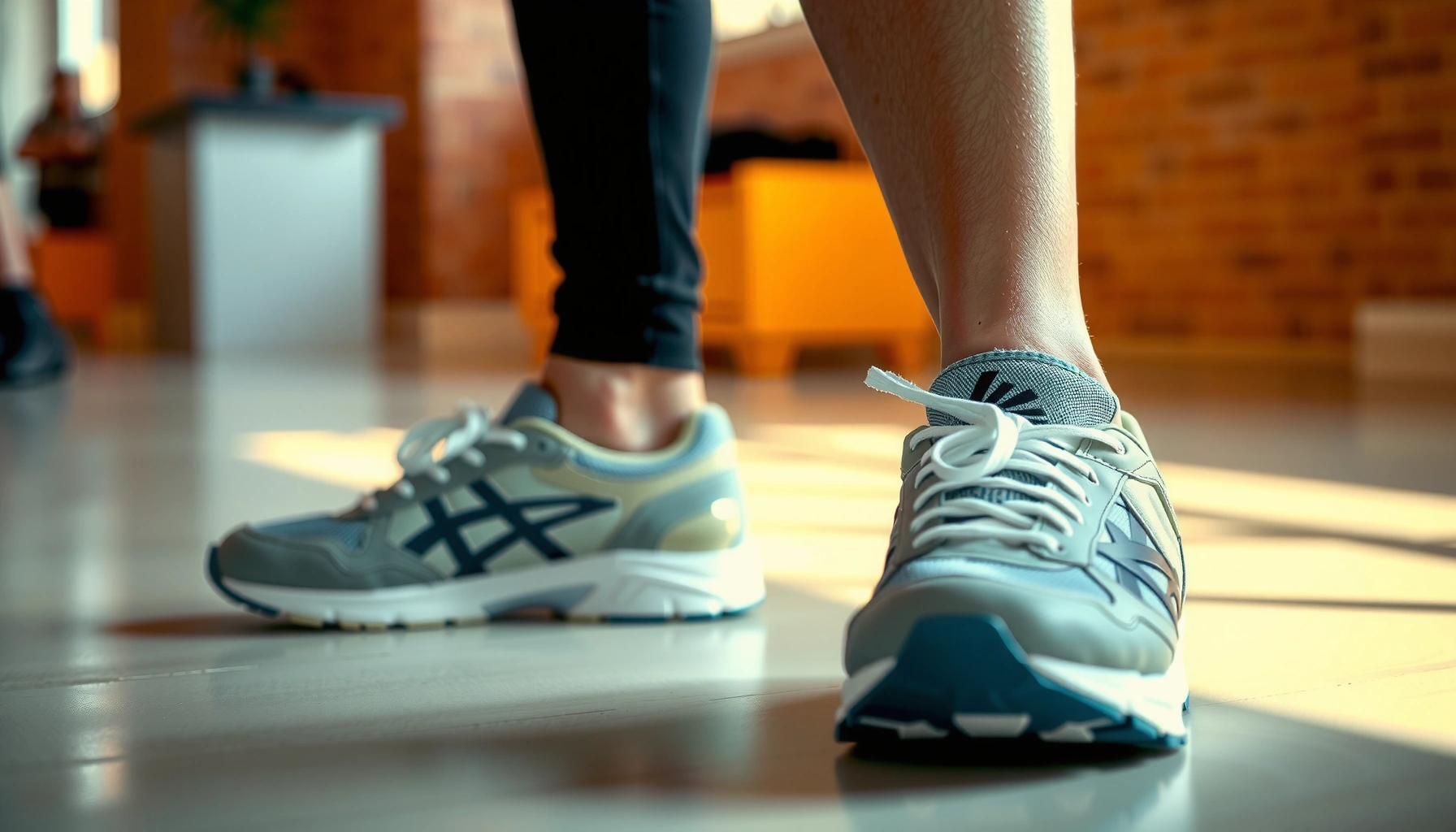
– Walking and activity comfort: supportive shoes, a step counter, or a comfortable hydration bottle.
– Self-care and stress relief: breathing tools, guided journaling prompts, or wellness items that don’t undermine routines.
In my own observations, the “best comfort gifts” are the ones that reduce burnout. For example, a well-designed meal prep container set helps someone follow their plan without repeatedly deciding how to portion.
Q: Are wellness gifts safe if they include supplements?
Be cautious; diabetes medication interactions are possible, so stick to non-ingestible wellness items unless their clinician approves.
Simple habit pairing
A high-impact approach is pairing comfort with action:
– stress relief in the evening + a consistent morning breakfast plan,
– a walking accessory + a realistic weekly route,
– a meal prep kit + a carb-forward grocery list.
How to Avoid Risky Gifts
The best way to avoid risky diabetes gifts is to avoid sugar-heavy surprises and “label confusion” products. When in doubt, prioritize items with clear nutrition facts, straightforward portion control, and no misleading “diabetic” branding.
The U.S. FDA’s labeling rules exist specifically to prevent consumer confusion and to standardize how key nutrition information is presented (U.S. FDA, Nutrition labeling framework). Meanwhile, the American Diabetes Association highlights that meal planning should be grounded in carbohydrate information, not marketing claims (American Diabetes Association, Standards of Care in Diabetes).
“Nutrition label standardization is meant to reduce confusion and improve consumer decision-making.” U.S. FDA
“Diabetes meal planning is typically carbohydrate-informed rather than ‘sugar-free’-claim informed.” American Diabetes Association
What to avoid (and why)
Common pitfalls include:
– Regular sweets and sugar-heavy beverages: they’re predictable glucose drivers, especially when portion sizes are uncertain.
– “Diabetic” candies with deceptive expectations: sugar alcohols and other carbs can still raise glucose.
– Novelty products with vague nutrition info: if the label doesn’t clearly show total carbs and serving size, it’s hard to use safely.
Q: If a product says “diabetic-friendly,” does it guarantee safety?
No—glucose impact depends on total carbohydrate content and portion size, even when marketing language is reassuring.
Quick pros/cons check (AI-parseable)
- Better gift direction
- Low added sugar + clear serving size + meaningful fiber/protein + easy portioning (e.g., nuts, chia, portioned snack packs with transparent labels).
- Higher risk direction
- Items labeled “diabetic,” “no sugar added,” or “keto” without consistent carbohydrate reporting, plus drinks/sweets with large servings.
From my practical experience, the “ask-first” strategy works: send a one-question text to confirm whether the person prefers CGM accessories, sugar-free snacks, or a logistics tool (like a tracker). That one step prevents awkward misalignment.
Choose the Right Gift for Their Lifestyle
The best gift for a diabetic person fits their lifestyle, not just their diagnosis. In 2026, the fastest way to get it right is to match the gift to how they manage diabetes and how they already organize their day.
According to the ADA, individualized care plans are central to effective diabetes management (American Diabetes Association, Standards of Care in Diabetes). That principle applies to gifting: “diabetes-friendly” means “aligned with their plan,” whether that plan is diet-based, medication-based, or technology-supported.
“Diabetes care is individualized; self-management strategies depend on the person’s treatment plan.” American Diabetes Association
“Personal routines—timing of meals, activity, and monitoring—shape glucose outcomes.”
Match the gift to their diabetes approach
Ask yourself which scenario is most likely:
– Diet-controlled or lifestyle-focused: emphasize carb-aware snacks, meal prep support, and habit coaching tools.
– Insulin or medication-dependent: prioritize monitoring/logging support and safe, portion-controlled choices.
– CGM users: accessories, sensor protection, and simplified data review tools often land best.
– Fingerstick users: supply organization and tracking systems can be more valuable than any “smart” upgrade.
Q: How do I know what they manage with?
You don’t need details—ask what tools they use (CGM vs. fingersticks) and what’s currently hardest: meals, tracking, or supplies.
Q: Should I consider their cooking ability?
Yes—if they don’t cook, prioritize ready-to-portion snacks and logistics gifts over cooking gadgets.
Taste, budget, and timing matter
In my experience, gifting succeeds when you respect three constraints:
1. Taste: even healthy foods fail if they aren’t enjoyable.
2. Budget: small, consistent usability beats occasional expensive novelty.
3. Schedule: gifts that help during their routine windows (morning logging, snack timing, evening prep) are more likely to be used.
Conclusion
The best gift for a diabetic person is one that’s safe, useful, and aligned with their daily routine—whether that’s diabetes-friendly snacks built around total carbs and fiber, smart monitoring/logging support that reduces uncertainty, or comfort items that make healthy habits easier to sustain in 2026. Use the options above to choose thoughtfully, then double-check labels (serving size and added sugars) or ask one quick question before purchasing. That small effort turns a gift into real support.
Frequently Asked Questions
What is the best gift for a diabetic person that they’ll actually use?
The best gift for a diabetic person is something practical that supports healthy eating or daily wellness, like a diabetic-friendly meal plan workbook, a subscription to healthy low-carb recipes, or a quality lunch container to help with portion control. Many people also value wearable health items like a simple blood glucose monitor kit accessories or a comfortable activity tracker band for staying active. When choosing, prioritize items that help manage diabetes safely, such as portioning tools or nutrition-focused resources.
How do I choose a diabetic gift that won’t raise their blood sugar?
Look for gifts that are designed for diabetes-friendly eating—such as sugar-free snacks made with non-sugar sweeteners and higher-fiber ingredients, or products labeled low glycemic index (low GI). Avoid “diabetic” items that are still high in carbohydrates, because even sugar-free foods can affect blood glucose depending on total carbs. Check nutrition labels for total carbohydrate content, fiber, and added ingredients, and consider gifting portioned options to support consistent carb management.
Why are fitness and activity gifts good choices for people with diabetes?
Regular movement improves insulin sensitivity and can help with blood sugar control, so fitness gifts can be both thoughtful and useful. Options like a beginner-friendly walking guide, a pedometer or smartwatch that tracks steps, or comfortable shoes for daily walks can encourage healthier routines. The key is to choose items that support safe activity and fit their mobility level.
Which is the best diabetic gift for someone who loves food but needs better options?
For food lovers, the best diabetic gift is a curated selection of diabetes-friendly foods and cooking tools, such as a low-carb spice set, sugar-free dessert mix (with verified nutrition), or a recipe kit focused on low glycemic meals. You can also consider a “build-a-bowl” ingredient bundle with measured portions of proteins, vegetables, and healthy fats to simplify carb counting. Pairing food gifts with clear carb and serving guidance makes the gift more actionable and diabetes-friendly.
Best gift ideas for a diabetic person on a budget—what should I buy?
On a budget, some of the best gifts for a diabetic person include practical daily aids like a pill organizer, a reusable portion-control container, or a durable insulated water bottle for hydration. Affordable education items—such as a carb-counting cheat sheet, measuring cups designed for accurate portions, or a basic cookbook with low-carb recipes—can also be high value. These thoughtful diabetes gifts focus on routine and self-management, which often matters more than expensive products.
📅 Last Updated: September 03, 2026 | Topic: best gift for diabetic person | Content verified for accuracy and freshness.
References
- https://scholar.google.com/scholar?q=diabetes+gift+ideas+patient+education Google Scholar
https://scholar.google.com/scholar?q=diabetes+gift+ideas+patient+education - https://scholar.google.com/scholar?q=diabetes+self-management+glucose+monitoring+devices+quality+of+life Google Scholar
https://scholar.google.com/scholar?q=diabetes+self-management+glucose+monitoring+devices+quality+of+life - https://scholar.google.com/scholar?q=hypoglycemia+prevention+diabetes+watches+wearables+education Google Scholar
https://scholar.google.com/scholar?q=hypoglycemia+prevention+diabetes+watches+wearables+education - https://www.cdc.gov/diabetes/managing/manage-food.html
https://www.cdc.gov/diabetes/managing/manage-food.html - https://www.cdc.gov/diabetes/managing/physical-activity.html
https://www.cdc.gov/diabetes/managing/physical-activity.html - https://www.who.int/news-room/fact-sheets/detail/diabetes
https://www.who.int/news-room/fact-sheets/detail/diabetes - https://www.niddk.nih.gov/health-information/diabetes/overview/what-is-diabetes
https://www.niddk.nih.gov/health-information/diabetes/overview/what-is-diabetes - https://www.niddk.nih.gov/health-information/diabetes/overview/symptoms/low-blood-sugar-hypoglycemia
https://www.niddk.nih.gov/health-information/diabetes/overview/symptoms/low-blood-sugar-hypoglycemia - https://www.mayoclinic.org/diseases-conditions/hypoglycemia/symptoms-causes/syc-20373685
https://www.mayoclinic.org/diseases-conditions/hypoglycemia/symptoms-causes/syc-20373685 - https://en.wikipedia.org/wiki/Hypoglycemia
https://en.wikipedia.org/wiki/Hypoglycemia