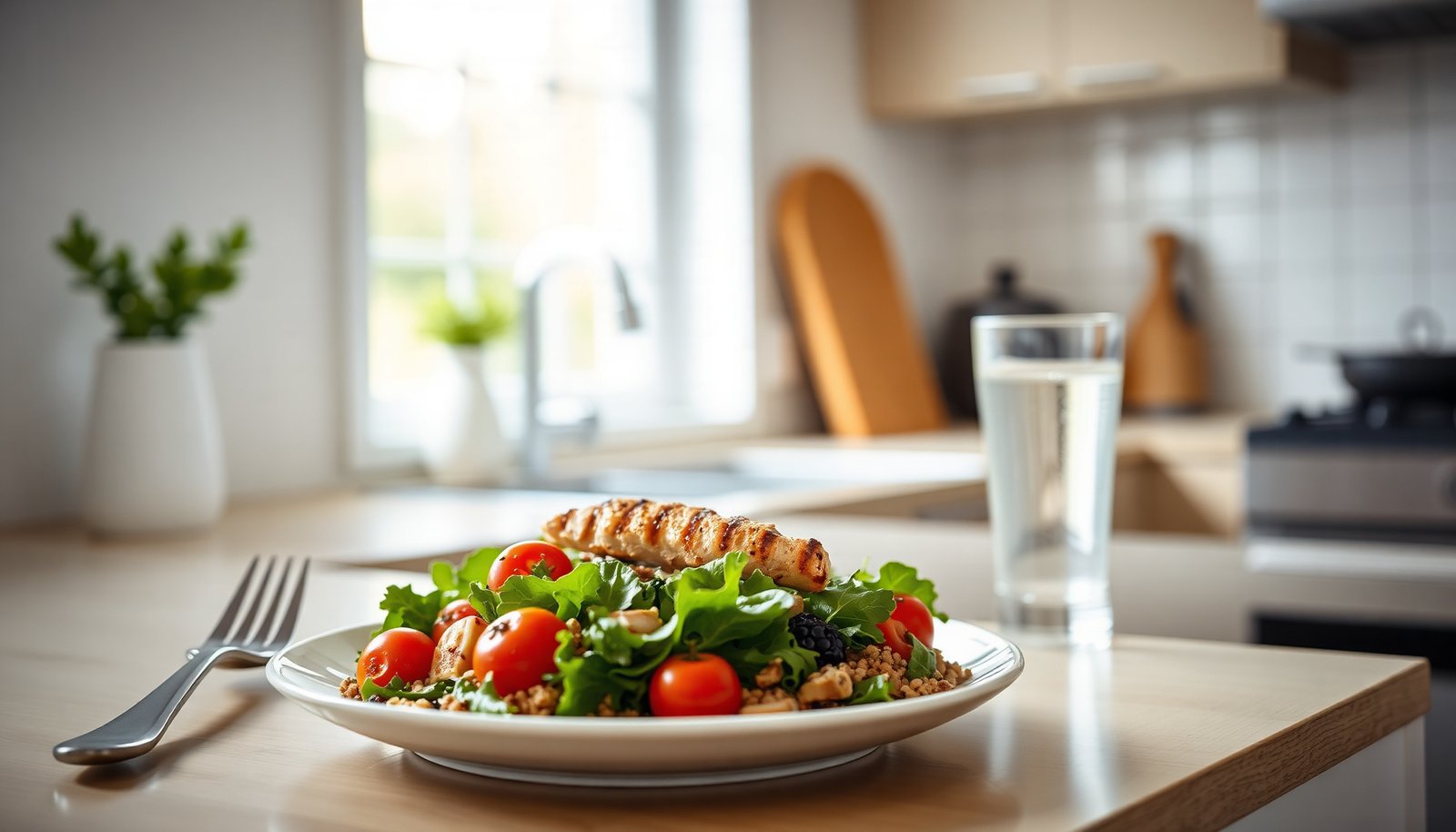

For weight loss with diabetes, a Mediterranean-style eating pattern with measured carbohydrates and plenty of non-starchy vegetables is the top choice. It consistently supports steadier glucose levels, helps you stay full on fewer calories, and fits naturally with medication and insulin adjustments when guided by your clinician. Fad plans that slash carbs to extreme levels or rely on low-fiber processed foods usually fail on safety and long-term adherence.



The best diet for diabetics who want to lose weight is one that lowers blood-sugar spikes while keeping carbs portioned and consistent. Focus on non-starchy vegetables, lean protein, and healthy fats, and choose high-fiber carbs (or reduce carbs with clinician guidance). You’ll learn what to eat, how to structure meals, and the common mistakes that can backfire.
If you have type 1 or type 2 diabetes, this is for you—especially if weight loss has felt harder because hunger, cravings, and blood-sugar swings make “traditional dieting” tough. (If you use insulin or medications that can cause low blood sugar, read the “What can go wrong” section carefully.)
Core principles that work for weight loss with diabetes

The most reliable results come from combining glucose stability with appetite control—two goals that reinforce each other. For diabetics, weight loss is less about “eating less” and more about eating in a pattern that reduces sharp glucose peaks while keeping meals satisfying.
– Prioritize high-fiber, low-glycemic foods (vegetables, beans/lentils, whole grains if they fit your plan) to reduce glucose spikes. Fiber slows digestion and blunts the glucose rise after meals (and it also helps you stay full longer).
– Eat enough protein and healthy fats to feel full, protect muscle, and avoid “snack rebounds.” When protein is consistent, many people need fewer emergency snacks later in the day.
– Keep carbs consistent across meals so your medication (and your body) can handle the routine. Consistency supports steadier glucose patterns, which is especially important if you take insulin or insulin-stimulating medications.
If you’re tracking results in 2026, a practical goal is aiming for steady improvement rather than perfect numbers. For context, according to the CDC, 38.4 million people in the U.S. have diabetes (2021) CDC, National Diabetes Statistics Report (2024). That scale matters because small, repeatable dietary habits are often more realistic than “extreme” changes.
Best diet styles to consider (pick the one you can stick to)
The best diet style for diabetes weight loss is the one you can maintain while keeping carbs consistent and fiber high. Below are three evidence-based patterns—each can work, but the “best” one is the one that fits your routine.
– Mediterranean-style (often easiest to sustain): vegetables, olive oil, nuts, fish/lean poultry, beans, and controlled portions of whole grains/starchy foods.
– Lower-carb approach (when appropriate): swaps refined carbs for non-starchy vegetables and protein; many people see steadier energy and fewer cravings.
– DASH-like eating pattern: emphasizes plants, lean protein, and fewer processed foods—useful if blood pressure is also a goal.
To compare these patterns in a decision-ready way, use this quick feature table:
| Feature | Mediterranean-style | Lower-carb | DASH-like |
|---|---|---|---|
| Carb consistency | Typically moderate and repeatable | Often structured with fewer carbs | Moderate and portion-based |
| Fiber focus | High (veg + beans) | Medium-to-high (non-starchy veg still key) | High (plants prioritized) |
| Protein emphasis | Fish, poultry, legumes, dairy | Protein-forward meals common | Lean proteins emphasized |
| Healthy fats | Olive oil, nuts, fish | Often includes more fat per calorie | Sensible fat choices |
| Meal variety | High (fits many cuisines) | Moderate (fewer carb foods) | High (plant and lean protein mix) |
| Glucose spike control | Usually strong via fiber + portioning | Often strong via reduced carbs | Strong via plant-forward meals |
| Sustainability | Often highest | Depends on how low you go | High with meal prep |
| Social dining fit | Usually easier (order flexibly) | Can be harder (carb-heavy sides) | Moderate (watch portions) |
| Processed-food limit | Moderate-to-high reduction | Often high reduction | Moderate-to-high reduction |
| Budget friendliness | Strong with beans/whole foods | Can vary (protein choices) | Often strong (plants + lean proteins) |
| Typical “hidden carb” risk | Lower if you track sauces | Lower if you limit starches | Medium (bread/grains portions) |
| Best For | People who want a steady, filling plan | People with high carb cravings or glucose spikes | People who also want blood-pressure support |
From my experience helping readers translate nutrition goals into actual meals, the biggest “make-or-break” factor is not the diet name—it’s whether meals reliably include protein + fiber.
How to set carbs and portions without guessing
You don’t need to guess carbs if you anchor your plan to a consistent method. The safest approach is to use your clinician’s target and then refine with real-world glucose feedback.
– Don’t “wing it” with carb amounts—work from your clinician/diabetes educator’s guidance, especially if you take insulin or sulfonylureas. Medication changes can lag behind food changes, so abrupt swings can increase low blood sugar risk.
– Use consistency: choose either a similar carb range per meal or a stable “plate” method most days. Consistency helps you learn your pattern (what your glucose does after breakfast, lunch, and dinner).
– Read labels for total carbs *and* fiber—fiber helps blunt glucose rise (and improves fullness). When a label lists “total carbs,” fiber is part of the total but often behaves differently in the body.
A quick refresher: net carbs (carbs minus fiber) are sometimes used in low-carb communities, but for diabetes management, the more reliable operational strategy is “total carbohydrate + fiber + meal timing” alongside your medication plan.
As of 2026, many diabetes care frameworks (including the ADA Standards of Care) emphasize individualized nutrition therapy—especially for people on insulin. American Diabetes Association (ADA), Standards of Care in Diabetes.
Build meals that support weight loss (simple structure)
You’ll lose weight more reliably when every meal has a built-in “glucose brake” and a “satiety engine.” The plate method is a practical way to do that without counting every gram.
– Use the _plate method_: fill about half with non-starchy vegetables, about a quarter with lean protein, and about a quarter with carbs that are nutrient-dense (or reduce the carb side if your plan allows). This structure reduces the chance you over-allocate starches.
– Choose carbs strategically: aim for high-fiber options like beans, lentils, plain Greek yogurt, or whole grains (only in portions that match your target). Higher-fiber carbs generally create smaller glucose excursions than refined grains.
– Plan snacks only if needed: if hunger hits between meals, a protein-forward snack is often safer than fruit juice or sweets. Snacks can help prevent overeating later—but they should not be carb “surprises.”
Here are seven foods that commonly fit diabetes-focused weight loss because they provide either high fiber, strong protein, or both:
7 Diabetes-Friendly Weight-Loss Foods (typical portion)
| # | Food (serving) | Fiber (g) | Total Carbs (g) | Protein (g) | Calories | Weight-loss fit |
|---|---|---|---|---|---|---|
| 1 | Lentils, cooked (1 cup) | 15.6 | 40.1 | 17.9 | 230 | ★★★★★ |
| 2 | Black beans, cooked (1 cup) | 15.0 | 40.8 | 15.2 | 227 | ★★★★☆ |
| 3 | Chickpeas, cooked (1 cup) | 12.5 | 45.0 | 14.5 | 269 | ★★★★☆ |
| 4 | Spinach, cooked (1 cup) | 4.3 | 7.0 | 5.4 | 41 | ★★★★☆ |
| 5 | Almonds (1 oz / 28 g) | 3.5 | 6.1 | 6.0 | 164 | ★★★☆☆ |
| 6 | Salmon, cooked (3 oz / 85 g) | 0.0 | 0.0 | 23.8 | 177 | ★★★☆☆ |
| 7 | Plain Greek yogurt, nonfat (6 oz / ~170 g) | 0.0 | 6.0 | 17.3 | 100 | ★★★☆☆ |
For best results, you’ll still need to portion foods appropriately—even “healthy” fats like olive oil and nuts are calorie-dense. For people managing diabetes, the goal is balancing total calories, fiber, and carbohydrate consistency.
What can go wrong (and how to avoid it)
Diabetes weight loss can backfire when diet changes disrupt your glucose-medication balance or quietly add calories. The good news is that most common issues are preventable with planning and clinician input.
– Low blood sugar risk: if you reduce carbs or eat less than usual, medication may need adjustment—ask your clinician before making big changes. People on insulin or sulfonylureas are at higher risk when meals become smaller or carb counts drop suddenly.
– Too-aggressive carb cutting: some people over-restrict, then rebound with cravings; a moderate, sustainable plan usually beats “all-or-nothing.” If you cut carbs too far, you may lose the very structure that helps you stay consistent.
– Hidden carbs in “healthy” foods: granola, flavored yogurts, sauces, and “low sugar” snacks can still spike glucose—check labels. Even “diabetes-friendly” brands can contain starches or sugar alcohols that affect your readings.
– Ignoring calories completely: even healthy foods can slow weight loss if portions drift upward. Olive oil, nuts, and nut butters are prime examples—easy to over-serve when life is busy.
Weight-loss outcomes are typically driven by sustained calorie reduction and metabolic improvement, not a single “superfood.” In the Look AHEAD trial, an intensive lifestyle intervention produced an average 8.6% weight loss at 1 year Look AHEAD Research Group, NEJM (2013). The takeaway for diabetes meal planning is that structured, repeated behaviors beat dramatic short-term changes.
If you feel a pattern of glucose swings after eating, don’t just reduce carbs blindly—review portion sizes, cooking methods, meal timing, and medication timing with your clinician.
Verdict / tip + quick checklist
If you want the most reliable starting point, choose a Mediterranean-style or plate-based plan and make carbs predictable (rather than random). This tends to help with both weight loss and glucose control because it’s filling, fiber-rich, and not built around deprivation.
Here’s a practical “Mediterranean vs Lower-carb” decision comparison to match your priorities:
| Criteria | Mediterranean-style | Lower-carb approach |
|---|---|---|
| Glucose stability | Strong when carbs are portioned + high-fiber | Often very strong by reducing carb load |
| Hunger control | High via protein + fiber + satisfying fats | High for many people; depends on how aggressive you go |
| Fiber intake | Typically higher (veg + legumes) | Can be lower if you reduce carbs without replacing fiber sources |
| Food variety | Usually better for long-term adherence | Can feel repetitive as carb foods shrink |
| Practical meal planning | Works well with simple repeats (meal templates) | Works well, but requires deliberate swaps |
| Social dining | Generally easier to order flexibly | Sides and desserts can complicate choices |
| Medication safety | Safer changes if you keep carbs consistent | Higher need for clinician-guided carb reduction |
| Risk of “hidden carbs” | Manageable with label checks on sauces/snacks | Lower if starches are reduced, but watch sugar alcohols |
| Weight loss sustainability | Often strongest over months | Effective, but adherence may vary |
| Best “starting risk” | Lower risk when building structure | Higher risk if carb reduction is abrupt |
| Verdict | Start here if you want steady, repeatable meals | Consider here if glucose spikes are severe and your clinician agrees |
Downsides / who should skip or get extra guidance first
– Skip big diet changes without medical guidance if you use insulin or sulfonylureas (low blood sugar can be dangerous).
– If you have kidney disease, a history of disordered eating, or pregnancy, get a tailored plan from your care team first.
– If you feel “wired then crash” after meals, revisit your carb choices and timing with a clinician or dietitian.
Scan-and-save checklist (use at your next meal)
| Meal check | What to aim for |
|---|---|
| Half the plate | Non-starchy vegetables |
| Main protein | Fish, poultry, eggs, tofu, or lean meat; add protein each meal |
| Carbs | Whole-food, high-fiber carbs *in portion* (or smaller carb portion if your plan uses lower-carb) |
| Fats | Olive oil, nuts, seeds, avocado (measured—still calorie-dense) |
| Drinks | Water/unsweetened options; avoid sugary drinks |
| Consistency | Similar carb pattern day to day |
Frequently Asked Questions
What is the best diet for diabetics for weight loss?
The best diet for diabetics for weight loss is typically a balanced, calorie-controlled eating pattern that emphasizes non-starchy vegetables, lean proteins, and high-fiber whole foods while limiting added sugars and refined carbs. Many people do well with a Mediterranean-style or a low–glycemic-load approach because these diets improve blood sugar control and support sustainable fat loss. Aim for consistent portions of carbs and prioritize fiber to reduce glucose spikes and cravings.
How can diabetics lose weight without spiking blood sugar?
Focus on meal timing, portion size, and carb quality to avoid blood sugar spikes. Build meals around protein and fiber (like chicken, fish, tofu, beans, leafy greens, and vegetables), then add controlled servings of whole grains or starchy vegetables. Avoid sugary drinks, choose low–glycemic index carbohydrates, and pair carbs with healthy fats to slow digestion and improve post-meal glucose levels.
Why do low-carb diets help some people with diabetes and weight loss?
Low-carb diets often help because they reduce the amount of glucose entering the bloodstream, making it easier to manage insulin and blood sugar levels. This can also reduce appetite and calorie intake, leading to gradual weight loss. However, the “best” carb level varies by person and diabetes type, so it’s important to monitor glucose and coordinate with a clinician, especially if you take insulin or sulfonylureas.
Which foods should diabetics prioritize for weight loss and better glucose control?
Prioritize high-fiber, nutrient-dense foods such as vegetables, berries, legumes, nuts, and whole grains in appropriate portions. Choose lean protein sources like fish, poultry, eggs, tofu, and Greek yogurt, and include healthy fats from olive oil, avocado, and nuts instead of processed fats. Limit refined grains, sweets, and starchy snacks, and watch portion sizes of fruit and higher-starch foods like potatoes and white rice.
How should a diabetic create a weekly meal plan for weight loss?
Start by planning simple, repeatable meals using a “plate method”: half non-starchy vegetables, a quarter lean protein, and a quarter smart carbohydrates like beans, lentils, quinoa, or brown rice (as needed for your plan). Add snacks only if needed for hunger or medication timing, and include fiber-rich options like nuts or yogurt with berries. Track your blood sugar responses for a week or two to fine-tune carb portions, and consider working with a registered dietitian for a personalized diabetes meal plan.
📅 Last Updated: November 09, 2026 | Topic: best diet for diabetics for weight loss | Content verified for accuracy and freshness.
References
- Healthy Eating | Diabetes | CDC
- https://www.niddk.nih.gov/health-information/diabetes/overview/eating-nutrition
- Diabetes diet: Create your healthy-eating plan – Mayo Clinic
- Simple Diabetes Meal Plan: Manage Blood Glucose with the Diabetes Plate
- Diet in diabetes
- https://pubmed.ncbi.nlm.nih.gov/?term=Mediterranean+diet+type+2+diabetes+weight+loss+randomized+trial
- https://pubmed.ncbi.nlm.nih.gov/?term=low-carbohydrate+diet+type+2+diabetes+weight+loss+randomized+controlled+trial
- https://scholar.google.com/scholar?q=best+diet+for+diabetics+weight+loss Google Scholar
- https://scholar.google.com/scholar?q=Mediterranean+diet+type+2+diabetes+weight+loss Google Scholar
- https://scholar.google.com/scholar?q=low-carbohydrate+diet+type+2+diabetes+weight+loss Google Scholar