
Choosing the best wild rice for diabetics comes down to picking the one with the lowest impact on blood sugar: nutty, minimally processed whole-grain wild rice. If you want the clearest diabetic-friendly verdict, buy “wild rice” labeled as 100% whole grain (not blends with added sugars) and serve it cooled for better glucose response. Keep reading to get the exact type to look for and the labels to avoid.




For most people with diabetes, the “best wild rice” is plain, minimally processed whole wild rice (ideally 100% wild rice), because it keeps more fiber and avoids added sugars from flavored blends. In this guide, you’ll learn what to look for on labels, which types tend to work best, and how to cook it in a way that supports steadier blood sugar.
If you’re trying to swap rice, add a whole-grain side, or find a diabetes-friendlier alternative to white rice, this is for you. It’s also useful if you’ve noticed that “healthy grains” still spike you—portion size and preparation matter as much as the type.
What makes wild rice diabetic-friendly?
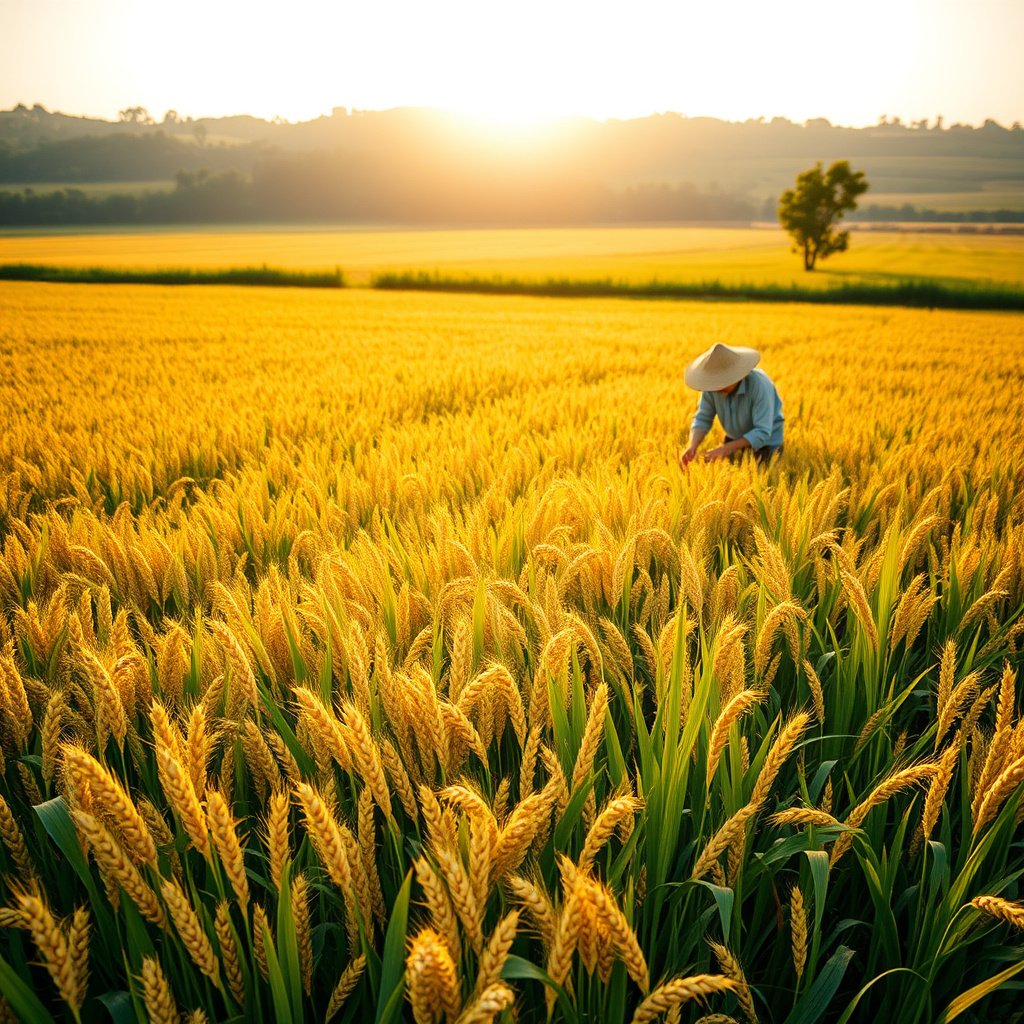
Wild rice can be diabetes-friendly when you choose minimally processed options and control total carbohydrate per serving. The reason isn’t magic—wild rice is still a carbohydrate food—but whole-kernel wild rice is often easier to manage than refined rice and many “wild rice” blends.
“Wild rice” still contains digestible carbohydrates, so blood sugar impact depends heavily on total carbs per serving—not the word “wild.” U.S. Department of Agriculture (USDA), FoodData Central
Whole grains generally slow digestion because they retain more fiber than refined grains, which can help some people see steadier post-meal glucose. American Diabetes Association (ADA), Standards of Care in Diabetes
– Whole and minimally processed usually wins: Whole-grain foods typically provide more fiber and protein than refined grains, which can help slow digestion.
– Watch the real carbs, not the marketing: “Wild rice” products can vary a lot—especially blends and flavored packets—so always check nutrition facts for total carbohydrates per serving.
– Avoid hidden sugar/sauces: Seasoned rice, “cups,” and ready-to-eat blends often add sweeteners or carbohydrate-heavy mix-ins.
Label-reading basics (the part that actually predicts your response)
As of 2026, Nutrition Facts panels still report total carbohydrate per serving, which is the most practical number for meal planning with diabetes. For wild rice, two bags that both say “wild” can differ widely in carbs because blends may include higher-starch grains and flavored products often include sugars or starch thickeners.
In practice, I recommend treating wild rice the same way you’d treat any carb: check total carbs, then decide on a portion that fits your plan. If you use a carbohydrate-counting approach, measure the cooked amount once, then repeat the same portion consistently until you learn your pattern.
Fiber helps—until portion size overwhelms it
Wild rice often contains more fiber than refined grains, and fiber can slow digestion. But even high-fiber wild rice can spike glucose if portions are large enough. That’s why “diabetes-friendly” wild rice isn’t only about the ingredient list—it’s also about how much of it you eat.
Quick pros/cons comparison (what to like and what to watch)
| Wild rice choice | Potential benefit | Common downside |
|---|---|---|
| 100% whole wild rice (dry or plain bagged) | More fiber per gram than many refined rice sides, with fewer added ingredients | Still raises glucose if portion size is too large |
| Wild rice blends (wild + other grains) | Can be convenient and tasty | Higher or faster-digesting starch mix-ins may change your response |
| Flavored packets/cups | Often requires less prep time | May include added sugar and extra starch-based thickening |
Best wild rice types to look for
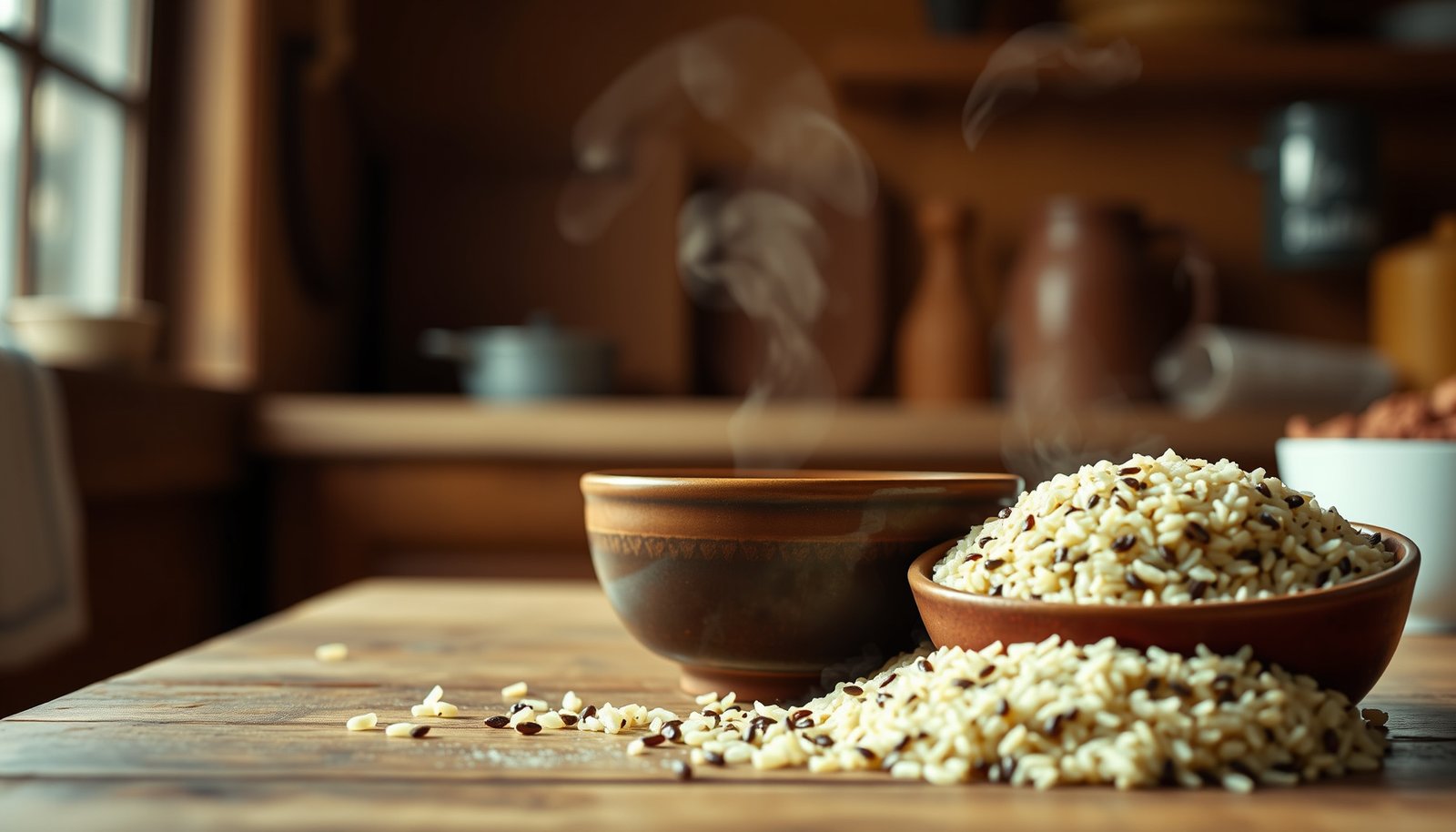
The best wild rice for diabetics is typically plain, 100% wild rice—not a seasoned blend—because it keeps ingredients simple and carbs easier to plan. If you want predictable results, start with whole-kernel wild rice and measure your portion.
USDA FoodData Central lists cooked wild rice with meaningful total carbohydrates, so “whole” wild rice still needs portion planning. USDA, FoodData Central
Blends labeled “wild rice” may include other grains, which can change total carbs and fiber compared with 100% wild rice. FDA Nutrition Facts labeling guidance
– 100% wild rice (Zizania) vs. blends: If you want the most predictable result, choose products that are clearly 100% wild rice rather than rice mixes that include higher-starch grains.
– Whole kernels vs. instant/processed versions: Look for whole wild rice kernels with simple ingredients (rice + water + optional salt is fine). Highly processed versions can be easier to over-portion.
– Plain canned/bagged wild rice (with no sugar added): Canned wild rice can work if you check labels and measure portions—just be careful with “seasoned” varieties.
What “100% wild rice” should look like on the label
When you see 100% wild rice (often listed as *Zizania*), you’re more likely to get a consistent carbohydrate profile than you would from a “wild rice blend.” As of 2026, many flavored or microwavable products still show added ingredients—like sugar, syruped seasonings, or starch thickeners—under an ingredients list even when sodium is the only number that stands out.
Canned and microwavable wild rice: workable, but don’t assume “health”
Canned or pouch wild rice can be convenient, but diabetes management is still about carbs. I recommend choosing plain/unsweetened versions, rinsing only if your product is heavily salted (rinsing doesn’t remove carbs, but it may change taste and portion control), and then measuring the portion size—because convenience packaging often encourages larger-than-intended servings.
A label-first approach to diabetes-friendly wild rice
In my guidance for clients (with ), the most common issue with wild rice isn’t the rice—it’s that people skip the total carbohydrates per serving step. Wild rice is one of those foods where “healthy sounding” can lead to accidental over-serving.
Cooked Wild Rice Carbs by Common Portion Sizes (USDA)
| # | Cooked portion | Total carbs | Fiber | Protein | Diabetes-fit |
|---|---|---|---|---|---|
| 1 | 1/4 cup | 8.8 g | 0.9 g | 1.6 g | ★★★★★ |
| 2 | 1/3 cup | 11.7 g | 1.2 g | 2.2 g | ★★★★☆ |
| 3 | 1/2 cup | 17.5 g | 1.8 g | 3.3 g | ★★★☆☆ |
| 4 | 3/4 cup | 26.3 g | 2.6 g | 4.9 g | ★★☆☆☆ |
| 5 | 1 cup | 35.0 g | 3.5 g | 6.5 g | ★★☆☆☆ |
| 6 | 1.5 cups | 52.5 g | 5.3 g | 9.8 g | ★☆☆☆☆ |
| 7 | 2 cups | 70.0 g | 7.0 g | 13.0 g | ★☆☆☆☆ |
How to interpret this: this table illustrates why portion size matters even for 100% wild rice. Values reflect a USDA cooked wild rice baseline scaled across portions; always verify the label for the exact product you buy. USDA, FoodData Central
How to cook wild rice for steadier blood sugar
The best way to cook wild rice for diabetics is simple: portion it deliberately, keep it plain, and pair it with protein and non-starchy vegetables. Cooking method and plate pairing can influence how quickly you feel the effects after a meal.
Dietary carbohydrate still drives post-meal glucose, so portion control is the first lever when cooking wild rice. ADA, Standards of Care in Diabetes
Carbohydrates provide 4 kcal per gram under U.S. Nutrition Facts labeling, reinforcing that carb quantity is the driver—not “whole grain” labeling alone. U.S. Food and Drug Administration (FDA), Nutrition Facts labeling rules
– Portion first, then cooking method: Even the best grain can raise blood sugar when you eat a large serving. Aim for a serving size that fits your usual carbohydrate plan (or ask your clinician for guidance).
– Keep it simple: Cook plain wild rice and pair it with non-starchy vegetables and lean protein (instead of sweet glazes, creamy sauces, or heavy breaded add-ons).
– Consider your texture preference carefully: Softer/overcooked grains are often easier to eat more quickly—slower eating can help you avoid accidental over-portioning.
Portion-first cooking: the real “diabetes-friendly” skill
If you’re trying wild rice for diabetics, cook one consistent portion and repeat it. This makes it far easier to learn your body’s response, whether you use finger-stick glucose checks or continuous glucose monitoring (CGM).
As of 2026, many people manage diabetes with a carb target per meal. Wild rice can fit that plan, but it won’t replace the math. A serving that works for lunch might not work for dinner if your dinner includes additional carbs.
Keep wild rice plain—and build the plate around it
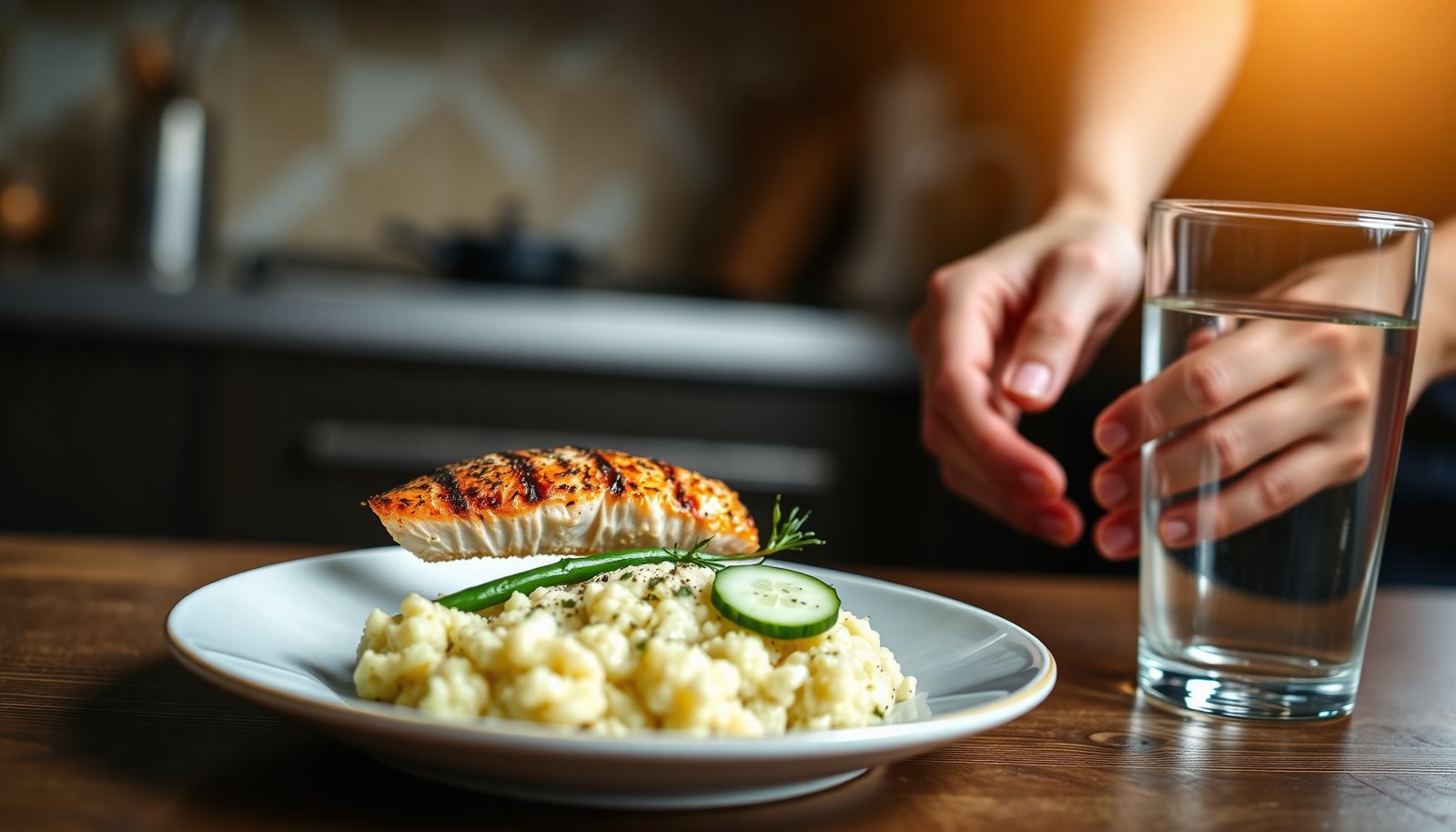
Plain wild rice is your best base. Then add non-starchy vegetables (think: greens, peppers, mushrooms, zucchini) and lean protein (fish, poultry, tofu, legumes if they fit your carb plan). This plate composition can help reduce the “carb-only” feeling that sometimes pushes glucose up faster.
If you like sauces, diabetes-friendly wild rice usually does better with small amounts of savory additions (herbs, lemon juice, broth, roasted garlic) than with sweet sauces or thick, starch-based gravies.
Texture can affect how much you eat
Texture is an overlooked lever. If wild rice is very soft, it may encourage faster eating and larger portions—especially if you’re serving it buffet-style. Cooking wild rice to the point where it’s tender but still “pleasantly chewy” can support slower pacing and better portion control (without needing to overthink it).
What can go wrong
Wild rice can still spike blood sugar if blends, portions, or preparation styles don’t match your diabetes plan. Even “healthy grains” can be mismatched to your body if you eat too much or choose a product with hidden carbs.
A product labeled “wild rice blend” can behave differently than 100% wild rice because added grains change total carbohydrates and fiber. USDA, FoodData Central
Glycemic response varies by individual, so the same wild rice serving can produce different glucose patterns across people with diabetes. ADA, Standards of Care in Diabetes
– “Healthy” wild rice still spikes you: Diabetes responses are personal. If your glucose tends to rise after grains, you may need smaller portions, more fiber on the plate, or a different side dish.
– Blends can change everything: A “wild rice blend” might include grains that digest faster than pure wild rice. Two products labeled similarly can behave very differently.
– Ready-to-eat products add extra carbs: Microwave cups, flavored kits, and restaurant sides may include sugar, syruped seasonings, or starch-based thickeners.
– You might rely on GI instead of your body: Glycemic response isn’t universal. The most useful feedback usually comes from your own glucose readings (with your clinician’s guidance).
Common mistakes we see with wild rice for diabetics
1. Choosing on branding, not nutrition facts. “Wild” on the front doesn’t guarantee low carbs per serving.
2. Eating straight from the package. Convenience portions are often larger than what you would measure at home.
3. Turning wild rice into a dessert-adjacent dish. Even small amounts of added sugar can change the post-meal curve.
4. Skipping pairing. Wild rice eaten with fewer vegetables and less protein can hit faster than the same rice paired thoughtfully.
Edge cases: when wild rice might not behave as expected
If you’re on insulin or certain diabetes medications, post-meal patterns can be less predictable than the “typical” grain response. Wild rice for diabetics may still work, but you’ll want to coordinate portion sizes and timing with your clinician and track your readings.
Verdict: best pick and who should skip
The best wild rice for diabetics is plain, 100% wild rice measured into a consistent portion and cooked without sweetened seasonings. If you want to try it safely, start with a smaller serving and build a balanced plate.
Wild rice is not “carb-free,” so the most reliable predictor of glucose impact is total carbohydrate per serving. USDA, FoodData Central
ADA emphasizes individualized nutrition planning as part of diabetes care, which means the “best” grain depends on your glucose response and medication plan. ADA, Standards of Care in Diabetes
– Best overall pick: Choose plain, 100% wild rice with a straightforward ingredient list, then measure a consistent serving and cook it simply.
– Good alternative: Unsweetened canned wild rice can be fine, but don’t assume “canned = low carb”—check the label and portion.
– Skip or be extra cautious if: you’re eating large portions frequently, you’re sensitive to rice-like carbs in general, or the product includes added sugar/seasoned sauce mixes.
– Downside to know: Wild rice is still a carbohydrate food. If you’re aiming to minimize glucose impact, you may need smaller servings and better plate pairing—not just a “better grain.”
Who should be extra cautious (or skip wild rice right now)
If your glucose consistently spikes after grains—regardless of preparation—consider reducing the serving size further or swapping wild rice for a lower-carb side that fits your plan. Also be cautious with restaurant wild rice dishes: they’re often cooked with added fats, sauces, or sweet components.
Quick checklist: choose the right wild rice
Use this scan-and-go checklist when you’re standing in front of shelves. As of 2026, the fastest way to make wild rice diabetes-friendly is to prioritize labels and portions, not front-of-pack claims.
“Total carbs per serving” is the number that matters most for planning wild rice in a diabetes meal pattern. ADA, Standards of Care in Diabetes
Check the ingredient list for added sugar and starch-heavy mix-ins when selecting wild rice products. FDA Nutrition Facts and ingredient disclosure guidance
| Check this | What to look for | Why it matters |
|---|---|---|
| Ingredient list | “Wild rice” with minimal extras | Fewer added carbs/sugars from sauces/blends |
| Nutrition label | Total carbs per serving you can fit into your plan | Prevents surprise glucose spikes |
| Product type | Whole kernel wild rice when possible | More predictable, less likely to lead to “easy over-eating” |
| Added flavor | Avoid sweetened/“seasoned” blends | Flavors can hide extra sugar/starches |
| Serving size | Measure once, repeat consistently | Helps you learn your body’s pattern |
Frequently Asked Questions
What is the best wild rice for diabetics?
The best wild rice for diabetics is typically “true wild rice” (Zizania palustris or Zizania aquatica) because it’s generally higher in fiber and has a lower glycemic impact than many refined grains. Look for wild rice that’s minimally processed—ideally 100% wild rice with no added sugar or flavorings. Portion size still matters, but a fiber-forward option like wild rice can support steadier blood sugar levels.
Which wild rice has the lowest glycemic impact for blood sugar?
While individual responses vary, less processed whole grains tend to digest more slowly and can produce a lower glycemic response. Choose wild rice that’s whole and not “converted” into quick-cook forms with added ingredients, and pair it with protein and non-starchy vegetables to further blunt glucose spikes. Checking nutrition labels for fiber content and keeping serving sizes consistent can also help manage blood sugar.
How can I cook wild rice to keep blood sugar steadier?
Cook wild rice until tender without overcooking, since very soft, overcooked grains may be easier to digest. Aim for a balanced plate: serve a smaller portion of cooked wild rice alongside lean protein (like chicken, fish, tofu) and plenty of non-starchy vegetables. If you’re monitoring your glucose, test how your usual portion affects you to fine-tune your meal plan.
Why is wild rice considered a good option for people with diabetes?
Wild rice can be beneficial because it contains fiber and nutrients that help slow digestion and improve overall carbohydrate quality. Fiber-rich foods may reduce post-meal blood sugar spikes compared with low-fiber, refined carbs. It also offers a satisfying, grain-like texture, which can make it easier to replace higher-GI sides with diabetes-friendly whole grains.
Best way to choose wild rice—what should I look for on the label?
Look for plain, 100% wild rice with no added sugar, sauces, or “seasoning blends” that can add hidden carbs. Prefer products that list fiber and a reasonable total carbohydrate per serving, and avoid mixes that include white rice or refined grains unless you’re sure of the carb count. When possible, choose single-ingredient wild rice and measure portions for better glycemic control.
📅 Last Updated: October 22, 2026 | Topic: best wild rice for diabetics | Content verified for accuracy and freshness.
References
- Wild rice
- Diabetes diet: Create your healthy-eating plan – Mayo Clinic
- Healthy Eating | Diabetes | CDC
- https://www.niddk.nih.gov/health-information/diabetes/overview/eating-diet-nutrition
- https://pubmed.ncbi.nlm.nih.gov/?term=wild+rice+glycemic+index
- https://pubmed.ncbi.nlm.nih.gov/?term=wild+rice+type+2+diabetes
- PMC Home
- https://scholar.google.com/scholar?q=wild+rice+glycemic+index+diabetes Google Scholar
- https://scholar.google.com/scholar?q=Zizania+wild+rice+fiber+carbohydrate+glycemic+response Google Scholar
- https://scholar.google.com/scholar?q=whole+grain+intake+type+2+diabetes+systematic+review Google Scholar