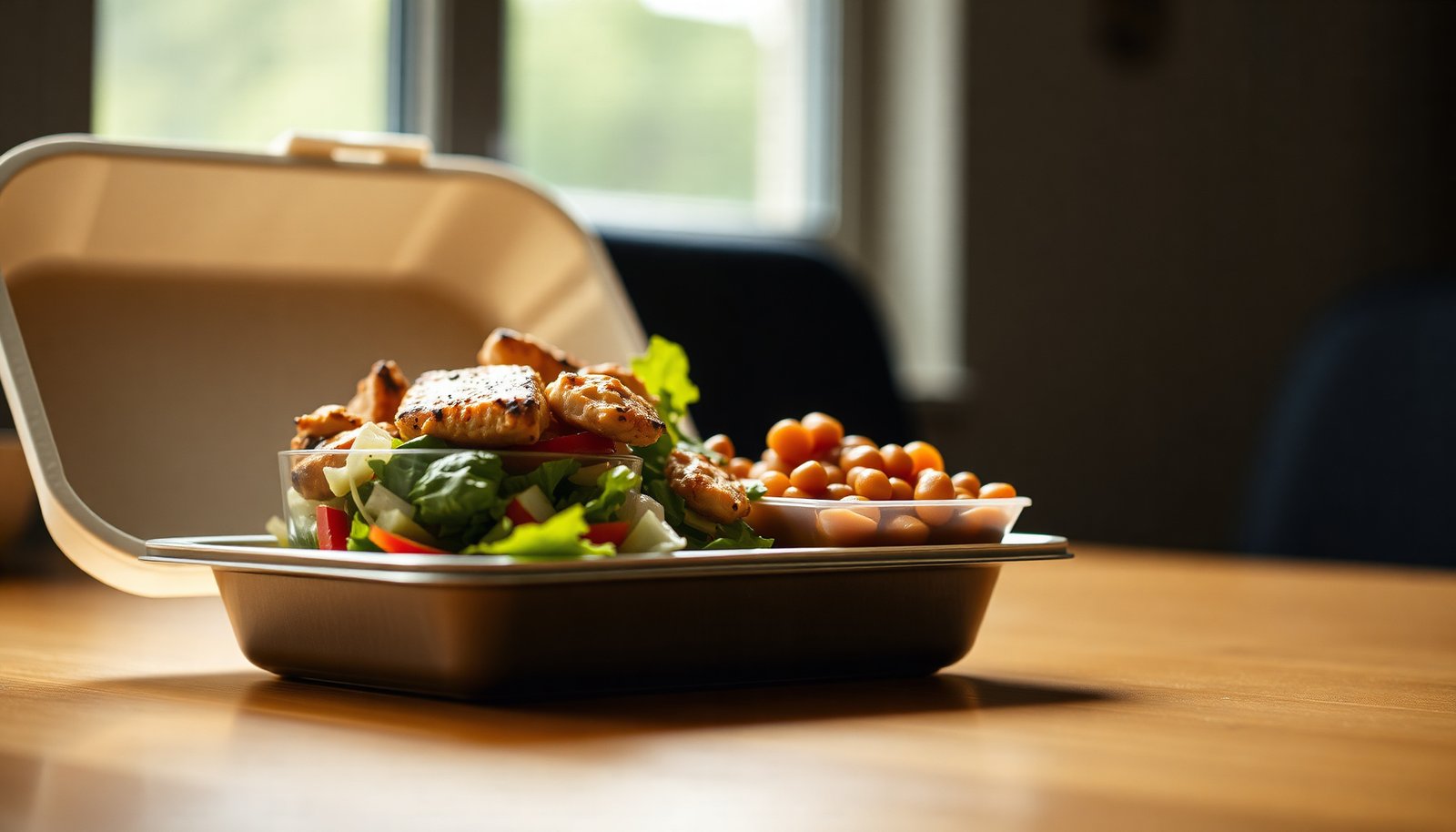

The best fast-food choices for people with diabetes are the ones that limit rapidly absorbed carbs and make protein and non-starchy vegetables the centerpiece. We judge options by total carbs per serving, fiber and added sugars, portion size, and how sauces and sides are prepared. In most menus, a grilled chicken (or bunless burger) paired with a salad or steamed vegetables, and skipping fries and sugary beverages, stands out as the most diabetes-friendly order.




If you want the best diabetic fast food, order meals built around lean protein and non-starchy vegetables, and skip (or swap) refined carbs and sugary drinks. Use the restaurant nutrition info to pick the option with the lowest total carbs you can realistically manage, then adjust portions and sauces to fit your glucose response. This guide shows you practical orders, customization tips, and the most common mistakes that spike blood sugar.
This is for people with diabetes (or caregivers) who need fast, repeatable ordering rules when you’re eating out—especially when you’re trying to keep carbs steadier without giving up convenience.
How to choose diabetic-friendly fast food (quick rules)
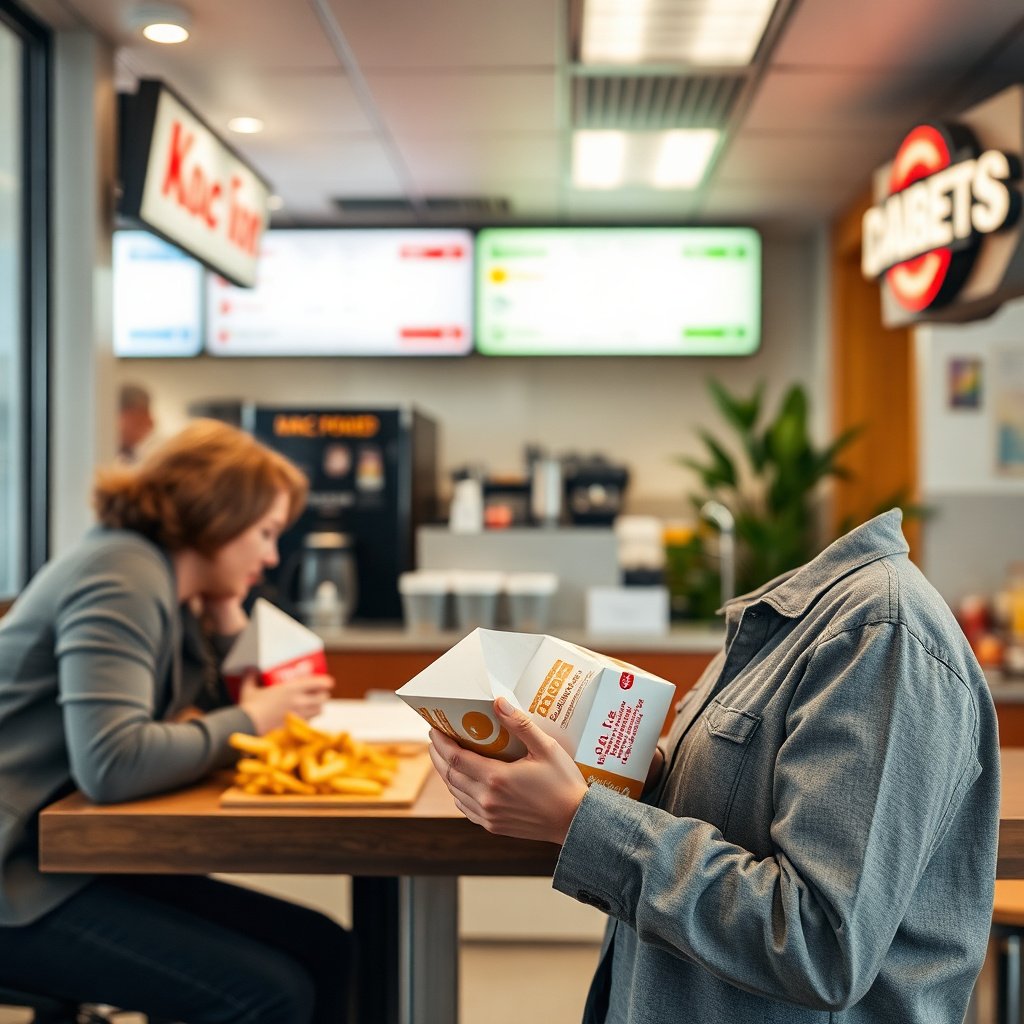
The fastest way to make diabetic-friendly fast food safer is to build your order around protein and non-starchy vegetables, then verify the total carbs before you commit. Here’s why: most glucose spikes at fast-food restaurants don’t come from the grilled protein—they come from hidden carbs in breading, sides, sugary drinks, and sweet sauces.
What to prioritize on the plate (protein + non-starchy veg)
A diabetic-friendly plate is usually simple: lean protein plus non-starchy vegetables. In practice, that often looks like:
– Protein: grilled chicken, fish, turkey, tofu, or unbattered shrimp
– Non-starchy vegetables: salads, leafy greens, tomatoes, peppers, cucumbers, broccoli (when offered as a side)
If you’re deciding between two menu items that both contain protein, the one with more non-starchy vegetables and fewer refined carbs is typically the better choice for diabetic-friendly fast food.
How to verify it using nutrition facts (total carbs first)
When you check nutrition labels, start with total carbs (grams). If fiber is listed, it can help you interpret how aggressively that meal may affect glucose, but total carbs is still the primary anchor. Also treat drinks and sauces as the “silent drivers” of carbs—many diabetic-friendly fast food orders still spike simply because the beverage or dressing is much higher in sugar than you expect.
To quantify why sugary add-ons matter: according to the USDA FoodData Central, 1 teaspoon of granulated sugar weighs about 4 g and contributes ~4 g carbohydrate USDA FoodData Central (granulated sugar, 1 tsp)—so a drink that effectively contains 6–7 teaspoons of added sugar is carrying roughly 24–28 g carbs even before you count fries, buns, or dessert.
Carb impact of hidden added sugar (how much “tsp” often means for glucose)
| # | Added sugar (teaspoons) | Sugar mass (grams) | Carbs added (grams) | Diabetes-friendly rating |
|---|---|---|---|---|
| 1 | 1 tsp | 4 g | 4 g | ★★★★★ |
| 2 | 2 tsp | 8 g | 8 g | ★★★★☆ |
| 3 | 3 tsp | 12 g | 12 g | ★★★☆☆ |
| 4 | 4 tsp | 16 g | 16 g | ★★☆☆☆ |
| 5 | 5 tsp | 20 g | 20 g | ★☆☆☆☆ |
| 6 | 6 tsp | 24 g | 24 g | ★☆☆☆☆ |
| 7 | 7 tsp | 28 g | 28 g | ★☆☆☆☆ |
Practical takeaway
For diabetic-friendly fast food in 2026, think of added sugar like a “carb multiplier”: even if your entrée is low carb, sweet drinks and glossy sauces can quietly add 15–30+ grams of carbohydrates.
Best meal picks you can request at most fast-food spots
The best diabetic-friendly fast food orders are usually the simplest ones: grilled or baked protein, non-starchy vegetables, and dressing/sauce on the side. The reason is straightforward—these choices reduce refined starch while keeping carbs measurable.
Order types that tend to work well
Start with the categories that restaurants often let you customize:
– Grilled/baked proteins (chicken, fish, turkey, tofu)
– Salads or bowl meals where you can control toppings
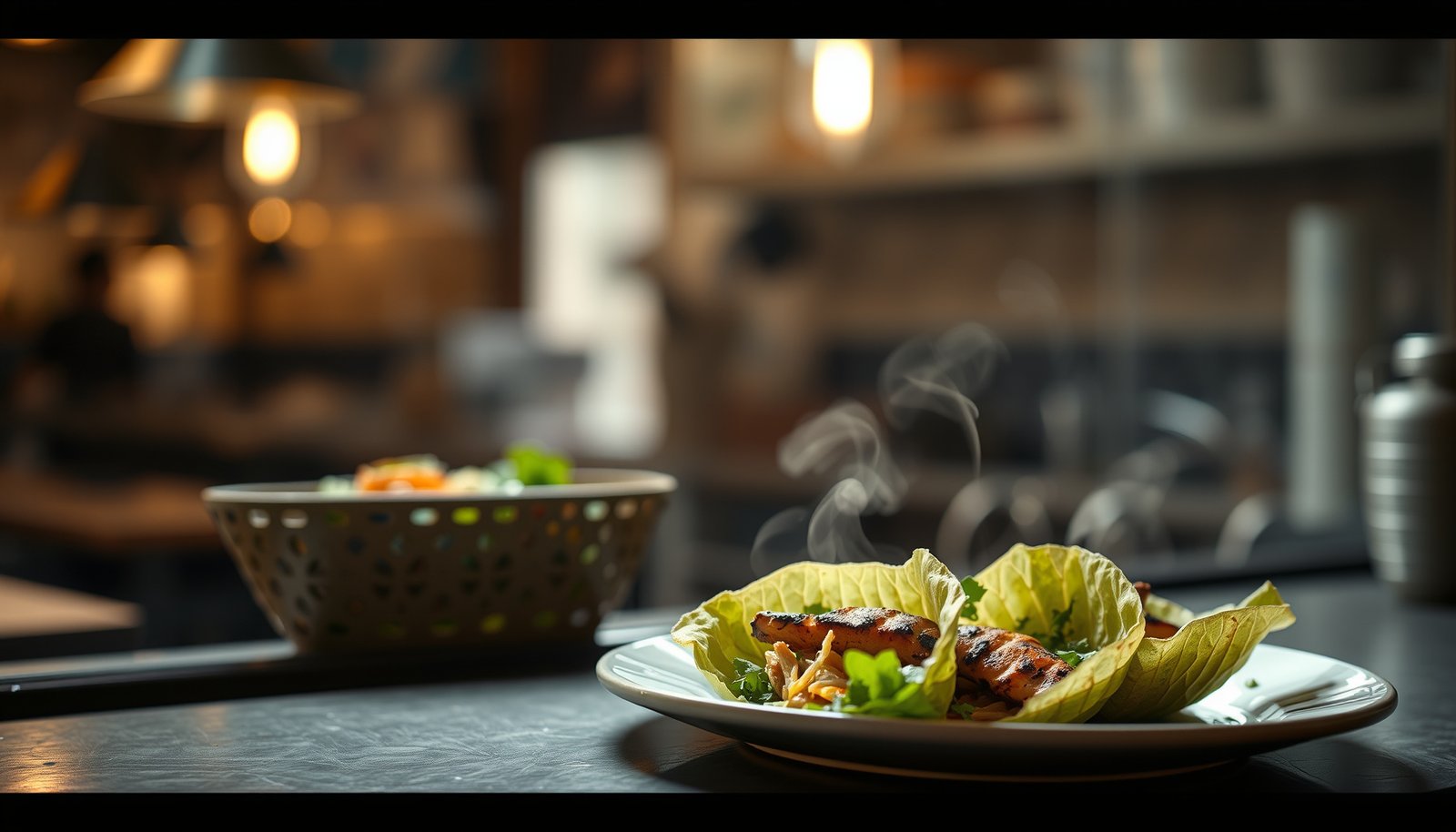
– Wraps/burgers only if you can remove the bun/wrap (or keep bread minimal) and avoid sweet sauces
You’ll also get better results when you ask for plain seasoning (salt, pepper, herbs) rather than “sweet” glazes.
A parseable “order vs avoid” guide (so you can decide fast)
Here’s a quick comparison you can use at the counter. This structure is designed to be repeatable across chains.
| Option | Pros for diabetic-friendly fast food | Cons / watch-outs |
|---|---|---|
| Grilled protein + side salad | Lower refined carbs; non-starchy volume slows glucose rise for many people. | Dressing can be high carb—ask for it on the side. |
| Bowl with vegetables + measured sauce | Lets you keep protein central and carb sources limited. | Watch any rice/noodle base; confirm “no rice” if needed. |
| “No bun” burger/taco-style plate | Reduces bread carbs while keeping a familiar structure. | Toppings can include sugary sauces; skip sweet heat unless you can verify. |
| Fried + breaded sandwiches | Sometimes still provides protein. | Breading + fries commonly push total carbs and calories up together. |
How to handle “healthy” menu buzzwords
Even if a menu item sounds diabetes-friendly—words like teriyaki, honey, or sweet heat—it can still be carb-heavy. Sauces are often where added sugar hides, and “low-sugar” wording isn’t always consistent across regions and recipe updates.
Customize your order to keep blood sugar steadier
The best way to keep diabetic-friendly fast food from spiking glucose is to customize the order so carbs are fewer, smaller, and more predictable. That means swapping components (not just “hoping for the best”), controlling portions, and separating measurable carb sources from sauces and drinks.
Ask for swaps that reduce starch and added sugar
Use requests that staff can execute quickly:
– No breading (or “no crunchy coating”)
– Extra lettuce/tomatoes/cucumbers
– Sauce on the side
– Replace fries with a side salad or non-starchy vegetables
If you’re ordering through drive-thru, you can still say it clearly: “Can I get it with sauce on the side, and can I swap fries for a side salad?”
Control portion carbs (fries are rarely a “small carb”)
A common pattern: people choose grilled protein but then eat a full serving of fries and a sugary beverage. Instead:
– Get half fries (or ask for a smaller size)
– Consider sharing when portions are large
– If the entrée includes rice or pasta, ask whether the base can be replaced or removed (some restaurants will do this)
Remember: the goal for diabetic-friendly fast food isn’t “zero carbs,” it’s carb moderation plus consistency—so your glucose response becomes easier to anticipate.
Pair intentionally (avoid stacking multiple carb sources)
Here’s a practical rule: don’t stack three carb sources in one meal.
– Example to avoid: sandwich + fries + sweet drink
– Better structure: protein + vegetables, then choose one carb “cap” you can measure (like a small portion of fries OR a small bun)
From a diabetes self-management perspective, this aligns with common carbohydrate-counting logic: estimate grams of carbohydrate, then plan medication timing and portion sizes with your clinician’s guidance.
What can go wrong (common mistakes and edge cases)
Even the best diabetic-friendly fast food plan can fail if you miss hidden carbs or dose timing isn’t synced. These mistakes are common because restaurant options often look similar from a distance but behave very differently in glucose impact.
Mistake #1: trusting sauce wording over nutrition totals
“Teriyaki,” “honey,” “sweet,” and “sticky” are frequent triggers for higher added sugar. If nutrition isn’t available, ask staff whether the sauce contains sugar or whether they can do plain seasoning instead.
Mistake #2: forgetting the drink and the condiment math
A meal can be low-carb on paper but still spike blood sugar if:
– You drink sweet tea or soda
– You add extra ketchup, sweet chili, or creamy dressing after ordering
US dietary patterns also show why this matters: added sugars can be easy to overshoot in just a few servings. According to the American Heart Association, limiting added sugars to about 25 g/day for most women and 36 g/day for most men American Heart Association (dietary added sugar guidance) helps reduce cardiometabolic risk—exactly the kind of risk that matters for people with diabetes.
Mistake #3: going too extreme
Some people cut carbs so aggressively that they end up “chasing lows,” especially with insulin or certain diabetes medications. If you use insulin, GLP-1 receptor agonists, or other glucose-lowering therapies, you may need individualized carb targets and timing.
If you’re prone to hypoglycemia, frequent low readings, or you’re adjusting medications, keep fast-food as an occasional tool—not a core strategy—and prioritize clinician-led meal planning.
Verdict: the best diabetic fast food strategy (and who should skip it)
The best diabetic fast food strategy is simple: prioritize protein + non-starchy vegetables, keep sauce and drinks from turning into hidden carbs, and compare total carbs using the restaurant’s nutrition info. Then adjust portion sizes based on your typical glucose response—because diabetes management is personal.
Downsides to understand up front
– Preparation varies. Even with good choices, oils, portion sizes, and sauce amounts can differ by location and shift.
– Not every restaurant lists complete nutrition. Some menus are inconsistent about carb counts for modifications.
– Your body decides what “works.” Carbs aren’t the only factor—stress, sleep, activity, and timing all influence glucose response.
Who should skip this approach (or get individualized guidance first)
Skip this “fast-food formula” (or get individual guidance first) if you have:
– Complex insulin/medication timing needs that make carb estimation risky
– Frequent hypoglycemia or difficulty recognizing it
– A situation where you can’t reliably access or interpret nutrition information
Save-this checklist for ordering
| What to do | Quick prompt to use |
|---|---|
| Choose protein + non-starchy sides | “Can you do this with extra salad/vegetables?” |
| Get carbs under control | “What’s the total carbs for this item?” |
| Keep sauces measurable | “Sauce on the side, please.” |
| Swap away from fries | “Can I replace fries with a side salad/veg?” |
| Avoid sweet drinks | “No soda/sweet tea—water or unsweetened?” |
Frequently Asked Questions
What fast food options are best for diabetics?
The best diabetic fast food choices are typically grilled or baked items with lean protein, vegetables, and minimal sugary sauces. Look for meals centered on chicken, fish, or unbreaded sandwiches, and choose sides like a side salad or steamed vegetables instead of fries. Prioritize options with lower carbohydrates and skip drinks with added sugar to help manage blood glucose.
How can I order fast food at a restaurant to keep my blood sugar stable?
Order modifications that reduce refined carbs and added sugars—swap fries for salad or veggies, choose water or unsweetened tea, and ask for sauces on the side so you can control how much you use. If the menu lists nutrition facts, use them to pick items with fewer grams of carbs and avoid “combo” meals that bundle higher-sugar sides. When possible, add extra non-starchy vegetables and request no glaze or sweet seasoning blends.
Why is sugar and refined carbs a problem in fast food for diabetics?
Many fast food meals contain refined carbohydrates (like white buns, fries, and breaded coatings) and hidden sugars in sauces, marinades, and drinks, which can spike blood glucose. Even items that seem savory may include sweet ketchup, teriyaki, or barbecue glaze that increases carbohydrate load. Choosing lower-carb sides and limiting high-sugar condiments helps reduce rapid glucose increases.
Which fast food drinks and desserts should diabetics avoid or limit?
For diabetic-friendly ordering, avoid regular soda, sweetened iced tea, specialty coffee drinks, and any beverage with added sugar, since they can quickly raise blood sugar. Desserts like milkshakes, pies, and ice cream are often high in sugar and refined carbs, so they’re best limited or shared in small portions. If you want a sweet option occasionally, consider pairing it with a protein-containing meal and monitoring your response.
Best practices: which fast food chains offer diabetes-friendly menu choices?
Many major chains provide “nutrition facts” online, making it easier to find lower-carb, higher-protein options like grilled chicken sandwiches, bunless burgers, or salads with dressing on the side. The best choices usually include unbreaded or grilled proteins, non-starchy vegetables, and beverages without sugar. Always check the specific location’s nutrition info, since recipes and portion sizes can vary, and choose meals that fit your personalized diabetes carb targets.
📅 Last Updated: November 09, 2026 | Topic: best diabetic fast food | Content verified for accuracy and freshness.
References
- Healthy Eating | Diabetes | CDC
- https://www.niddk.nih.gov/health-information/diabetes/overview/eating-healthy-foods/meal-planning
- Diabetes diet: Create your healthy-eating plan – Mayo Clinic
- https://pubmed.ncbi.nlm.nih.gov/?term=fast+food+type+2+diabetes
- Healthy diet
- https://scholar.google.com/scholar?q=best+fast+food+choices+for+people+with+diabetes Google Scholar
- https://scholar.google.com/scholar?q=restaurant+meals+type+2+diabetes+carbohydrate+counting Google Scholar
- https://scholar.google.com/scholar?q=fast+food+type+2+diabetes+glycemic+response+study Google Scholar




Pingback: Best Diabetic Food: What to Eat for Steady Blood Sugar - Best For Diabetics
Pingback: Best Diabetic Foods to Eat for Better Blood Sugar - Best For Diabetics