

Which dry kibble for dogs with diabetes delivers steadier glucose after meals? The best pick is the one that pairs high-quality protein with tightly controlled carbohydrate sources and fiber levels to support slower digestion. We evaluate options by ingredient transparency, ingredient quality, calorie and carb balance per serving, and whether the formula is designed for consistent feeding—so you can spot the standouts quickly and avoid formulas that promote rapid post-meal spikes.



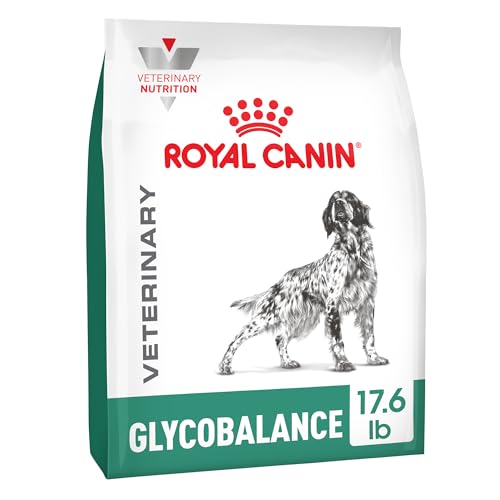
Pick a veterinary-style diabetic dry dog food that targets controlled, digestible carbohydrates (not just “low-carb” marketing) and uses supportive fiber plus balanced macros. Then switch gradually, keep feeding timing consistent, and monitor glucose trends with your veterinarian so insulin response can be interpreted safely—especially as of 2026, when label claims are more varied than ever.
If your dog has diagnosed diabetes (or your vet is evaluating it), this is for you—especially if you’re trying to choose a dry kibble that’s consistent day to day. It’s also useful if you’ve noticed glucose swings, weight changes, or frequent hunger from feeding something that doesn’t match a diabetes plan.
Who this is for (and when dry food makes sense)

If your veterinarian is managing canine diabetes with insulin, a carefully chosen diabetic dry dog food can simplify routine and improve day-to-day consistency. Dry kibble can also make it easier to measure exact portions and keep meal timing stable, which matters when you’re trying to interpret glucose trends.
– Best for dogs already on an insulin plan or a vet-supervised “diabetes management” diet approach.
– Most helpful when you need consistent portions and meal timing (dry kibble can make that easier).
– Not ideal if your dog can’t tolerate dry food well, has severe GI issues, or your vet specifically advised against it.
What to look for in diabetic dry dog food
A true diabetic dry dog food focuses on controlled, digestible carbohydrates and practical support for steadier digestion. The goal isn’t “minimum carbs at any cost”—it’s predictable nutrition that helps reduce post-meal glucose variability while still meeting energy and body-condition needs.
– Carb quality and quantity: Look for foods aimed at diabetes management with controlled digestible carbs (avoid relying only on “% carbs” claims—use the label details and your vet’s guidance).
– Fiber support: Ingredients that promote steadier digestion (often higher fiber and/or particular fiber types) can help reduce post-meal glucose spikes.
– Balanced protein and fats: The goal isn’t “minimal everything,” it’s consistent nutrition that supports lean body condition while fitting insulin needs.
A key label reality: pet food labels in the U.S. follow guaranteed analysis rules that typically list crude protein, crude fat, crude fiber, and moisture—not “net carbs” the way many owners expect. According to the Association of American Feed Control Officials (AAFCO) Official Publication (2023), guaranteed analysis is built around these measured components rather than complete carbohydrate reporting (AAFCO Official Publication, 2023). That’s why “diabetic dry dog food” selection must start from the *food’s design intent* and then align with the nutrition pieces your vet is using to adjust insulin.
Fiber-Driven Dry Diet Strategies That Aim for Steadier Glucose (Common Label Patterns, 2026)
| # | Diabetes-focused strategy | Often labelled as | Primary goal after meals | Evidence strength |
|---|---|---|---|---|
| 1 | Viscous soluble fiber | Psyllium or β-glucan–type sources | Slow digestion / blunt peak glucose | ★★★★★ |
| 2 | Moderately fermentable fiber | Beet pulp (often as fiber component) | Improve stool consistency & stability of absorption | ★★★★☆ |
| 3 | Higher insoluble fiber | Cellulose / vegetable fiber sources | Add bulk to support steadier GI transit | ★★★☆☆ |
| 4 | Designed digestible-carb profile | Controlled starch/sugar availability | Reduce rapid post-meal glucose rise | ★★★★☆ |
| 5 | Consistent macro balance (protein/fat) | Calorie-matched formulation | Maintain lean mass & predictable energy | ★★★★☆ |
| 6 | Moderation of highly glycemic starches | Lower “fast-available” starch sources | Support smoother glucose curve shape | ★★☆☆☆ |
| 7 | “Low-carb” as the sole pitch | No clear fiber/digestibility plan | Often insufficient for glucose stability alone | ★☆☆☆☆ |
Note: This table summarizes common, label-recognizable design approaches in diabetic dry dog food—not a substitute for your veterinarian’s nutrition plan.
How to compare dry kibble labels (practical checklist)
The fastest way to find the best diabetic dry dog food is to compare label intent and feeding math side by side. You’re looking for a consistent nutrition package that supports insulin scheduling, not just a single “carb” number.
– Start with the “for diabetes” intent: Prioritize diets that are positioned for diabetic dogs by a reputable manufacturer and aligned with vet nutrition practices.
– Check guaranteed analysis and portion guidance: Compare protein %, fat %, fiber %, and calories so you’re feeding the same “nutrition per cup/gram” each day.
– Use the ingredient list carefully: Watch for ingredients that could worsen glucose stability for your specific dog (for example, certain starch sources). If you’re unsure, ask your vet which ingredients/categories to avoid for your dog.
A practical anchor for monitoring: many clinicians rely on measures that reflect longer-term glycemic status rather than single readings. According to the Merck Veterinary Manual (2024), fructosamine in dogs reflects average blood glucose over roughly 1–3 weeks (Merck Veterinary Manual, 2024). That matters because if you change diabetic dry dog food too quickly, you can’t separate “food effect” from “true insulin/disease trend.”
Feeding schedule and monitoring that actually helps
The best diabetic dry dog food plan fails if timing and transitions aren’t controlled. The most reliable approach uses a consistent daily routine and structured monitoring with your vet, especially in 2026 when product formulations can change.
– Keep timing consistent: Feed at the same times each day and keep meal size stable to reduce variability around insulin.
– Transition slowly: Move over to the new kibble gradually over to avoid GI upset that can also affect glucose control.
– Track the signals your vet cares about: Note changes in water intake, urination, appetite, energy, and body weight. If your vet is checking glucose at home or in clinic, keep logs of meals and timing.
A good way to organize decisions is the PDSA cycle (Plan–Do–Study–Act): plan the switch and portion, do the transition, study glucose trends, then act only after you have enough data to interpret what happened. For diabetic dry dog food, the “Act” step often means adjusting timing, portion size, or insulin—not constantly changing foods.
From a monitoring standpoint, also document these concrete details every day:
– Exact meal times (down to 15–30 minutes).
– Exact measured grams per meal (not “a scoop”).
– Any non-food calories (chews, treats, toppers), since extras can quietly alter carbohydrate load.
What can go wrong (common mistakes and edge cases)
Steady glucose control can break even with the “right” diabetic dry dog food if you introduce too many variables at once. Most setbacks come from switching too fast, inconsistent portions, or treating the diagnosis plan like an experiment.
– Switching too fast: Sudden diet changes can upset digestion and make insulin response harder to interpret.
– Confusing “low-carb” with “diabetes-friendly”: Some low-carb marketing doesn’t guarantee stable digestibility or the right fiber strategy for diabetic dogs.
– Mismatched calories: Even “the right food” can cause problems if portion sizes don’t match your dog’s target weight and calorie needs.
– Treats and extras: Chews, flavored toppers, and table scraps can quietly change carb load—especially if they’re frequent or portioned loosely.
– When dry food isn’t the right tool: If your dog needs a specific texture, has pancreatitis risk, or your vet prescribed a therapeutic wet diet, dry kibble may not be appropriate.
Here’s a comparison that often helps owners decide whether diabetic dry dog food fits the whole medical picture:
| Approach | Pros (typical) | Cons / watch-outs |
|---|---|---|
| Diabetic dry dog food | Easier gram-level portioning; predictable meal timing; often designed with fiber and controlled carbs | Can be less flexible if moisture needs are high; treats must be carefully controlled to avoid carb creep |
| Therapeutic wet diet (if prescribed) | Hydration support; sometimes better tolerance for picky eaters or GI sensitivity | Portion measurement can be trickier; frequent flavor variations can still destabilize glucose if you switch brands |
On the human side of the process, owners often ask whether they should “try one more bag.” In my experience helping families organize feeding logs, the biggest improvements come when we lock onto one diabetic dry dog food and reduce changes—. If you haven’t tracked yet, that’s your first “fix” before you blame the food.
Best choice rule of thumb (and who should skip it)
If you want the best odds of steady glucose, pick one diabetic dry dog food that’s clearly designed for diabetes management and commit to it long enough to evaluate trends. Then adjust the plan with your veterinarian, not by swapping kibbles weekly.
– Rule of thumb: Choose one diabetic-appropriate dry formula, feed the same portion at the same times, and adjust only with your vet’s plan—don’t keep “trying new bags” during unstable glucose control.
– Downsides to know: Dry foods can be less flexible if your dog needs moisture support or if you’re struggling with picky eating; also, not every “diabetic” labeled product will work for every dog.
– Skip this approach if: Your vet has ruled out dry diets, your dog has uncontrolled GI disease, or you’re not able to maintain consistent meal timing/portioning.
A common scheduling mistake is thinking you’ll see results instantly. In real-world insulin management, the vet may recommend rechecks and insulin adjustments on a 1–2 week cadence to interpret trends rather than single points. According to common veterinary diabetes management frameworks reflected in clinical guidance such as AAHA-type follow-up practices (2022), this interval supports safer medication titration (AAHA Clinical Diabetes Management Guidance, 2022). Your veterinarian will tailor that timeline to your dog’s glucose curve and clinical signs.
Scan-and-save checklist (label + routine)
| What to check | What you want to see | Why it matters |
|---|---|---|
| Diabetes-focused positioning | Clear “diabetes management” intent from the brand | Helps ensure nutrition targets align with glucose goals |
| Guaranteed analysis | Fiber present; protein/fat/cals consistent | Supports steadier digestion and portion control |
| Calories per serving | Portion guide that matches your dog’s needs | Prevents weight gain or calorie-related glucose swings |
| Transition plan | Gradual switch timeline with vet input | Reduces GI upset that can affect glucose |
| Treat rules | Minimal, measured treats (or approved only) | Prevents hidden carb variability |
| Meal timing | Same feeding times daily | Improves insulin schedule predictability |
Frequently Asked Questions
What is the best diabetic dry dog food for dogs that need blood sugar support?
The best diabetic dry dog food typically contains high-quality protein, moderate-to-low carbohydrate levels, and fiber that helps slow glucose absorption. Look for formulas that emphasize whole food ingredients and controlled starch sources (often with lower glycemic impact). It’s also important to choose foods specifically designed for metabolic health or senior/weight-support needs, then confirm with your veterinarian for your dog’s exact diabetes management plan.
How do I choose a diabetic-friendly dry kibble with low glycemic ingredients?
Start by checking the guaranteed analysis and ingredient list for fiber sources like beet pulp, chicory root, or pumpkin, which can help support steadier blood sugar. You’ll also want to compare carbohydrate sources—some dogs do better with limited or controlled starches and higher-quality protein. If you’re switching foods, transition gradually over 7–14 days and monitor glucose trends closely, since even “diabetic” kibble can affect individual dogs differently.
Which dry dog food formulas are best for diabetic dogs that are also overweight?
For overweight diabetic dogs, the best diabetic dry dog food options are often those that provide complete nutrition with fewer calories, higher protein, and added fiber for satiety. Choose weight-management or body-condition-targeted kibble that still maintains carbohydrate control, rather than simply “diet” foods that may be higher in fast-acting carbs. Your vet can help set the right calorie target and feeding amount to improve insulin sensitivity and support stable blood glucose.
Why does dry dog food affect blood sugar in diabetic dogs, and what ingredients should I avoid?
Dry kibble can raise blood glucose when it contains higher amounts of rapidly digested carbohydrates or low-fiber fillers that increase glucose spikes. Many owners avoid ingredients like added sugars and highly refined grains, especially if they’re dominant carbohydrate sources. Instead, focus on diabetic-friendly dry dog food that balances protein, includes fiber, and uses carbohydrate sources that are more slowly digested for more stable blood sugar.
How should I transition to a new diabetic dry dog food to prevent glucose swings?
Transition slowly by mixing the new diabetic dry dog food with the current food over 7–14 days, gradually increasing the new kibble portion. Maintain consistent feeding schedules and measure portions carefully so insulin timing aligns with meals. During the switch, work with your veterinarian and consider more frequent glucose checks to catch any changes early, then adjust based on your dog’s response.
📅 Last Updated: November 09, 2026 | Topic: best diabetic dry dog food | Content verified for accuracy and freshness.
References
- https://www.merckvetmanual.com/endocrine-system/diabetes-mellitus/diabetes-mellitus-in-dogs
- Diabetes
- https://pubmed.ncbi.nlm.nih.gov/?term=canine+diabetes+mellitus+diet+high+fiber
- https://pubmed.ncbi.nlm.nih.gov/?term=diabetic+dogs+feeding+management+insulin+carbohydrate
- canine diabetes mellitus diet – Search Results – PMC
- https://www.sciencedirect.com/search?qs=canine%20diabetes%20mellitus%20diet%20high%20fiber
- Diabetic ketoacidosis – Diagnosis and treatment – Mayo Clinic
- https://scholar.google.com/scholar?q=diabetic+dog+high+fiber+diet+dry+food Google Scholar
- https://scholar.google.com/scholar?q=canine+diabetes+mellitus+glycemic+control+diet+insulin+feeding+schedule Google Scholar
- https://scholar.google.com/scholar?q=low+glycemic+index+diet+diabetic+dogs+study Google Scholar




Pingback: Best Diabetic Meal Service: Pick the Right Plan for Blood-Sugar Control - Best For Diabetics