
Searching for the best at-home diabetes test? If you want a clear verdict, the top choice depends on whether you’re prioritizing accuracy, convenience, or cost—but the winner is the one that matches your testing need (screening vs. monitoring) and is clinically validated for at-home use. This guide cuts through marketing claims to tell you exactly which at-home diabetes test to buy and which ones to skip.



The best at-home diabetes test is the one that’s FDA-cleared for your exact goal—either screening (A1C or fingerstick glucose) or monitoring (glucose). If your result suggests diabetes, treat it as a clue and confirm it with a clinician or an accredited lab, because diagnosis depends on recognized clinical criteria—not a single home number.
If you’re newly worried about diabetes, prediabetes, or you already have diabetes and want to track trends at home, this is for you. It’s also useful if you’re comparing test options (A1C, glucose meters, urine strips) and want to know what each one can—and can’t—tell you. As of 2026, more people are using home diagnostics, but the “best at-home diabetes test” still comes down to intended use + correct sampling + follow-up.
Types of at-home diabetes tests (and what each one means)

The best at-home diabetes test type is the one that matches what you’re trying to learn: an instant reading (glucose) or a historical average (A1C). Here’s how the main options work so you can avoid false confidence from the wrong tool.
A1C estimates average blood glucose over roughly the prior 2–3 months, which is why it’s commonly used for screening and baseline assessment.
A fingerstick blood glucose test measures glucose at that moment, making it well-suited for day-to-day monitoring and meal/activity pattern checks.
Urine glucose and urine ketone strips can provide clues, but they are generally less definitive than blood-based testing for diabetes diagnosis.
– Fingerstick blood glucose tests:
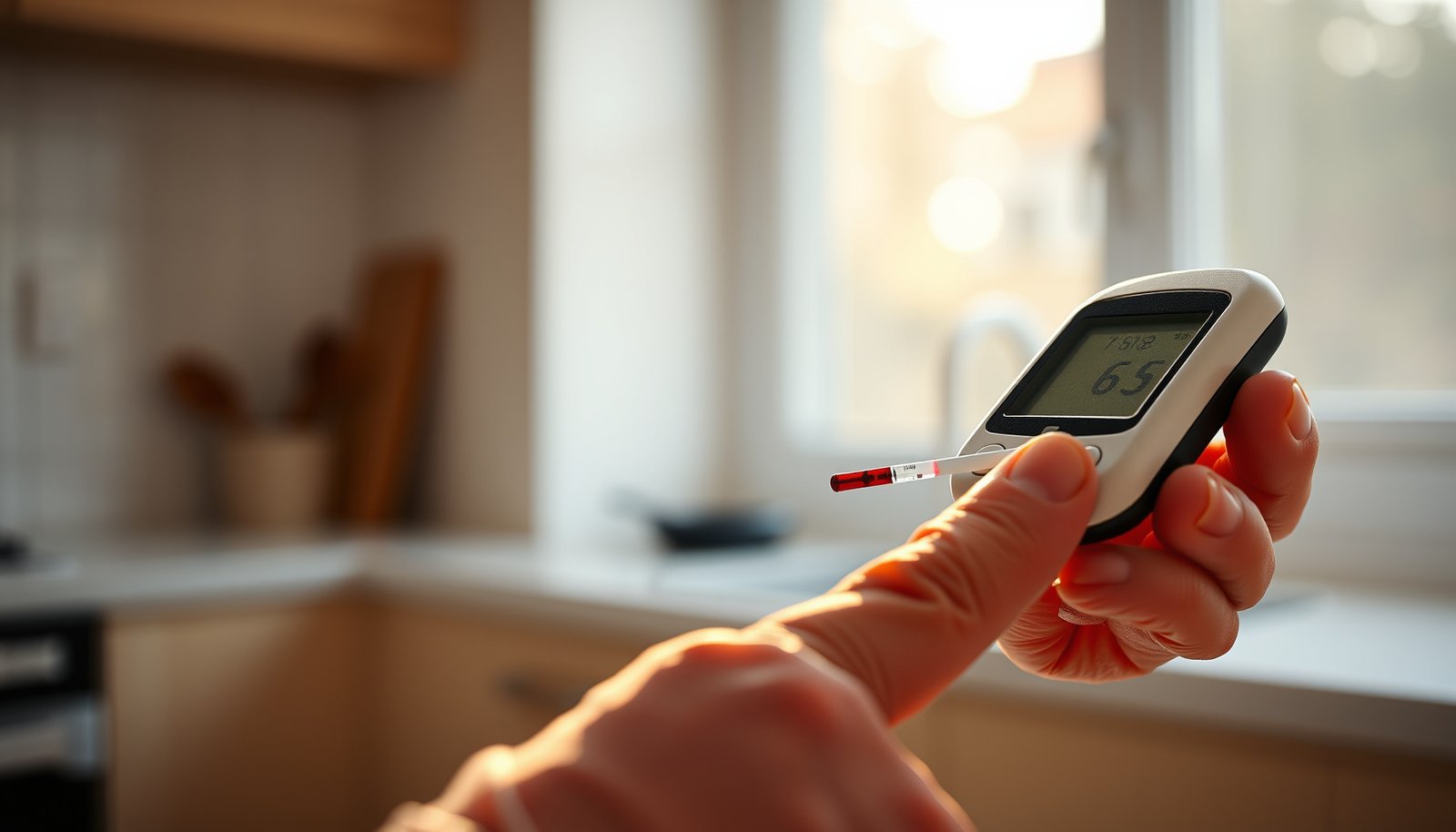
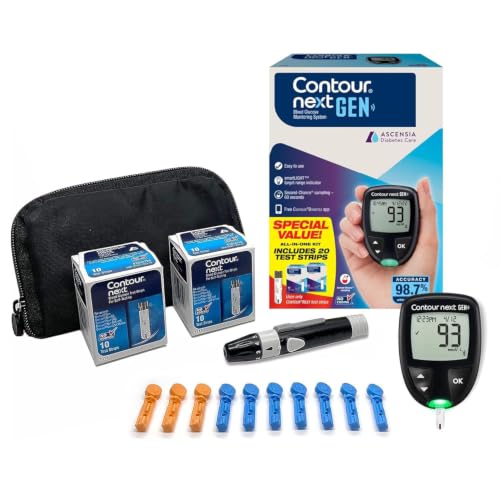
A fingerstick blood glucose test (often called a “glucose meter” test) measures your blood sugar at the time you prick your finger and apply blood to a test strip. This is especially useful for understanding short-term patterns—like what happens after meals, after exercise, or during illness.
From a usability standpoint, the fingerstick glucose meter is also the most “operator-dependent” option: technique and timing matter. If you wipe hands poorly, use the wrong strip for your meter, or don’t follow the kit’s timing, your at-home diabetes test result can drift in either direction.
– At-home A1C tests:
An at-home A1C test estimates your average blood glucose over roughly the previous 8–12 weeks (about 2–3 months), using the hemoglobin A1C (HbA1c) marker. That makes A1C a strong choice when the question is “Do my overall levels look elevated?” rather than “What is my glucose right now?”
A practical note: A1C is less sensitive to short-term fluctuations than fingerstick glucose, which is exactly why it’s valuable for screening and longer-term trend tracking. As of 2026, A1C-at-home products often include step-by-step collection instructions and a lab pathway depending on the kit, so it’s important to follow the sampling method precisely.
– Urine glucose/ketone strips:
Urine glucose strips may show glucose only when levels are high enough to spill into urine, which can lag behind blood changes. Urine ketone strips can sometimes help identify ketosis risk (ketones are a byproduct of fat breakdown), but they’re not a primary tool for diagnosing diabetes.
If ketones are a concern for you—especially during illness, fasting, or when glucose is very high—urine ketones can be an extra warning sign. But they should be interpreted in context and confirmed with clinician guidance when results are concerning.
What to look for when choosing the “best” test
The best at-home diabetes test isn’t “the most popular”—it’s the one that’s FDA-cleared for your intended use and easy for you to run correctly. If your goal is screening or monitoring, the test must match that goal to be meaningful.
FDA clearance/authorization matters because it indicates the test is intended to perform a specific type of measurement for a specific use in the way the kit describes.
For at-home accuracy, sample collection matters: fingerstick testing depends heavily on clean hands, correct strip use, and proper blood volume.
The best at-home diabetes tests provide interpretation guidance and escalation instructions so users can act appropriately when results are elevated.
– FDA clearance and intended use:
Look for FDA clearance (or authorization language) that explicitly supports home use and the test’s intended purpose. For example, a home test may be intended for screening or for monitoring, and those are not interchangeable.
In practice, the “best at-home diabetes test” for someone who suspects diabetes is usually A1C and/or fingerstick glucose used correctly as a clue that warrants confirmation. For people already managing diabetes, a glucose meter may be more relevant for daily pattern tracking.
– Sample type you can reliably collect:
Your ability to collect the right sample affects the result more than people expect.
– With fingerstick glucose, you need effective hand hygiene and proper lancet/strip technique.
– With at-home A1C, you must follow the kit’s sampling instructions precisely (for example, the method and amount of sample required as described in the kit).
If you can’t consistently collect a sample the way the manufacturer specifies, the “best” test on paper may still produce unreliable at-home readings in real use.
– Clear interpretation guidance:
Choose a kit that clearly explains what results mean and when to contact a healthcare professional. If the kit doesn’t tell you what to do with common scenarios (like a borderline result, symptoms, or repeat testing), you may need to rely on clinician guidance sooner rather than later.
How to use an at-home diabetes test safely (step-by-step habits)
The best at-home diabetes test can still mislead if you use it inconsistently—so your safest strategy is to standardize your process and interpret results in context. Use the same routine each time and confirm concerning results through a clinician or lab.
Handwashing and correct sequencing reduce user-related error in fingerstick glucose at-home testing.
A1C results reflect past average glucose, so repeating an A1C too frequently won’t replace the value of lab confirmation or clinician assessment.
Illness and stress can raise glucose temporarily, so at-home glucose numbers should be interpreted alongside symptoms and context.
– Prepare the same way every time:
For fingerstick glucose testing, wash your hands with soap and water and dry fully. Follow the kit’s exact order for lancet, strip, and blood application. Don’t “shortcut” timing steps that the kit specifies.
For A1C, follow the kit’s sampling steps exactly as written. A1C tests are designed to estimate average glucose over time; sampling errors can distort that estimate.
In my day-to-day work supporting health communication, I often see that users focus on “getting a number” rather than “getting the right sample.” That mindset is how at-home diabetes tests produce avoidable confusion—especially when people compare results that were taken under different conditions.
– Avoid common setup errors:
Real-world at-home failure points tend to be boring:
– Use fresh supplies (not expired strips/lancets).
– Store components according to the kit instructions (heat/humidity exposure matters).
– For glucose meters, make sure the strip type matches the meter model.
If you’re switching brands, be cautious when comparing values across devices—differences in measurement systems and strip/meter compatibility can make comparisons misleading.
– Take context seriously:
If you test shortly after eating, after intense exercise, or during illness or stress, your glucose may reflect that situation—not your baseline metabolism. The safest way to use an at-home diabetes test for trend detection is to track repeated results under consistent conditions (or at least note when conditions differ) rather than reacting to a single data point.
What can go wrong (and how to prevent false alarms or misses)
The biggest risk with at-home diabetes testing is misreading results because of technique, timing, or the fact that home tests aren’t the final diagnostic step. Prevent errors by running the test correctly, repeating when instructed, and escalating when symptoms or results indicate risk.
Diabetes diagnosis uses recognized clinical criteria (such as A1C ≥ 6.5% or glucose thresholds), which are not replaced by home screening alone.
Testing at inconsistent times without context makes trend comparisons unreliable, especially for fingerstick glucose at-home testing.
Urine glucose strips may not detect elevated blood glucose reliably at lower levels, so negative urine results don’t rule out diabetes.
– Bad sampling:
For fingerstick glucose, contaminated hands (residual sugar, food, or cleaning residue) can skew results. For A1C, collection errors can skew the measured marker estimate. The most common prevention is simple: follow the kit’s method exactly, and don’t substitute steps.
– Timing and technique drift:
If you test at different times each day without noting it (e.g., random morning vs. immediately after meals), you may mistake normal variability for a trend—or miss a real change. Similarly, if the kit requires a specific waiting period or sequence and you ignore it, comparisons become less meaningful.
– Misunderstanding “screening” vs “diagnosis”:
Screening is about identifying whether something looks abnormal enough to confirm.
According to the American Diabetes Association (ADA) diagnostic criteria, diabetes can be diagnosed with lab-based/clinical thresholds such as:
– A1C ≥ 6.5%
– Fasting plasma glucose ≥ 126 mg/dL
– 2-hour plasma glucose ≥ 200 mg/dL during an oral glucose tolerance test
– Random plasma glucose ≥ 200 mg/dL with classic symptoms
American Diabetes Association (ADA) Standards of Care in Diabetes (diagnostic criteria)So if your at-home diabetes test suggests diabetes, treat that as a clue. In 2026, it’s common for people to do repeat home testing—sometimes multiple times a week. Repeat home tests can help you see trends, but they don’t replace confirmation using recognized clinical criteria and/or accredited laboratory testing.
If you have symptoms like frequent urination, unusual thirst, unexplained weight loss, blurry vision, or vomiting, don’t rely on home testing alone—contact a clinician promptly.
Verdict: what’s “best” for most people (with real downsides)
For most people who suspect diabetes, the best at-home diabetes test starting point is an FDA-cleared at-home A1C (to estimate average glucose over ~2–3 months) or an FDA-cleared fingerstick glucose meter (to understand current glucose and short-term patterns). The downside is that at-home results can be misleading if instructions aren’t followed—and home screening generally can’t replace lab confirmation when results suggest diabetes.
A1C is designed for average glycemia assessment over about 2–3 months, which supports screening and baseline trend evaluation.
Fingerstick glucose testing is best for immediate measurements and short-term trend observation, not for definitive diagnosis by itself.
The ADA emphasizes using recognized diagnostic criteria, so elevated home results typically require confirmation through a clinician or lab.
A quick pros/cons comparison (so you can choose deliberately)
| Test type | Pros | Cons / limitations |
|---|---|---|
| At-home A1C | Best for average glucose over prior ~8–12 weeks; useful for baseline screening | Less responsive to short-term changes; sampling errors can mislead; still needs confirmation |
| Fingerstick glucose meter | Captures glucose at that moment; excellent for monitoring meal/activity effects | Technique/timing matter a lot; single readings can be misleading; use in context and follow a plan |
| Urine ketone strips | Potential warning signal in ketone-risk situations (when recommended) | Not a stand-alone diabetes diagnostic tool; urine-based variability limits certainty |
Skip or be extra cautious if you:
– have severe symptoms and need urgent evaluation,
– are pregnant or managing complex medical situations (ask your clinician what test type they prefer),
– can’t reliably follow the kit steps (then lab testing may be safer and more accurate).
Data anchor: According to the ADA, A1C diagnostic threshold is ≥ 6.5% (2018 and later Standards retain this threshold), and A1C reflects average glycemia over approximately 2–3 months.
ADA Standards of Care in DiabetesCommon Home Diabetes Test Signals and How They Map to Clinical Benchmarks
| # | At-home signal | What it reflects | Clinical benchmark examples (mg/dL or %) | Definitiveness for diagnosis |
|---|---|---|---|---|
| 1 | A1C at home | ~8–12 weeks average | Diabetes: ≥6.5% ; Prediabetes: 5.7–6.4% | ★★★★☆ |
| 2 | Fingerstick glucose fasting | Single point, fasting state | Diabetes: ≥126 mg/dL ; Prediabetes: 100–125 | ★★★☆☆ |
| 3 | Fingerstick glucose 2-hr post-meal (not a substitute) | Single point after eating | Diabetes criterion (lab OGTT): ≥200 mg/dL | ★★☆☆☆ |
| 4 | Random glucose (with symptoms) | Single point with symptom context | Diabetes criterion (random): ≥200 mg/dL with symptoms | ★★☆☆☆ |
| 5 | Urine ketones | Ketone clue (not diabetes proof) | Use per clinician guidance; urine varies by hydration | ★★★☆☆ |
| 6 | Repeat glucose trend (same conditions) | Pattern over days/weeks | Clinical targets depend on your care plan | ★★★★☆ |
| 7 | Glucose-to-A1C context (eAG formula) | Converts A1C to estimated avg glucose | eAG (mg/dL)=28.7×A1C−46.7 | ★★★★☆ |
Benchmarks reflect ADA diagnostic thresholds and commonly used clinical conversions; home tests can screen but typically require confirmation for diagnosis.
Quick checklist / scan-save table
| Your goal | Most useful at-home option | Best use case | Still confirm with a clinician? |
|---|---|---|---|
| “Might have diabetes” | At-home A1C (or fingerstick glucose) | Screening clue / baseline | **Yes**, for diagnosis |
| Track glucose trends | Fingerstick glucose meter | Monitoring day-to-day changes | Sometimes (per your plan) |
| Look for ketone risk | Urine ketone strips (if recommended for you) | Extra warning sign | **Yes**, especially if ketones are positive |
Before you test: verify FDA clearance for home use, check expiration/storage, and follow the kit’s sampling + timing steps exactly.
Sources
– American Diabetes Association (ADA) — Standards of Care in Diabetes (diagnostic criteria for diabetes and role/interpretation of A1C and glucose testing).
– CDC — Diagnosing diabetes and learning about prediabetes (guidance on diabetes testing and diagnostic concepts).
– U.S. Food & Drug Administration (FDA) — In vitro diagnostic device regulation/overview relevant to home-use tests.
– Manufacturer instructions for the specific test kit/meter you choose — procedural steps, storage, sample collection, and interpretation.
Choosing the best at-home diabetes test comes down to alignment: pick an FDA-cleared test that matches your goal (screening vs monitoring), follow sampling and timing instructions closely, and interpret results in context. If an at-home A1C or glucose reading suggests diabetes or you have concerning symptoms, confirm with a clinician or lab—home testing is a powerful clue, not the final verdict.
Frequently Asked Questions
What is the best at home diabetes test for accurate results?
The best at home diabetes test is one that uses a clinically validated method—typically a fingerstick blood glucose meter for immediate glucose readings, or an A1C home test for longer-term average control. For accuracy, choose products that clearly state they are FDA-approved or follow recognized clinical performance standards and that include a reliable quality-control process (like control solutions). If you need decisions based on results, confirm with a lab test or speak with a clinician to ensure your home diabetes testing aligns with medical guidelines.
How do I choose the best at home A1C test kit versus a blood glucose meter?
If you want to track longer-term glucose control, a home A1C test kit is often the better choice because it reflects average blood sugar over about 2–3 months. If you need day-to-day information—like checking how food, exercise, or medication affects your glucose—an at home blood glucose meter is usually more practical. Many people use both: A1C tests for overall trends and fingerstick testing for real-time adjustments under a care plan.
Which at home diabetes test is best if I’m worried about frequent finger pricks?
If frequent finger pricks feel burdensome, consider continuous glucose monitoring (CGM) options or non-invasive glucose testing devices that are designed to reduce or eliminate fingersticks. However, “non-invasive” products vary widely in accuracy, so look for strong evidence, regulatory approval, and clear performance data before relying on them for treatment decisions. For many users, a CGM system offers more frequent readings with fewer fingerstick checks, especially when managed through a clinician.
Why might my at home diabetes test results look high or inconsistent?
High or inconsistent home diabetes test readings can happen due to factors like not washing hands properly (residual sugars on the skin), expired test strips, incorrect coding (for some meters), insufficient blood sample size, or temperature/humidity affecting strips. Testing technique also matters—using a fresh lancet, wiping away the first drop, and keeping hands warm can improve consistency. If results don’t match how you feel or are repeatedly abnormal, re-test and confirm with a lab glucose test or clinician guidance.
Best practices—how do I get reliable results with an at home diabetes test?
Start by following the manufacturer’s instructions exactly, including checking expiration dates, storing strips correctly, and using the recommended testing method for your specific home diabetes test. Wash and dry your hands thoroughly, use a clean lancet each time, and ensure the strip is fully inserted before testing. Record results, include the time and context (meals, exercise, medications), and bring them to your next appointment so your clinician can interpret trends accurately.
📅 Last Updated: October 23, 2026 | Topic: best at home diabetes test | Content verified for accuracy and freshness.
References
- https://www.cdc.gov/diabetes/basics/diabetes-testing.html
- Diabetes Tests & Diagnosis – NIDDK
- Diabetes
- https://www.mayoclinic.org/diseases-conditions/diabetes/diagnosis-treatment/drc-20371418
- https://medlineplus.gov/lab-tests/a1c-test/
- self-monitoring blood glucose accuracy guideline – Search Results – PubMed
- Glucose meter
- https://scholar.google.com/scholar?q=home+blood+glucose+monitoring+accuracy+review Google Scholar
- https://scholar.google.com/scholar?q=HbA1c+home+test+accuracy+and+clinical+utility Google Scholar
- https://scholar.google.com/scholar?q=continuous+glucose+monitoring+accuracy+vs+fingerstick+systematic+review Google Scholar