
Best cereal for diabetics to eat is the one that delivers low sugar per serving with enough fiber to blunt blood-sugar spikes—so the clear winner is a whole-grain, high-fiber cereal with no more than 6–8 grams of sugar and at least 4–5 grams of fiber. This guide answers which specific “lower sugar” options fit those diabetes-friendly targets and which to skip. You’ll leave knowing exactly what to pick at the store for steadier glucose after breakfast.


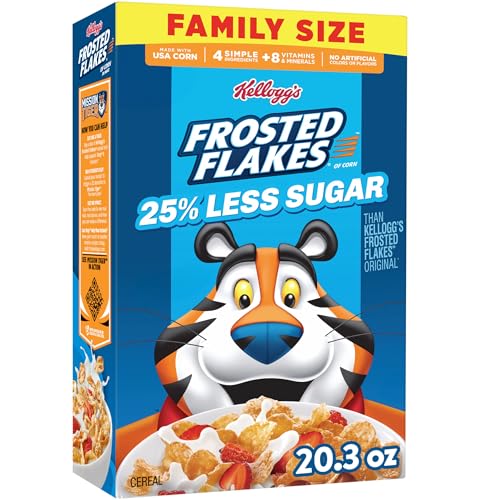

The best cereal for diabetics is one that’s lower in added sugar and higher in fiber, with carbs you can count for your meal plan. Start by choosing “unsweetened” or minimally sweetened options, then keep portion size consistent so your blood sugar response stays predictable. In this guide, you’ll learn what to look for on labels and which cereal styles usually work better.
If you have diabetes (type 1, type 2, or gestational) and you want an easier breakfast that won’t spike your glucose as easily, this is for you. It’s also useful if you’re switching from sugary cereals and need a practical way to compare boxes quickly.
What “best” cereal means for diabetics
The “best” cereal is the one that matches your planned carbohydrate intake while minimizing added sugar and maximizing fiber. For many people, that’s less about “diabetic cereal” branding and more about how the nutrition label adds up per serving.
“Added sugars” are measured in grams on the Nutrition Facts label, and lowering them is usually the first lever to reduce glucose spikes from cereal.
Fiber helps slow digestion; cereals with more fiber often produce a steadier carbohydrate absorption rate than refined, low-fiber options.
For diabetes meal planning, “total carbohydrate per serving” is the number that typically drives post-meal glucose, even when marketing claims focus on ingredients.
– Focus on added sugar first: pick cereals where added sugars are low (or absent), not just “naturally sweetened.”
– Prioritize carbs you can manage: the total carbohydrate per serving matters more than the marketing.
– Look for fiber (and ingredients that support it): higher-fiber cereals tend to slow digestion compared with refined options.
A practical way to think about it: when your breakfast cereal has a lower added-sugar profile and enough fiber, the carbohydrate load tends to enter your bloodstream more gradually. That can make your glucose curve easier to predict—especially if you use carbohydrate counting with insulin dosing (type 1 or some type 2 plans) or medication timing (type 2 or gestational plans).
For context on targets, the Dietary Guidelines emphasize keeping added sugars to less than 10% of daily calories. According to the U.S. Dietary Guidelines for Americans (2020–2025), added sugars should be limited to under 10% of total calories. That goal is not a “cereal-only” rule, but it’s a useful benchmark when you’re comparing boxes in the grocery aisle.
And as of recent label practices, most U.S. packaged foods include an “Added Sugars” line that makes cereal comparisons easier. According to FDA nutrition labeling requirements, added sugars are declared in grams and %Daily Value on the Nutrition Facts label.
How to read a cereal label fast (the part that matters)
The fastest path to choosing a better cereal is to scan three label fields in this order: serving size, total carbohydrate, and added sugars—then confirm fiber from the nutrition facts and ingredients. This short routine prevents common mistakes like using the wrong serving size or ignoring added sugar amounts.
Serving size can differ by brand, so always compare nutrition facts using the same “per serving” basis.
If the label shows “Added Sugars,” use that line rather than assuming “no sugar added” equals “low carbohydrates.”
Fiber is one of the few cereal nutrients that can slow glucose absorption, so it’s a key “supporting” metric—not just a nice-to-have.
– Check the “Serving size” and “Total Carbohydrate” (because serving size can change everything).
– Find “Added Sugars” on the label (or use the sugar line when added-sugars isn’t listed on older packaging).
– Scan ingredients: whole grains and minimally processed ingredients are usually a safer starting point than refined flour-heavy recipes.
As of 2024–2025, many cereal boxes in the U.S. clearly show “Added Sugars,” which makes apples-to-apples comparisons more realistic. FDA label rules require added sugars to be listed (with compliance timelines completed for most packaged foods by the early 2020s). Even when two cereals look similar on the front, the added sugar grams per serving can differ dramatically.
Here’s the “label triage” method I recommend:
1. Start with carbs: Write down “Total Carbohydrate” per serving.
2. Check added sugars: Prefer cereals with 0–low added sugar grams per serving.
3. Verify fiber: Look for meaningful fiber grams (often more than the “typical” low-fiber refined options).
4. Confirm ingredients: Whole grains (oats, bran, whole wheat) and fewer refined flour components typically pair better with diabetes meal planning.
FDA Nutrient-Content Claim Thresholds That Help You Shop Lower-Sugar Cereals
| # | Label claim (FDA-defined) | Sugar threshold | Fiber threshold | Usefulness for diabetes planning |
|---|---|---|---|---|
| 1 | High fiber | Not specified by the claim | ≥ 5 g fiber / serving | ★★★★☆ |
| 2 | Good source of fiber | Not specified by the claim | ≥ 2.5 g fiber / serving | ★★★☆☆ |
| 3 | Low sugar | ≤ 0.5 g sugar / serving | Not specified by the claim | ★★★★☆ |
| 4 | Very low sugar | ≤ 0.1 g sugar / serving | Not specified by the claim | ★★★★☆ |
| 5 | Sugar free | < 0.5 g sugar / serving | Not specified by the claim | ★★☆☆☆ |
| 6 | Reduced sugar | ≥ 25% less sugar vs. reference food | Not specified by the claim | ★★★☆☆ |
| 7 | No sugar added | 0 g added sugar (by definition) | Not specified by the claim | ★☆☆☆☆ |
Use these claims as “shortcuts,” not substitutes for the nutrition label’s total carbohydrate and fiber lines. The most diabetes-relevant number is usually the carbs you’re actually planning to eat—because glucose response follows carbohydrate exposure and how it’s absorbed.
Best cereal types for diabetics to eat
The cereal types that tend to work best are the ones that are naturally lower in added sugar and higher in fiber—then you pair them with protein and/or healthy fats to further blunt post-meal spikes. Think in categories first (unsweetened oats, bran/whole-grain high-fiber cereals), then confirm label numbers.
Unsweetened oat-based breakfasts are often easier to control because you choose the additions (milk, yogurt, seeds) and can count carbs.
Bran- or whole-grain-based cereals generally provide more fiber than many refined “ready-to-eat” flakes, which can slow carbohydrate absorption.
Adding protein (e.g., plain Greek yogurt) can reduce the speed of glucose rise compared with cereal alone for many people.
– Unsweetened oats (including old-fashioned or steel-cut styles): usually easier to pair with protein and healthy fats for a steadier meal.
– High-fiber whole-grain cereals (bran-based or whole-grain wheat/rye options): often more filling with a slower carbohydrate release.
– “Crunchy” add-on bowls done smart: plain cereal + nuts/seeds (or a controlled portion of fruit) can help reduce how quickly carbs hit.
What to be careful with (even if it sounds healthy)
– “Multigrain,” “whole grain,” or “natural” doesn’t automatically mean low sugar—check the label every time.
– Dried fruit and honey can turn “healthy” cereals into high-carb bowls quickly.
– Flavored yogurts, granola, and cereal marketed for kids often include more added sugars than the label suggests at a glance.
Because cereal is such a “grab-and-go” food, it’s easy to accidentally build a high-carb breakfast without noticing. In practice, the “health” ingredients that most often change glucose response are:
– Dried fruit (higher concentration carbs per bite than fresh fruit)
– Honey/agave (quick sugar load even in “small drizzle” amounts)
– Granola (often high in added sugars and oils that increase calories and portion drift)
Here’s a simple pros/cons contrast you can use when shopping:
| Cereal style | Pros for glucose control | Common pitfalls | Best pairing |
|---|---|---|---|
| Unsweetened oats | Easier to keep added sugar low; fiber is often meaningful | “Flavoring” (sweetened mix-ins) can sneak in extra carbs | Plain Greek yogurt + measured berries |
| High-fiber whole-grain cereals | Often more filling; fiber can slow digestion | Front-of-box “whole grain” can hide added sugar | Milk you can count + nuts/seeds |
| Granola-style crunchy bowls | You can control portions and build balance with protein | Often calorie-dense; portion drift raises total carbs | Small cereal portion + yogurt + cinnamon |
From my day-to-day work with meal planning frameworks, one recurring pattern is that people do better when they “standardize” their breakfast for 1–2 weeks so they can see the carbohydrate effect clearly. If you’re using CGM or finger-stick readings, that consistency matters more than switching brands repeatedly.
How to build a safer bowl (so it fits your glucose goals)
The best bowl design is simple: choose lower added-sugar, higher-fiber cereal, then pair it with protein and count the carbohydrate from both cereal and toppings. This approach typically improves the “shape” of your glucose response, not just the average.
Pairing cereal with protein (like plain Greek yogurt) can reduce the speed of glucose rise compared with cereal alone.
Consistent portion size keeps carbohydrate exposure stable, which often makes glucose response more predictable.
Fruit is still carbohydrate—measuring berries or apple matters because they add to total carbs per serving.
– Pair the cereal: combine with plain Greek yogurt, milk of your choice (count the carbs), or a protein topping to blunt spikes.
– Control portions: use the labeled serving size (or measure once while you learn your “usual” amount).
– Plan your fruit: if adding berries or apple, use a measured portion rather than “a handful,” since fruit changes the carb total.
A concrete structure for most people
1. Choose the base (cereal) using the label rules from the previous section.
2. Add measured protein: plain Greek yogurt, cottage cheese, or even a protein-rich milk option—then count the carbs.
3. Add controlled fiber and flavor: berries or cinnamon; avoid “free-pouring” dried fruit.
4. Double-check the carb total: cereal + milk + yogurt + fruit all count, even when the bowl “feels healthy.”
If you’re following carbohydrate counting, your clinician may give you a target grams of carbohydrate per meal/serving. Use that target to guide portion size rather than trusting the serving-scoop vibe of “one bowl looks small.”
For example, if your target breakfast plan is , the cereal you pick should leave room for your milk and fruit choices without exceeding the plan.
What can go wrong when choosing cereal
The biggest issues aren’t usually the cereal brand—they’re serving size drift, hidden added sugar, and assuming “low sugar” means “low carbohydrate.” When glucose readings swing, the solution is often meal composition and portion consistency, not endless brand changes.
“No sugar added” does not prevent carbohydrates from raising glucose, especially if dried fruit or refined grains are involved.
Front-of-box claims can be misleading; total carbohydrate per serving and added sugars grams are the decision-makers.
Cereal is still carbohydrate-based food—medication and insulin plans may need adjustment with a clinician when breakfast composition changes.
– Confusing “no sugar added” with “low carb”: it can still be high in carbohydrates, especially if portion sizes drift.
– Relying on the front-of-box claims: words like “whole grain” or “family” can hide high added sugar per serving.
– Skipping medication/insulin adjustments: cereal can be a carbohydrate source, so your treatment plan may need to account for it—work with your clinician.
– Eating cereal “mindlessly”: breakfast is easy to over-portion, which can defeat even the best cereal choice.
Common edge cases to watch (especially in 2024–2025 label environments)
1. Serving size mismatch: Two cereals may look equivalent by weight, but serving size can differ by design. Always use the label’s serving size for your carb calculation.
2. “Healthy crunch” add-ins: Nuts and seeds can be lower carb than dried fruit, but granola and sweetened toppings often bring back added sugar and starch fast.
3. Fiber sensitivity: Higher-fiber cereals can cause bloating or GI discomfort for some people—if it happens, choose a gentler fiber option and increase gradually.
4. Medication timing variability: Even the best cereal can produce unexpected spikes if your timing (and insulin/med strategy) doesn’t match the carbohydrate absorption pattern.
Verdict: best picks (and who should skip cereal for now)
If you want a simple rule, choose a cereal that’s unsweetened or low in added sugar, higher in fiber, and fits your planned carb portion. The “best” option is often less about the brand and more about how the nutrition label aligns with your daily targets and your real portion size.
For diabetes management, the label trio—added sugars, total carbohydrate, and fiber—tends to predict breakfast impact more reliably than marketing claims.
Even a higher-fiber cereal can spike glucose if your portion exceeds your carbohydrate plan.
If your glucose readings remain high after breakfast, updating meal composition and timing often helps more than switching to another “similar” cereal.
Verdict: best picks (and who should skip cereal for now)
If you want the simplest rule: choose a cereal that’s unsweetened or low in added sugar, higher in fiber, and fits your planned carb portion. The “best” option is often less about the brand and more about how the nutrition label lines up with your daily targets.
Downsides to keep in mind:
– Even healthier cereals can spike glucose if the portion is too large for your body.
– Some high-fiber cereals can cause bloating for people sensitive to fiber or sudden dietary changes.
– If you’re having frequent high readings after breakfast, you may need to adjust the meal composition (or timing), not just swap brands.
Who should skip cereal (or wait and get a plan first):
– Anyone newly diagnosed with diabetes who hasn’t yet received carbohydrate-counting guidance.
– People experiencing unexplained glucose swings where breakfast composition and meds need tighter coordination with a clinician.
A fair “bottom line”
Cereal can absolutely fit a diabetes-friendly breakfast—but only if you treat it like a measured carbohydrate food, not a casual snack. In 2024–2025, label transparency has improved, but it still takes attention to serving size and the added-sugar line to make “better cereal” truly work.
Quick checklist (scan before you buy)
Use this checklist to make cereal shopping faster and more consistent. It’s designed to help you compare boxes in under a minute while staying focused on the metrics that matter for glucose response.
Your quickest cereal decision comes from the serving size + total carbs + added sugar grams combination.
If you plan to eat cereal regularly, measuring your first week to the label serving size can reduce “carb creep.”
– [ ] Serving size matches what you actually plan to eat
– [ ] Total carbohydrate per serving fits your carb budget (use your clinician’s target: )
– [ ] Added sugar is low (or none) on the label
– [ ] Fiber is relatively high compared with sugary cereals (and you tolerate it)
– [ ] Ingredients aren’t mostly refined flour/sugar blends
– [ ] You’re pairing it with protein/fat when possible (e.g., yogurt, nuts, milk you can count)
| Label item | What to look for |
|---|---|
| Added sugars | Low/none |
| Total carbs | Fits your plan for breakfast |
| Fiber | Higher than refined cereals |
| Serving size | Close to your real portion |
| Ingredients | More whole grains / less refined blends |
Sources:
– U.S. Food & Drug Administration (FDA): Nutrition Facts label requirements, including how added sugars are declared on the label (use FDA label guidance/specs when comparing cereals).
– American Diabetes Association (ADA): Nutrition therapy and carbohydrate considerations for diabetes management (use ADA Standards of Care / nutrition guidance).
– U.S. Department of Agriculture (USDA): Dietary Guidelines / MyPlate framework for whole grains, fiber, and balanced meals.
– International tables/guidance on glycemic index concepts (e.g., International tables of glycemic index and glycemic load) for background on why cereal type and portion size matter.
The takeaway: the best cereal for diabetics is the one that matches your carb count, stays low in added sugar, and includes enough fiber to slow digestion. Use the checklist to compare boxes, build a bowl with protein, and measure portions at least for the first week—then refine based on your glucose response with your clinician if spikes persist.
Frequently Asked Questions
What is the best cereal for diabetics to eat?
The best cereal for diabetics is one that is high in fiber and low in added sugar, with a low glycemic impact. Look for options with at least 3–5 grams of fiber per serving and minimal sugars listed early on the ingredient label. Whole grain cereals like bran, steel-cut oats, or high-fiber oat cereals are often good choices compared with sugary, refined cereals.
How can I choose a low-sugar cereal if I have diabetes?
Start by checking the nutrition label for added sugar and carbohydrates, then compare fiber content—fiber helps slow glucose absorption. Many people find it helpful to aim for cereals with lower net carbs (total carbs minus fiber) and fewer grams of added sugar per serving. Also consider portion size, because even “diabetic-friendly” cereal can raise blood sugar if eaten in large amounts.
Which cereal has the lowest glycemic index for diabetics?
Cereal with whole grains and higher fiber generally has a lower glycemic response than refined grain cereals. Oat-based cereals (especially those with less processing) and bran cereals are often better options because the structure of the grain and fiber slows digestion. While exact glycemic index values vary by product, choosing high-fiber, minimal-sugar cereals is a practical way to reduce glycemic impact.
Why do sugary cereals raise blood sugar more in people with diabetes?
Sugary cereals contain more rapidly digested carbohydrates and added sugars, which can lead to a faster rise in blood glucose after eating. Refined grains also tend to digest quickly, increasing the glycemic load of the meal. Choosing cereals with fiber-rich ingredients and less added sugar helps blunt those spikes and supports better blood sugar control.
Best way to eat cereal for diabetics—should I eat it hot or cold?
Whether you choose hot or cold cereal, the key factors are fiber, added sugar, and portion size. If you prefer cold cereal, pair it with protein or healthy fats (like Greek yogurt or nuts) to slow digestion and reduce glucose spikes. For hot cereal, steel-cut or minimally processed oats with cinnamon and berries can be a steadier option than quick-cooking varieties that are more rapidly absorbed.
📅 Last Updated: October 24, 2026 | Topic: best cereal for diabetics to eat | Content verified for accuracy and freshness.
References
- https://www.cdc.gov/diabetes/managing/healthy-eating/index.html
- https://www.niddk.nih.gov/health-information/diabetes/overview/preventing-managing-diabetes/eating-nutrition
- Diabetes diet: Create your healthy-eating plan – Mayo Clinic
- Glycemic index
- https://ods.od.nih.gov/factsheets/DietaryFiber-HealthProfessional/
- https://pubmed.ncbi.nlm.nih.gov/?term=whole+grains+type+2+diabetes+glycemic+control
- https://scholar.google.com/scholar?q=best+cereal+for+diabetics+glycemic+index+whole+grains Google Scholar
- https://scholar.google.com/scholar?q=beta-glucan+oats+type+2+diabetes+glycemic+control+cereal Google Scholar
- https://scholar.google.com/scholar?q=breakfast+cereal+fiber+diabetes+randomized+trial Google Scholar