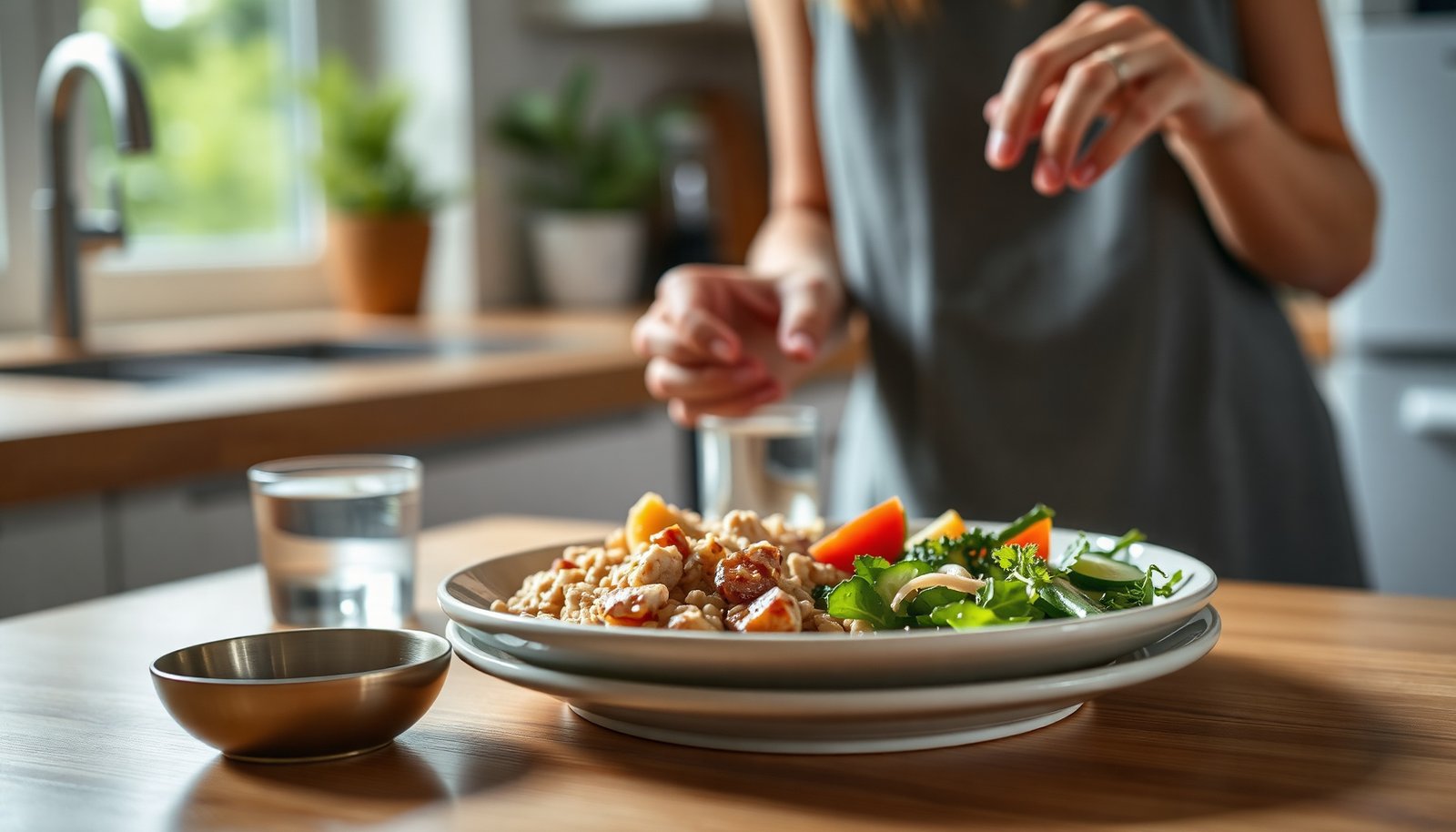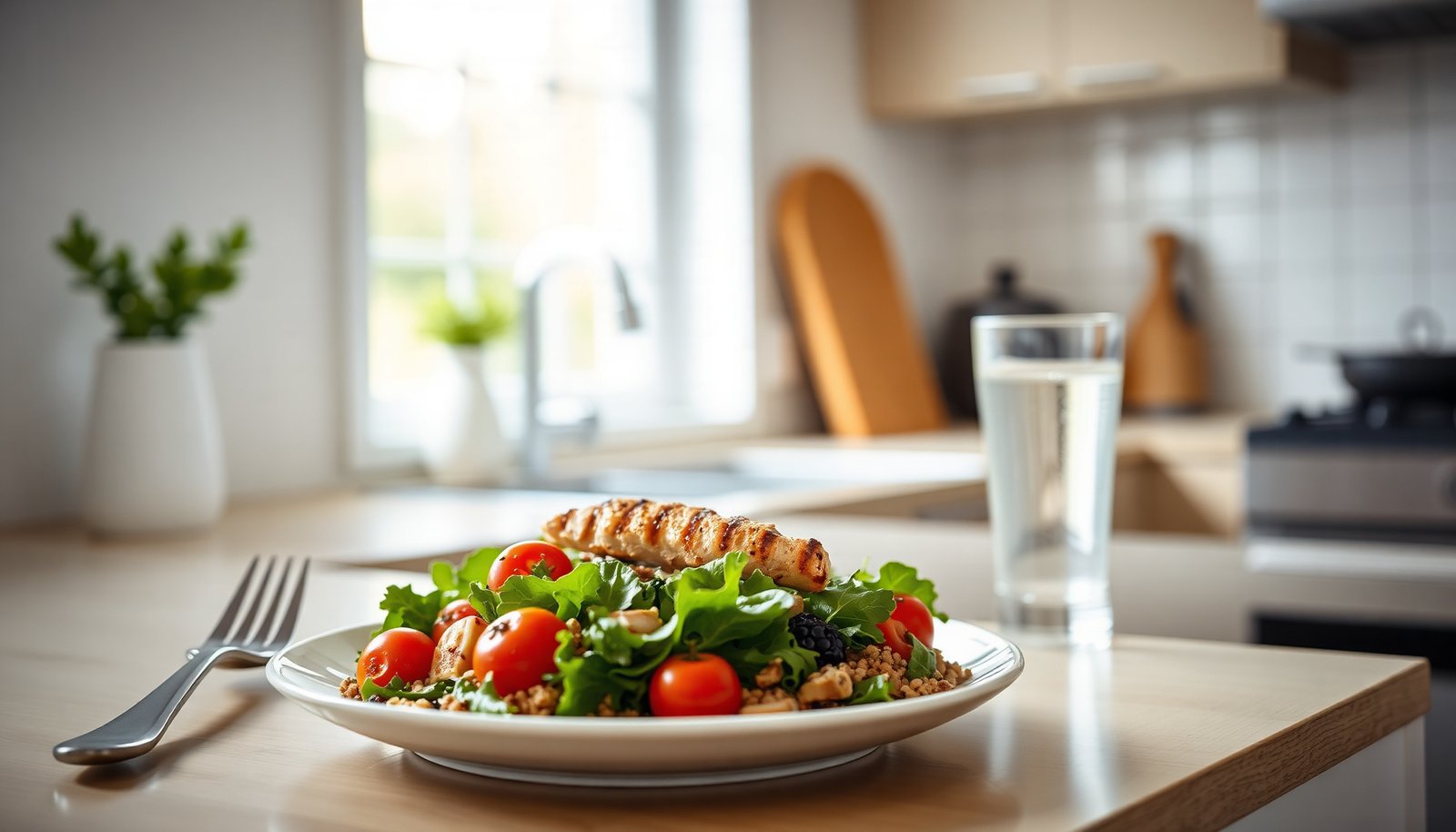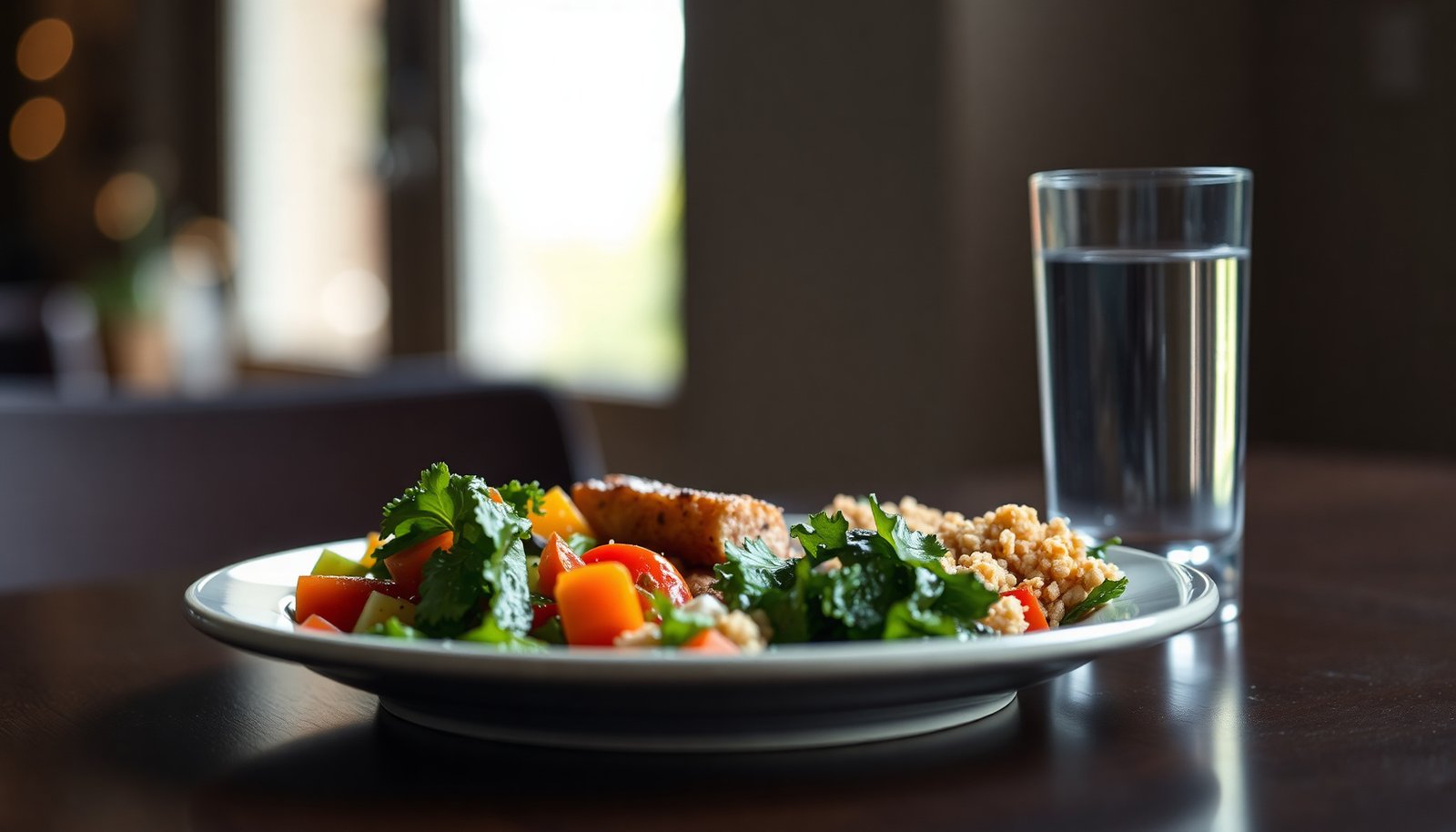

Every type 2 diabetes weight-loss plan should start with carbohydrate awareness—especially spacing meals and choosing higher-fiber carbs over refined grains. We judge the leading diets by how well they support steadier blood sugar (through slower carbs and ample fiber), help control hunger with protein and healthy fats, and remain easy to follow. A Mediterranean pattern with controlled carbohydrate portions—think vegetables, beans, fish, olive oil, and minimally processed whole foods—often provides the most reliable starting point for weight loss.




For most people with type 2 diabetes, the best diet for weight loss is a calorie-controlled, high-fiber, lower-glycemic eating pattern built around non-starchy vegetables, lean proteins, and smarter carbohydrates. That approach helps you feel full, reduce blood-sugar spikes, and create a sustainable calorie deficit. In this guide, you’ll learn what to eat, what to limit, and how to structure meals safely for weight loss.
If you’re newly diagnosed, currently on diabetes medication, or you’ve tried dieting before and your blood sugar fluctuated, this is for you—especially if you want practical meal choices instead of vague advice.
Type 2 diabetes is also incredibly common: according to CDC, about 90–95% of people with diabetes have type 2 (2024). As of 2026, the consistent theme across diabetes care guidelines is that food choices should support both weight loss and glucose control—rather than chasing “carb-free” perfection. The good news: you don’t need a complicated diet plan. You need a repeatable system you can execute daily.
Focus on lower-glycemic, high-fiber foods

Lower-glycemic, high-fiber foods are one of the fastest ways to improve post-meal blood sugar while still supporting weight loss. Here’s why: fiber slows digestion and helps you stay full longer, and many lower-glycemic carbohydrate foods produce smaller glucose swings.
– Choose carbs that tend to raise blood sugar more slowly, such as beans, lentils, chickpeas, intact whole grains, and non-starchy vegetables.
– Aim for fiber at most meals to help with fullness and steadier glucose responses.
– Use a “carb quality first” mindset: intact grains and legumes usually beat refined grains (white bread, many snack foods) for both satiety and glucose stability.
A helpful benchmark: according to Dietary Guidelines for Americans (2020–2025), a common fiber target is 14 grams per 1,000 calories consumed. On a 2,000-calorie pattern, that works out to about 28 grams/day—useful for planning meals around type 2 diabetes weight loss (2020–2025). And when weight loss helps glycemia, people often see meaningful improvements: according to Look AHEAD Research Group (Diabetes Care), intensive lifestyle in people with type 2 diabetes produced about ~8–9% average weight loss at 1 year (2013–2014).
Glucose-stabilizing foods: fiber, calories, and protein (USDA-style nutrition per 100g)
| # | Food (type 2 diabetes-friendly) | Fiber (g) | Calories | Protein (g) | Glucose-support rating |
|---|---|---|---|---|---|
| 1 | Lentils, cooked | 7.9 | 116 | 9.0 | ★★★★★ |
| 2 | Black beans, cooked | 8.7 | 132 | 8.9 | ★★★★★ |
| 3 | Chickpeas, cooked | 7.6 | 164 | 8.9 | ★★★★☆ |
| 4 | Kidney beans, cooked | 6.4 | 127 | 8.7 | ★★★★☆ |
| 5 | Oats (rolled), dry | 10.6 | 389 | 16.9 | ★★★☆☆ |
| 6 | Broccoli, cooked | 3.3 | 35 | 2.8 | ★★★☆☆ |
| 7 | Brussels sprouts, cooked | 3.8 | 43 | 3.4 | ★★☆☆☆ |
Note: values vary with preparation, and oat calories are higher per 100g (so portion size matters). Still, for type 2 diabetes weight loss, these foods are useful because they combine fiber (for fullness) with carbs that often produce smaller glucose excursions.
Build each meal with a diabetes-friendly plate
A diabetes-friendly plate method is often the easiest “best diet” system to follow because it removes decision fatigue while improving blood-sugar control. For type 2 diabetes, this works best when you treat non-starchy vegetables and lean proteins as the foundation, then add controlled portions of smart carbs only when you need them.
– Use a plate approach: fill about half with non-starchy vegetables, a quarter with lean protein, and a remaining portion with smart carbs (if needed for energy).
– Pair carbs with protein and healthy fats to reduce blood-sugar spikes after eating.
– Aim to “stack” benefits: fiber + protein at the same meal is usually better than fiber alone.
Plate method vs carb counting (which helps more for type 2 diabetes?)
In practice, both strategies can work for type 2 diabetes. The better choice is the one you can execute consistently for months.
| Feature | Plate method | Carb counting / net-carb tracking |
|---|---|---|
| Effort | Lower daily effort | Higher daily tracking effort |
| Learning curve | Fast to learn with meal visuals | Slower—requires label reading and consistency |
| Meal flexibility | High (swap foods within categories) | Medium (carb targets must be met) |
| Glucose stability | Often strong when portions are consistent | Can be very precise for responding to changes |
| Weight loss support | Helps control calories via structure | Can help if carb targets reduce total intake |
| Works with exercise | Yes—vegetable + protein base stays consistent | Yes—may need carb timing adjustments |
| Medication considerations | Generally safer to start, but still monitor | Often needs clinician-guided targets, especially with insulin |
| Portion control | Built in (plate proportions) | Depends on consistent measurement |
| Best for busy schedules | Yes—requires fewer calculations | Often harder on-the-go |
| When glucose surprises happen | You adjust plate portions and food choices | You refine carb counts and meal timing |
| Best For | Most people newly optimizing type 2 diabetes | People who need precision or have learned food responses over time |
From a practical standpoint for type 2 diabetes weight loss, we often see better adherence with the plate approach because it keeps meals consistent even when your schedule changes.
Limit “hidden” sugar and refined carbs
Limiting hidden sugar and refined carbs is one of the quickest ways to reduce glucose spikes and improve weight loss outcomes in type 2 diabetes. The challenge is that sugar isn’t always obvious, and refined carbs can act like “fast carbs” that raise blood sugar quickly.
– Cut back on sugary drinks, desserts, sweetened yogurt, and refined grains (like white bread, many pastries, and snack foods).
– Watch for added sugars in sauces and packaged foods—labels can be misleading if you only look at “sugar” without checking serving size and ingredients.
What “hidden sugar” often looks like on labels (for type 2 diabetes)
You don’t have to avoid every “sweet-sounding” ingredient—just recognize patterns that often increase carbs quickly. For example:
– Sweeteners that may appear under different names: cane sugar, corn syrup, dextrose, honey, agave, and fruit juice concentrates
– Carbs that digest fast: many breakfast cereals, crackers, flavored instant oats, and sweetened granola
– “Healthy-sounding” snacks that still deliver plenty of refined carbs per serving
A useful rule of thumb for type 2 diabetes: if a packaged food tastes sweet, has multiple sweeteners, or is made from refined grains, assume it will affect your glucose unless proven otherwise by your monitoring.
Also remember that weight loss requires a calorie deficit—so even “diabetes-friendly” desserts can stall progress if portion sizes stay large. The goal is to make blood sugar and calories move in the same direction.
Choose fats and proteins that support weight loss
Choosing the right fats and proteins helps type 2 diabetes weight loss because they improve satiety, reduce hunger-driven overeating, and support more stable glucose after meals. This is especially true when you swap away from refined carbs and sugary foods without replacing them with high-calorie substitutes.
– Prioritize unsaturated fats (olive oil, avocado, nuts, seeds) and leaner proteins (fish, poultry, tofu, eggs, Greek yogurt if it fits your plan).
– Keep portions realistic: even healthy foods can stall weight loss if portions creep up.
Protein + fiber is the “pairing” that often works best
For type 2 diabetes, meals that combine protein and fiber tend to keep hunger steadier and make it easier to maintain a calorie deficit. Examples you can repeat:
– Turkey or tofu chili with beans + a big side of non-starchy vegetables
– Salmon or sardines + roasted broccoli + a small portion of lentils or intact whole grains
– Greek yogurt (unsweetened) + chia seeds + berries (portion-controlled)
If you use insulin or glucose-lowering medications, the “best” macro balance may differ for you. For safety, keep medication plans clinician-guided and adjust based on glucose responses.
A key reminder about measurement: according to American Diabetes Association (ADA), A1C reflects average blood glucose over roughly the previous 2–3 months, so single-meal changes can matter but may not show up immediately in lab tests (2024). Tracking fingersticks or CGM trends can help you connect food choices to results faster.
What can go wrong (and when it doesn’t work)
The “best diet” for type 2 diabetes can fail when the approach is too aggressive, too inconsistent, or doesn’t match your medication and health context. These are the most common reasons people don’t get weight loss or see glucose swings—so you can avoid them.
– Medication mismatch: if you use insulin or medications that can lower glucose, cutting carbs too aggressively can increase the risk of hypoglycemia. Talk with your clinician before major diet changes.
– Overdoing “diabetic” processed foods: some “no sugar added” or “diabetic” products still contain enough total carbs to affect glucose and calories.
– Too much reliance on fruit or “healthy carbs” without portion control: fruit and whole grains can still raise blood sugar if portions are large.
– Under-eating protein or fiber: if meals don’t keep you full, you may compensate later and lose momentum.
Comparison: lower-carb push vs plate method (type 2 diabetes)
If you’ve tried going very low carb, or you’re considering it, this helps you think through tradeoffs.
| Criteria | Lower-carb dieting | Moderate-carb plate method |
|---|---|---|
| Primary goal | Reduce carb-driven glucose rise | Control portions while emphasizing fiber/protein |
| Adherence | Can be harder long-term for some | Often easier to maintain due to structure |
| Hypoglycemia risk | Higher if meds aren’t adjusted | Generally lower when starting gradually |
| Nutrition adequacy | May be harder to meet fiber goals | Easier to hit fiber with vegetables/legumes |
| Food variety | Lower variety for carb foods | More variety across grains, beans, and produce |
| Weight loss mechanism | Often calorie reduction + appetite changes | Calorie control via balanced, satisfying meals |
| Workout compatibility | May require careful timing | Often simpler to fuel and adjust |
| Monitoring usefulness | Useful for dose/med adjustments | Useful for portion tuning |
| Risk of rebound eating | Possible if diet feels too restrictive | Often lower due to sustainable meal structure |
| Best early strategy for most | Not always—meds and symptoms matter | Yes—start with plate structure and refine |
| Verdict | Only consider aggressive carb cuts with clinician guidance and close glucose monitoring. | For most people with type 2 diabetes, plate-based moderate carb with high fiber is the safest starting “best diet.” |
Verdict / tip: start simple, then personalize
A practical “best diet” for type 2 diabetes weight loss is a Mediterranean-style pattern (vegetables, beans, whole foods, olive oil, fish/lean proteins) with carb portions tailored to your glucose response. Here is why this works: it naturally steers you toward lower-glycemic, higher-fiber choices, while keeping meals satisfying enough to sustain a calorie deficit.
The downside is that there’s no single perfect “diabetes diet” for everyone—results depend on your medications, activity level, and how your body responds to specific carbs. If you notice you’re getting lows (especially if you’re on insulin), or your glucose readings spike despite “healthy” carbs, you may need a more personalized plan.
Skip aggressive carb restriction or very low-calorie plans if you’re on glucose-lowering meds without medical guidance, have a history of eating disorder, or feel at risk for frequent lows. As of 2026, diabetes care remains clear that safety comes first, especially with medication changes.
Quick checklist (save and use at meals)
– [ ] Half the plate: non-starchy vegetables
– [ ] Quarter: lean protein (fish, poultry, tofu, eggs, Greek yogurt)
– [ ] Portion control: beans/lentils/whole grains only as needed
– [ ] Add healthy fats (olive oil, nuts, seeds, avocado) in measured amounts
– [ ] Avoid sugary drinks and limit refined grains
– [ ] Check how you feel and monitor glucose if you can (especially after changes)
If you want one “next step” for type 2 diabetes in 2026, pick one meal to optimize for 7 days using this checklist—then adjust based on hunger and (if available) glucose trends.
Frequently Asked Questions
What is the best diet for diabetics with type 2 diabetes to lose weight safely?
For most people with type 2 diabetes, the best diet for weight loss is a calorie-controlled, high-fiber eating plan that supports blood sugar stability. Many do well with a Mediterranean-style approach or a diabetes-friendly low-glycemic/low-added-sugar pattern that emphasizes vegetables, lean proteins, legumes, and whole grains in appropriate portions. It’s also important to include healthy fats (like olive oil, nuts, and avocado) and to limit sugary drinks, refined carbs, and ultra-processed foods that can spike glucose. Work with your clinician if you take insulin or diabetes medications, since weight loss can change medication needs.
How can I structure meals with a diabetes-friendly diet to lose weight and lower A1C?
Aim to build each meal around non-starchy vegetables, a palm-sized serving of lean protein (fish, poultry, tofu, beans, or Greek yogurt), and controlled portions of high-fiber carbohydrates (beans, lentils, quinoa, or intact whole grains). Include a source of healthy fat (olive oil, nuts, or seeds) to improve satiety and reduce post-meal blood sugar spikes. If you snack, choose options like nuts, cottage cheese, or a small serving of fruit paired with protein rather than reaching for crackers or sweets. Consistency matters—spreading carbs across meals rather than concentrating them can help improve glucose trends and support weight loss.
Why does carbohydrate quality matter more than carbohydrate quantity for type 2 diabetes weight loss?
In type 2 diabetes, the quality of carbohydrates affects how quickly glucose rises after eating, which influences hunger, cravings, and long-term blood sugar control. Choosing high-fiber, minimally processed carbs (vegetables, beans, lentils, berries, and whole grains) tends to produce a slower, steadier glucose response than refined carbs like white bread, pastries, and sugary drinks. Even with portion control, better carb choices can make it easier to maintain a calorie deficit without feeling constantly hungry. Over time, this approach can support improved A1C and healthier weight.
Which foods should I prioritize on a weight-loss diet for type 2 diabetics?
Prioritize non-starchy vegetables (leafy greens, broccoli, peppers, zucchini), lean proteins (chicken, fish, eggs, tofu, tempeh, Greek yogurt), and high-fiber plant foods (beans, lentils, chickpeas). Add healthy fats in measured amounts such as olive oil, nuts, chia, and flax to increase fullness and support heart health. For carbohydrates, select whole, intact options like steel-cut oats, quinoa, brown rice (portion-controlled), or sweet potatoes instead of refined grains. Also consider low-sugar fruits (berries, apples) in moderate servings, since they provide fiber and nutrients that fit well into a diabetes-friendly diet.
What is the best way to start a diabetes diet for weight loss if I’m on medication?
Start by making small, sustainable changes: swap sugary beverages for water or unsweetened drinks, add a serving of non-starchy vegetables to lunch and dinner, and reduce portions of refined carbs. Because weight loss and dietary changes can lower glucose, it’s important to monitor blood sugar more closely and talk to your healthcare team about potential medication adjustments, especially if you use insulin or sulfonylureas. Track what you eat for a week to identify common glucose triggers and hunger patterns, then adjust carbs and meal timing accordingly. A structured approach—like consistent meal planning with fiber and protein—can help you lose weight while keeping blood sugar in a safer range.
📅 Last Updated: November 09, 2026 | Topic: best diet for diabetics type 2 to lose weight | Content verified for accuracy and freshness.
References
- Healthy Eating | Diabetes | CDC
- https://www.niddk.nih.gov/health-information/diabetes/overview/eating-nutrition
- Diabetes
- https://www.mayoclinic.org/diseases-conditions/type-2-diabetes/diagnosis-treatment/diet-treatment/diet-recipes/diabetes-diet/art-20048478
- Type 2 diabetes
- Overview | Type 2 diabetes in adults: management | Guidance | NICE
- https://scholar.google.com/scholar?q=best+diet+type+2+diabetes+weight+loss Google Scholar
- https://scholar.google.com/scholar?q=low+carbohydrate+diet+type+2+diabetes+weight+loss+randomized+trial Google Scholar
- https://scholar.google.com/scholar?q=Mediterranean+diet+type+2+diabetes+weight+loss+systematic+review Google Scholar