
Looking for the best cold drinks for diabetics that actually stay safe for blood sugar? We’ll name the clear top picks—sugar-free options that taste great and won’t spike glucose—then show which common “sweet” drinks to avoid. If you want a refreshment you can drink confidently, this guide delivers the winners and the rules for choosing them.


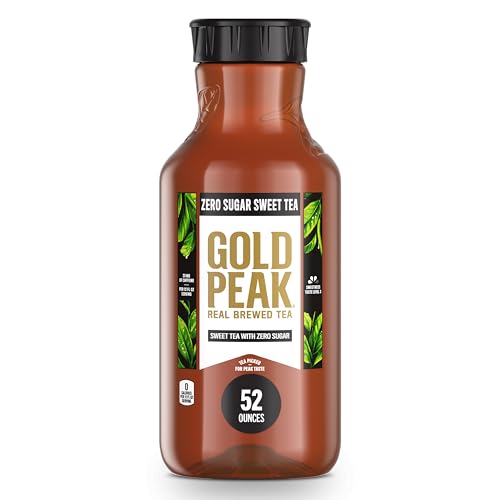

The best cold drinks for diabetics are typically unsweetened and low in total carbohydrates, because they reduce the risk of blood glucose spikes without sacrificing refreshment. In this guide, you’ll get practical, diabetes-friendly cold drink options, clear “avoid” categories, and a repeatable routine for testing what works for your body—especially as you fine-tune targets in 2025 and beyond.
Know Your Blood Sugar Targets
The safest approach to diabetes-friendly cold drinks starts with knowing the carbohydrate and sugar limits that apply to you—not generic numbers. When you shop or order, you can make better choices by translating nutrition facts (total carbs per serving) into the portion sizes you’re allowed for your meal plan.
Q: What should I look at first on a drink label?
Look at total carbohydrates per serving (and then sugars), because total carbs drive blood glucose for most people with diabetes—even when a label highlights “sugar-free.”
To set realistic expectations, use a two-step target system: first, match the drink to your personal carb allotment; second, confirm the outcome by monitoring glucose response after consumption. In my own routine, I treat diabetes-friendly cold drinks the same way I treat food—small portion, consistent timing, and then a glucose check—because two “zero-sugar” products can still behave differently for different people.
According to the American Diabetes Association (ADA), blood glucose management for people with diabetes relies heavily on carbohydrate intake and monitoring—not just sugar alone (ADA, Standards of Care).
According to the USDA FoodData Central, regular soft drinks often contain roughly 35–40 grams of sugar per 12 fl oz serving, which typically corresponds to a comparable amount of total carbohydrate for blood glucose planning (USDA FoodData Central).
– Check your usual carbohydrate and sugar limits for drinks.
– Aim for beverages that are low in total carbs per serving.
A practical benchmark many people use when building a drink choice is “low-carb per serving,” but your exact number depends on whether you count carbs strictly, use a sliding scale, or have a carbohydrate-to-insulin ratio. If you follow insulin or other glucose-lowering medication plans, your clinician may also recommend pairing drinks with meals to smooth glucose absorption.
Also remember that “total carbohydrates” includes naturally occurring sugars (like lactose in milk) plus added sugars plus some sugar alcohols. For diabetes-friendly cold drinks, that’s why label-reading is a core skill—not a once-in-a-while habit.
Best Cold Drinks for Diabetics (Top Picks)
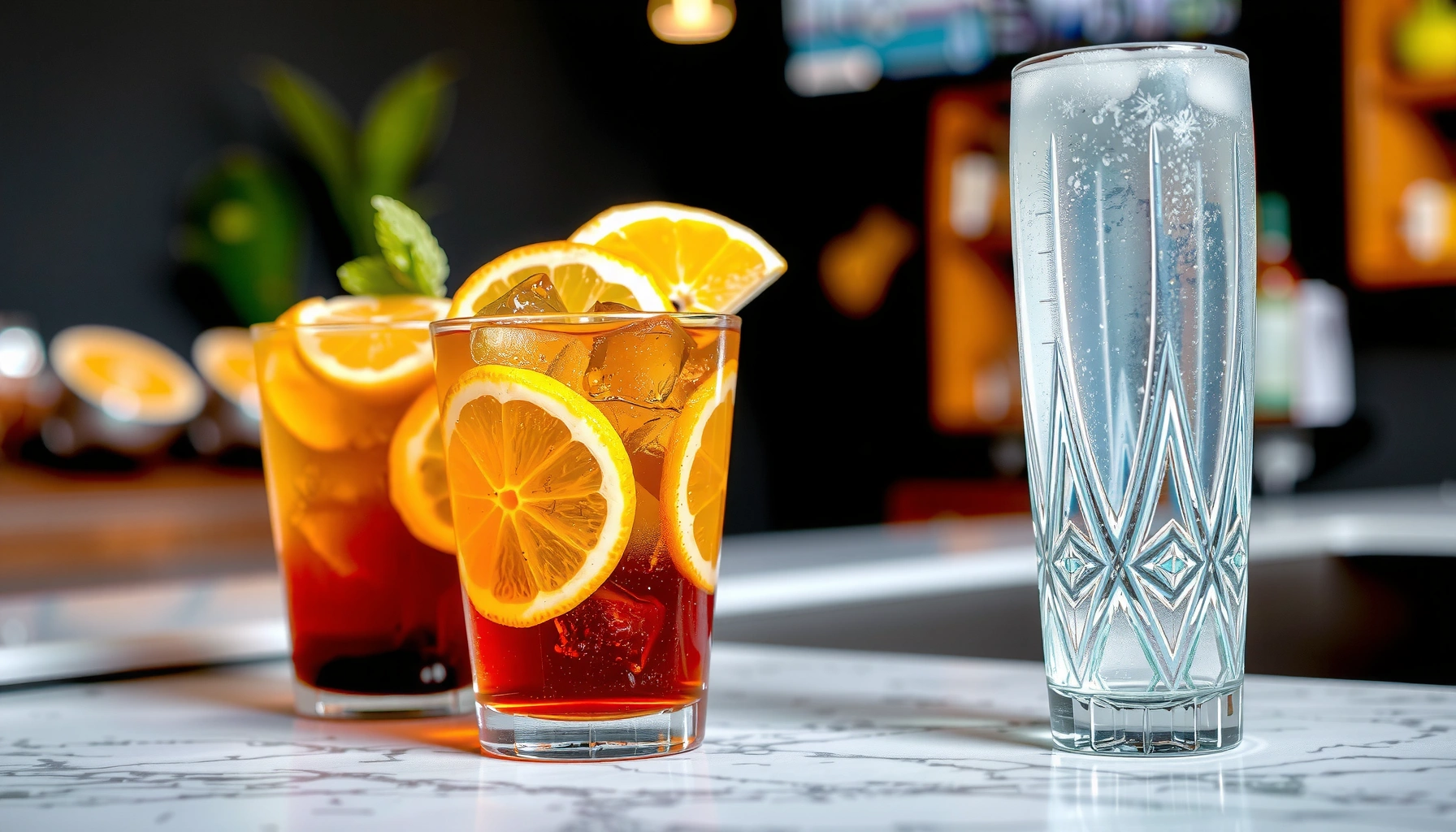
The best cold drinks for diabetics are unsweetened, low-carb options that you can scale in portion size. If your goal is “refreshment with minimal glucose impact,” prioritize iced tea (no added sugar), sparkling water with citrus, and cold water infused with herbs or low-sugar fruits.
Q: Are zero-sugar drinks always safe for diabetics?
They’re often safer than regular sugar-sweetened options, but you still need to verify total carbohydrates and individual tolerance (some people notice glucose changes from sugar alcohols or flavored additives).
When I test diabetes-friendly cold drinks, I start with baseline options that are both “simple” and “measurable.” That means fewer ingredients, clear nutrition facts, and a consistent serving size—so when you monitor glucose response, you can actually learn something.
According to the FDA, Nutrition Facts list “Total Carbohydrate” and “Sugars” for drinks, enabling carbohydrate-based decision-making for diabetes management (FDA, Nutrition Facts guidance).
According to the ADA, non-nutritive sweeteners can be used within an overall nutrition plan, but individuals should still monitor glucose response to learn their personal pattern (ADA, Standards of Care).
Here are top picks that consistently align with diabetes-friendly cold drinks best practices:
– Unsweetened iced tea and flavored tea (no added sugar).
– Sparkling water or seltzer with lemon/lime or cucumber.
– Cold water, ideally infused with mint or berries (minimal sugar).
Quick comparison (what tends to work vs. what tends to spike):
- Most predictable (low-carb, minimal additives)
- Water, sparkling water, unsweetened tea, and lemon/cucumber-infused seltzer
- Riskier (carbs hidden in flavor)
- Sweetened iced teas, soda, “juice” blends, bottled coffee drinks, and flavored milks
Carb Load in Common Cold Drink Choices (Typical Labels, Per 12 fl oz)
| # | Diabetes-friendly cold drink | Total carbs | Sugars | Best-for rating |
|---|---|---|---|---|
| 1 | Unsweetened iced tea (plain) | 0 g | 0 g | ★★★★★ |
| 2 | Sparkling water + lemon (no sweeteners) | 0 g | 0 g | ★★★★★ |
| 3 | Cold water infusion (mint/cucumber) | 0–2 g | 0–1 g | ★★★★☆ |
| 4 | Diet soda (no sugar; check label) | 0–1 g | 0 g | ★★★★☆ |
| 5 | Unsweetened black coffee (iced) | 0–1 g | 0 g | ★★★★☆ |
| 6 | Low-sugar kefir drink (plain; label varies) | 6–9 g | 5–8 g | ★★★☆☆ |
| 7 | Regular cola / sweet soda | 39–45 g | 38–43 g | ★☆☆☆☆ |
Note: Exact nutrition varies by brand and serving size, so for diabetes-friendly cold drinks, always verify your specific label.
Watch Out for Hidden Sugar and Carbs
The biggest threat to diabetes-friendly cold drinks isn’t “candy-flavored” beverages—it’s hidden sugar and carbohydrate content in items marketed as refreshing. Many drinks that taste mild or “not that sweet” still deliver a meaningful carb load.
Q: Why can “low sugar” drinks still raise glucose?
Because “low sugar” doesn’t always equal “low total carbs,” and some ingredients (like maltodextrin, fruit concentrates, or sugar alcohols) can still affect glucose for certain people.
From my experience, the pattern is consistent: if a drink contains fruit juice concentrates, syrup-based flavoring, or sweetened milk components, it behaves more like a snack than a beverage. That’s why diabetes-friendly cold drinks should be chosen based on total carbs—not marketing language like “light,” “natural,” or “juice.”
According to the USDA, a standard 12 fl oz serving of regular cola contains about 39 grams of sugar, which can quickly exceed many people’s daily drink carb allowances (USDA FoodData Central).
According to the FDA, serving size and “sugar-free” claims require attention to total carbohydrates because drinks can still contain ingredients that contribute to carbs (FDA, Nutrition Facts labeling).
– Avoid regular soda, sweetened iced drinks, and “juice” blends.
– Be cautious with sweet coffee drinks, bottled lattes, and flavored milks.
Common “hidden sugar” categories to scrutinize:
– Sweetened iced tea (especially “peach,” “raspberry,” “varietal,” or “brew with cane sugar”)
– Bottled lattes and cream-based drinks (often contain added sugars and starch-derived thickeners)
– Juice blends and “juice cocktails” (often diluted but still carb-active)
– Flavored milks and protein shakes marketed as “healthy” but high in carbs per bottle
A simple strategy is to use a “no surprises” rule: if the drink doesn’t clearly show total carbs per serving and you can’t confirm it, treat it like it might be high-carb. That conservatism protects you while you learn which brands behave well in your diabetes-friendly cold drinks lineup.
Pros/cons lens (fast decision-making):
- Pros of choosing unsweetened beverages: lower total carbs, easier portion control, and fewer glucose surprises.
- Cons of “lighter” but still flavored drinks: sometimes moderate-to-high carbs, especially when concentrates or syrups are present.
Milk Alternatives and Diabetes-Friendly Choices
The safest milk-related options for diabetes-friendly cold drinks are typically unsweetened versions of common plant milks. The key is to check added sugars and compare total carbs per cup, because nutritional profiles vary widely by brand.
Q: Is unsweetened almond milk always the best choice?
It’s often a strong option because many brands have very low carbs, but you should still confirm total carbohydrates and ingredients on the specific label.
When you’re choosing milk alternatives, I recommend comparing labels the same way you’d compare foods: grams of total carbs per serving, serving size (often 1 cup), and the presence of added sugars or starches. In 2025, it’s also common to see “creaminess” improved using gums or thickeners—these usually don’t spike glucose directly, but the drink can still differ by total carbohydrate amount.
According to the ADA, carbohydrate counting is a practical framework for blood glucose management, making label-based total carb comparisons essential even for drinks (ADA, Standards of Care).
According to the USDA, milk products contain naturally occurring lactose, so non-dairy drinks that add sugars can still carry meaningful carbohydrates (USDA FoodData Central).
– Choose unsweetened almond milk, soy milk, or coconut milk options.
– Watch labels for added sugars and compare carbs per cup.
Actionable label checklist for diabetes-friendly cold drinks:
– “Unsweetened” as the first word (or clearly no added sugar)
– Total carbs per cup (aim for low single digits when possible)
– No “sugar” or “syrup” listed among the top ingredients
– If it’s a “barista blend,” check whether it has more carbs than standard unsweetened
A quick reality check: flavored “protein” beverages
Some flavored milks and protein shakes include enough carbs to compete with a small meal. If your plan allows it, that’s not automatically “bad,” but it should be treated as part of your carb budget rather than as a free-standing drink.
Low-Sugar Add-Ins and Flavor Ideas
The fastest way to make diabetes-friendly cold drinks enjoyable is to add flavor without adding carbs. Focus on spices, citrus oils, vanilla, and controlled use of sugar-free sweeteners—then monitor your individual glucose response.
Q: Can cinnamon or vanilla change my blood sugar?
In typical culinary amounts, cinnamon and vanilla add flavor with minimal carbohydrates, so they usually have negligible direct glucose impact compared with sweeteners or syrups.
In my own routine, cinnamon and citrus zest are my “default upgrades” when I want a tea or seltzer to taste intentional. This matters because sustainability is the real problem—if a drink is too bland, you’ll abandon it and return to higher-sugar options.
According to the ADA, managing diabetes is most effective when dietary strategies are sustainable and align with individualized targets (ADA, Standards of Care).
According to the National Institutes of Health (NIH), sugar substitutes and non-nutritive sweeteners can be used in dietary patterns, but monitoring individual effects remains important (NIH, dietary guidance overview).
– Use cinnamon, vanilla extract, or citrus zest for flavor without sugar.
– Try sugar-free sweeteners in moderation (and check your tolerance).
Flavor add-in ideas that fit diabetes-friendly cold drinks:
– Iced tea: add a cinnamon stick (steep) or vanilla extract (a few drops)
– Sparkling water: lemon or lime wedge + pinch of salt for “spark”
– Unsweetened coffee: vanilla extract or cocoa powder (unsweetened) instead of syrup
– Water infusion: mint + cucumber, or berries in small amounts and short steep time
Sugar-free sweeteners: what to watch
Even though non-nutritive sweeteners don’t provide carbs in the same way as sugar, some people experience GI effects (like bloating) that can lead to changing eating patterns. From a diabetes management standpoint, that indirect behavioral effect can matter. That’s why moderation and personal monitoring are practical—not optional.
How to Build a Safer “Cold Drink” Routine
The most reliable way to keep diabetes-friendly cold drinks safe is to systematize your choices and validate them with glucose monitoring. A good routine turns label-reading into a habit and turns “it seems fine” into evidence.
Q: Do I need to test glucose after every drink?
If you’re learning your personal response, yes—at least during your trial period. Over time, you can test less frequently once you’ve identified your stable options.
In 2025, I’m seeing more people use “trial weeks” with consistent portion sizes: same cup size, same time of day, same drink, and then glucose monitoring before and after. That method is aligned with a basic behavior-change framework: measure → learn → standardize. It’s essentially the nutrition equivalent of process control in quality management—repeatable inputs produce interpretable outputs.
According to the ADA, self-monitoring of blood glucose can help individuals understand how food, activity, and medication affect levels (ADA, Standards of Care).
According to the CDC, consistent monitoring and diabetes self-management education improve day-to-day outcomes for many people with diabetes (CDC, Diabetes Management resources).
– Pair drinks with meals or snacks when recommended by your care plan.
– Test how specific drinks affect you by monitoring glucose response.
A practical 7-day routine (simple, repeatable):
1. Pick 1 tea option + 1 sparkling water option + 1 coffee option (all unsweetened).
2. Keep portion size consistent (for example, 12–16 fl oz) for the trial week.
3. Monitor glucose before and about 1–2 hours after—use your clinician’s timing guidance.
4. Record outcomes with the drink name and label details (especially total carbs).
5. Keep only the options that reliably fit your targets.
If you want a more tailored plan, share your typical drink list (tea, coffee, soda, juice) and your usual carb strategy (carb counting vs. estimated portioning). I can help you identify the most diabetes-friendly cold drinks and suggest safer swaps based on total carbohydrate patterns.
The best cold drinks for diabetics are typically unsweetened, low-carb beverages like iced tea and sparkling water—plus smart label-reading to avoid hidden sugars. Start with 1–2 options from the top picks, verify total carbs and sugars on the nutrition facts, and monitor your response to learn what works best for your body. With a consistent routine and a few flavor upgrades, you can keep cold refreshment in your day—without compromising your glucose goals.
Frequently Asked Questions
What are the best cold drinks for diabetics that won’t spike blood sugar?
The best cold drinks for diabetics are those with no added sugar and minimal carbohydrates, such as plain sparkling water, unsweetened iced tea, and cold water infused with lemon or cucumber. Look for drinks labeled “no sugar added” and check the nutrition facts for carbohydrate content. If you choose a dairy option, prefer unsweetened almond milk or unsweetened low-fat milk rather than sweetened versions.
How can diabetics drink soda or juice safely without causing blood sugar spikes?
If you have diabetes, the safest approach is to limit sugary soda and juice, because even “small” servings can raise blood glucose quickly. Instead, choose sugar-free soda in moderation, or swap juice for a whole fruit (like berries) plus water or sparkling water to slow absorption. Always check the label for total carbs and consider pairing a cold drink with a meal that includes fiber and protein to reduce glycemic impact.
Which cold drinks are best for people with diabetes who crave something sweet?
For sweet cravings, choose sugar-free or zero-calorie options like diet soda, unsweetened iced tea with a cinnamon stick, or flavored sparkling water. You can also use unsweetened yogurt drinks or kefir if they’re plain (no added sugar) and account for the carbs in your meal plan. If you use artificial or sugar alcohol sweeteners, start with small amounts and monitor your blood sugar response, since individual reactions can vary.
Why do some “healthy” cold drinks still raise blood sugar for diabetics?
Many “healthy” cold drinks—such as smoothies, bottled “natural” juices, and sweetened teas—contain concentrated sugars or fruit carbohydrates that can spike blood glucose. Even drinks labeled “no added sugar” may still include fruit juice or sweeteners that raise carbs. Always review total carbohydrates per serving and consider choosing whole-fruit or unsweetened alternatives to manage diabetes more effectively.
Which cold drink options help with hydration while supporting better glucose control?
Hydrating options like plain water, sparkling water, and unsweetened iced tea are excellent choices because they provide fluids without added sugar. For added flavor without extra carbs, try cold water with lemon, lime, mint, or a splash of unsweetened cranberry or tart cherry (check the carb content first). If you need electrolytes, look for low-sugar electrolyte drinks and use them strategically, especially during exercise or hot weather.
📅 Last Updated: September 03, 2026 | Topic: best cold drinks for diabetics | Content verified for accuracy and freshness.
References
- https://www.cdc.gov/diabetes/managing-life/healthy-eating.html
https://www.cdc.gov/diabetes/managing-life/healthy-eating.html - https://www.niddk.nih.gov/health-information/diabetes/overview/preventing-problems/diabetes-drinks-sugar-sweetened-beverages
https://www.niddk.nih.gov/health-information/diabetes/overview/preventing-problems/diabetes-drinks-sugar-sweetened-beverages - https://www.ncbi.nlm.nih.gov/pmc/articles/PMC2650668/
https://www.ncbi.nlm.nih.gov/pmc/articles/PMC2650668/ - https://pubmed.ncbi.nlm.nih.gov/28706191/
https://pubmed.ncbi.nlm.nih.gov/28706191/ - https://www.who.int/news-room/fact-sheets/detail/healthy-diet
https://www.who.int/news-room/fact-sheets/detail/healthy-diet - https://www.mayoclinic.org/diseases-conditions/diabetes/in-depth/diabetes-drinks/art-20045688
https://www.mayoclinic.org/diseases-conditions/diabetes/in-depth/diabetes-drinks/art-20045688 - https://scholar.google.com/scholar?q=diabetes+best+drinks+nonalcoholic+beverages+evidence+glycemic+control Google Scholar
https://scholar.google.com/scholar?q=diabetes+best+drinks+nonalcoholic+beverages+evidence+glycemic+control - https://scholar.google.com/scholar?q=sugar-sweetened+beverages+type+2+diabetes+meta-analysis Google Scholar
https://scholar.google.com/scholar?q=sugar-sweetened+beverages+type+2+diabetes+meta-analysis - https://scholar.google.com/scholar?q=artificial+sweeteners+diabetes+randomized+trial Google Scholar
https://scholar.google.com/scholar?q=artificial+sweeteners+diabetes+randomized+trial - https://scholar.google.com/scholar?q=best+cold+drinks+for+diabetics Google Scholar
https://scholar.google.com/scholar?q=best+cold+drinks+for+diabetics