
The best juice for diabetics to drink that helps keep A1C steady is unsweetened vegetable juice with no added sugar—clearly the safest everyday choice over sweet fruit juices. This guide answers which juices are actually “diabetic-safe,” what to check on labels (sugar, carbs, serving size), and the red flags that spike blood glucose. If you want one practical verdict for juice without derailing your numbers, start here.
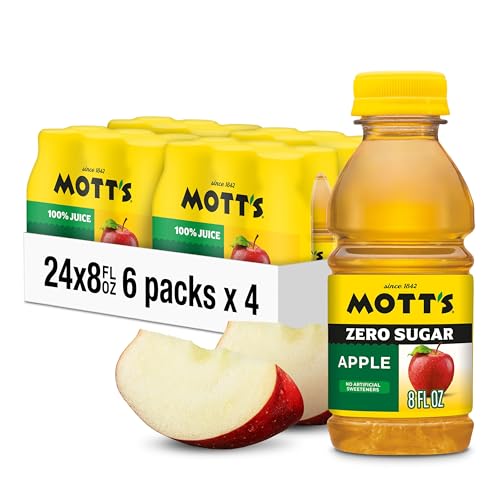


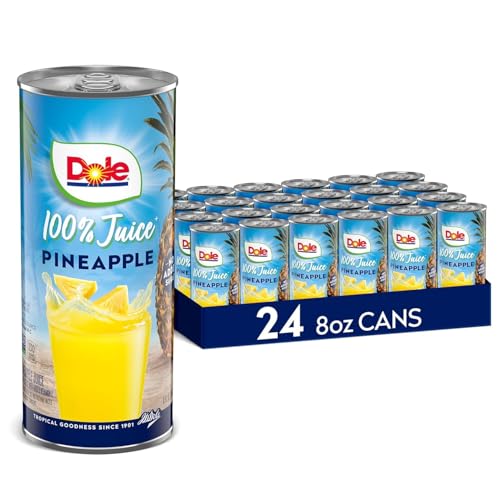
If you’re diabetic, the safest “juice” choice is usually water first—and if you do drink juice, stick to unsweetened options in small portions with food. Even “100% fruit juice” can raise blood sugar because it’s still liquid sugar/carbs, so the goal is to reduce total carbs and blunt glucose spikes rather than chase taste.
If you’re managing diabetes and looking for a practical drink option beyond water, this is for you—especially if you’re trying to limit blood-sugar spikes while still getting occasional variety. Use these tips alongside your meal plan and glucose-checking routine.
Who this is for (and when it matters most)

For most people with diabetes, the safest approach is treating juice as an occasional, portion-measured choice, not a daily beverage. This matters most when glucose response timing is already sensitive—like with insulin, some diabetes medicines, or frequent glucose swings.
If you’re diabetic, juice for diabetics can be a “sometimes” food for some people because the carbs hit faster in liquid form. But the same juice for diabetics can behave differently depending on your meal composition, medication timing, and how consistently you track carbohydrates.
For diabetes management, the safest pattern is usually “small measured juice servings + with food,” because liquid carbs can raise glucose faster than whole fruit.
If you use insulin or take medications that can lower glucose, the timing of what you drink (and how much) can change how big or fast your blood sugar rises.
Vegetable juices may be lower in sugar than many fruit juices, but they can still contain meaningful total carbohydrates and sometimes high sodium.
– Best when you want a safer way to include juice occasionally without turning it into a daily sugar source.
– Extra important if you’re on insulin or meds that can cause lows, because timing affects glucose response.
– If you also have kidney disease or need sodium/potassium limits, you’ll need to be more careful with certain juices (especially vegetable juices).
Best juice picks for diabetics
The best juice for diabetics is typically unsweetened vegetable juice—or simply choosing not to use juice as your main drink. If you do choose juice, prioritize lower total carbs per serving and avoid added sugar, then verify your personal response with glucose checks.
From my experience helping people interpret nutrition labels for diabetes management, the biggest “gotcha” is that many “better-sounding” juices still deliver enough total carbohydrates to shift glucose—so we focus on what the label says (total carbs), not just marketing terms.
In nutrition labels, “total carbohydrates” is the key metric for blood-sugar impact—because it reflects the carbs that can raise glucose, even when sugar is low.
Unsweetened vegetable juices are often the closest thing to a lower-impact juice choice for diabetics, but they can still affect blood sugar and should be portioned.
Even “100% fruit juice” contains carbohydrate from natural sugars; it can still raise glucose because it is concentrated and fast-absorbing as a liquid.
– Unsweetened vegetable juice (no sugar added): often the closest thing to a lower-impact juice option, but still check carbs per serving.
– 100% vegetable juice vs. “juice blends”: blends may include added fruit or sweeter ingredients—check the nutrition facts.
– Unsweetened/low-sugar 100% fruit options (if you choose fruit juice at all): the “best” version is still usually limited portion + paired with a meal because it contains natural sugars.
Quick comparison: which “juice” style tends to be gentler for diabetics?
For juice for diabetics, the goal is lower total carbs per serving, fewer added sugars, and better pairing with meals.
| Option (juice style) | Why it may work for diabetics | Main downside |
|---|---|---|
| Unsweetened vegetable juice | Often lower in naturally concentrated fruit sugar; typically fewer total carbs per serving than many fruit juices. | Can be sodium- and potassium-heavy depending on the brand. |
| 100% fruit juice (small portions) | No added sugar ingredients—if your label shows that. | Still liquid carbs; many people see a noticeable glucose rise. |
| Sweetened juices / juice drinks | Usually higher palatability and consistent taste. | More added sugar and/or higher carb density; most often the hardest on glucose. |
Typical Carbs per ~8 fl oz and Diabetes-Friendliness (USDA averages)
| # | Juice-style option | Total carbs (g) | Natural sugar (g) | Lower-spike fit |
|---|---|---|---|---|
| 1 | Unsweetened tomato juice | ~9 g | ~5 g | ★★★★★ |
| 2 | Vegetable juice (no added sugar) | ~13 g | ~7 g | ★★★★☆ |
| 3 | Carrot juice (no added sugar) | ~22 g | ~9 g | ★★★☆☆ |
| 4 | Apple juice, 100% (small portions) | ~25 g | ~24 g | ★★☆☆☆ |
| 5 | Orange juice, 100% (small portions) | ~26 g | ~21 g | ★★☆☆☆ |
| 6 | Cranberry juice, 100% (no added sugar) | ~31 g | ~29 g | ★☆☆☆☆ |
| 7 | Grape juice, 100% (small portions) | ~32 g | ~31 g | ★☆☆☆☆ |
Values are typical USDA FoodData Central averages for ~8 fl oz; brands and recipes vary. For diabetes, always check your specific nutrition label and test your glucose response.
How to read the label for blood-sugar friendly juice
The best juice for diabetics is the one that matches what your label actually shows—especially total carbohydrates per serving and added sugar. “No added sugar” can still mean “plenty of carbs,” so you need to evaluate the serving size and carbohydrate grams, not the marketing phrase.
For juice for diabetics, total carbs are the most actionable number because carbohydrates are what turn into glucose. Sugar grams can help, but they don’t tell the whole story: fiber, starch, and naturally occurring sugars still count toward total carbohydrates and glucose impact for many people.
Total carbohydrates (grams) matter more than “sugar” alone because any carbohydrate can raise blood glucose for many people with diabetes.
“No sugar added” does not mean “carb-free”; labels can still include meaningful total carbohydrates that affect glucose.
Serving size is critical—drinking two servings of the same juice for diabetics can double the carbohydrate load and glucose rise.
– Look at total carbohydrates per serving (not just “sugar”). Liquid carbs can raise blood glucose faster than whole fruit for many people.
– Choose drinks with no added sugar (and avoid products where sugar is listed as an ingredient in multiple forms).
– Be cautious with labels like “no sugar added” or “natural”—they can still contain meaningful carbs, so serving size and carbs matter most.
A label-reading shortcut that works in 30 seconds
If you’re deciding on juice for diabetics in real life (after work, at the store, or on the go), do this in order:
1) Find Serving size (mL/oz).
2) Check Total Carbohydrate (g).
3) Check Added Sugars (g) (if listed) and the ingredient list for sugars.
4) Only then decide if it fits your meal plan.
As of 2026, more brands list “Added sugars” explicitly, which makes this step easier—but you still must verify total carbs per serving for juice for diabetics.
How much and when to drink juice
The safest way to include juice for diabetics is to treat it like a measured carbohydrate addition: small portions, consistent timing, and pairing with food. The “when” matters because a carb-only drink can raise glucose faster than the same carb amount eaten with fiber and protein.
Liquid carbs absorb quickly, and that can overwhelm what your body can handle—especially if you’re drinking juice without a meal. In diabetes care, carbohydrate awareness is central: one common framework is counting carbs in standardized “carb servings” (often 15 grams of carbohydrate per serving), then matching insulin/medication and meal planning accordingly. (ADA Standards of Care—Lifestyle/Nutrition guidance; carbohydrate counting concept)
Pairing juice with a meal or snack containing fiber and protein can slow the glucose rise compared with drinking juice alone.
Small, consistent portions make diabetes management easier because your glucose response is more predictable than with large or irregular servings.
Testing your blood glucose after a specific serving size helps you personalize what “safe” means for your body and diabetes regimen.
– Keep servings small and consistent; think in terms of carbs you’re adding, not “how sweet it tastes.”
– Pair juice with a meal or snack that already contains fiber/protein to slow the glucose rise for many people.
– Use your glucose data: test what happens when you drink a specific serving size so you can adjust (since responses vary person to person).
Practical timing rules (for juice for diabetics)
– Avoid “empty stomach” juice if you’re trying to prevent spikes; most people see a faster rise without food present.
– Match the juice to your plan, not to thirst or cravings. If your plan already allocates carbs for a snack, juice becomes one way to use that allocation.
– If you take insulin or other diabetes meds, work with your clinician before changing drink amounts, since medication timing affects glucose response.
What can go wrong
The most common failure with juice for diabetics is treating juice like a “free beverage” instead of a measured carbohydrate source. When you ignore portions, drink it too often, or rely on marketing terms without checking total carbs, glucose spikes become more likely and A1C goals can drift over time.
In real diabetes management, “healthy-sounding” drinks can still produce meaningful carbohydrate loads. For context, carbohydrates provide 4 calories per gram, so carb-heavy beverages quickly add energy and glucose substrate even when you feel like you’re “just drinking a liquid.” (U.S. FDA Nutrition Facts—carbohydrate caloric value)
Even if a juice is labeled “100%,” it still contains concentrated carbohydrates that can raise blood glucose in diabetics.
Drinking multiple servings of juice in one sitting can multiply carbohydrate load and increase the magnitude of glucose spikes.
Some vegetable juices can be high in sodium, which matters for people with kidney disease or salt restrictions.
– Drinking juice “like a beverage” (multiple servings, all at once): even the “better” options can spike glucose.
– Relying on “100% juice” as automatically safe: fruit juice is still carbs in liquid form.
– Ignoring meds/timing: if you’re adjusting insulin or taking glucose-lowering meds, the same drink can behave differently depending on your routine.
– Overlooking sodium/potassium: some vegetable juices can be high in sodium or contain nutrients you may need to limit.
A quick pros/cons snapshot for juice for diabetics (so you can decide fast)
| Choice | Pros (for diabetics) | Cons / watch-outs |
|---|---|---|
| Unsweetened vegetable juice | Often fewer total carbs than fruit juice; can add flavor without overt added sugars. | Check sodium/potassium; still counts as carbs and can affect glucose. |
| Small fruit juice portions | No added sugar if “100%”; can satisfy cravings without ultra-processed sweeteners. | Often ~25–32 g carbs per ~8 fl oz (varies by type), so spikes are still possible. |
Bottom line: safest way to include juice
The safest blood-sugar-friendly “juice” for diabetics is usually unsweetened vegetable juice—or skipping juice as a standalone drink and using water as your default. Prefer no added sugar, check total carbs per serving, then limit frequency and portion, especially if you’re trying to keep A1C steady.
The downside is that “better juice” still isn’t “free.” If you have kidney restrictions, frequent glucose swings, trouble tracking carbohydrates, or clinician-specific dietary limits, you may do better avoiding juice altogether and focusing on water, unsweetened drinks, and whole-food carbs planned for your meals.
For most people with diabetes, no added sugar and low total carbohydrates reduce risk, but juice still contains carbs that can raise glucose.
If you can’t reliably measure servings or monitor your glucose response, juice use is more likely to undermine diabetes goals.
Vegetable juices may help some diabetics compared with fruit juice, but sodium and potassium can create additional constraints for kidney health.
– If you want the most blood-sugar-friendly “juice,” start with unsweetened vegetable juice (or just don’t use juice as your main drink).
– Prefer no added sugar and watch total carbs per serving, then limit frequency and portion.
– Skip this approach (or get individualized guidance first) if you have kidney restrictions, trouble tracking carbs, frequent glucose swings, or dietary recommendations from your clinician that don’t align with juice use.
Quick checklist (scan/save)
| Decision point | Choose this | Avoid this |
|---|---|---|
| Sweetness/ingredients | **No added sugar** | Added sugar / sweetened varieties |
| Nutrition facts | Check **total carbs per serving** | “Sugar-free” without checking carbs (may still affect glucose) |
| Type | **Unsweetened vegetable juice** | Fruit juice in large servings |
| How you drink | **Small portion + with food** | Sipping multiple servings or drinking on an empty stomach |
| Personal response | Use your **glucose readings** to confirm | Assuming all “healthy” juice behaves the same |
Frequently Asked Questions
What juice can diabetics drink without spiking blood sugar?
Look for juices labeled “100%” and unsweetened, but note that even 100% juice contains natural sugar and can still raise blood glucose. The safest approach is often to choose small portions (for example, 4–6 oz) and pair juice with a meal or protein to reduce the glycemic impact. If you’re using juice to treat hypoglycemia, follow your healthcare plan rather than relying on juice as an everyday drink.
Which juice is best for diabetics—orange, apple, or cranberry?
When comparing fruit juices, apple and orange juice tend to raise blood sugar more quickly due to higher sugar and carbohydrate content per serving. Unsweetened cranberry juice may be lower in sugar depending on the brand, but many cranberry drinks are still sweetened, so check the nutrition label carefully. In general, the “best” juice for diabetics is the one with the lowest added sugar and fewer carbohydrates per serving, consumed in a controlled amount.
How can diabetics choose the right juice by reading nutrition labels?
Check the carbohydrate grams per serving and the total sugar, and avoid juices with added sugars such as “concentrate,” “syrup,” or “fruit juice drink.” Aim for lower carbs and no added sugar, and verify portion sizes because a bottle often contains multiple servings. If the label shows a high sugar or carb count, consider alternatives like whole fruit, diluted juice, or a non-starchy beverage.
Why does fruit juice raise blood sugar more than whole fruit for diabetics?
Whole fruit contains fiber, which slows digestion and helps blunt glucose spikes, while juice is blended or strained and loses much of that fiber. As a result, sugar from juice can be absorbed faster, leading to a quicker rise in blood sugar. For diabetes-friendly choices, many people do better with whole fruit or carefully portioned, low-sugar juice.
Best juice alternatives for diabetics if you want something sweet?
If you want sweetness without the same glucose impact, consider water, sparkling water with lemon or lime, or unsweetened flavored drinks. If you do choose juice, try diluting it with water (for example, a 1:1 mix) and keep portions small, then monitor your blood sugar response. Another good option is using unsweetened smoothies made with low-glycemic ingredients, since you can control ingredients and fiber more effectively.
📅 Last Updated: October 22, 2026 | Topic: best juice for diabetics to drink | Content verified for accuracy and freshness.
References
- https://www.mayoclinic.org/diseases-conditions/diabetes/in-depth/diabetes-diet/art-20048352
- https://www.cdc.gov/diabetes/managing/eat-well/index.html
- https://www.niddk.nih.gov/health-information/diabetes/overview/eating-nutrition
- Guideline: sugars intake for adults and children
- https://www.hsph.harvard.edu/nutritionsource/healthy-drinks/
- https://pubmed.ncbi.nlm.nih.gov/?term=fruit+juice+diabetes
- https://pubmed.ncbi.nlm.nih.gov/?term=100%25+fruit+juice+glycemic+response+diabetes
- https://scholar.google.com/scholar?q=best+juice+for+diabetics+fruit+juice+glycemic+index Google Scholar
- https://scholar.google.com/scholar?q=type+2+diabetes+fruit+juice+consumption+blood+glucose Google Scholar
- https://scholar.google.com/scholar?q=guidelines+for+diabetes+and+fruit+juice+%22100%25+juice%22 Google Scholar