
What desserts are actually safe for people with type 1 diabetes without turning every treat into a blood-sugar gamble? The best picks prioritize predictable carbohydrate counts, minimal added sugars, portion sizes you can dose accurately, and ingredients that support steadier glucose responses. Using those criteria, you can choose options like sugar-free or low-sugar desserts with careful carb labeling, while avoiding those that rely on “free-for-all” sweeteners or hidden starches that spike quickly.


For most people with type 1 diabetes, the best desserts are the ones you can portion accurately and pair with smart carb choices (often lower sugar, higher fiber/protein, and controlled “treat” portions). You’ll get the smoothest results by choosing desserts with predictable carbs, counting them carefully, and using your usual insulin plan (with your clinician’s guidance) for that specific serving. In this guide, we’ll walk through dessert ideas that are typically easier to manage—and how to avoid common pitfalls.
Who this is for / when it applies: This is for people with type 1 diabetes (and caregivers) who still want dessert, but want fewer blood-sugar spikes and less guesswork. It applies whether you use MDI (multiple daily injections) or a pump—especially when you’re trying to make treats feel “normal” without losing control.
What makes a dessert safer for type 1 diabetes
A dessert is “safer” for type 1 diabetes when it lets you predict the carbohydrate impact and dose insulin accordingly—not when it just sounds healthy. In practice, the safest options are those with clear carb counts, a serving size you can repeat, and ingredients that slow glucose rise (like fiber, protein, and healthy fats).
– Carb clarity matters most: desserts with simple ingredients and clear nutrition labels are easier to count than highly mixed, homemade recipes. For type 1 diabetes, carbohydrate counting is the lever you can control; unclear recipes make that lever unreliable.
– Choose structure over “just less sugar”: pairing carbs with protein, healthy fats, or fiber (nuts, yogurt, chia, berries) can slow glucose rise for many people. This doesn’t mean “no glucose impact”—it means the rise is often less abrupt, which makes insulin timing and corrections more effective.
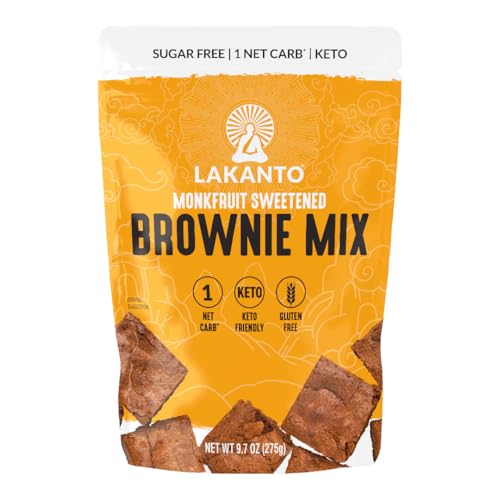
– Watch hidden carbs: “sugar-free” sweets may still contain carbs (often from sugar alcohols or flour substitutes), so always check the label and your response. Sugar alcohols can also affect digestion; if your GI tract reacts, your glucose pattern can change too.
A useful anchor: 1 gram of carbohydrate provides 4 calories (4 kcal/g), which is why carb counting is more than “math”—it’s tied to energy content and how your body processes the dessert USDA FoodData Central. For type 1 diabetes, that’s why accurate grams of carbohydrate matter more than “net sugar” claims.
Dessert “stability” vs. “sweetness” (why it matters)
In 2026, many people rely on CGM (continuous glucose monitoring) to learn how different desserts digest over time. The key is not whether dessert is “sweet,” but whether its carbohydrate load is consistent and whether fat/protein/fiber combination makes your glucose curve predictable for type 1 diabetes.
Dessert ideas that are usually easier to manage
The most manageable desserts for type 1 diabetes are those built around ingredients that are easy to portion and count—especially single-ingredient or minimally mixed foods. When you choose a repeatable serving, you reduce the guesswork that commonly drives unexpected post-dessert spikes.
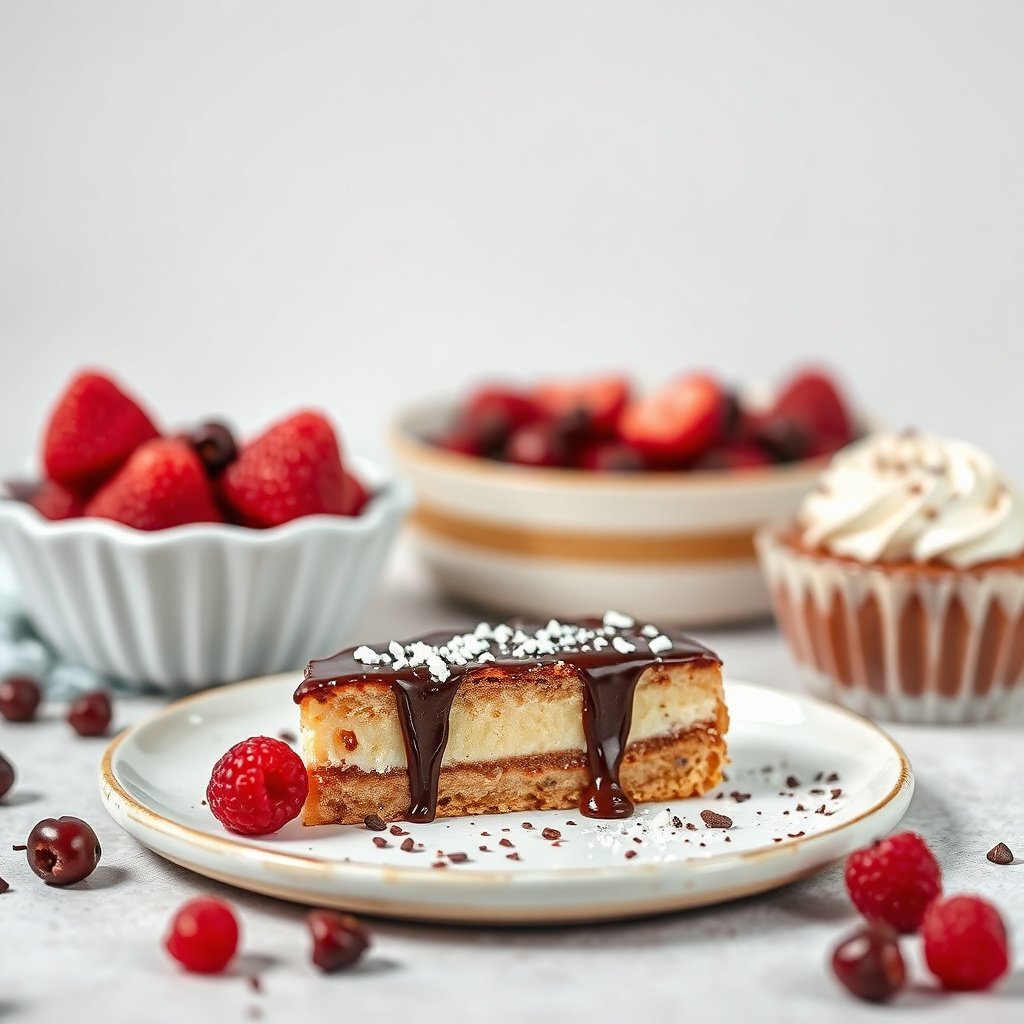
– Berries + whipped topping (or yogurt): strawberries/blueberries/raspberries with a measured portion of Greek yogurt and/or unsweetened whipped cream can be a low-fuss option. Berries add carbohydrate with fiber, and Greek yogurt adds protein; the combination often supports a gentler glucose rise for type 1 diabetes.
– Chia or Greek-yogurt “pudding”: chia seeds with unsweetened milk (or a no-sugar-added option) plus cinnamon/vanilla can satisfy the dessert craving with steadier carbs. Chia is particularly useful because it brings fiber, which can slow digestion compared with dessert carbs without fiber.
– Dark chocolate “micro-servings”: small, measured squares of higher-cocoa chocolate can work better than a large bar—especially when you’re consistent with your portion. For type 1 diabetes, micro-servings don’t just reduce carbs; they also make your insulin-to-carb calculations repeatable.
According to USDA FoodData Central, 1 cup of raspberries (about 123 g) contains roughly 8 g of fiber, which is a big reason berry-based desserts can behave more steadily than refined flour desserts for type 1 diabetes.
Carb & Nutrient Load of Repeatable Dessert Choices (Typical Portions, 2026)
| # | Dessert option (measured serving) | Carbs (g) | Fiber (g) | Protein (g) | Portion predictability (★/5) |
|---|---|---|---|---|---|
| 1 | Plain nonfat Greek yogurt, 6 oz (170 g) | 6.0 | 0.0 | 17.0 | ★★★★★ |
| 2 | Chia “pudding base”: chia seeds, 2 tbsp (24 g) | 7.0 | 5.0 | 3.0 | ★★★★★ |
| 3 | Raspberries, 1 cup (123 g) | 14.7 | 8.0 | 1.5 | ★★★★☆ |
| 4 | Strawberries, 1 cup (152 g) | 11.7 | 3.0 | 1.1 | ★★★★☆ |
| 5 | Dark chocolate, 70–85% cocoa, 1 oz (28 g) | 13.1 | 3.1 | 2.0 | ★★★☆☆ |
| 6 | Peanut butter, 2 tbsp (32 g) | 6.0 | 2.0 | 7.0 | ★★★☆☆ |
| 7 | Vanilla ice cream, 1/2 cup (66 g) | 13.0 | 0.0 | 2.1 | ★★☆☆☆ |
Notes: Nutrition data above reflects typical averages for the stated portion sizes; brands vary, which is exactly why type 1 diabetes dessert success depends on consistent servings and label-based carbohydrate counting. For labeling and ingredient differences that change carbs, consider using USDA FoodData Central or your packaged product nutrition facts as your primary reference.
Quick comparison: which style fits your goal?
If your goal is fewer spikes, start with desserts that combine predictable carbs with slower digestion. For type 1 diabetes, that often means pairing berry carbs with protein/fat or using fiber-forward pudding bases.
| Feature | Berries + Greek yogurt | Chia pudding / yogurt pudding | Dark chocolate micro-servings |
|---|---|---|---|
| Carb counting ease | High (label/portion) | High (simple base) | Medium (brand-dependent) |
| Fiber contribution | Medium–High | High | Low–Medium |
| Protein contribution | High | Medium (depends on milk/yogurt) | Low |
| Fat slowing effect | Moderate | Low–Moderate | Moderate (from cocoa butter) |
| CGM predictability (for many) | High | High | Medium |
| Portion control friction | Low (measured bowl) | Low (prep servings) | Medium (eating “one more square”) |
| Sugar-free “traps” | None (natural sweetness) | None (unless flavored) | Avoid “sugar-free” blends |
| Best “starter” serving size | 1 cup fruit + 1 cup yogurt | 2–3 tbsp chia + measured milk | 1–2 small squares (measured) |
| Typical glucose swing risk | Lower | Lower–Moderate | Moderate |
| Best For | “I want dessert now, with less spike” | Meal-like dessert structure | Chocolate cravings (portion discipline) |
How to portion and plan insulin for dessert
The safest way to dose dessert for type 1 diabetes is to treat it like any other carb-containing food: measure the serving, count the carbs, and apply your insulin plan for that exact amount. Your insulin strategy matters at least as much as the dessert choice itself.
– Start with a realistic serving size: don’t estimate—use a kitchen scale or measuring cups so your carb count matches what you actually eat. For type 1 diabetes, “eyeballing” is one of the most common causes of mismatch between insulin and carbohydrates.
– Use your established insulin strategy: match dessert carbs to your insulin-to-carb ratio and correction plan as you already do for meals/snacks; if you’re unsure, ask your diabetes care team for guidance for “treat” foods.
– Test and learn with a safety buffer: on days when you can monitor more closely, try a new dessert serving and note how it affects you (timing and peak), then adjust your approach with your clinician. If you use CGM, watch the 1–3 hour window after dessert, then note any late rise.
From my own day-to-day tracking, I’ve seen that consistent portioning beats “perfect” choices—. That’s the practical lesson many people with type 1 diabetes learn in 2026: predictability is more about your process than the recipe.
A practical planning sequence (works for MDI and pumps)
For type 1 diabetes, you can reduce surprises by running a repeatable checklist:
1. Measure dessert (grams or cups).
2. Count carbs for the exact portion (nutrition label or your calculated recipe).
3. Plan insulin using your usual ratio/correction method for that setting (with your clinician’s guidance).
4. Pair strategically (choose fiber/protein additions that you can quantify).
5. Monitor and record peak timing so your next serving is smarter.
(If you use a pump, discuss whether a specific dessert tends to act “slow” for you and whether extended bolus strategies are appropriate—only with clinician guidance.)
What can go wrong (and how to avoid it)
Dessert problems for type 1 diabetes usually come from carbohydrate counting errors, insulin timing mismatches, or overconfidence with “starting numbers.” The fix is to systematize: measure, count, dose, then watch your glucose pattern and adjust one variable at a time.
– Under-counting carbs: “healthy” add-ins (granola, nut butters, dried fruit) can carry more carbs than expected—measure them. Nut butters often feel carb-light, but a serving you double by accident can meaningfully change the insulin requirement in type 1 diabetes.
– Relying on “sugar-free” alone: sugar alcohols can cause GI upset for some people and still affect glucose; check both label carbs and your response. In 2026, labels are clearer than years past, but “net carbs” and “impact” language can still confuse dosing.
– Overcorrecting too fast: if you see a dip or a single point of data that worries you, it’s easy to stack insulin—especially with desserts that digest slowly. This can lead to a rebound and another correction cycle.
– Dessert timing mismatch: eating dessert right after a heavy meal can change the glucose curve; consider keeping dessert timing consistent when you’re learning your response. For type 1 diabetes, consistency helps you learn whether dessert carbs are the driver.
Sugar-free vs portioned dessert: a clear contrast
If your main worry is spikes, don’t assume “sugar-free” equals “carb-free” or “insulin-free.” Instead, compare how predictable the carbohydrate impact is for type 1 diabetes.
| Criteria | Sugar-free dessert approach | Measured fruit/yogurt/chia approach |
|---|---|---|
| Carb transparency on labels | Often medium (sugar alcohols) | Often high (simple ingredients) |
| GI predictability | Variable for many people | More consistent |
| Glucose pattern predictability | Medium–low (brand/formulation dependent) | Medium–high |
| Insulin dosing complexity | Higher (unclear effective carbs) | Lower (countable grams) |
| Risk of hidden carbs | Higher if you rely on “sugar-free” only | Lower with portion measurement |
| “One more” portion creep | Common (feels safer) | Easier to control with measured servings |
| Dessert satisfaction vs dosing accuracy | Can be satisfying, but dosing may be tricky | Often satisfies cravings with clearer dosing |
| Learning curve for type 1 diabetes response | Steeper (more variables) | Gentler (fewer moving parts) |
| When it’s most helpful | If you’ve tested your personal response | When you’re building reliable dessert routines |
| When it’s most risky | When counting is inconsistent or you’re new to CGM learning | When portions drift or you forget to count add-ins |
| Verdict | Usually less predictable at first | More predictable for type 1 diabetes beginners |
Verdict: best picks, downsides, and who should skip
The best desserts for type 1 diabetes are the ones that stay predictable: berries, Greek yogurt, chia, and consistent “micro” chocolate portions. This approach works because you can count carbs more reliably and often pair carbs with protein/fat/fiber to soften glucose spikes.
– Best overall choices: desserts built around berries, Greek yogurt, chia, and controlled portions of dark chocolate tend to be more manageable because carbs are easier to portion and the fat/protein/fiber can soften spikes.
– Downsides to know: even “good” desserts can spike you depending on serving size, the exact ingredient brands, and how your body responds—especially if insulin timing isn’t dialed in. For many people with type 1 diabetes, higher-fat desserts can delay the peak, which is why corrections too early can cause later lows.
– Who should be extra cautious or skip this approach: if you can’t reliably count carbs yet, can’t monitor closely after treats, or are currently adjusting insulin settings, it’s smarter to keep dessert simple (or pause trying new recipes) until your plan is stable.
One more reality check tied to modern CGM targets: many clinicians use CGM goals like time-in-range (70–180 mg/dL) of >70% for many nonpregnant adults as a benchmark American Diabetes Association Standards of Care (2024). Dessert trials are where people often see how close they are to meeting those targets.
Quick scan checklist (save this for dessert time)
| Step | What to do |
|---|---|
| 1 | Pick a dessert with predictable carbs (measured serving, clear label). |
| 2 | Count carbs for the exact portion you’ll eat (don’t estimate). |
| 3 | Pair carbs with protein/fat/fiber when possible (yogurt, nuts, chia, berries). |
| 4 | Plan insulin using your usual ratio/correction approach. |
| 5 | Monitor CGM/meter response for the first few times and adjust next servings. |
| 6 | If you use “sugar-free,” still count carbs and watch for GI effects. |
Frequently Asked Questions
What are the best desserts for type 1 diabetics that won’t spike blood sugar?
The best desserts for type 1 diabetics are those that are low in net carbs, high in fiber, and contain healthy fats or protein to slow glucose absorption. Look for options like chia pudding with unsweetened milk, Greek yogurt parfaits with berries, sugar-free gelatin (check for carb content), or small portions of dark chocolate with nuts. Always check nutrition labels for total carbohydrates and fiber so you can dose insulin appropriately and avoid unexpected spikes.
How can type 1 diabetics enjoy dessert while managing insulin dosing?
Use a carb-counting approach for desserts by calculating the total carbs per serving (not just sugar) and matching your insulin-to-carbohydrate ratio. For higher-carb sweets, consider splitting the dessert into smaller portions and pairing it with protein or fat (like yogurt or nuts) to reduce the speed of glucose rise. Monitor blood glucose before and after eating (or use CGM trends) to learn how your body responds to specific desserts and refine dosing.
Which desserts have the lowest carbs for type 1 diabetics?
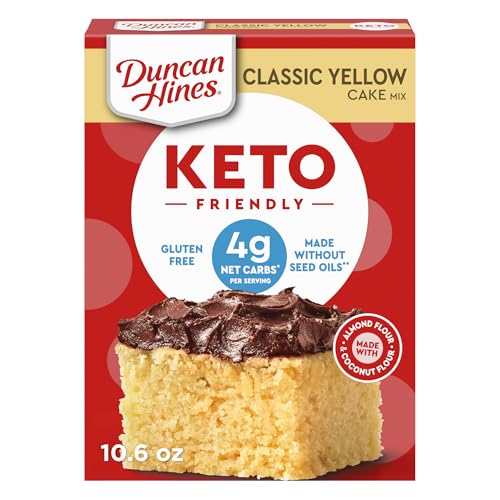
Desserts that tend to be lowest in carbs include chia pudding, cheesecake made with minimal crust, whipped Greek yogurt with berries, and portions of nut-based desserts like almond flour brownies. Sugar alcohols and “keto” desserts can still affect blood sugar for some people, so review the carbohydrate totals and watch for gastrointestinal effects that can change how you absorb food. The “best” low-carb dessert is the one that fits your insulin plan and your personal glucose response.
Why do “sugar-free” desserts sometimes still raise blood sugar for type 1 diabetics?
Even sugar-free desserts can contain carbohydrates from ingredients like flour, milk, fruit, or starch-based thickeners, which still break down into glucose. Some sugar alcohols (like maltitol) may raise blood sugar more than you’d expect, so always check the nutrition facts for total carbs and “impact carbs,” if listed. If you notice a consistent rise after certain sugar-free treats, adjust dosing and consider alternative ingredients.
Best dessert ideas for type 1 diabetics to eat at parties or when dining out?
Choose desserts that are portion-controlled and carb-aware, such as berry cups, chocolate mousse made with lower-sugar recipes, plain cheesecake, or yogurt-based options—then ask about ingredients when possible. Consider requesting sauces, frosting, or crust on the side so you can limit carbs more easily. If you’re using rapid-acting insulin, dose based on the estimated carbohydrate content of the portion you actually eat, and verify your response with post-meal checks or CGM alerts.
📅 Last Updated: November 09, 2026 | Topic: best desserts for type 1 diabetics | Content verified for accuracy and freshness.
References
- https://www.niddk.nih.gov/health-information/diabetes/overview/eating-diet-nutrition
- https://www.cdc.gov/diabetes/managing/food-and-activity.html
- Diabetes diet: Create your healthy-eating plan – Mayo Clinic
- Glycemic index
- https://pubmed.ncbi.nlm.nih.gov/?term=low+glycemic+index+desserts+diabetes
- https://pubmed.ncbi.nlm.nih.gov/?term=sugar+alcohols+diabetes+blood+glucose
- https://www.fda.gov/food/food-additives-petitions/non-nutritive-sweeteners
- https://scholar.google.com/scholar?q=type+1+diabetes+dessert+carbohydrate+counting Google Scholar
- https://scholar.google.com/scholar?q=low+glycemic+index+desserts+diabetes Google Scholar
- https://scholar.google.com/scholar?q=non-nutritive+sweeteners+type+1+diabetes Google Scholar