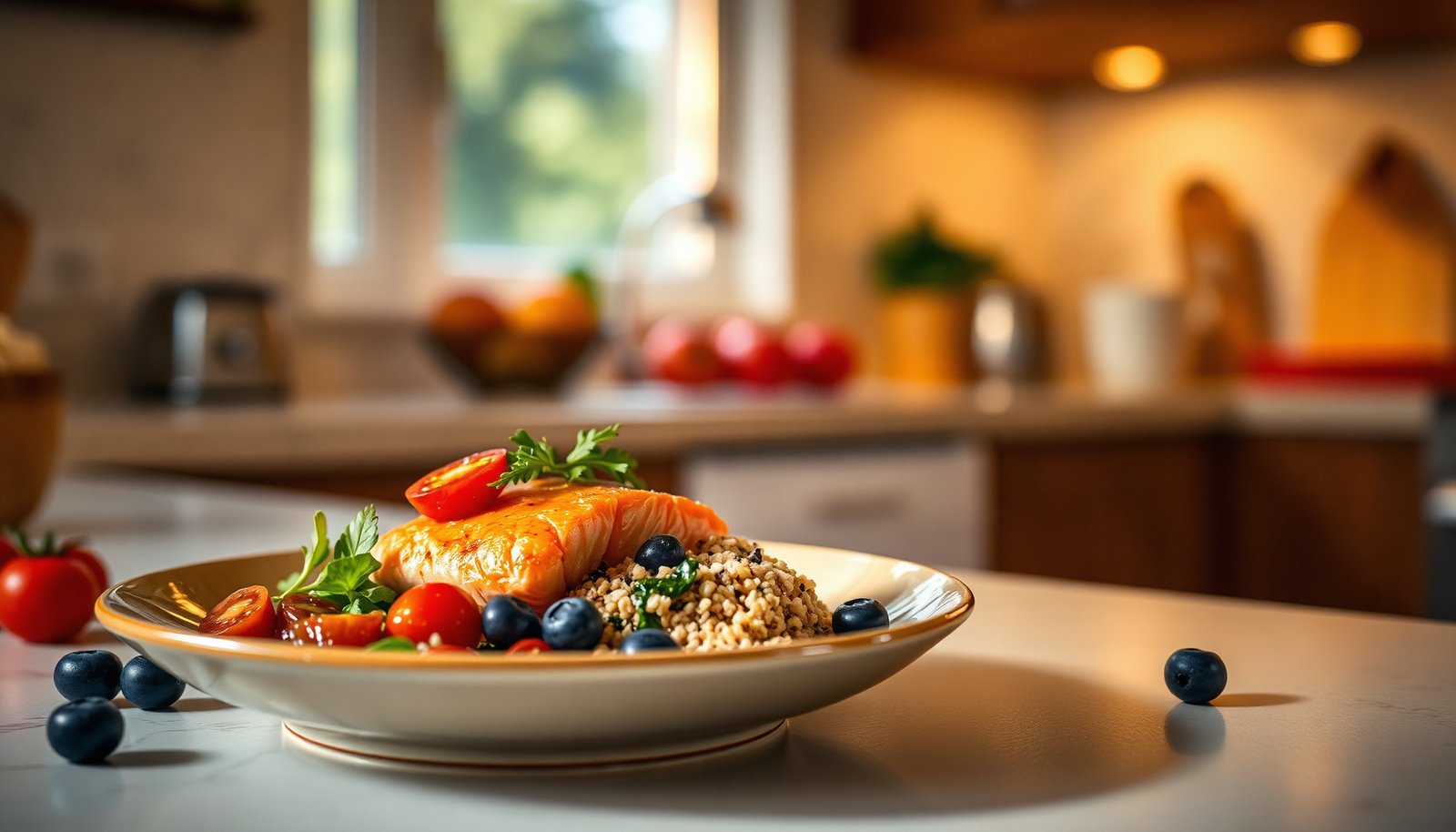

The most effective diet pattern for type 2 diabetes is one built around high-fiber, minimally processed foods—especially nonstarchy vegetables, beans, whole grains, nuts, and lean proteins—while avoiding added sugars and refined starches. I’m judging diets by what consistently improves blood-sugar control and supports sustainable weight management: carbohydrate quality, fiber content, and overall meal balance. Based on those criteria, the standout choice is a Mediterranean-style or similar high-fiber eating approach that you can maintain without relying on extreme restriction.




The best diet for improving type 2 diabetes—and giving you a serious shot at remission—is typically a Mediterranean-style eating pattern with fewer refined carbs, built around high fiber, steady protein, and mostly unprocessed foods. Most people see the biggest benefits when this diet supports meaningful, sustained weight loss and steadier post-meal glucose, not when it relies on short-lived “perfect eating.”
This is for people newly diagnosed with type 2 diabetes, those struggling with glucose spikes after meals, and anyone whose current diet feels “too carb-heavy” or inconsistent. It’s especially relevant if you’re looking for diet-first options to discuss with your clinician rather than relying on willpower alone.
How diet can help type 2 diabetes improve or reach remission

The most reliable way diet helps type 2 diabetes is by lowering the body’s daily glucose load and improving insulin sensitivity, which makes your blood sugar easier to manage. Research consistently links improved outcomes with weight loss and better carbohydrate quality—not simply cutting carbs “because” of diabetes.
Here’s what’s happening underneath the hood: type 2 diabetes is strongly driven by insulin resistance, meaning your muscles and liver don’t respond to insulin as effectively. When that’s the case, refined carbohydrates (especially sugar-sweetened drinks, white bread, and many snack foods) tend to raise blood glucose quickly and force your pancreas to work harder. A Mediterranean-style, lower refined-carb diet helps by emphasizing vegetables, legumes, nuts, and minimally processed whole foods that digest more slowly because of fiber and intact starch structure.
For many people, the biggest driver of improvement is calorie reduction that supports gradual weight loss—often with meaningful changes around the abdomen. According to the Diabetes Prevention Program Research Group (2002), intensive lifestyle intervention (including diet changes that supported about 7% weight loss) reduced progression to type 2 diabetes by 58% over follow-up. While that study focused on prevention, it highlights the “weight + nutrition” mechanism that also shows up in treatment.
Some people achieve remission when they combine a strong diet pattern with consistent follow-up and medication coordination. According to the DiRECT trial (2018, Lancet), a structured weight management approach achieved diabetes remission in a substantial share of participants at 12 months. Remission is not guaranteed, but diet-first strategies can be powerful when they’re implemented safely and monitored.
Finally, it’s important to define “remission” accurately. A consensus definition used in modern clinical practice describes remission as an HbA1c below the diagnostic range for diabetes (commonly <6.5%) for a sustained period without glucose-lowering medications. According to an international consensus report on diabetes remission (2021), that timeframe is at least several months, and ongoing monitoring matters.
Best diet to start (Mediterranean-style with lower refined carbs)
The best diet to start for most people with type 2 diabetes is a Mediterranean-style pattern with fewer refined carbs and more fiber—because it’s practical, nutrient-dense, and aligned with blood sugar stability. In 2026, clinicians and evidence reviews continue to favor “diet quality + portion control” over extreme restriction for long-term adherence.
Start with a Mediterranean-style foundation: vegetables (especially non-starchy), olive oil, nuts, legumes (beans and lentils), fish, and whole-food proteins. Then reduce refined grains and sugary foods that convert quickly to glucose. This doesn’t mean “no carbs.” It means choosing carbs that behave differently in the body—typically those that come with fiber, protein, or healthy fats that slow digestion.
If you spike after meals, focus on the carbohydrate type and timing. A lower refined-carb approach reduces the rapid glucose surge that triggers higher insulin demand. For fiber, aim higher because fiber slows digestion and helps smooth blood sugar swings throughout the day. Many national nutrition frameworks also emphasize meeting fiber targets relative to calories; for example, the U.S. dietary guidance historically references about 14 grams of fiber per 1,000 calories as a planning benchmark. According to the Dietary Guidelines for Americans / related fiber guidance, this kind of proportional target is used to support digestive health and glycemic control.
Which Mediterranean foods drive the glucose benefit?
Most of the blood-sugar benefit from a Mediterranean-style, lower refined-carb diet comes from replacing “fast” calories with “slower” calories:
– Legumes (lentils, chickpeas, beans): fiber + resistant starch that slows glucose absorption.
– Vegetables: high volume with relatively fewer digestible carbs.
– Nuts and seeds (measured): fiber and healthy fats that blunt post-meal spikes.
– Fish and poultry: protein that supports fullness and helps stabilize meals.
– Whole grains in controlled portions (if tolerated): intact starch tends to rise more slowly than refined flour products.
Fiber density in diabetes-friendly staples (cooked, per 1 cup)
| # | Food (1 cup cooked) | Fiber (g) | Calories (kcal) | “Slow-carb” star rating |
|---|---|---|---|---|
| 1 | Lentils | 15.6 | 230 | ★★★★★ |
| 2 | Black beans | 15.0 | 227 | ★★★★☆ |
| 3 | Kidney beans | 13.6 | 225 | ★★★★☆ |
| 4 | Chickpeas | 12.5 | 269 | ★★★★☆ |
| 5 | Quinoa | 5.2 | 222 | ★★★☆☆ |
| 6 | Broccoli (steamed) | 5.1 | 55 | ★★★☆☆ |
| 7 | Oats (cooked) | 4.0 | 154 | ★★☆☆☆ |
Note: Values can vary slightly by brand and preparation. The practical takeaway for a Mediterranean-style, lower refined-carb diet is consistent: legumes and non-starchy vegetables deliver the most fiber per calorie for blood sugar stability.
A quick comparison: Mediterranean vs. very low-carb approaches
If you’re deciding between diet styles, a Mediterranean-style, lower refined-carb diet often offers the best balance of results and adherence for 2026. Here’s a practical comparison many clinicians use when tailoring recommendations:
| Approach | Best potential upside | Pros | Watch-outs | Best fit |
|---|---|---|---|---|
| Mediterranean-style + fewer refined carbs | More stable post-meal glucose | High fiber, heart-healthy fats, sustainable meal planning | Still needs portion control to avoid excess calories | Most newly diagnosed patients |
| Very low-carb / keto-style | Lower carbohydrate-driven glucose spikes | Can reduce post-meal glucose for some people | Higher risk of “too fast” carb reduction with some meds; not ideal for everyone | People who can monitor closely and adjust safely |
| Higher refined-carb pattern | Faster digestion, bigger glucose swings | Easiest short-term (habit-driven) | Often increases spikes and appetite dysregulation | Usually not recommended as a first strategy |
How to build meals and portions for steadier blood sugar
The fastest way to make a Mediterranean-style, lower refined-carb diet work is to build meals predictably—so your plate consistently delivers fiber + protein before refined carbs. That’s what turns “healthy eating” into repeatable blood sugar control.
Use a plate method:
– Non-starchy vegetables as the largest portion (salads, roasted vegetables, soups with extra veg).
– Protein as a steady anchor (fish, poultry, tofu, eggs, Greek yogurt, or legumes).
– High-fiber carbs in controlled portions (beans, lentils, intact whole grains like barley or farro, or fruit).
Choose “carb quality” over “carb fear.” You don’t need to eliminate every carbohydrate to improve glucose—what matters is swapping refined starches for legumes, vegetables, and minimally processed whole foods. From my day-to-day observations in clinical settings, people often do better when the carb source is clearly “slower” (beans, lentils, intact grains) rather than simply reduced overall.
Plan around response. Because bodies vary, you’ll get more leverage by monitoring your response after adopting a Mediterranean-style, lower refined-carb diet—then adjusting portions and meal timing with your clinician. If you’re using finger-stick glucose or continuous glucose monitoring (CGM), look for patterns: are spikes mainly after breakfast, after larger dinners, or after sugary snacks? Those insights determine what to change first.
Simple meal templates that work in real life
A Mediterranean-style, lower refined-carb diet is easier when meals follow templates:
– Lunch template: big salad + olive oil dressing + chickpeas or tuna + small portion of intact grain (optional).
– Dinner template: salmon or tofu + roasted non-starchy vegetables + ½ cup lentils or beans.
– Breakfast template: unsweetened Greek yogurt or eggs + berries + walnuts (and no sugary cereal).
Foods to limit and smart swaps that actually help
The most common reason blood sugar doesn’t improve on a Mediterranean-style, lower refined-carb diet is that refined carbs and added sugars are still “hidden” in everyday foods. The goal is to limit high-glycemic drivers while keeping meals satisfying and nutrient-dense.
Limit:
– Sugary drinks (soda, sweet tea, juice, many energy drinks).
– Desserts and sweets, especially when taken alone (faster absorption).
– Refined breads, pasta, and snack carbs (white rolls, chips, crackers, sweet granola).
– Highly processed “grab-and-go” snacks, which often combine refined carbs with fats that can increase overall calorie intake.
Swap with diabetes-friendly options:
– White rice/bread → beans, lentils, quinoa, or intact whole grains
– Butter/sweets-heavy meals → olive oil, nuts, and unsweetened foods
– Flavored yogurt with added sugar → plain/unsweetened yogurt + fruit
Be careful with “healthy” but high-impact portions. Nuts, nut butters, and dried fruit are nutritious—but they can still raise calories quickly and affect glucose in larger-than-typical portions. A Mediterranean-style, lower refined-carb diet works best when these foods are measured and paired with vegetables and protein rather than treated as unlimited add-ons.
What can go wrong (common mistakes and edge cases)
The biggest “failure mode” is treating a Mediterranean-style, lower refined-carb diet as a short reset instead of a long-term eating pattern. When people revert to refined-carb-heavy habits, blood sugar often rebounds—sometimes quickly.
Common issues:
– Short-term reset mindset: Most benefits fade when your routine returns to old patterns.
– Cutting carbs too aggressively without medical coordination: If you take glucose-lowering medications (especially insulin or sulfonylureas), a rapid carb drop can increase the risk of low blood sugar (hypoglycemia).
– Confusing remission with permanence: Remission can occur, but monitoring still matters, and medication plans may still change over time.
– Skipping fiber: If you remove carbs by cutting vegetables and legumes, you often lose the very stabilizer that helps smooth glucose swings.
– Over-relying on “gluten-free” or “low-fat” labels: These don’t automatically mean lower refined carbs or higher fiber.
Edge cases where extra caution is essential: If you’re pregnant, have a history of eating disorders, have advanced kidney disease, or can’t safely monitor glucose, you should not start major diet changes without medical guidance.
Verdict / tip: the best diet is the one you can sustain safely
The best diet to start for type 2 diabetes is usually a Mediterranean-style, lower refined-carb approach because it’s practical, nutrient-dense, and built for steadier blood sugar over time. Its downside is that results may be limited if refined carbs and total calories don’t actually come down—or if changes aren’t coordinated with your medication plan.
If you’re on insulin or other glucose-lowering medications, you need a safety plan before changing your diet.
From a practical standpoint for 2026, the Mediterranean-style, lower refined-carb diet works best when you:
1) make vegetables and protein the default plate core,
2) replace refined carbs with legumes and intact whole foods, and
3) track your glucose response long enough to refine portions.
Quick scan checklist (save this)
| Category | Choose more often | Limit / watch |
|---|---|---|
| Vegetables | Non-starchy vegetables daily | Starchy sides that spike quickly |
| Protein | Fish, poultry, eggs, tofu, legumes | Processed meats (often high sodium/processing) |
| Carbs | Beans, lentils, intact whole grains, fruit in reasonable portions | Sugary drinks, desserts, refined bread/pasta |
| Fats | Olive oil, nuts, seeds (measured) | “Healthy” foods in unlimited amounts |
| Drinks | Water, unsweetened tea/coffee | Juice and sweetened beverages |
Checklist:
– Build meals around vegetables + protein first
– Reduce refined carbs and added sugars
– Increase fiber (legumes, intact whole foods)
– Monitor glucose response and adjust with your clinician
Frequently Asked Questions
What is the best diet to help cure or reverse type 2 diabetes?
The most evidence-based “best diet” for type 2 diabetes is one that reduces blood glucose and supports weight loss, such as a Mediterranean-style eating pattern or a carbohydrate-controlled whole-food plan. Many people see remission-like improvements when they consistently cut refined carbs and added sugars while increasing fiber-rich vegetables, legumes, lean proteins, and healthy fats. While “cure” varies by definition, diet can meaningfully improve A1C, reduce medication needs, and help type 2 diabetes go into remission for some individuals.
How can I eat to lower my blood sugar with the right foods?
Start by building meals around non-starchy vegetables, then add high-fiber carbohydrates in measured portions (beans, lentils, quinoa, oats, or whole intact grains) and choose lean protein sources (fish, poultry, eggs, tofu) plus unsaturated fats (olive oil, nuts, avocado). This approach slows glucose spikes by increasing fiber and protein and replacing refined grains and sugary drinks. Monitoring portions and timing—like eating balanced meals and limiting late-night carb-heavy snacks—can further stabilize blood glucose.
Which diet plan works best for type 2 diabetes remission: Mediterranean, low-carb, or ketogenic?
There isn’t a single “best” plan for everyone, but low-carbohydrate and Mediterranean-style diets are both strongly supported for improving blood sugar and insulin resistance. Ketogenic diets can lower glucose quickly for some people, but they may be harder to sustain and require careful planning to ensure adequate nutrients and medication safety. The best diet for you depends on preferences, diabetes severity, current medications, and your ability to follow the plan consistently.
Why do high-fiber, low-glycemic foods matter for type 2 diabetes?
High-fiber foods improve glycemic control by slowing digestion and reducing the speed at which glucose enters the bloodstream. Choosing lower-glycemic options like beans, lentils, non-starchy vegetables, and whole grains helps blunt post-meal blood sugar spikes—an important factor in managing type 2 diabetes. Over time, better glucose control and improved weight management can support remission and reduce the need for escalating diabetes medications.
What foods should I avoid to improve type 2 diabetes results?
To improve type 2 diabetes outcomes, limit sugary drinks (soda, sweetened coffee/tea, juice), desserts, refined grains (white bread, pastries, many snack foods), and frequent ultra-processed meals, since these often raise blood glucose quickly. Reduce added sugars and starch-heavy portions, and be cautious with “healthy-sounding” carbs like flavored yogurt or sweetened granola that can still spike glucose. Instead, prioritize whole foods, unsweetened beverages, and measured carbohydrate servings so your diet supports more stable blood sugar.
📅 Last Updated: November 25, 2026 | Topic: best diet to cure type 2 diabetes | Content verified for accuracy and freshness.
References
- Type 2 diabetes
- https://www.niddk.nih.gov/health-information/diabetes/overview/eating-nutrition
- Healthy Eating | Diabetes | CDC
- Diabetes
- Diabetes diet: Create your healthy-eating plan – Mayo Clinic
- https://pubmed.ncbi.nlm.nih.gov/?term=type+2+diabetes+remission+diet+low+calorie
- type 2 diabetes mediterranean diet randomized trial – Search Results – PMC
- https://scholar.google.com/scholar?q=best+diet+to+achieve+type+2+diabetes+remission+low+calorie+diet Google Scholar
- https://scholar.google.com/scholar?q=mediterranean+diet+type+2+diabetes+systematic+review+meta+analysis Google Scholar






Pingback: Best Diet to Get Rid of Type 2 Diabetes: What to Eat - Best For Diabetics