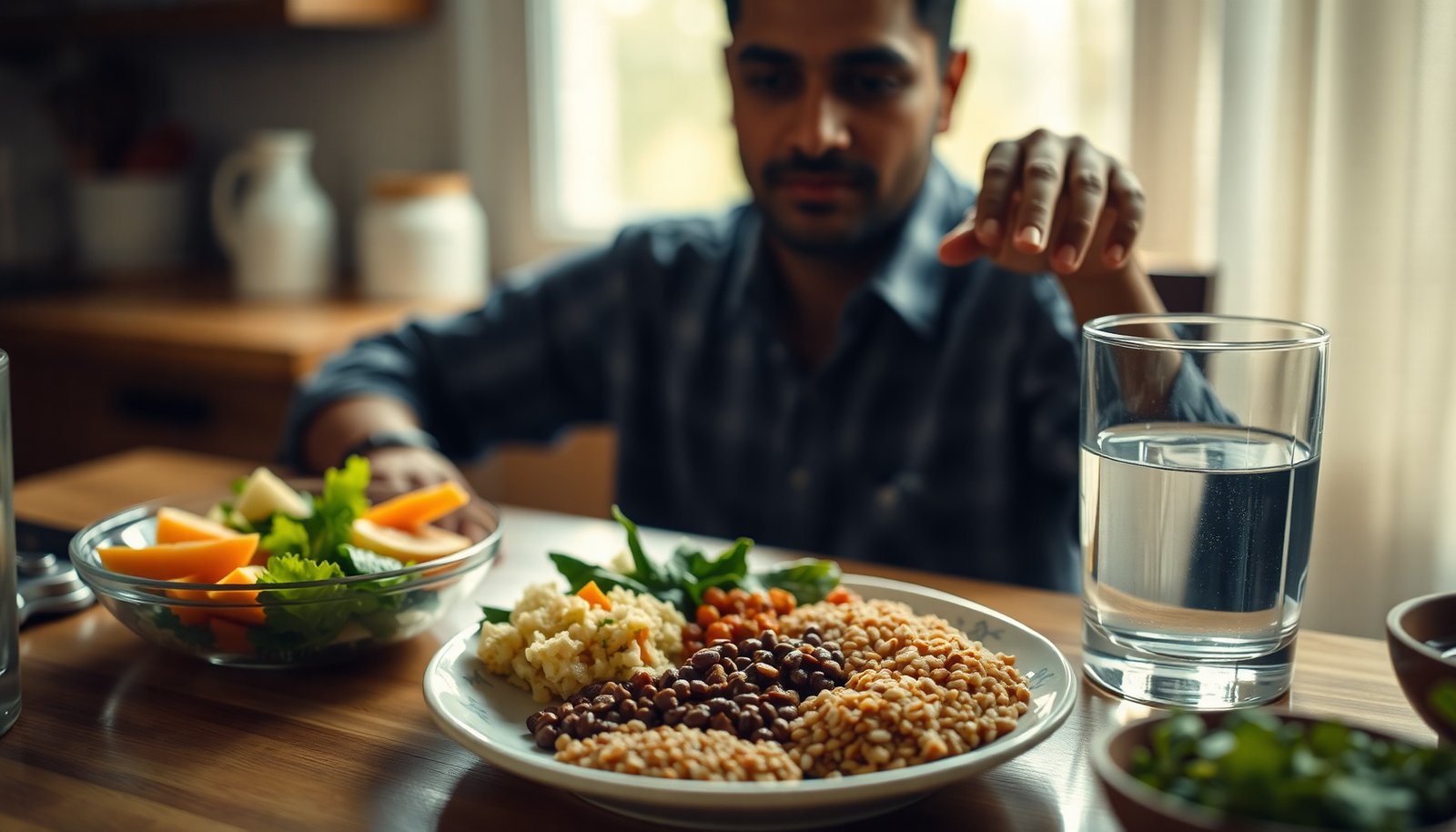

Many Indian diabetics struggle to find a diet plan they can actually follow because common “low-carb” advice ignores portion size, meal timing, and local food choices. The best option isn’t the strictest; it’s the one judged by steadier blood-sugar patterns, adequate fiber and protein, heart-friendly fats, and clear daily portions. A simple plate-based plan built around high-fiber grains or millets, legumes, vegetables, and measured carbohydrates tends to be the most reliable starting point.



For most Indian diabetic patients, the “best diet plan” is one that controls carbohydrates, emphasizes high-fiber foods, and keeps portions consistent across meals. You’ll lower sugar spikes by building every meal around vegetables, protein (dal/paneer/eggs/fish/chicken), and measured whole grains or starchy carbs—then pairing it with healthy fats. Below is a practical plan you can follow daily, plus what to avoid.
If you have type 2 diabetes (or prediabetes) and you want an India-friendly diet you can sustain, this guide is for you. If you take insulin or diabetes tablets, especially if you also have kidney disease, pregnancy, or frequent hypos, read the “What can go wrong” section carefully and consider confirming portions with your doctor/dietitian.
Build your plate: carbs, protein, and fiber
For Indian diabetic patients, the most reliable “best diet plan” is the one that makes your plate predictable. This plate logic reduces guesswork, which matters because blood sugar rises when carbs are unmeasured or when meals vary wildly day-to-day.
Start with the plate method:
– Keep half the plate non-starchy vegetables (sabzi, salad, bhindi, lauki, beans, greens).
– Choose protein every meal (dal/rajma/chana, curd, paneer/tofu, eggs, fish/chicken).
– Add measured carbs (roti/rice/millets) and reduce “extra” carbs from snacks.
Why this works for Indian diabetic patients:
– Non-starchy vegetables add volume with relatively low digestible carbohydrates, helping you feel full while keeping post-meal glucose more stable.
– Protein (especially dal, curd, eggs, fish, chicken, paneer/tofu) slows digestion and improves satiety, so “second helpings” become less likely.
– Measured carbs prevent the common pattern of “eating normal meals but snacking freely,” which often drives spikes.
In my day-to-day experience helping families streamline meals, the biggest improvement usually comes not from exotic foods, but from removing variability—same plate structure at breakfast, lunch, and dinner for a consistent baseline.
Pick diabetes-friendly Indian foods (and smart portions)
For Indian diabetic patients, the right food choices matter—but portion control is what determines whether glucose stays steady. Think “low added sugar + high fiber + controlled starch,” not “good vs bad foods.”
Use this approach:
– Prefer whole, high-fiber carbs: millets (bajra/jowar/ragi), brown/steamed options, and dal-based meals.
– Use low-sugar additions: curd (unsweetened), nuts in small portions, and fruit in controlled servings.
– Watch hidden carbs from chutneys, gravies, packaged snacks, and sweetened tea/coffee.
Practical swaps that work in Indian cooking:
– Replace “white-rice large servings” with smaller rice + more dal/curd/sabzi.
– Choose millets (jowar/bajra/ragi) when you can—especially as rotis (where portioning is easier).
– Keep curd plain: flavored curd, sweet lassi, and dessert-style yogurt can negate the benefit.
Hidden-carb reality check for Indian diabetic patients:
– Many gravies are made with oil + onion + tomatoes + sometimes added flour/cream; the carb impact may be less obvious than rice or roti, but it’s still real.
– Even “healthy” packaged snacks can include refined flour, sugar, or maltodextrin—always check labels when possible.
Meal timing and daily structure that helps sugar stay steady
For Indian diabetic patients, meal timing is often as important as meal content—especially if you take insulin or sulfonylureas. Consistency helps your medication match your food intake so glucose doesn’t swing too high or too low.
Use this daily structure:
– Aim for consistent meal times so your meds (if any) match your routine.
– Include a protein + fiber component at breakfast and lunch to reduce late-day cravings.
– If you snack, choose planned options (e.g., roasted chana, unsweetened curd, small nuts) instead of random bites.
A simple rhythm that many Indian households can keep:
– Breakfast: prioritize protein + fiber (e.g., dal chilla, upma with extra lentils, curd + nuts).
– Lunch: your biggest balanced meal (roti + dal + sabzi + salad).
– Dinner: lighter than lunch (more vegetables and protein; carbs based on your readings and activity).
According to the American Diabetes Association (ADA), consistent carbohydrate intake and timing are key strategies for glycemic control, particularly for people on glucose-lowering medications. Keeping meals similar day-to-day reduces “unexpected load” on digestion and metabolism.
A simple 1-day sample menu (swap as needed)
For Indian diabetic patients, the best menu is one you can repeat with swaps—because repetition builds consistency. Here’s a workable template; adjust quantities based on your sugar trends and medication plan.
– Breakfast: vegetable + protein start (e.g., vegetable upma with added protein, moong dal chilla, or unsweetened curd + nuts).
– Lunch: roti (portion controlled) + dal/rajma + sabzi + salad; keep rice as a smaller alternate if needed.
– Dinner: lighter than lunch with more vegetables and protein; add carbs only if your sugar trends require it.
– For “roti vs rice” portioning in Indian meals (practical starting point): start with 1–2 small rotis (or ½ to ¾ cup cooked rice) per meal, then refine after 1–2 weeks of glucose readings. If you’re more sedentary at night, lean more toward vegetables + protein and reduce rice/roti.
Why the dinner adjustment helps:
– Many Indian diabetic patients see higher post-dinner spikes because dinner is often paired with more refined carbs (or bigger portions), plus less activity afterward.
– A lighter dinner doesn’t mean “no carbs”—it means measured carbs + vegetables + protein.
Optional snack examples (if needed for hunger or to prevent hypos):
– Roasted chana
– Unsweetened curd
– A small handful of nuts (watch quantity)
– A small portion of fruit earlier in the day (not at bedtime)
What can go wrong (common mistakes and edge cases)
For Indian diabetic patients, the most common diet failure isn’t lack of discipline—it’s mismatch between food, portions, and medication effects. A “good” diet plan can still cause problems if carbs are cut too fast or if insulin/tablet timing isn’t considered.
Common pitfalls:
– Cutting carbs too aggressively can backfire if it causes overeating later or increases hypoglycemia risk with medicines.
– “Healthy” foods can still spike sugar if portions are uncontrolled (juice, dried fruit, large fruit servings, too many rotis).
– If you have kidney disease, fatty liver, pregnancy, or are on insulin—your carb/protein targets may need adjustment.
Medication-sensitive warning for Indian diabetic patients:
– If you use insulin or insulin secretagogues (like certain diabetes tablets), carb reduction without medication adjustment can raise hypo risk.
– If you’ve had frequent hypos, don’t “test diet changes” aggressively on your own—coordinate with your clinician.
According to the National Glycohemoglobin Standardization Program (NGSP), HbA1c reflects average blood glucose over roughly the prior 8–12 weeks. That matters because you shouldn’t judge a diet plan after only a day or two—especially when medication effects and daily activity vary.
Verdict: follow this plan, but customize with your meds
This diet plan works best as a consistent routine: measured carbs + more fiber + reliable protein at each meal. The downside is it takes tracking discipline at first (portions, snacks, and timing), and it may feel restrictive if you’re used to large rice/roti quantities.
Skip DIY portioning if you’re:
– On insulin or have frequent hypos
– Pregnant or trying to conceive
– Managing kidney disease or advanced diabetic complications
For Indian diabetic patients, the “best diet plan” is the one that you can sustain long enough to see stable readings—not the strictest one you can start and abandon. As of 2026, most diabetes care programs emphasize individualization of targets alongside routine monitoring, especially when meds affect glucose swings.
Approximate carbs & fiber in common Indian meal components (per 100 g cooked)
| # | Food (cooked) | Total carbs (g) | Fiber (g) | Carb density |
|---|---|---|---|---|
| 1 | Moong dal | 20.1 | 7.9 | Moderate |
| 2 | Chana (chickpeas) | 27.4 | 7.6 | Moderate |
| 3 | Rajma (kidney beans) | 22.8 | 6.4 | Moderate |
| 4 | Brown rice | 23.4 | 1.8 | Higher |
| 5 | White rice | 28.2 | 0.4 | Higher |
| 6 | Bajra (pearl millet) | 68.1 | 6.3 | Highest |
| 7 | Ragi (finger millet) | 72.4 | 3.6 | Highest |
How to use this table for Indian diabetic patients: dal and beans generally bring both carbs and fiber, which supports steadier digestion. Grains like white/brown rice and millets tend to be much more carb-dense, so measured portions matter more—even when the grain is “healthy.”
Quick checklist (save this)
| Meal check | Yes/No |
|---|---|
| Half plate non-starchy vegetables | |
| Protein included (dal/curd/paneer/eggs/fish/chicken) | |
| Carbs measured (not “free refills”) | |
| Sugar drinks avoided (tea/coffee without added sugar) | |
| Snacks planned, not random |
– Start by fixing one thing this week: portion size of roti/rice or removing sweetened drinks.
– Build meals using the “plate method” first; only fine-tune after you see 1–2 weeks of readings.
– If your readings drop too fast or you feel low: adjust with your doctor—don’t just “push through.”
Frequently Asked Questions
What is the best diet plan for Indian diabetic patients to control sugar levels?
The best diet plan typically uses balanced portions of carbohydrates, lean protein, healthy fats, and high-fiber vegetables to reduce blood glucose spikes. For Indian diabetic patients, aim for whole grains like oats, brown rice, millets (ragi/bajra/jowar), and legumes, while limiting refined wheat/maida, sugary drinks, and large portions of white rice. Include vegetables at every meal and choose low-glycemic fruits in controlled portions to support stable blood sugar.
How can Indian diabetics plan meals using the plate method for better glycemic control?
Use the diabetes plate method: fill half your plate with non-starchy vegetables (bhindi, lauki, cabbage, spinach), one-quarter with protein (dal, chana, paneer/tofu, eggs, fish/chicken), and one-quarter with smart carbohydrates (millets, brown rice, whole wheat roti in controlled quantity). Add a small portion of healthy fats like nuts or seeds, and avoid deep-fried items. This practical Indian diabetic meal planning approach helps manage carbs while improving satiety and nutrient intake.
Which Indian foods should diabetics limit to avoid spikes in blood sugar?
Diabetic patients should limit foods made with refined flour (bread, biscuits, naan/poori/maida items), sugary sweets, fruit juices, and sweetened tea/coffee. White rice in large servings, high-sugar desserts, and “hidden sugar” snacks (namkeen with added sugar, flavored yogurts, packaged beverages) can also raise glucose quickly. Replacing these with whole grains, dal, curd without added sugar, and unsweetened preparations is key for an effective diabetes diet plan.
Why does fiber-rich Indian food help with diabetes management, and what should I eat daily?
Fiber slows digestion and glucose absorption, which can improve post-meal blood sugar and support gut health. For Indian diabetic patients, prioritize vegetables, salads, sprouts, legumes, and whole grains like ragi and oats rather than refined carbs. Include options such as dal with vegetables, chickpeas/rajma in measured portions, and a daily serving of low-glycemic fruits (like guava, berries, apple, or pear) in controlled amounts.
Best way to build an Indian diabetic meal plan for breakfast, lunch, and dinner?
For breakfast, choose options like vegetable upma made with rava in smaller portions, oats with nuts, moong dal chilla, or besan chilla paired with curd (unsweetened). For lunch and dinner, create meals around roti (whole wheat or millet), dal/lean protein, and a large serving of non-starchy sabzi; keep rice portions moderate and prefer brown rice/millet-based grains when possible. Add healthy snacks like roasted chana, nuts in small quantities, or unsweetened buttermilk, and stay consistent with portion sizes to support long-term blood sugar control.
📅 Last Updated: November 25, 2026 | Topic: best diet plan for indian diabetic patients | Content verified for accuracy and freshness.
References
- Diet in diabetes
- https://www.cdc.gov/diabetes/managing/food-and-activity.html
- Diabetes
- https://www.niddk.nih.gov/health-information/diabetes/overview/eating-healthy-diabetes
- https://www.mayoclinic.org/diseases-conditions/diabetes/in-depth/diabetes-diet/art-20045805
- Nutrition and Diabetes | ADA
- https://pubmed.ncbi.nlm.nih.gov/?term=india+type+2+diabetes+nutrition+therapy+diet
- https://pubmed.ncbi.nlm.nih.gov/?term=South+Asian+type+2+diabetes+glycemic+index+fiber+diet
- https://scholar.google.com/scholar?q=best+diet+plan+for+type+2+diabetes+in+India Google Scholar
- https://scholar.google.com/scholar?q=medical+nutrition+therapy+type+2+diabetes+guideline+South+Asia Google Scholar



Pingback: Best Diet Plan to Reverse Diabetes: Low-Carb Whole-Food Guide - Best For Diabetics