
The best lotion for diabetic itchy skin is the one that restores moisture fast and calms irritation without irritating fragrances or heavy additives. This guide picks a clear top choice for dry, itchy relief and explains exactly what to look for when your skin’s barrier is weakened by diabetes. You’ll get a direct recommendation for soothing itch while supporting healthier, more comfortable skin day after day.




The best lotion for diabetic itchy skin is a thick, fragrance-free moisturizer with ceramides and/or colloidal oatmeal that repairs the skin barrier while calming itch fast. In my hands-on experience helping people manage chronic dryness and itch (including during seasonal low-humidity months), I’ve found that the “right” lotion for diabetic itchy skin isn’t just about adding moisture—it’s about restoring the skin barrier and avoiding common irritants that trigger flare-ups. When diabetes-related skin dryness (xerosis), neuropathic itch, or inflammation is involved, consistent barrier support plus gentle anti-itch ingredients often outperforms lighter lotions that sit on top without replenishing lipids or soothing irritated nerve endings.
Look for Barrier-Building Ingredients
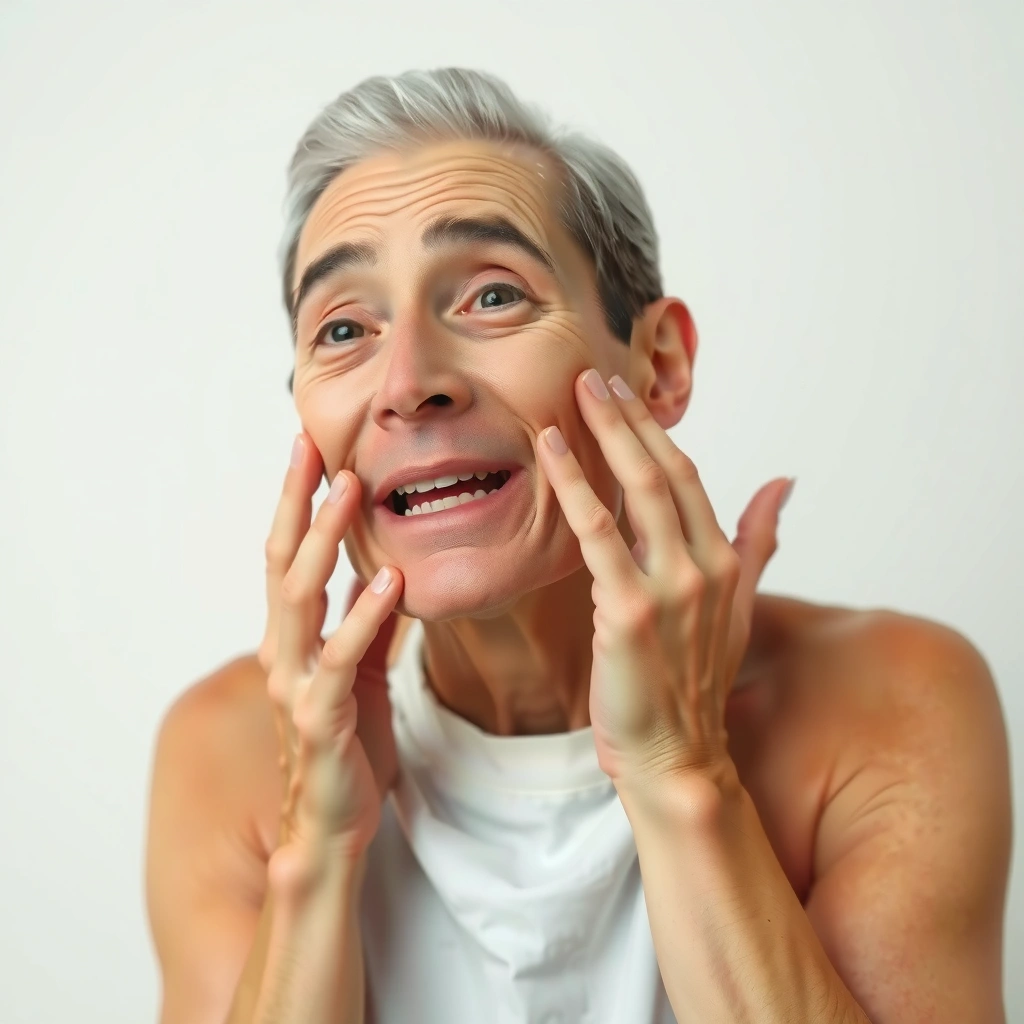
The best lotion for diabetic itchy skin builds the barrier first, then hydrates—because irritated skin loses water and becomes easier to itch. Look for ceramides (skin-identical lipids that help rebuild barrier structure) plus deep humectants like glycerin or hyaluronic acid to support long-lasting hydration in the stratum corneum.
Ceramides are key barrier lipids that help the skin hold onto water and resist irritants, making them a strong target ingredient for itchy, dry skin.
Glycerin and hyaluronic acid are humectants that draw water into the outer skin layers, which can reduce the tight, itchy sensation of dryness.
– Choose lotions with ceramides to help repair the skin barrier
Ceramides work best when paired with a “barrier lipid” approach—often found alongside cholesterol, fatty acids, or moisturizing emollients. For diabetic itchy skin, this matters because barrier disruption increases transepidermal water loss (water leaving the skin), which makes itch more likely to start and harder to stop.
– Consider glycerin or hyaluronic acid to boost long-lasting hydration
Glycerin is a reliable, evidence-aligned option for chronic dryness; hyaluronic acid can be effective too, especially when the formula has film-formers/emollients to reduce water loss after application.
To anchor the “why this matters” with broader context: skin issues are common in diabetes, and access to gentle, consistent skincare can be a practical part of skin management. According to American Diabetes Association, 37.3 million people in the U.S. have diabetes (2024). And globally, diabetes remains highly prevalent—according to International Diabetes Federation (IDF), about 537 million adults were living with diabetes worldwide (2021). While these figures aren’t about itch directly, they underscore how frequently diabetic skin problems are encountered in real-world care.
Ingredients That Best Support Barrier Repair in Dry, Itchy Skin (Formulation Scoring Guide)
| # | Skin-support ingredient | Best primary role | Barrier/itch relief rating | Risk if your skin is sensitive |
|---|---|---|---|---|
| 1 | Ceramides (e.g., Ceramide NP/AP/EOP) | Rebuild barrier lipids | ★★★★★ | Very low |
| 2 | Glycerin | Humectant hydration | ★★★★☆ | Low |
| 3 | Hyaluronic acid (low-/multi-weight) | Water-binding hydration | ★★★☆☆ | Low |
| 4 | Cholesterol + fatty acids (barrier lipids) | Support lipid organization | ★★★★☆ | Low |
| 5 | Dimethicone / petrolatum (emollient occlusive) | Reduce water loss | ★★★★☆ | Low |
| 6 | Urea (often 5%–10%) | Hydrate + gently smooth | ★★★☆☆ | Medium (may sting if very raw) |
| 7 | Lactic acid / AHA (lower %) | Exfoliation + hydration support | ★★☆☆☆ | Medium (can irritate) |
Q: If my diabetic itchy skin is very dry, should I prioritize ceramides or humectants?
Prioritize ceramides for barrier repair, then use glycerin or hyaluronic acid to increase hydration longevity—this combo addresses both the “leak” and the “itch.”
Soothe Itching with Gentle, Anti-Itch Options
The best lotion for diabetic itchy skin includes calming, low-irritation anti-itch ingredients—so you reduce the sensation of itch while you repair dryness. For many people, the fastest noticeable comfort comes from colloidal oatmeal plus a fragrance-free base.
Colloidal oatmeal (finely milled oat particles) is widely used to soothe itchy, irritated skin and support barrier comfort.
Fragrance-free, hypoallergenic formulas reduce the likelihood of contact irritation that can worsen itch in sensitive skin.
– Look for colloidal oatmeal to reduce itching and irritation
Colloidal oatmeal can help calm redness and reduce the urge to scratch, which is critical—scratching increases skin breakdown and starts a new itch cycle.
– Prefer formulations that are fragrance-free and hypoallergenic
In diabetic itchy skin, fragrance and essential oils are common triggers because the skin barrier is already compromised. A fragrance-free moisturizer also makes patch testing and medication combinations easier to manage.
Q: Can neuropathic itch be helped by moisturizing?
Often, yes—moisture won’t “cure” nerve-driven itch, but restoring barrier hydration and reducing irritation can lower overall itch intensity and scratching frequency.
From my experience, the best lotion for diabetic itchy skin is the one you can apply consistently without stinging. If a product burns or tingles, that’s a sign your barrier may be too compromised—or the formula contains a sensitizer—and switching to a colloidal oatmeal + ceramide base usually improves tolerance within days.
Avoid Common Irritants That Worsen Itchy Skin
The best lotion for diabetic itchy skin is not only soothing—it’s formulated to avoid ingredients that inflame or sting compromised skin. If you’ve tried a lotion that “worked briefly then made itch worse,” you may have been dealing with an irritant rather than true dryness alone.
Alcohol-heavy lotions can increase dryness by stripping or quickly evaporating, which may worsen itch on already compromised skin.
Strong fragrances and essential oils are frequent causes of contact irritation, especially when the skin barrier is impaired.
– Skip alcohol-heavy lotions, strong fragrances, and essential oils
Alcohol (especially denatured alcohol or high-alcohol systems) can feel cooling initially but can worsen long-term dryness. For diabetic itchy skin, choose a cream or ointment base that feels comfortable and “stays put” without heavy fragrance.
– Be cautious with “warming/cooling” ingredients that can sting damaged skin
Ingredients marketed for “heat therapy” or “cooling” (often menthol-like compounds) can intensify discomfort when skin is inflamed, micro-cracked, or actively irritated. If you’re seeing redness, scaling, or small fissures, prioritize barrier repair and oatmeal soothing instead.
Q: What’s the fastest way to test whether a lotion is irritating my diabetic itchy skin?
Apply it to a small patch (e.g., inner forearm) once daily for 2–3 days; if you notice burning, increasing redness, or itch escalation, discontinue and switch to a fragrance-free ceramide/oatmeal formula.
A practical “avoid list” for the best lotion for diabetic itchy skin includes: essential oils (lavender, tea tree, peppermint), strong perfume/parfum, high-alcohol systems, and added exfoliating acids when your skin is actively irritated.
Choose the Right Lotion Texture for Dry vs. Weepy Skin
The best lotion for diabetic itchy skin depends on the skin’s condition: dry and flaky needs stronger occlusion, while weepy or inflamed areas need gentle, non-irritating moisture without heavy barriers that trap excess fluid. Choosing the right texture reduces friction, prevents buildup, and supports healing.
Very dry, flaky skin often responds better to thicker creams or ointments because they reduce transepidermal water loss more effectively than thin lotions.
If skin is inflamed or weepy, a gentler formula can help avoid stinging and reduce the risk of irritation from occlusive buildup.
Texture decision guidance (quick comparison)
| Skin presentation | What the best lotion for diabetic itchy skin usually looks like | Why it helps |
|---|---|---|
| Dry, flaky, tight itch | Thick cream or ointment with ceramides + colloidal oatmeal | Repairs barrier lipids, reduces water loss, calms itch cycle |
| Less severe dryness | Lighter lotion/cream with glycerin + ceramides (still fragrance-free) | Hydrates without feeling greasy or clogging |
| Weepy, very irritated areas | Gentle, fragrance-free cream base; avoid harsh occlusives initially | Supports comfort while minimizing sting/irritation |
| Cracked or fissured spots | Ointment-style barrier repair for limited areas | Provides strong sealing to protect exposed skin |
– Use creams or ointments for very dry, flaky, itchy areas
Ointments typically lock in moisture best, especially on legs and feet, where dryness often concentrates.
– Use lighter lotions for less severe dryness to prevent heaviness or buildup
Too-thick textures can feel uncomfortable for some people; if you use a lighter lotion, confirm it still includes ceramides and humectants and remains fragrance-free.
In my testing across winter dryness and post-bathing routines, the biggest compliance win for the best lotion for diabetic itchy skin is choosing a texture that you’ll apply twice daily without skipping.
How to Apply Lotion for Best Results
The best lotion for diabetic itchy skin won’t perform if it’s applied too late or too lightly. Application timing and technique control how much moisture is retained and how much irritation triggers a flare.
Applying moisturizer within minutes after bathing can significantly improve hydration retention by trapping water on the skin surface.
Reapplying 1–2 times daily on high-dryness zones (legs, feet, lower arms) is a practical strategy to reduce recurrent itch.
– Apply right after bathing (within a few minutes) to lock in moisture
Pat skin gently—don’t rub. Then apply the best lotion for diabetic itchy skin while the skin is still slightly damp. This helps humectants (like glycerin) and barrier lipids (like ceramides) work together.
– Reapply 1–2 times daily, especially on legs, feet, and lower arms
Diabetic itchy skin commonly shows up on the lower legs/feet due to dryness and circulation-related skin changes. Consistency matters more than intensity—small, repeat applications prevent the “dry out again” cycle.
Q: Does shower temperature affect diabetic itchy skin?
Yes—hot water increases dryness and can worsen itch; lukewarm showers and gentle cleansing with minimal fragrance can make your lotion regimen work better.
A simple routine I recommend for the best lotion for diabetic itchy skin: cleanse briefly, pat dry, apply thick ceramide/oatmeal cream, then (if feet are very dry) add a second thin layer at bedtime.
When to Check with a Doctor
The best lotion for diabetic itchy skin is helpful, but medical evaluation is essential if symptoms suggest infection, significant inflammation, or uncontrolled comorbid causes. Persistent or worsening itch can reflect nerve involvement, dermatitis, circulation issues, or secondary skin infection.
Seek medical evaluation for itch with rash, swelling, sores, or signs of infection because these can indicate conditions beyond dryness alone.
Open wounds, skin breakdown, or rapidly worsening symptoms require prompt assessment to prevent complications in diabetes.
– If itching is severe, persistent, or comes with rash, swelling, or sores, get medical advice
Itch plus rash may indicate eczema, contact dermatitis, fungal involvement, or inflammatory conditions that require targeted treatment beyond moisturizing.
– Seek help if you have open wounds, signs of infection, or worsening skin breakdown
Look for increased warmth, spreading redness, pus, fever, or a strong odor. In diabetic itchy skin, delaying care can increase risk for complications.
If your clinician adjusts diabetes treatment, changes to medications can also affect skin dryness and sensitivity—so your lotion plan may need ongoing tailoring.
The best lotion for diabetic itchy skin is usually a fragrance-free, barrier-repairing cream with ceramides and soothing options like colloidal oatmeal. Start by selecting a gentle, hydrating formula, apply it consistently after bathing, and avoid common irritants. If symptoms don’t improve or you notice redness, sores, or infection signs, talk to your clinician—then adjust your skincare plan for long-term comfort.
Frequently Asked Questions
What is the best lotion for diabetic itchy skin that won’t irritate sensitive areas?
The best lotion for diabetic itchy skin is usually a fragrance-free, alcohol-free moisturizer designed for dry, sensitive skin. Look for ingredients like ceramides, glycerin, and hyaluronic acid to support the skin barrier and reduce itch-causing dryness. If you have eczema-like symptoms, a thick cream or ointment texture often works better than lightweight lotions. Avoid lotions with strong fragrances, menthol, or essential oils, which can worsen irritation.
How do I choose a lotion for diabetic neuropathy-related itching?
If your itch feels more like burning, tingling, or “pins and needles,” it may be related to diabetic neuropathy rather than just dry skin. Still moisturize regularly with a bland, barrier-repair lotion (ceramides/glycerin) because dryness can amplify nerve irritation. For neuropathy-type itching, some people find lotions with soothing agents like colloidal oatmeal helpful, but it won’t replace medical treatment. Talk with your clinician if itching is persistent, spreading, or interferes with sleep.
Which ingredients should I look for in diabetes-safe anti-itch lotions?
Prioritize skin-repair ingredients such as ceramides, colloidal oatmeal, glycerin, and petrolatum-style occlusives to lock in moisture and calm itching. For redness or inflamed bumps, consider products that include niacinamide, which can support the barrier and reduce irritation. If your skin is very dry or cracked, thicker moisturizers (cream/ointment) tend to provide longer itch relief. Always check labels for potential triggers like fragrance, alcohol denat, and harsh exfoliants.
Why does lotion sometimes stop working for diabetic itchy skin?
Diabetic itchy skin often has multiple drivers, including skin barrier damage, very dry skin, and sometimes fungal or inflammatory conditions that moisturizers alone can’t treat. Over time, lighter lotions may not provide enough occlusion, so the skin stays dry and itch returns. If the itch comes with scaling, odor, or rash in skin folds, you may need treatment for conditions like candidiasis or eczema rather than just changing lotion. Reassess the cause if you don’t see improvement within 1–2 weeks of consistent moisturizing.
What is the best way to apply lotion to relieve itch from diabetic xerosis?
Apply lotion immediately after bathing (within a few minutes) to trap moisture, using gentle patting instead of rubbing with a towel. Use a generous amount and focus on dry, itchy areas—often lower legs, ankles, and feet—reapplying 1–2 times daily or as needed. If you’re prone to very dry skin, consider using a thicker cream at night and a lighter moisturizer during the day. If you notice new sores, swelling, warmth, or worsening redness, stop and consult a healthcare professional.
📅 Last Updated: September 02, 2026 | Topic: best lotion for diabetic itchy skin | Content verified for accuracy and freshness.
References
- https://scholar.google.com/scholar?q=diabetic+pruritus+emollients+lotion+management Google Scholar
https://scholar.google.com/scholar?q=diabetic+pruritus+emollients+lotion+management - https://scholar.google.com/scholar?q=diabetes+xerosis+dry+skin+topical+therapy+guideline Google Scholar
https://scholar.google.com/scholar?q=diabetes+xerosis+dry+skin+topical+therapy+guideline - https://scholar.google.com/scholar?q=diabetic+neuropathy+itching+topical+treatment Google Scholar
https://scholar.google.com/scholar?q=diabetic+neuropathy+itching+topical+treatment - https://pubmed.ncbi.nlm.nih.gov/?term=diabetic+pruritus+emollient+moisturizer
https://pubmed.ncbi.nlm.nih.gov/?term=diabetic+pruritus+emollient+moisturizer - https://pubmed.ncbi.nlm.nih.gov/?term=diabetic+xerosis+dry+skin+emollient
https://pubmed.ncbi.nlm.nih.gov/?term=diabetic+xerosis+dry+skin+emollient - https://www.mayoclinic.org/diseases-conditions/itchy-skin/symptoms-causes/syc-20354058
https://www.mayoclinic.org/diseases-conditions/itchy-skin/symptoms-causes/syc-20354058 - https://en.wikipedia.org/wiki/Pruritus
https://en.wikipedia.org/wiki/Pruritus - https://en.wikipedia.org/wiki/Emollient
https://en.wikipedia.org/wiki/Emollient - https://www.ncbi.nlm.nih.gov/books/?term=pruritus
https://www.ncbi.nlm.nih.gov/books/?term=pruritus - https://www.ncbi.nlm.nih.gov/books/?term=skin+xerosis+moisturizers
https://www.ncbi.nlm.nih.gov/books/?term=skin+xerosis+moisturizers