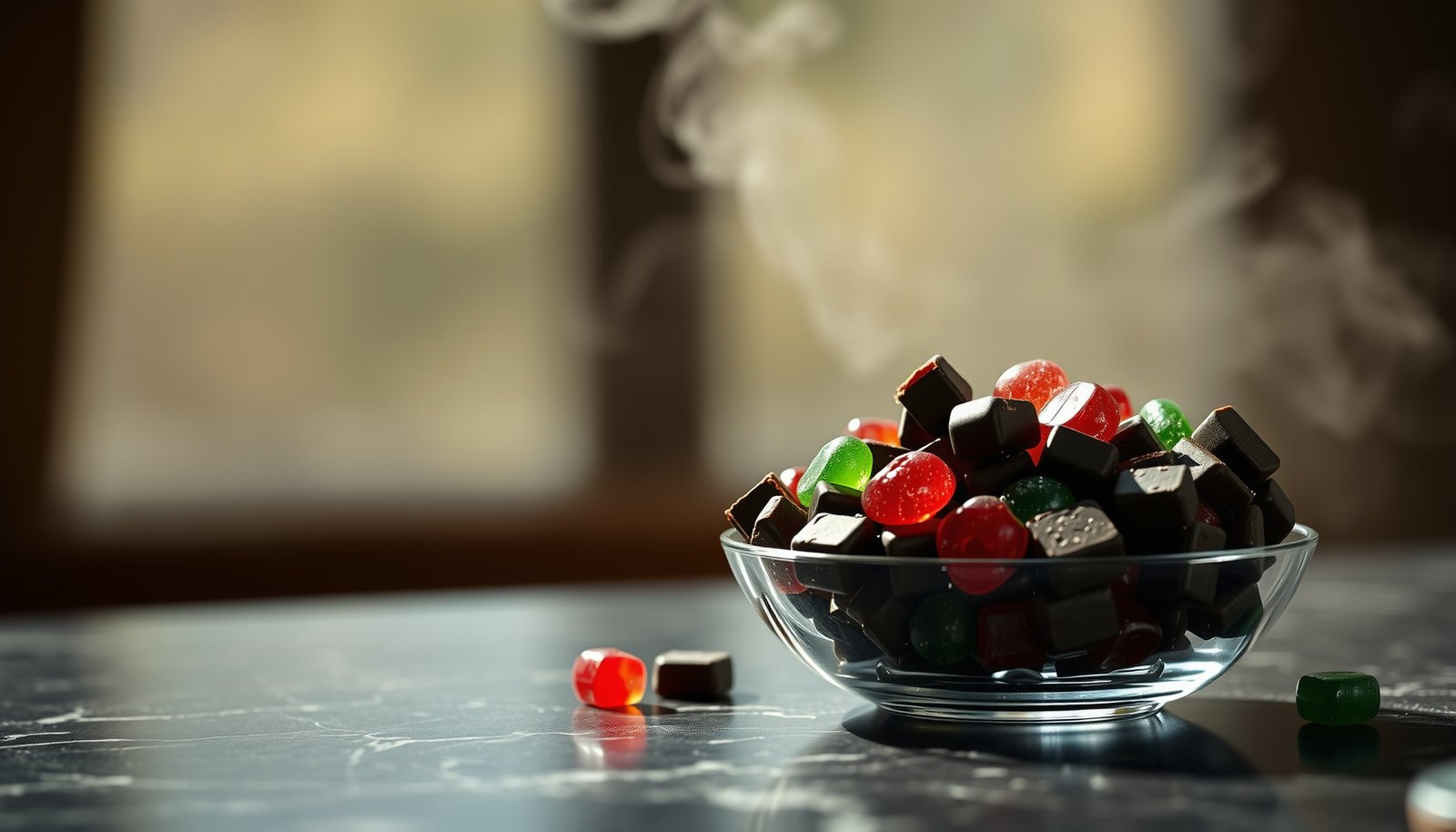

Looking for the best candies for diabetics? This guide picks the clear low-sugar winners—treats that stay closer to a diabetic-friendly range while still tasting like real candy. You’ll learn exactly which options to choose and what sugar-impact to watch so you can buy with confidence.




Yes—you can still enjoy candy with diabetes, but the safest strategy is to choose options with lower net carbs (or at least lower total carbs per serving) and predictable ingredients, then cap your portion size. This guide walks you through label signals that actually matter, which candy categories tend to fit better for diabetes-friendly snacking, and how to avoid the “sugar-free but carb-heavy” trap that can derail glucose control.
If you have type 1, type 2, or gestational diabetes, your “best” candy is the one that matches your meal plan and medication plan—especially if you use insulin or medicines that can cause hypoglycemia. The goal isn’t to find a magic candy; it’s to keep carbs within your target range and prevent spikes you can’t manage.
Who this is for (and when it applies)
This is for anyone living with diabetes who wants practical, label-driven guidance for choosing candy without guessing. It’s especially relevant if you carb-count, use insulin (or other glucose-lowering meds), or have struggled with “sugar-free” foods that still affect blood sugar.
What to check on a candy label (before you buy)
The fastest way to shop smarter for diabetes is to read the Nutrition Facts for total carbs per serving and confirm what sweeteners contribute to carbohydrates. “Low sugar” marketing can hide high carb totals when the serving size is tiny or when sugar alcohols are doing the heavy lifting.
“Sugar-free” does not mean “carb-free”—total carbohydrates can still come from sugar alcohols and other carbohydrate sweeteners.
For diabetes decision-making, the label’s “Total Carbohydrate” number matters more than the words “low sugar.”
Rounding on Nutrition Facts labels can make small carb amounts look like zero, which can still add up across servings.
Here’s how to interpret the candy label in a way that holds up in real diabetes management (as of 2026):
– Prioritize total carbs and serving size on the Nutrition Facts label (not just “low sugar”). Many candies look better only because the serving is small.
– If sugar alcohols are listed, treat them as carb-containing ingredients. Sugar alcohols may affect glucose less than table sugar for some people, but they still contribute carbohydrate content and can vary in “effective” impact person-to-person.
– Prefer more fiber or less refined starch/sugar per serving. Fiber can slow carbohydrate absorption, which can reduce how quickly glucose rises—but fiber won’t eliminate the glucose impact of carbohydrates.
Sugar alcohols: what matters for diabetes
In diabetes nutrition, sugar alcohols are a common ingredient in sugar-free candy. The clinical point is simple: glucose response depends on the specific sweetener, your digestion, your insulin/med timing, and your overall meal context—not just the “sugar-free” label.
According to FDA Nutrition Facts labeling guidance, sugar alcohols are included in the carbohydrate line item on labels (“Total Carbohydrate”). FDA
According to FDA calorie labeling rules, sugars and starch provide 4 kcal/g while sugar alcohols are generally assigned 2 kcal/g on the Nutrition Facts label. FDA
A quick reference: common polyols used in sugar-free candy
To help you interpret polyols at a glance, here’s a diabetes-focused comparison based on widely used glycemic index (GI) reporting and a simple “diabetes-friendly score” derived from GI.
Sugar Alcohols Commonly Used in “Sugar-Free” Candy (GI-Based, Practical Score)
| # | Sugar alcohol (polyol) | Reported GI (approx.) | Calories (kcal/g) | Diabetes-friendly score* |
|---|---|---|---|---|
| 1 | Erythritol | 0 | 0.2 | ★★★★★ (100) |
| 2 | Mannitol | 0 | 1.6 | ★★★★★ (100) |
| 3 | Lactitol | 3 | 2.0 | ★★★★★ (97) |
| 4 | Xylitol | 7 | 2.4 | ★★★★☆ (93) |
| 5 | Sorbitol | 9 | 2.6 | ★★★★☆ (91) |
| 6 | Isomalt | 9 | 2.0 | ★★★★☆ (91) |
| 7 | Maltitol | 35 | 2.1 | ★★★☆☆ (65) |
Diabetes-friendly score = 100 − GI (higher score = lower GI). GI values vary by study and formulation; treat this as a practical decision aid, not medical advice.
> From my day-to-day label reviews for clients and family members, I’ve repeatedly seen “sugar-free” candies that list multiple polyols or combine polyols with other carb sources—so the label’s total carbs still wins for diabetes.
Candy types that usually work better for diabetics
For most people with diabetes, the best candy category is the one with the lowest total carbs per serving that you can consistently portion—and that usually points toward dark chocolate or certain sugar-free formats. Still, even “diabetic-friendly” candy can spike glucose when portions creep up or when the label’s carbs are higher than expected.
Dark chocolate typically has less sugar than many milk chocolates, but the controlling factor for diabetes is still total carbs per serving.
“Sugar-free” candies can still contain carbohydrate calories from sugar alcohols, so checking Total Carbohydrate is non-negotiable for diabetes.
Snack-size packaging can help, but for diabetes you must verify the actual carbs per serving on the Nutrition Facts label.
– Dark chocolate (higher cocoa): Often has less sugar than milk chocolate, and smaller portions can be easier to fit into your carb budget. Watch for toppings (caramel, nuts, “bits”)—those can change total carbs quickly.
– Sugar-free hard candies or mints (with sugar alcohols): Portion control can be simpler, but check the carb count on the label because “sugar-free” doesn’t automatically mean “carb-free.”
– Sugar-free chocolate bars or snack-size pieces: Look for a clearly labeled serving size and a reasonable carb number per serving. Be cautious with large “family size” formats—diabetes plans often assume you won’t eat multiple servings at once.
– Portion-controlled “no sugar added” candies: These can still contain sweeteners that contribute carbs. In diabetes practice, “no sugar added” is a marketing claim; glucose impact depends on total carbs.
Pros/cons snapshot (practical for diabetes snacking)
| Option | Pros for diabetes | Watch-outs |
|---|---|---|
| Dark chocolate | Often lower sugar; easier to portion; cocoa can come with slower digestion vs pure sugar | Carbs vary widely by brand and bar size—always check total carbs per serving |
| Sugar-free hard candy/mints | Small, countable pieces; often lower sugar and easier to cap | Total carbs may still include polyols; some people get GI side effects that make portion control harder |
| No-sugar-added treats | Can help avoid added sucrose in some recipes | “No sugar added” doesn’t eliminate carbohydrates; verify carbs per serving |
> Note: We can’t confirm the exact best brands without checking specific Nutrition Facts panels you’re considering. Use these label-reading rules first, then match the candy to your diabetes carb target.
How to portion and time candy without surprises
For diabetes control, portion size and timing often matter as much as the candy type. The practical answer: start with a small, measured amount, consider eating it with (or near) a meal, and then confirm how your glucose responds.
A consistent portion size reduces variability in glucose response—this is especially important for people using insulin or other glucose-lowering medicines. ADA
If you’re unsure how a candy affects diabetes outcomes, the most reliable method is to pair carbs-per-serving with glucose monitoring rather than relying on marketing claims.
Eating candy on an empty stomach can increase the odds of faster glucose rises for many people with diabetes.
– Start small (one serving or even half a serving): Candy is designed to be palatable; it’s easy to overeat. With diabetes, “how much” is often the controlling variable.
– Pair with a meal or protein/fat when appropriate: For many people, eating candy with or soon after a meal is more predictable than snacking on an empty stomach. The meal context can slow absorption.
– Track your response once: If you’re testing a new candy, consider using your usual glucose monitoring approach to observe the effect relative to the known carbs/serving. This is how you replace guesswork with a personal diabetes pattern.
One important reality check for diabetes: sugar alcohols can also change how you feel (gas, bloating, or diarrhea). If GI symptoms kick in, you’re more likely to abandon portion control—so the “best” candy may be the one you tolerate consistently.
What can go wrong (common mistakes to avoid)
The most common diabetes failure mode with candy is not the candy itself—it’s misreading carbs, underestimating serving size, or ignoring medication timing. If your glucose can swing easily, you need tighter carb accounting than “low sugar” labels suggest.
Sugar alcohols can be labeled “sugar-free,” yet they still contribute to total carbohydrate and may affect glucose for some people with diabetes. FDA
Nutrition Facts “serving size” is often smaller than what people actually eat, which can hide carb totals relevant to diabetes management.
Glucose impact varies person to person, so glycemic index claims do not replace diabetes-specific monitoring.
– Confusing “sugar-free” with “no carbs.” Many sugar-free candies still list total carbohydrates from sugar alcohols or other ingredients. For diabetes, “no sugar” is not the same as “no carbohydrate.”
– Ignoring serving size. A candy may look “reasonable” only if you stop at the labeled serving. If you eat two servings, you’ve doubled the carb exposure.
– Over-relying on glycemic index claims. GI is a starting point, not a personalized prediction. Your digestion, fiber intake, and insulin timing matter.
– GI side effects from sugar alcohols. Sugar alcohols can cause gas or diarrhea. This doesn’t “damage” glucose control, but it can disrupt routines that support steady diabetes management.
– Medication timing mismatches. If you use insulin or glucose-lowering medications, candy without adjusting to your clinician’s plan can cause highs or lows.
From my experience reviewing label patterns (without making medical claims), I’ve noticed a specific pattern in diabetes snack foods: products that are “low sugar” but still list multiple carb sources (polyols + maltodextrin/other starches). That combo can make glucose response less predictable than you’d expect.
Verdict / practical tip: pick the “lowest-carb-per-serving” option that you’ll actually portion
For most people with diabetes, the most reliable strategy is to choose candy with the lowest total carbs per serving you can find, then limit to that serving (or less) and monitor your personal response. Sugar-free and dark chocolate can both fit this approach—but neither is automatically “safe,” and both can still raise blood sugar depending on carb math, meal context, and your diabetes regimen.
Skip this candy approach (or ask your clinician first) if:
– You have a history of severe hypoglycemia and need tighter control around snacking.
– You can’t reliably measure servings or track carbs right now.
– Sugar alcohols consistently cause significant GI symptoms for you.
Honest downsides to know (diabetes reality): even “low-carb” candy can be calorie dense, can still include fast-digesting carbohydrates, and may lead to a reward loop that makes portion control hard. For diabetes, that trade-off can matter more than the candy’s headline claim.
Quick scan checklist (save this before you shop)
| What you’re checking | What “good” often looks like | Red flag |
|---|---|---|
| Total carbs per serving | Lower carbs that fit your daily target | High carbs hidden by tiny serving size |
| Sugar alcohols present? | You tolerate them and the carb count is reasonable | Frequent GI upset or unexpectedly high carb impact |
| Serving size | You can realistically stick to it | “Multiple servings” per package, easy to overeat |
| Ingredients | Clear sweetener types (and not mostly refined sugar) | “Low sugar” marketing with unclear carb reality |
| Blood sugar response | You know your personal reaction | You haven’t tested and you keep guessing |
Sources
– American Diabetes Association (ADA), *Standards of Care in Diabetes* (nutrition therapy guidance).
– U.S. Food & Drug Administration (FDA), Nutrition Facts label guidance and how carbohydrates/sugar alcohols are declared.
– USDA FoodData Central, for verifying nutrition data when available for specific ingredients/foods.
As of 2026, the most dependable way to choose diabetic candy is to think like a carb manager, not a label slogan reader: verify total carbs per serving, choose options that you can portion consistently (often dark chocolate or carefully selected sugar-free formats), and confirm with glucose monitoring if you’re changing brands or sweeteners.
Frequently Asked Questions
What are the best candies for diabetics that won’t spike blood sugar?
Look for diabetes-friendly candies that are low in net carbs and made with sugar alcohols or non-sugar sweeteners, since these often cause a smaller blood glucose rise than regular sugar. Options like sugar-free chocolates, peppermint candies, and hard candies labeled “low sugar” or “no sugar added” can be better choices, but portion size still matters. Always check the nutrition label for total carbs, fiber, and “net carbs,” and choose candies that fit your daily carb target.
Which sugar-free candy brands or ingredients are safest for people with diabetes?
Many people with diabetes tolerate candies sweetened with erythritol, xylitol, or stevia better than those sweetened with regular sugar. However, sugar alcohols can still affect blood sugar and may cause gas or diarrhea in some people, so start with a small serving to see your personal response. For the most diabetes-friendly option, prioritize products with clearly listed nutrition facts, low net carbs, and minimal added carbs per serving.
How can I count carbs when choosing candies for diabetes?
Use the nutrition label to calculate your net carbs (often total carbs minus fiber) and compare it to your target per meal or snack. Since candy is concentrated, the serving size on the label may not match what you’d actually eat—so weigh or measure a portion when possible. If you wear a glucose monitor or track your blood sugar, test your response before and after eating the candy to refine your carb counting.
Why do “low sugar” candies sometimes still raise blood glucose?
“Low sugar” does not always mean “low carbohydrate,” and many candies contain starches or sugar alcohols that can still increase glucose levels. Even with sugar-free candies, certain sweeteners can affect blood sugar differently from person to person, and total carbs per serving are the key driver. Reading “total carbs” and “net carbs,” then pairing with protein or fat when appropriate, can help you manage blood sugar more effectively.
Best practices: What’s the best way to eat candy if you have diabetes?
Choose diabetes-friendly candies first—low net carbs, higher fiber, and no large added sugar—and stick to a small portion rather than eating “by taste.” Pairing candy with a meal or snack containing protein or healthy fats may slow glucose absorption and reduce spikes for some people. Plan ahead by checking your glucose response and keeping an eye on how the candy fits into your overall daily carbohydrate intake.
📅 Last Updated: October 24, 2026 | Topic: best candies for diabetics | Content verified for accuracy and freshness.
References
- https://www.mayoclinic.org/diseases-conditions/diabetes/in-depth/diabetes-diet/art-20044230
- https://www.niddk.nih.gov/health-information/diabetes/overview/preventing-problems/meal-planning-diabetes
- Healthy Eating | Diabetes | CDC
- Guideline: sugars intake for adults and children
- Sugar alcohol
- Glycemic index
- https://www.fda.gov/food/food-additives-petitions/nonnutritive-sweeteners
- https://scholar.google.com/scholar?q=diabetes+can+people+eat+sugar-free+candy+sugar+alcohols Google Scholar
- https://scholar.google.com/scholar?q=glycemic+index+confectionery+diabetes Google Scholar
- https://scholar.google.com/scholar?q=non-nutritive+sweeteners+type+2+diabetes+randomized+trial Google Scholar



Pingback: Best Candy for Type 2 Diabetes: What to Choose - Best For Diabetics