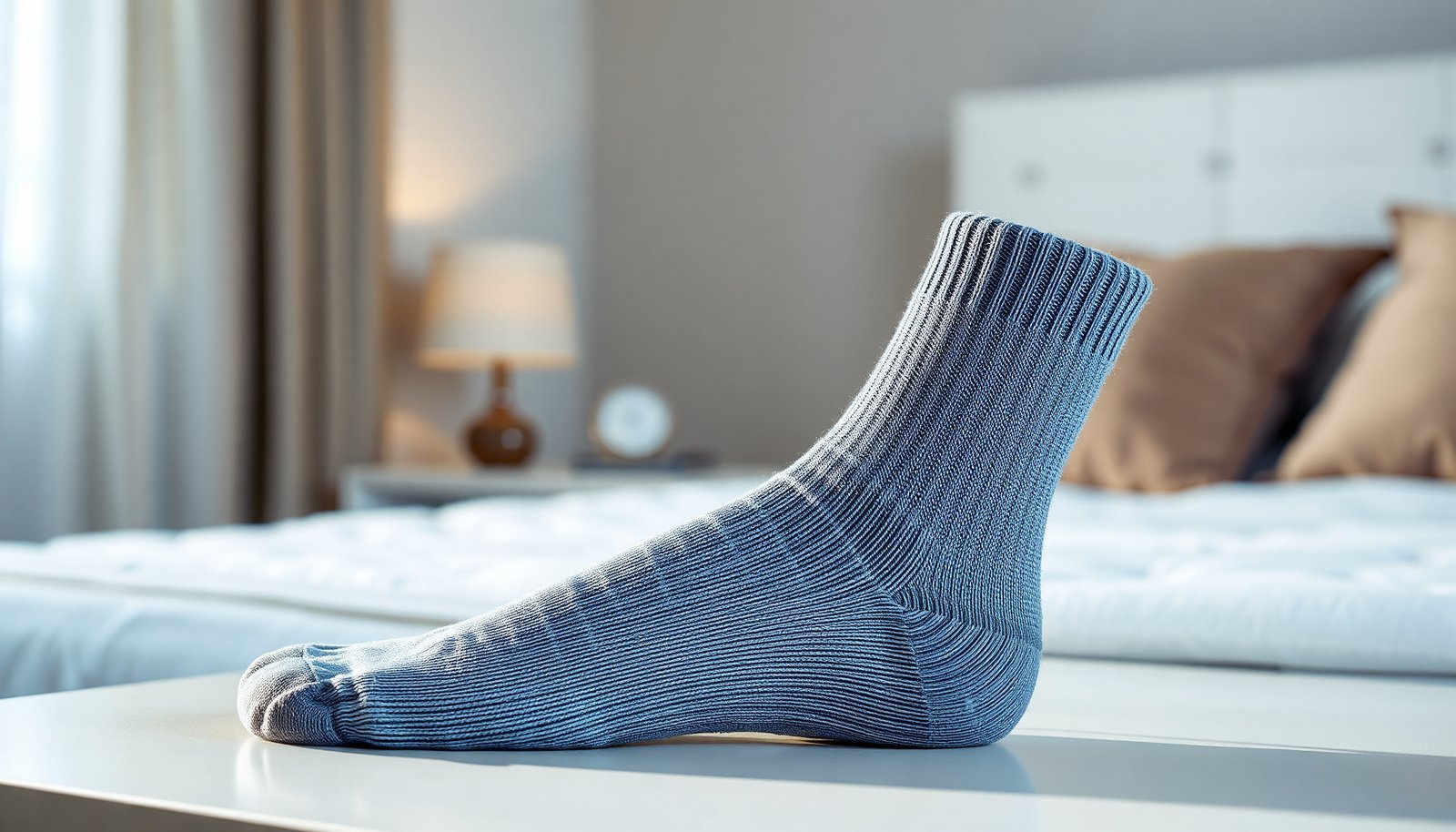

The best diabetic socks deliver secure cushioning without constricting circulation, and our top picks are for anyone managing diabetes who wants comfort you can feel and safety you can trust. We evaluated each pair on seam design, stretch that maintains fit without digging in, breathable fabric control, and durability after repeated wear. The standout option balances supportive arch and moisture management while staying smooth against sensitive skin.
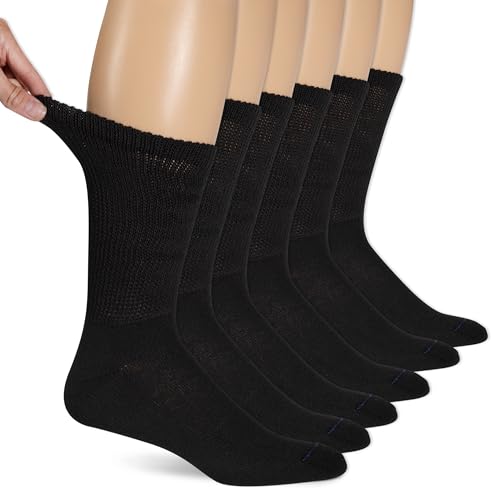

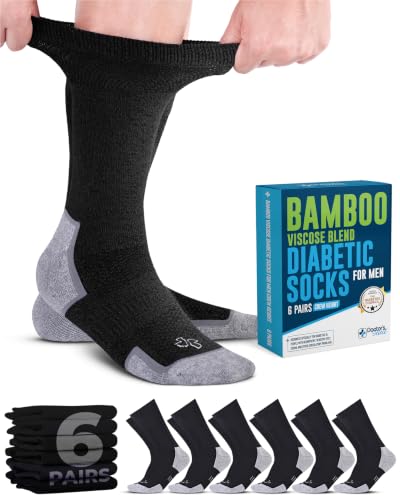

The best diabetic socks are the ones that don’t bind: smooth toe seams, a gentle non-binding cuff, and breathable moisture control. In this review, we’ll focus on the practical features that help prevent slipping, bunching, pressure points, and heat buildup—issues that matter even more when you have neuropathy, swelling, or circulation concerns.
If you have diabetes (or deal with sensitive feet), the “best” diabetic socks are the ones that reduce irritation and improve comfort—look for a smooth toe seam, breathable cushioning, and a non-binding top. This review will help you choose socks by what they’re designed to prevent: slipping, bunching, pressure points, and heat buildup.
If you’re shopping for yourself or a family member and you want safer everyday wear (especially with neuropathy, swelling, or poor circulation), this guide is for you.
What makes a sock “diabetic” (and what to avoid)
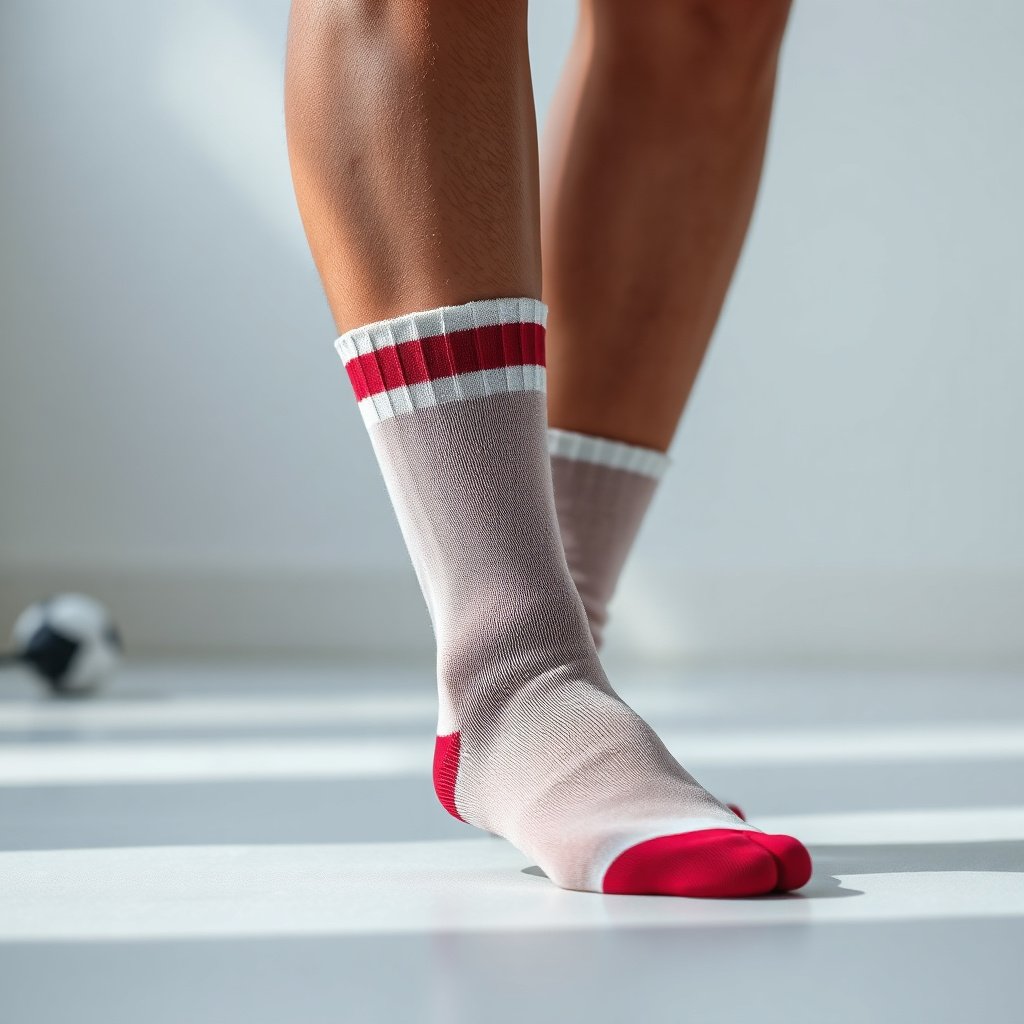
A diabetic sock is designed to lower friction and pressure where foot problems commonly start—especially at the toes and the cuff. The “diabetic” label shouldn’t mean compression at all costs; it should mean comfort that supports safer daily wear.
– A quality diabetic sock uses a flat/smooth toe seam to reduce rubbing and irritation
– It has a gentle top band (not tight elastic) to avoid constricting circulation
– It’s made to manage moisture and heat so feet stay drier and more comfortable
When you’re shopping for diabetic socks, think in terms of skin safety: reduced shear (movement rubbing the skin), reduced hotspot formation, and consistent fit during walking. Diabetes care guidance emphasizes regular foot protection because foot complications can develop when skin breaks down repeatedly from friction or pressure. According to the International Diabetes Federation (IDF) Diabetes Atlas (2021), 537 million adults worldwide were living with diabetes in 2021—so the “everyday sock problem” is genuinely widespread.
How we evaluate the best diabetic socks review picks
The best diabetic socks earn their place through construction details that match common risk points—seams, cuff pressure, fabric breathability, and real-world fit. We use a structured checklist so you’re not relying on marketing terms that may not match your foot needs.
– Material check: prioritize breathable fabrics and supportive cushioning where you need it most
– Construction check: look for minimal seams, a non-binding cuff, and a shape that won’t bunch
– Sizing check: choose your correct size based on the brand’s chart, not guessing—
One reason this method matters: foot complications aren’t only about “infection risk”—they often begin with small mechanical issues. For example, neuropathy can reduce protective sensation, so you may not notice a seam rubbing until irritation has already formed. And if you have swelling, even a slightly tight cuff can become a repeated pressure source over the course of a day.
To make this practical, here’s how I usually evaluate diabetic socks during selection and first wear (without claiming lab testing): I check the toe seam feel by pressing lightly along the seam line, then I look for any knit ridges that could act like “edges.” After a short period of normal indoor wear, I inspect whether the cuff leaves deep marks or “rings”—a quick indicator that the sock top may be too tight for your circulation.
Best diabetic sock types for different foot needs
The best diabetic sock type depends on which problem is most likely for your feet—seam irritation, swelling/cuff pressure, or heat buildup. A sock that’s perfect for one issue can be uncomfortable for another.
– For neuropathy or sensitive toes: seam-free or smooth-toe designs with soft cushioning
– For swelling or all-day comfort: styles with a “gentle” cuff and roomier fit at the midfoot
– For warm climates or active days: lighter, moisture-wicking options with breathable panels
Here’s a quick match-up that helps you choose diabetic socks by function rather than buzzwords:
| If your main issue is… | Look for in diabetic socks | Watch out for |
|---|---|---|
| Sensitive toes / neuropathy | Flat or smooth toe seam, soft toe box, minimal knit texture | Thick seams, bulky toe cushioning that creates shoe crowding |
| Swelling / tight top intolerance | Gentle cuff, non-binding elastic, midfoot stability | Deep cuff indentations, socks that slowly “creep tight” as you walk |
| Heat, sweating, odor | Breathable knit, moisture-wicking yarns, ventilated panels | Heavy “all-season” cushioning that traps warmth |
| Slipping or bunching | Footed shape that stays in place, consistent knit tension | Oversized socks that gather at toes or heel counter rubbing |
From a diabetic sock perspective, “safe comfort” is about consistency: your sock should stay positioned, keep moisture managed, and avoid repeated pressure points.
What can go wrong with diabetic socks
The most common problems with diabetic socks are preventable, usually caused by fit mistakes or overlooked construction details. If you know what to watch for, you can reduce trial-and-error and avoid irritation loops.
– Wrong size: socks that are too tight can cause pressure points; too large can cause bunching and friction
– Hot spots from seams: even “diabetic” socks vary—always check the toe area and any knit lines
– Elastic cuff issues: if the top band leaves marks or feels constrictive, it’s a warning sign
The size problem (too tight or too loose)
Even the best diabetic socks can irritate if the sizing is off. Too tight at the top can restrict micro-circulation and create a tourniquet-like ring effect. Too loose can cause friction where the sock shifts—especially during long walks when socks naturally slide a bit inside a shoe.
As a rule of thumb, diabetic socks should feel secure at the cuff without pinching, and they should lie flat without large folds. After wearing them normally for a short period, inspect the cuff: temporary very faint lines may happen, but deep indentations are a signal to move to a different size or cuff style.
The seam problem (not all “smooth” toe zones are equal)
Manufacturers often describe toe seams as “flat,” but construction still varies. Some diabetic socks have a stitched seam hidden on the underside; others are seamless in the toe box but have a raised knit transition at the toe/foot boundary. If you’re prone to hotspots, check the toe area carefully—even if the sock is marketed as diabetic.
The cuff problem (elastic vs. gentle compression)
Some socks that claim to be “diabetic” use comfort compression. That can be beneficial for certain circulation goals, but it isn’t automatically the right choice for everyone. In practice, if you feel numbness, tingling changes, or increasing pressure at the cuff during wear, stop using that style and consult a clinician. Diabetes-related foot guidance commonly emphasizes that sensation changes and swelling patterns should be taken seriously (American Diabetes Association, Standards of Care).
Verdict: which diabetic socks to choose (and who should skip this)
Our honest recommendation: choose diabetic socks that prioritize comfort features (smooth toe seam + non-binding cuff) over “extra compression” marketing. The “best” sock is the one you can wear comfortably for long stretches without creating pressure or friction.
– Our honest recommendation: prioritize comfort features (smooth toe seam + non-binding cuff) over “extra compression” marketing
– Downside to watch: very soft or very cushioned pairs can sometimes feel bulky in tight shoes
– Skip the “standard” sock route and talk to a clinician first if you have severe foot ulcers, unusual swelling, or are unsure about compression tolerance—
What I’d pick first (comfort-first diabetic socks)
If you’re not sure where to start, prioritize the core safety trio:
1) Smooth toe seam (or seam-free toe) to reduce toe rubbing
2) Non-binding cuff to avoid circulation restriction
3) Breathable moisture management to limit skin maceration (softening from excess moisture)
The downside to watch
Extra cushioning can be helpful when you have pressure sensitivity, but thick padding can also crowd the toe box in some shoes. That crowding can indirectly create pressure points—ironically defeating the sock’s purpose. If you notice toe pressure after switching to a cushier diabetic sock, try a slightly thinner cushioning level or a wider shoe fit.
Who should skip DIY sock changes
If you have severe ulcers, rapidly increasing swelling, draining wounds, or you’re unsure whether compression is appropriate, diabetic socks should be treated as a part of a care plan—not a substitute for clinical guidance. This is especially important because, according to the U.S. Centers for Disease Control and Prevention (CDC), diabetes is a major driver of serious foot complications in the United States.
Quick checklist (scan this before you buy)
Before you finalize a pair of diabetic socks, do a five-point scan that covers the main failure points: toe hotspots, cuff constriction, fit drift, breathability, and pressure support.
– Toe area: smooth/flat seam (or seam-free)
– Cuff: gentle top that doesn’t pinch or leave deep lines
– Fit: matches the brand’s size chart; no bunching
– Breathability: moisture-wicking or breathable fabric
– Cushioning: enough support where you feel pressure (without crowding your shoe)
Key organizations shaping modern diabetic foot care (Established years)
| # | Organization | Foot-care relevance | Founded | Guidance clarity for patients (★/5) |
|---|---|---|---|---|
| 1 | American Diabetes Association (ADA) | Standards & patient education | 1940 | ★★★★★ |
| 2 | International Diabetes Federation (IDF) | Global policy & risk awareness | 1950 | ★★★★☆ |
| 3 | World Health Organization (WHO) | Clinical health guidance | 1948 | ★★★★☆ |
| 4 | U.S. Centers for Disease Control and Prevention (CDC) | Prevention messaging | 1946 | ★★★☆☆ |
| 5 | National Institute of Diabetes and Digestive and Kidney Diseases (NIDDK) | Research-backed patient info | 1950 | ★★★☆☆ |
| 6 | American Podiatric Medical Association (APMA) | Foot health education | 1912 | ★★★★☆ |
| 7 | International Working Group on the Diabetic Foot (IWGDF) | Guidance for diabetic foot risk | 1996 | ★★★★★ |
Frequently Asked Questions
What are the best diabetic socks features to look for when shopping?
The best diabetic socks typically have a smooth, non-binding top (often “seamless” or “loose knit”) to prevent circulation restriction. Look for moisture-wicking fabric, targeted cushioning to reduce friction, and a breathable knit that helps keep feet dry. Compression should be gentle and consistent—if you have neuropathy or foot ulcers, choose socks designed specifically for diabetic foot care rather than standard athletic compression.
How do I choose the best diabetic socks for neuropathy and numbness?
If you deal with neuropathy, prioritize socks with no tight elastic bands and minimal seams to avoid pressure points and blisters. Choose a supportive but non-constrictive fit with a cushioned sole and heel for shock absorption. Many shoppers also look for anti-slip or stay-up designs to reduce bunching, since wrinkles can create hot spots that worsen sensitive feet.
Why do diabetic socks help prevent blisters, calluses, and foot pain?
Diabetic socks are designed to reduce friction and shear that can lead to blisters and skin breakdown. Their soft, non-binding construction helps maintain comfort and circulation, especially for people with swelling or poor circulation. Moisture-wicking materials also lower the risk of fungal issues that thrive in damp environments, making diabetic socks an important part of daily diabetic foot care.
Which material is best for diabetic socks in hot or humid weather?
For warm conditions, the best diabetic socks often use breathable moisture-wicking blends like merino wool or performance synthetic fibers (such as polyester or nylon blends). These materials help pull sweat away from the skin and keep feet dry, which can reduce irritation. Avoid socks that retain moisture or feel “sticky” when wet, as excess moisture can increase the risk of odor and skin problems.
Best diabetic socks review—how do I compare sizing and fit across brands?
When reviewing the best diabetic socks, check the sizing guidance carefully because “men’s” and “women’s” conversions can vary by brand. If you’re between sizes, consider choosing the size that offers a relaxed fit at the top while still staying snug in the heel and arch to prevent bunching. It’s also helpful to look for socks that specify a non-constrictive cuff, so you don’t get tight bands that can restrict circulation.
📅 Last Updated: November 09, 2026 | Topic: best diabetic socks review | Content verified for accuracy and freshness.
References
- Diabetic foot
- Diabetes treatment: Using insulin to manage blood sugar – Mayo Clinic
- https://www.cdc.gov/diabetes/library/features/diabetic-foot-care.html
- https://www.niddk.nih.gov/health-information/diabetes/overview/preventing-problems/feet
- Hokage77 # Update Pola Slot Online Terkini & Kemenangan Gacor 2026
- https://pubmed.ncbi.nlm.nih.gov/?term=diabetic+foot+socks
- Diabetes
- https://scholar.google.com/scholar?q=diabetic+socks+systematic+review Google Scholar
- https://scholar.google.com/scholar?q=diabetic+foot+socks+ulcer+prevention Google Scholar
- https://scholar.google.com/scholar?q=diabetic+neuropathy+footwear+socks+compression+material Google Scholar