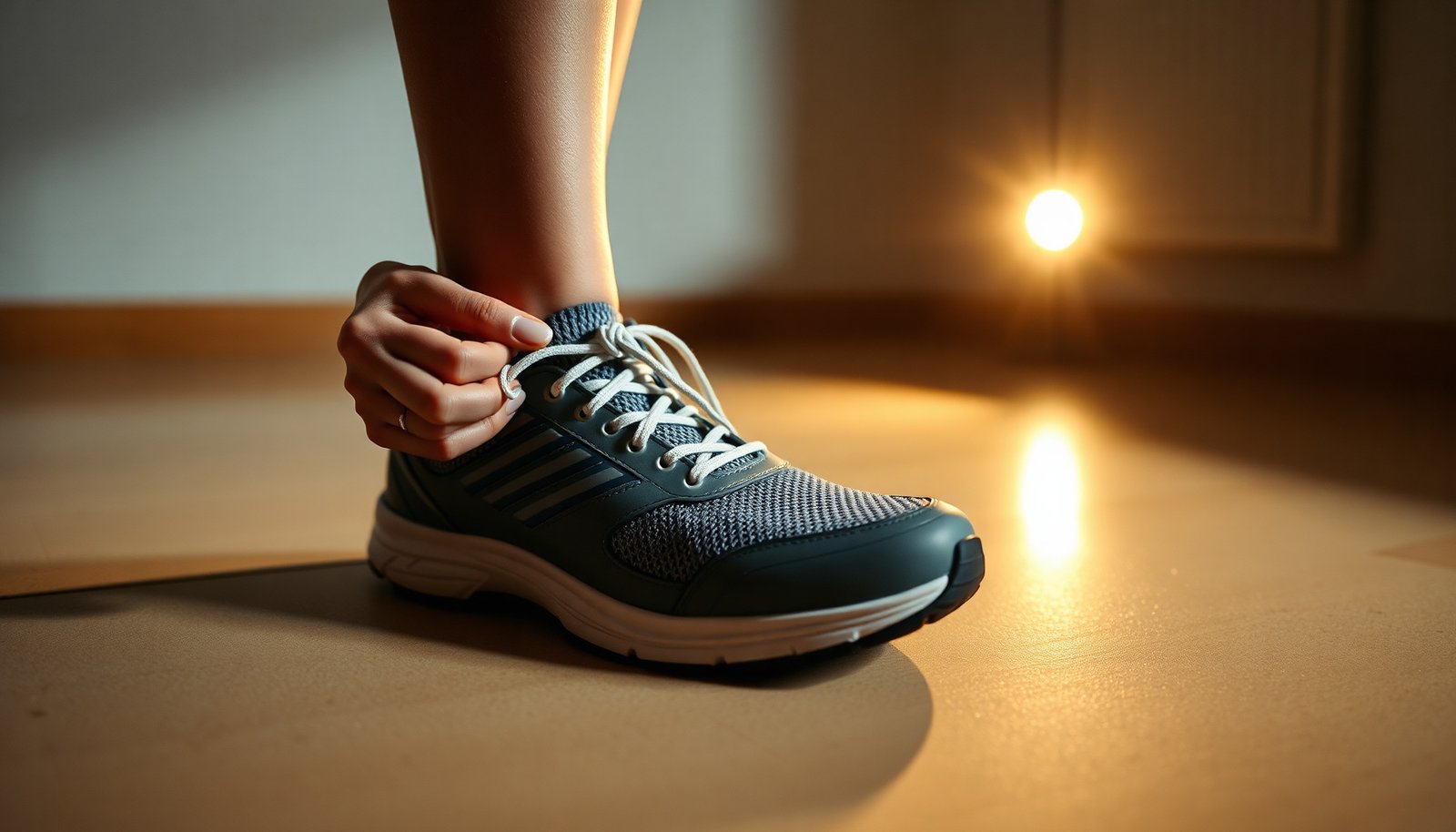

The top diabetic shoe option for women is the one that combines a seamless, extra-depth fit with dependable traction and adjustable fastening to help reduce pressure points. We judge each pick by comfort, toe-box width, cushioning, interior build quality, and whether it can accommodate orthotics or removable insoles without creating friction. The standouts are typically depth-adjustable, diabetes-specific designs, because they prioritize safety and stability over fashion.




The best diabetic shoes for women protect your feet first—by reducing pressure and friction with proper depth, a smooth interior, and secure stability. Use the fit-and-feature guide below to pick footwear that works for neuropathy, swelling, and orthotics, and to avoid sizing mistakes that can make even a “good” shoe feel unsafe or painful.
If you have diabetes, the “best” women’s diabetic shoes are the ones that protect your feet first: roomy, smooth inside, supportive, and stable enough to reduce pressure points. Use this guide to choose the right fit and features (especially for neuropathy or prior foot ulcers) and know what to check before you wear them daily. You’ll also learn common sizing mistakes that can make even a good shoe feel wrong.
If you’re shopping for diabetic shoes women can wear for everyday walking—or you’re buying replacements because your current pair pinches, rubs, or feels unstable—this is for you. It’s also useful if you use orthotics or need extra depth for a medical insole.
What to look for in women’s diabetic shoes
Diabetic shoes are “best” when they’re engineered to minimize friction and pressure hotspots during real walking—not just when they look comfortable out of the box. Research and guideline-based practice emphasize footwear that supports protective sensation and offloads high-pressure areas, especially for neuropathy.
– Depth + a wide, forgiving toe box: look for extra interior room so toes aren’t forced forward or sideways.
– Seamless or low-seam interior: smoother inner construction helps reduce rubbing and hot spots.
– Customizable support: a removable insole (and room for orthotics) is often key for proper alignment and pressure distribution.
When you evaluate women’s diabetic shoes, treat the interior as the “safety surface.” Depth matters because inserts/orthotics take space; if the shoe is shallow, your insole will fold, shift, or concentrate pressure rather than distribute it. A wide toe box reduces shear—the sideways stress that can irritate skin and worsen deformities like bunions or hammertoes.
Seam strategy is equally important. Low-seam or seamless interiors typically reduce the micro-rubbing that can build blisters in people who don’t feel early pressure changes (neuropathy). If you’ve ever felt a seam “when you first put the shoe on,” that’s your first warning: diabetic shoes should feel smooth before you’ve even walked.
Finally, customizable support is not just a comfort feature—it’s alignment and pressure distribution. A removable insole helps you confirm that your orthotic sits flat without creating extra internal steps (which can become pressure points). If you use diabetic shoes with orthotics, prioritize a stable base with enough internal volume to keep your insert from bottoming out.
Quick safety lens: what clinicians screen before shoe decisions
Before you commit to diabetic shoes, clinicians often check whether protective sensation and circulation are intact enough for standard friction tolerance. For example, the 10-gram monofilament test is used to identify loss of protective sensation, which is a major risk factor for ulcer development (International Working Group on the Diabetic Foot). Also, diabetes-related foot complications are common: according to the American Diabetes Association (ADA), about 15% of people with diabetes develop a foot ulcer during their lifetime, and up to 85% of non-traumatic lower-limb amputations are preceded by ulcers (ADA, widely cited in clinical summaries).
How diabetic shoes should fit (and how to verify it)
The right fit for diabetic shoes is secure, spacious where it matters, and stable when you walk. In practice, “fit” is more than length—it’s heel hold, midfoot support, toe freedom, and how the interior behaves with your usual socks and inserts.
– Check both feet for size differences: many people have slight asymmetry; fit should work on your larger foot.
– Confirm stability immediately: the shoe should feel secure at the heel and midfoot without excessive slip.
– Wear the right socks during fitting: match the sock thickness you’ll use most often so you don’t end up with unwanted pressure.
Fit verification steps that prevent common failures
Here’s how to verify women’s diabetic shoes before wearing them daily:
1. Measure and fit to the larger foot. Diabetic shoes should accommodate the foot that needs more length or width. If your smaller foot “feels roomy,” that’s acceptable; your larger foot is the risk driver.
2. Test heel and midfoot stability right away. Walk a short hallway loop, then pause and feel for heel lift. Any slipping can increase friction and shear—two issues diabetic shoes aim to prevent.
3. Use your normal sock thickness. Socks change internal volume. If you try on diabetic shoes with thin socks but you wear thicker ones at home, you can end up with toe compression or top-of-foot pressure.
A practical note on orthotics and depth
If you use orthotics, don’t judge women’s diabetic shoes by comfort while your insert is absent. Instead, verify that the insert sits flat and that the toe box still offers clearance. Depth should be sufficient to avoid a “lever effect,” where your orthotic tips forward and transfers pressure into the forefoot.
Safety tests you can discuss with your clinician
If your neuropathy or circulation status is unclear, shoe selection should be paired with screening. The thresholds below are commonly used to frame foot risk and what “protective” footwear should address:
Foot Screening Measures That Influence Diabetic Shoe Safety
| # | Screening measure | Common threshold | Source | Shoe safety impact |
|---|---|---|---|---|
| 1 | 10-gram monofilament (loss of protective sensation) | Not felt at target points | IWGDF | ★★★★★ |
| 2 | Vibration perception (128-Hz tuning fork) | Reduced/absent perception | IWGDF | ★★★★☆ |
| 3 | Ankle-brachial index (ABI) for PAD risk | ABI < 0.90 | SVS/clinical practice | ★★★★☆ |
| 4 | Toe systolic pressure (healing indicator) | < 50 mmHg suggests poor healing | Vascular wound care guidance | ★★★★☆ |
| 5 | Transcutaneous oxygen (TcPO₂) | < 30 mmHg indicates severe impairment | Wound care literature | ★★★★☆ |
| 6 | Plantar pressure hotspots (gait assessment) | High forefoot pressure areas | Biomechanics research | ★★★★★ |
| 7 | History of ulcer/amputation (risk stratification) | Prior tissue breakdown | IWGDF risk frameworks | ★★★★★ |
Note: If you’d like, ask your clinician to interpret these results in the context of the specific diabetic shoes you’re considering.
Features that help with comfort and pressure relief
The best diabetic shoes for women don’t just feel soft; they reduce harmful load during movement. If you want comfort plus safety, focus on cushioning under the pressure-bearing parts of the foot and on shoe stability that prevents internal shifting.
– Cushioning where it matters: look for supportive cushioning underfoot rather than just soft uppers.
– A rocker or easy-roll sole (when appropriate): can help reduce strain during walking for some people with altered gait.
– Adjustable closure: straps, laces, or other adjusters can improve fit as swelling changes day to day.
Cushioning that’s “supportive,” not just padded
Supportive cushioning typically means the midsole and insole work together to control motion. For diabetic shoes, avoid relying solely on plush uppers (the part that “looks comfortable” in the first minute). Instead, check where your foot contacts the insole during a few minutes of walking—especially under the heel and forefoot.
If you use orthotics, supportive cushioning should coexist with your insert, not fight it. In practice, that means the insole should be removable so your orthotic can sit properly—then the surrounding shoe should still offer enough depth for toe space.
Rocker soles: helpful for some gait changes
A rocker or easy-roll sole can make walking feel smoother by encouraging a more efficient forward roll. This can be beneficial when pain or altered mechanics change your stride. However, not everyone tolerates rocker soles—some women with balance issues may prefer a flatter sole or a softer transition. If you switch to diabetic shoes with a rocker, allow extra time for adaptation and do frequent skin checks during the first week.
Adjustable closures for daily swelling and fit changes
Many people don’t need a “perfect” fit every day; they need an adjustable one. Straps, laces, or hook-and-loop closures can help women’s diabetic shoes accommodate mild swelling without creating hot spots. The key is ensuring closure doesn’t create a pressure ridge on the top of the foot or force the tongue seam into contact with the skin.
What can go wrong (common mistakes to avoid)
The “wrong” diabetic shoes usually fail in the details: interior roughness, narrow toe space, or instability while walking. Avoid these errors to prevent pressure marks, blisters, and—when sensation is reduced—skin breakdown that you may not notice early.
– Choosing on style alone: narrow toe boxes, rigid seams, or stiff interiors can worsen friction and pressure.
– Ignoring medical foot needs: if you already have a wound, severe deformity, or a prescribed orthotic, the wrong depth/shape can be a problem.
– Skipping break-in habits: even well-made diabetic shoes can create new pressure points—recheck your foot after the first wears.
Style-first shopping creates invisible risk
Standard “fashion sneakers” may look fine, but their interior materials can be rough, their toe boxes can be too narrow, and their seams can sit exactly where pressure begins. With neuropathy, you may not feel friction right away—so a shoe that seems tolerable at first can become a problem after a longer walk.
When you should not self-adjust footwear
If you have an open sore, signs of infection (increased warmth, swelling, drainage, or redness spreading), or a rapidly changing foot shape, the safest approach is clinician-guided footwear. Women’s diabetic shoes are not a substitute for wound treatment, offloading plans, or orthotic prescriptions.
Also, if your orthotic was designed for a specific shoe depth/last, swapping brands can change how the insert loads your foot. That’s when “customizable support” becomes non-negotiable, not optional.
Verdict: the safest way to pick “best” diabetic shoes
The safest “best” diabetic shoes are the ones that prioritize interior smoothness, depth for your specific needs, and heel/midfoot stability. That’s the foundation for comfort that holds up after days of walking, not just during the first try-on.
– Choose for function first: prioritize interior smoothness, depth, and support, then match color/material to your comfort needs.
– Downsides to know: some supportive diabetic shoes can feel bulkier, less “fashion-forward,” or heavier than standard sneakers.
– Who should skip relying on general shoe advice: if you have an open sore, infection signs, rapidly changing swelling, or pain that’s new/worsening, ask your clinician or podiatrist before switching footwear.
A note on coverage and why it matters (in 2026)
As of 2026, some women seek diabetic footwear through insurance pathways. For example, Medicare Part B commonly covers therapeutic footwear for eligible patients, typically including one pair of shoes and up to three pairs of inserts per calendar year (CMS). If you rely on coverage, confirm your documentation requirements early—because switching shoe models mid-process can delay reimbursement.
Quick checklist before you buy or wear
Diabetic shoes only work as “best” if the fit stays safe during real use. Use this checklist on purchase day and again after the first few wears.
– Inside is smooth: no rough seams, straps rubbing internally, or uncomfortable ridges.
– Room in the toe area: toes aren’t cramped; there’s space to avoid rubbing.
– Heel/midfoot stability: less slipping when you walk.
– Insole compatibility: enough depth for your insert/orthotic (if you use one).
– Secure closure: you can adjust snugly without cutting into the top of your foot.
– After-wear check: look for redness, blistering, or pressure marks after a short walk.
Frequently Asked Questions
What features should I look for in the best diabetic shoes for women?
The best diabetic shoes for women typically include seamless or very low-seam uppers to reduce friction, extra-depth volume to accommodate orthotics, and cushioned insoles designed for pressure redistribution. Look for a supportive, slip-resistant outsole and a wide toe box to help prevent rubbing and blisters. A removable insole is also helpful so you can add custom diabetic shoe inserts if needed.
How do diabetic shoes for women help with neuropathy and foot pain?
Diabetic shoes are designed to minimize pressure points and shear forces that can worsen neuropathy-related discomfort. By using cushioning and a stable fit, they help reduce friction where skin is most vulnerable, which can lower the risk of calluses and ulcers. Many women also find that diabetic shoes improve overall comfort during walking, especially when paired with properly sized diabetic insoles.
Which size should I choose for diabetic shoes to avoid blisters and rubbing?
For the best diabetic shoes for women, prioritize accurate length and width measurements and choose a size that doesn’t crowd the toes. Many diabetic shoes come in extra depth, which helps prevent pressure even when adding orthotics. If you’re between sizes, it’s often better to choose the larger size for comfort—then use the correct insoles and adjust the fit to secure the heel without excessive sliding.
Why are extra-depth and wide toe boxes important in diabetic footwear for women?
Extra-depth and wide toe boxes reduce compression and allow space for swelling, dressings, or custom diabetic shoe inserts. This matters because pressure from a narrow fit can contribute to skin breakdown, especially in people with reduced sensation. Choosing diabetic footwear with roomier dimensions helps protect sensitive areas and supports healthier foot mechanics.
What are the best diabetic shoe styles for women—sneakers, sandals, or loafers?
The best style depends on your daily needs and foot condition, but sneakers and walking shoes are often preferred for stable cushioning and full coverage. Sandals may work for mild cases if they have secure straps, supportive arch, and a protective, cushioned footbed, but they must still fit to prevent rubbing. Loafers can be comfortable if they offer extra depth and a roomy toe area with a firm, supportive sole; the key is a secure fit plus pressure-reducing diabetic shoe features.
📅 Last Updated: November 09, 2026 | Topic: best diabetic shoes women’s | Content verified for accuracy and freshness.
References
- https://www.cdc.gov/diabetes/managing/foot-care.html
- https://www.niddk.nih.gov/health-information/diabetes/overview/preventing-problems/foot-care
- https://www.mayoclinic.org/diseases-conditions/diabetic-foot/symptoms-causes/syc-20371544
- Diabetic foot
- https://iwgdfguidelines.com/
- https://pubmed.ncbi.nlm.nih.gov/?term=diabetic+foot+therapeutic+footwear+guideline
- https://scholar.google.com/scholar?q=best+diabetic+shoes+women Google Scholar
- https://scholar.google.com/scholar?q=diabetic+footwear+guidelines+IWGDF+offloading Google Scholar
- https://scholar.google.com/scholar?q=therapeutic+footwear+diabetic+foot+ulcer+insole+orthotic+neuropathy Google Scholar