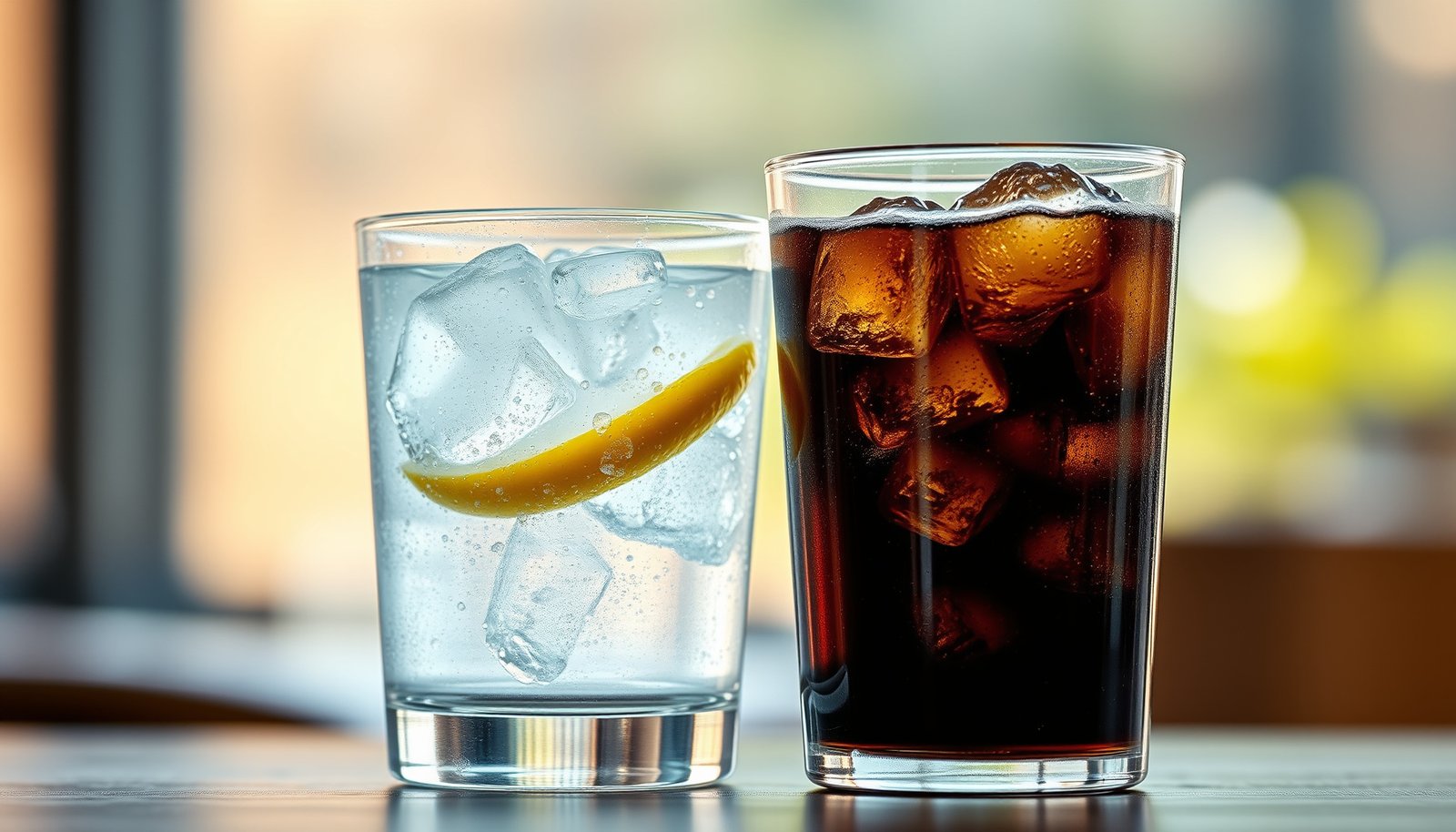

The best alcohol for diabetic people is dry red wine—when you keep portions to about 5 oz and track it against your carbs. It typically delivers lower sugar than beer and most sweet spirits, making it the easiest option to drink safely without spiking blood glucose. This guide answers which types to choose, what to avoid, and how to match your drink to your diabetes routine.




For most people with diabetes, the safest “best alcohol” choices are dry wine, light beer, and straight spirits or spirits mixed with sugar-free/low-sugar options—because they’re typically lower in carbs and sugar. The big issue isn’t the drink alone: alcohol can still lower blood sugar, especially if you take insulin or diabetes pills that can cause hypoglycemia. In this guide, you’ll learn what to pick, what to avoid, and how to reduce risk while you drink.
If you have diabetes and you’re deciding what to order at a bar, restaurant, or at home, this article is for you. It’s especially relevant if you take insulin or medications that can cause low blood sugar—because your safest drink is also about timing and food.
How alcohol affects blood sugar in diabetes
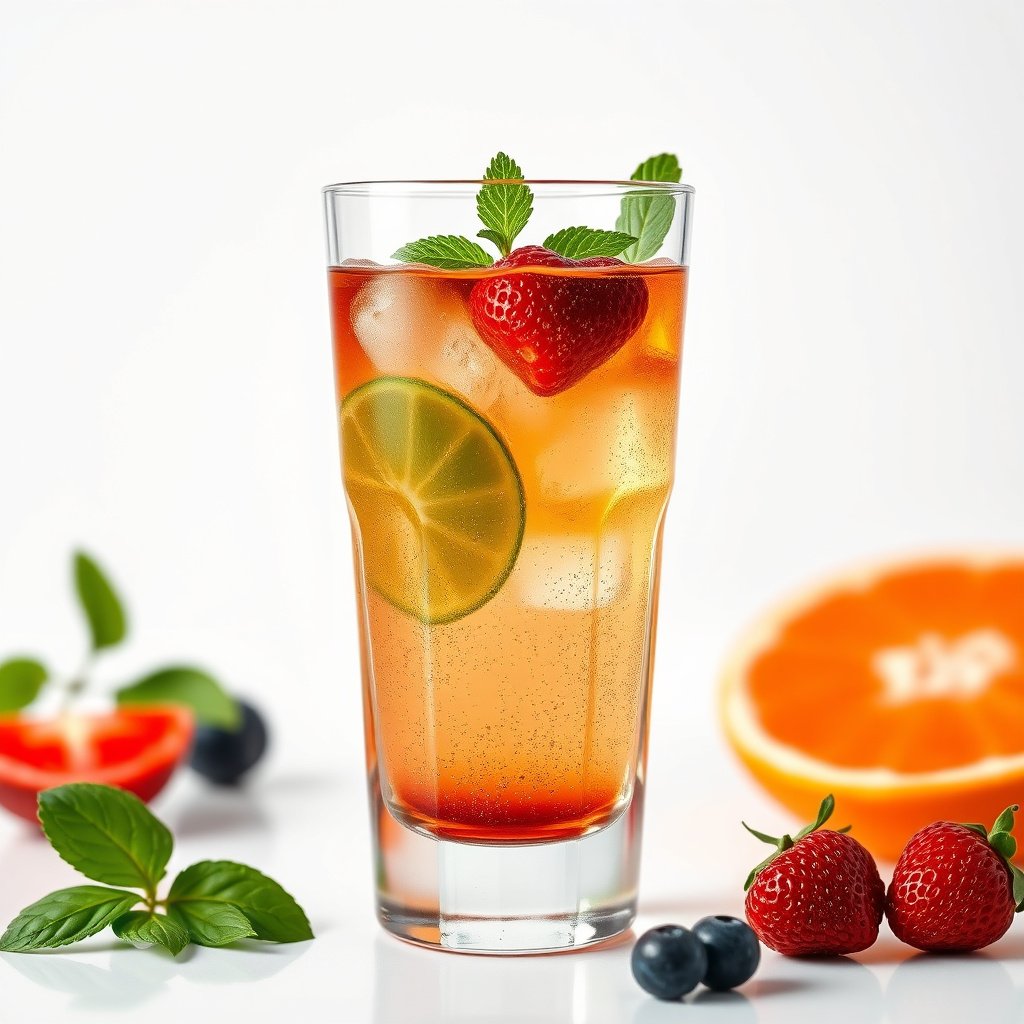
The best way to think about alcohol for diabetes is this: alcohol doesn’t only affect glucose when you drink—it can also trigger delayed lows later. For many people with diabetes, the “safest” alcohol choice still depends on meal timing, portion size, and the specific diabetes medications you take.
According to the National Institute on Alcohol Abuse and Alcoholism (NIAAA), a standard drink contains about 14 grams of pure alcohol in the United States.
According to the American Diabetes Association (ADA), alcohol can increase the risk of hypoglycemia, especially for people taking insulin or medications associated with hypoglycemia.
According to NIAAA guidance, alcohol can interfere with normal blood-sugar regulation, which is why people on glucose-lowering therapy need extra caution.
– Alcohol can contribute to low blood sugar (hypoglycemia), sometimes hours after drinking, depending on the person and how much you drink.
– Carbs/sugar in mixers, cocktails, and sweet drinks can raise blood glucose right away—then the alcohol effect may “pull it down” later.
– Risk tends to be higher with diabetes meds that lower glucose (for example, insulin and some oral medications)—so your drink choice should match your medication plan.
Why the “delayed low” happens
Alcohol can make it harder for the liver to release stored glucose. That matters most for people with diabetes who already have less flexibility in how glucose is maintained—particularly insulin users and people taking sulfonylureas (a class of oral diabetes medications known for hypoglycemia risk). In practical terms, a diabetic person may feel “okay” while drinking, then experience symptoms later when the alcohol has been metabolized and glucose regulation is still impaired.
In 2024–2026 clinical guidance, alcohol risk is consistently framed as a combination of (1) total alcohol dose, (2) carbs in the drink, and (3) medication + food context—not the beverage name alone. That means “light” drinks can still be risky if they replace a meal or if you’re on glucose-lowering therapy.
A quick reality check on alcohol dose
For people with diabetes, dose is not just volume—it’s pure alcohol. As a starting point, NIAAA defines a standard drink as:
– 12 fl oz (355 mL) of regular beer
– 5 fl oz (148 mL) of wine
– 1.5 fl oz (44 mL) of distilled spirits
According to NIAAA, definitions of a standard drink are based on the grams of ethanol, not the beverage type.
That matters because two “different” drinks can deliver similar ethanol exposure while having very different carb counts—so both carbs and alcohol load must be considered for diabetic people.
Best alcohol for diabetic people (lower-sugar picks)
The best alcohol for diabetes—when you’re choosing to drink at all—is usually an option with fewer carbs plus a predictable way to avoid sugar-heavy mixers. For most diabetic people, dry wine, light beer, and straight spirits with sugar-free/low-sugar mixers are the most controllable starting points.
According to ADA Standards of Care, people with diabetes can choose alcohol only with caution, because hypoglycemia risk depends on medication and timing with food.
According to NIAAA, alcohol’s effects on blood sugar can be unpredictable, so lower-sugar choices don’t eliminate the risk for insulin or hypoglycemia-prone regimens.
Carbohydrate content varies widely by brand; people with diabetes should rely on nutrition facts or ingredient lists when selecting drinks.
– Dry wine (e.g., dry varieties) is often a better default than sweet wine because it usually contains fewer carbs.
– Light beer and spirits (vodka/tequila/whiskey/gin) tend to be more controllable if you keep mixers low-sugar.
– Choose “mix-and-match” options: spirits over ice or with sugar-free/low-carb mixers so you can better manage carbs.
What “lower sugar” really means on a menu
For diabetic people, “dry” usually signals lower residual sugar—yet brands can still differ. The same is true for “light beer,” where calories and carbs may drop but are not always close to zero. The most reliable approach is to combine:
1. Lower-carb base (dry wine, light beer, or plain spirits), and
2. Lower-carb mixing (sugar-free soda, diet tonic, soda water), and
3. Meal timing (not drinking on an empty stomach).
A practical carb-and-dose snapshot (typical values)
Below are typical carbohydrate estimates per standard serving used to guide choices for diabetic people. Always confirm the nutrition facts for the specific brand and the exact pour you receive.
Typical Carbs & Alcohol per Standard Serving (US)
| # | Drink category (standard serving) | Typical carbs (g) | Typical carbs note | Diabetes-friendly score |
|---|---|---|---|---|
| 1 | Dry red or dry white wine (5 fl oz / 148 mL) | 4 | “Dry” has lower residual sugar than sweet wine | ★★★ ★ |
| 2 | Light beer (12 fl oz / 355 mL) | 5 | Carbs typically drop vs. regular beer | ★★★ ★ |
| 3 | Regular beer (12 fl oz / 355 mL) | 13 | Often meaningfully higher carb load | ★★ ½ |
| 4 | Vodka/tequila/whiskey/gin, straight (1.5 fl oz / 44 mL) | 0 | Plain spirits contain essentially no carbs | ★★★★ |
| 5 | Whiskey with sugar-free soda (1.5 fl oz spirit + 8–12 fl oz mixer) | 1 | “Sugar-free” usually means very low carbs | ★★★★ |
| 6 | Cocktail with juice (e.g., rum + juice), typical single drink | 18 | Juice is a common hidden carb source | ★ ½ |
| 7 | Sweet wine (5 fl oz / 148 mL) | 15 | Sweetness often translates to higher residual sugar | ★★ |
Pros/cons comparison for diabetic people (quick scan)
| Option | Pros for diabetes planning | Cons / what to watch |
|---|---|---|
| Dry wine / light beer | Typically lower carbs than sweet wines and regular beer; easier to keep portions consistent | Ethanol still lowers glucose later; “light” doesn’t equal risk-free |
| Spirits + sugar-free mixer | Lowest carb approach if the mixer is truly sugar-free; easier to count drinks by standard serving | Alcohol-driven hypoglycemia risk remains; “sugar-free” varies by brand |
For diabetic people, these are not “permission slips”—they’re risk management tools. Alcohol can still cause delayed hypoglycemia even when the drink is low-carb.
What to avoid: high-sugar cocktails and “diabetes traps”
The safest strategy for diabetes is to avoid drinks that add sugar early—because a quick glucose spike can be followed by a late alcohol-related crash. For diabetic people, the biggest traps are dessert-like cocktails, juice-heavy mixes, and “signature” drinks where you can’t clearly see the carb sources.
According to ADA guidance, carbs and sugar in mixers and sweet beverages can raise blood glucose, but the alcohol component can still contribute to later hypoglycemia.
According to NIAAA, alcohol can disrupt normal glucose regulation, so high-sugar drinks don’t remove hypoglycemia risk for people on glucose-lowering therapy.
Nutrition facts can differ from menu descriptions; people with diabetes should confirm ingredients when ordering mixed drinks.
– Sweet cocktails, dessert drinks, and anything heavily mixed with soda/juice/tonic can spike glucose quickly.
– Regular (non–sugar-free) syrups, sweet liqueurs, and cream-based drinks often add hidden carbs.
– “Easy to overdrink” options (highly palatable mixed drinks) can make it harder to stay within your personal safe limit—so avoidance matters as much as the drink label.
The most common “diabetes traps” at bars
For diabetic people, hidden carbs usually show up in three places:
1. Syrups and sweeteners (often measured by “a splash,” which can still be meaningful carbohydrate).
2. Juice-based mixers (orange, pineapple, cranberry). Juice contains natural sugars that can quickly raise glucose.
3. Cream and sweet liqueurs (often both carb and calorie dense).
A key pattern: diabetic people may drink a sweet cocktail thinking they’re “balancing” diabetes with sugar—then later discover the alcohol effect contributed to a low. That’s why carbohydrate awareness should be paired with medication awareness.
Alcohol can be “low sugar” and still risky
Even if a drink is sugar-free, it can still lower blood sugar later due to ethanol’s effect on glucose availability. So for diabetic people, the label “sugar-free” should be treated as “lower carbs,” not “low hypoglycemia risk.”
If you’re insulin-dependent or taking hypoglycemia-prone medications, you may want to be extra conservative even with low-carb cocktails. When in doubt, choose a simpler drink (like straight spirits with a confirmed sugar-free mixer) rather than something complex.
How to drink safely: timing, food, and med checks
The safest “best alcohol” plan for diabetes is structured: you choose a lower-carb drink, you don’t drink on an empty stomach, and you actively monitor glucose around drinking. For diabetic people—especially those using insulin—timing and a hypoglycemia response plan often matter as much as the beverage type.
According to ADA guidance, alcohol can increase hypoglycemia risk, so people with diabetes using insulin or hypoglycemia-associated medications should be cautious and coordinate with their clinician.
According to NIAAA, consuming alcohol can impair judgment, which is why pairing alcohol with safety planning (including monitoring) is important for people at risk.
Standard practice in diabetes care uses self-monitoring of blood glucose (SMBG) or continuous glucose monitoring (CGM) to detect hypoglycemia during changing conditions like alcohol intake.
– Don’t drink on an empty stomach—having food onboard can help reduce the chance of a late glucose crash.
– Check blood sugar before you drink and again while you’re still awake/able to respond to symptoms; set up a plan with your clinician if you’re unsure when/how often.
– If you use insulin or hypoglycemia-risk medications, ask your prescriber for a specific “what to do if my blood sugar drops while drinking” plan (don’t guess).
A medication-aware approach (not a one-size rule)
Diabetes management commonly uses frameworks like **carbohydrate counting** and **hypoglycemia risk assessment**. When alcohol enters the picture, the “risk calculation” changes because alcohol can blunt glucose output from the liver.That’s why diabetic people should treat alcohol decisions as part of their diabetes regimen—not a separate lifestyle activity. Two diabetic people can order the same drink and have different outcomes depending on:
– insulin type and dosing schedule,
– timing of last meal,
– activity level before and during drinking,
– and baseline kidney/liver function.
Set an “if X happens, then Y” plan
Ask your clinician for a specific plan for your personal situation (insulin vs. pills, and which pills). This matters because recommendations can differ for:
– insulin users with meals on board vs. late evening drinking,
– sulfonylureas and other hypoglycemia-prone oral medications,
– and people with impaired liver function, where alcohol can raise risk.
If you’re not sure what to do, the safest decision for diabetic people is often: don’t drink until you have clinician guidance.
What can go wrong (common mistakes and edge cases)
The most common problem for diabetic people is “late hypoglycemia”—a low that shows up after the party mood fades. Other frequent issues include forgetting the carbs in mixers and assuming your usual drinking limit automatically protects you from glucose swings.
According to ADA guidance, hypoglycemia risk from alcohol can occur after drinking, which is why monitoring should continue when you’re still awake.
According to NIAAA, alcohol can impair the body’s ability to maintain blood glucose, so delayed lows can occur even if early readings look fine.
Diabetes self-management typically emphasizes individualized targets and medication-adjustment plans, not generic “limits” for alcohol.
– Late hypoglycemia: you may feel “fine” during drinking but still have a low blood sugar several hours later.
– Miscounting carbs: people often forget that mixers and garnishes (sweetened syrups, flavored liqueurs) add carbohydrates.
– “I’m staying under my usual limit” doesn’t always protect you—your glucose response can vary with activity level, meal size, and your specific medication regimen.
Edge cases that deserve extra caution
Diabetic people should be especially careful (and many should skip alcohol entirely) if any of these apply:
– recurrent hypoglycemia episodes,
– history of pancreatitis,
– significant liver disease,
– or clinician advice not to drink.
Also consider that activity level affects glucose. If you walk a lot (or dance) and then drink, your glucose may drop faster—even if the drink seems low-carb. For diabetic people, alcohol adds yet another variable on top of exertion.
Verdict: best choice depends on carbs and your hypoglycemia risk
For many diabetic people, the most practical “best alcohol” is dry wine, light beer, or straight spirits with sugar-free/low-sugar mixers—paired with food and mindful pacing. The downside is that alcohol can still cause delayed lows, and mixed drinks can quietly add carbs even when you think you’re choosing “light” options.
According to ADA Standards of Care, alcohol decisions for people with diabetes should account for medication-related hypoglycemia risk and timing with meals.
According to NIAAA, standard drink definitions are based on ethanol grams, underscoring that dose matters even when carbs are low.
When a clinician has advised against alcohol due to diabetes complications or comorbidities, ADA guidance supports following that recommendation.
You should skip alcohol entirely (or get medical guidance first) if you’ve had recurrent hypoglycemia, pancreatitis, significant liver disease, or if your clinician has told you not to drink. Even when you choose lower-carb drinks, diabetic people still need a glucose monitoring plan and a safety response plan.
Quick checklist (save this before you order)
| When you’re about to drink… | Quick check |
|---|---|
| Picking a drink | Choose dry wine, light beer, or spirits + sugar-free/low-sugar mixer |
| Ordering cocktails | Ask what’s in it; avoid sweet syrups, juices, and dessert/cream drinks |
| Before the first sip | Eat something beforehand and confirm your plan for checking glucose |
| During drinking | Pace slowly; keep track of what you’re consuming |
| After your last drink | Be prepared for a delayed low—have a response plan and consider rechecking glucose |
Sources
– American Diabetes Association (ADA), Standards of Care in Diabetes — section covering alcohol and diabetes management.
– National Institute on Alcohol Abuse and Alcoholism (NIAAA), alcohol’s health effects and guidance.
If you tell me what type of diabetes you have and which medications you take (insulin vs. pills), I can help you tailor the “best alcohol” picks and the safety checklist to your situation.
Alcohol can fit into life for some people with diabetes, but it requires a plan—not just a label. Choose lower-carb options when you do drink, eat first, monitor thoughtfully, and treat hypoglycemia risk as the main driver of safety.
Frequently Asked Questions
What alcohol is generally safest for diabetic people?
For many people with diabetes, the “safest” options are low-sugar alcohols consumed in small amounts, such as dry wine (e.g., dry red or dry white) or spirits mixed with zero-sugar mixers. Beer and many sweet cocktails can raise blood sugar faster because they contain more carbohydrates. Always check how your particular drink affects your glucose because individual responses vary.
How can diabetic people choose between wine, vodka, tequila, and whiskey?
Spirits like vodka, tequila, and whiskey typically have zero or very low carbohydrates, especially when taken neat or with sugar-free mixers, making them a popular choice for blood sugar management. Dry wines usually contain fewer carbs than sweet wines, but they still contribute to glucose through residual sugars. If you’re choosing between options, prioritize drinks with the lowest sugar content and avoid premixed cocktails that can contain significant added sugars.
Which alcohol drinks should diabetics avoid to prevent blood sugar spikes?
Diabetics should generally avoid sugary liqueurs, sweet dessert wines, and many canned or bottled cocktails because they contain higher carbohydrates that can trigger blood sugar spikes. Regular beer and hard ciders often have more carbs per serving than dry wine or spirits. If a drink tastes “sweet,” assume it may have more sugar—then verify the nutrition label when available.
Why does alcohol affect blood sugar in people with diabetes?
Alcohol can initially raise blood sugar in some drinks because of their carbohydrate content, but it can also lower blood sugar later by interfering with the liver’s ability to release glucose. This delayed effect increases the risk of hypoglycemia, particularly if you drink on an empty stomach or take insulin or glucose-lowering medications. Monitoring glucose before, during, and after drinking is important for preventing unexpected highs and lows.
Best practices: how much alcohol is considered reasonable for diabetic people?
Many diabetes organizations suggest limiting alcohol to moderate amounts—commonly up to 1 drink per day for women and up to 2 drinks per day for men—while individual needs may differ based on medications and glucose control. Eat a meal or snack with carbohydrates and protein when drinking, and choose low-sugar options like dry wine or spirits with zero-sugar mixers. Consider checking your blood sugar the same evening and again before bed, especially if you use insulin or medications that can cause hypoglycemia.
📅 Last Updated: October 23, 2026 | Topic: best alcohol for diabetic people | Content verified for accuracy and freshness.
References
- https://www.niddk.nih.gov/health-information/diabetes/overview/preventing-problems-with-diabetes/alcohol-diabetes
- https://www.mayoclinic.org/diseases-conditions/diabetes/expert-answers/diabetes-and-alcohol/faq-20058338
- Alcohol
- Alcohol Use and Your Health | Alcohol Use | CDC
- alcohol hypoglycemia diabetes – Search Results – PubMed
- moderate alcohol consumption type 2 diabetes – Search Results – PubMed
- https://scholar.google.com/scholar?q=alcohol+diabetes+hypoglycemia+guidelines Google Scholar
- https://scholar.google.com/scholar?q=moderate+alcohol+consumption+type+2+diabetes+systematic+review Google Scholar
- https://scholar.google.com/scholar?q=wine+beer+spirits+diabetes+glycemic+control Google Scholar