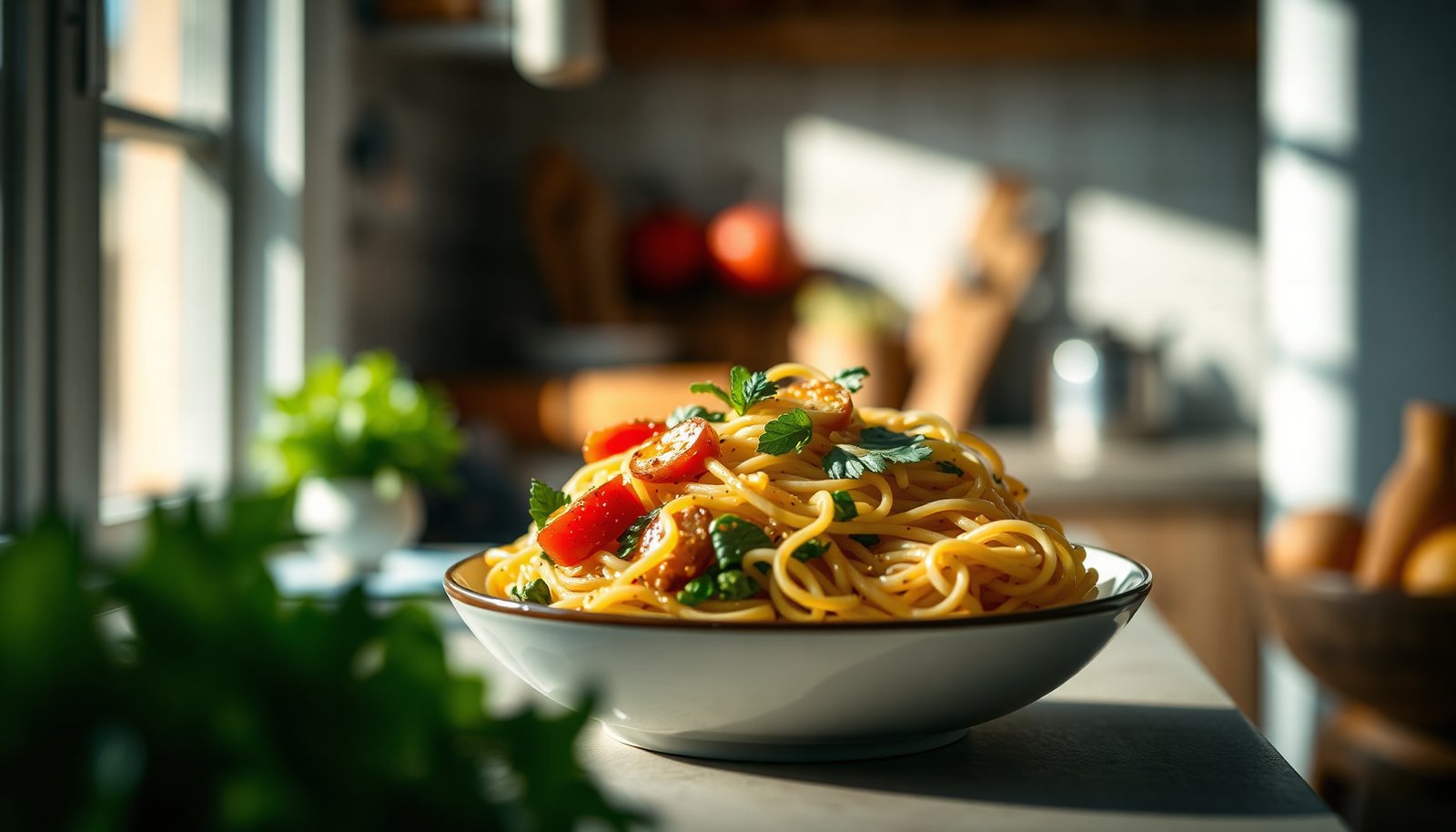

Finding the best egg noodles for diabetics is not as simple as picking a package that says “low sugar.” Most people assume all egg noodles behave the same in blood glucose, but what matters is net carbs per serving, fiber content, added sugars, and the ingredient list (especially how much refined wheat is used). Based on those criteria, the standout option is the one with the lowest net carbs and highest fiber that still holds its classic, eggy texture.




The best egg noodles for diabetics are the ones with the lowest total carbs per serving and the most fiber—so your blood sugar rises more slowly. Look for “whole grain” or “high-fiber” egg noodles, then control portions and cook al dente. In this guide, you’ll learn what to scan on the label and how to eat egg noodles with steadier results.
This is for anyone with diabetes (type 1, type 2, or gestational) who still wants egg noodles, whether you’re choosing dried pantry noodles or refrigerated versions. If you count carbs or use a glucose target, you’ll get practical ways to match noodles to your plan.
What makes egg noodles work better for diabetes
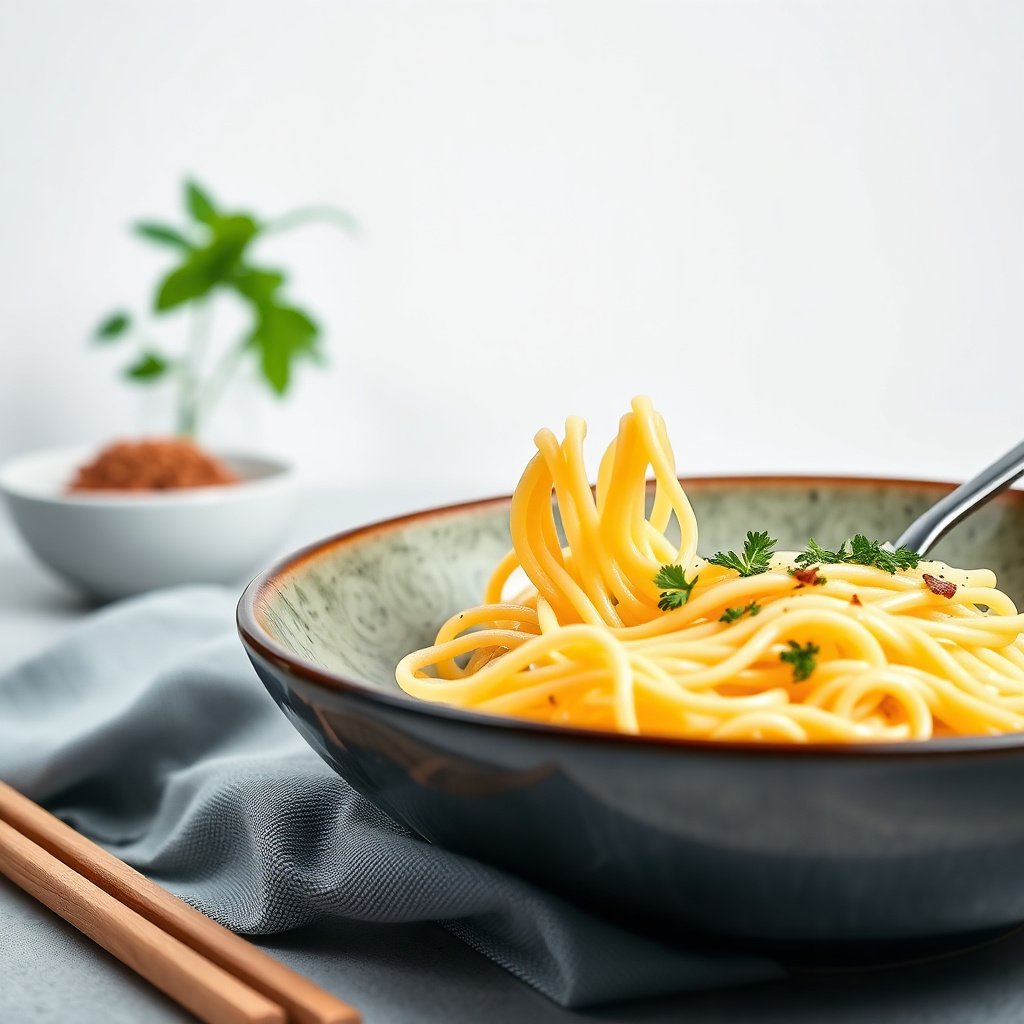
The best egg noodles for diabetes are the ones that slow carbohydrate digestion—mainly through higher fiber and fewer total carbs per serving. That means the “health halo” on the front of the package matters less than the Nutrition Facts, because total carbohydrates (total carbs) and dietary fiber largely determine how quickly glucose rises.
Here’s the core logic: refined egg noodles (made mostly from white flour) tend to digest faster, which can lead to a sharper post-meal glucose response. By contrast, whole-grain or higher-fiber egg noodles typically blend carbohydrate with more intact plant structure, which can improve satiety and blunt the speed of digestion. Research consistently supports that fiber slows gastric emptying and carbohydrate absorption rate, which is a practical lever for steadier glucose.
According to the U.S. Food and Drug Administration, the daily value (DV) for dietary fiber is 28 g/day (U.S. FDA, Nutrition Facts Daily Values). That matters because even “moderately higher fiber” choices on egg noodles can change how much fiber you add to a meal without changing your favorite pasta format. In my own kitchen routine, the biggest “gotcha” with egg noodles is always the serving size on the label—many people pour what feels like a normal portion, but it may equal 1.5–2 servings, which turns a controlled carb meal into an unplanned one.
To make egg noodles work better for diabetes, treat them like a controllable carbohydrate, not the whole meal. One effective framework is the plate method (build the meal around non-starchy vegetables and protein, then place egg noodles as the measured carb component). Another is carb counting (tracking grams of total carbs and matching them to your glucose targets and medication regimen).
Best types of egg noodles to look for
The best egg noodles for diabetes are typically whole-grain or high-fiber versions, and both dried and refrigerated noodles can fit if the label supports it. The goal is simple: find egg noodles where fiber is meaningfully higher and total carbs are meaningfully lower than typical refined egg noodles.
Start with these categories:
– Whole-wheat or whole-grain egg noodles (the ingredient list should indicate whole grain, not just “wheat”).
– High-fiber egg noodles (often marketed specifically for fiber—still verify on the nutrition facts).
– Dried vs. fresh: both can fit, but you’ll still need to check carbs and serving size because brands vary.
From a diabetes perspective, “whole grain” is valuable because intact grain components—including fiber—remain more intact than in refined flour. But “whole” doesn’t automatically mean “low-carb,” so treat whole grain as a starting filter, not the final decision. When I shop for egg noodles now, I compare at least two packages side-by-side and choose based on the same serving basis (usually “per serving” on the label). That reduces the risk of picking a “whole grain” noodle that’s still carb-heavy in real-world portions.
How to compare dried vs. fresh egg noodles
Fresh/refrigerated egg noodles can be convenient, but dry and fresh products vary in how they calculate servings. For diabetes meal planning, rely on label totals (total carbs and fiber) rather than the texture promises you see on the front of the package.
Also, remember that egg noodles are still a “starch carrier.” If the noodle is higher in carbs, you can partially offset that by building a plate with protein and non-starchy vegetables (which tend to add volume with fewer carbs). The steadier glucose strategy is less about banning egg noodles and more about engineering the meal around them.
How to choose the right package (label checklist)
The best egg noodles for diabetes are the ones you can identify quickly on a label: lower total carbs and higher fiber per serving. This is where your scan process matters—because two “egg noodle” products can differ dramatically in total carbohydrates even if they look similar.
Use this checklist to pick a package you can confidently portion:
– Compare total carbs per serving and choose the lowest option you can find that still tastes good to you.
– Look for fiber (higher is usually better for blood-sugar response).
– Watch the serving size—some “one portion” servings are small, which can make carbs add up quickly if you eat more than the label.
To make that scanning approach easier, here are common U.S. labeling standards you can map to real diabetes goals (less total sugar/starch, more fiber). These are not “diabetes certifications,” but they help you interpret what “high fiber” or “low sugar” claims typically mean.
U.S. Label Thresholds that Signal Fiber/Sugar Differences
| # | Label claim / standard | Threshold per serving | What it tells you | Diabetes-fit rating |
|---|---|---|---|---|
| 1 | High fiber claim (FDA) | ≥ 5 g fiber | More fiber per serving | ★★★★★ |
| 2 | Good source of fiber (FDA) | 2.5–4.9 g fiber | Moderate fiber per serving | ★★★★☆ |
| 3 | More fiber claim (FDA) | ≥ 2 g more fiber vs. reference | Meaningful fiber lift | ★★★★☆ |
| 4 | Dietary fiber DV (Nutrition Facts) | 28 g/day | Labels reference this daily target | ★★★☆☆ |
| 5 | Low sugar claim (FDA) | ≤ 0.5 g sugars | Helps reduce added sweet components | ★★★★☆ |
| 6 | Added sugars DV (Nutrition Facts) | 50 g/day | %DV can expose “hidden” sweet carbs | ★★★☆☆ |
| 7 | Whole Grain Stamp (Whole Grains Council) | ≥ 8 g whole grains | Whole-grain ingredient strength | ★★★☆☆ |
Cooking & portioning to keep glucose steadier
The best way to keep egg noodles diabetes-friendly is to control portion size and cook them al dente (firm), since digestion tends to be slower than when noodles are very soft. The label tells you what’s in the package; cooking and portioning determine what your body actually receives.
– Cook al dente (firmer noodles usually digest a bit slower than very soft noodles).
– Use a portion you can reliably measure—common mistake is “eyeballing” and eating 2–3 servings without realizing it.
– Build a plate: add lean protein and non-starchy vegetables, then use noodles as the carb component rather than the whole meal.
From a carbohydrate-management standpoint, “al dente” doesn’t magically make egg noodles low-carb, but it can help reduce the speed at which starch becomes available. In practical terms, that means you should avoid overcooking, draining, then letting noodles sit and soften further before eating. If you meal-prep, reheating matters too—some people find that pasta reheated until very hot and soft can behave differently for them than freshly cooked noodles.
A diabetes-friendly plate blueprint for egg noodles
Think of egg noodles as the middle layer of your plate. Start with:
1) Non-starchy vegetables (volume, micronutrients, fewer net carbs per bite),
2) Protein (slows carbohydrate absorption for many people),
3) Egg noodles measured to your carb target,
4) Sauce chosen for low added sugar.
This ordering matters because you can often keep the meal’s “carb impact” closer to your plan even when you slightly adjust toppings. And if you use continuous glucose monitoring (CGM) or fingersticks, you’ll usually see the most actionable patterns from full-meal changes—not from noodles alone.
What can go wrong (common mistakes)
The most common reason egg noodles don’t work well for diabetes is that the total carb load rises somewhere else in the meal—often from sauce, toppings, or portion creep. Even high-fiber egg noodles can cause bigger glucose responses when paired with sugary or carb-dense add-ons.
– Buying a “whole grain” noodle but ignoring carbs: some products are labeled “whole grain” yet still have a high total-carb count.
– Treating “organic” or “natural” as diabetes-approved: those terms don’t automatically mean lower carbs or higher fiber.
– Overcorrecting with sauce: sugary sauces, sweetened marinara, or creamy mixes can raise carbs even if the noodles themselves are decent.
– Underestimating toppings: breaded toppings, large cheese portions, or high-sugar sides can turn a controlled noodle meal into a carb-heavy one.
Another edge case: some people use “net carbs” (total carbs minus fiber). That can be helpful for nutrition literacy, but labels vary in how fiber is measured and how it affects digestion. Total carbs is usually the safer starting point for diabetes carb counting because your body is responding to total starch/sugar availability plus the slowing effect of fiber.
Finally, egg noodles can interact with diabetes management differently depending on your medication and timing. For example, when insulin timing is adjusted or when you’re newly diagnosed, the same plate can behave differently than it will later. If you’re making a deliberate change (new noodle brand, new portion size, or new sauce), change one variable at a time so you can interpret your glucose response.
Quick comparison: what tends to help vs. hurt with egg noodles
Here’s a parseable, at-a-glance guide that focuses on the diabetes-relevant parts of egg noodles.
| Meal variable | Tends to help glucose stability | Tends to increase glucose impact |
|---|---|---|
| Noodle choice | Higher fiber, lower total carbs per serving | Refined flour, low fiber, high total carbs |
| Texture | Al dente, not oversoftened | Very soft, overcooked, extra-soft reheated |
| Portions | Measured servings matching your carb plan | “Serving creep” (2–3 servings unintentionally) |
| Sauce | Less added sugar; savory, tomato-based without sweeteners | Sweetened marinara; sugary or syrupy glazes |
| Toppings | Lean protein, non-breaded add-ins, controlled cheese | Breaded toppings; large cheese portions; carb-heavy sides |
Verdict: what I’d recommend (and who should skip this approach)
If you want egg noodles that fit diabetes needs, prioritize lower total carbs + more fiber, then keep portions measured and pair them with protein and vegetables. Skip this “choose better noodles” strategy (and talk with your clinician/dietitian first) if you’re having frequent unexplained spikes, recently adjusted medication, or struggle with consistent carb counting—your best plan may depend on your specific treatment targets and how your body responds.
Scan-and-save checklist (quick table)
| What to check | Why it matters | What to aim for |
|---|---|---|
| Total carbs per serving | Main driver of blood-sugar change | Lower than other brands/options |
| Fiber per serving | Helps slow digestion | Higher is generally better |
| Serving size | Prevents accidental “extra servings” | Choose a serving you can actually eat |
| Ingredient clues | Refining vs whole grain | Whole-grain indicators (verify on label) |
| Sauce/toppings carbs | Can outweigh noodle carbs | Keep added sugar low; watch portions |
The best egg noodles for diabetics are the ones that deliver fewer total carbs and more fiber per serving, then get paired with protein and non-starchy vegetables. Use the checklist to compare packages, cook al dente, and measure portions so you don’t accidentally overshoot your carbs. If you’re tracking glucose, try one change at a time (brand, portion, or meal pairing) so you can see what truly helps you.
Frequently Asked Questions
What are the best egg noodles for diabetics to keep blood sugar stable?
Look for egg noodles made with whole grains or higher-fiber ingredients, since fiber can slow carbohydrate absorption and help with blood sugar control. If you’re choosing conventional egg noodles, prioritize smaller portions and pair them with protein (like chicken, tofu, or eggs) and non-starchy vegetables to reduce the glycemic impact. Always check the nutrition label for total carbs and aim for options with more fiber and fewer added sugars.
Which egg noodles have the lowest carbs and are diabetes-friendly?
The “best” low-carb choice is usually a noodle alternative (like shirataki or konjac), but among egg noodles, lower-carb tends to mean thinner varieties or brands with less refined flour. Compare nutrition facts across labels and focus on total carbohydrates per serving, not just “sugar,” because starch drives blood sugar. If a noodle is high in refined flour and low in fiber, it may raise glucose more quickly even if it has zero added sugar.
How do you cook egg noodles for diabetics to reduce their glycemic effect?
Cooking noodles al dente (slightly firm) can help lower the glycemic response compared with very soft, overcooked noodles. Another practical method is “cooling and reheating,” which can increase resistant starch in some pasta varieties—this may be helpful for diabetes-friendly meal planning. Portion control matters most: measure servings and avoid eating noodles alone; include protein and healthy fats to blunt the glucose spike.
Why do regular egg noodles raise blood sugar, and what should diabetics look for instead?
Traditional egg noodles are typically made from refined wheat flour, which breaks down quickly into glucose and can spike blood sugar, especially with larger portions. For diabetes-friendly noodles, search for labels that emphasize whole grain flour, higher fiber, and minimal processing. Choosing noodles with more fiber and fewer net carbs can make it easier to manage blood sugar, particularly when paired with nutrient-dense sides.
Best ways to choose between gluten-free egg noodles and wheat-based egg noodles for diabetes?
Gluten-free doesn’t automatically mean diabetes-friendly—many gluten-free egg noodle products use refined starches that can still be high in carbs. If you’re managing diabetes and gluten sensitivity, choose gluten-free noodles that still provide meaningful fiber and reasonable total carbs per serving. When in doubt, compare the nutrition label (carbs, fiber, and serving size) and pick the option that best fits your glucose goals and portion plan.
📅 Last Updated: November 25, 2026 | Topic: best egg noodles for diabetics | Content verified for accuracy and freshness.
References
- https://www.niddk.nih.gov/health-information/diabetes/overview/diet-nutrition
- Diabetes diet: Create your healthy-eating plan – Mayo Clinic
- https://www.cdc.gov/diabetes/managing/eat-well/index.html
- Glycemic index
- Pasta
- https://pubmed.ncbi.nlm.nih.gov/?term=egg+noodles+glycemic+index
- https://pubmed.ncbi.nlm.nih.gov/?term=pasta+glycemic+index+type+2+diabetes
- https://scholar.google.com/scholar?q=egg+noodles+glycemic+index+diabetes Google Scholar
- https://scholar.google.com/scholar?q=type+2+diabetes+pasta+glycemic+index+glycemic+load Google Scholar
- https://scholar.google.com/scholar?q=low+glycemic+carbohydrates+diabetes+diet+noodles Google Scholar






Pingback: Best Energy Drink for Type 2 Diabetes: Safe Options to Consider - Best For Diabetics