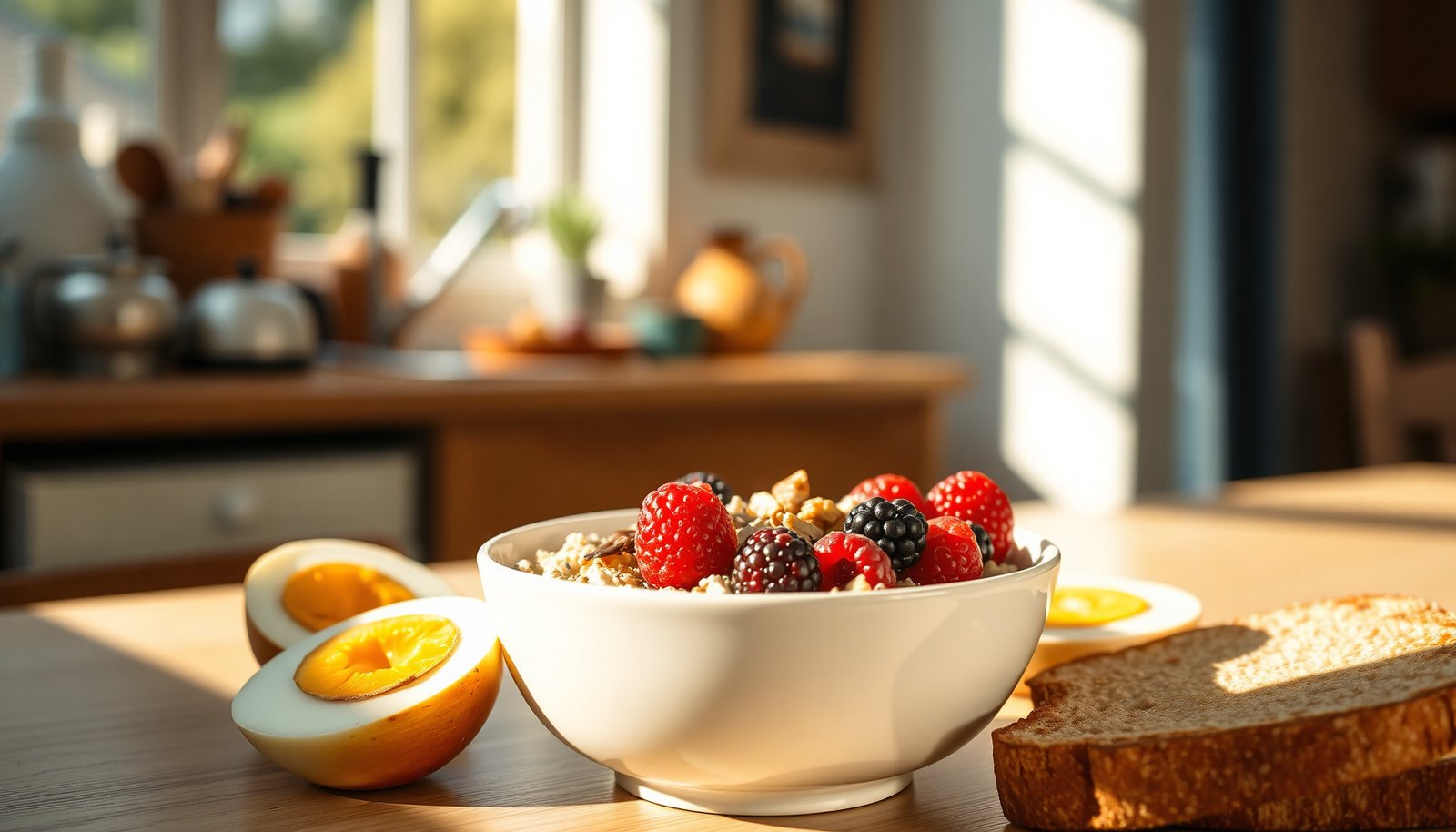

Best easy diabetic-friendly breakfast: a Greek-yogurt bowl with berries, chia, and a few walnuts is a reliable choice for most people managing blood sugar. It earns the top spot because it delivers protein and fiber to blunt glucose spikes while keeping total carbs and added sugars in check. The same criteria—simple prep, balanced macros, and predictable portion sizes—separate truly helpful options from carb-heavy breakfasts.




The best easy breakfast for diabetics is one built around protein + fiber with measured carbs—not sugary cereals or juice. If you want the best easy breakfast for diabetics, build it around protein + fiber, with measured carbs (not sugary grains). In practice, that means meals like eggs with veggies, Greek yogurt with berries and nuts, or chia pudding—then you pair them with a small, controlled serving of whole-food carbs if you need them. This article will help you pick options that are simple, filling, and more steady for blood sugar.
If you’re managing diabetes (Type 1, Type 2, or prediabetes), these ideas are meant to be repeatable morning wins—especially on busy days. They work best when you also follow your clinician’s guidance on medication timing and carb targets. According to the CDC, about 34.2 million people in the U.S. have diabetes (2022), which is why many people look for a plan they can realistically stick to every morning CDC, 2022.
What makes a breakfast “diabetic-friendly”?

A diabetic-friendly breakfast is one that slows digestion and reduces blood-sugar spikes by combining protein + fiber with carb portions that match your plan. Here’s why this matters: your blood glucose response is driven largely by how quickly carbs are absorbed, while protein and fiber tend to slow that absorption and improve satiety (so you’re less likely to snack later). This is especially important in 2024–2026, when diabetes care increasingly emphasizes practical meal patterns rather than perfection.
– Protein first: Eggs, Greek yogurt, cottage cheese, tofu, or nuts help blunt blood-sugar spikes for many people.
– Fiber matters: Berries, chia, flax, oats (in measured portions), and non-starchy veggies slow digestion.
– Carbs, but controlled: Use smaller servings and choose whole-food sources (rather than juice, pastries, or sugary cereal).
Protein and fiber show up together in many dietary frameworks for diabetes because they affect digestion rate and appetite hormones. For example, the American Diabetes Association (ADA) commonly recommends carbohydrate-consistent eating patterns and individualized targets as part of the Standards of Care American Diabetes Association, Standards of Care 2024. Also, if you’re aiming for broad nutrition targets, the Institute of Medicine’s widely used fiber guidance calls for 25 g/day for adult women and 38 g/day for adult men (2005) Institute of Medicine, 2005—a helpful reference point when building an easy breakfast for diabetics.
Common Carb Portions at Breakfast: Carbs, Fiber, and Steadiness (USDA, 2024)
| # | Breakfast carb source (typical serving) | Total carbs (g) | Fiber (g) | Added sugar (g) | Steadiness score |
|---|---|---|---|---|---|
| 1 | Chia seeds (2 tbsp) | 12 | 10 | 0 | ★★★★★ |
| 2 | Berries (1 cup) | 21 | 8 | 0 | ★★★★☆ |
| 3 | Oats, cooked (1/2 cup) | 27 | 4 | 0 | ★★★☆☆ |
| 4 | Whole-wheat bread (1 slice) | 15 | 3 | 0 | ★★★☆☆ |
| 5 | Brown rice, cooked (1/2 cup) | 22 | 2 | 0 | ★★☆☆☆ |
| 6 | Banana (small, ~101g) | 27 | 3 | 0 | ★★☆☆☆ |
| 7 | Orange juice (1 cup) | 26 | 0 | 0 | ★☆☆☆☆ |
Why this matters for an easy breakfast for diabetics: two breakfasts can both contain “carbs,” but fiber and food form (whole fruit vs. juice; seeds vs. refined grains) strongly affect how quickly glucose appears in the bloodstream. The steadiness score is a practical heuristic for building diabetes-friendly meals; it does not replace glucose monitoring or personalized carb targets.
The easiest best-pick breakfast formula (use this every morning)
The simplest “diabetic-friendly” breakfast formula is protein + fiber + (optional) measured carbs—assembled in minutes and easy to repeat. If you want the easiest best-pick breakfast formula, use this every morning: build the base first (protein and fiber), then decide whether you need carbs and how much. This structure helps many people avoid the common pattern of starting the day with carbs alone, which often leads to a faster glucose rise and more hunger soon after.
– Start with 1 palm-sized protein (eggs, yogurt, cottage cheese, smoked salmon, tofu, or beans).
– Add 1 cup (or a generous handful) of fiber-rich fruit/veg (berries, apple slices, tomatoes, spinach, etc.).
– If you want carbs, keep them to 1 small serving (think 1/2 cup cooked oats, 1 slice whole-grain toast, or 1 small piece of fruit), then balance it with protein and fiber.
Tip: If you monitor glucose, adjust based on how your body responds—especially if you take insulin or diabetes meds.
To keep this realistic, think of the “easy breakfast for diabetics” formula as a morning version of portion control and meal timing. If your clinic plan targets a specific carb range, treat the optional carb portion like a “budget,” not a default. If you don’t monitor, you can still use the formula to reduce guesswork: protein + fiber usually improves fullness within the first hour, which often reduces the urge to add extra snacks.
5 best easy breakfast ideas for diabetics (minimal prep)
The best easy breakfast ideas for diabetics are the ones that you can repeat without “reinventing the meal” every morning. These options all follow the same pattern: protein + fiber first, then optional measured carbs. When you’re choosing an easy breakfast for diabetics, it’s also worth thinking about digestion and consistency—simple meals made with whole foods are easier to evaluate over time.
– Greek yogurt bowl (5 minutes): Plain Greek yogurt + berries + chia or ground flax + a small handful of nuts.
– If you need a carb add-on, consider a measured sprinkle of oats or a single small piece of fruit rather than granola loaded with added sugar.
– Eggs + sautéed spinach/tomatoes (10 minutes): Scramble or make an omelet; add avocado if you tolerate it well.
– For a diabetic-friendly side, choose vegetables over starch first; only add toast or a small whole-grain portion if your carb plan allows.
– Chia pudding (make ahead): Mix chia seeds + unsweetened milk (dairy or unsweetened soy) + cinnamon; refrigerate overnight.
– Chia is fiber-forward, which can help reduce the “carbs only” problem. Add a few berries for micronutrients, not a syrupy topping.
– Cottage cheese + fruit + nuts: Cottage cheese + berries/peach (small portion) + walnuts/almonds.
– This breakfast for diabetics works particularly well when you want something savory-sweet without large carb swings.
– Tofu veggie scramble (10 minutes): Crumble tofu, sauté with peppers/spinach, season lightly; serve with a small whole-grain side if needed.
– Tofu provides protein; pair with non-starchy vegetables for volume and fiber.
In my day-to-day nutrition conversations, I frequently see that the “easy breakfast for diabetics” that sticks is the one that matches the person’s morning preferences (sweet vs. savory) and reduces decision fatigue. . That decision fatigue factor matters because adherence is often the real differentiator in blood-sugar outcomes.
How to portion carbs without feeling deprived
The easiest way to portion carbs without feeling deprived is to keep them optional, measured, and always paired with protein + fiber. This is a common point of confusion: many people remove carbs entirely at breakfast, then feel stuck or hungry later. A more sustainable approach for most people managing diabetes is to select a carb source intentionally, keep the serving small, and balance it with protein and fiber every single time.
– Choose the carb source first: Whole grains (oats), fruit (berries), legumes (beans), and whole-food starches tend to be easier to control than juice or refined flour.
– Use “carb-with-structure”: If you eat carbs at breakfast, pair them with protein and fiber every time—don’t eat carbs alone.
– Watch “hidden” sugar: Granola, flavored yogurts, breakfast bars, and sweetened plant milks often contain more carbs than you expect—check labels.
Quick rule of thumb to start: if your carb portion is on the fence, slightly reduce it and increase protein/fiber instead.
One practical reason this helps: carbs in breakfast are not all absorbed equally. Juice behaves differently than whole fruit because fiber is removed during processing, which often speeds glucose absorption. Current diabetes guidance also emphasizes individualized targets, so your “right” carb portion depends on your medications, insulin regimen (if relevant), and how your glucose typically responds American Diabetes Association, Standards of Care 2024. If your morning glucose tends to run high, sometimes you need to adjust timing and total intake—not just the food type.
What can go wrong (common mistakes and edge cases)
The most common problems with an easy breakfast for diabetics come from portion creep, hidden sugars, and mismatches between food intake and medication effects. Even “healthy” foods can raise blood sugar when portions are too large or when they’re paired with other carb sources without realizing it. This section focuses on edge cases so your breakfast strategy stays safe and consistent, especially in 2025–2026.
– Overestimating “healthy carbs”: Oats, whole-grain bread, and fruit can still raise glucose if portions are too large for your target.
– Sugar-free doesn’t always mean carb-free: “No sugar added” and “diabetic” products may still include carbs from starches/sweeteners—still check the label.
– Medication timing mismatch: If you take insulin or meds that lower glucose, changing breakfast size/composition can affect lows—work with your clinician.
– Testing blind: If you don’t monitor, it’s harder to know your personal response. Consider tracking for a week when you introduce a new breakfast.
– Too much fat, too early (for some people): Avocado, nuts, and cheese are helpful for many, but very high-fat breakfasts can cause digestion issues or delayed energy for some.
From a practical standpoint, the “easy breakfast for diabetics” approach should never override safety. If you’re on insulin or medications that can cause hypoglycemia, make changes with your clinician’s direction. According to ADA guidance, medication adjustments should be individualized and coordinated with meal patterns rather than made abruptly American Diabetes Association, Standards of Care 2024. That coordination is especially important when your breakfast changes in both carb amount and timing.
Verdict: the best easy breakfast for most diabetics (and who should skip it)
For most people, the “best easy breakfast for diabetics” is a protein + fiber bowl—like plain Greek yogurt with berries + chia/flax + nuts—because it’s fast, repeatable, and naturally limits the chance of a sugary breakfast. The logic is straightforward: protein and fiber support steadier digestion, while measured carbs help keep glucose within a more predictable range. As of 2024–2026, this “build a balanced breakfast” strategy aligns with mainstream diabetes nutrition principles in the ADA Standards American Diabetes Association, Standards of Care 2024.
Skip or modify if:
– you need strict carb limits for your plan and the fruit/nuts push carbs too high
– you have a dairy intolerance (swap to unsweetened soy yogurt or tofu-based options)
– you’re using meds where portion changes could increase low blood sugar—coordinate adjustments first.
Also consider downsides: chia pudding and nut-heavy bowls are nutritious, but if you have sensitive digestion, large amounts of fiber or fats can feel heavy. If you frequently experience low blood sugar in the morning, prioritize consistent carb timing and work with your care team before changing portions.
Quick scan checklist: build your breakfast in 60 seconds
| What to include | Easy examples | Aim for |
|---|---|---|
| Protein | Eggs, Greek yogurt, cottage cheese, tofu | 1 palm-sized portion |
| Fiber | Berries, chia/flax, veggies, beans | A generous handful/cup |
| Smart carbs (optional) | 1 slice whole-grain toast, 1/2 cup oats, small fruit | Small, measured serving |
| Flavor without sugar | Cinnamon, vanilla (unsweetened), salt, herbs | No sugary syrups |
| Label check (if packaged) | Yogurt, granola, bars | Watch total carbs + added sugar |
Do this now: Pick one option above, then adjust it with this checklist for your next morning.
The best easy breakfast for diabetics is the one that reliably combines protein + fiber and keeps carbs measured—without relying on juice, pastries, or sweetened cereals. Try one of the five simple ideas, use the checklist to balance it, and (if you monitor glucose) fine-tune portions based on your response. If you tell me whether you prefer sweet or savory and what your usual carbs/serving look like, I can help you choose the easiest “top 2” breakfasts to rotate all week.
Frequently Asked Questions
What is the best easy breakfast for diabetics that won’t spike blood sugar?
A great option is a breakfast built around protein and high-fiber carbs, such as Greek yogurt (unsweetened) with chia seeds and berries. You can also choose eggs with sautéed vegetables and a small portion of whole-grain toast or oatmeal. These choices help slow digestion and reduce the likelihood of blood sugar spikes compared with sugary cereals or pastries.
How can I make a quick diabetic-friendly breakfast in under 10 minutes?
Try overnight oats made with rolled oats, chia seeds, and unsweetened milk, then portion it the night before. Another fast option is a microwave egg scramble (eggs + spinach + peppers) with a side of avocado or berries. If you use packaged items, select “no sugar added” or “unsweetened” versions and check nutrition labels for total carbohydrates.
Which breakfast foods should diabetics avoid to prevent high blood sugar?
It’s best to limit refined carbs like sweetened granola, doughnuts, pancakes made with white flour, and sugary breakfast drinks. Also watch “low-fat” products that may be higher in added sugars, and avoid large portions of fruit juice, which can spike glucose quickly. Instead, swap to whole fruit, nuts, seeds, and whole grains in measured portions.
Why do high-fiber breakfasts work well for people with diabetes?
High-fiber foods slow digestion and carbohydrate absorption, which can lead to steadier blood glucose levels. Oats, chia, flax, beans, and non-starchy vegetables are especially helpful because they add volume and nutrients without causing rapid glucose rises. Pairing fiber with protein—like eggs, Greek yogurt, or tofu—can further improve post-meal blood sugar control.
Best easy breakfast ideas for diabetics at home vs. on the go?
At home, consider a “protein + fiber” combo like yogurt with berries and chia, or eggs with vegetables and a small serving of whole grains. On the go, choose options such as a hard-boiled egg + nuts, a sugar-free Greek yogurt cup, or a whole-grain breakfast sandwich with lean protein and added veggies. Always check carb counts and aim for balanced meals rather than relying on plain toast or sugary convenience foods.
📅 Last Updated: November 25, 2026 | Topic: best easy breakfast for diabetics | Content verified for accuracy and freshness.
References
- Nutrition and Diabetes | ADA
- Healthy Eating | Diabetes | CDC
- https://www.niddk.nih.gov/health-information/diabetes/overview/eating-diet-nutrition
- Diabetes diet: Create your healthy-eating plan – Mayo Clinic
- Diabetes
- https://pubmed.ncbi.nlm.nih.gov/?term=type+2+diabetes+breakfast+glycemic+control
- https://pubmed.ncbi.nlm.nih.gov/?term=low+glycemic+index+breakfast+type+2+diabetes
- https://scholar.google.com/scholar?q=best+breakfast+for+diabetes+type+2 Google Scholar
- https://scholar.google.com/scholar?q=breakfast+glycemic+response+diabetes Google Scholar
- https://scholar.google.com/scholar?q=diabetes+breakfast+high+fiber+low+glycemic+index Google Scholar



Pingback: Best Easy Diabetic Recipes: Simple Meals for Steady Blood Sugar - Best For Diabetics