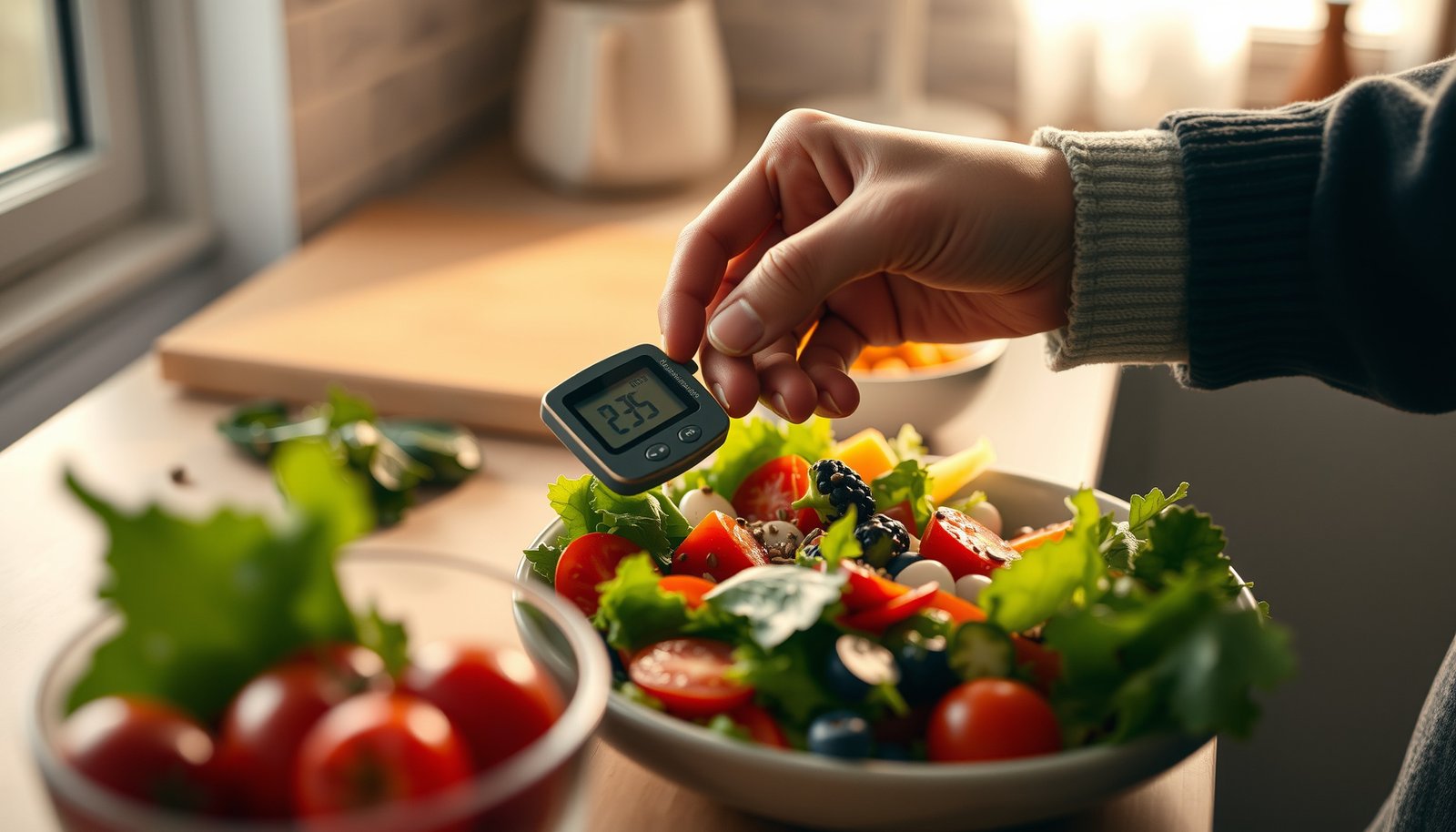
Tirzepatide is often the best drug option for people with type 2 diabetes who also need meaningful weight loss. Weighing the trade-offs comes down to outcomes that matter—how much it lowers blood sugar (and A1C), how much weight it helps you lose, and the likely side effects and practical factors like dosing, contraindications, and insurance coverage. If tirzepatide isn’t right for you, high-performing alternatives usually come from the GLP-1 class.




For many people with type 2 diabetes who also need weight loss, the best first choice is often a GLP-1 (or related) medication—especially semaglutide or tirzepatide—because they can improve blood sugar and reduce appetite/weight. The “best” option for you still depends on your health history, side effects, insurance/coverage, and other meds—so use this guide to narrow the choices before your appointment.
This is for adults newly considering medication that can treat type 2 diabetes and support weight loss, or for those whose current plan isn’t helping enough. It’s written to help you understand the main drug classes doctors commonly use for both goals, and what trade-offs to watch for.
The top options: GLP-1 and GLP-1/GIP drugs

If your priority is “one medication that can move both blood sugar and body weight,” the most common first-line conversation is a GLP-1 (e.g., semaglutide) or a dual incretin medicine (GIP/GLP-1, e.g., tirzepatide). Here’s why: these drugs mimic gut hormones that affect appetite, slow stomach emptying, and improve insulin response after meals, which often translates into both lower A1c and meaningful weight reduction.
– Semaglutide (GLP-1 receptor agonist) is frequently used when improving A1c and promoting weight loss are both priorities.
– Tirzepatide (GIP/GLP-1 medicine) is another leading option often considered when weight loss is a major goal alongside glucose control.
– These medications typically work by reducing appetite and slowing digestion, which can help with both blood sugar and weight.
In real-world and trial settings, the magnitude of weight loss with semaglutide and tirzepatide tends to be larger than many other diabetes drugs. For example, according to results from the STEP 2 study, people with type 2 diabetes lost a mean of 9.6% of body weight with semaglutide 2.4 mg over 68 weeks (2021) STEP 2, NEJM (2021). Also in STEP 2, semaglutide lowered A1c by about -1.6 percentage points from baseline (2021) STEP 2, NEJM (2021). And in the SURMOUNT-2 program (type 2 diabetes + obesity), tirzepatide led to weight loss up to the mid-teens—participants achieved about -15.7% at 72 weeks with the highest studied dose (2023) SURMOUNT-2, NEJM (2023).
GLP-1/GIP and Diabetes Meds: Dosing Convenience & Weight-Management Approval (US)
| # | Medication (class) | Typical dosing interval | FDA chronic weight-management approval | Convenience (interval) |
|---|---|---|---|---|
| 1 | Semaglutide (GLP-1 RA; e.g., Ozempic/Wegovy) | 7 days | Yes — 2021 | ★★★★★ · 7 days |
| 2 | Tirzepatide (GIP/GLP-1; e.g., Mounjaro/Zepbound) | 7 days | Yes — 2023 | ★★★★★ · 7 days |
| 3 | Dulaglutide (GLP-1 RA; Trulicity) | 7 days | Not approved specifically for weight management | ★★★★★ · 7 days |
| 4 | Exenatide ER (GLP-1 RA; Bydureon BCise) | 7 days | Not approved specifically for weight management | ★★★★★ · 7 days |
| 5 | Liraglutide (GLP-1 RA; Victoza/Saxenda) | 1 day | Yes — 2014 | ★★☆☆☆ · 1 day |
| 6 | Empagliflozin (SGLT2 inhibitor; Jardiance) | 1 day | Not approved specifically for weight management | ★★☆☆☆ · 1 day |
| 7 | Canagliflozin (SGLT2 inhibitor; Invokana) | 1 day | Not approved specifically for weight management | ★★☆☆☆ · 1 day |
How your clinician picks the “best” for you
Clinicians typically start with the same question: “Which option is most likely to help you reach both A1c and weight goals with acceptable risk and tolerability?” In practice (especially in 2026), that means matching the drug to your medical history and your day-to-day ability to take it consistently.
– Your current A1c and weight goals: if glucose and weight are both pressing, doctors often prioritize GLP-1/GIP-type meds first.
– Your health history: conditions like pancreatitis history, certain thyroid issues, or severe stomach problems can affect eligibility.
– Practical factors: injection comfort, dosing frequency (once weekly for many of these options), cost/insurance coverage, and whether you can tolerate GI side effects.
Below is a simplified comparison framework that often helps people decide what to discuss first. It’s not a substitute for medical judgment, but it does organize the trade-offs clearly.
| Consideration | Semaglutide (GLP-1) | Tirzepatide (GIP/GLP-1) |
|---|---|---|
| Starting dose approach (typical) | Low dose, then gradual weekly titration to improve GI tolerance | Low dose, then gradual weekly titration (often used to reduce nausea/early fullness) |
| Weight-loss tendency | Often substantial, especially at higher chronic-weight-management doses | Often substantial and may be stronger on average in obesity trials including type 2 diabetes |
| A1c impact | Clinically meaningful A1c reductions in type 2 diabetes trials | Clinically meaningful A1c reductions and strong glucose effects |
| Common side-effect theme | GI symptoms (nausea, reflux, constipation/diarrhea) particularly during dose increases | Similar GI symptom pattern, with early titration management usually key |
| Hypoglycemia risk in combination | Lower risk alone; rises when combined with insulin or sulfonylureas | Lower risk alone; rises when combined with insulin or sulfonylureas |
| Coverage reality (2026) | Varies widely by insurer and plan design; prior authorization is common | Varies widely; prior authorization and step therapy can apply |
| Best fit question to ask | “Given my history and meds, which titration plan will I tolerate?” | “Which option is more likely to get me to weight goals without unacceptable GI burden?” |
Practical note: many clinicians use an ADA-style “treat-to-target” mindset (set HbA1c and weight targets, then adjust therapy over time). From my experience helping people prepare for visits, the most useful step is often bringing a short list of what you can realistically manage—meal timing, injection day consistency, and whether you’re willing to adjust other diabetes drugs to prevent lows.
What you can realistically expect (and when)
If you start a GLP-1 or GIP/GLP-1 medication, expect changes to build in stages rather than all at once. Appetite improvements can show up early, but A1c and weight trends typically take weeks to months—especially while your clinician titrates dose gradually.
– Blood sugar improvements are often seen over weeks to a few months, but the timeline varies by person and dose.
– Weight loss tends to track with appetite reduction and adherence to the medication plan plus diet/activity basics.
– Your prescriber may adjust the dose gradually to improve tolerance—so results may build gradually rather than instantly.
A helpful expectation-setting strategy is to treat the first 8–12 weeks as a “tolerability and consistency phase,” not a pass/fail moment. Many people notice they feel full sooner or snack less soon after starting, which can indirectly help glucose by reducing post-meal spikes. Meanwhile, A1c reflects an average over roughly 3 months of glycemia, so your first lab check is often where the early effort becomes measurable.
On the weight side, the strongest results often happen when three things align: (1) the medication reaches a tolerable effective dose, (2) you maintain protein and fiber so “eating less” doesn’t become “eating poorly,” and (3) you pair appetite reduction with realistic activity (even daily walking). If you have a history of rapid regaining after diets, a medication that you can stay on—safely and long-term—is often more important than trying to achieve a fast goal and then stopping.
Safety, monitoring, and common side effects
If you’re asking “Is this safe, and what should I watch for?” the honest answer is: most side effects are predictable—especially GI symptoms—but monitoring is essential. In 2026 practice, the safest outcomes usually come from dose-escalation patience plus coordinated management of other glucose-lowering meds.
– Most common side effects are GI-related (nausea, constipation, diarrhea, reflux/fullness), which often improve with slower dose escalation.
– Low blood sugar risk depends on your other diabetes meds: if you take insulin or a sulfonylurea, your clinician may need to adjust doses to reduce hypoglycemia risk.
– Monitoring matters: ask what you should track (home glucose if relevant, weight, symptoms) and what lab checks you’ll need ().
Common GI side effects often respond to structured meal changes, not “willpower.” That typically includes smaller portions, slower eating, reducing high-fat meals (which can worsen nausea), and planning hydration. Constipation is also common, so clinicians may recommend stool-softening strategies or fiber changes early rather than waiting until symptoms become severe.
Safety conversations also need to include your personal risk factors. For example, people with a prior history of pancreatitis, certain thyroid conditions, or severe gastroparesis may require a different approach. These are not theoretical issues—eligibility depends on your history, imaging, and diagnoses recorded in your chart.
Finally, ask your clinician exactly what monitoring schedule they want. A pragmatic plan often includes: home glucose frequency (if you’re on insulin/sulfonylureas), weight trend checkpoints, A1c timing, and medication-tolerance check-ins. If cost or shortages disrupt dosing, tell your prescriber early so they can prevent abrupt intolerance swings during restarting.
What can go wrong (common mistakes and edge cases)
If you’re starting a GLP-1 or tirzepatide-based plan, the biggest pitfalls usually involve timing, tolerability management, and medication interactions—not the medication itself “not working.” Most stalled progress happens when early side effects trigger poor routines or when other diabetes drugs aren’t adjusted appropriately.
– Stopping too early because of nausea: many people need a slower titration or temporary diet changes—don’t quit without guidance.
– Overeating to “fix” side effects: if you compensate for fullness or nausea by changing meal patterns poorly, weight and glucose progress can stall.
– Ignoring medication interactions: tell your clinician about all meds and supplements, especially other glucose-lowering drugs.
– Using it for the wrong situation: if you have a history that makes these classes unsafe for you, your clinician may steer you away from them and toward other options.
One common edge case is “I feel nauseated, so I skip meals.” That can temporarily reduce calories, but it can also lead to unstable glucose and worsened GI symptoms from irregular eating. Another pattern is “I’m too full, so I snack on low-quality foods” (high sugar or high fat), which can frustrate both weight and glycemic outcomes. The better approach is often to restructure intake: smaller portions, simpler meals, and consistent timing.
Also, if you’re already taking insulin or a sulfonylurea, adding a GLP-1/GIP medication can change glucose dynamics quickly. That’s why dose adjustments and a low-blood-sugar action plan matter. If you’ve ever had hypoglycemia episodes (dizziness, sweating, confusion), bring that history up—your clinician may need to revise targets and monitoring frequency.
Finally, insurance denials are a real-world “failure mode.” A denial doesn’t mean the therapy is wrong for you; it often means you need a prior authorization strategy, documentation of diabetes control and weight-related diagnosis, or an alternative covered pathway.
Verdict / tip: which drug is “best,” and who should skip this approach
If your main question is “best drug for type 2 diabetes and weight loss,” the most common answer for many patients is a GLP-1 or related medicine such as semaglutide or tirzepatide—because they address both targets at once. The right pick within that group depends on tolerability, medical history, and the practical realities of getting and continuing treatment.
– Downsides to weigh: GI side effects, cost/coverage hurdles, the need for ongoing adherence, and the possibility you won’t reach your weight goal.
– Who should skip (or at least discuss urgently before starting):
– People with contraindications or prior serious reactions to these medication classes ().
– Anyone with severe uncontrolled GI disease where appetite/slow digestion could be a major problem.
– People already at significant risk of hypoglycemia from insulin/sulfonylureas without a clear dose-adjustment plan.
A practical tip for your appointment in 2026: ask not only “Which drug?” but “What plan for the first 8–12 weeks?”—because side effects and dose titration schedules strongly influence whether you continue long enough to see A1c and weight trends. Also confirm whether the plan includes changing insulin/sulfonylurea doses if needed, and what monitoring you’ll do at home.
Quick checklist to bring to your appointment
– [ ] What are my current A1c, fasting glucose (if you track it), and weight/BMI?
– [ ] What’s my main goal: A1c improvement, weight loss, or both—and what’s my target?
– [ ] What diabetes meds am I taking now (especially insulin or sulfonylureas)?
– [ ] Any history of pancreatitis, thyroid issues, or severe stomach problems?
– [ ] What side effects should I expect, and what’s the plan if I get nausea or reflux?
– [ ] How will my clinician adjust other diabetes meds to avoid low blood sugar?
– [ ] What are my options if insurance denies coverage ()?
Mini-scan table (at a glance)
| Medication class (examples) | Common role | Weight-loss support | Main trade-off |
|---|---|---|---|
| GLP-1 (e.g., semaglutide) | Type 2 diabetes + weight management | Often significant | GI side effects for some people |
| GIP/GLP-1 (e.g., tirzepatide) | Type 2 diabetes + stronger weight focus | Often strong | Similar GI tolerance issues; coverage varies |
| Other diabetes drugs | Glucose control when GLP-1/GIP isn’t suitable | Variable (often less) | May not match weight-loss goals |
Frequently Asked Questions
What is the best drug for type 2 diabetes and weight loss?
For many people, GLP-1 receptor agonists like semaglutide (Ozempic/Wegovy) and dulaglutide (Trulicity) are among the best options because they lower blood sugar while also promoting weight loss. Another strong option is the dual GIP/GLP-1 agent tirzepatide (Mounjaro/Zepbound), which often leads to greater weight reduction in studies. The “best” choice depends on your A1C level, weight goals, side effects, insurance coverage, and any heart or kidney disease.
How do GLP-1 and GIP/GLP-1 medications help with both blood sugar control and weight loss?
These drugs increase insulin release when glucose is high, reduce glucagon, and slow gastric emptying, which helps lower post-meal blood sugar. They also reduce appetite and cravings, leading to fewer calories and gradual weight loss. Many patients see improvements in A1C within weeks to months, but the amount of weight loss varies by dose, lifestyle, and individual response.
Which type 2 diabetes medication is best for weight loss if I have high A1C but struggle with appetite?
If your main concern is appetite and weight, a GLP-1 receptor agonist or tirzepatide is often preferred because these medications directly target hunger and satiety while improving A1C. For people with higher baseline A1C and significant weight gain, clinicians may choose the highest effective tolerated dose over time to maximize both glycemic and weight-loss benefits. Your provider may also consider safety factors such as pancreatitis history, gallbladder disease, and risk of severe gastrointestinal side effects.
Why do some diabetes drugs cause weight gain, and how can I avoid that?
Some diabetes medications, such as insulin and certain agents like sulfonylureas, can lead to weight gain because they increase insulin levels or drive glucose into cells in a way that may increase hunger. To avoid weight gain, many patients discuss GLP-1 receptor agonists (like semaglutide) or tirzepatide since these are associated with weight loss rather than gain. Pairing medication with a calorie-controlled diet, protein-forward meals, and regular physical activity can also reduce the chance of weight rebound.
Best drug for type 2 diabetes and weight loss—are pills or injections better?
Incretin-based injections (semaglutide or tirzepatide) generally show the strongest and most consistent weight-loss results, though pill options exist. Oral semaglutide (Rybelsus) can improve A1C and may support modest weight changes, but it often produces less weight loss than the injectable GLP-1 or GIP/GLP-1 doses used for obesity. The best approach depends on what you can reliably take, tolerability (nausea, reflux, constipation), your diabetes severity, and whether weight-loss dosing is appropriate for your situation.
📅 Last Updated: November 25, 2026 | Topic: best drug for type 2 diabetes and weight loss | Content verified for accuracy and freshness.
References
- Overview | Type 2 diabetes in adults: management | Guidance | NICE
- https://www.mayoclinic.org/diseases-conditions/type-2-diabetes/in-depth/type-2-diabetes-medications/art-20045852
- Semaglutide
- https://pubmed.ncbi.nlm.nih.gov/?term=tirzepatide+type+2+diabetes+weight+loss+randomized+trial
- https://pubmed.ncbi.nlm.nih.gov/?term=semaglutide+type+2+diabetes+weight+loss+randomized+trial
- https://pubmed.ncbi.nlm.nih.gov/?term=tirzepatide+versus+semaglutide+head-to-head+type+2+diabetes+weight+change
- https://pubmed.ncbi.nlm.nih.gov/?term=glp-1+receptor+agonists+weight+loss+type+2+diabetes+systematic+review
- https://scholar.google.com/scholar?q=best+drug+for+type+2+diabetes+weight+loss+tirzepatide Google Scholar
- https://scholar.google.com/scholar?q=semaglutide+type+2+diabetes+weight+loss+trial Google Scholar
- https://scholar.google.com/scholar?q=tirzepatide+vs+semaglutide+type+2+diabetes+weight+change+meta-analysis Google Scholar