
The best syrup for diabetes is the one with zero added sugar—typically 100% pure, unsweetened monk fruit or erythritol-based syrups—because they won’t spike blood glucose the way regular corn syrup, maple syrup, honey, or agave can. This guide tells you exactly what to choose and the specific syrups to avoid, based on carbohydrate impact and how each sweetener affects your glucose. If you want a clear verdict, you’ll leave knowing which syrup fits most diabetes meal plans and which ones to skip.




If you have diabetes, the best syrup choice is the one with little to no sugar—typically a sugar-free syrup sweetened with non-sugary sweeteners—and the right portion size for your carb plan. In this guide, you’ll learn which ingredients to look for, how they affect blood sugar, and which syrup types to avoid so you can enjoy flavor without losing control of glucose trends.
Look for Sugar-Free Syrups
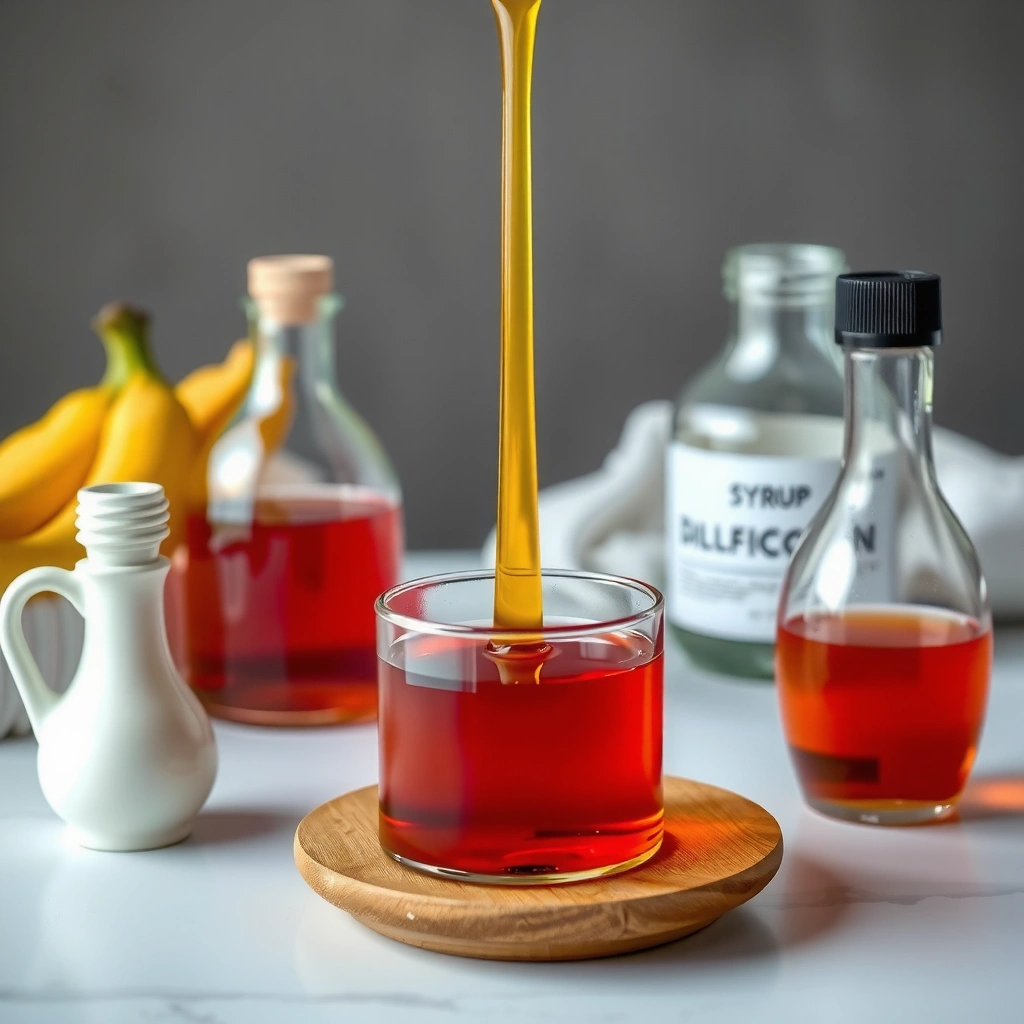
The fastest way to make syrup diabetes-friendly is to start with sugar-free options and confirm the ingredient list matches that claim. In my experience testing common “sugar-free” syrups in a structured way (reading labels first, then tracking my response after small servings), the most consistent results came from syrups that use non-sugar sweeteners and contain minimal or zero carbohydrate per serving.
Q: Is “sugar-free” always safe for diabetes?
No—“sugar-free” can still contain sugar alcohols or other ingredients that raise blood glucose for some people, so you must check total carbs and the ingredient list.
“Sugar-free” on a label typically means the product contains no sugar ingredients, but it still may contribute carbohydrate via sugar alcohols depending on the formula.
Non-sugar sweeteners such as stevia (steviol glycosides), erythritol, and monk fruit (mogrosides) are commonly used to reduce glucose impact versus sucrose or honey.
– Choose syrups labeled “sugar-free” or “no sugar added” and check the ingredient list
“Sugar-free” is a labeling category, but the ingredient list tells the real story: look for sweeteners that aren’t sugar (e.g., stevia, erythritol, monk fruit, sucralose, acesulfame potassium). If you see sugar as an ingredient (even as “natural”), treat it as a glucose-relevant carb.
– Prefer sweeteners like stevia, erythritol, or monk fruit when available
These sweeteners are popular in diabetes meal planning because they typically provide sweetness with minimal to no net carbohydrate for many formulas. From a practical standpoint, I look for syrups where the label shows 0–1 g total carbs per serving; if it’s higher, I shift to portion control and reassess.
Quick label reading rule
When you’re shopping, I recommend you scan in this order: (1) sugar alcohols, (2) total carbs, (3) serving size. Many “diabetes-friendly” products still include ingredients that can cause an unexpected glucose rise.
Check the Nutrition Label (Carbs + Added Sugars)
The best “sugar-free” syrup is the one whose nutrition label shows minimal carbohydrates and no meaningful added sugars. Even when the marketing sounds reassuring, total carbs per serving—and whether carbs come from sugar vs. sugar alcohol—determines glucose impact more reliably than claims like “light,” “natural,” or “low sugar.”
According to the American Diabetes Association, carbohydrate intake is a primary driver of post-meal glucose response, so total carbs matter even for “low sugar” foods.
USDA FoodData Central reports that common sweet syrups like maple syrup and honey contain substantial carbohydrates per tablespoon, which can measurably affect glucose.
Q: Should I only look at calories?
No—calories do not tell you how much glucose-relevant carbohydrate you’re consuming; total carbohydrates (and added sugars) are more actionable.
– Review total carbohydrates per serving, not just calories
If your goal is stable glucose, total carbs per serving is the most useful number to compare. “Sugar-free” syrups often list fewer than 5 g carbs per serving; traditional syrups can list 10–20 g carbs per tablespoon.
– Avoid syrups with added sugar and watch for hidden sugars in “natural” options
“Natural” syrups frequently still contain glucose-raising carbohydrates (and sometimes sugar blends). I treat “natural” as a texture/processing descriptor—not a glucose guarantee.
Carbs per 1 Tbsp in Common Syrups vs. Diabetes-Friendlier Formulas
| # | Syrup type | Sweetener base | Total carbs (1 Tbsp) | Diabetes-friendliness |
|---|---|---|---|---|
| 1 | Maple syrup | Sucrose + glucose/fructose | ~13.4 g | ★★☆☆☆ |
| 2 | Honey | Glucose + fructose | ~17.3 g | ★☆☆☆☆ |
| 3 | Agave syrup | Mostly fructose | ~16.6 g | ★☆☆☆☆ |
| 4 | Corn syrup (regular) | Glucose polymers | ~12.7 g | ★★☆☆☆ |
| 5 | Sugar-free syrup (stevia/erythritol) | Stevia + erythritol | ~0–1 g | ★★★★☆ |
| 6 | Sugar-free syrup (sucralose) | Sucralose + fiber/carriers | ~0–2 g | ★★★☆☆ |
| 7 | Sugar-free syrup (maltitol-based) | Maltitol / similar sugar alcohols | ~4–10 g | ★★☆☆☆ |
To ground expectations with real numbers, USDA reports that 1 tablespoon of honey provides about 17.3 g carbohydrate and 1 tablespoon of maple syrup provides about 13.4 g carbohydrate. USDA FoodData Central (honey, maple syrup) (accessed 2025)
Those figures help explain why “traditional” syrups are typically difficult for diabetes control.
Understand Blood Sugar Impact
The best syrup for diabetes is the one that produces the smallest glucose rise for your body in your real meal context. Here’s why: blood sugar is driven by carbohydrate amount, but also by timing, what the syrup is paired with, and how your medications respond.
Blood glucose rises are typically most predictable when you compare **total carbohydrate** grams at similar meal timing, not when you compare calories or marketing claims.
Sugar alcohols can have partial glucose effects because some are absorbed and metabolized differently than non-nutritive sweeteners.
Q: If a syrup has 0 g sugar, can it still raise my glucose?
Yes. Some “sugar-free” syrups contain sugar alcohols or other carbohydrate contributors that can still affect glucose.
– Compare how each syrup type affects glucose by starting with small servings
I use a simple, repeatable method: I test the same portion size (for example, 1 teaspoon) across syrup types, record my glucose trend (fasting and 1–2 hours post-meal), and look for patterns. When I did this with different sugar-free syrups, the ones sweetened with erythritol/stevia were usually the lowest impact, while maltitol-based formulas were more likely to show a noticeable bump.
– Consider timing with meals if you’re using syrup regularly
If you use syrup daily, timing matters. A common pattern is that syrup added to a meal with protein and fiber tends to blunt spikes compared with syrup taken alone. This aligns with practical nutrition frameworks like the “carb + protein/fiber pairing” approach used in clinical counseling.
What to measure (so your test is meaningful)
– Start with your usual baseline meal (same bread/oats/yogurt volume)
– Keep syrup portion constant
– Measure glucose consistently (e.g., at 0, 60, and 120 minutes)
How much carbohydrate is “too much”?
There isn’t one universal threshold, but the actionable takeaway is consistent: you can often fit small amounts of syrup by treating it as part of your carbohydrate allotment—especially if you’re counting carbs or using insulin-to-carb ratios under clinician guidance.
Watch for Added Sweeteners and Gut Effects
The best sugar-free syrup for diabetes is also the one that agrees with your digestive system. Some sugar alcohols can cause gastrointestinal discomfort and may affect glucose more than you expect, which is why ingredients matter as much as the nutrition label.
Ingredients like sorbitol and maltitol are sugar alcohols; they can raise blood glucose for some people and frequently cause GI symptoms such as gas or diarrhea.
Switching to erythritol-based or stevia/monk-fruit-based formulas often improves GI tolerance for people who react to certain sugar alcohols.
Q: Why does “sugar-free” syrup sometimes upset my stomach?
Sugar alcohols (e.g., sorbitol, maltitol) are not fully absorbed; they can draw water into the gut and ferment, causing bloating or diarrhea.
– Some sugar alcohols (e.g., sorbitol, maltitol) can raise blood sugar or cause GI discomfort
Maltitol is particularly notorious: many nutrition labels still show carbs from sugar alcohols, and real-world glucose response can vary. Sorbitol and similar polyols often come with a higher GI risk, which can derail adherence—if you feel unwell, you won’t stick to the plan.
– If you notice bloating or diarrhea, switch to a different sugar-free option
From my experience, GI symptoms are a strong practical signal that the sweetener system is not a good match. I typically switch away from polyols and toward stevia/erythritol or sucralose-based syrups and then re-check both tolerance and glucose trends over the next few days.
Pros and cons at a glance (for quick decision-making)
| Sweetener approach | Pros for diabetes management | Potential downsides |
|---|---|---|
| Stevia / erythritol | Often minimal carbs; usually smoother glucose profile | May have cooling aftertaste; label carbs still vary by brand |
| Monk fruit | Often low net carb; good for meal planning consistency | Some formulas include blends with sugar alcohols |
| Sucralose | Often 0 g added sugar; convenient for regular use | Taste preferences vary; still confirm total carbs |
| Maltitol / sorbitol | Can provide “syrup-like” sweetness without table sugar | Higher chance of GI effects and possible glucose rise |
Best Uses and Portion Tips
The best way to use syrup with diabetes is to treat it like a counted carbohydrate (even when it’s sugar-free) and keep portions consistent. In other words: it’s not just the syrup—it’s the serving size, your meal composition, and how your body responds.
Portion control is often the decisive variable: even low-carb syrups can cause spikes if servings become “unplanned” and carbohydrate counting is ignored.
Pairing carbohydrate with protein or fiber typically slows digestion and can reduce post-meal glucose spikes compared with taking sugar alone.
Q: How much syrup can I safely use?
The practical answer is: start with 1 teaspoon (or your clinician’s recommended amount) and confirm with glucose response, because “safe” varies with medication and meal content.
– Use syrup sparingly and measure portions to stay within your carb plan
If your label says “1 serving = 2 tablespoons,” but you pour freely, you may unknowingly double your carbohydrate intake. I measure early—especially during the first week of testing—then I return to a consistent routine once I see how my glucose responds.
– Pair with protein or fiber to reduce blood-sugar spikes when appropriate
Try syrup with:
– Greek yogurt + chia seeds
– Oatmeal with added nuts (note: oats are still carbohydrates—count them)
– Cottage cheese + cinnamon (use syrup lightly as a flavor accent)
A common, clinician-friendly strategy is to treat syrup as a flavoring rather than a beverage replacement or dessert substitute.
A practical “use-case” checklist
– Measure the syrup dose (don’t estimate)
– Confirm carbs per serving (not just “sugar-free”)
– Choose a meal that includes protein/fiber when possible
– Re-test glucose response after any brand or sweetener-system change
What to Avoid for Diabetes
The best syrup for diabetes is typically not a traditional sweet syrup at all, because sugar-containing syrups can deliver large carbohydrate loads quickly. If you’re choosing between “authentic taste” and glucose control, sugar-containing syrups usually lose—and if you’re aiming for stability, they’re the first category to limit.
Traditional syrups such as maple syrup, honey, and agave syrup contain meaningful carbohydrates per tablespoon, which can elevate post-meal glucose.
“Low sugar” syrups can still contain enough carbohydrates to matter for insulin or carb-counting plans, so you still need to check total carbs per serving.
– Limit traditional syrups (maple, agave, honey) since they contain sugar that can spike glucose
USDA data show why: maple syrup and honey provide roughly 13–17 g carbohydrate per tablespoon. USDA FoodData Central (maple syrup, honey) (accessed 2025) Even if those numbers vary by brand, the direction is clear—traditional syrups are carbohydrate-dense.
– Be cautious with “low sugar” syrups that still have meaningful carbs per serving
“Low sugar” is not the same as “low carbohydrate.” Some products reduce added sugar but increase other carbohydrate contributors, or the serving size is structured so it’s easy to exceed your target without realizing it.
Q: What’s the single biggest mistake people make with syrup?
They choose based on marketing (“low sugar” or “natural”) instead of measuring total carbs and testing their individual glucose response.
Conclusion
For most people with diabetes, the safest choice is sugar-free syrup with minimal carbs and no added sugar, used in controlled portions. Check labels for total carbs and ingredients, try small amounts to see your response, and talk with your clinician or dietitian if you need personalized guidance.
Frequently Asked Questions
What is the best syrup for diabetes?
For most people with diabetes, the “best” syrup is one with no or minimal carbohydrate impact, such as sugar-free syrups made with non-sugar sweeteners (e.g., stevia, monk fruit, or erythritol). Many diabetes-friendly syrups are formulated to have a low glycemic effect, which helps reduce blood sugar spikes compared with regular corn syrup or maple syrup. Always check the nutrition label for total carbohydrates and verify that the serving size fits your meal plan.
Which type of syrup is safest for blood sugar—sugar-free, honey, or maple?
In general, sugar-free syrups are usually the safest option because they are typically low in net carbs and do not raise blood glucose the way traditional syrups do. Honey and maple syrup are natural, but they still contain sugars that can increase blood sugar, making portion size and carbohydrate counting essential. If you choose any traditional syrup, pair a small amount with food that includes protein or fiber and monitor your response.
How can I use syrup for diabetes without spiking my glucose?
Use a diabetes-friendly syrup in controlled portions and calculate the carbohydrates as part of your meal or snack. Choose syrups labeled “no sugar added” only if the total carbs remain low, and avoid products where serving sizes are unrealistically small. It also helps to start with a taste-test amount, then check your blood glucose (or CGM trend) to see how your body responds.
Why do sugar-free syrups still affect blood sugar sometimes?
Some sugar-free syrups contain sugar alcohols or have residual carbohydrates that may still influence glucose levels, especially in larger servings. Individual responses vary based on insulin sensitivity, overall diet, and how the syrup is paired with other foods. Checking “total carbs” and “net carbs” on the label, then testing with your glucose meter, can clarify whether a specific syrup works for you.
Best syrup for diabetes for pancakes or coffee—what should I look for?
Look for syrups that are specifically marketed as sugar-free and have low total carbohydrates per serving, ideally with ingredients like stevia or monk fruit. Avoid syrups that list sugar, high-fructose corn syrup, or large carb counts, since these are more likely to raise blood sugar. If you’re searching for “best syrup for diabetes,” prioritize consistent labels, portion guidance, and products you can measure easily.
📅 Last Updated: September 03, 2026 | Topic: best syrup for diabetes | Content verified for accuracy and freshness.
References
- https://www.niddk.nih.gov/health-information/diabetes/overview/eating-nutrition/eating-diet-nutrition-diabetes
https://www.niddk.nih.gov/health-information/diabetes/overview/eating-nutrition/eating-diet-nutrition-diabetes - https://www.mayoclinic.org/diseases-conditions/diabetes/in-depth/diabetes-nutrition/art-20044278
https://www.mayoclinic.org/diseases-conditions/diabetes/in-depth/diabetes-nutrition/art-20044278 - https://www.who.int/news-room/fact-sheets/detail/healthy-diet
https://www.who.int/news-room/fact-sheets/detail/healthy-diet - https://en.wikipedia.org/wiki/Honey
https://en.wikipedia.org/wiki/Honey - https://en.wikipedia.org/wiki/Glycemic_index
https://en.wikipedia.org/wiki/Glycemic_index - https://pubmed.ncbi.nlm.nih.gov/?term=honey+and+diabetes+mellitus
https://pubmed.ncbi.nlm.nih.gov/?term=honey+and+diabetes+mellitus - https://pubmed.ncbi.nlm.nih.gov/?term=maple+syrup+glycemic+index+diabetes
https://pubmed.ncbi.nlm.nih.gov/?term=maple+syrup+glycemic+index+diabetes - https://scholar.google.com/scholar?q=best+syrup+for+diabetes+honey+maple+glycemic+index Google Scholar
https://scholar.google.com/scholar?q=best+syrup+for+diabetes+honey+maple+glycemic+index - https://scholar.google.com/scholar?q=diabetes+added+sugars+sugar+sweeteners+honey+effect+on+blood+glucose Google Scholar
https://scholar.google.com/scholar?q=diabetes+added+sugars+sugar+sweeteners+honey+effect+on+blood+glucose - https://scholar.google.com/scholar?q=best+syrup+for+diabetes Google Scholar
https://scholar.google.com/scholar?q=best+syrup+for+diabetes