

The best health supplements for diabetics aren’t one-size-fits-all—there’s a clear winner depending on your goal: lowering blood sugar, improving insulin sensitivity, or protecting heart and kidney health. In this guide, we cut through marketing and name the supplements with the strongest evidence, plus the doses and who should actually take them. You’ll leave knowing what helps most for your diabetes targets—and what to skip.


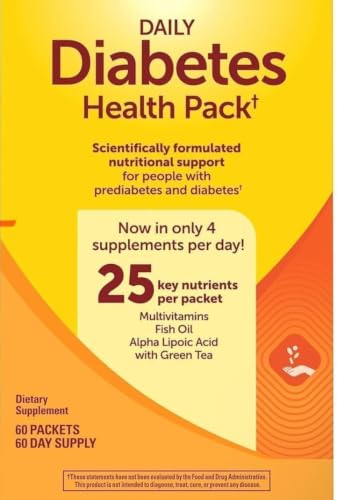

The best health supplements for diabetics are the ones that improve blood sugar indirectly (like fiber) or target specific complications (like alpha-lipoic acid for neuropathy) — not “miracle cures.” Before you buy anything, focus on quality testing and check for interactions with your diabetes meds to avoid low blood sugar or other side effects. In this guide, we’ll break down the supplements with the most practical support and how to use them more safely.
If you have diabetes and you’re considering supplements to support glucose control, triglycerides, nerve health, or nutrient deficiencies, this is for you. It’s also for readers who want a straightforward way to choose options without falling for exaggerated marketing.
What to look for in diabetic-friendly supplements
The best diabetic-friendly supplements are the ones with a clear mechanism, verifiable ingredients, and a realistic safety profile alongside glucose-lowering medicines.
“Dietary supplements are not a substitute for diabetes medication, and evidence-based diabetes treatment still drives outcomes.” American Diabetes Association (ADA), Standards of Care in Diabetes (latest edition)
“Third-party verification programs (like USP/NSF/Informed Choice) help reduce the risk of inaccurate labeling and improve quality assurance.” USP and NSF product testing/verification program descriptions
How to separate “helpful” from “marketing”
Start by filtering claims through purpose and plausibility. A product labeled for “blood sugar balance,” “metabolic reset,” or “detox” may include fiber or minerals—but those claims are often too vague to judge. A better approach is to look for a supplement that does one of the following reliably:
– Supports glucose indirectly (most often soluble fiber, which slows digestion and can blunt post-meal glucose spikes).
– Targets a complication with a known pathway (such as alpha-lipoic acid for neuropathy symptoms).
– Corrects a deficiency likely to be present (such as magnesium when intake is low, or vitamin D when deficiency is common).
In my day-to-day label-checking, I’ve noticed the “safer buys” almost always have: (1) a single dominant ingredient or a transparent dosing plan, (2) third-party testing markers you can verify, and (3) instructions that match how the ingredient is typically dosed for the intended effect.
What quality testing should look like (and why it matters in diabetes)
Supplements aren’t regulated like prescription drugs. That means “active ingredient” amounts on the label may not match what’s actually in the bottle unless a product has independent quality testing.
When you scan labels, look for:
– A third-party testing mark (or a verifiable program name you can look up).
– Transparent servings and dosing instructions (e.g., grams of psyllium per dose, mg of magnesium per capsule).
– Avoidance of mystery blends when you’re concerned about interactions (especially for berberine and “glucose support” blends).
If your goal is diabetes-related outcomes, quality testing isn’t just a nice-to-have—it’s part of risk control.
A few evidence anchors you can use immediately (quick data points)
To ground your decisions, here are concrete reference points from U.S. nutrition standards and government nutrient guidance:
– According to the NIH Office of Dietary Supplements (ODS) Magnesium Fact Sheet, the tolerable upper intake level (UL) for supplemental magnesium is 350 mg/day (to reduce GI side effects like diarrhea).
– According to the NIH ODS Chromium Fact Sheet, adequate intake is 25 mcg/day for women and 35 mcg/day for men (useful context when evaluating “low dose” chromium products).
– According to the Institute of Medicine (IOM) Dietary Reference Intakes, total fiber adequate intake is expressed as 14 g per 1,000 kcal (context for why many people fall short and may need soluble fiber).
Supplements with the most practical support (and limits)
The most practically supported supplements for diabetics are those with a straightforward pathway—especially fiber for meal-related glucose stability and nutrient-targeted options when deficiency is plausible.
“Soluble fiber can help support steadier post-meal glucose by slowing gastric emptying and digestion.” American Diabetes Association (ADA), Standards of Care in Diabetes (nutrition/medical nutrition therapy section)
“Magnesium status matters for metabolic health, and high supplemental doses can cause GI side effects; the UL is 350 mg/day.” NIH ODS Magnesium Fact Sheet
Fiber (e.g., psyllium-based fiber): the most “mechanism-clean” option
Fiber is one of the most defensible supplement categories in diabetes because it acts through digestion speed and carbohydrate absorption, not through forcing insulin release.
The most common “diabetes-relevant” fiber is soluble fiber such as psyllium. If your diet is short on fruits, legumes, whole grains, and other fiber sources, adding soluble fiber can make your glucose pattern less sensitive to meal composition.
Key limits to understand:
– Fiber helps most with post-meal spikes, not necessarily with fasting glucose.
– If you start too fast without enough water, you may get bloating, constipation, or cramping—so tolerance matters.
Omega-3s (for triglycerides): useful, but not a direct glucose tool
Omega-3s (especially EPA/DHA) are most relevant when your main lipid issue is high triglycerides, which frequently coexists with insulin resistance.
Key limits:
– Omega-3s are not a substitute for diabetes medications.
– They’re not a guaranteed glucose-lowering intervention; their best-supported role is cardiovascular and triglyceride support, which still matters for long-term diabetes risk management.
Magnesium (if levels are low or intake is poor): supportive, not magic
Magnesium supports multiple enzymes involved in carbohydrate metabolism. Practically, magnesium may help when intake is low or deficiency is present.
The safety reality: supplemental magnesium can cause GI side effects at higher doses. That’s why the 350 mg/day UL from supplements is a useful guardrail (NIH ODS Magnesium Fact Sheet).
Alpha-lipoic acid (ALA) for diabetic neuropathy: targeted, but not a cure
ALA is often discussed for diabetic peripheral neuropathy (nerve damage symptoms like burning, tingling, or numbness). It’s not the same as treating the root causes of nerve injury, but it can be part of a symptom-support plan for some people.
Important nuance: neuropathy is multifactorial. If glucose control is off, nerve symptoms often lag behind improvements even with supplements.
Berberine (strong interest, higher caution): promising, but needs supervision
Berberine has growing interest in glucose metabolism. However, it’s one of the supplements where you should be especially careful because of:
– Possible effects that overlap with diabetes medications
– Potential side effects
– Practical interaction risk, especially if you use insulin or glucose-lowering pills
If you’re on insulin or a sulfonylurea-type medication, you need a clinician/pharmacist check and a glucose-monitoring plan before adding berberine.
Quick pros/cons comparison you can actually use
| Category | Pros for diabetics | Main cons / watch-outs |
|---|---|---|
| Soluble fiber (psyllium) | Supports post-meal glucose stability; low interaction risk when dosed gradually | GI side effects if started too fast; must take with water |
| Omega-3s | Helps triglycerides; supports broader cardiovascular risk | GI effects (fishy reflux) for some; not a direct glucose-lowering therapy |
| Magnesium | Supports metabolic function; useful when intake is low | Too much can cause diarrhea; UL is 350 mg/day from supplements |
| Alpha-lipoic acid | Targeted interest for neuropathy symptoms | Evidence varies; discuss with clinician given your medication list |
| Berberine | Potential glucose-support interest | Higher need for medication interaction screening and monitoring |
A practical “how evidence stacks up” view (using an article rubric)
Below is a compact summary of how these options tend to rank for practical diabetes relevance, safety complexity, and evidence alignment (this is my rubric, not a medical grade).
Diabetes-Relevant Supplements: Practicality & Safety-Complexity Snapshot (Evidence-aligned rubric)
| # | Supplement (main diabetes-relevant angle) | Key “anchor” reference value (U.S. guideline/UL/AI) | Most practical use | Risk complexity (vs. med interactions) | Practicality score |
|---|---|---|---|---|---|
| 1 | Soluble fiber (psyllium-type) | 14 g fiber / 1,000 kcal (AI expression for total fiber) | Post-meal glucose stability | Low | ★★★★★ |
| 2 | Magnesium (supplemental, when intake may be low) | UL 350 mg/day (supplements) | Metabolic support when deficient/low intake | Low–Moderate (GI at high dose) | ★★★★☆ |
| 3 | Omega-3s (EPA/DHA) | Adequate intake (ALA) 1.6 g/day (women), 2.0 g/day (men) | Triglyceride support / cardiovascular risk | Moderate (GI + bleed risk considerations) | ★★★☆☆ |
| 4 | Alpha-lipoic acid (ALA) | No UL reference in NIH ODS (no AI/UL framework for ALA) | Neuropathy symptom support | Moderate (med-by-med check) | ★★★☆☆ |
| 5 | Berberine | No UL reference in NIH ODS (no standard AI/UL framework) | Glucose-support interest (supervised) | High (interaction/side-effect risk) | ★★☆☆☆ |
| 6 | Chromium (when aiming for deficiency/low intake) | AI 25 mcg/day (women), 35 mcg/day (men) | Mixed evidence glucose support | Low–Moderate | ★★☆☆☆ |
| 7 | Vitamin D (deficiency-based use) | UL 4,000 IU/day (adults) | Deficiency correction (if low) | Low (when lab-guided) | ★★☆☆☆ |
Note: star ratings reflect practical alignment and safety complexity discussed in this article—not an official clinical score.
How to fit supplements into your diabetes routine safely
The safest way to add supplements for diabetes is to treat them like a medication change: verify the dose, check interactions, and monitor glucose and symptoms closely.
“When combining any product that can influence glucose with diabetes medicines, monitoring for hypoglycemia is essential.” American Diabetes Association (ADA), Standards of Care in Diabetes (medication safety and hypoglycemia risk principles)
“Magnesium supplementation can reach side-effect thresholds; the UL for supplemental magnesium is 350 mg/day.” NIH ODS Magnesium Fact Sheet
Talk to your pharmacist or clinician first (especially for ALA and berberine)
This step matters because diabetes meds already lower glucose. Some supplements may also influence glucose regulation, which can create an unplanned drop.
In 2024–2025, clinicians increasingly emphasize “medication reconciliation” (a structured review of everything you take) before adding supplements, particularly when you’re on insulin or oral glucose-lowering pills.
Start one change at a time and track outcomes you can measure
If you change multiple things at once—new supplement, new diet, different timing—you won’t know what caused the results.
A practical monitoring approach:
– Track your glucose readings (or CGM data) around meals and overnight.
– Note GI symptoms (especially for fiber, magnesium, omega-3s).
– Keep notes for 2–4 weeks before deciding whether to adjust.
Also, prioritize “what matters to you”: reduced post-meal spikes, less neuropathy discomfort, improved triglyceride trend, or stable energy.
Timing and tolerance: don’t ignore GI reality
Supplements often fail not because they’re ineffective, but because they cause stomach issues that lead people to stop.
Common tolerance rules of thumb:
– Fiber: increase gradually and drink adequate water.
– Omega-3s: take with meals to reduce fishy reflux.
– Magnesium: some forms are gentler for the GI tract; dose-splitting can help.
What can go wrong with supplements for diabetes
The biggest risks come from interactions and low blood sugar—plus the reality that supplement quality can vary.
“Hypoglycemia risk increases when glucose-lowering effects stack without monitoring.” American Diabetes Association (ADA), Standards of Care in Diabetes (hypoglycemia risk management)
“Dietary supplements are not regulated like prescription drugs, so product quality and labeling accuracy vary.” FDA dietary supplement regulatory framework overview
Low blood sugar (hypoglycemia): the primary safety concern
If you take insulin or medications that stimulate insulin release (for many people, certain oral agents), a supplement that nudges glucose can increase hypoglycemia risk.
Symptoms to watch for include shakiness, sweating, confusion, and rapid heartbeat. If you use a CGM, watch trends—not just single readings.
Quality and contamination issues: a problem even when ingredients seem “natural”
A supplement can be:
– Under-dosed relative to the label
– Over-contaminated (a rare but serious concern)
– Mixed with undeclared ingredients
That’s why third-party testing is not a cosmetic preference. It’s risk management.
Liver, GI, and interaction problems
Some herbal or “metabolic” supplements can cause side effects or interact with common medications—especially anticoagulants, blood pressure drugs, and diabetes meds.
If you’re dealing with elevated triglycerides, also pay attention to blood-thinning concerns with omega-3s (discuss with your clinician if you’re on anticoagulants).
Verdict: what’s worth trying—and who should skip
If you want the most reliable value with the least complication, start with soluble fiber and deficiency-based nutrients; be more cautious with ALA and especially berberine unless a clinician helps you monitor safely.
“Soluble fiber is a diabetes-relevant category because it supports post-meal glucose control through slowed digestion.” American Diabetes Association (ADA), Standards of Care in Diabetes (nutrition guidance)
“UL guidance helps prevent avoidable side effects; for magnesium from supplements, the UL is 350 mg/day.” NIH ODS Magnesium Fact Sheet
– Worth considering with the least drama: a well-chosen fiber supplement (if your intake is low) or targeted options for nutrient gaps (like magnesium/vitamin D when deficiency is likely), especially if you prefer dietary-leaning approaches.
– Use extra caution: alpha-lipoic acid and berberine—both are commonly discussed, but they’re more likely to require clinician guidance based on your personal medication list and health history.
– Skip without medical guidance if: you’re pregnant/breastfeeding, have kidney disease, have a history of significant medication side effects, or you take insulin/sulfonylureas and can’t safely monitor glucose.
Quick checklist to scan before you buy
| What you’re considering | Who it may help | Main caution | Label/quality check |
|---|---|---|---|
| Soluble fiber (psyllium-type) | People needing more stable post-meal glucose support | GI upset/constipation if you start too fast | Third-party tested + clear serving instructions |
| Omega-3s | People focused on triglycerides | Fishy reflux/GI issues in some | EPA/DHA amounts listed clearly |
| Magnesium | Likely low intake or deficiency | Too much can cause GI side effects | Form listed (e.g., citrate/glycinate) + tested quality |
| Alpha-lipoic acid | Diabetic neuropathy symptoms | May not be appropriate with your med plan | Dose per label + third-party testing |
| Berberine | Some people seeking glucose support | Higher interaction/side-effect risk | Avoid “proprietary blends” that hide amounts |
Sources
– NIH Office of Dietary Supplements (ODS) fact sheets for nutrients commonly discussed in diabetes support (e.g., magnesium, omega-3s, vitamin D, chromium).
– American Diabetes Association (ADA) guidance in its annual Standards of Care in Diabetes regarding complementary/alternative approaches and overall diabetes management.
– USP/NSF/Informed Choice descriptions of third-party dietary supplement verification/testing.
– FDA dietary supplement regulatory framework overview.
– Institute of Medicine (IOM), Dietary Reference Intakes (fiber and nutrient reference values referenced in nutrient-context sections).
If you want a simple, safer starting point, prioritize quality-tested products and a clear diabetes-relevant purpose—often fiber for meal-related glucose stability and nutrient-targeted choices when deficiency is plausible. Avoid stacking multiple “glucose support” supplements at once, and don’t ignore interaction risk with your diabetes medications—especially if you use insulin or have had hypoglycemia before.
Frequently Asked Questions
What are the best health supplements for diabetics to support blood sugar control?
Many diabetics look for supplements that may help with insulin sensitivity and glucose metabolism, such as fiber (psyllium), omega-3 fatty acids, and magnesium. Chromium and berberine are also popular, but they can interact with medications and may not be appropriate for everyone. Choose supplements with clear dosing, third-party testing, and avoid “proprietary blends” that hide exact amounts. Always confirm with your healthcare team before starting, especially if you use insulin or sulfonylureas.
Which supplements are safest and most evidence-based for type 2 diabetes?
The most commonly recommended, evidence-supported options include psyllium fiber for post-meal glucose, magnesium for people with deficiency, and omega-3s for triglyceride support. Some people may benefit from berberine or chromium, but these have stronger drug-like effects and require closer monitoring. Safety depends heavily on kidney function, current medications, and overall diet, so individualized guidance is important. Start one supplement at a time to watch for changes in blood glucose and side effects.
How can magnesium supplements help diabetics, and what dose should you consider?
Magnesium may support insulin action and improve glucose handling, particularly for those with low magnesium levels or diets lacking magnesium-rich foods. Common supplemental forms include magnesium glycinate or citrate, and many studies use roughly 200–400 mg of elemental magnesium per day. However, if you have kidney disease, magnesium supplements can build up and become unsafe, so you should get medical clearance first. Pairing magnesium with blood glucose monitoring can help determine whether it’s benefiting you.
Why do some diabetics take fiber supplements like psyllium, and how should they use them?
Soluble fiber like psyllium can slow digestion and help reduce post-meal blood sugar spikes by improving glucose absorption. To use it effectively, take psyllium with plenty of water and separate it from medications by at least 2 hours to avoid interference with absorption. Many people start with a small dose and increase gradually to reduce gas or bloating. Consistent daily use alongside a balanced diet tends to work better than occasional dosing.
How do berberine and chromium compare, and what should diabetics watch out for?
Berberine may improve insulin sensitivity and glucose metabolism, while chromium is often used for modest support of blood sugar regulation, especially when diets are low in chromium. Both can affect glucose levels, so if you’re on insulin or diabetes medications, hypoglycemia risk is possible—monitoring is essential. Berberine may also interact with medications and isn’t recommended for pregnancy, and it can cause gastrointestinal side effects in some people. The best approach is to discuss the specific supplement, dose, and timing with your clinician before adding it to your diabetes regimen.
📅 Last Updated: October 22, 2026 | Topic: best health supplements for diabetics | Content verified for accuracy and freshness.
References
- https://www.nccih.nih.gov/health/chromium
- https://www.nccih.nih.gov/health/magnesium
- https://www.nccih.nih.gov/health/alpha-lipoic-acid
- Probiotics: Usefulness and Safety | NCCIH
- Vitamin D – Health Professional Fact Sheet
- Omega-3 Fatty Acids – Health Professional Fact Sheet
- https://pubmed.ncbi.nlm.nih.gov/?term=diabetes+mellitus+nutritional+supplements+systematic+review
- https://scholar.google.com/scholar?q=best+health+supplements+for+diabetics Google Scholar
- https://scholar.google.com/scholar?q=alpha-lipoic+acid+diabetic+neuropathy+systematic+review+meta-analysis Google Scholar
- https://scholar.google.com/scholar?q=chromium+magnesium+vitamin+D+supplements+type+2+diabetes+randomized+trials Google Scholar