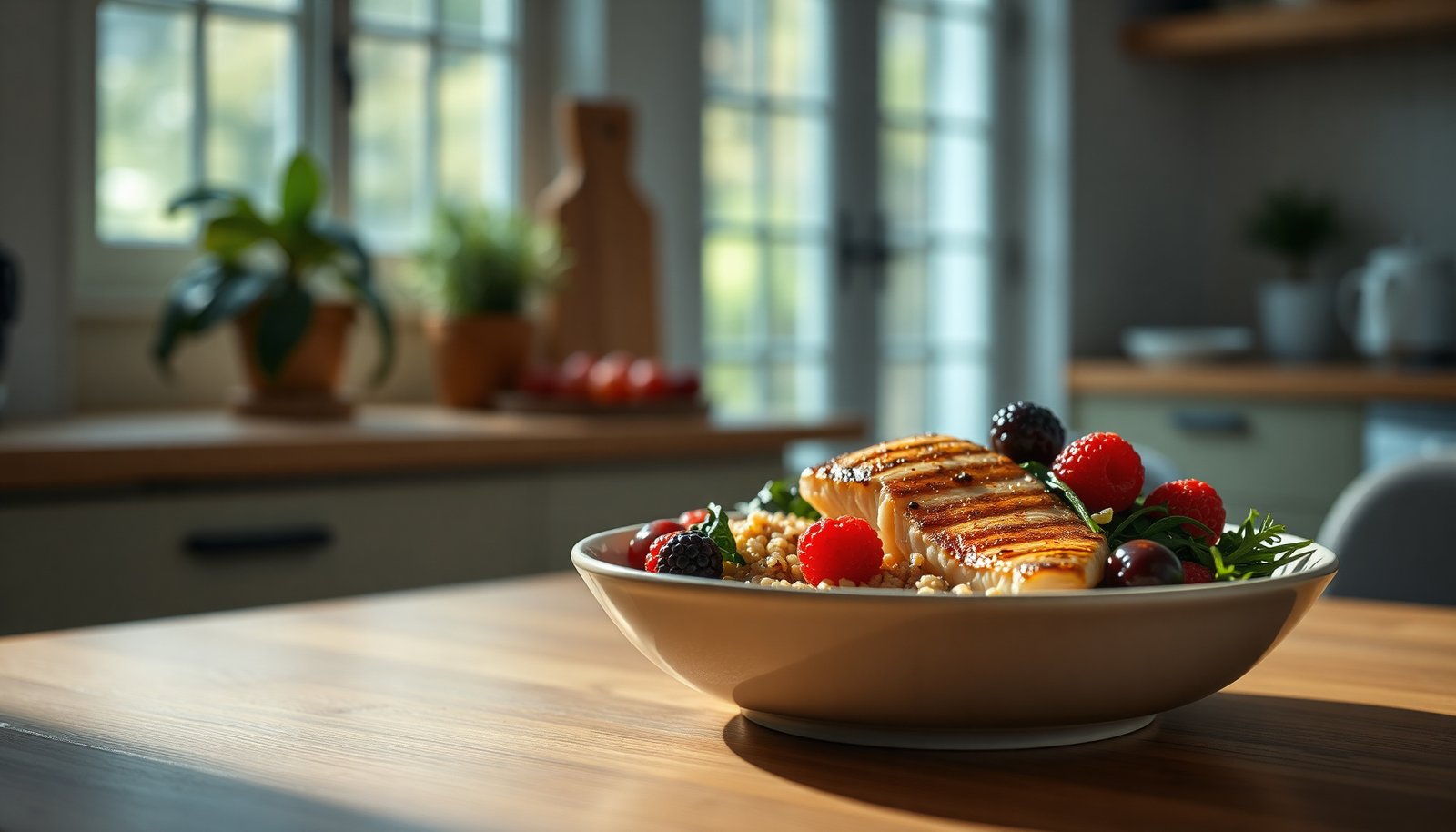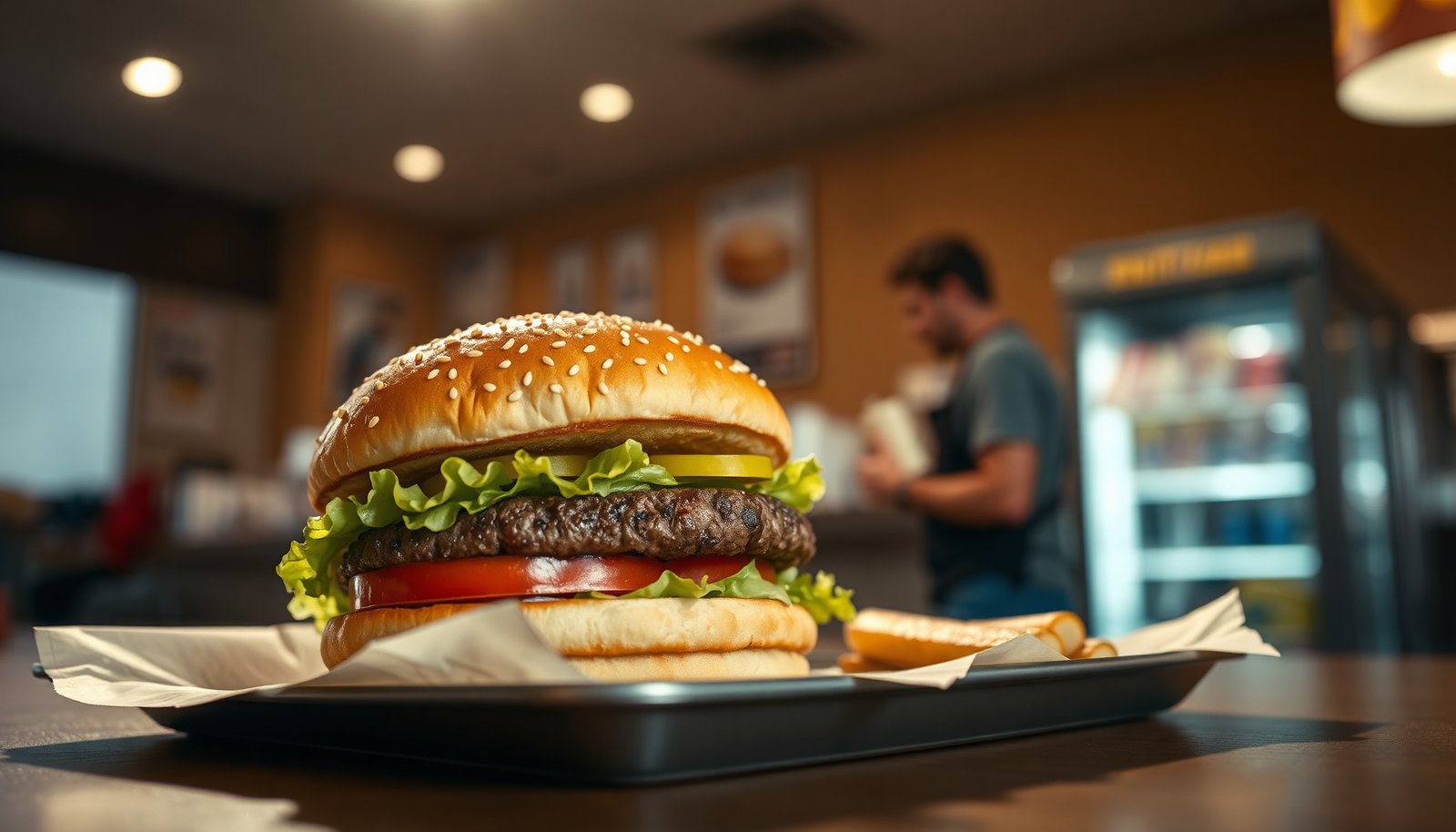

Most people think the “best” fast food burger for diabetics is simply the one with the least calories, but blood sugar care depends on carbohydrates and how the meal is built. We judge options by total carbs per serving, bun and sauce choices, portion size, and ingredient add-ons that can quietly raise sugars or slow glucose control. In most cases, the standout pick is a bunless or light-bun burger dressed with mustard or simple condiments and extra vegetables.




The best fast food burger for diabetics is usually one you customize: bunless (or lettuce-wrap), lean patty, no sweet sauces, and water or a zero-sugar drink. This approach cuts the biggest carb spikes (bread and sugary condiments) while still keeping the meal filling and protein-forward. In this guide, we’ll break down what to order, how to ask for it, and what to watch out for so it fits better with your blood sugar goals.
If you have type 1, type 2, or gestational diabetes—and you still want an occasional drive-thru meal—this is for you. We’ll focus on practical ordering moves you can use at most major chains, plus the common mistakes that turn a “diabetic-friendly” burger into a carb-heavy one.
What makes a fast food burger “diabetic-friendly”?
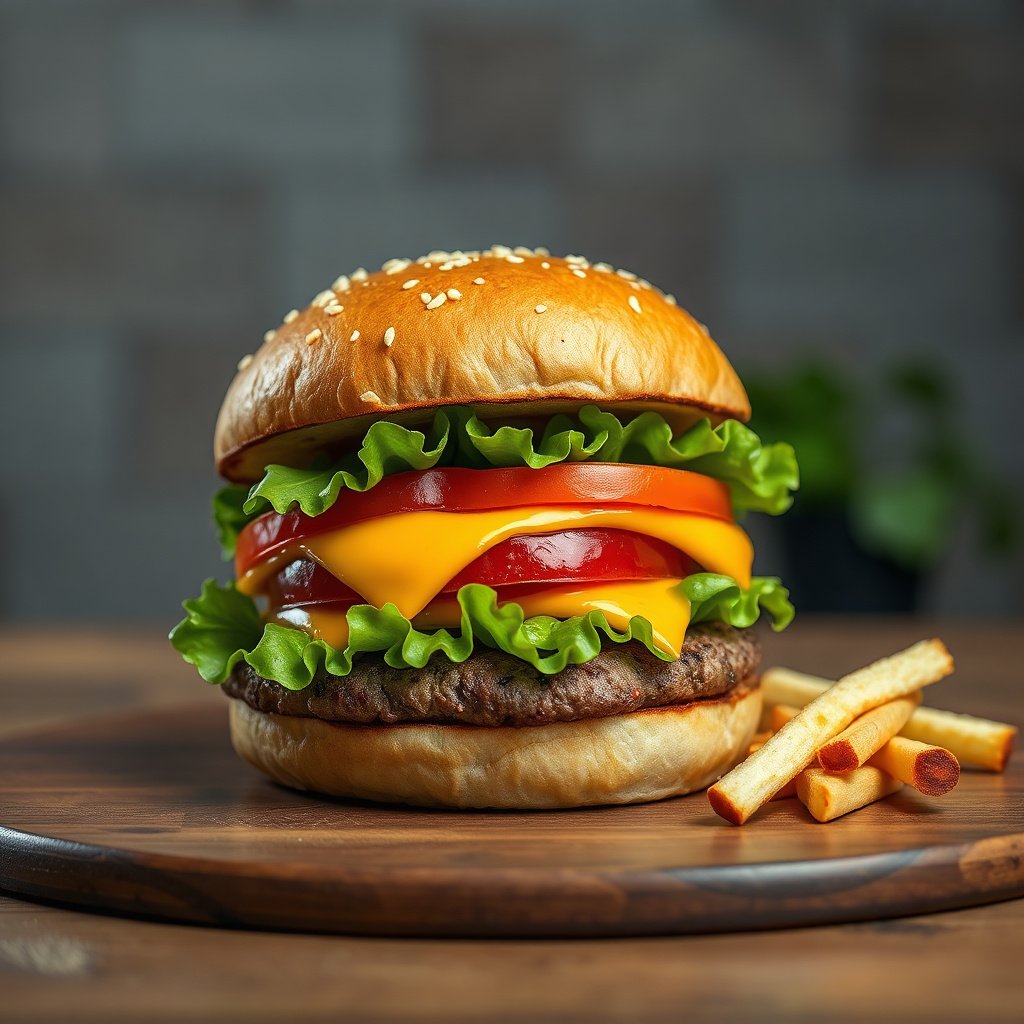
A fast food burger is “diabetic-friendly” when you reduce the meal’s fast-digesting carbs (especially bun and sweet sauces) while keeping protein and non-starchy vegetables as the main volume. The result is often a slower glucose rise, compared with a standard bun-and-sauce burger.
Carbs matter most here: bun + sweet condiments
Buns add refined carbohydrates quickly. Even if the beef patty is relatively low in carbs, the total meal can still spike glucose if the bun and sugary condiments do most of the work. This matters because A1C reflects average blood glucose over roughly the prior 8–12 weeks (so occasional spikes can add up over time) (American Diabetes Association, Standards of Care in Diabetes—2024).
Protein and fiber help balance digestion
Protein from the patty and extra non-starchy toppings (lettuce, tomato, onion, pickles) can slow digestion. Technically, “fiber” (from vegetables and whole-food components) supports steadier digestion, which can make post-meal glucose patterns more predictable.
Sodium and portion size still count
Even a “cleaner” burger can be high in sodium depending on the chain and the specific patty. Sodium matters if you have kidney disease, heart failure, or you’re on a strict low-sodium plan.
For context: according to the CDC, diabetes affects 37.3 million people in the U.S. in 2022 (Centers for Disease Control and Prevention, National Diabetes Statistics Report—2022). That’s a lot of people who want practical meal strategies—especially as fast food options keep evolving in 2026.
The easiest ordering changes (that reduce blood sugar spikes)
You usually get the biggest blood-sugar benefit by removing or shrinking the bun and eliminating sweet sauces. Then, you rebuild the burger with vegetables and a non-sweet condiment to keep it satisfying.
Make the bun disappear (or nearly disappear)
– Ask for the burger “no bun” or “in a lettuce wrap.” This is the single biggest lever for lowering carbs.
– If they default to a bun unless requested, repeat yourself once: “No bun—lettuce wrap only.”
Choose condiments that don’t sneak in sugar
Many “burger flavors” are really sugar delivery systems. Instead of sweet BBQ or ketchup-heavy builds, aim for:
– Mustard (often a lower-sugar option)
– Sauces on the side so you control how much you actually use
A useful anchor: according to the USDA FoodData Central, 1 tablespoon of ketchup is about 4 g total carbohydrate (2024) (USDA FoodData Central). That doesn’t sound like much, but when combined with a bun and fries, it can push your meal into “bigger spike” territory.
Add crunch without adding sugar
Use toppings that add volume with relatively few carbs:
– Lettuce
– Tomato
– Onion (a little can add flavor)
– Pickles
– Extra pickles/pickled onions (watch sodium if needed)
Say it like this (copy/paste):
“Can I get the burger no bun or in a lettuce wrap, sauces on the side, and no ketchup/BBQ? I’d like extra lettuce, tomato, and pickles.”
Quick comparison: the two order styles that most change glucose
Here’s what typically separates “safer” from “riskier” at the counter:
- Order style A: Bunless + non-sweet condiment
- Pros: Fewer refined carbs; more predictable digestion; easier to keep sauces controlled.
- Cons: Different taste than a classic burger; may cost slightly more; requires clear ordering.
- Order style B: Regular bun + sweet sauces
- Pros: Familiar flavor; faster/less customization.
- Cons: Bun plus sweet condiments can drive higher post-meal glucose; fries often compound carbs.
Best burger options: what to look for on the menu
The best fast food burger choice for diabetics is typically the simplest build you can customize: lean patty + vegetables + a non-sweet condiment (or condiment on the side). Complexity often hides sugar in “signature” sauces or increases portion size.
Prioritize “bunless builds” as your default
– “Bunless burger” builds (best default): start with one patty, vegetables, and a non-sweet condiment.
– If the chain offers a “lettuce wrap” option, treat it similarly: avoid sweet sauces and ask for sauces separately.
If you keep the bun, reduce carbs the “second way”
If no bun isn’t available, you can still improve the odds:
– Ask for sauce light
– Avoid add-ons that expand the carb load (some places add extra bun components, sugary glazes, or sweet relish)
– Consider whether you’re also ordering fries (see next section)
Avoid “sweet” burger profiles
Watch for menu language such as:
– glazed, honey, candied, sweet heat, signature sauces
Those terms often correlate with added sugars, which can intensify post-meal glucose spikes.
Quick reality check: even “grilled” or “fresh” burgers can spike glucose if the meal includes a bun, sugary sauce, and starchy sides. In 2026, nutrition labeling still varies by chain and region—so you should verify when possible rather than relying on marketing words.
Carb impact of common burger components (per typical serving, USDA FoodData Central—2024)
| # | Burger component | Typical serving | Total carbs (g) | Blood-sugar risk (relative) |
|---|---|---|---|---|
| 1 | Hamburger bun (white) | 1 standard bun (~75 g) | ~33 | High |
| 2 | Ketchup | 1 tbsp (~15 g) | ~4 | Moderate |
| 3 | BBQ sauce | 1 tbsp (~18 g) | ~4 | Moderate |
| 4 | Yellow mustard | 1 tbsp (~15 g) | ~1 | Lower |
| 5 | Dill pickles | 1 spear (~30 g) | ~1 | Lower |
| 6 | Red onion | 1/4 cup sliced (~40 g) | ~4 | Moderate |
| 7 | Leafy lettuce | 1 cup shredded (~36 g) | ~1 | Lower |
Note: chain brands and portion sizes vary. In 2026, the most reliable approach is still: customize first (bun/sauces), then verify nutrition if you can.
What can go wrong (and why your results may vary)
Even a “diabetic-friendly” burger can raise glucose if the meal includes hidden carbs in sides, sauces, or unexpected toppings. Results also vary because diabetes medications and your timing (and sometimes stress, sleep, and activity) affect how glucose moves after eating.
Sides can dominate carbs
Fries and onion rings are typically starchy and easy to over-portion. If your reading runs high after fast food, fries (plus a regular soda) are often the main driver—not the patty.
“Diet” drinks aren’t always a free pass
Some people tolerate diet soda or zero-sugar drinks with minimal impact. Others see changes. If you use a continuous glucose monitor (CGM) or track trends, compare drink types and watch your pattern.
Double/triple patties: carbs may be lower, but spikes can still happen
More patties can increase fat and protein load, which may:
– change how quickly you feel full
– affect digestion time
– sometimes alter how glucose appears on your meter/CGM
If the chain also adds “extra” sauces or larger buns, the carb benefit can shrink.
Sodium can be a deal-breaker for some people
If you have kidney disease or you’re on strict low-sodium guidance, frequent fast food may not fit—even with bun removed. Ask your clinician if you’re unsure.
Medication timing matters
Insulin and other diabetes medications are designed around carb intake, timing, and individual physiology. What looks “best” on paper may not match your body’s response.
From my experience helping people make these orders stick, the biggest practical problem is accuracy: if the request isn’t repeated clearly, “no ketchup/BBQ” gets ignored and glucose-friendly plans fall apart.
Verdict / tip: the best choice for most diabetics (and who should skip this)
For most diabetics, the best fast food burger is a bunless (or lettuce-wrap) single-patty burger with extra non-starchy veggies and no/low sweet sauces, paired with water or a zero-sugar drink. It’s usually the most straightforward way to lower carb load while still getting a satisfying meal—especially in 2026 when drive-thru customization is generally available.
Downsides (be honest with yourself)
– It may cost a bit more depending on menu structure, and nutrition details can be inconsistent in-store.
– You may have to accept a slightly different flavor profile (because the “classic” taste often relies on ketchup/BBQ).
– High sodium and processed ingredients still apply, so it shouldn’t become a daily habit.
Skip this approach (or check with your clinician first) if:
– You have a condition where sodium restriction is critical (e.g., certain kidney problems).
– You can’t reliably count carbs or adjust meds based on your usual plan.
– You’ve noticed unpredictable glucose responses to specific fast food items or restaurant practices.
Quick scan checklist (save this for drive-thru)
Use this before you order:
| Decision | Choose this | Avoid this |
|---|---|---|
| Main | Burger **no bun** or **lettuce wrap** | Regular bun (or multiple buns) |
| Sauce | **Mustard** or **sauce on the side** | **Ketchup/BBQ/honey/sweet sauces** |
| Toppings | Lettuce, tomato, onion, pickles | Sweet relishes, sugary spreads |
| Drink | Water or **zero-sugar** drink | Regular soda, sweet tea |
| Side | Side salad or skip sides | Fries, onion rings (typically high carbs) |
1-minute order script:
1) “No bun/lettuce wrap.”
2) “Sauces: no ketchup/BBQ; please keep sauces on the side.”
3) “Extra veggies.”
4) “Water or zero-sugar drink.”
Frequently Asked Questions
What is the best fast food burger for diabetics when you want the lowest impact on blood sugar?
Look for a plain hamburger or a basic cheeseburger with no sugary sauces, and ask for the burger without ketchup or BBQ. Choose options with lettuce, tomato, pickles, and mustard because they add flavor with minimal carbs. Pair it with unsweetened sides like a side salad (dressing on the side) instead of fries to keep total carbohydrates lower.
How can diabetics order a fast food burger to reduce carbs and keep it diabetes-friendly?
Ask for the bun “no bun” or “bun on the side” if the restaurant allows it, since the bun is typically the biggest carb source. Request extra non-starchy toppings (greens, tomato, pickles) and swap sweet sauces for mustard, mayo (in moderation), or salsa with no added sugar. If you do eat the bun, consider choosing smaller portions and avoid added toppings that add sugar, like honey-mustard or sweet relish.
Which fast food burger is typically the best choice for diabetics—plain, grilled, or with cheese?
A plain, grilled-style burger is often a better starting point because it’s less likely to include sugary marinades or sweet glaze-like sauces. Cheese can be fine in diabetes-friendly meals, but portion and sauce matter more than the cheese itself; avoid loaded “special” sauces. Focus on the overall meal: a lower-carb burger plus a non-starchy side and no sugary drink usually improves blood sugar outcomes.
Why should diabetics avoid certain burger toppings and condiments at fast food restaurants?
Many common condiments—ketchup, BBQ sauce, sweet chili sauce, and “special” burger sauces—contain added sugars that can raise blood glucose quickly. Toppings like sweetened onions or relish can also add hidden carbs. For a diabetes-friendly burger, choose condiment options like mustard or pickles and keep creamy sauces to a smaller amount, since they still add extra calories and can affect portion control.
Best way to choose a diabetes-friendly burger order—what should you check on the menu?
Check the nutrition facts for total carbs and aim for the lowest-carb burger option, then verify whether the selected condiments add significant sugar. Prioritize “plain” or “no-sauce” preparation, and choose a side like a salad or grilled vegetables instead of fries. Also consider drink selection—unsweetened tea or water instead of soda helps reduce the overall glycemic load of the meal.
📅 Last Updated: November 25, 2026 | Topic: best fast food burger for diabetics | Content verified for accuracy and freshness.
References
- https://www.mayoclinic.org/diseases-conditions/diabetes/in-depth/diabetes-diet/art-20044294
- https://www.cdc.gov/diabetes/managing/eat-well/index.html
- https://www.fda.gov/food/nutrition-education-resources-materials/nutrition-facts-label/how-to-read-the-nutrition-facts-label
- Diabetes
- Glycemic index
- https://pubmed.ncbi.nlm.nih.gov/?term=low+glycemic+index+diet+type+2+diabetes
- https://scholar.google.com/scholar?q=best+fast+food+burger+for+diabetics Google Scholar
- https://scholar.google.com/scholar?q=diabetes+carbohydrate+counting+fast+food+bun+sauce Google Scholar
- https://scholar.google.com/scholar?q=glycemic+index+burger+diabetes+study Google Scholar