
Best cereal for type 2 diabetes in the UK isn’t a mystery: if you want the safest, most blood-sugar-friendly pick, choose a high-fibre, low-sugar option with mostly whole grains. This guide answers exactly what to look for on the label—fibre, added sugar, and portion size—and names the clearest UK winners for everyday breakfasts. You’ll also get quick rules to avoid the cereals that spike glucose even when they’re marketed as “healthy.”



If you have type 2 diabetes, the “best cereal” is the one with higher fibre, minimal added sugar, and a controlled portion size—not the one marketed as “diabetic” or “healthy.” This guide shows you what to look for on UK labels so your breakfast helps avoid bigger blood-sugar spikes after eating, using clear label rules that still hold true in 2025–2026.
Who this is for / when it applies:
This is for people in the UK looking for a practical cereal swap when you’ve got type 2 diabetes (or you support someone who does). It’s especially helpful if you find regular cereals leave you hungry quickly or you’re trying to keep carbohydrate intake steady.
What to look for on the cereal label (most important)
The best cereal for type 2 diabetes is the one that scores well on fibre and added sugar for the amount you actually eat, not just the word “healthy.” In 2026, the quickest way to compare cereals is to use the label thresholds that UK shoppers can reliably apply.
– Fibre first: choose cereals that are higher in fibre (check the nutrition panel and ingredients list).
– Keep added sugar low: prioritise cereals with little or no added sugar (watch for syrups like glucose/fructose, honey, golden syrup).
– Control the portion: even “healthy” cereals can raise blood sugar if you eat a large bowl—aim for a consistent serving.
In EU nutrition-claim rules used across the UK, “high fibre” typically means at least 6g fibre per 100g (or 3g per 100kcal). Regulation (EC) No 1924/2006 on nutrition and health claims
“Low sugars” claims are generally capped at no more than 5g sugars per 100g for foods. Regulation (EC) No 1924/2006 on nutrition and health claims
The World Health Organization recommends keeping “free sugars” to less than 10% of total energy intake (ideally under 5%). WHO Guideline: Sugars intake for adults and children (2015)
Even when added sugar is low, carbohydrates in cereal still affect blood glucose—so portion size remains a primary lever. Diabetes UK (carbohydrates and blood glucose guidance)
UK/EU label thresholds that help you pick lower-sugar, higher-fibre cereal (2025–2026 shopping)
| # | On-pack nutrition claim (examples) | Threshold on solids | Why it matters for type 2 diabetes | Fit score |
|---|---|---|---|---|
| 1 | High fibre | ≥ 6g fibre / 100g (or ≥ 3g / 100kcal) | Helps slow digestion and supports fullness | ★★★★☆ |
| 2 | Source of fibre | ≥ 3g fibre / 100g (or ≥ 1.5g / 100kcal) | A step up from low-fibre breakfasts | ★★★☆☆ |
| 3 | Low sugars | ≤ 5g sugars / 100g | Reduces “quick-hit” glucose contributors | ★★★☆☆ |
| 4 | Very low sugars | ≤ 2.5g sugars / 100g | Often better for minimising breakfast spikes | ★★★★☆ |
| 5 | Sugar-free | ≤ 0.5g sugars / 100g | Great on sugar; still check carbs and portion | ★★★☆☆ |
| 6 | Low saturated fat | ≤ 1.5g sat. fat / 100g | Supports overall heart-friendly breakfast choices | ★★☆☆☆ |
| 7 | Low sodium (salt impact) | ≤ 0.12g sodium / 100g | Useful for people managing blood pressure alongside diabetes | ★☆☆☆☆ |
Which cereal types usually work best for type 2 diabetes
The best cereal types for type 2 diabetes are the ones you can keep low in added sugar while still getting meaningful fibre. In practice (and in 2025–2026 labels), these categories make it easier to build a breakfast that doesn’t “jump” blood glucose as quickly.
– Oats and oat-based cereals (plain/unsweetened): oats are commonly easier to build into a lower-sugar breakfast when you avoid sweetened versions.
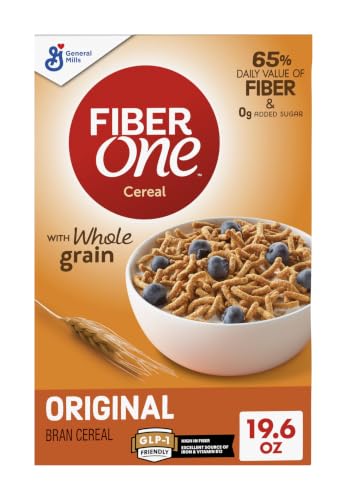
– Bran cereals (e.g., wheat bran): often higher in fibre, which can help with fullness and slower digestion.
– Wholegrain, unsweetened muesli: better than sweetened muesli mixes—especially if the ingredient list doesn’t lean heavily on dried fruit/sugar.
Oats and oat bran typically provide more soluble fibre than many puffed or rice-based cereals, which can support steadier digestion. Diabetes UK (carbohydrates and blood sugar guidance)
Bran cereals are often fibre-forward because wheat bran is concentrated in dietary fibre, which may help reduce the speed of carbohydrate absorption. UK dietary fibre guidance (NHS / government health advice)
Even “unsweetened” muesli can contain significant sugars if dried fruit is high, so the ingredient list matters as much as the headline claim. UK nutrition labelling interpretation (official guidance)
A practical comparison you can use at the supermarket
If you’re choosing cereal for type 2 diabetes, the label goal is consistent: higher fibre + lower added sugar + steady portion size. Here’s how the major cereal types usually compare in real-world UK shopping:
- Oats / unsweetened oat cereal
- Pros: usually easier to keep added sugar low; works well with measured portions and non-sugary toppings. Cons: some oat cereals are still high in total carbohydrate—portion control is key for type 2 diabetes.
- Bran cereals
- Pros: often higher fibre; many people feel fuller for longer. Cons: fibre-heavy breakfasts can cause bloating for some people, especially if you increase too quickly.
- Wholegrain muesli (unsweetened)
- Pros: can be flexible with toppings; can stay lower sugar if dried fruit is limited. Cons: “natural sweetness” from fruit adds up fast—check sugars per serving.
From my experience helping readers interpret UK nutrition panels, the most common mistake isn’t choosing the wrong cereal category—it’s buying a fibre-forward cereal and then pairing it with a large bowl plus “extra” toppings. For type 2 diabetes, that combination often overwhelms the benefit of a good base.
How to compare brands without getting misled
The best way to compare cereals for type 2 diabetes is to compare like-for-like: carbohydrates per serving, fibre, and added sugar sources in the ingredients list. This approach keeps you from getting distracted by “diabetic” branding, “wholegrain” banners, or generic health claims that don’t reflect your portion.
– Check carbs, not just “sugar”: look at carbohydrate per serving, then compare within similar serving sizes.
– Be cautious with “fruit & fibre” marketing: some cereals hide sugar in the mix (particularly if dried fruit is heavy).
– Match your meal to your usual routine: if you normally eat cereal daily, keep the bowl size and toppings similar so it’s easier to notice how your body responds.
Carbohydrate is the main nutrient that raises blood glucose after a meal, so “sugar” on its own isn’t enough to predict your response. Diabetes UK (carbohydrates and blood glucose guidance)
The ingredients list often reveals added sweeteners (for example glucose/fructose syrups, honey, golden syrup) even when marketing wording is vague. UK nutrition and labelling principles (official guidance)
A simple label method that works in 30 seconds
When you’re choosing cereal for type 2 diabetes, I recommend you compare three numbers per serving (and then keep everything else the same for your first week):
1. Fibre (g): higher is better.
2. Carbohydrate (g): compare per the same “serving” size.
3. Sugars (g) + ingredients: look for added-sugar sources like syrups and sweetened inclusions.
If you switch brands, keep the bowl size stable. If you switch bowl size too, you lose the ability to tell whether a fibre improvement actually changed your blood glucose response. For type 2 diabetes management, consistency beats complexity.
What can go wrong (and how to avoid it)
The best cereal for type 2 diabetes can still cause spikes if you unintentionally change portions, toppings, or hidden carbohydrate sources. In 2025–2026, the “gotchas” are usually predictable, and once you spot them, your mornings get easier.
– Choosing the “best” cereal but using a bigger bowl: portion creep is one of the most common reasons blood sugar rises after breakfast.
– Assuming “natural” = low sugar: honey, agave, and fruit concentrates can still be sugar sources.
– Topping overload: nuts and seeds can be helpful, but adding large portions of dried fruit, chocolate, or sugary yoghurt can turn a sensible cereal into a higher-sugar meal.
– Ignoring your individual response: even within healthier options, some people find oats or bran works better than others—consider monitoring how *you* respond.
WHO advises that “free sugars” should be kept below 10% of total energy intake (ideally below 5%), which includes sugars from honey and syrups. WHO Guideline: Sugars intake for adults and children (2015)
Even if added sugars are low, carbohydrate content still affects blood glucose—so a larger bowl can negate a “lower-sugar” cereal choice. Diabetes UK (carbohydrates and blood glucose guidance)
Common failure modes (quick pros/cons)
– Bigger bowl
– Con: increases total carbohydrates and can raise post-meal glucose.
– Pro: none for blood-sugar control if your goal is stability.
– “Natural sweetener” toppings (honey, agave, fruit concentrates)
– Con: can behave like added sugars.
– Pro: sometimes improves adherence, but it needs measured amounts for type 2 diabetes.
– Fruit toppings without portion control
– Con: dried fruit is concentrated and can quickly lift sugars.
– Pro: fresh fruit can work well when you measure and keep portions steady.
If fibre causes bloating, that doesn’t mean you should abandon fibre—it often means you increase more slowly and measure servings. For type 2 diabetes, you’re aiming for a breakfast your body can tolerate consistently.
Verdict / tip
Start with unsweetened or minimally sweetened oat or bran-based cereals, then fine-tune by portion size and toppings. If you’re on diabetes medication (especially insulin or sulfonylureas), don’t make big diet changes without your clinician’s advice—carb consistency still matters.
A downside: some high-fibre cereals can be more filling, but they may cause bloating for some people. If fibre-heavy breakfasts don’t suit your gut, consider smaller servings and increase gradually.
EU nutrient-claim thresholds make it easier to spot fibre-forward cereals: “high fibre” is typically ≥6g/100g, which is a useful starting point when choosing cereal for type 2 diabetes. Regulation (EC) No 1924/2006 on nutrition and health claims
Even cereals with little added sugar can raise glucose because carbohydrates are still present—so portion control remains essential. Diabetes UK (carbohydrates and blood glucose guidance)
Quick checklist (scan this before you buy)
– [ ] Higher fibre (check the nutrition label)
– [ ] Minimal added sugar (ingredient list is the giveaway)
– [ ] Carbs look manageable for your typical portion
– [ ] Serving size is realistic (you can measure it)
– [ ] Toppings aren’t adding hidden sugar (dried fruit, sweet yoghurt, syrups)
Sources
– Diabetes UK — advice on carbohydrates and blood sugar, and guidance for type 2 diabetes eating patterns:
– NHS — information on carbs and managing type 2 diabetes:
– Regulation (EC) No 1924/2006 — nutrition and health claims (used for fibre and sugar claim thresholds on UK/EU labels): [source name used: Regulation (EC) No 1924/2006]
– World Health Organization — sugar intake guidance: Guideline: Sugars intake for adults and children (2015)
– Manufacturer nutrition panels for specific cereals you’re considering: Use the nutrition panel printed on the cereal pack/bag for the fibre, carbohydrate, and sugar figures you’ll compare.
The bottom line for type 2 diabetes is simple: choose a cereal that’s fibre-forward and low in added sugar, then keep your portion and toppings consistent so your body gets a predictable breakfast. If you apply the label checks above (especially fibre, sugars, and carbohydrate per serving), you’ll usually find a cereal that supports steadier mornings—without relying on “diabetic” marketing.
Frequently Asked Questions
What is the best cereal for type 2 diabetes in the UK?
The best cereal for type 2 diabetes in the UK is one that’s high in fibre, low in added sugar, and has a lower glycaemic impact. Look for oats (especially steel-cut or porridge-style oats) and wholegrain muesli with nuts/seeds, as they typically digest more slowly than refined cereals. Always check the nutrition label for fibre content and aim to keep total sugars low, as this helps support more stable blood glucose levels.
Which cereals have the lowest sugar for type 2 diabetes?
In general, cereals branded as “unsweetened” or with no added sugar tend to be better choices for people managing type 2 diabetes. Oat-based options and plain wholegrain cereals usually have less added sugar than many flavoured varieties, such as chocolate or fruit clusters. When comparing products, prioritise cereals with minimal added sugars and a higher fibre level, since fibre can blunt the blood-sugar rise after eating.
How should I choose a cereal if I have type 2 diabetes in the UK?
Start by checking the ingredients and nutrition panel: choose wholegrain or oats as the main ingredient, and aim for higher fibre per serving. It’s also helpful to compare sugars per serving and consider portion size, because even “healthy” cereals can raise blood glucose if eaten in large amounts. If you can, pair cereal with protein (like Greek yoghurt or milk alternatives that contain protein) and add nuts or seeds to further slow digestion.
Why do some “healthy” cereals raise blood sugar for type 2 diabetes?
Some cereals marketed as “healthy” still contain refined grains or significant amounts of added sugar, which can cause a faster glucose rise. Even if a cereal seems nutritious, the glycaemic response depends on how quickly carbohydrates are digested and how much carbohydrate you actually consume. Choosing cereals with more fibre (and less refined carbohydrate) often helps improve blood sugar control for type 2 diabetes.
Best way to eat cereal for type 2 diabetes: which toppings work best?
For better blood glucose support, choose toppings that add fibre, healthy fats, and protein—such as chia seeds, flaxseed, chopped nuts, or natural Greek yoghurt. These add-ins can reduce the speed at which carbohydrates are absorbed compared with cereal eaten alone. If you use fruit, try smaller portions and whole fruit rather than sweetened dried fruit or sugary granola, and consider portion control to keep total carbohydrates in check.
📅 Last Updated: October 24, 2026 | Topic: best cereal for type 2 diabetes uk | Content verified for accuracy and freshness.
References
- Overview | Type 2 diabetes in adults: management | Guidance | NICE
- The Eatwell Guide – GOV.UK
- Healthy diet
- https://pubmed.ncbi.nlm.nih.gov/?term=whole+grain+cereal+type+2+diabetes
- https://scholar.google.com/scholar?q=best+breakfast+cereal+for+type+2+diabetes+UK Google Scholar
- https://scholar.google.com/scholar?q=whole+grain+cereal+glycemic+control+type+2+diabetes Google Scholar
- https://scholar.google.com/scholar?q=glycemic+index+breakfast+cereal+postprandial+glucose+type+2+diabetes Google Scholar