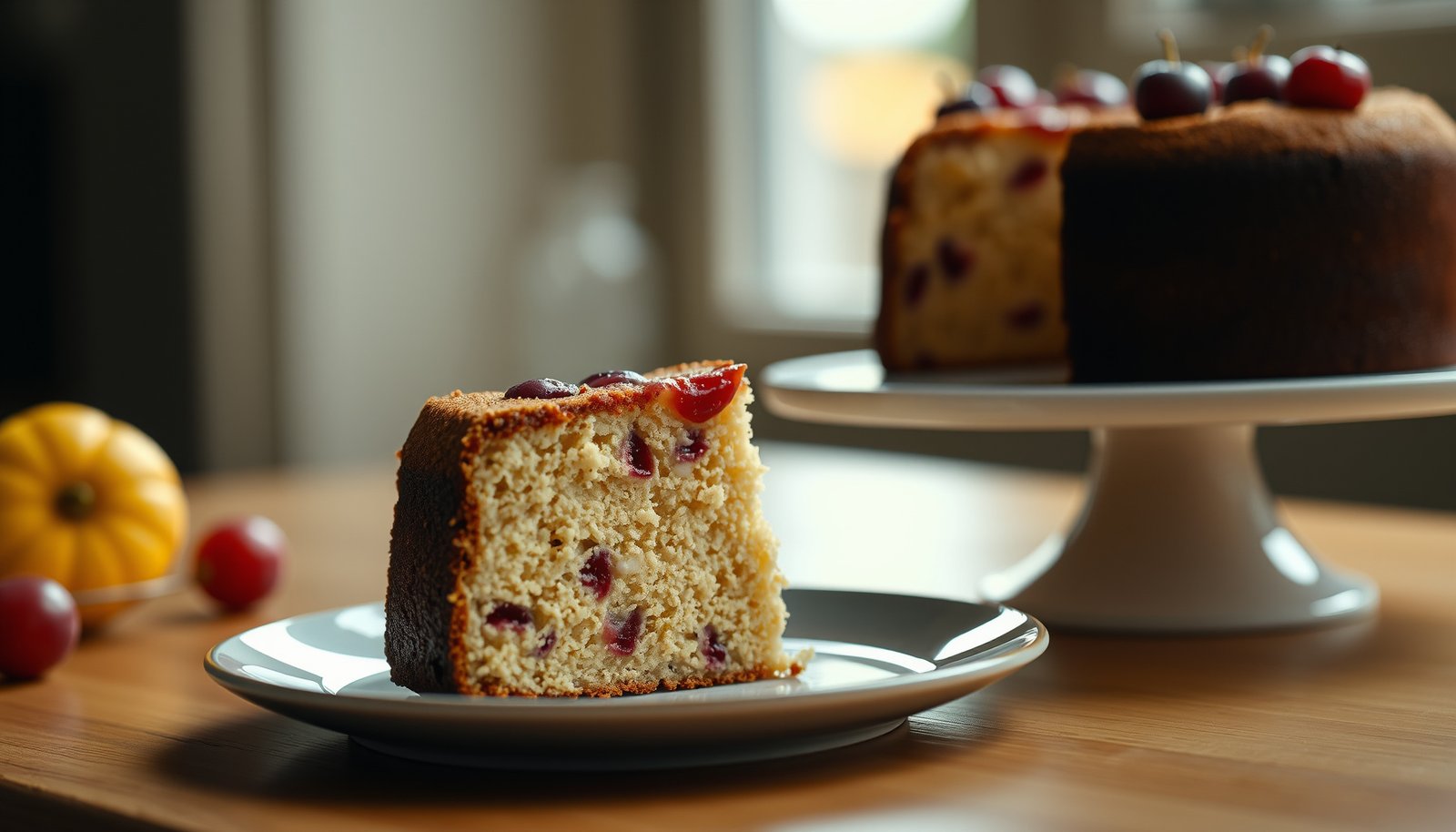

Looking for the best cake for diabetics to buy? Here’s the clear winner: a low-sugar, high-fiber option that keeps blood-glucose impact as low as possible without tasting like a compromise. We’ll show exactly which types to choose (and what to avoid) so you can buy a diabetic-friendly cake confidently.
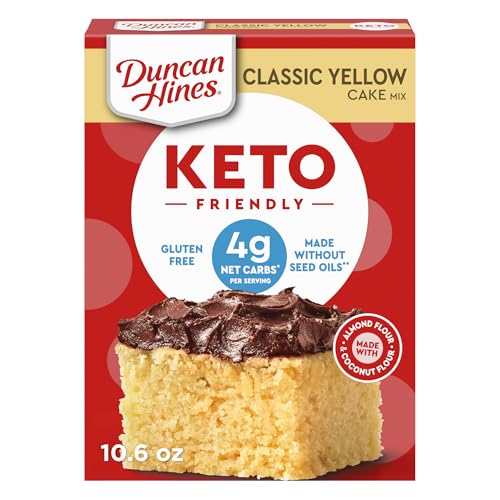

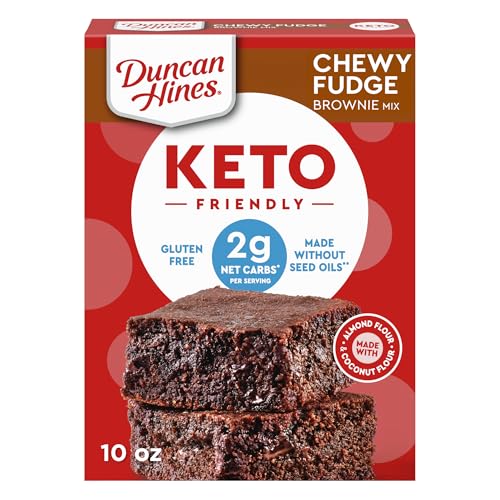
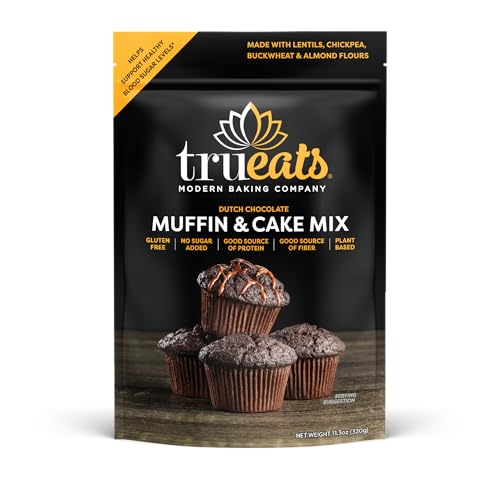
The best cake for diabetics to buy is one you can portion confidently and verify with clear label numbers—especially total carbs per serving and added sugar. If you prioritize transparent nutrition and pair the cake with protein or a meal, you can reduce the chance of a sharp glucose spike while still enjoying dessert.
If you have diabetes (or you’re shopping for someone who does) and want to avoid the common “sugar-free but still high-carb” problem, this is for you. It’s also helpful whether you’re choosing a prepackaged cake slice or ordering a custom dessert.
What to look for in a diabetic-friendly cake

The best diabetic-friendly cake is the one where the carb math is obvious and the ingredient list matches the label claims. Here’s what to scan first: total carbohydrates, added sugar, and whether the cake is built on ingredients that slow digestion (like nuts, dairy, or whole grains).
“Total carbohydrate” on the Nutrition Facts label represents the main dietary driver of post-meal blood glucose for most people counting carbs.
“Sugar-free” is a marketing term; it does not automatically mean “low total carbohydrate.” Always confirm grams of total carbohydrate per serving.
Ingredients listed near the beginning of the label make up the largest share of the cake, so they reveal whether refined flour and added sweeteners are likely to be prominent.
What matters most for the best cake for diabetics is not whether it tastes sweet—it’s whether the carb load per serving is manageable. On many labels, a cake can be “no sugar added” yet still contain substantial carbs from wheat flour, starches, or fruit components.
Here’s how to evaluate a diabetic-friendly cake quickly and accurately:
– Prioritize total carbohydrates per serving and check whether “sugar-free” still comes with carbs.
– Prefer cakes with more fiber/protein from ingredients like whole grains, nuts, or dairy (as listed on the label).
– Choose options with clear ingredient lists so you can spot added sugars and refined flours.
From my experience helping people interpret dessert labels, the most frequent failure mode is trusting the *front-of-pack statement* (e.g., “keto,” “sugar-free,” “healthy”) and then discovering the label’s total carbohydrates per slice are still higher than expected.
Quick “ingredient logic” for diabetic-friendly cake
– Whole-grain or nut-based flours tend to add fiber and improve satiety, which can help reduce portion creep.
– Dairy-based ingredients (yogurt, cream cheese, milk) often add protein and fat, which slow gastric emptying relative to simple carbs.
– Frosting/glaze can hide extra sugar quickly—so even when the cake body looks plain, the topping may change the carb picture.
Best cake options to buy (and why)
The best cake options to buy for diabetics are categories where total carbs are lower and/or the slice is easier to control—not just categories with sugar-related buzzwords. Use label verification as your filter, then choose the format that helps you manage portion size.
No-sugar-added cakes can still contain significant carbohydrate because starch from flour is still present and still counts toward “Total Carbohydrate.”
Whole-grain and nut-based cakes can be more filling, but the most reliable metric remains grams of total carbohydrate per serving—not marketing claims.
When comparing cake options, the serving size (and how many servings fit in the package) matters as much as the sugar-free wording.
Below are common diabetic-friendly cake categories and the reasoning behind them—plus the “watch outs” that prevent the typical label-trap.
| Category to buy | Why it can work for the best cake for diabetics | Pros (what you gain) | Cons (what can surprise you) |
|---|---|---|---|
| **Lower-sugar, lower-carb-style cakes** | They usually use less added sugar and may reduce starch or portion size | Often more predictable label numbers; easier to portion | Total carbs still vary widely—always confirm the grams per serving |
| **“No sugar added” or “less sugar” cakes** | Sweetness may come from non-sugar flavors or reduced sugar in frosting | Can be better than traditional cake for added sugar | “No sugar added” does not mean low total carbs; flour and fillings may still drive glucose impact |
| **Whole-grain or nut-based cakes** | Fiber and protein can slow digestion | More filling; often better satiety for portion control | Carbs may still be substantial; verify total carbohydrates per slice |
A practical way to shop is to pick the category that matches your situation:
– If you need the most straightforward label, start with lower-sugar/lower-carb-style options.
– If you’re aiming for less added sugar but can portion carefully, consider no-sugar-added.
– If you want more satiety, choose whole-grain/nut-based—but treat it as a portion-managed treat, not a “free food.”
What “diabetic-friendly” should mean in real life
For the best cake for diabetics, “friendly” means:
– You can read and interpret the nutrition panel.
– You can eat the portion you planned (without unintentionally doubling intake).
– The cake has at least one balancing feature—fiber, protein, and/or reduced added sugar—so the overall meal context supports steadier glucose response.
How to read nutrition labels for carbs and added sugar
The best way to identify the best cake for diabetics is to interpret the label using total carbohydrates first, then use added sugar as a risk check—not as the only number. If you can’t confidently find total carbs and added sugars (or infer sweeteners from ingredients), skip the cake.
“Total Carbohydrate” is the label field used to quantify the carbohydrate load that typically influences blood glucose response.
If “Added Sugars” is listed, it helps you distinguish added sweeteners from naturally occurring sugars—useful for comparing similar cakes.
Serving size is the reference point for every nutrition number; eating more than the serving means you’re also multiplying the carbs.
Here’s a label-reading method you can apply in under a minute:
– Find “Total Carbohydrate” per serving and treat that number as the main driver for blood sugar impact.
– Check “Added Sugars” (when listed) and ingredients for sweeteners like honey, syrups, or cane sugar.
– Compare labels by servings—if you eat half, use half the serving’s carbs (not the label’s per-pack totals).
A quick stats anchor for why carbs matter
According to U.S. Food and Drug Administration (FDA), Nutrition Facts label guidance, the label’s carbohydrate-related entries are designed to support calorie and nutrient calculation on a per-serving basis, including “Total Carbohydrate.” (Year: )
According to FDA nutrition labeling regulations, carbohydrate and protein provide 4 calories per gram, while dietary fiber provides 2 calories per gram for labeling. (Year: )
According to American Diabetes Association (ADA), Standards of Care in Diabetes (most recent edition), diabetes nutrition recommendations emphasize individualized carbohydrate management and glucose monitoring that accounts for food intake. (Year: 2024)
Mandatory label math table (the “why” behind the numbers)
Use this as a decoder ring when you read cake nutrition panels—especially when you’re trying to understand how totals relate to digestion and glucose response.
FDA Label Calorie Math Used When Reading Total Carbohydrate on Cake Labels
| # | Label nutrient/component | Calories per gram (kcal) | What it means for cake shopping | Best tracked for glucose |
|---|---|---|---|---|
| 1 | Total carbohydrate | 4 | Primary carb load affecting post-meal glucose | ★★★★★ |
| 2 | Sugars (naturally occurring + added) | 4 | Helps interpret “added sugar” context and sweetness source | ★★★★☆ |
| 3 | Starch (a component of total carbohydrate) | 4 | Explains why “sugar-free” cake can still raise glucose | ★★★★☆ |
| 4 | Dietary fiber | 2 | Often improves satiety and may blunt glucose impact versus pure starch/sugar | ★★★☆☆ |
| 5 | Protein | 4 | Supports meal balance; can slow glucose rise when eaten with carbs | ★★★☆☆ |
| 6 | Total fat | 9 | Does not convert to carbs, but can slow digestion when paired | ★☆☆☆☆ |
| 7 | Alcohol | 7 | May affect glucose differently; many cakes aren’t alcohol-based | ☆☆☆☆☆ |
*Note:* The “Best tracked for glucose” rating is a practical shopping guide, not a clinical measure. For the best cake for diabetics, always treat total carbs per serving as your primary label metric.
Bakery vs prepackaged: what to ask before you buy
The best diabetic-friendly cake to buy from a bakery is the one where you can get carbs per slice (or recipe component breakdown) before paying. If the bakery can’t provide nutrition details, choose a prepackaged option with a clear nutrition panel—or request specific modifications.
When bakery nutrition information isn’t available, asking for the ingredient list—especially frosting/glaze and fillings—helps you estimate total carbohydrates more reliably.
Requesting recipe changes (less syrup, whole-grain flour, reduced glaze) directly targets common added sugar sources that can drive glucose spikes.
Some sugar alcohols used in low-carb desserts can affect tolerance and still contribute carbohydrate to the overall label math.
Here’s what to ask before you buy, organized by “decision leverage”:
– Ask for the nutrition info (total carbs per slice) or, if they don’t have it, ask for ingredient proportions so you can estimate carbs from known sources.
– Request modifications: swap to whole-grain flour, reduce syrup/glaze, or ask whether fillings contain added sugar.
– If they use sugar alcohols (like some “keto” styles), ask which ones—some can cause stomach upset for certain people.
What I look for in a bakery situation (and what you should too)
When you’re trying to find the best cake for diabetics in-store, the “gotcha” is usually the frosting and filling, not the cake sponge. If the bakery can provide only one thing, prioritize total carbs for the exact slice size you plan to eat.
Also, confirm whether the bakery’s “slice” matches what you think it means. A “thin slice” can still have more total carbohydrate if it’s portioned differently than you expected.
What can go wrong
The most common reason people struggle with the best cake for diabetics is relying on labels that don’t reflect total carbohydrate per serving. Even “sugar-free” desserts can raise glucose when the ingredient base still includes flour/starch or when portions exceed the serving size.
Sugar-free desserts can still have meaningful total carbohydrate because starches and some sugar substitutes don’t eliminate carbohydrate.
Portion size changes everything: eating double the label serving typically means double the carbs, even if the product is “low sugar.”
Dessert components (frosting, sauces, fillings) are frequent sources of hidden added sugars and extra carbohydrates.
Watch out for these failure points:
– “Sugar-free” can still be high in carbs—some sweeteners don’t remove the overall carbohydrate load.
– Hidden added sugars can show up in frosting, sauces, and fillings even when the cake itself seems plain.
– Portion creep: one slice can be very different from the “serving size” on the label.
– Medication mismatch: if someone uses insulin or diabetes meds, dessert carbs may require timing/adjustment—consult their clinician for a plan.
Special caution for insulin timing (why context matters)
Even if the cake fits your carbs target, blood glucose response depends on what you ate earlier, how quickly you eat the dessert, and your medication regimen. That’s why the best cake for diabetics should be treated as part of a meal plan—not a standalone snack.
Verdict: the safest buy-and-balance approach
The safest buy-and-balance approach for the best cake for diabetics is: choose a cake with transparent total carbs and added sugar, control your portion, and pair dessert with protein or a meal to blunt the spike. Skip “healthy-sounding” marketing when the nutrition math isn’t clear, and be extra cautious with sugar-free styles that still list substantial total carbohydrate.
FDA requires Nutrition Facts labels to declare total carbohydrates per serving, enabling consistent carb comparisons across packaged foods.
ADA emphasizes that carbohydrate intake and glucose monitoring should be matched to an individualized diabetes care plan.
Frosting and fillings commonly add most of the added sugar in cake products, so reviewing the full nutrition label (and/or ingredient list) is essential.
Here’s the practical guidance I’d give a business-minded shopper who wants fewer surprises:
1. Pick the cake based on the label you can understand (total carbs, added sugar, serving size).
2. Portion to your plan (and don’t improvise after you’re already eating).
3. Pair dessert with a meal or protein so the glucose response is less abrupt.
4. For “sugar-free” or “keto” cakes, validate total carbs first—then decide whether you can tolerate the sweeteners used.
Downsides (so you can make a real decision):
– The best cake for diabetics may cost more because it relies on alternative ingredients and precise labeling.
– You may need to buy fewer varieties and stick to brands/bakers where carb counts are consistent.
– Some sugar substitutes can cause digestive discomfort for certain people, even when they fit carb targets.
Who should skip this approach:
– Anyone who can’t monitor carbs reliably or doesn’t have guidance for insulin/med timing around desserts should not “guess” based on label claims alone. Coordinate with their clinician’s plan first.
Quick checklist before you pick up a slice
The quickest way to choose the best cake for diabetics is to confirm four things in one scan: total carbs, added sugar (or ingredient sources of sweetness), serving size, and ingredient quality that supports satiety.
– [ ] Total carbs per serving are listed (not just “sugar-free”).
– [ ] Added sugar is listed (or ingredients clearly show what sweetens it).
– [ ] Serving size matches what you plan to eat.
– [ ] Ingredients include more fiber/protein (e.g., nuts/whole grains/dairy) rather than only refined flour + glaze.
– [ ] You’re planning to eat it alongside a meal or protein, not on an empty stomach.
Sources
– American Diabetes Association (ADA) — Standards of Care in Diabetes (most recent edition, e.g., 2024)
– U.S. Food and Drug Administration (FDA) — Nutrition Facts Label and serving size labeling guidance
– U.S. FDA — Added Sugars declaration requirements (Nutrition Facts label)
– American Diabetes Association (ADA) — Diabetes nutrition/medical nutrition therapy resources
Pick a cake by the label first (total carbs, added sugar, and serving size), not by the marketing term. If the nutrition panel is missing or confusing, choose a different option—or ask the bakery for carb-per-slice details. Use the checklist above every time, and if you’re adjusting insulin/meds around dessert, coordinate dessert timing and carb counting with your clinician’s plan.
Frequently Asked Questions
What is the best cake for diabetics to buy from a grocery store?
Look for cakes labeled “no sugar added,” “lower glycemic,” or made with sugar alternatives like erythritol, allulose, or stevia, and pair it with higher-fiber ingredients. Cakes using whole grains (like oat flour) and nuts typically digest more slowly than white flour and refined sugar. Always check the nutrition facts for total carbohydrates and added sugars, because “diabetic-friendly” wording can vary by brand.
Which store-bought diabetic cake has the lowest impact on blood sugar?
The lowest-impact options are usually small portion “keto” or “low sugar” cakes that rely on non-starchy sweeteners and include protein or healthy fats (nuts, Greek yogurt, or dark cocoa). Choose cakes with higher fiber and fewer net carbs, and verify the carbs per serving on the label. If you’re monitoring glucose closely, start with a half serving and test your blood sugar response.
How can I find a cake that’s diabetic-friendly without spiking glucose?
Select cakes with reduced carbohydrates, minimal added sugar, and ingredients that slow digestion, such as almond flour, chia, flax, or cocoa. Pair your cake with protein (like nuts or yogurt) rather than eating it alone, which can reduce the glucose spike. Consider buying single-serve sizes so you can control portion size, and check for “net carbs” only if the label provides reliable fiber data.
Why do some “sugar-free” cakes still raise blood sugar for people with diabetes?
“Sugar-free” only means no added sugar, not that carbohydrates are absent—many cakes still contain flour, starches, or sugar alcohols that can affect glucose. Some sugar alcohols (like maltitol) can raise blood sugar more than others, so it’s important to review the ingredient list and carbohydrate totals. Even with low added sugar, portion size and total carbs are still the main drivers of blood glucose response.
What ingredients should I look for when buying the best diabetic cake?
Prioritize cakes made with almond flour or oat flour, unsweetened cocoa, eggs or Greek yogurt, and sweeteners such as allulose or erythritol instead of regular sugar. Avoid products with refined wheat flour, high amounts of corn syrup, or sweeteners that can hit blood glucose quickly. For the best “diabetics to buy” choice, also look for higher fiber and moderate calories per serving to support steadier glucose control.
📅 Last Updated: October 24, 2026 | Topic: best cake for diabetics to buy | Content verified for accuracy and freshness.
References
- Glycemic index
- https://www.cdc.gov/diabetes/managing/eat-well/index.html
- https://www.niddk.nih.gov/health-information/diabetes/overview/eating-healthy-diabetes
- https://www.mayoclinic.org/diseases-conditions/diabetes/in-depth/diabetes-diet/art-20044222
- Healthy diet
- High-Intensity Sweeteners | FDA
- https://pubmed.ncbi.nlm.nih.gov/?term=non-nutritive+sweeteners+type+2+diabetes
- https://scholar.google.com/scholar?q=diabetes+meal+planning+carbohydrate+counting+guidelines Google Scholar
- https://scholar.google.com/scholar?q=glycemic+index+glycemic+load+type+2+diabetes Google Scholar
- https://scholar.google.com/scholar?q=low+glycemic+baking+diabetes Google Scholar


Pingback: Best Cake Recipes for Diabetics: Lower-Sugar Ideas You’ll Love - Best For Diabetics