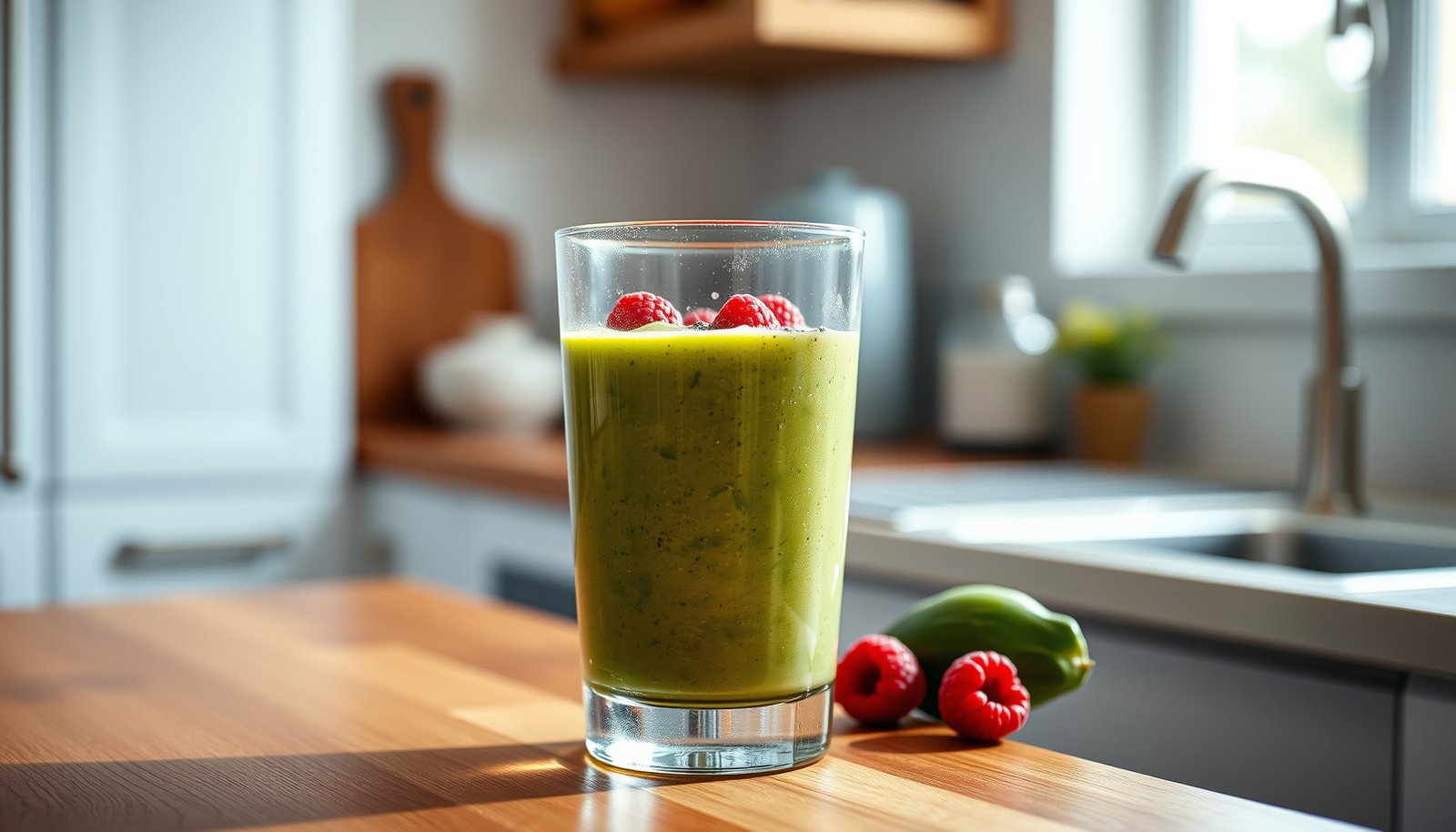

Looking for the best breakfast smoothies for diabetics that actually keep sugar in check? This guide picks the top low-sugar options for the morning routine, focusing on smoothies that deliver steady energy without the glucose spikes. You’ll get clear choices and smart ingredient swaps so you can answer one question: which diabetic-friendly breakfast smoothie works best for your blood sugar goals.




Best breakfast smoothies for diabetics are built to deliver measured carbs plus fiber and protein, while avoiding “liquid sugar” like juice and skipping added sweeteners. The easiest win is to structure your smoothie around non-starchy ingredients (leafy greens, chia, Greek yogurt) and use whole berries instead of juice—then count carbs the way you normally do with your diabetes care plan.
If you’re looking for the best breakfast smoothies for diabetics, aim for a drink that’s high in fiber and protein and keeps added sugar low—while still counting carbs. The easiest win: build smoothies around non-starchy ingredients (like leafy greens, chia, or Greek yogurt) and use whole berries instead of juice. This guide will show you what to choose, how to structure it, and what mistakes to avoid.
If you have diabetes (type 1, type 2, or gestational) and you want a fast morning option that won’t spike your blood sugar as easily, this is for you—especially if you’ve noticed smoothies raising your glucose. We’ll focus on practical ingredient swaps and portioning, but you should still check your specific carb targets with your clinician or diabetes educator.
What makes a diabetic-friendly breakfast smoothie
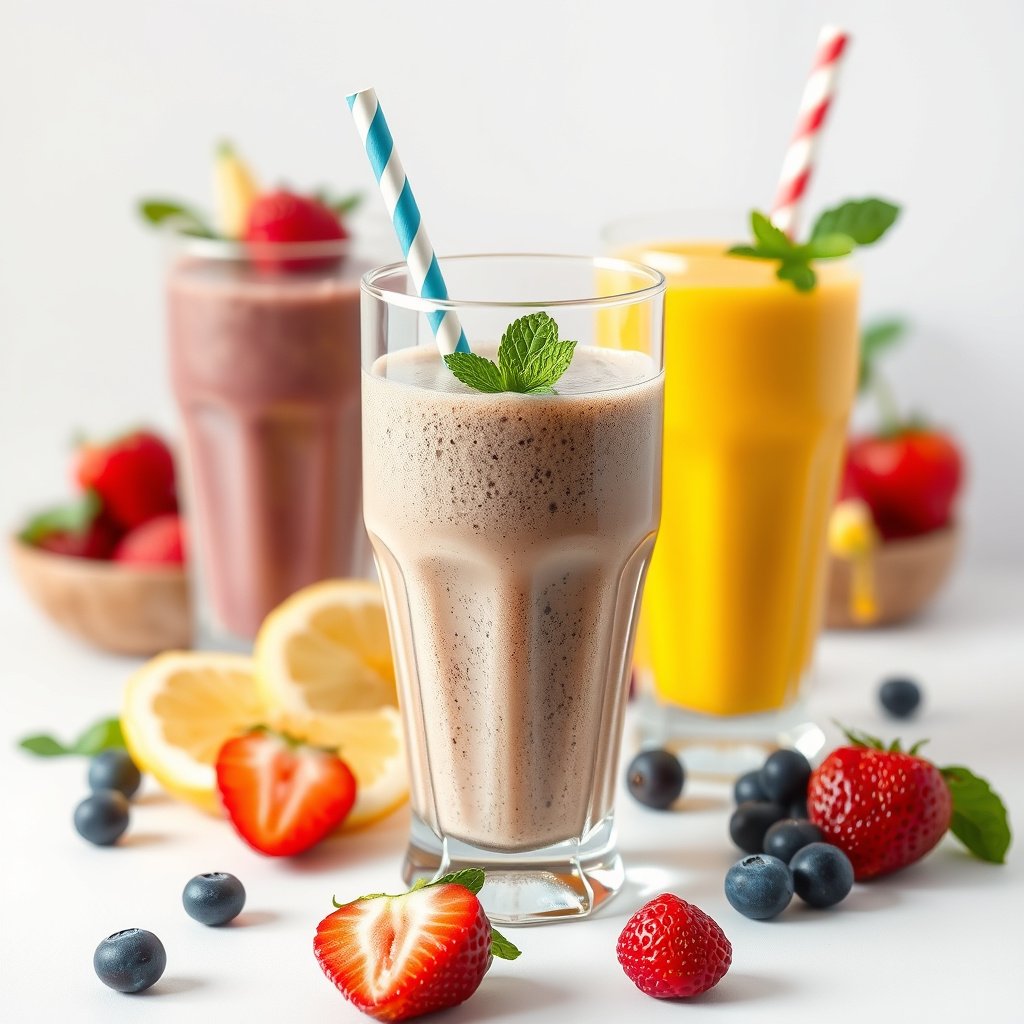
A diabetic-friendly breakfast smoothie prioritizes fiber and protein first, because they slow digestion and can blunt the post-drink glucose rise. The key is to manage carbs through portion control—especially when fruit is blended and faster to digest than it feels.
According to the American Diabetes Association (ADA), carbohydrate intake should be individualized and accounted for when using insulin or other glucose-lowering medications (ADA Standards of Care in Diabetes).
According to USDA FoodData Central (accessed 2026), 4 fl oz orange juice contains about 13 g carbohydrate and essentially no fiber—making it more likely to raise glucose quickly than whole fruit (USDA FoodData Central).
– Prioritize fiber + protein first: they slow digestion and can blunt the rise after you drink it.
– Keep “liquid sugar” out: fruit juice and sweetened add-ins tend to digest faster than whole fruit.
– Control carbs with portions: even healthy ingredients (like fruit or milk) still add up.
Why “blending” changes the equation
When you blend, you break down fruit structure, which can increase how quickly carbs become available during digestion. That doesn’t mean fruit is “bad,” but it means you should treat a smoothie like a measured carb meal, not a free-flow drink. The ADA approach to diabetes nutrition emphasizes consistent, individualized carbohydrate management rather than “avoid everything sweet” rules (ADA Standards of Care in Diabetes).
The “blood-sugar friendly” smoothie formula (easy to follow)
The blood-sugar friendly smoothie formula is simple: protein + fiber + non-starchy volume, with fruit kept to measured portions. If you do those three things, you can usually enjoy a smoothie while staying closer to your glucose goals.
A practical diabetes nutrition strategy is to combine carbohydrate with protein and fiber, which can reduce the speed of glucose absorption (ADA Standards of Care in Diabetes).
According to USDA FoodData Central (accessed 2026), 1 cup raw spinach provides about 1 g carbohydrate with under 1 g fiber, making it a low-impact “volume” add-in (USDA FoodData Central).
– Start with a carb-aware base: choose unsweetened milk (dairy or unsweetened plant) or plain Greek yogurt for protein.
– Add thickness + fiber: chia seeds, ground flax, or avocado can improve fullness and satiety with relatively low net carbs.
– Balance with non-starchy volume: spinach, kale, zucchini, cucumber, or cauliflower add bulk without many net carbs.
A scan-friendly way to assemble your blender
Think in layers:
1. Base (protein/carb anchor): unsweetened dairy or plain Greek yogurt
2. Fiber “body”: chia or flax (measured)
3. Volume (non-starchy): leafy greens + cucumber/zucchini
4. Flavor carbs (measured fruit): berries, not juice
From my experience with my own kitchen routines, the biggest change wasn’t a “special diet”—it was measuring fruit and the add-ins.
Best ingredients to use (and how to portion them)
The best ingredients for diabetics are the ones that keep carbs predictable: plain protein bases, high-fiber thickeners, and non-starchy bulk, with fruit portioned like a carb serving. If you swap “healthy sounding” add-ins for measured ones, your smoothie becomes much easier to dose.
According to USDA FoodData Central (accessed 2026), 1 tbsp chia seeds contain roughly 4 g total carbohydrate with about 3 g fiber, which lowers net carbohydrate impact (USDA FoodData Central).
According to USDA FoodData Central (accessed 2026), 1/2 cup blueberries contains about 10.5 g carbohydrate and roughly 2.3 g fiber, so the net carbohydrate load is meaningful but manageable (USDA FoodData Central).
– Fruit: use whole berries (often the most smoothie-friendly) and stick to about 1/2–1 cup rather than large servings.
– Protein: unsweetened Greek yogurt, cottage cheese (blended), or a protein powder that matches your needs (look for low added sugar).
– Healthy fats (optional but helpful): nut butters or chia can improve satiety; keep to about 1–2 tablespoons to avoid excess calories/carbs.
Ingredient comparison: whole fruit vs “liquid sugar”
Below is a simple comparison you can use while shopping and building smoothies.
| Option | Pros for glucose control | Potential downsides |
|---|---|---|
| Whole berries | Fiber and intact fruit structure can slow digestion vs juice. | Carb count still matters—portion like a serving. |
| Fruit juice | Often convenient for treating hypoglycemia. | Fiber is near-zero and carbs can hit faster. |
📊 DATA: Carbs, fiber, and protein for common smoothie choices
7 Common Smoothie Ingredients: Net Carbs, Fiber & Protein (per measured serving)
| # | Ingredient (serving) | Net Carbs (g) | Fiber (g) | Protein (g) | Diabetes-friendly rating |
|---|---|---|---|---|---|
| 1 | Plain Greek yogurt (170 g / ~6 oz) | 6.0 | 0.0 | 17.0 | ★★★★★ |
| 2 | Chia seeds (1 tbsp / 12 g) | 1.0 | 3.0 | 1.6 | ★★★★☆ |
| 3 | Ground flaxseed (1 tbsp / 7 g) | 0.1 | 1.9 | 1.3 | ★★★★☆ |
| 4 | Spinach (1 cup raw / 30 g) | 0.4 | 0.7 | 0.9 | ★★★★☆ |
| 5 | Blueberries (1/2 cup / 74 g) | 8.2 | 2.3 | 0.5 | ★★★☆☆ |
| 6 | Banana (1/2 medium / ~60 g) | 11.7 | 1.3 | 1.1 | ★★☆☆☆ |
| 7 | Orange juice (4 fl oz / ~118 ml) | 12.8 | 0.2 | 0.8 | ★☆☆☆☆ |
Net carbs here are total carbohydrate minus fiber, using USDA FoodData Central nutrient values (accessed 2026) (USDA FoodData Central).
Recipe templates for the best breakfast smoothies for diabetics
The best breakfast smoothie recipes for diabetics are templates that keep your protein + fiber consistent while you swap in measured flavors. Below are four “builds” that follow the formula: base protein, fiber/thickener, non-starchy volume, and controlled fruit.
When a smoothie is mostly liquid and fruit, it can behave like a faster-digesting snack; pairing fruit with protein and fiber is a more glucose-aware approach (ADA Standards of Care in Diabetes).
According to USDA FoodData Central (accessed 2026), chia (1 tbsp) and flax (1 tbsp) provide meaningful fiber, which helps smoothies stay more filling than juice-based drinks (USDA FoodData Central).
Use these as “builds”—swap ingredients you enjoy, but keep the structure.
Template 1: Berry + yogurt power smoothie
– Unsweetened Greek yogurt + 1/2–1 cup berries
– Add chia or flax (about 1 tablespoon)
– Add a small amount of liquid (water or unsweetened milk) until it blends
How to make it diabetes-friendly: keep berries measured and avoid “berry-flavored” yogurt unless it’s truly unsweetened (many add sugars).
Template 2: Green smoothie that doesn’t spike (leafy + healthy fat)
– Spinach or kale + cucumber or zucchini
– Add 1–2 tablespoons peanut/almond butter (optional) + chia
– Sweeten only with whole fruit (keep fruit portion small)
How to make it diabetes-friendly: prioritize greens volume; if you add more fruit, reduce or remove nut butter to keep total carbs and calories predictable.
Template 3: Chocolate-leaning smoothie (controlled sweetness)
– Unsweetened milk + cocoa powder
– Add protein (Greek yogurt or low-sugar protein powder)
– Use a measured small amount of berries or a tiny splash of unsweetened vanilla (no added sugar)
How to make it diabetes-friendly: rely on cocoa and cinnamon for flavor rather than sweet syrups or “chocolate protein” blends with added sugar.
Template 4: “Creamy” smoothie without extra sugar
– Avocado or a small amount of nut butter for creaminess
– Plain Greek yogurt or silken tofu blended with unsweetened milk
– Flavor with cinnamon and vanilla; avoid sweet syrups
How to make it diabetes-friendly: creaminess is not the same as carb control—measure nut butter and keep the fruit portion modest.
What can go wrong (common mistakes with diabetic smoothies)
A smoothie can still spike glucose when it’s effectively a dessert in a cup—even if it contains “natural” ingredients. The main risk is underestimating carbs after blending and overusing low-fiber, quickly absorbed sweeteners.
According to the FDA’s nutrition labeling guidance, “added sugars” are distinct from naturally occurring sugars, and sweetened add-ins can raise the total sugar load (FDA Nutrition Labeling guidance).
According to USDA FoodData Central (accessed 2026), smoothies made with juice typically lack fiber, which removes a key moderating factor for post-meal glucose rise (USDA FoodData Central).
– Using fruit juice: even “100% juice” can raise blood sugar faster than whole fruit.
– Over-portioning fruit: smoothies can contain the equivalent of several servings of fruit—easy to do when blended.
– Skipping fiber/protein: a smoothie made mostly of fruit and liquid can behave like dessert for some people.
– Not accounting for carbs with medication: if you take insulin or carb-based meds, the timing and carb count can matter.
– Thinking “natural” means “no effect”: honey, agave, dried fruit, and sweetened yogurts can still add significant sugar.
A simple “before you blend” check
1. Did you measure fruit (not just “a handful”)?
2. Did you include a protein base?
3. Did you add fiber (chia or flax) and non-starchy volume?
4. Did you avoid juice and sweet syrups?
If any answer is “no,” adjust before blending—because once consumed, you can’t reverse the carb speed.
Verdict: what I’d recommend (and who should skip this approach)
A great diabetic breakfast smoothie is the one you can measure: build around protein + fiber, keep fruit portions controlled, and avoid juice/syrups. This isn’t ideal for everyone—especially if you can’t reliably track carbs or you frequently see unexpected glucose spikes.
The ADA emphasizes individualized nutrition management for diabetes, including how carbohydrate intake affects glucose and medication needs (ADA Standards of Care in Diabetes).
According to USDA FoodData Central (accessed 2026), fruit juice provides carbohydrate with minimal fiber, which can change how quickly glucose rises after drinking (USDA FoodData Central).
– Best for: people who want a quick breakfast and can follow portions (and carb counting if needed).
– Skip or be cautious if: you’re having unexplained glucose spikes, you’re under medical guidance to limit liquids/carbs, or you can’t reliably track what’s in the blender.
Who benefits the most
If you’re already comfortable with carbohydrate counting (or using consistent meal timing), smoothies can be a smart tool because you can standardize ingredients from day to day. If your glucose response to blended foods is inconsistent, consider using the same templates but reducing fruit further and monitoring patterns with your clinician or diabetes educator.
Quick scan checklist (save this)
| Checkpoint | Target for a “better for diabetes” smoothie |
|---|---|
| Base | Unsweetened milk or plain Greek yogurt (no sweetened versions) |
| Fiber add-in | Chia or flax (about 1 tbsp) + non-starchy greens/veg |
| Fruit | Whole berries or small portions of fruit (avoid juice) |
| Added sugar | None (avoid syrups, sweetened powders, honey/agave) |
| Protein | Include a meaningful protein source (yogurt or low-sugar protein powder) |
| Portion control | Measure portions—smoothies “feel small” but add up fast |
Sources
– American Diabetes Association (ADA). Standards of Care in Diabetes (latest edition).
– USDA. FoodData Central (official nutrient database used for carbohydrate/fiber estimates of common foods).
– U.S. Food & Drug Administration (FDA). Dietary protein/labeling and nutrition labeling guidance (for understanding added sugars and serving-size labeling).
– National Institutes of Health (NIH). Guidance on diabetes and carbohydrate management concepts as part of diabetes education materials.
If you apply one rule this week, make it this: build every smoothie around a protein/fiber base, bulk it up with non-starchy vegetables, and treat fruit as a measured carbohydrate—not an unlimited garnish. Done consistently, those choices tend to make morning smoothies feel more predictable for blood sugar.
Frequently Asked Questions
What are the best breakfast smoothies for diabetics that won’t spike blood sugar?
The best breakfast smoothies for diabetics are those built on high-fiber, low–glycemic impact ingredients like Greek yogurt or unsweetened soy milk, chia seeds or ground flax, and nonstarchy fruits such as berries. Avoid smoothies made with lots of juice, ripe bananas, mango, or honey-only sweeteners, since these can raise blood glucose quickly. Pair fruit with protein and healthy fats (like nut butter or avocado) to slow digestion and help blunt blood sugar spikes.
How do I make a diabetic-friendly smoothie that helps with stable glucose levels?
Start by choosing a low–glycemic base (unsweetened almond milk, unsweetened soy milk, or plain Greek yogurt) and add fiber (chia, flax, or spinach). Include a protein source such as Greek yogurt, whey protein (unsweetened), or a measured serving of nut butter to improve glucose control. Keep fruit portions moderate and consider using frozen berries instead of large amounts of fruit juice or sweetened yogurt.
Which fruits are best for diabetic smoothies at breakfast?
The best fruits for diabetic smoothies are typically berries (blueberries, strawberries, raspberries), cherries, and apples in small portions because they tend to be lower glycemic than many tropical or very ripe fruits. Limit or carefully portion higher–glycemic fruits like pineapple, mango, and watermelon, especially if you’re sensitive to carbs. Using whole fruit instead of juice and adding fiber-rich ingredients helps reduce the overall blood sugar impact.
Why should diabetics avoid juice-based smoothies for breakfast?
Juice-based smoothies often cause faster blood sugar rises because juicing removes much of the fiber that slows carbohydrate absorption. Even “100% juice” can be quickly digested, making it harder to maintain steady glucose levels after drinking. For a diabetic-friendly breakfast smoothie, swap juice for whole fruit, add chia or flax for fiber, and include protein to support more gradual glucose response.
Best times and portion sizes for smoothies to support diabetes management?
Many people find that drinking a smoothie as part of a balanced breakfast—rather than on an empty stomach—helps support steadier blood glucose levels. Aim for a portion size you can measure (often 8–12 oz) and keep carbohydrate-heavy ingredients like fruit servings controlled to avoid accidental overeating. If you monitor glucose, test how your body responds to specific smoothies at breakfast and adjust fruit, sweeteners, or add-ons accordingly.
📅 Last Updated: October 24, 2026 | Topic: best breakfast smoothies for diabetics | Content verified for accuracy and freshness.
References
- https://www.cdc.gov/diabetes/managing/healthy-eating.html
- Diabetes diet: Create your healthy-eating plan – Mayo Clinic
- https://www.niddk.nih.gov/health-information/diabetes/diabetes-food-planning
- Healthy diet
- Glycemic index
- Diet in diabetes
- https://pubmed.ncbi.nlm.nih.gov/?term=smoothie+type+2+diabetes+glycemic
- https://scholar.google.com/scholar?q=best+breakfast+smoothies+for+diabetics Google Scholar
- https://scholar.google.com/scholar?q=smoothies+diabetes+glycemic+response+whole+fruit+vs+juice Google Scholar
- https://scholar.google.com/scholar?q=low+glycemic+index+smoothie+type+2+diabetes Google Scholar


Pingback: Best Breath Mints for Diabetics: What to Choose and Avoid - Best For Diabetics