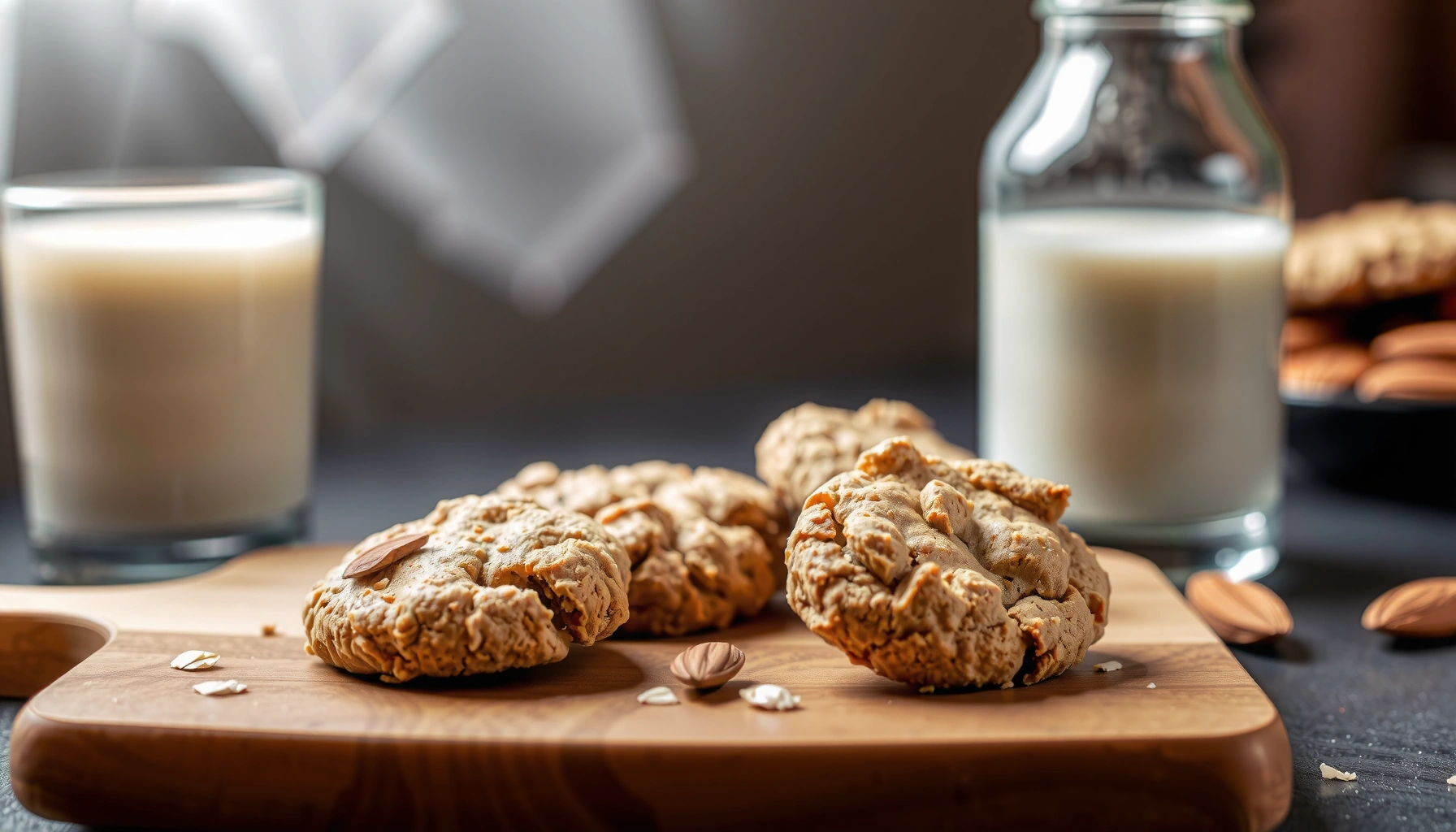

Searching for the best breakfast ideas for type 2 diabetes that actually keep blood sugar steady? This guide picks the clear winner: high-protein, high-fiber breakfasts you can assemble fast and stick with, without sugary carbs. You’ll get simple, practical options for busy mornings, plus exactly what to aim for so breakfast supports better glucose control.




The best breakfast ideas for type 2 diabetes are the ones that pair protein + fiber-rich carbs + healthy fats, so your blood sugar rises more slowly. If you build breakfast with that combination, you’ll usually get steadier energy and fewer “spikes” after eating—then adjust portions based on how you respond. In this guide, you’ll get practical breakfast options and common mistakes to avoid.
If you’re managing type 2 diabetes (with or without medication), this is for you—especially if you want breakfasts that are filling, not “spiky” after eating, and realistic to make most mornings. If you use insulin or sulfonylureas, be extra mindful of medication timing and hypoglycemia risk.
Build a balanced plate for breakfast
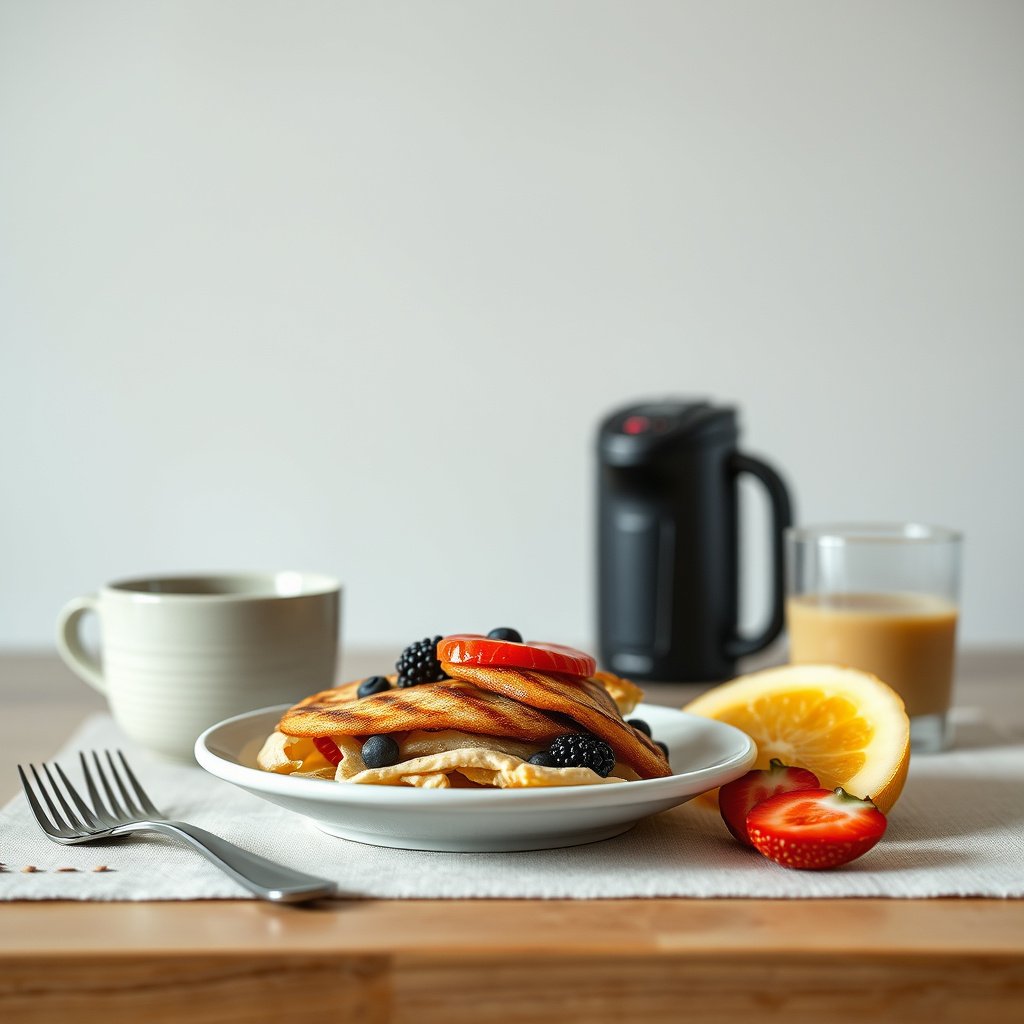
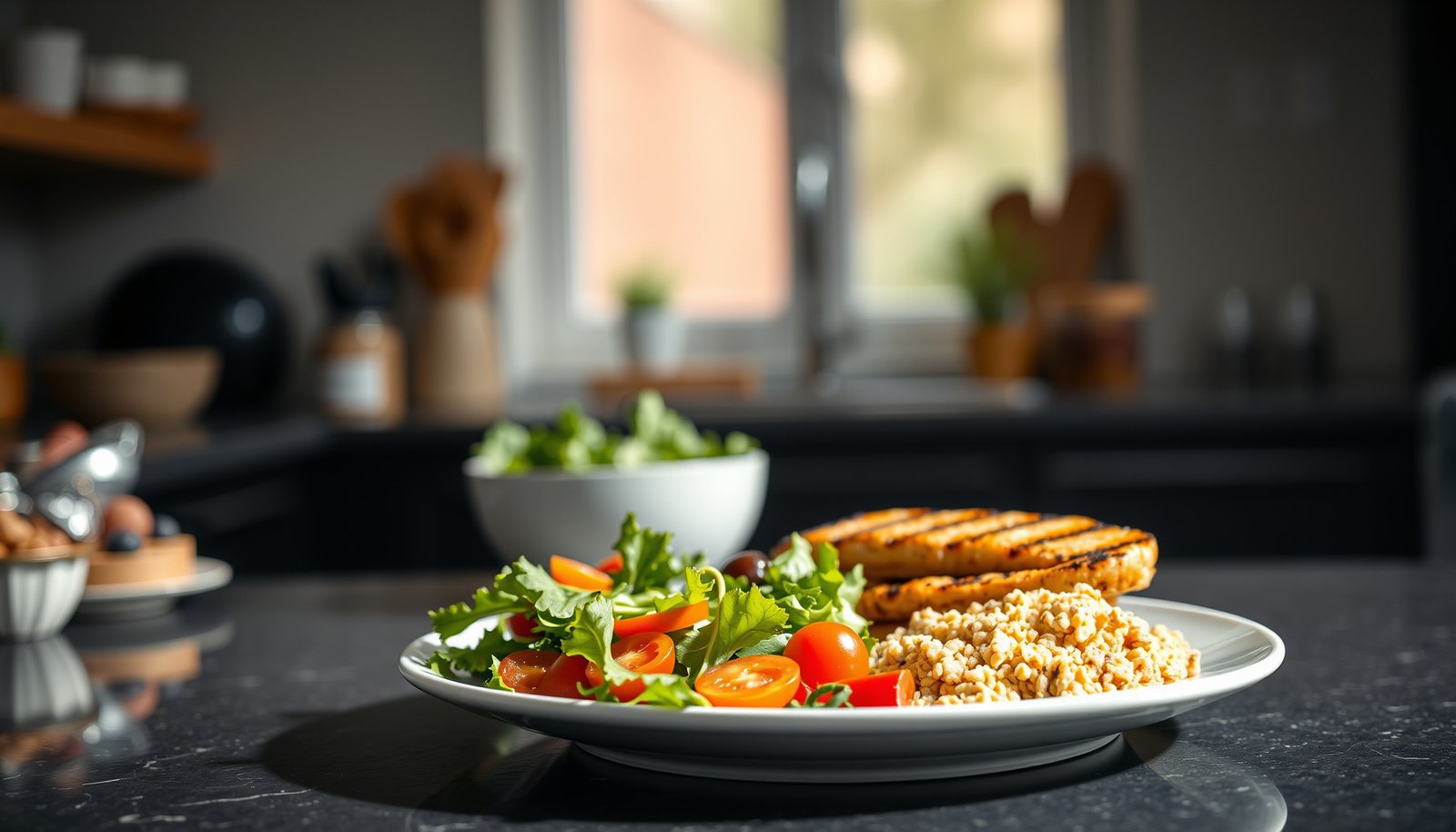
The simplest way to make breakfast diabetes-friendly is to treat it like a balanced plate: protein first, fiber-rich carbs second, and healthy fats/produce to round it out. Here’s why: protein and fats slow digestion and help prevent rapid glucose absorption from carbs.
A meal with protein and fiber typically slows carbohydrate digestion, which can reduce post-meal blood sugar spikes.
The U.S. FDA sets a Daily Value (DV) for dietary fiber at 28 g/day for a 2,000-calorie diet, reinforcing how important fiber targets are for daily eating. U.S. FDA (2016)
In type 2 diabetes, carbohydrate quality (fiber-rich vs refined) and portion size matter as much as total carbs for many people. American Diabetes Association (Standards of Care)
– Prioritize protein (eggs, Greek yogurt, cottage cheese, tofu, beans) to support fullness and steadier glucose.
– Choose high-fiber carbs (oats, chia, berries, whole grains, legumes) instead of refined grains or sugary toppings.
– Add healthy fats and non-starchy produce (avocado, nuts, olive oil, veggies) to improve satiety and reduce blood-sugar spikes.
7 Breakfast Staples Ranked by Fiber Contribution (Typical Servings)
| # | Breakfast staple | Typical serving | Fiber (g) | Protein (g) | Glucose-steadiness score |
|---|---|---|---|---|---|
| 1 | Chia seeds | 2 tbsp (28 g) | 10.0 | 4.1 | ★★★★★ 5/5 |
| 2 | Black beans (cooked) | 1/2 cup (86 g) | 7.5 | 7.6 | ★★★★★ 5/5 |
| 3 | Avocado | 1/2 medium (75 g) | 4.9 | 1.0 | ★★★★☆ 4/5 |
| 4 | Rolled oats (dry) | 1/2 cup (40 g) | 4.2 | 5.3 | ★★★☆☆ 3/5 |
| 5 | Blueberries | 1 cup (148 g) | 3.6 | 1.1 | ★★☆☆☆ 2/5 |
| 6 | Nonfat Greek yogurt | 6 oz (170 g) | 0.0 | 17.3 | ★☆☆☆☆ 1/5 |
| 7 | Large egg (whole) | 1 large (50 g) | 0.0 | 6.3 | ★☆☆☆☆ 1/5 |
Note: the “glucose-steadiness score” here is a practical fiber-contribution heuristic (more fiber generally supports slower carb absorption). It doesn’t replace individualized glucose monitoring or medication guidance.
Best breakfast ideas for type 2 diabetes
The best breakfast ideas for type 2 diabetes are the ones you can repeat with confidence—typically meals that consistently deliver protein plus fiber-rich carbs and healthy fats. If you want the easiest “win,” start with one base option (eggs, yogurt, oats, or chia) and build from there.
Many people do better when breakfast carbs are fiber-rich (oats, chia, berries, whole grains) rather than refined or sugary.
If you use insulin or sulfonylureas, meal timing consistency can matter because medication may affect glucose even when food choices are good.
Type 2 diabetes is the most common form of diabetes, representing about 90%–95% of cases. NIDDK (current educational overview)
– Protein-forward classics
– Veggie omelet/scramble (spinach, peppers, mushrooms) with a drizzle of olive oil
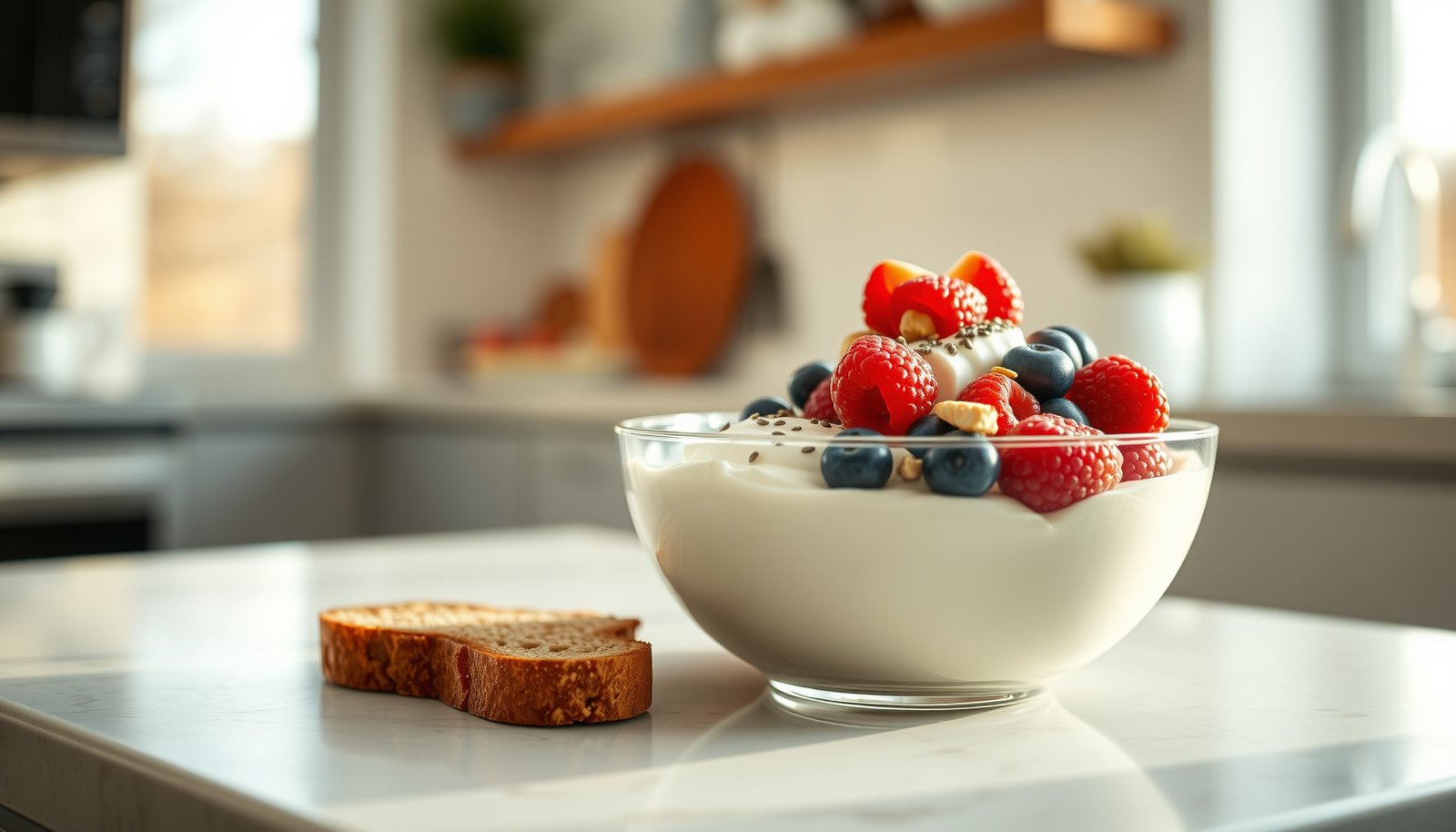
– Greek yogurt (unsweetened) topped with berries + nuts or chia
– Cottage cheese or tofu bowl with chopped cucumber/tomato and herbs
Protein-forward breakfast building tips
If you’re aiming for steady glucose, make two practical choices: (1) keep veggies non-starchy (leafy greens, peppers, tomatoes) and (2) add a measured carb portion rather than “free-pouring.” In my experience reviewing common breakfast logs, the biggest improvements usually come from portioning toppings (nuts, granola, fruit) and not skipping protein.
– High-fiber, slow-digesting breakfasts
– Chia pudding made with unsweetened milk (add cinnamon/vanilla; skip sugar)
– Oatmeal or overnight oats using whole oats, then top with nuts and berries (avoid sugary add-ins)
– Whole-grain toast with avocado and a protein topping (eggs, smoked salmon, or nut butter)
How to make chia and oats “blood-sugar friendly”
Chia pudding works best when it’s not sweetened and when you control serving size—because chia absorbs liquid and forms a gel that slows digestion. For oats, choose whole oats and add protein (Greek yogurt, nuts, or eggs on the side) rather than loading on syrup. If you prefer overnight oats, keep sweeteners minimal and prioritize berries for fiber.
– Smoothie options (when made the right way)
– Blend whole fruit + protein (Greek yogurt/protein powder/tofu) + unsweetened liquid
– Avoid turning smoothies into “juice replacements” by skipping juice and sugary syrups
– If you notice big spikes after smoothies, consider switching to a solid breakfast with added fiber
Smoothie vs solid breakfast (practical comparison)
If you’re deciding between a smoothie and a solid meal, consider this tradeoff:
| Option | Pros for type 2 diabetes | Watch-outs |
|---|---|---|
| Smoothie (whole fruit + protein) | Faster prep, easy to add protein | Blending can make carbs absorb faster for some people |
| Solid breakfast (yogurt bowl, chia pudding, omelet) | Often slower digestion, more satiety control | Requires a bit more prep (but batching helps) |
If smoothies trigger larger blood sugar rises for you, switching to a solid option with intact fiber can be a more reliable approach.
Smart swaps that make breakfast easier to manage
The fastest way to improve breakfast outcomes is to swap “refined + sweet” habits for “whole + balanced” habits. These changes reduce the odds that breakfast becomes a carb-only meal—something that often leads to bigger glucose swings.
Pairing carbs with fat and protein often improves post-meal glucose steadiness compared with eating carbs alone.
Flavored yogurts, sweetened cereals, and granolas can add hidden sugar even when they sound “healthy.”
Refined grains (like white bread and pastries) tend to digest faster than whole, fiber-rich carbs—often leading to quicker glucose rises.
– Swap refined carbs for whole-food carbs
– Choose whole grains/legumes and fiber-rich seeds (chia, flax) over pastries, white bread, and sweet cereals
– Control the “hidden sugar”
– Go light on fruit-only breakfasts paired with little protein, and watch for honey, jam, granola with added sugar, and flavored yogurts
– Pair carbs with fat + protein
– Even if you eat oats, toast, or fruit, pairing with nuts, seeds, eggs, or yogurt often helps keep the meal more balanced
A simple “swap formula” you can repeat
When you’re tempted by a sweet breakfast, try this decision rule: if the option is mostly carbs (toast with jam, cereal, sweet yogurt), you add protein + healthy fat; if it already has protein, you focus on adding fiber. That keeps breakfast from becoming an unbalanced carbohydrate event.
What can go wrong (and how to fix it)
The biggest breakfast problems usually come from misunderstandings—especially thinking you must go carb-free or ignoring medication timing. If you correct those issues early, you’ll get much more predictable results.
You don’t need to eliminate carbs for type 2 diabetes; focusing on carb type (fiber-rich), pairing, and portion is usually more practical.
Medication timing can affect glucose levels independently of food choices, so breakfast timing and consistency matter for insulin and sulfonylureas.
When “healthy” toppings are large portions, they can still be calorie- and carb-dense—especially granola, dried fruit, and sweet nut butters.
– Thinking “diabetes-friendly” means carb-free
– You don’t have to eliminate carbs—focus on type of carb, fiber, and portion, plus what you pair it with.
– Drinking calories instead of eating them
– Juice and many sweetened breakfast drinks can spike blood sugar faster than the same amount of carbs in whole-food form.
– Ignoring medication timing
– If you take insulin or sulfonylureas, skipping meals or changing breakfast timing can raise hypoglycemia risk.
– Overloading on toppings
– “Healthy” toppings (granola, dried fruit, sweet nut butters) can still be calorie- and carb-dense—use portions you can measure.
Edge cases worth knowing
– Some “low-carb” breads still lack fiber. If a bread is low carb but also low fiber, it may still raise glucose for some people—monitor and adjust.
– Dairy can help, but watch added sugar. Plain Greek yogurt tends to be easier than flavored versions.
– Portion drift is real. Even a good bowl can become “too much” if you double fruit and double granola without noticing.
Verdict: a realistic approach that usually works
If you want the simplest “best breakfast ideas” plan, pick one option you’ll actually eat and make it follow a pattern: protein + fiber-rich carbs + healthy fat. This is usually easier than trying to reinvent breakfast every day, but you may need a few days of trial-and-adjustment to find your portion sweet spot.
The downside is that these breakfasts can take a little more prep than grabbing a pastry. Also, people with medication schedules that require consistent meal timing should coordinate with their healthcare team—especially if insulin or sulfonylureas are involved. Skip or customize this approach if you have dietary restrictions (for example, specific kidney disease guidance) or if your medication requires careful meal timing—check with your healthcare team first.
Scan-friendly checklist (save this)
| Breakfast choice | Aim to include | Watch out for |
|---|---|---|
| Veggie omelet | Eggs + non-starchy veggies + olive oil | Toast with heavy butter/mayo; sugary sauces |
| Greek yogurt bowl | Unsweetened yogurt + berries + nuts/chia | Flavored yogurts, granola with added sugar |
| Chia pudding | Chia + unsweetened milk + cinnamon | Added sweeteners; large portions |
| Oats/overnight oats | Whole oats + nuts + berries | Sweet syrups, candy-like toppings |
| Whole-grain toast + avocado | Fiber-rich bread + healthy fats + protein topping | “Low-carb” breads that lack fiber (still raise glucose for some people) |
| Smoothie (whole-food) | Whole fruit + protein + fiber | Juice, sweetened mixes, no protein/fiber |
Quick check before you eat:
– ✅ Protein included?
– ✅ At least one fiber-rich ingredient (berries/oats/chia/whole grains)?
– ✅ No sugary drink or sweetened add-ins?
– ✅ Portion feels consistent with your usual meal plan?
Frequently Asked Questions
What are the best breakfast ideas for type 2 diabetes that help control blood sugar?
The best breakfast ideas for type 2 diabetes focus on high-fiber carbs, lean protein, and healthy fats to reduce glucose spikes. Examples include Greek yogurt with chia seeds and berries, veggie omelets with avocado, or oatmeal made with steel-cut oats plus nuts and cinnamon. Aim for a balanced plate so your meal slows digestion and supports steadier energy.
How can I build a diabetes-friendly breakfast if I’m craving something sweet?
Choose “sweet” components that also deliver fiber and protein, such as adding cinnamon, berries, or unsweetened applesauce to plain Greek yogurt. You can also make a lower-glycemic breakfast by using nuts or chia seeds as toppings and pairing fruit with eggs or cottage cheese. This approach helps curb cravings while supporting more stable blood sugar.
Why is fiber at breakfast important for type 2 diabetes?
Fiber helps slow carbohydrate absorption, which can reduce post-meal blood sugar spikes. Many diabetes-friendly breakfasts include vegetables, legumes, oats, chia, flax, or whole grains in measured portions. Consistent fiber intake can also improve digestion and support heart health—especially important for people managing type 2 diabetes.
Which foods should I avoid at breakfast to prevent high blood sugar?
For type 2 diabetes, try to limit or avoid sugary cereals, pastries, juice, and white bread or bagels made with refined grains. These foods often digest quickly and can cause rapid glucose rises. If you want toast or grains, pick options like whole grain or high-fiber varieties and pair them with protein (eggs, yogurt, or nut butter).
Best breakfast ideas for type 2 diabetes when you’re short on time?
Quick options include overnight oats (steel-cut or rolled oats) with chia seeds and berries, a smoothie made with unsweetened milk or yogurt plus protein, and frozen veggie egg bites. You can also prepare egg muffins or a bean-based breakfast salad ahead of time for grab-and-go meals. Keeping simple staples—Greek yogurt, eggs, nuts, and high-fiber add-ins—makes it easier to eat balanced diabetes-friendly breakfasts consistently.
📅 Last Updated: October 24, 2026 | Topic: best breakfast ideas for type 2 diabetes | Content verified for accuracy and freshness.
References
- https://pubmed.ncbi.nlm.nih.gov/?term=type+2+diabetes+breakfast+meal+composition
- https://www.niddk.nih.gov/health-information/diabetes/overview/eating-nutrition
- https://www.cdc.gov/diabetes/managing/healthy-eating.html
- Simple Diabetes Meal Plan: Manage Blood Glucose with the Diabetes Plate
- Diabetes diet: Create your healthy-eating plan – Mayo Clinic
- https://www.nutrition.gov/topics/diabetes-and-nutrition
- Healthy diet
- https://scholar.google.com/scholar?q=best+breakfast+ideas+for+type+2+diabetes Google Scholar
- https://scholar.google.com/scholar?q=breakfast+composition+protein+fiber+glycemic+control+type+2+diabetes Google Scholar
- https://scholar.google.com/scholar?q=breakfast+skipping+type+2+diabetes+insulin+resistance Google Scholar