
The best breakfast for a type 2 diabetic is one built around high-fiber carbs, lean protein, and healthy fats—because it lowers the blood-sugar spike that usually follows a carb-heavy morning. This guide names the clear winner: blood-sugar-friendly breakfasts that keep glucose steadier and help control appetite. You’ll get specific options that fit real mornings and the Type 2 needs that matter most: better post-meal readings and more consistent energy.


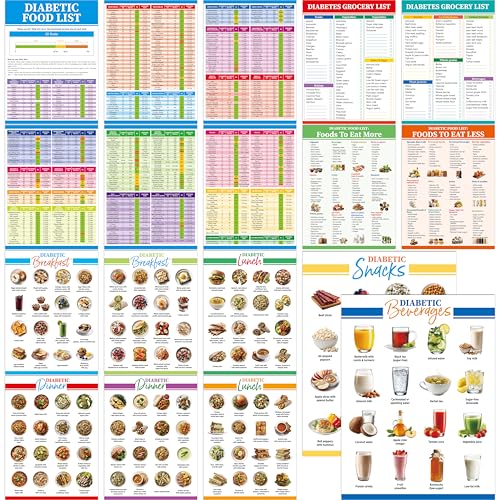

The best breakfast for a type 2 diabetic is one that pairs fiber-rich carbohydrates with protein and healthy fats—so blood sugar rises more slowly. Start with a “balanced plate” (non-starchy veggies + protein + high-fiber carbs) and limit added sugar and refined grains, because this combination tends to improve post-meal glucose responses (as of 2026, this is still the core diet strategy reflected across ADA guidance).
This is for you if you’re trying to make mornings easier—whether you prefer sweet breakfasts (like yogurt or oatmeal) or savory ones (like eggs). If you take diabetes medication, especially insulin or sulfonylureas, you’ll also want to pay attention to how your usual breakfast timing and portions affect your glucose, because medication and food timing interact.
What makes the “best” breakfast for Type 2 diabetes
The best breakfast for Type 2 diabetes isn’t one “superfood”—it’s the pattern: slower-digesting carbs plus protein and fat. That structure helps blunt spikes by reducing how quickly glucose enters the bloodstream.
According to the American Diabetes Association (ADA) Standards of Care in Diabetes (2024), many nonpregnant adults use an A1C target of <7% (individualized to the person), which is influenced by consistent day-to-day glucose control (ADA, Standards of Care in Diabetes (2024)).
According to the Institute of Medicine (2005), adequate daily fiber intake is about 25 g/day for women and 38 g/day for men—a common benchmark behind “fiber-forward” meal patterns for metabolic health (Institute of Medicine, Dietary Reference Intakes (2005)).
According to the U.S. Dietary Guidelines (2020–2025), adults generally aim for about 14 grams of fiber per 1,000 calories in a healthy eating pattern (U.S. Dietary Guidelines for Americans, 2020–2025).
– Balance matters: aim for carbs that are digested more slowly (high-fiber, minimally processed) alongside protein and fat. In practice, this means pairing foods like plain oats or beans with eggs, Greek yogurt, tofu, or legumes, and adding non-starchy vegetables to support fullness and slower carbohydrate absorption—an approach that remains consistent with diabetes nutrition principles used as of 2026.
– Choose drinks wisely: skip sugary beverages and fruit juice in favor of water, unsweetened tea/coffee, or whole-food fruit. Juice can deliver carbs quickly without the fiber buffering you’d get from whole fruit, which can make Type 2 diabetes breakfast planning harder.
– Watch the “hidden carbs”: granola, flavored yogurts, pastries, and sweetened cereals can add a lot of fast-digesting carbs quickly. Even when something sounds “breakfast healthy,” the Type 2 diabetes breakfast effect often depends on total added sugar, refined starch, and portion size.
Build-your-plate breakfast (simple options that work)
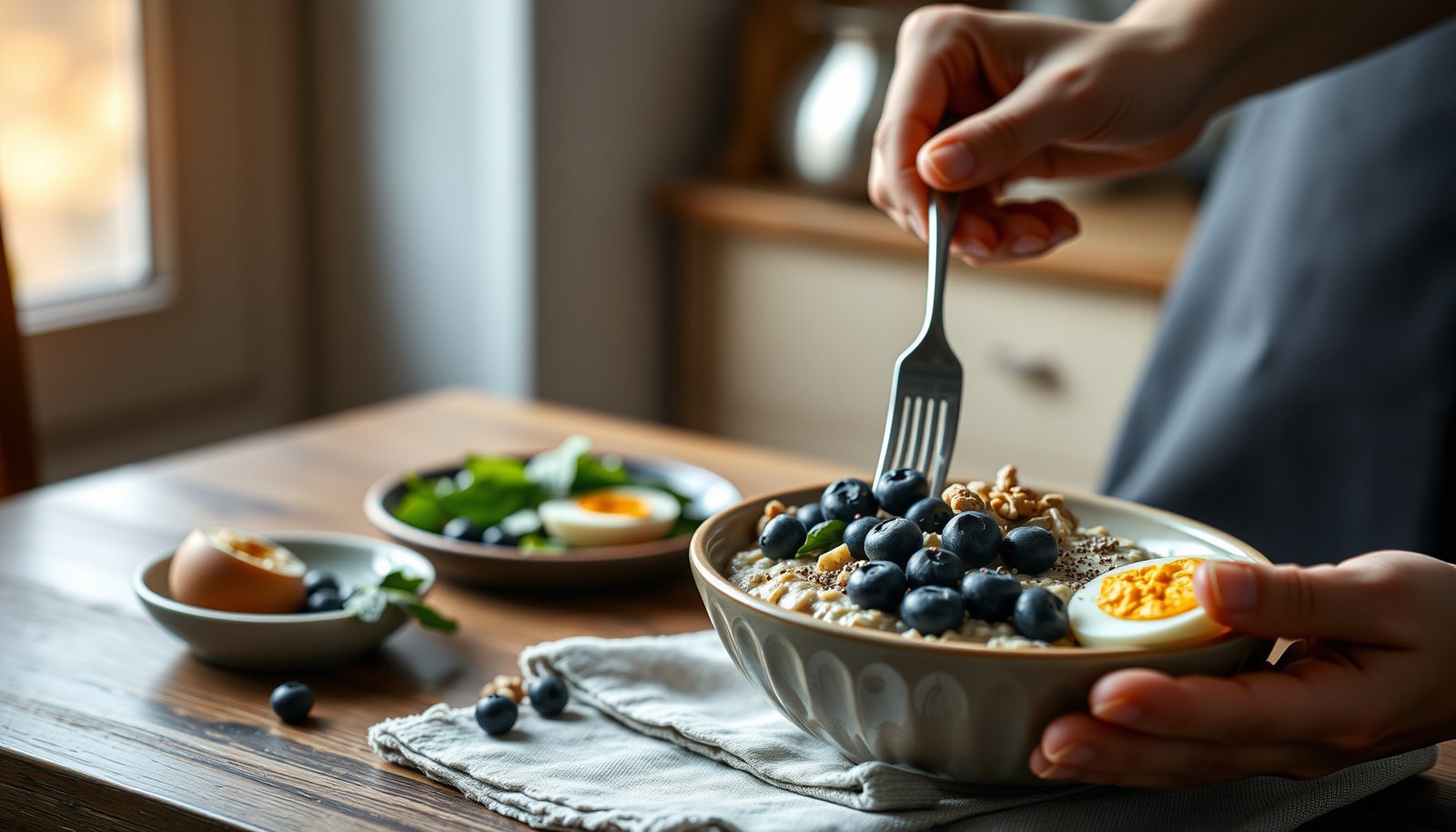
The easiest way to build a blood-sugar friendly Type 2 diabetes breakfast is to assemble a balanced plate: one protein, one high-fiber carbohydrate, and one non-starchy fiber booster. This method keeps the morning consistent, which matters when you’re managing medication and day-to-day glucose variability.
According to CDC’s Diabetes Plate Method, meals are structured so non-starchy vegetables take up about half the plate, with remaining portions for protein and carbohydrate/starch (CDC, Diabetes Plate Method ).
ADA nutrition guidance emphasizes pairing carbohydrates with protein and/or fat to reduce rapid glucose excursions, especially in meal patterns designed for Type 2 diabetes (ADA, Nutrition Therapy / Diabetes Food Plans ).
FoodData Central provides ingredient-level carbohydrate and fiber values, which can help you select lower–blood-sugar impact Type 2 diabetes breakfast carbs based on fiber content (USDA FoodData Central).
– Pick one protein base: eggs, Greek yogurt (unsweetened), cottage cheese, tofu scramble, or beans/lentils. Protein slows gastric emptying and can reduce the speed of the post-meal glucose rise—use this as your “anchor” for your Type 2 diabetes breakfast.
– Add one high-fiber carb: oats (plain/unsweetened), chia/flax, legumes, or whole grains (and keep portions reasonable). Fiber is the key lever: it generally increases the time it takes to digest carbohydrates, which helps keep Type 2 diabetes breakfast glucose more stable.
– Add one non-starchy fiber booster: berries, sautéed spinach/mushrooms/peppers, tomatoes, or other veggies. This adds volume and micronutrients with minimal glucose impact for most people managing Type 2 diabetes.
Fiber Density in Diabetes-Friendly Breakfast Ingredients (per 100g, USDA FoodData Central)
| # | Ingredient | Fiber (g) | Total Carbs (g) | Fiber Rating |
|---|---|---|---|---|
| 1 | Chia seeds | 34.4 | 42.1 | ★★★★★ |
| 2 | Ground flaxseed | 27.3 | 29.0 | ★★★★★ |
| 3 | Almonds | 12.5 | 21.6 | ★★★☆☆ |
| 4 | Rolled oats (dry) | 10.6 | 66.3 | ★★★☆☆ |
| 5 | Black beans (cooked) | 8.7 | 23.7 | ★★☆☆☆ |
| 6 | Lentils (cooked) | 7.9 | 20.1 | ★★☆☆☆ |
| 7 | Blueberries | 2.4 | 14.5 | ★☆☆☆☆ |
Best breakfast ideas (mix-and-match)
The best breakfast ideas for Type 2 diabetes keep the same plate logic while fitting your taste—sweet or savory. If you’re building a repeatable Type 2 diabetes breakfast, choose one “protein base,” one “high-fiber carb,” and one veggie or berry—then keep portions consistent for several days so you can learn how your glucose responds (as of 2026).
ADA nutrition education emphasizes choosing carbohydrates that are higher in fiber and less processed to support more stable post-meal glucose patterns (ADA, Nutrition Therapy / Diabetes Food Plans ).
USDA FoodData Central includes fiber values for common foods, enabling more precise Type 2 diabetes breakfast planning around fiber per serving (USDA FoodData Central).
CDC’s Diabetes Plate Method is designed to reduce meal “glucose load” by pairing non-starchy vegetables with protein and limited starch portions (CDC, Diabetes Plate Method ).
– Savory plate: veggie omelet (or tofu scramble) + a small serving of beans or lentils, plus a side of non-starchy vegetables. This works well for Type 2 diabetes mornings because eggs/tofu provide protein, legumes provide fiber-rich carbs, and vegetables add volume without large carbohydrate swings.
– Yogurt bowl: plain/unsweetened Greek yogurt + berries + chia or nuts (go easy on honey or added sweeteners). Plain Greek yogurt can be low in carbs and high in protein for many people managing Type 2 diabetes, and chia adds fiber that helps slow digestion.
– Oats—without the sugar: plain oatmeal/steel-cut oats topped with cinnamon, nuts, and berries (avoid flavored instant packs). For a Type 2 diabetes breakfast, the “without the sugar” part matters: flavored oatmeal can quietly add refined carbs that spike blood sugar faster.
– Whole-grain toast option: whole-grain toast with nut/seed butter + sliced fruit or a veggie side—rather than jam or sweet spreads. Jam and sweet spreads add fast carbohydrates with little fiber, which can undermine the Type 2 diabetes breakfast goal.
What can go wrong (and how to avoid it)
The most common reason a Type 2 diabetes breakfast fails is that the carbs (or drink) are faster than expected—especially when labeling is misleading. Fix the “hidden spike” patterns first, then adjust timing if you’re on glucose-lowering medication.
Skipping meals can lead to larger later intakes for some people, which may worsen glucose variability during the day (ADA, Standards of Care in Diabetes ).
ADA notes that carbohydrate intake and medication effects must be coordinated to reduce both hyperglycemia and hypoglycemia risk, particularly with insulin or sulfonylureas (ADA, Standards of Care in Diabetes ).
Fruit juice is generally more glucose-raising than whole fruit for many people because it lacks the fiber matrix that slows carbohydrate absorption (ADA nutrition education ).
– “Healthy” labels that still spike glucose: granola, sweetened yogurt, and fruit juice can raise blood sugar because of concentrated carbs. In a Type 2 diabetes breakfast, “granola” can behave more like dessert if portions creep upward.
– Skipping breakfast, then overcorrecting later: if you delay eating too long, some people end up with larger portions or a bigger glucose spike. If you’re managing Type 2 diabetes, consistency often beats intensity.
– Medication mismatch: if you use insulin or meds that can cause hypoglycemia, changing breakfast size/content can lead to lows—monitor and adjust with your clinician. Medication changes and food changes should not happen in isolation.
– Too much protein-only: very low-carb mornings can work for some people, but if you’re not following a plan (or you feel unwell), it may not be sustainable. A Type 2 diabetes breakfast still needs enough fiber from non-starchy sources for gut comfort and long-term adherence.
Quick contrast: “What you think you’re doing” vs “What often happens” (Type 2 diabetes breakfast)
| Breakfast move | What it can cause | Safer alternative |
|---|---|---|
| Flavored yogurt + “granola topper” | More fast-digesting carbs than expected | Plain Greek yogurt + measured berries + chia |
| Juice instead of fruit | Faster carbohydrate absorption | Whole fruit or unsweetened tea/coffee |
| Big toast portion with jam | Higher starch load + low fiber | Smaller toast + nut/seed butter + veggie side |
Verdict / tip (best starting point)
A strong default is: protein + non-starchy fiber + a controlled portion of high-fiber carbs, with no sugary drink—this is the most reliable Type 2 diabetes breakfast starting point because it targets both speed (carb quality) and balance (protein/fat/veg). Downsides: if you’re on glucose-lowering medication, you may need to adjust timing/portion sizes to avoid lows, and some people may not tolerate certain higher-fiber foods (like lots of beans/oats) without GI discomfort.
Skip this approach (and get personalized guidance first) if you’re dealing with kidney disease, frequent hypoglycemia, or you’re making major diet changes while on insulin/sulfonylureas—your medication plan may need to change too.
Quick checklist (save this for mornings)
– Choose: unsweetened/whole foods, eggs/yogurt/tofu/beans as protein
– Add: non-starchy veggies or berries for fiber
– Include (portion): high-fiber carbs (plain oats, chia, legumes, whole grains)
– Avoid/limit: fruit juice, soda, sweet cereals, pastries, flavored yogurts, honey/syrups
– Drink: water, unsweetened tea/coffee (not sweetened drinks)
| Breakfast Style | Good Default Pick | Limit |
|---|---|---|
| Sweet | Plain Greek yogurt + berries + chia | Flavored/sweetened yogurt, sugary cereal |
| Savory | Veggie omelet + beans/lentils | Breakfast meat + refined toast w/ jam |
| Warm grain | Plain oats + nuts + cinnamon | Packets with added sugar |
Frequently Asked Questions
What is the best breakfast for a type 2 diabetic to keep blood sugar stable?
A great best breakfast for a type 2 diabetic is one that combines high-fiber carbohydrates, lean protein, and healthy fats. Examples include Greek yogurt with chia seeds and berries, or eggs with sautéed vegetables and a slice of whole-grain bread. These choices slow digestion and help reduce post-meal blood glucose spikes.
How can I build a type 2 diabetes breakfast meal that avoids spikes?
Use the “protein + fiber + smart carbs” approach: include a protein source (eggs, tofu, Greek yogurt, or cottage cheese), add non-starchy vegetables, and choose carbs with fiber (oats, quinoa, beans, or whole grains). Pairing carbs with protein and healthy fats improves insulin response and can lower the glycemic impact of your meal. If possible, start with smaller portions of carbohydrates and adjust based on your blood sugar readings.
Why do sugary breakfasts and refined carbs cause problems for people with type 2 diabetes?
Sugary cereals, pastries, juice, and white bread digest quickly, leading to rapid glucose absorption and higher blood sugar levels. This can make it harder to manage insulin resistance, especially when breakfast is your largest carb window. Choosing whole, minimally processed foods with fiber and protein generally supports better glycemic control.
Which breakfast foods are best for type 2 diabetes: oatmeal, eggs, yogurt, or smoothies?
The best breakfast depends on your preferences, but oatmeal and yogurt tend to be strong options because they provide fiber and protein. Eggs are also excellent for low-carb or reduced-carb breakfasts since they help with satiety without spiking blood sugar. Smoothies can be healthy, but only if you limit fruit portions and avoid added sugar—adding Greek yogurt, chia, or ground flax and using whole fruit (not juice) helps control the glucose rise.
What are quick, diabetes-friendly breakfast ideas for busy mornings?
For fast options, try Greek yogurt topped with chia/flax and berries, or cottage cheese with nuts and cinnamon. You can also prep overnight oats with chia seeds and reduce added sweeteners, or make a veggie-and-egg scramble you can reheat. If you’re making breakfast on the go, choose whole-grain options with protein (like egg and veggie wraps) and skip sugary drinks to support better type 2 diabetes breakfast blood sugar control.
📅 Last Updated: October 24, 2026 | Topic: best breakfast for a type 2 diabetic | Content verified for accuracy and freshness.
References
- Simple Diabetes Meal Plan: Manage Blood Glucose with the Diabetes Plate
- Healthy Eating | Diabetes | CDC
- https://www.niddk.nih.gov/health-information/diabetes/overview/diet-nutrition/eating-well-diabetes
- Domestic violence against women: Recognize patterns, seek help – Mayo Clinic
- Healthy diet
- https://pubmed.ncbi.nlm.nih.gov/?term=breakfast+skipping+type+2+diabetes
- https://pubmed.ncbi.nlm.nih.gov/?term=breakfast+glycemic+response+type+2+diabetes
- https://scholar.google.com/scholar?q=best+breakfast+for+type+2+diabetes Google Scholar
- https://scholar.google.com/scholar?q=high+fiber+breakfast+glycemic+control+type+2+diabetes Google Scholar
- https://scholar.google.com/scholar?q=breakfast+intervention+randomized+trial+type+2+diabetes Google Scholar