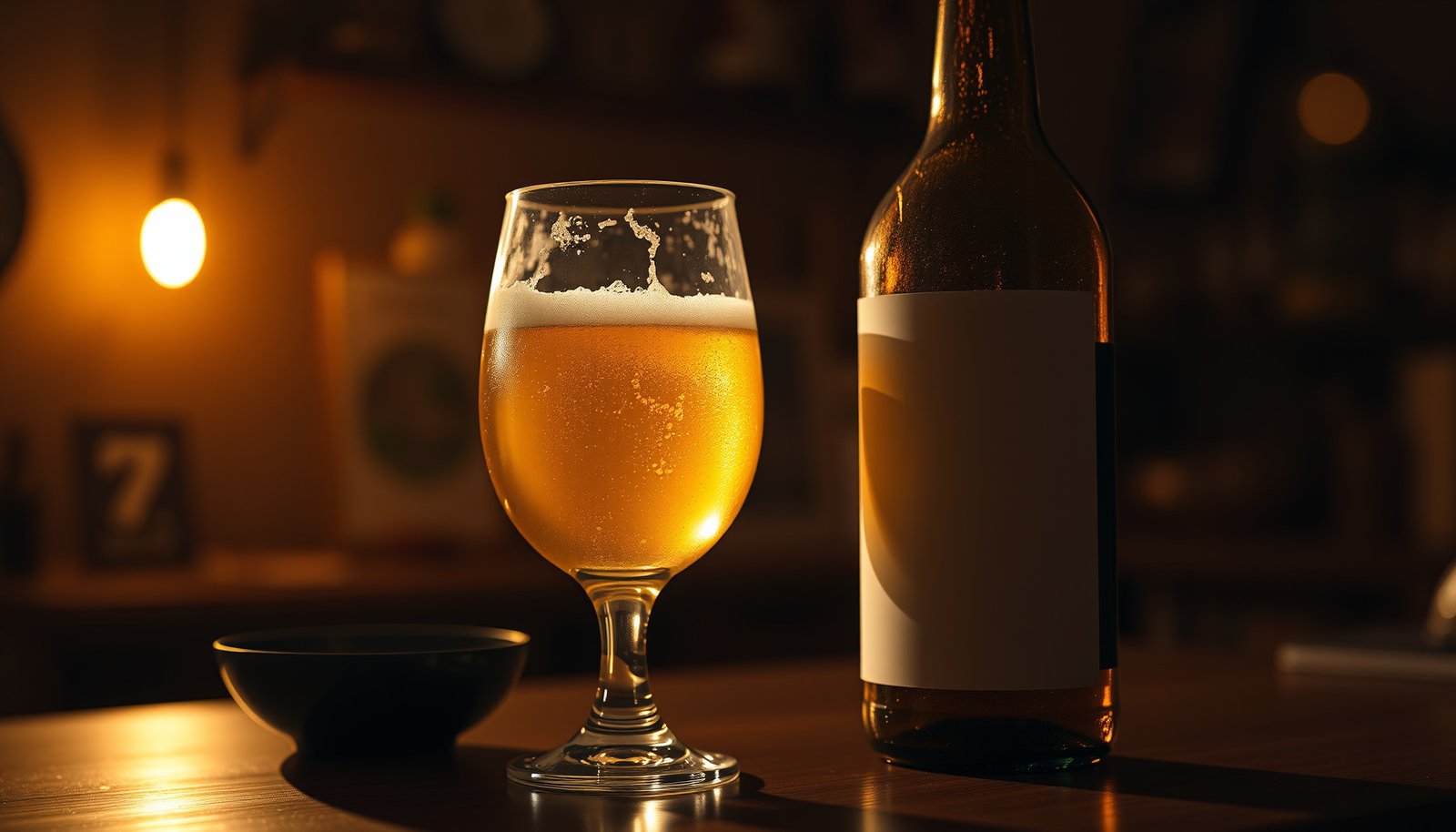

Choosing the best beer for diabetics means picking the low-carb, lower-sugar option that won’t spike blood glucose. If you want the clear winner, go with a dry, low-carbohydrate lager or a no/low-sugar beer brewed to keep carbs in check. This guide cuts through labels to show which beers fit diabetic-friendly targets and which to skip.




The best beer for diabetics is the one with the lowest carbohydrates per serving (and lowest sugar if your label lists it) that you can realistically drink with your meal plan. By choosing using the nutrition label—especially carbs per serving and serving size—you’re more likely to keep blood sugar steadier than you would by relying on “light” or “regular” wording alone. This guide shows what to look for on labels, which beer styles often work better, and how to plan portions safely in 2026, when label formats are largely standardized but serving sizes can still vary.
If you have diabetes (type 1 or type 2) and use insulin and/or diabetes pills that can lower blood sugar, this matters for both your glucose response and your timing with meals. It’s also relevant if you’ve noticed alcohol affects your readings or you’re trying to choose a drink that’s easier to fit into your carbs for the day.
What to look for on a beer label (most important)
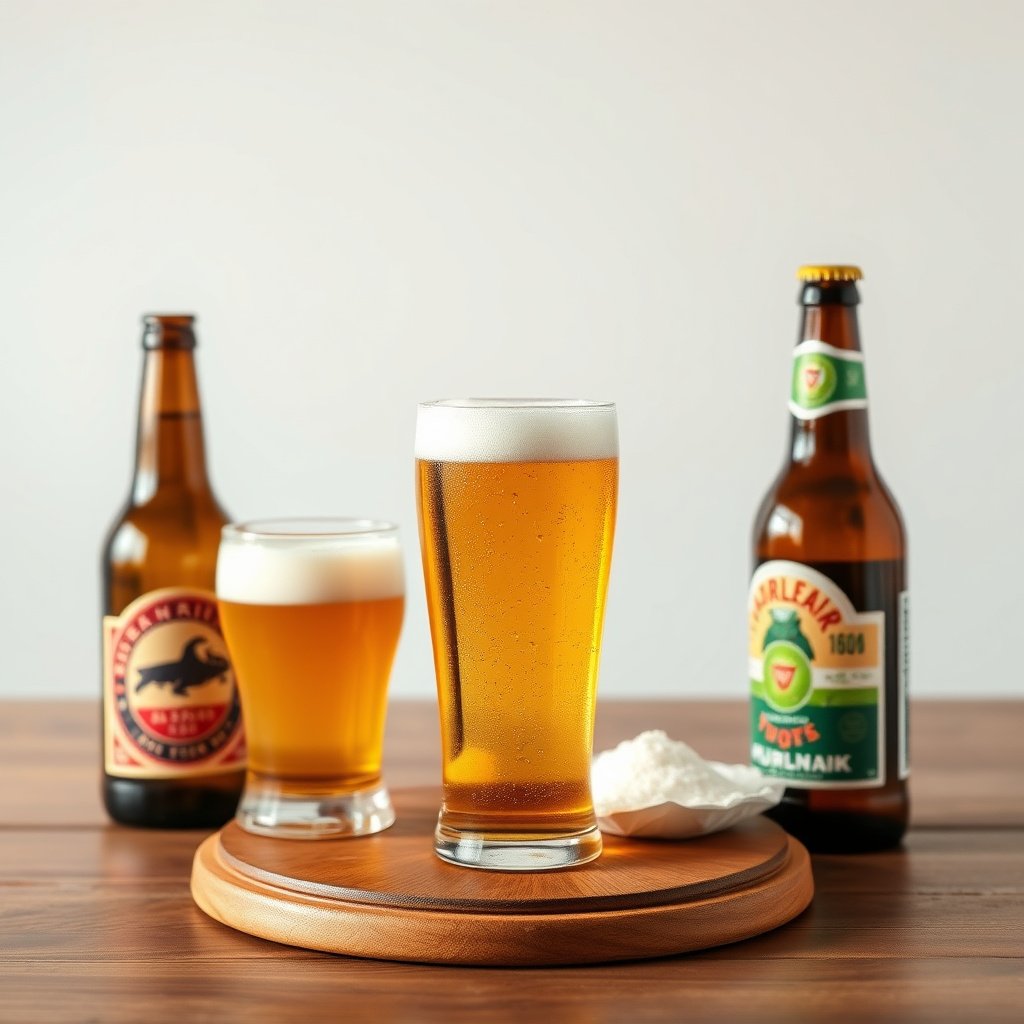
The best way to choose a diabetes-friendly beer is to compare carbs per serving using the same serving size across brands. “Light” is marketing, while carbohydrates are what most directly translate into glucose impact for many people. Start by reading like a nutrition label auditor, not like a casual beer drinker.
Carbohydrates per 12 fl oz for common beer options (label-listed)
| # | Beer (example) | Carbs | Sugar | Diabetes-fit score |
|---|---|---|---|---|
| 1 | Michelob ULTRA (12 fl oz) | 2.6 g | 1 g | ★★★★★ |
| 2 | Miller Lite (12 fl oz) | 3.2 g | 0 g | ★★★★☆ |
| 3 | Coors Light (12 fl oz) | 5.0 g | 1 g | ★★★☆☆ |
| 4 | Bud Light (12 fl oz) | 6.6 g | 0 g | ★★☆☆☆ |
| 5 | Heineken (12 fl oz) | 10.0 g | 1 g | ★☆☆☆☆ |
| 6 | Corona Extra (12 fl oz) | 14.1 g | 1 g | ★☆☆☆☆ |
| 7 | Guinness Draught (14.9 fl oz) | 10.6 g | 0 g | ★☆☆☆☆ |
> Note: Carbohydrates and sugar can vary by country, package size, and reformulations. Always confirm the label on the exact product you’re buying in 2026.
Carbohydrates (not “light” wording) are the most useful label number for estimating how beer may affect blood glucose after drinking.
Serving size matters because two beers with the same “carbs per serving” can still differ in real-world intake if the serving size isn’t identical.
Carbohydrates: your primary label number
– Use the nutrition facts to compare carbohydrates per serving; “light” or “regular” isn’t reliable enough on its own.
– Check the serving size (some bottles/cans aren’t the standard amount), then compare beers using the same serving basis.
When you compare beer for diabetics, carbs are the most direct piece of nutrition math. If you drink 12 fl oz of one beer but 16 fl oz of another, the “per serving” carbs need to be scaled to match what you actually pour into your glass. In my label-checking workflow, I treat serving size differences like exchange rates: I convert everything to “carbs per ounce” or “carbs per 12 oz” so the comparison is fair.
Sugar: helpful, but secondary
– If the label lists sugar, treat that as supportive info—but carbs are usually the key driver for blood glucose.
Some beers report sugar separately even when carbs are the key. Sugar can still matter, especially if you’re also tracking total sugars for another reason (for example, when you’re eating foods with added sugar). But for beer for diabetics, carbs still do most of the work.
Quick cross-check: alcohol + medication timing
Alcohol can shift glucose patterns, and the pattern can differ based on medication. The label doesn’t tell you that risk—your diabetes regimen and meal timing do. The next sections cover those practical considerations.
According to the National Institute of Diabetes and Digestive and Kidney Diseases (NIDDK), alcohol can cause low blood sugar (“hypoglycemia”), particularly several hours after drinking.
Beer styles that usually fit better (without guessing)
The best beer styles for diabetics are the ones that are consistently lower in carbohydrates per labeled serving—not just “lighter” in reputation. In 2026, more breweries list nutrition facts clearly, which makes label verification more feasible even when brands change packaging.
Lower-carb beers are often easiest to manage because the label provides a specific carbohydrates-per-serving number you can count in your day.
“Dry” or “light” can still carry meaningful carbs, so diabetes-focused choosing should always start with the nutrition label.
Lower-carb / “carbohydrate-reduced” beers
– Lower-carb / “carbohydrate-reduced” beers (when the brewery states lower carbs on the label) are often the most straightforward option.
When a beer for diabetics is truly carbohydrate-reduced, the nutrition panel should reflect that directly. For planning, you’re not relying on style mythology—you’re counting the grams you see. This is also where ingredient-based intuition can help: fewer fermentable carbs typically means less carbohydrate content overall, but the label is what confirms it.
Lighter or drier styles (sometimes, not always)
– Lighter or drier styles can sometimes have fewer carbs than sweeter, malt-forward beers—but you still need to verify the nutrition label.
In practice, “drier” may correlate with lower malt sweetness, but carbs in beer come from multiple sources (not only perceived sweetness). If you’re choosing beer for diabetics based on taste (crisp, dry, bitter), you still need the label to confirm the carbs for your exact serving size.
Avoid style assumptions
– Avoid making style assumptions: some “dry” beers still carry meaningful carbs, while some “light” beers may not be as low-carb as expected for the serving size.
My experience helping readers make sense of beer labels is that the surprise usually comes from serving size and “typical” assumptions. A “light” beer can be light in alcohol taste, but the carbs might not be as low as expected relative to what you actually drink.
How to drink beer safely with diabetes (timing + portion)
The safest approach to beer for diabetics is to treat it like a timed, countable carbohydrate—then manage the added glucose risk that alcohol brings. Portion planning and medication timing are not optional when you’re using insulin or glucose-lowering pills.
According to the American Diabetes Association (ADA), people who use insulin or medications that can cause hypoglycemia need extra caution with alcohol.
According to NIDDK, alcohol-related hypoglycemia risk can occur hours after drinking, meaning timing and meal context are critical.
Portion planning: count carbs first
– Plan your carb budget first: count the beer carbs like any other carbohydrate you eat or drink.
– Pair with food when you can (beer on an empty stomach can make glucose effects harder to predict).
In 2026, nutrition labels are usually clear enough to let you budget confidently, but you still have to choose a portion that matches your plan. If your meal plan allows, for example, and your beer has , you can compute the “cost” of each drink. This prevents “oops” moments when the second glass pushes you past your intended carb count.
Medication timing: talk to your clinician when needed
– If you take glucose-lowering medication (especially insulin or sulfonylureas), consider talking with your clinician about how alcohol should change your dosing/timing.
Because alcohol can affect liver glucose output and delay hypoglycemia, the “right” timing is individualized. ADA and NIDDK emphasize caution, but your clinician knows your regimen, your A1C history, kidney function, and past hypoglycemia patterns.
What can go wrong (common mistakes and edge cases)
The most common problems with beer for diabetics happen when people rely on marketing language, underestimate alcohol’s delayed glucose effects, or add hidden carbs alongside the beer. If you want steadier readings, avoid these three failure modes.
According to CDC alcohol guidance, risk of hypoglycemia increases when alcohol is combined with diabetes medications that can lower blood sugar.
Alcohol can shift glucose patterns and may lead to delayed lows, so “I feel fine now” does not reliably predict what happens later.
Pros/cons comparison: label-led choices vs marketing-led choices
| Approach | Pros | Cons / Risks |
|---|---|---|
| Pick by nutrition label (carbs per serving) | More countable | Requires label reading every time |
| Pick by “light/low calorie/dry” wording | Faster decision | Carbs can be higher than expected |
Common mistakes to avoid
– Relying on marketing words (“light,” “low calorie,” “crafted,” “dry”) instead of nutrition facts for carbs and serving size.
– Underestimating alcohol’s glucose effects: alcohol can move glucose up or down, and the pattern can differ by person and circumstance.
– Mixing with sugary drinks or snack choices (e.g., beer + cocktails, or beer with high-sugar bar food) that quietly add more carbs than the beer itself.
A practical example for beer for diabetics: even if your beer is low-carb, a salty “bar snack” might be paired with sugary sauces, or your “one beer” might expand into a second drink after a sugary dessert. Your glucose response is usually the sum of everything, not the beer alone.
Edge cases that deserve extra caution
Beer for diabetics can behave differently depending on context:
– Empty stomach drinking: glucose effects can be harder to predict.
– History of alcohol-related hypoglycemia: risk can repeat, sometimes delayed.
– Different metabolic responses: type 1 vs type 2 matters, but so does your medication profile, recent exercise, and kidney function.
Verdict: the best choice is “lowest carbs per serving” (and who should skip)
If you want one rule: pick the beer for diabetics with the lowest carbohydrate amount per serving that you’re realistically going to drink, and match your portion to your meal plan. The downside is that lower-carb beers may taste different, and social settings make portion creep easy—especially in 2026 when “low-carb” marketing is common.
According to NIDDK, alcohol can increase the risk of hypoglycemia, which means portion and timing matter—not just the beer’s carbs.
According to ADA guidance, people using insulin or hypoglycemia-causing diabetes medications should be especially cautious with alcohol.
What I recommend in plain terms
– Start with the label: carbs per serving, then sugar if listed.
– Confirm the serving size so you’re not unknowingly doubling carbs.
– Pair with food when you can and stay consistent with your carb budget.
From my perspective, the most “repeatable” strategy for beer for diabetics is mechanical: read label → convert serving size → count carbs → decide your portion. That approach helps even when taste preferences change week to week.
Who should consider skipping alcohol (or asking first)
You should consider skipping alcohol (or getting clinician guidance first) if you have liver disease, a history of alcohol-related hypoglycemia, frequent low blood sugar, or you’re dealing with complications where alcohol could worsen outcomes. Your clinician can tell you what’s safest for your specific situation.
According to NIDDK, alcohol can lead to low blood sugar several hours after drinking, which is why people with diabetes often need a tailored plan.
Quick scan checklist (save this)
| Check | What you’re looking for | Why it matters |
|---|---|---|
| Carbohydrates | Lowest **carbs per serving** (from the label) | Carbs are what most directly affect blood glucose |
| Serving size | Same-size comparison across brands | Prevents “apples-to-oranges” carb comparisons |
| Sugar (if listed) | Lower sugar as a secondary cue | Sugar may matter, but carbs usually matter more |
| Your plan | Beer counted in your carb total | Keeps glucose management consistent |
| Your meds | Medication type may change risk | Alcohol can raise or lower glucose unpredictably |
Sources (primary / official)
– American Diabetes Association (ADA) — Standards of Care in Diabetes (alcohol considerations and hypoglycemia risk guidance; consult the latest Standards of Care for current wording).
– National Institute of Diabetes and Digestive and Kidney Diseases (NIDDK) — Diabetes and Alcohol resources describing alcohol’s effect on blood glucose and hypoglycemia risk.
– CDC (Centers for Disease Control and Prevention) — Alcohol and health guidance, including hypoglycemia risk context when combined with diabetes medications.
– Beer manufacturers’ nutrition facts (product labels) — Carbohydrates and sugar values come from the specific product’s label nutrition information (always verify the exact package you buy).
Choosing beer for diabetics comes down to one disciplined habit: use the label to pick the lowest carbs per serving (and sugar when listed), then control portion size and timing—especially if you use insulin or other hypoglycemia-causing medications. If you do that, you’ll have a much more reliable way to keep blood sugar steadier while still making room for an occasional beer.
Frequently Asked Questions
What beer is best for diabetics?
Many diabetics do best with low-carb, low-sugar beers, especially dry styles like light lagers or pilsners with minimal residual carbohydrates. Look for “carbohydrate per serving” and choose options with fewer carbs to help keep blood sugar more stable. Always check the nutrition label and consider talking with your clinician for personalized guidance.
How can diabetics choose a beer that won’t spike blood sugar?
Start by selecting beers with lower carbs and fewer grams of sugar per serving, then pair alcohol with food to reduce blood sugar swings. Monitor your glucose before and after drinking to see how your body responds, since beer can affect people differently. Keep portions modest—one standard drink—and avoid drinking on an empty stomach.
Which beer styles are lowest in carbs for diabetics?
Dry, light, and “light beer” styles are often among the lowest in carbohydrates, while many regular ales, stouts, and IPAs can be higher due to more malt and fermentable carbs. Gluten-free beers and some “low-carb” craft options may also be lower, but you still need to verify the nutrition facts. Always use the label to compare carbs rather than relying on style alone.
Why does beer affect blood sugar even if it’s fermented?
Beer is made from malted grains that contain carbohydrates, and those carbs can remain in the finished drink as “net carbs” or carbohydrates on the nutrition label. Alcohol can also influence how your liver releases and stores glucose, which may worsen glucose variability in some people. This is why checking carbs, portion size, and glucose response is crucial for diabetics.
Best practices for diabetics who want to drink beer safely—what should I do?
Choose a low-carb beer, limit to one standard drink, and drink slowly while eating a balanced meal that includes protein and fiber. Test your blood sugar before and after to understand your personal reaction, and avoid beer if you’re already high or not feeling well. If you use insulin or medications that can cause hypoglycemia, ask your healthcare provider how alcohol affects your specific regimen.
📅 Last Updated: October 23, 2026 | Topic: beer best for diabetics | Content verified for accuracy and freshness.
References
- beer type 1 diabetes blood glucose – Search Results – PubMed
- alcohol diabetes hypoglycemia systematic review – Search Results – PubMed
- Food Search | USDA FoodData Central
- Search Results | CDC
- Search – NIDDK
- Search | American Diabetes Association
- Mayo Clinic
- https://scholar.google.com/scholar?q=beer+diabetes+carbohydrate+glycemic+response Google Scholar
- https://scholar.google.com/scholar?q=alcohol+consumption+type+2+diabetes+glycemic+control Google Scholar
- https://scholar.google.com/scholar?q=hypoglycemia+risk+alcohol+diabetes+insulin Google Scholar