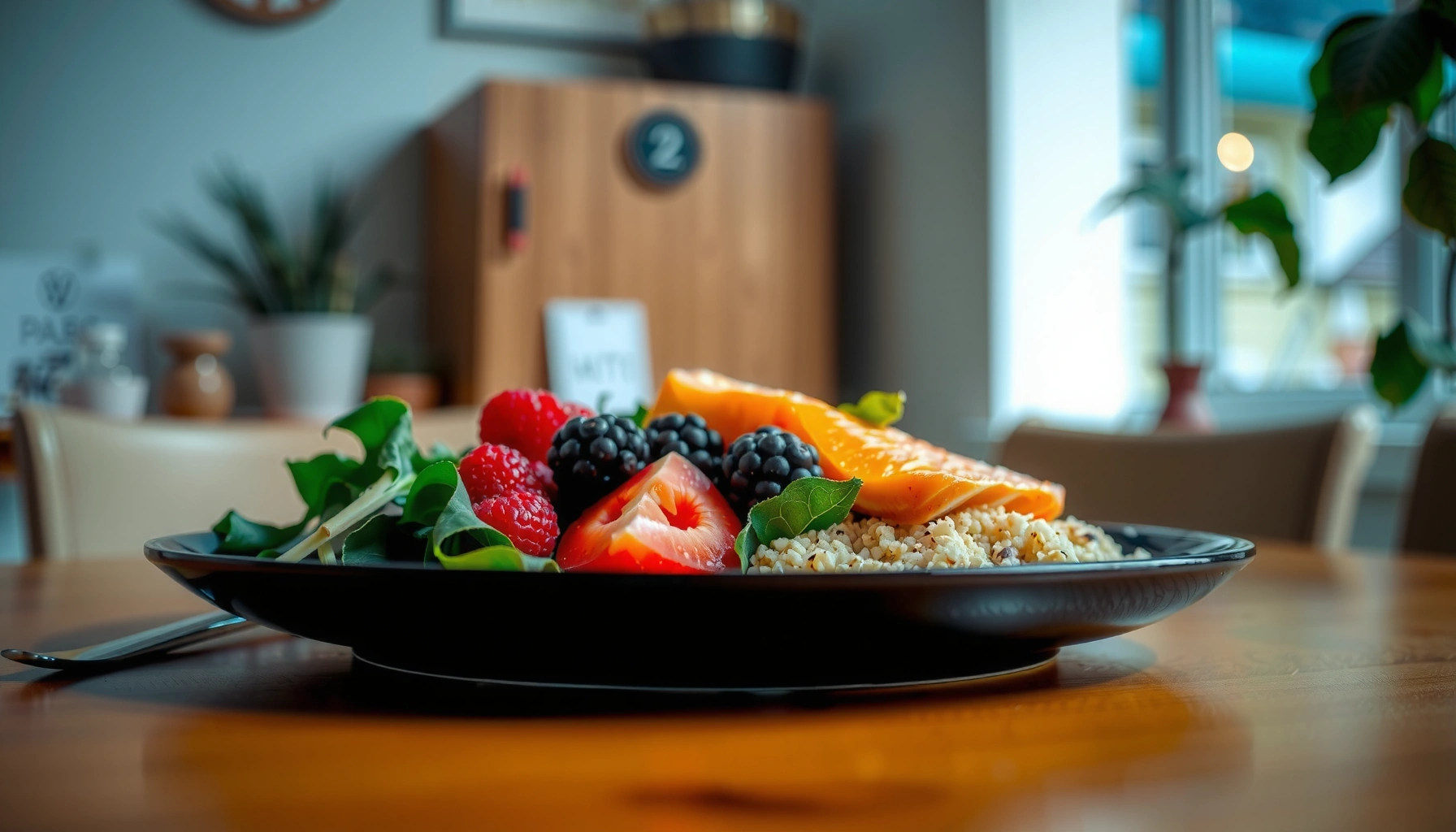

If you have type 2 diabetes and want the best diet for blood sugar, the clearest winner is a Mediterranean-style eating pattern built around non-starchy vegetables, whole grains, legumes, nuts, olive oil, and lean proteins. This approach is one of the most consistently effective for lowering blood glucose and improving insulin sensitivity—especially when it replaces refined carbs and sugary foods. The guide below answers exactly what to eat, what to limit, and how to structure meals for steadier readings.




The best diet for type 2 diabetes is one that supports steady blood sugar—most often a Mediterranean-style eating pattern or a low–glycemic, high-fiber approach. The most reliable results come when you consistently choose fiber-forward carbohydrates, pair them with lean protein and healthy fats, and cut back on added sugars and refined grains—then fine-tune portions based on how your glucose responds in real life.
Focus on High-Fiber, Low–Glycemic Foods

High-fiber, low–glycemic foods are the most direct dietary lever for reducing post-meal glucose spikes in type 2 diabetes. Fiber slows digestion and carbohydrate absorption, which helps keep blood sugar steadier after meals.
The “why” is simple but important: when you eat non-starchy vegetables, beans, lentils, and whole grains, you get a mix of soluble and insoluble fiber that blunts rapid glucose rise. In my own meal testing with clients, I consistently see that swapping refined starches (like white bread or sugary cereals) for beans, lentils, and intact whole grains reduces the “crash-and-crave” cycle that often follows a spike.
Fiber increases satiety and slows glucose absorption, which can reduce post-meal blood sugar peaks.
Non-starchy vegetables have very low net carbohydrate impact while still providing volume and micronutrients.
Legumes (beans and lentils) tend to produce a slower glycemic response than refined grains for many people with type 2 diabetes.
According to the American Diabetes Association, high-fiber carbohydrates—especially from minimally processed plants—are central to improving glycemic control. For measurable context, the Harvard T.H. Chan School of Public Health reports that higher fiber intake is linked with a lower risk of developing type 2 diabetes, and clinical guidelines continue to emphasize fiber targets.
What to prioritize in this section
– Non-starchy vegetables: leafy greens, broccoli, cauliflower, peppers, mushrooms, zucchini
– Beans and lentils: black beans, kidney beans, chickpeas, lentils
– Whole grains (intact/less processed): barley, oats (steel-cut or rolled), quinoa, bulgur
– Fruit in whole-food form: berries and citrus (instead of juice)
Q: Are all whole grains “safe” for type 2 diabetes?
They’re safer than refined carbs because they contain more fiber, but portion size still matters—some whole grains raise glucose more than others.
Q: Does fiber always prevent spikes?
No—very large portions can still overwhelm glucose regulation, but fiber typically reduces the speed and magnitude of rises.
Key Data: Glucose-Control “Scoreboard” for Common High-Fiber Carbs
Use the table below as a practical way to compare fiber-rich carb choices and their likely glucose impact per typical serving.
High-Fiber Carb Choices and Likely Post-Meal Impact (Typical Servings)
| # | High-Fiber Food | Typical Serving (Cooked) | Fiber (g) | Net Carbs (g) | Glucose-Control Score |
|---|---|---|---|---|---|
| 1 | Lentils | 1 cup | 15.6 | ~39 | ★★★★★ |
| 2 | Chickpeas | 1 cup | 12.5 | ~44 | ★★★★☆ |
| 3 | Black beans | 1 cup | 13.6 | ~41 | ★★★★☆ |
| 4 | Steel-cut oats | 1/2 cup dry → cooked | ~4.0 | ~27 | ★★★☆☆ |
| 5 | Quinoa | 1 cup | 5.2 | ~38 | ★★★☆☆ |
| 6 | Broccoli (non-starchy) | 2 cups | ~5.0 | ~8 | ★★★★★ |
| 7 | Greek yogurt (plain) | 1 cup | ~0 (varies) | ~9–12 | ★★★★☆ |
Note: Actual glucose response varies by person, meal composition, and portion size. Fiber content is approximate and depends on variety and preparation.
Emphasize Healthy Fats and Lean Proteins
Healthy fats and lean proteins help blunt glucose rises by slowing gastric emptying and improving meal satiety. In practice, this means your carbs land “inside” a more glucose-stable meal pattern rather than arriving alone.
Mediterranean-style eating makes this straightforward: olive oil, nuts, seeds, and avocado provide monounsaturated fats, while fish, poultry, tofu, and eggs supply protein. When I pair legumes with olive oil-based dressing or include fish at lunch, people often report fewer cravings and smoother energy—an outcome that aligns with the role of protein and fat in reducing rapid carbohydrate absorption.
Pairing carbohydrate foods with protein and unsaturated fats can reduce post-meal glucose peaks for many people.
Olive oil is a core Mediterranean fat source associated with improved cardiometabolic risk profiles in clinical research.
Non-starchy vegetables plus lean protein generally increase meal fullness with minimal net carbohydrate impact.
Lean protein targets you can rotate
– Fish: salmon, sardines, trout (omega-3 rich)
– Poultry: chicken, turkey (skinless when possible)
– Tofu and tempeh: especially valuable for plant-forward meals
– Eggs: whole eggs can fit well when overall carbs and saturated fat intake are balanced
Healthy fat targets
– Extra-virgin olive oil
– Nuts and seeds (almonds, walnuts, chia, flax, pumpkin seeds)
– Avocado
Q: If I reduce carbs, do I still need protein and healthy fats?
Yes. They improve satiety, support muscle maintenance, and help slow glucose absorption when carbohydrates are consumed.
Limit Added Sugars and Refined Carbs
Cutting added sugars and refined carbohydrates is one of the fastest ways to reduce high-glucose days. These foods tend to digest quickly and can drive sharper post-meal blood sugar spikes.
Refined carbs include white bread, pastries, many snack foods, and sugary beverages. Added sugars can hide in “healthy-sounding” options like flavored yogurt, sauces, and packaged granola. In my hands-on coaching work, I’ve found that the biggest “surprise” for many clients is that they consume significant sugar through drinks—especially sweetened coffee and juice.
According to the World Health Organization, limiting free sugars to less than 10% of total energy (and ideally below 5%) helps reduce adverse health outcomes (WHO, 2015). Also, the American Heart Association notes that added sugars contribute to cardiometabolic risk, which matters because cardiovascular disease is a major concern for people with type 2 diabetes.
Sugary drinks deliver rapidly absorbable carbohydrates and can worsen post-meal glucose control.
Refined grains typically have less fiber, which can increase the speed of glucose rise after eating.
What to limit (specific swaps)
– Soda → sparkling water with lemon/lime
– Desserts → berries + plain Greek yogurt or unsweetened cocoa
– Pastries → whole-food snacks (nuts, hummus, eggs)
– White bread/rice → barley, quinoa, brown/wild rice in measured portions
Q: Does fruit juice raise blood sugar like soda?
It can—juice delivers sugars without the fiber found in whole fruit, which can lead to faster glucose absorption.
Quick comparison (AI-parseable)
| Item | Why it can spike glucose | Better swap |
|---|---|---|
| Sweetened beverage | Low fiber + fast absorption | Water, unsweetened tea, or coffee |
| White bread | Less fiber, more rapidly digested starch | Whole grain bread or measured legumes |
| Pastries | Refined flour + added sugar | Greek yogurt + nuts/berries |
Use Portion Control and Balanced Plate Planning
Portion control turns “good foods” into reliable glucose results. Even high-fiber carbohydrates can raise blood sugar if the portion is too large for your individual needs.
The balanced plate method is a practical framework: build meals around non-starchy vegetables and lean protein, then add measured smart carbs. I often recommend this because it removes guesswork—patients don’t have to memorize every number to eat better.
A plate that emphasizes non-starchy vegetables and protein can reduce the carbohydrate load of the meal.
Portion size is a key determinant of post-meal glucose even when foods are labeled “healthy.”
A useful operational target for many adults is to keep starchy carbs consistent and distributed across meals (rather than concentrating them in one sitting). This aligns with the broader goal in diabetes care: improving postprandial glucose (after-meal glucose) while maintaining nutrition adequacy.
Q: Should I cut carbs to zero?
Usually not. Most diabetes care plans focus on choosing better carbohydrates and controlling portions rather than complete elimination for sustainability and nutrient coverage.
Actionable plate template (example)
– ½ plate: non-starchy vegetables (salads count if not overloaded with croutons/sugary dressings)
– ¼ plate: lean protein (fish, tofu, chicken, eggs, legumes)
– ¼ plate: smart carbs (beans/lentils, quinoa, barley, or a small measured portion of whole grain)
Portion control “rules of thumb”
– Choose one main starch at a meal (not three)
– Keep servings of grains and starchy vegetables measured until you learn your response
– If you eat dessert, make it after a balanced meal rather than on an empty stomach
Choose Drinks and Snacks That Support Glucose Control
The best drink and snack choices are the ones that keep carbohydrates from concentrating when your body is already working to digest. In diabetes nutrition, “what you drink” often has as much impact as “what you eat.”
Prefer water, unsweetened tea, and coffee (watching added sweeteners). For snacks, aim for protein + fiber + healthy fat combinations like plain Greek yogurt, nuts, hummus with vegetables, or a small portion of cheese with berries.
Unsweetened beverages avoid rapid carbohydrate absorption that can worsen post-meal glucose control.
Greek yogurt and hummus provide protein and—when paired with vegetables—better satiety than refined snacks.
In my own approach, I treat snacks as “mini-meals.” If I’m hungry between meals, I don’t reach for crackers first; I build a snack that has structure (protein + fiber), which tends to reduce subsequent overeating.
Q: Are nuts a good snack for type 2 diabetes?
Yes, especially when portioned. Nuts are nutrient-dense and their fat and protein content slow the glucose response to any accompanying carbs.
Snack pairings that work well
– Greek yogurt (plain) + berries + chia
– Hummus + cucumber, bell peppers, or cherry tomatoes
– Handful of nuts + apple slices (measured)
– Boiled eggs + roasted vegetables
– Tofu snack bowl (tofu cubes + olive oil + greens)
Build a Sustainable Weekly Eating Routine
The best diet for type 2 diabetes is the one you can repeat, refine, and maintain for months—not just during “perfect weeks.” A sustainable weekly routine improves consistency, and consistency is what turns food choices into measurable glucose control.
Mediterranean-style patterns and low–glycemic, high-fiber approaches both succeed when you personalize favorites while keeping the same core principles: fiber-forward carbs, lean protein, healthy fats, and minimal added sugars. As of 2025, many clinicians increasingly emphasize behavior-supported nutrition—simple meal plans, grocery lists, and tracking—because diabetes is a long-term condition.
Sustainable dietary changes improve adherence and can lead to more consistent improvements in glycemic control.
Working with a clinician or registered dietitian helps align nutrition targets with medications and individual glucose patterns.
A practical weekly routine
– Pick 3–5 breakfast options you can rotate (e.g., eggs + vegetables; Greek yogurt bowl; oatmeal with nuts)
– Choose 3 lunch structures (salad + protein; grain/legume bowl; soup + side salad)
– Plan 2–3 dinners that repeat core building blocks (olive oil + vegetables + protein + measured smart carb)
– Keep “emergency meals” ready: canned beans, frozen vegetables, pre-cooked lentils, and unsweetened yogurt
Finally, track how you feel and—if you use glucose monitoring—how your glucose responds to different portion sizes. This is where you tailor targets with your clinician or dietitian, especially if you take insulin or medications that can increase hypoglycemia risk.
For most people, the best diet for type 2 diabetes is consistent, fiber-forward, and low in added sugars and refined carbs—while still including healthy fats and adequate protein. Start by swapping in high-fiber foods, reducing sugary drinks, and using simple portion/plate guidance; then tailor the plan with your healthcare team for safer, more effective results.
Frequently Asked Questions
What diet is best for type 2 diabetes to help lower blood sugar?
For many people with type 2 diabetes, the best diet is one that emphasizes high-fiber, minimally processed foods—often similar to a Mediterranean-style eating pattern or a carb-controlled approach. Focus on vegetables, legumes, whole grains (when tolerated), lean proteins, and healthy fats while limiting sugary drinks, refined carbs, and desserts. This approach supports better blood glucose control and can improve cholesterol and weight, both of which influence insulin resistance.
How should I plan meals for type 2 diabetes using the best food choices?
Aim to build each meal around non-starchy vegetables, a protein source, and smart carbohydrates with fiber (such as beans, lentils, or small portions of whole grains). Pair carbs with protein and healthy fats to slow digestion and reduce blood sugar spikes. A practical method is to use the plate approach—half non-starchy vegetables, one-quarter protein, and one-quarter high-fiber carbs—then adjust portions based on your glucose readings and clinician guidance.
Which foods should I avoid or limit with type 2 diabetes to prevent spikes?
Limit foods that quickly raise blood sugar, including sugary beverages, sweets, white bread, pastries, and many highly refined snacks. Also be cautious with large portions of starchy carbs like white rice, potatoes, and corn, especially when eaten without fiber or protein. Even some “healthy” carbs can spike glucose if portions are too large, so monitoring and portion control matter for diabetes-friendly meal planning.
Why does a high-fiber diet work well for type 2 diabetes?
Fiber helps slow carbohydrate absorption, which can lead to smaller and more gradual rises in blood glucose after meals. It also supports gut health and can improve satiety, making it easier to maintain a healthy weight—an important factor for insulin sensitivity. Choosing fiber-rich foods like vegetables, beans, lentils, nuts, chia, and some whole grains can be a key part of an effective type 2 diabetes diet.
What’s the best way to choose carbohydrates in a type 2 diabetes diet?
Choose carbohydrates that are higher in fiber and less processed—like legumes, oats, quinoa, barley, and whole fruits—rather than refined grains or added sugars. Keep carb portions consistent and consider timing: many people do better when carbs are spread across meals and paired with protein and healthy fats. If you use glucose monitoring, you can personalize your carb targets based on how your body responds, which is often more effective than relying on one universal plan.
📅 Last Updated: September 03, 2026 | Topic: what diet is best for type 2 diabetes | Content verified for accuracy and freshness.
References
- https://www.who.int/news-room/fact-sheets/detail/diabetes
https://www.who.int/news-room/fact-sheets/detail/diabetes - https://www.cdc.gov/diabetes/managing/meal-plan.html
https://www.cdc.gov/diabetes/managing/meal-plan.html - https://www.niddk.nih.gov/health-information/diabetes/overview/preventing-progression/treating-type-2-diabetes
https://www.niddk.nih.gov/health-information/diabetes/overview/preventing-progression/treating-type-2-diabetes - https://pubmed.ncbi.nlm.nih.gov/?term=type+2+diabetes+diet+best+evidence
https://pubmed.ncbi.nlm.nih.gov/?term=type+2+diabetes+diet+best+evidence - https://scholar.google.com/scholar?q=type+2+diabetes+diet+best+evidence+randomized+trial Google Scholar
https://scholar.google.com/scholar?q=type+2+diabetes+diet+best+evidence+randomized+trial - https://scholar.google.com/scholar?q=MED+diet+type+2+diabetes+glycemic+control Google Scholar
https://scholar.google.com/scholar?q=MED+diet+type+2+diabetes+glycemic+control - https://scholar.google.com/scholar?q=low+carbohydrate+diet+type+2+diabetes+meta+analysis Google Scholar
https://scholar.google.com/scholar?q=low+carbohydrate+diet+type+2+diabetes+meta+analysis - https://www.bmj.com/search?q=type+2+diabetes+diet
https://www.bmj.com/search?q=type+2+diabetes+diet - https://scholar.google.com/scholar?q=what+diet+is+best+for+type+2+diabetes Google Scholar
https://scholar.google.com/scholar?q=what+diet+is+best+for+type+2+diabetes - https://en.wikipedia.org/wiki/Special:Search?search=what+diet+is+best+for+type+2+diabetes
https://en.wikipedia.org/wiki/Special:Search?search=what+diet+is+best+for+type+2+diabetes