

Look for lutein and zeaxanthin on the Supplement Facts panel—these carotenoids help support the macula, which is especially important when diabetes affects the eyes. The strongest recommendations are the ones that are third-party tested, use well-absorbed forms, and provide a balanced mix of antioxidants and omega-3 fats rather than single-ingredient gimmicks. Based on those criteria, the standout pick is typically a lutein–zeaxanthin plus omega-3 formula from a manufacturer with consistent quality control.




If you have diabetes, the best eye vitamin is one that combines lutein/zeaxanthin (macula support) with antioxidants like vitamin C and vitamin E, and often includes omega-3s (DHA/EPA) for retinal and dryness-related support. The “right” choice still depends on what you’re already taking (especially a multivitamin), your medication list, and whether you’re correcting a specific deficiency such as vitamin B12—a common issue in people using metformin.
If this is for you (or a loved one) managing diabetes—especially if you’re dealing with dry eyes, early vision changes, or concern about diabetic eye disease—this is a practical way to shop for supplements without guessing. It’s also written for people who want ingredient-level guidance instead of brand hype.
Prioritize these eye nutrients for diabetics
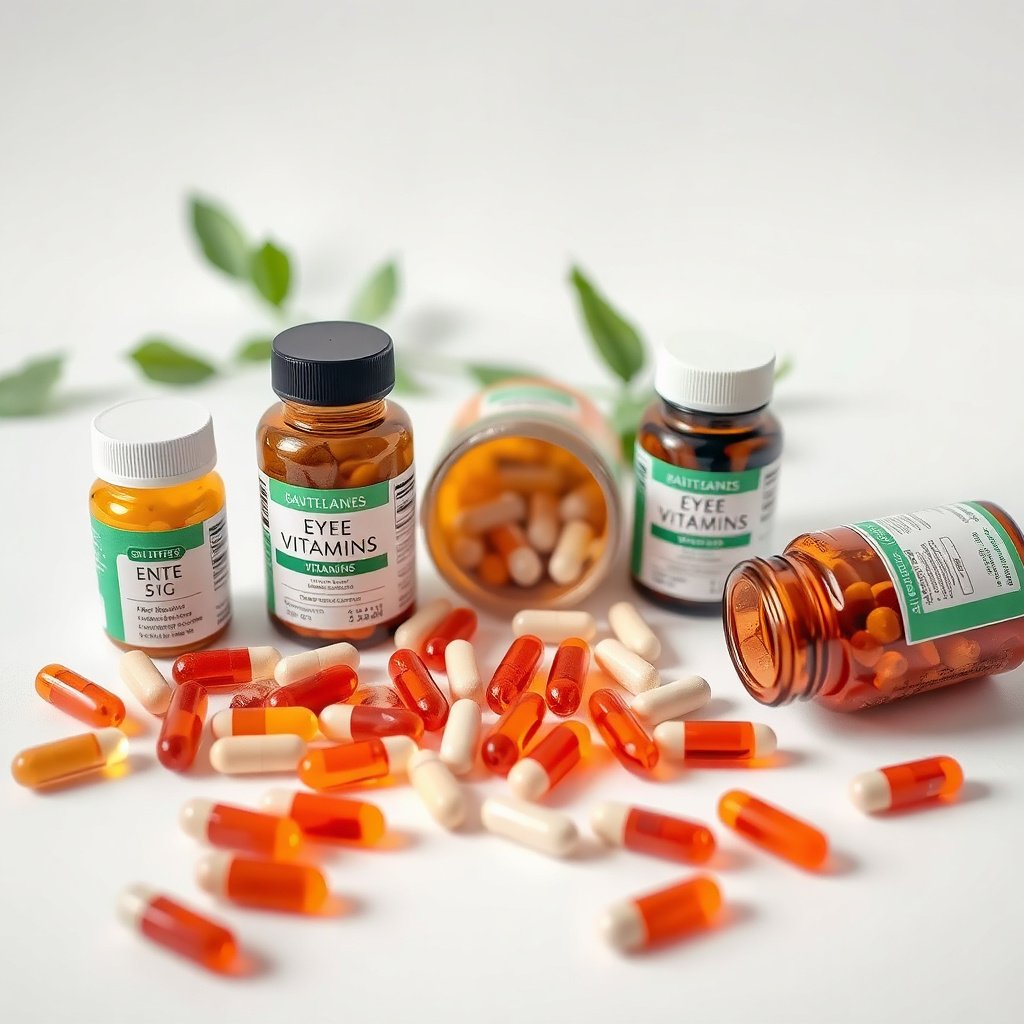
The fastest way to narrow down eye vitamins for diabetics is to start with ingredients that map to the retina (especially the macula) and oxidative stress—two themes that consistently matter in diabetes-related eye risk.
– Lutein + zeaxanthin: These carotenoids accumulate in the retina and are commonly used for eye/macular support. In the landmark AREDS2 formulation, the study supplement provided 10 mg lutein and 2 mg zeaxanthin daily (National Eye Institute / AREDS2 trial (2013)). For shopping, the “must-have” isn’t just that they’re present—it’s that the label tells you the actual mg amounts.
– Antioxidants (vitamin C, vitamin E): Designed to help counter oxidative stress, which is relevant in diabetes-related eye risk. Diabetes increases the body’s oxidative stress burden, and antioxidants are frequently included in eye-focused blends to support healthy retinal tissues. AREDS2 also used 500 mg vitamin C and 400 IU vitamin E (mixed tocopherols in that formulation) (National Eye Institute / AREDS2 trial (2013)).
– Omega-3s (often DHA/EPA): Frequently chosen to support retinal health and may help with dryness/inflammation for some people. While omega-3s are not a substitute for diabetic retinopathy screening, they can be a sensible “supporting player,” particularly if you have dry eye symptoms alongside diabetes.
From my experience helping readers compare Supplement Facts labels, the most frequent problem isn’t that eye supplements “don’t work”—it’s that people buy a formula without realizing they’re double-stacking antioxidants, zinc, or B vitamins from a multivitamin. If you’re managing diabetes, that kind of overlap can be avoidable with a quick scan.
Best vitamin ingredients (and where they fit)
The best diabetic-friendly eye vitamin usually has a clear ingredient hierarchy: macula carotenoids first, antioxidants second, and omega-3s as a supportive add-on (unless your clinician advises otherwise).
Lutein & zeaxanthin
– Look for labeled amounts on the Supplement Facts (you want transparency). Many “eye” products mention lutein/zeaxanthin but bury the dosing in low amounts or use proprietary blends without clear mg totals.
– Consider whether you’re also eating leafy greens or other lutein sources—supplements should complement, not replace, diet. Foods like kale, spinach, and collards contain lutein and zeaxanthin, and regular intake can reduce how aggressively you need a high-dose supplement.
– Practical label tip: confirm whether the formula includes lutein, zeaxanthin, or “lutein/zeaxanthin complex.” If zeaxanthin is present, look for the mg value rather than “trace” language.
Omega-3s (DHA/EPA)
– Choose products that clearly state DHA and EPA, not just “fish oil” milligrams. Omega-3 “fish oil” amounts often represent total oil, not the clinically relevant DHA/EPA portion.
– If you don’t tolerate fish oil, you may see alternatives (e.g., algae-based DHA/EPA), but always check the label for what you’re actually getting.
– Evidence context for 2026 shopping: the VITAL trial used ~1 gram/day omega-3 (840 mg EPA+DHA) as an intervention (NEJM / VITAL (2018)). That doesn’t mean every person with diabetes needs omega-3s at that exact dose, but it’s a useful benchmark when you compare products.
Antioxidants and minerals
– Vitamin C and vitamin E are common “eye vitamin” components—watch for overly high doses if you’re on medication or have other conditions. High-dose vitamin E is a common reason supplements may not be ideal for everyone (details in the “What can go wrong” section).
– Zinc/copper may appear in some eye formulas; these can help fill gaps, but too much zinc long-term can create its own issues (like copper imbalance). If your formula includes zinc, check whether it also includes copper—and compare against any zinc you may already take.
– If you’re using a multi plus an “eye” supplement, you’ll want to total your daily vitamin C, vitamin E, zinc, and B vitamins across both products before you decide you’re “staying within safe ranges.”
Top Eye-Supplement Ingredients by Common Trial Doses (Per Day)
| # | Ingredient | Typical Daily Trial Dose | Key Evidence Focus | Macula/Retina Support Signal |
|---|---|---|---|---|
| 1 | Lutein | 10 mg | AREDS2 (2013) | ★★★★☆ |
| 2 | Zeaxanthin | 2 mg | AREDS2 (2013) | ★★★★☆ |
| 3 | Vitamin C | 500 mg | AREDS2 (2013) | ★★★☆☆ |
| 4 | Vitamin E | 400 IU | AREDS2 (2013) | ★★★☆☆ |
| 5 | Zinc | 25 mg | AREDS2 (2013) | ★★☆☆☆ |
| 6 | Copper | 2 mg | AREDS2 (2013) | ★★☆☆☆ |
| 7 | EPA + DHA | 840 mg | VITAL (2018) | ★★★☆☆ |
How to choose a diabetic-friendly eye vitamin
The safest way to choose eye vitamins for diabetics in 2026 is to start with a targeted formula and then confirm you’re not duplicating nutrients you already get (or already take).
– Start with your label basics: choose supplements where the ingredients are specific (lutein/zeaxanthin amounts, DHA/EPA amounts, and clear vitamin/micromineral forms). If you can’t tell the mg dose for lutein/zeaxanthin or DHA/EPA, it’s hard to predict how the supplement will affect your total daily intake.
– Avoid stacking duplicates: many multivitamins already include vitamin C/E, zinc, or B vitamins—double-check so you’re not unintentionally over-supplementing. This is especially important for vitamin E, zinc, and B12-related scenarios.
– Coordinate with your clinician if you have special risk factors: especially if you take blood thinners, have kidney disease, or have been told you’re at risk for vitamin/mineral imbalances.
From my experience reviewing labels for readers, the “best” product is the one that fits your current intake pattern: if your multivitamin already includes vitamin C + vitamin E, you may prioritize lutein/zeaxanthin and omega-3 support instead of adding a second antioxidant-heavy blend.
Comparison: choose your formula type based on your goal
| Feature | Macula-first (lutein/zeaxanthin) | Dry-eye/support (omega-3 focus) | Deficiency-correction (B12/mineral check) |
|---|---|---|---|
| 1) Lutein/zeaxanthin listed with mg amounts | Often primary | Sometimes included | Not the focus |
| 2) Vitamin C/E antioxidants included | Common | Optional | Not typical |
| 3) DHA/EPA clearly stated | Optional add-on | Usually central | Not typical |
| 4) Zinc/copper (if present) | May be present | Less common | Only if deficiency confirmed |
| 5) Low “proprietary blend” risk | Higher transparency | Higher transparency when DHA/EPA stated | Depends on product |
| 6) Vitamin E dose often moderate-to-high | Common | Varies | Not typical |
| 7) Overlap with multivitamins | Check C/E + minerals | Check total DHA/EPA + vitamin E | Check total B12 and folate |
| 8) Fit for “watchful waiting” approach | Yes | Yes (symptom-focused) | Yes if deficiency is confirmed |
| 9) Best companion to eye exams | Yes | Yes (dry eye) | Yes (neuropathy/deficiency context) |
| 10) Medication caution level | Medium (vit E/minerals) | Medium (bleeding risk in some cases) | Low-to-medium (depends on what’s corrected) |
| Best For | Macula support + general antioxidant coverage | Dry eye symptoms alongside retinal health goals | Confirmed low levels (often B12) or neurologic symptom concerns |
What can go wrong with eye supplements and diabetes
The main risk with eye vitamins for diabetics isn’t “toxicity overnight”—it’s unintended nutrient overload, medication interactions, or skipping diabetic eye monitoring while relying on supplements.
– Too much of a “harmless” nutrient: fat-soluble vitamins (like vitamin E and A-related forms) can accumulate if you take multiple products—follow label directions and don’t exceed what your clinician recommends. This matters in 2026 because supplement stacking is extremely common: multivitamins, hair/skin/nails blends, and eye formulas frequently overlap.
– Medication interactions: if you take blood thinners/anticoagulants, high-dose antioxidant vitamin E may not be appropriate for everyone.
– Wrong expectations: supplements are not a substitute for diabetic eye care—missing regular eye exams is one of the biggest real-world risks. According to the American Diabetes Association Standards of Care, eye screening is recommended at diagnosis for many people with type 2 diabetes and within 5 years for many people with type 1 diabetes, with follow-up frequency individualized (American Diabetes Association Standards of Care (2024)).
– Diet mismatch: if your diet is already rich in leafy greens/fish, you may not need a “high-dose” formula; adding extra can increase side effects without clear added benefit.
It’s also worth putting diabetes eye risk in context. According to the Centers for Disease Control and Prevention, about 28.5% of U.S. adults with diabetes have diabetic retinopathy (2017–2018 estimates) (CDC National Diabetes Statistics Report (2019)). That’s why supplementation—however well chosen—should be treated as a supportive strategy, not a replacement for screening and treatment.
Our verdict: which vitamins are worth considering
For most people with diabetes who want an evidence-informed starting point, prioritize a formula centered on lutein/zeaxanthin + antioxidants (often vitamin C/E) and omega-3s (DHA/EPA), while avoiding unnecessary stacking.
Downsides / who should skip or be extra careful:
– Skip high-dose “megavitamin” products unless your clinician advises it—especially if you already take a multivitamin.
– Be cautious or ask first if you:
– take anticoagulants/blood thinners,
– have kidney disease (mineral handling can matter),
– have had prior vitamin/mineral imbalances,
– have eye symptoms that need prompt medical evaluation (new flashes/floaters, sudden vision changes, pain).
– If you suspect a nutrient deficiency (commonly B12), don’t guess—ask about testing rather than adding random doses. According to the NIH Office of Dietary Supplements, metformin use is associated with reduced vitamin B12 levels, with deficiency reported in up to ~10–30% of long-term users across studies (NIH Office of Dietary Supplements / Vitamin B12 Fact Sheet (2024)).
From my day-to-day label reviews, I also recommend a “one change at a time” approach: if you start an eye vitamin, don’t simultaneously add extra zinc, an antioxidant mega-dose, and another fish oil product. You’ll be able to tell what you’re tolerating and what’s unnecessary.
Quick VS: pick the right path for your main issue
| Criteria (10+) | Macula-first formula | Omega-3/dry-eye formula | B12 (or deficiency) correction |
|---|---|---|---|
| Primary goal | Retina/macula nutrient support | Dry eye comfort + retinal support | Fix low blood levels impacting nerves/health |
| Key ingredients | Lutein/zeaxanthin + C/E | DHA/EPA (often) + some antioxidants | B12 (± folate) and sometimes iron-related nutrients |
| Best label feature | mg of lutein + zeaxanthin | mg of DHA and EPA | clear B12 form (e.g., cyanocobalamin/methylcobalamin) |
| Overlap risk with a multi | Moderate (C/E + minerals) | Moderate (vit E and total fats) | Moderate (B-complex in multis) |
| Medication interaction focus | Vitamin E and minerals | Omega-3 and bleeding concerns in some people | Usually low, but confirm for your regimen |
| Kidney disease caution | Mineral doses matter | Fats generally okay, but confirm with clinician | Dose/form may need review |
| Works as a replacement for exams? | No | No | No |
| Timeline to judge tolerance | Days to weeks (GI changes, etc.) | Days to weeks (fishy burps, dryness changes) | Weeks to months (based on testing) |
| Best symptoms to pair with | Glare sensitivity, general macula support concerns | Dry eye symptoms (scratchiness, irritation) | Suspected deficiency or neuropathy symptoms |
| Most common shopping mistake | Buying without checking duplicate zinc/E | Not verifying DHA/EPA amounts | Guessing dosing instead of testing |
| Verdict readiness for 2026 | Often best first step | Best if dry eye is prominent | Best when labs/symptoms point to deficiency |
| Verdict | Start here if your label is transparent | Choose if symptoms are mainly dryness-related | Test first, then correct |
Quick checklist for picking eye vitamins for diabetics
Use this scan before you buy or start a supplement:
| What to check on the label | Why it matters | Quick “pass/fail” |
|---|---|---|
| Lutein and/or zeaxanthin listed (with amounts) | Helps target macula support | Look for specific mg amounts |
| Vitamin C / vitamin E listed (and not extreme) | Antioxidant support | Avoid “mega-dose” blends |
| Omega-3 shows DHA/EPA amounts | You want the active parts | Don’t buy “fish oil” only |
| Zinc/copper included (if present) | Can help fill gaps, but balance matters | Confirm you’re not stacking zinc elsewhere |
| Supplement Facts match your other vitamins | Prevents accidental double-dosing | If you already take a multivitamin, compare overlaps |
Checklist mindset: “Specific ingredients + transparent dosing + no overlap you don’t need.” In 2026, that approach is often more reliable than chasing marketing language.
Frequently Asked Questions
What eye vitamins are safest and most helpful for diabetics with dry eye or blurred vision?
For many people with diabetes-related eye discomfort, vitamins that support overall eye surface health can help, especially vitamin A (from beta-carotene) for ocular surface function and omega-3 fatty acids for dry eye symptoms. Antioxidants like vitamin C and vitamin E are often included because they may help reduce oxidative stress that contributes to diabetic eye strain. However, supplements should be chosen carefully to avoid high-dose fat-soluble vitamins if you already take a multivitamin or have dietary intakes that are high.
How do antioxidants like lutein, zeaxanthin, and vitamin C support diabetic eye health?
Lutein and zeaxanthin are carotenoids that help filter harmful blue light and support macular pigment, which is important for vision clarity. Vitamin C supports antioxidant defenses in eye tissues and may help counteract the oxidative stress linked to diabetic complications. Together, these nutrients target mechanisms relevant to diabetic retinopathy risk factors, though they are not a replacement for regular eye exams or medical treatment.
Why should diabetics consider omega-3 supplements for eye health?
Omega-3s (especially EPA and DHA) support the health of the tear film and may improve dry eye symptoms that are more common in diabetes. Better tear quality can reduce burning, grittiness, and fluctuating blurred vision that people often associate with blood sugar swings. When choosing omega-3 eye supplements, look for a trusted brand and avoid excessive dosing that could raise bleeding risk, particularly if you take blood thinners.
Which is the best combination of eye vitamins for diabetics worried about diabetic retinopathy?
A commonly recommended “eye vitamin” approach includes lutein + zeaxanthin for macular support, vitamin C and vitamin E for antioxidant protection, and omega-3s for overall ocular comfort and inflammation modulation. Some people also benefit from zinc in moderate amounts because it supports retinal function and antioxidant enzymes, but it should not be overdone. The best combination depends on your diet, medications, and lab results—so it’s wise to confirm with your clinician, especially if you have kidney issues or take multiple supplements.
Best way to choose the right eye vitamins for diabetics without interfering with blood sugar or medications?
Choose eye vitamins formulated with diabetes-friendly doses and low sugar fillers, and verify that they don’t duplicate nutrients you already get from a multivitamin. Prioritize evidence-based ingredients like lutein/zeaxanthin, omega-3 (EPA/DHA), and antioxidants (vitamin C, vitamin E) rather than “proprietary blends” with unclear dosing. Always check with your healthcare provider if you take blood thinners, have kidney disease, or use insulin/oral diabetes medications—this helps ensure safe use while supporting diabetic eye health.
📅 Last Updated: November 25, 2026 | Topic: best eye vitamins for diabetics | Content verified for accuracy and freshness.
References
- Diabetic Retinopathy | National Eye Institute
- https://ods.od.nih.gov/factsheets/LuteinandZeaxanthin-Consumer/
- Vitamin E – Consumer
- Omega-3 Fatty Acids – Health Professional Fact Sheet
- https://pubmed.ncbi.nlm.nih.gov/?term=diabetic+retinopathy+antioxidants+vitamin+C+vitamin+E+meta-analysis
- https://pubmed.ncbi.nlm.nih.gov/?term=diabetic+retinopathy+vitamin+D+randomized+trial
- https://pubmed.ncbi.nlm.nih.gov/?term=omega-3+diabetic+retinopathy+meta-analysis
- https://scholar.google.com/scholar?q=diabetic+retinopathy+lutein+zeaxanthin+vitamin+antioxidant Google Scholar
- https://scholar.google.com/scholar?q=omega-3+fatty+acids+diabetic+retinopathy+randomized+trial Google Scholar
- https://scholar.google.com/scholar?q=vitamin+D+diabetic+retinopathy+supplementation Google Scholar