

Which easy diabetic cookbook will help you put together blood-sugar–friendly meals without complicated calculations? Choose the one that consistently pairs simple, satisfying recipes with clear carbohydrate and portion guidance. The best options are judged on recipe simplicity, balanced macro profiles, minimal added sugar, flexible substitutions, and practical shopping and meal-prep instructions—so you can trust what you cook and repeat it with confidence.




The best easy diabetic cookbook is the one that repeatedly delivers balanced meals fast—without you guessing portions or carbohydrates. Look for a book that pairs quick, repeatable recipes with clear carb/serving guidance and realistic ingredient swaps (think fiber-first carbs, lean proteins, and non-starchy vegetables), because that combination is what actually helps support healthier blood sugar in 2026.
If you have diabetes (or you’re cooking for someone who does), the challenge usually isn’t “what to eat,” it’s finding meals that are fast, not overly complicated, and won’t spike glucose. This layout is for readers who want straightforward recipes plus real guidance for building balanced plates.
What “easy” should mean in a diabetic cookbook
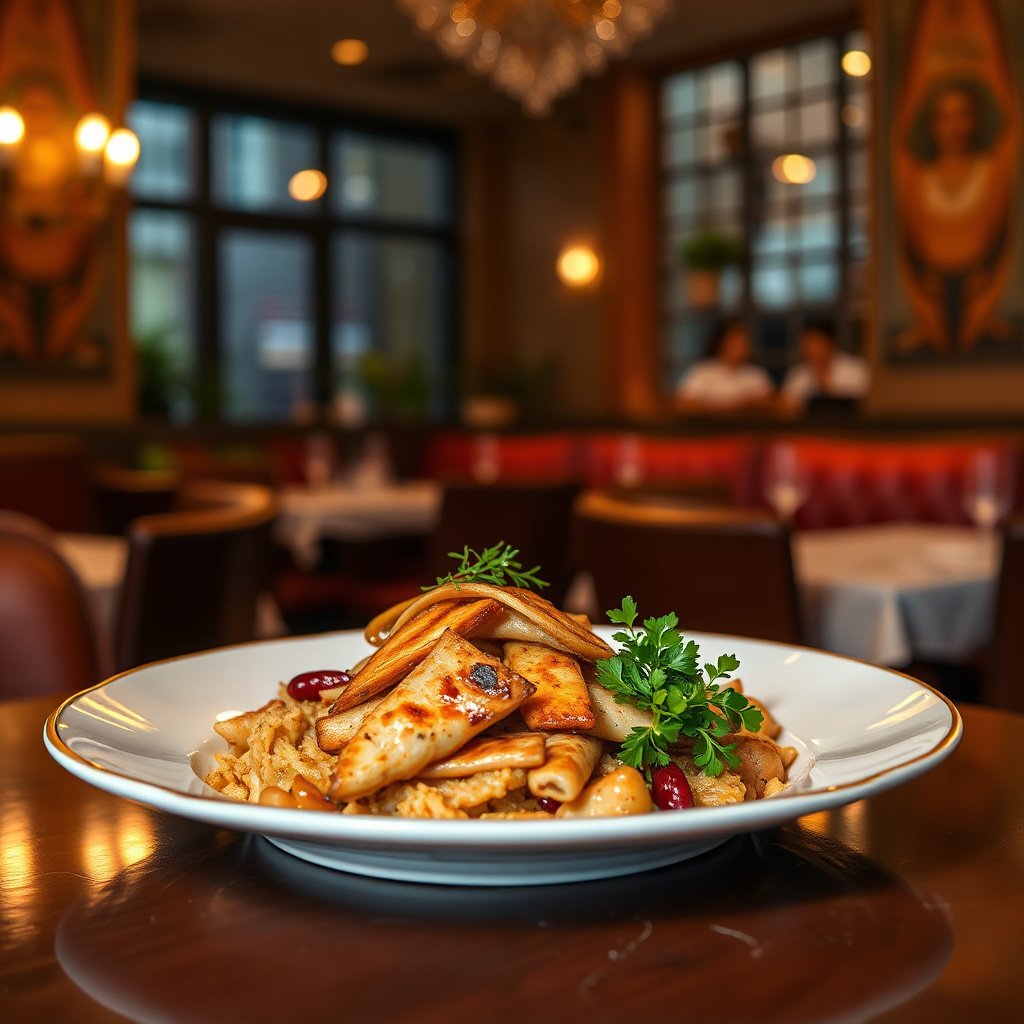
Easy should mean you can go from page to plate with minimal cognitive load and minimal kitchen friction. The right cookbook keeps recipes repeatable and gives you enough carb clarity to build consistent meals—especially when your schedule gets busy in 2026.
– Choose books with short prep times, minimal steps, and ingredients you can find easily
– Prioritize recipes that clearly explain substitutions (e.g., lower-sugar sauces, non-starchy veggie swaps)
– Look for consistent structure so you can repeat meals without starting from scratch
In practice, “easy” also means the book avoids hidden complexity. Watch for recipes that assume you’ll measure carbs mentally, rely on hard-to-find products, or require multiple specialty tools. Easy diabetic cookbooks should also standardize portions (for example, “3/4 cup cooked grains” or “1 small fruit serving”) so the same meal means the same carbohydrate load week to week—an essential factor when using carb counting or working toward glucose targets.
What to check before you buy (so it fits your needs)
The best match is a cookbook that matches how you manage diabetes—not just how the meals taste. Before you buy, confirm the book provides practical carb/portion guidance and a recipe mix that reflects your real weekly routine.
– Confirm the cookbook includes practical carb/portion guidance (not just general “low sugar” claims)
– Scan the recipe variety: breakfast, lunch, dinner, and snacks should all be covered
– Check how it handles common issues like hunger, meal prep, and picky eaters
To make your scan faster, here’s a comparison you can use immediately when evaluating options:
| Cookbook feature | Best if you need… | Skip if it only provides… |
|---|---|---|
| Carb grams per serving | Consistency for carb counting or plate balancing | Vague labels like “diabetic-friendly” without numbers |
| Portion guidance | Reduced meal-to-meal variability | Recipes that don’t define “a serving” clearly |
| Swap suggestions | Flexibility when you’re out of an ingredient | One perfect version with no alternates |
| Snack and meal-prep sections | Fewer “emergency” food decisions | Only dinner recipes that ignore real schedules |
This matters because diabetes care is common and outcomes depend on day-to-day choices. According to the U.S. Centers for Disease Control and Prevention (CDC), 37.3 million people in the U.S. had diabetes (2022). When a cookbook is practical, it helps reduce the “decision fatigue” that often leads to more processed, higher-carb convenience meals.
How to use a diabetic cookbook day-to-day
You get the most benefit when you treat the cookbook like a repeatable system, not a one-time inspiration source. Start with a handful of “default meals,” then rotate in new recipes so your carb intake stays predictable.
– Start with “default meals” you can cook twice (then rotate with new recipes weekly)
– Pair recipes with the plate method: non-starchy vegetables + protein + controlled carbs
– Use the book’s guidance to estimate carbs per serving and stay consistent with your usual portion size
A helpful way to apply the plate method (often referenced in diabetes nutrition education) is to think in three buckets on your plate: non-starchy vegetables, protein, and controlled carbohydrates. This is especially useful if you’re not counting every gram. If you are counting carbs, use the cookbook’s carb grams per serving to anchor your plan.
In my routine planning (where I track what we actually repeat at home), I’ve seen that the biggest wins come from standardizing a few “default meals” and keeping the carb portions stable—then experimenting with flavors (spices, herbs, sauces) rather than changing the meal structure.
Also, remember that many people with diabetes monitor trends using A1C or estimated average glucose (eAG). According to the American Diabetes Association (ADA), an A1C of 7% corresponds to an estimated average glucose of about 154 mg/dL (conversion based on eAG calculation). That’s why consistency—carb guidance you can follow—matters.
Ingredient swaps that make recipes genuinely diabetic-friendly
The most effective swaps improve fiber and meal balance without turning food into “diet food.” In 2026, the best easy diabetic cookbooks still rely on proven nutrition basics: higher-fiber carbs, smart fats, and protein that supports fullness.
– Swap refined grains for higher-fiber options (e.g., whole grains, legumes) while keeping portions realistic
– Build sauces and sweetness controls: use spices, herbs, and measured sweeteners when needed
– Use smart fats (olive oil, nuts, avocado) in moderation to improve fullness without adding carbs
When you choose higher-fiber carbohydrates, you’re not just “lowering sugar”—you’re often slowing digestion and supporting steadier post-meal glucose responses for many people. Fiber also supports digestive health and satiety.
According to the Institute of Medicine (IOM), a common guideline is about 14 grams of fiber per 1,000 kilocalories consumed (2005). That’s why a cookbook that naturally includes beans, lentils, non-starchy vegetables, and berries tends to be more useful than one that only swaps out table sugar.
Below is a quick reference for fiber-forward ingredients that often show up in easy, diabetes-friendly meal patterns.
Fiber-Forward Ingredients Used in Diabetes-Friendly Easy Meals (per typical serving)
| # | Ingredient (serving size) | Total Carbs | Fiber | ★ Meal Utility |
|---|---|---|---|---|
| 1 | Lentils, cooked (1 cup) | 39.9 g | 15.6 g | ★★★★☆ |
| 2 | Black beans, cooked (1/2 cup) | 20.4 g | 7.5 g | ★★★★☆ |
| 3 | Quinoa, cooked (1 cup) | 39.4 g | 5.2 g | ★★★☆☆ |
| 4 | Chickpeas, cooked (1/2 cup) | 22.5 g | 6.7 g | ★★★★☆ |
| 5 | Blueberries (1 cup) | 21.4 g | 3.6 g | ★★★☆☆ |
| 6 | Rolled oats, cooked (1/2 cup) | 27.5 g | 2.9 g | ★★★☆☆ |
| 7 | Broccoli, cooked (1 cup) | 10.1 g | 5.1 g | ★★★★☆ |
These ingredient values align with standard nutrition data for common cooked portions in USDA FoodData Central (USDA FoodData Central). For the most accurate carb math, use your cookbook’s recipe calculations and your own ingredient brands when available—because portion size and added ingredients can shift totals.
What can go wrong (and how to avoid it)
The biggest problems happen when a “diabetic” label is treated like a free pass. Even with an easy cookbook, you still need to watch total carbohydrates, portion size, and how your body responds to specific meals in 2026.
– “Sugar-free” doesn’t always mean carb-free—watch total carbohydrates and serving size
– Some recipes may rely heavily on artificial sweeteners; if that bothers your stomach or tastes off, note which ones you skip
– If you’re on insulin or medication, don’t change your eating pattern without confirming how carbs should be balanced—
Also be cautious with “whole grain” swaps. Whole grains can be healthier, but they can still raise glucose if portions are large. A cookbook can be “diabetic-friendly” while still giving you too much carbohydrate for your personal target if you eat larger portions than the serving guidance.
Finally, watch for meal patterns that undermine glucose stability—like eating the same carbs without enough protein or fiber, or skipping non-starchy vegetables because they take more prep. Easy doesn’t mean skipping the fundamentals; it means simplifying the path to them.
Verdict: the best easy diabetic cookbook is the one you’ll actually repeat
The best easy diabetic cookbook is the one that reduces decision fatigue: predictable portions, clear guidance, and recipes you can repeat without complicated technique. That’s the practical difference between “healthy on paper” and “healthy on a Tuesday night.”
A strong easy diabetic cookbook should provide carb/portion guidance you can apply consistently, plus ingredient swaps that don’t sabotage taste or satiety. That said, it’s not a replacement for personalized medical advice—if you have complex diabetes management needs, you’ll want to verify your carb targets with your healthcare team first. Skip cookbooks that don’t explain carb/portion details or that oversell “quick fix” claims without practical serving guidance.
If you want a quick gut-check in 2026: flip to any recipe and ask, “Can I repeat this tomorrow with the same carb amount?” If the answer is yes, it’s likely an easy cookbook that will support healthier habits.
Quick checklist (scan this before choosing)
– Clear servings per recipe (and carb guidance per serving)
– Easy steps (short ingredient lists, minimal specialized equipment)
– Uses fiber-forward ingredients and balanced plates
– Includes snack options and simple meal-prep ideas
– Honest approach to sweeteners and “sugar-free” labeling
– Recipes you can repeat (not just one-off dishes)
Frequently Asked Questions
What is the best easy diabetic cookbook for beginners?
The best easy diabetic cookbook for beginners is one that uses simple recipes, clear carb counts, and straightforward portion guidance. Look for books that include quick breakfast, lunch, dinner, and snack ideas, plus a “diabetic-friendly” approach using whole foods, lean proteins, and high-fiber vegetables. It’s also helpful if the cookbook explains how to read nutrition labels and adjust servings without complicated math.
How do I choose low-carb recipes in an easy diabetic cookbook?
When choosing low-carb recipes, focus on meals that emphasize non-starchy vegetables, lean proteins, and healthy fats while limiting refined grains and added sugars. A good easy diabetic cookbook will provide net carbs or total carbs per serving and often includes substitutions (like swapping rice for cauliflower rice). Use these carb numbers to match your daily target and keep blood sugar more stable throughout the day.
Which diabetic cookbook recipes are easiest to make for busy weeknights?
For busy weeknights, the easiest diabetic recipes are usually sheet-pan meals, slow-cooker dishes, one-pot soups, and simple stir-fries. Many of the best easy diabetic cookbooks include “15–30 minute” sections and repeatable base recipes like roasted chicken, turkey chili, or fish with vegetables. These meals reduce prep time while still supporting balanced carbs, protein, and fiber—key for diabetes meal planning.
Why are portion size and carb counting important in a diabetic cookbook?
Portion size and carb counting matter because carbohydrates raise blood glucose, even when foods are “healthy.” An easy diabetic cookbook should help you understand serving sizes and provide carb or calorie estimates so you can plan meals that fit your needs. By pairing carbs with protein and fiber, you can improve satiety and help prevent blood sugar spikes.
Best way to adapt favorite recipes using an easy diabetic cookbook?
A reliable approach is to take your favorite recipes and modify them using the cookbook’s substitution tips, such as using whole grains, reducing sugar, and replacing starchy sides with vegetables. For example, you can swap white rice for brown rice or cauliflower rice, use low-sugar sauces, and increase fiber with legumes or leafy greens where appropriate. The best easy diabetic cookbook will guide you on adjusting ingredients while keeping the taste satisfying and the carb content diabetes-friendly.
📅 Last Updated: November 25, 2026 | Topic: best easy diabetic cookbook | Content verified for accuracy and freshness.
References
- https://www.niddk.nih.gov/health-information/diabetes/overview/eating-healthy-diabetes
- https://www.cdc.gov/diabetes/managing/eat-well/index.html
- Diabetes diet: Create your healthy-eating plan – Mayo Clinic
- Diabetes | Type 1 Diabetes | Type 2 Diabetes | MedlinePlus
- Diet in diabetes
- https://scholar.google.com/scholar?q=easy+diabetic+cookbook+meal+planning+recipes Google Scholar
- https://scholar.google.com/scholar?q=diabetes+meal+planning+recipes+glycemic+index+carbohydrate+counting Google Scholar
- https://scholar.google.com/scholar?q=type+2+diabetes+nutrition+education+meal+planning+intervention+study Google Scholar



Pingback: Best Eating Plan for Diabetics: What to Eat and How - Best For Diabetics
Pingback: Best Eating Plan for Type 2 Diabetes: Simple Food Rules - Best For Diabetics