
While there isn’t one single “best” fruit, individuals managing diabetes can safely and beneficially incorporate a variety of low glycemic index (GI) and high-fiber fruits into their diet. Berries, apples, pears, and most citrus fruits are generally excellent choices due to their minimal impact on blood sugar levels and abundance of essential nutrients. This article will guide you through understanding fruit choices, highlight top options, and provide practical tips for enjoying fruit as part of a healthy diabetic meal plan, helping you make delicious and informed decisions for your health.
Understanding Fruit’s Role in Diabetes Management
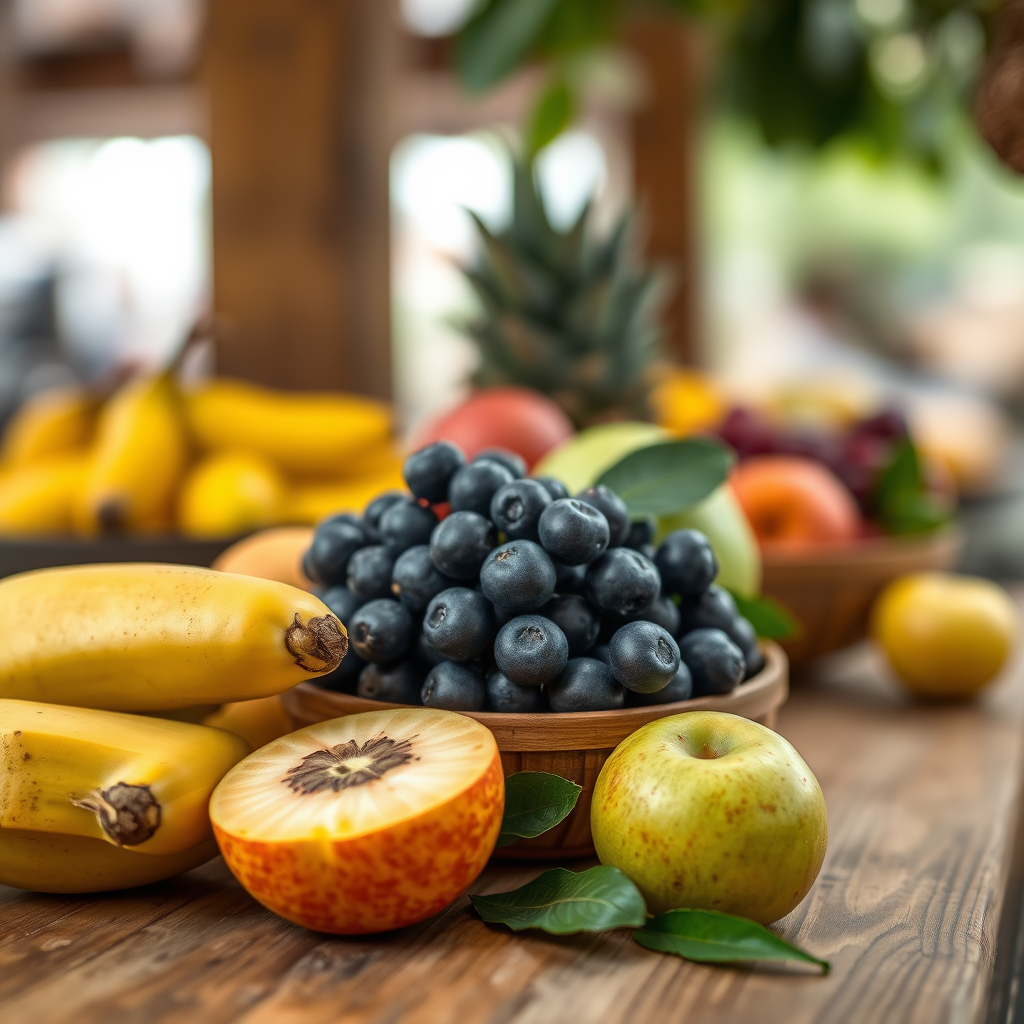
Navigating food choices with diabetes can feel a bit like solving a puzzle, and fruit often presents a common question mark. It’s true that fruit contains natural sugars, primarily fructose, along with carbohydrates, which do affect blood glucose levels. When you eat fruit, your body breaks down these carbohydrates into glucose, which then enters your bloodstream. However, the story doesn’t end there, and not all carbohydrates are created equal!
The crucial difference lies in the fiber content present in whole fruits. This dietary fiber, both soluble and insoluble, acts like a natural regulator in your digestive system. It helps slow down the absorption of those natural sugars, preventing rapid spikes in blood sugar. Instead of a sudden rush, you get a more gradual, sustained release of glucose into your bloodstream, which is exactly what we aim for in diabetes management. This is why a whole apple, with its skin intact, is far more beneficial than a glass of apple juice.
To make informed choices, two valuable tools come into play: the Glycemic Index (GI) and Glycemic Load (GL). The Glycemic Index is a ranking system (from 0 to 100) that indicates how quickly a specific food containing carbohydrates raises your blood sugar levels after consumption. Foods with a low GI (55 or less) are digested and absorbed more slowly, leading to a gentler rise in blood glucose. The Glycemic Load, on the other hand, takes both the GI and the amount of carbohydrates in a typical serving into account, offering an even more practical measure of a food’s real-world impact on blood sugar. Understanding these concepts empowers you to choose fruits that work with your body, not against it.
The Top Low-Glycemic Fruit Choices
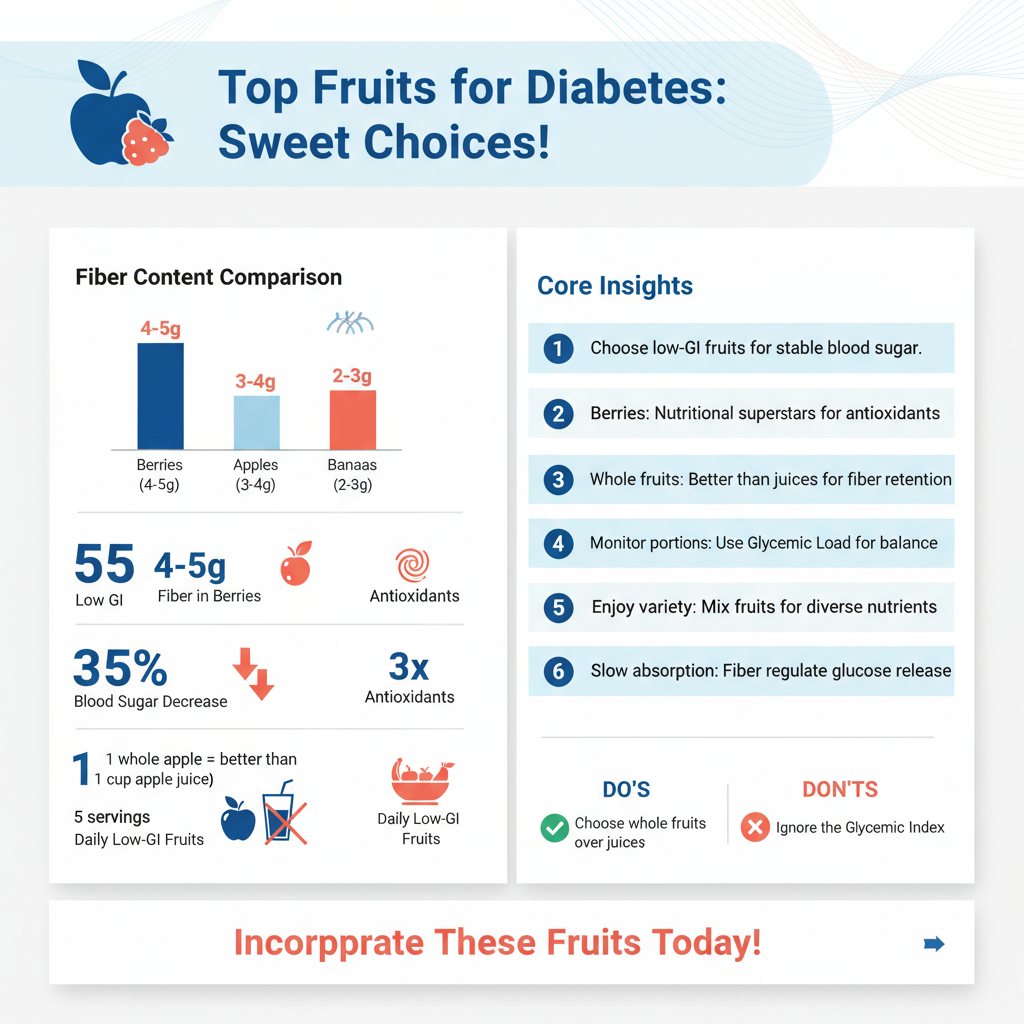
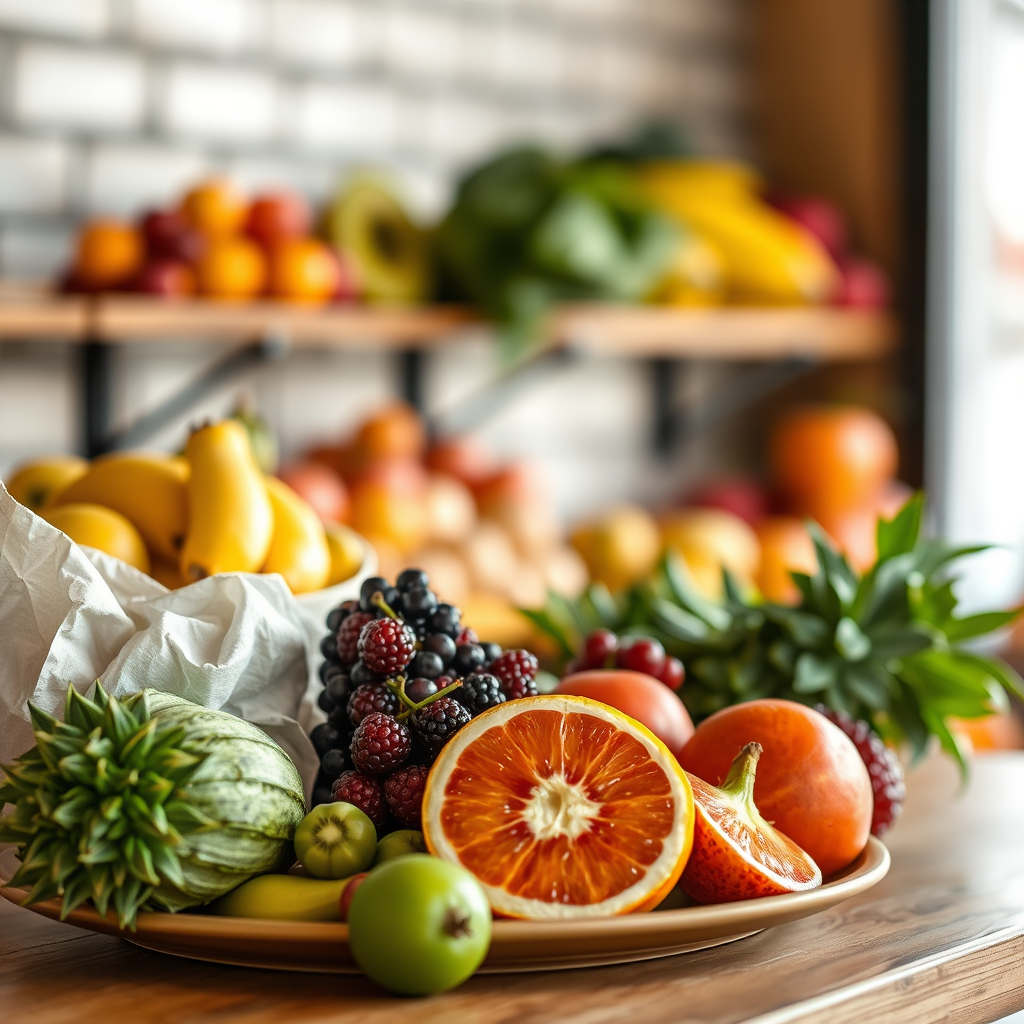
When it comes to selecting fruits that are gentle on blood sugar, focusing on low-GI options rich in fiber is your best bet. These natural powerhouses not only taste delicious but also deliver a wealth of vitamins and antioxidants without causing drastic blood sugar fluctuations.
* Berries (strawberries, blueberries, raspberries, blackberries): These vibrant little gems are truly nutritional superstars for anyone, especially those managing diabetes. Packed with an incredible array of antioxidants (like anthocyanins, which give blueberries their color), vitamins (especially Vitamin C), and dietary fiber, berries are excellent low-GI options. A cup of raspberries, for instance, can contain a whopping 8 grams of fiber, significantly slowing down sugar absorption. They make fantastic additions to breakfast cereals, yogurt, salads, or simply enjoyed as a refreshing snack on their own. Their natural sweetness satisfies cravings without a sugar crash, making them a go-to choice.
* Apples and Pears: An apple a day might just help keep those blood sugar spikes away! Both apples and pears are wonderful sources of soluble fiber, particularly pectin, which is incredibly beneficial for blood sugar management. Soluble fiber dissolves in water to form a gel-like substance in your gut, slowing down digestion and the release of glucose into your bloodstream. Eating these fruits with their skin on is crucial, as that’s where a significant portion of their fiber and beneficial compounds reside. They generally have a moderate GI when eaten whole and raw, making them a smart choice for a snack or part of a meal. A crisp apple or a juicy pear provides satisfying crunch and sweetness.
* Citrus Fruits (oranges, grapefruits, lemons, limes): Zesty and refreshing, citrus fruits are another fantastic category for diabetics. They are naturally low in GI and bursting with Vitamin C, essential for immune function, as well as a good amount of fiber and various phytonutrients. Grapefruit, in particular, has a very low GI and is known for its potential benefits in insulin sensitivity, though it’s important to be aware of potential interactions with certain medications. Oranges offer a good dose of fiber and hydration. Lemons and limes, while often used as flavor enhancers rather than eaten whole, contribute negligible sugar and can elevate the taste of water, teas, and meals without adding carbohydrates. Enjoy a whole orange as a snack or add grapefruit segments to your salad for a burst of flavor and nutrients.
Enjoying Moderate-Glycemic Fruits in Moderation
While some fruits boast a lower GI, others have a slightly higher natural sugar content and a moderate GI. This doesn’t mean they’re off-limits; it simply means they require a bit more mindful consumption. The key here is balance, awareness, and smart strategies.
* Bananas, Mangoes, and Grapes: These delicious and popular fruits fall into the moderate-GI category. Bananas, especially when ripe, contain more natural sugars. Mangoes are incredibly sweet and satisfying, while grapes, though small, can add up quickly in terms of sugar content due to their easy-to-eat nature. They are still nutritious, offering potassium, vitamins, and antioxidants, but their impact on blood sugar is more pronounced than berries or apples. The good news is you don’t have to give them up entirely!
* Portion Control is Key: This is perhaps the most critical strategy when enjoying moderate-glycemic fruits. A typical serving of a moderate-GI fruit might be smaller than you think. For example, instead of a whole large banana, opt for half a medium banana. For mangoes, stick to about half a cup. For grapes, a small handful (around 15-20 grapes) is a sensible portion. Using measuring cups can be very helpful initially to train your eye to appropriate serving sizes. Monitoring your blood sugar levels before and after consuming these fruits in different portions can also help you understand your personal tolerance.
* Pairing Strategy: A clever way to enjoy these fruits while minimizing blood sugar spikes is to combine them with foods that contain protein or healthy fats. This pairing strategy further slows down the digestion and absorption of sugars. Think about enjoying a small banana with a handful of almonds or walnuts, or adding a few slices of mango to Greek yogurt with some chia seeds. The protein and fat provide satiety and create a more gradual glucose response, turning a potentially quick sugar hit into a more balanced and sustained energy release.
Fruits to Be Cautious With or Avoid
While the emphasis is often on what you can eat, it’s equally important to be aware of fruit forms that can quickly derail blood sugar management due to their concentrated sugar content or lack of beneficial fiber. These options should be consumed sparingly, if at all.
* Dried Fruits (raisins, dates, dried cranberries): Think of dried fruit as fresh fruit with all the water removed, leaving behind a highly concentrated dose of sugar and carbohydrates in a much smaller package. A small box of raisins, for example, can contain the same amount of sugar as a much larger portion of fresh grapes, but it’s far easier to overeat. Dates are particularly notorious for their high sugar content. While they do retain some fiber, the sheer volume of sugar means they can cause rapid and significant blood sugar spikes. If you absolutely crave them, consider having just one or two small pieces and pairing them with a handful of nuts to mitigate the impact.
* Canned Fruits in Syrup: This is another category to approach with extreme caution. Canned fruits packed in heavy syrup or even light syrup often have substantial amounts of added sugars, which are exactly what individuals with diabetes need to avoid. These added sugars contribute empty calories and can lead to immediate and unwanted blood glucose surges. Furthermore, the canning process can sometimes reduce the nutritional integrity and fiber content compared to fresh fruit. Always check the label and opt for canned fruits packed in water or their own juice with “no added sugar,” and then rinse them before consuming to remove any residual syrup. However, fresh or frozen unsweetened fruit is always the superior choice.
* Fruit Juices: This is arguably one of the biggest culprits when it comes to problematic fruit consumption for diabetics. Even 100% fruit juice, without any added sugars, lacks the crucial fiber that whole fruits provide. When you drink juice, the sugars hit your bloodstream almost instantly, leading to a rapid and pronounced blood sugar spike—much like drinking a soda. Your body processes the liquid form of fruit much differently and much faster than it processes solid, fiber-rich fruit. While a small amount might be okay for treating hypoglycemia (low blood sugar), for regular consumption, fruit juice should be largely avoided in favor of whole fruit and water.
Practical Tips for Including Fruit in Your Diet
Successfully incorporating fruit into a diabetic-friendly diet is all about smart choices and mindful habits. It’s not about restriction, but about optimization. Here are some actionable tips to help you enjoy the goodness of fruit without compromising your health goals.
* Opt for Whole Fruits: This is the golden rule! Always prioritize fresh or frozen unsweetened whole fruits over processed options like juices or dried fruits. Whole fruits come complete with their natural fiber, which is your best friend in managing blood sugar. Frozen berries, for example, are just as nutritious as fresh ones and are often more convenient and economical. Keep a variety of whole fruits readily available for easy snacking and meal additions.
* Mind Your Portions: Even with low-GI fruits, quantity matters. While they may not spike your blood sugar as quickly, consuming very large portions can still lead to an excessive carbohydrate intake, eventually impacting your glucose levels. Distribute your fruit intake throughout the day rather than consuming a large amount at once. For instance, have a handful of berries with breakfast, an apple slice with lunch, and a small orange as an afternoon snack. This helps spread out carbohydrate consumption and keeps blood sugar steadier. Using a food scale or measuring cups can be incredibly helpful when you’re first learning appropriate portion sizes.
* Combine Smartly: As touched upon earlier, strategic pairing is a powerful tool. Combining fruit with meals or snacks that include protein or healthy fats can significantly help balance digestion and blood sugar response. For example, enjoy apple slices with a tablespoon of natural peanut butter, add berries to a Greek yogurt parfait, or mix some chopped pears into a cottage cheese snack. The protein and fat provide satiety, slow down gastric emptying, and create a more sustained release of energy, preventing sharp blood sugar peaks. This strategy also makes your snacks more filling and satisfying.
Beyond Blood Sugar: The Broader Health Benefits
While managing blood sugar is a primary concern for individuals with diabetes, it’s essential to remember that fruits offer a treasure trove of benefits that extend far beyond glucose control. Incorporating the right fruits into your diet contributes significantly to your overall health and well-being.
* Nutrient Powerhouses: Fruits are veritable powerhouses of essential vitamins, minerals, and a vast array of antioxidants. They supply crucial nutrients like Vitamin C for immune support, potassium for blood pressure regulation, folate for cell health, and various B vitamins for energy metabolism. The antioxidants, such as flavonoids, carotenoids, and anthocyanins, found abundantly in colorful fruits, help combat oxidative stress in the body, which is particularly important for individuals with diabetes who may be at a higher risk of oxidative damage. These compounds work synergistically to protect cells and reduce inflammation, supporting holistic health.
* Fiber for Digestion and Satiety: We’ve highlighted fiber’s role in blood sugar management, but its benefits don’t stop there. The high fiber content in fruits is excellent for digestive health, promoting regularity and preventing constipation. Both soluble and insoluble fibers contribute to a healthy gut microbiome, which is increasingly recognized as vital for overall health, including metabolic function. Furthermore, fiber adds bulk to your diet without adding many calories, which promotes feelings of fullness and satiety. This can be incredibly helpful for weight management, a critical aspect of diabetes care, as maintaining a healthy weight often improves insulin sensitivity.
* Chronic Disease Prevention: Regular consumption of fruits, especially those rich in antioxidants and fiber, plays a significant role in reducing the risk of various chronic diseases. The nutrients in fruits contribute to heart health by helping to lower cholesterol levels and maintain healthy blood pressure. They also help reduce systemic inflammation, a known contributor to many chronic conditions. By supporting overall cellular health and reducing oxidative stress, consistent fruit intake can help lower the risk of certain cancers, improve cognitive function, and contribute to a longer, healthier life. It’s a delicious investment in your long-term health.
Incorporating the right fruits into a diabetic diet is entirely possible and highly beneficial for overall health. By focusing on low-GI, high-fiber options and practicing mindful portion control, you can absolutely enjoy the natural sweetness and nutritional advantages that fruits offer. Remember that individual responses to foods can vary widely based on factors like medication, activity level, and overall diet, so monitoring your blood sugar levels is always recommended as you introduce new foods or adjust portions. For personalized dietary advice tailored to your specific health needs and to ensure you’re making the best choices for your unique situation, always consult with your healthcare professional or a registered dietitian. They can provide guidance that’s perfectly aligned with your health goals.
Frequently Asked Questions
What are the best fruits for diabetics to help manage blood sugar?
The best fruits for diabetics are generally those with a low glycemic index (GI) and high fiber content. Excellent choices include berries (strawberries, blueberries, raspberries), cherries, grapefruit, oranges, kiwis, and apples. These fruits provide essential vitamins, antioxidants, and natural sweetness without causing rapid blood sugar spikes, making them highly beneficial for blood sugar management.
How does fruit consumption affect blood sugar levels for someone with diabetes?
Fruit consumption can affect blood sugar levels due to its natural sugar content (fructose). However, the fiber in whole fruits helps slow down sugar absorption, leading to a more gradual rise in blood glucose compared to processed sugars. Diabetics should prioritize whole fruits with a lower glycemic index and practice portion control to effectively manage their blood sugar response.
Which fruits should diabetics eat in moderation or be cautious about due to higher sugar content?
While all fruits offer nutrients, diabetics should consume certain fruits in moderation due to their higher sugar content or higher glycemic index. This list includes very ripe bananas, mangoes, pineapples, watermelon, and all dried fruits like dates, raisins, and dried cranberries, which have concentrated sugars. Careful portioning is crucial for these delicious options to avoid significant blood sugar spikes.
Why is consuming whole fruit generally better than fruit juice for individuals with diabetes?
Whole fruits are significantly better than fruit juice for diabetics because they retain their natural dietary fiber. This fiber helps to slow down the absorption of sugar into the bloodstream, preventing sharp blood sugar spikes. In contrast, fruit juices, even 100% natural ones, lack this beneficial fiber and deliver a concentrated dose of sugar, which can lead to a rapid and undesirable rise in blood glucose levels.
What are practical tips for diabetics to incorporate fruit into their diet without negatively impacting blood sugar?
Practical tips for diabetics to enjoy fruit safely include focusing on portion control, always choosing whole fruits over juices, and pairing fruit with a source of protein or healthy fat (like a handful of nuts, Greek yogurt, or cheese). Additionally, monitoring individual blood sugar responses to different fruits can help personalize dietary choices, ensuring fruit remains a nutritious and enjoyable part of a diabetic meal plan.
References
- Best Fruit Choices for Diabetes | ADA
- https://www.mayoclinic.org/diseases-conditions/diabetes/expert-answers/diabetes-and-fruit/faq-20057790
- Diabetes • The Nutrition Source
- https://www.ucsfhealth.org/education/eating-healthy-with-diabetes
- https://www.extension.purdue.edu/extmedia/FS/FS-26-W.pdf
- Diet in diabetes
