
For diabetics seeking the best whole grain bread, options low in glycemic index, rich in fiber, and made from 100% whole or sprouted grains with minimal added sugars are paramount. Breads like Ezekiel 4:9 Sprouted Whole Grain, select varieties of Dave’s Killer Bread (such as Powerseed), and truly 100% whole wheat brands often stand out as excellent choices due to their superior nutritional profile and positive impact on blood sugar management. This comprehensive guide will help you navigate the often-confusing bread aisle to make informed decisions that support your health goals without sacrificing the joy of a good slice of toast or sandwich.
Why Whole Grains Matter for Diabetics

Choosing the right kind of bread is a small but significant step in managing diabetes effectively. Whole grains are not just a buzzword; they offer tangible benefits that refined grains simply can’t match, especially when it comes to blood sugar control.
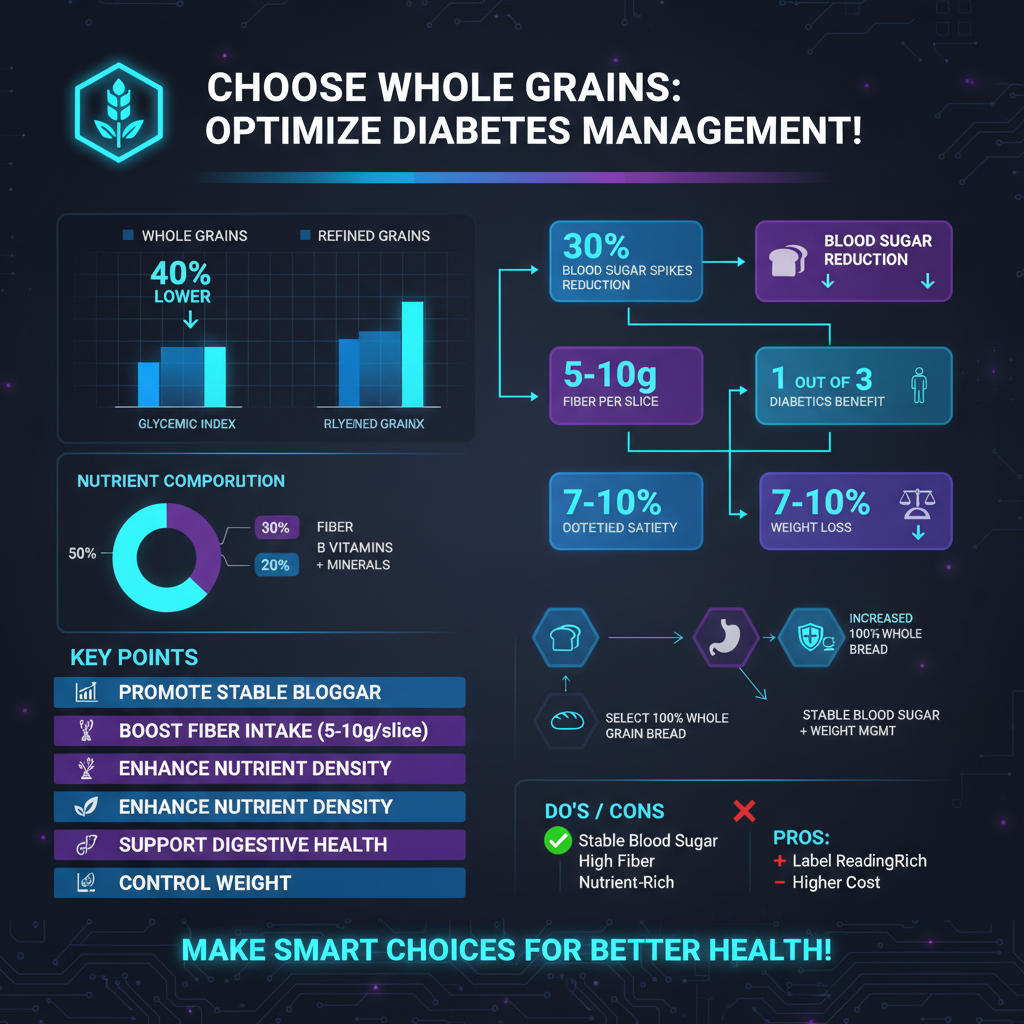
* Stable Blood Sugar: The primary reason whole grains are a hero for diabetics lies in their ability to promote more stable blood sugar levels. Unlike refined grains, which are stripped of their bran and germ, whole grains retain all three parts of the kernel: the bran, germ, and endosperm. This intact structure means they have a lower glycemic index (GI). Foods with a lower GI are digested and absorbed more slowly, leading to a slower and more gradual rise in blood sugar, rather than the sharp spikes associated with high-GI foods. This steadier release of glucose is crucial for preventing hyperglycemia and reducing the burden on the body’s insulin response.
* High Fiber Content: Fiber is a superstar nutrient, and whole grains are packed with it. The high fiber content in whole grains plays a multifaceted role in diabetes management. Firstly, fiber slows down the absorption of carbohydrates in the digestive tract, further contributing to a more even blood sugar response. Secondly, dietary fiber, particularly soluble fiber, has been shown to improve digestive health by promoting regularity and feeding beneficial gut bacteria. Lastly, fiber can contribute to better cholesterol levels by binding with cholesterol particles and aiding their excretion. Beyond these benefits, fiber also enhances satiety, helping you feel fuller for longer, which can be invaluable for weight management—a key component of diabetes care.
* Nutrient Density: Beyond just fiber, whole grains are powerhouses of essential nutrients that are often lost during the refining process. They are rich in B vitamins (like thiamine, riboflavin, niacin, and folate) which are vital for energy metabolism. You’ll also find important minerals such as magnesium (critical for insulin sensitivity and blood pressure regulation), iron (for oxygen transport), and zinc (for immune function and wound healing). Furthermore, whole grains contain a wealth of antioxidants, compounds that help protect your cells from damage caused by free radicals, potentially reducing the risk of diabetes complications.
Key Nutrients to Look For on Bread Labels

Navigating the bread aisle can be tricky, as many products are cleverly marketed to sound healthy but may not deliver. Becoming a savvy label reader is your best defense against misleading claims. Here’s what you absolutely need to scrutinize on a bread label:
* “100% Whole Grain” or “100% Whole Wheat”: This is perhaps the single most important declaration to look for. The word “whole” is key! If a label simply says “wheat bread,” it often means it’s made primarily from refined white flour with some wheat added for color, or it could be a blend of whole and refined grains. Similarly, “multigrain” only indicates that there are multiple types of grains, but not necessarily that they are *whole* grains. Always check the ingredient list, and ensure that “100% whole wheat flour,” “100% whole grain flour,” or a specific whole grain like “whole rye” is listed as the very *first* ingredient. Look for the Whole Grain Stamp from the Whole Grains Council, which guarantees a certain amount of whole grain per serving. This stamp, often a yellow-and-black logo, makes identifying genuine whole grain products much easier.
* High Fiber Content: For optimal blood sugar control and satiety, aim for breads that provide at least 3-5 grams of fiber per slice. This target helps ensure that the bread contributes meaningfully to slowing down carbohydrate absorption. To put it into perspective, many standard white breads offer less than 1 gram of fiber per slice, making their impact on blood sugar much more rapid. A higher fiber count will not only help manage your glucose levels but also keep you feeling satisfied, reducing the likelihood of overeating or snacking on less healthy options later. Remember, every gram of fiber counts towards your daily recommended intake, which is typically 25-38 grams.
* Low Added Sugars: This is a crucial element often overlooked. Many commercial breads, even those marketed as “healthy,” can contain surprising amounts of added sugars to improve taste and shelf life. Check the “Added Sugars” line on the nutrition facts panel. Ideally, you want to choose breads with less than 2-3 grams of added sugar per serving (typically one slice). Also, scour the ingredient list for common sugar aliases: high-fructose corn syrup, dextrose, molasses, honey, brown sugar, sucrose, corn syrup, malt syrup, fruit juice concentrate, and even “evaporated cane juice.” These are all forms of sugar that can contribute to unwanted blood sugar spikes and empty calories. The shorter the ingredient list and the fewer the unfamiliar sweeteners, the better.
Top Whole Grains and Bread Types Recommended
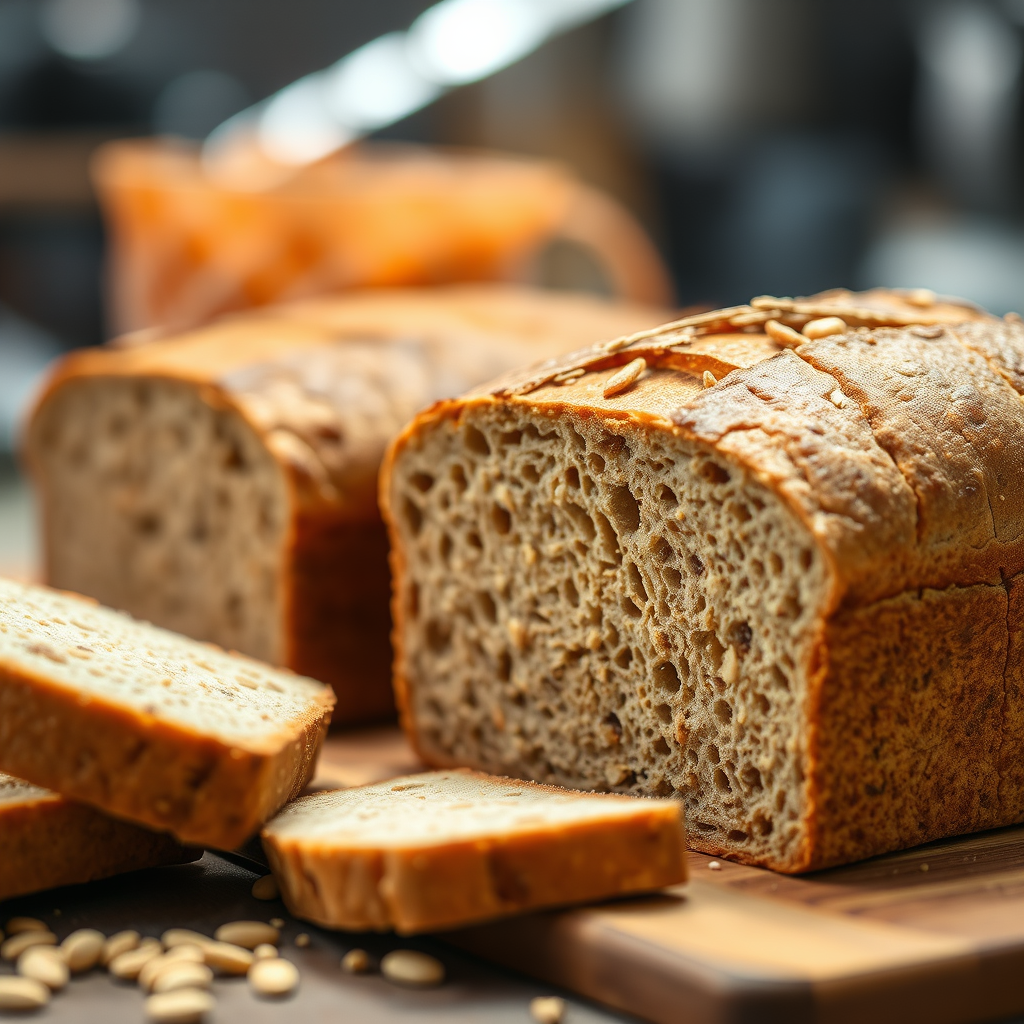
Once you’ve mastered label reading, it’s helpful to know which specific whole grains and bread types offer the most benefits for diabetes management. Some grains have unique properties that make them particularly good choices.
* Sprouted Grains: Breads made from sprouted grains, such as the popular Ezekiel bread, are often considered a gold standard for diabetics. The sprouting process involves allowing the whole grain kernel to begin germinating before it’s ground into flour. This process breaks down some of the starches, making the carbohydrates easier to digest and potentially reducing the glycemic index even further compared to non-sprouted whole grains. Sprouting also enhances the bioavailability of nutrients like B vitamins, vitamin C, and folate, and can increase protein content. Furthermore, the sprouting process can reduce anti-nutrients (like phytates) that can inhibit mineral absorption. The result is a bread that’s often easier on the digestive system and delivers a slower, more sustained energy release.
* Whole Oats & Barley: These ancient grains are champions when it comes to soluble fiber, particularly a type called beta-glucan. Beta-glucan is renowned for its heart-healthy benefits, including its ability to lower LDL (“bad”) cholesterol. More importantly for diabetics, beta-glucan forms a gel-like substance in the digestive tract, which effectively slows down the absorption of glucose into the bloodstream. This leads to a smoother, more controlled blood sugar response after meals. Look for breads that prominently feature whole oats or barley as key ingredients, ensuring they are 100% whole grain versions. Oatmeal bread made with steel-cut or rolled oats can be a great option, provided it meets the fiber and low-sugar criteria.
* Whole Rye Bread: Dark, dense, and often sourdough-based, whole rye bread, especially pumpernickel, typically boasts a lower glycemic index than most whole wheat breads. This is partly due to its unique fiber composition and the way starch molecules in rye flour are structured. Rye’s fiber content can be quite high, and it tends to be more concentrated than in wheat. For the best benefits, seek out breads that are specifically labeled “100% whole rye” or “100% pumpernickel.” Be wary of “light rye” or “rye blend” breads, as these often contain a significant proportion of refined wheat flour and added sugars, diminishing their health benefits. The denser, darker varieties are usually the best bet for blood sugar management.
Recommended Whole Grain Bread Brands and Products
With so many options out there, it’s helpful to have a few trusted brands and specific products in mind that consistently deliver on their promise of whole grain goodness suitable for diabetics.
* Ezekiel 4:9 Sprouted Whole Grain Bread: Often topping the lists of recommended breads for health-conscious individuals, Ezekiel 4:9 is a true standout. It’s made from a unique combination of sprouted organic grains and legumes—wheat, barley, beans, lentils, millet, and spelt. This blend provides a complete protein profile, something rarely found in bread. Crucially, Ezekiel bread contains no added sugar, no artificial ingredients, and is incredibly high in fiber. Its sprouted nature means easier digestion and a lower glycemic impact. You’ll often find it in the freezer section of health food stores or larger supermarkets, which helps preserve its freshness without relying on preservatives. They also offer other sprouted varieties like cinnamon raisin (check sugar carefully) and gluten-free options.
* Dave’s Killer Bread (Powerseed, 21 Whole Grains and Seeds): Dave’s Killer Bread has gained immense popularity for its hearty texture and robust flavor. Many of their varieties are excellent choices, but it’s essential to be selective and always, *always* check the nutrition label. The Powerseed variety is particularly recommended for diabetics because of its substantial fiber content (5g per slice), good protein (5g per slice), and relatively lower sugar content (often 1g added sugar per slice) compared to some other DKB offerings. Another good option is the 21 Whole Grains and Seeds, which also offers a strong fiber and protein punch. However, some of their sweeter varieties, like “Good Seed” or “Sweet Oats & Flax,” might contain higher amounts of added sugar. Therefore, comparing labels for fiber, protein, and especially added sugar content across different Dave’s Killer Bread products is critical to ensure it aligns with your dietary needs.
* Pepperidge Farm 100% Whole Wheat or Oroweat/Arnold/Brownberry 100% Whole Wheat: For more widely available and affordable options, several mainstream brands offer excellent 100% whole wheat breads. Pepperidge Farm’s 100% Whole Wheat is a solid choice, often with good fiber content. Similarly, brands like Oroweat, Arnold, and Brownberry (which are often regional names for the same company) also produce dedicated 100% Whole Wheat varieties that can be suitable. The key here, again, is the “100% Whole Wheat” declaration on the packaging. Do not settle for “whole wheat bread” without the “100%.” Even within these brands, specific product lines can vary, so the golden rule of checking the nutrition label for fiber content (aiming for 3-5g per slice) and minimal added sugars (less than 2-3g per slice) still applies. These options can be a convenient and healthy staple if you select wisely.
Smart Eating: Portion Control and Pairings
Even the healthiest whole grain bread needs to be consumed thoughtfully within a diabetes management plan. It’s not just about what you eat, but how much and with what.
* Mindful Portions: While whole grain bread is a better choice, it still contains carbohydrates, which will impact blood sugar. Therefore, mindful portion control is essential. Stick to the recommended serving size, which is typically one slice of bread. Depending on your individual dietary plan, carbohydrate allowance, and activity levels, you might adjust this, but always start with the standard serving. For individuals counting carbohydrates, understanding the carb content per slice is paramount for accurate meal planning. Overdoing even the “best” bread can lead to unwanted blood sugar spikes, so moderation is key.
* Pair with Protein & Healthy Fats: One of the most effective strategies to further stabilize blood sugar when consuming carbohydrates is to pair them with protein and healthy fats. Both protein and fats slow down gastric emptying, meaning the food moves more slowly through your digestive system, which in turn slows down the absorption of glucose into your bloodstream. This significantly helps to blunt the post-meal blood sugar spike. For example, instead of just toast, try avocado toast with a hard-boiled egg. A sandwich with lean turkey or chicken breast and a generous smear of hummus or nut butter (unsweetened, of course!) will be much more blood-sugar friendly than just bread and jam. These pairings also increase satiety, keeping you fuller and more satisfied for longer.
* Monitor Blood Sugar: Diabetes management is highly individualized, and what works perfectly for one person might be different for another. The best way to truly understand how different breads (and different pairings) affect *your* body is to monitor your blood sugar levels. Test your glucose before eating a particular bread and then again about 1-2 hours afterward. Pay attention to how your body responds. This personalized feedback is incredibly valuable and will help you fine-tune your choices, build confidence in your food selections, and ultimately find the perfect whole grain bread that fits seamlessly into your unique diabetes management plan. Keeping a food diary alongside your blood sugar readings can reveal important patterns.
Choosing the best whole grain bread for managing diabetes comes down to careful label reading, prioritizing fiber and low added sugars, and opting for true whole or sprouted grains. By focusing on products like Ezekiel or specific high-fiber, low-sugar 100% whole wheat options, and practicing smart portion control and food pairings, you can confidently enjoy bread as part of a balanced and delicious diet. Remember, your journey to better health is unique, so always consult with your doctor or a registered dietitian to tailor these recommendations to your individual health needs and ensure they align with your overall diabetes management plan.
Frequently Asked Questions
What are the key features to look for in the best whole grain bread for diabetics?
When selecting the best whole grain bread for diabetics, prioritize options where “whole” is the first ingredient, ensuring it’s genuinely 100% whole grain. Look for high fiber content (at least 3g per slice) as fiber helps stabilize blood sugar levels by slowing glucose absorption. Additionally, check for minimal added sugars (under 2-3g per slice), a moderate protein content, and ideally a lower glycemic index to support healthy blood sugar management.
Why is 100% whole grain bread generally better for blood sugar management than refined grain breads?
100% whole grain bread is superior for blood sugar management because it retains the germ, bran, and endosperm, packing significantly more fiber and nutrients. The high fiber content naturally slows down the digestion and absorption of carbohydrates into the bloodstream, preventing rapid blood sugar spikes often caused by refined grain breads. This sustained energy release helps maintain more stable blood glucose levels, which is crucial for individuals managing diabetes.
How can I identify truly 100% whole grain bread when labels can be confusing?
To identify truly 100% whole grain bread, always check the ingredient list for the word “whole” as the very first ingredient, such as “100% whole wheat flour” or “whole rye flour.” Be wary of terms like “multigrain,” “wheat flour,” or “enriched flour,” which often indicate a blend with refined grains that can negatively impact blood sugar. A “100% Whole Grain” stamp from organizations like the Whole Grains Council or a high fiber count per serving are also reliable indicators of a diabetic-friendly choice.
Which specific types of whole grain breads are often recommended for people with diabetes?
For individuals with diabetes, excellent whole grain bread choices often include 100% whole wheat bread, sprouted grain bread, and authentic rye bread. Sprouted grain breads frequently have a lower glycemic index due to the sprouting process, while dense, traditional rye bread (without added sugars) is rich in beneficial fiber. Sourdough bread made with whole grains can also be a good option, as its fermentation process may slightly reduce its glycemic impact compared to conventional breads.
Are there any specific ingredients or additives to avoid when choosing whole grain bread for diabetes?
When choosing whole grain bread for diabetes, it’s crucial to avoid excessive added sugars, often listed as high-fructose corn syrup, honey, molasses, or dextrose, especially if they appear early in the ingredient list. Also, steer clear of breads where “enriched flour,” “bleached flour,” or “wheat flour” (without “whole”) are primary ingredients, as these indicate refined grains that can rapidly spike blood sugar. Opting for breads with minimal preservatives and artificial ingredients further supports overall health and better blood glucose control.
References
- https://diabetes.org/food-and-fitness/eating-well/recipes-nutrition/healthy-food-choices/whole-grains-fiber
- Diabetes diet: Create your healthy-eating plan – Mayo Clinic
- Whole Grains • The Nutrition Source
- A good guide to good carbs: The glycemic index – Harvard Health
- https://www.cdc.gov/diabetes/managing/eat-well/index.html
- Healthy Living with Diabetes – NIDDK
- https://diabetes.org/food-and-fitness/eating-well/recipes-nutrition/healthy-food-choices/whats-in-a-food-label
