
Choosing the best protein drink for managing diabetes involves prioritizing options that are low in added sugars and carbohydrates, high in quality protein, and ideally contain fiber or healthy fats to support stable blood glucose levels. The key is to select products specifically formulated with diabetic health in mind, focusing on their nutritional composition rather than just protein content alone. This guide will help you understand what makes a protein drink suitable for diabetics and how to make informed choices.
Why Protein is Crucial for Diabetics

Protein plays a powerhouse role in helping individuals with diabetes manage their condition and improve overall health. Its unique properties can significantly impact blood sugar control, weight management, and metabolic well-being.
* Blood Sugar Management: One of protein’s most important functions for diabetics is its ability to help stabilize blood glucose. Unlike carbohydrates, protein doesn’t cause a rapid spike in blood sugar. Instead, it slows down the absorption of glucose into the bloodstream, leading to a more gradual and controlled rise in blood sugar levels after meals. This “flattening” effect on the glycemic curve is incredibly beneficial, preventing the sharp peaks and valleys that can be challenging for those managing diabetes. Including protein with meals, or as a snack, can make a significant difference in post-meal glucose responses.
* Increased Satiety: If you’re looking for a way to feel fuller for longer, protein is your friend! High-protein foods and drinks are renowned for their ability to boost satiety, meaning they keep you feeling satisfied and less hungry between meals. This isn’t just about feeling good; it’s a powerful tool for weight management. For people with diabetes, maintaining a healthy weight is often crucial for improving insulin sensitivity and better blood sugar control. By reducing cravings and preventing overeating, protein drinks can be a strategic component of a balanced dietary plan aimed at managing weight and, consequently, diabetes.
* Muscle Preservation & Growth: Muscle mass isn’t just for athletes; it’s vital for everyone, especially those with diabetes. Muscles are major consumers of glucose, meaning they help remove sugar from your bloodstream. Maintaining and building muscle mass through adequate protein intake and regular exercise can significantly improve insulin sensitivity, allowing your body to use insulin more effectively. This translates to better metabolic health and a reduced risk of complications associated with diabetes. Protein provides the essential amino acids needed for muscle repair and growth, ensuring your body has the building blocks it needs to stay strong and metabolically active.
Essential Nutritional Criteria for Diabetic-Friendly Protein Drinks
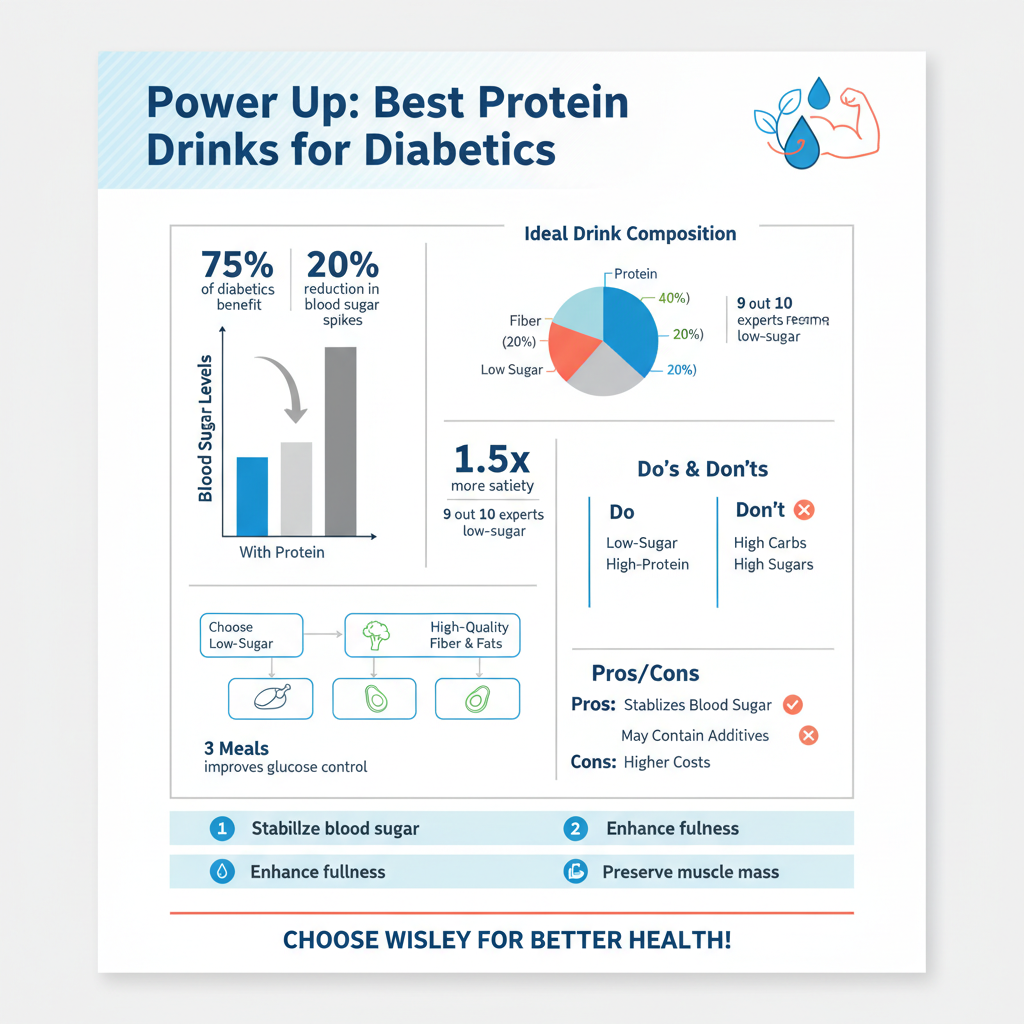

When navigating the world of protein drinks, knowing what to look for on the nutrition label is key to making a diabetic-friendly choice. Focus on these critical nutritional criteria to ensure you’re picking a product that supports your health goals.
* Low in Added Sugars: This is perhaps the most crucial factor. Added sugars can wreak havoc on blood glucose levels, causing rapid and undesirable spikes. When scanning labels, aim for products with 0-5 grams of added sugar per serving. Many protein drinks are sweetened with natural or artificial sweeteners, which we’ll discuss later, but high amounts of actual sugar (like sucrose, dextrose, high-fructose corn syrup) should be avoided. A lower sugar count helps prevent unnecessary glucose loads and supports stable blood sugar.
* Controlled Carbohydrate Count: While some carbohydrates are necessary for energy, it’s vital to control their quantity in protein drinks for diabetics. Look for options with a low total carbohydrate count, ideally below 10-15 grams per serving, especially if you’re using it as a snack. Even better, prioritize drinks where a significant portion of those carbohydrates comes from fiber rather than simple sugars. Fiber helps slow digestion and absorption, further aiding blood sugar management.
* High-Quality Protein Source: Not all protein is created equal. A high-quality protein source ensures you’re getting a complete profile of essential amino acids, which are the building blocks your body needs. For dairy-based options, whey protein isolate and casein are excellent choices. Whey isolate, in particular, has very little lactose and carbohydrates. For plant-based alternatives, pea protein, soy protein, and blends of rice and hemp can provide a complete amino acid profile. These sources are easily digestible and provide sustained benefits.
* Beneficial Fats & Fiber: The inclusion of healthy fats and dietary fiber can further enhance a protein drink’s suitability for diabetics. Healthy fats, such as those found in nuts, seeds (like chia or flax), or avocado oil, can help slow gastric emptying, contributing to greater satiety and a more gradual rise in blood sugar. Similarly, fiber plays a crucial role in managing blood glucose by slowing carbohydrate digestion and absorption. A drink containing 3 grams or more of fiber per serving is a good bonus, supporting both blood sugar control and digestive health.
Ingredients to Scrutinize and Avoid
Being an informed consumer means not just looking at the big numbers, but also diving into the ingredient list. Certain ingredients can undermine the benefits of a protein drink, particularly for those managing diabetes.
* Excessive Added Sugars: This bears repeating because it’s so important. Beyond the “Added Sugars” line on the nutrition panel, look for these common culprits hidden in the ingredient list: high-fructose corn syrup, sucrose, dextrose, maltodextrin, cane sugar, brown rice syrup, agave nectar, and even fruit juice concentrates. These ingredients are essentially pure sugar and will cause rapid blood glucose spikes. Even seemingly healthier options like honey or maple syrup are still added sugars and should be consumed in very limited quantities. The goal is to minimize direct sugar intake to protect your blood sugar stability.
* Unhealthy Fats: While some fats are beneficial, others are best avoided or limited, especially for individuals with diabetes who often have an increased risk of cardiovascular disease. Scrutinize ingredients like partially hydrogenated oils (a source of unhealthy trans fats) or excessive amounts of highly saturated fats (like palm oil or coconut oil, if not balanced with other healthy fats). Opt for drinks that incorporate healthy monounsaturated and polyunsaturated fats from sources like flaxseed, chia seeds, or nuts, which support heart health and satiety without negative impacts.
* Artificial Sweeteners (Use with Caution): Many “sugar-free” protein drinks rely on artificial sweeteners like sucralose, aspartame, saccharin, or acesulfame potassium. While these don’t directly raise blood sugar, their long-term effects are still a subject of ongoing research. Some studies suggest they might impact the gut microbiome, potentially leading to altered glucose metabolism in some individuals, or even contribute to increased sugar cravings. It’s often preferred to opt for drinks sweetened with natural, non-caloric alternatives like stevia extract or monk fruit extract, which generally have fewer reported side effects and a more favorable perception among health-conscious individuals. If you do choose artificial sweeteners, do so with caution and observe how your body reacts.
Decoding Protein Drink Labels
The nutrition label is your most powerful tool for making informed decisions. Learning to read it effectively will empower you to choose protein drinks that genuinely support your diabetes management goals.
* Check Total Carbohydrates: Start here. The “Total Carbohydrate” line tells you the total amount of carbs per serving. However, for diabetics, the “net carbs” number is often more relevant for blood sugar impact. To calculate net carbs, take the “Total Carbohydrate” and subtract “Dietary Fiber” and often “Sugar Alcohols” (though use caution with sugar alcohols as they can have a laxative effect in large quantities). For example, if a drink has 15g total carbs and 5g fiber, its net carb count is 10g. This is the carbohydrate amount that will most directly affect your blood sugar. Aim for low net carb counts to prevent spikes.
* Focus on Protein Content: After carbs, move to the protein line. Ensure a minimum of 15-20 grams of protein per serving. This range is generally effective for promoting satiety, supporting muscle maintenance, and helping to stabilize blood sugar. Too little protein, and you might not reap the full benefits. Too much in a single serving might not be efficiently utilized by the body, though it’s less of a concern than excessive carbs or sugar. Higher protein content can be especially beneficial if you’re using the drink as a mini-meal or post-workout recovery.
* Analyze Ingredient List: Don’t stop at the nutrition facts! The ingredient list, often found below the nutrition panel, tells you what’s actually *in* the drink. Prioritize products with whole, recognizable ingredients at the top of the list (ingredients are listed in descending order by weight). Be wary of long lists filled with unpronounceable chemicals, artificial flavors, and excessive gums or thickeners. A cleaner ingredient list generally indicates a less processed product, which is often a better choice for overall health, especially for those managing chronic conditions like diabetes. Look for specific protein sources (whey isolate, pea protein), natural sweeteners (stevia, monk fruit), and beneficial additions (chia seeds, flax seeds).
Top Protein Types and Their Suitability
Different protein sources offer unique benefits and characteristics. Understanding these can help you select the best type of protein drink to suit your specific dietary needs and preferences as a diabetic.
* Whey Protein Isolate: Whey protein is derived from milk and is one of the most popular protein sources. Whey protein *isolate* is particularly suitable for diabetics because it undergoes further processing to remove most of the lactose, fat, and carbohydrates, leaving a highly pure protein source. It’s rapidly absorbed by the body, making it an excellent choice for post-workout recovery when muscles need amino acids quickly. Its low carb and sugar content make it a superb option for blood sugar management. Just be sure to choose an *isolate* over a *concentrate* if lactose sensitivity or strict carb control is a concern.
* Casein Protein: Also derived from milk, casein protein stands in contrast to whey due to its slow digestion rate. Casein forms a gel-like substance in the stomach, leading to a gradual and sustained release of amino acids into the bloodstream over several hours. This makes it ideal for promoting long-lasting satiety, which can be beneficial in managing hunger and preventing nighttime cravings, a key aspect of weight management for diabetics. Consuming casein before bedtime can also support overnight muscle repair and recovery, providing a steady stream of nutrients while you sleep.
* Plant-Based Proteins (Pea, Soy, Rice, Hemp): For those with dairy allergies, lactose intolerance, or who follow a vegan diet, plant-based protein powders offer excellent alternatives.
* Pea Protein: A fantastic option, rich in branched-chain amino acids (BCAAs) and easily digestible. It’s a good source of fiber and iron and is generally hypoallergenic. Many pea protein isolates offer a complete amino acid profile, making them nutritionally comparable to whey.
* Soy Protein: A complete protein source that has been shown to potentially help lower LDL (“bad”) cholesterol. Choose non-GMO, organic soy protein isolates to minimize concerns about processing and potential allergens.
* Rice Protein: Often combined with pea protein to create a complete amino acid profile, as rice protein alone can be low in certain essential amino acids. It’s a gentle option for sensitive digestive systems.
* Hemp Protein: A good source of omega-3 and omega-6 fatty acids, as well as fiber. While not a complete protein on its own, it offers valuable nutritional benefits beyond just protein.
When choosing plant-based proteins, look for blends that ensure a complete amino acid profile or combine different plant proteins throughout your day to get all the necessary amino acids.
Practical Tips for Incorporating Protein Drinks
Integrating protein drinks into your diabetes management plan effectively requires a thoughtful approach. Here are some practical tips to help you maximize their benefits.
* Meal Replacement vs. Snack: It’s important to differentiate. A simple protein drink, even a diabetic-friendly one, typically shouldn’t be your sole meal replacement unless it’s specifically formulated as such with a balanced array of macro and micronutrients. Most protein drinks are best utilized as a balanced snack to curb hunger between meals or as a supplement to boost the protein content of a meal. If you want to use it as a meal replacement, consider blending it with other whole foods like a handful of spinach, half an avocado, a tablespoon of chia seeds, or some berries to add fiber, healthy fats, and additional vitamins and minerals, creating a more complete and satisfying nutritional profile.
* Timing: The timing of your protein drink can influence its effectiveness.
* After workouts: A fast-absorbing protein like whey isolate can be beneficial for muscle recovery.
* As a mid-morning or mid-afternoon snack: A protein drink can help stabilize blood sugar between meals, prevent energy dips, and keep hunger at bay, reducing the likelihood of overeating at your next meal.
* To complement a lower-protein meal: If your breakfast or lunch is naturally lower in protein (e.g., a simple salad), adding a small protein drink can boost its satiety and blood sugar stabilizing effects.
* Before bedtime (casein): A slow-digesting protein like casein can provide a sustained release of amino acids overnight and help maintain satiety until morning.
* Consult Your Healthcare Provider: This tip cannot be stressed enough. Before making any significant changes to your diet, including incorporating new supplements like protein drinks, always discuss it with your doctor, a certified diabetes educator, or a registered dietitian. They can provide personalized advice based on your specific health conditions, current medications (some protein sources or ingredients might interact), individual dietary needs, and blood sugar management plan. They can help you determine the appropriate protein intake, identify potential allergens, and ensure the protein drink complements your overall diabetes care strategy without causing unforeseen issues.
Selecting the right protein drink can be a valuable tool in managing diabetes, supporting blood sugar control, and maintaining overall health. By carefully reading labels, prioritizing low-sugar and high-quality protein options, and considering your individual dietary needs, you can confidently choose a drink that complements your diabetic meal plan. Remember to always consult with your healthcare team to ensure the best fit for your specific health requirements.
Frequently Asked Questions
What are the key nutritional factors to consider when choosing a protein drink for diabetics?
When selecting a protein drink for diabetics, prioritize options that are **low in added sugars** and **low in net carbohydrates** to prevent blood sugar spikes. Look for a high protein content, ideally 15-30 grams per serving, and consider drinks that also offer dietary fiber, which further aids in blood sugar control and promotes satiety. Always thoroughly check the nutrition label for these critical components.
How do protein drinks specifically benefit blood sugar management for individuals with diabetes?
Protein plays a vital role in slowing down the digestion and absorption of carbohydrates, leading to a more gradual and stable rise in blood glucose levels, rather than a sharp peak. This helps prevent post-meal sugar spikes, which are particularly challenging for diabetics. Furthermore, adequate protein intake can enhance satiety, potentially supporting weight management and overall glycemic control, both crucial for **diabetic health**.
Which types of protein sources are generally recommended for protein drinks suitable for diabetics?
For diabetic-friendly protein drinks, excellent choices include **whey protein isolate**, **casein protein**, and various **plant-based proteins** such as pea, soy, or hemp protein. These sources are typically low in carbohydrates and provide essential amino acids. It’s also important to select drinks sweetened with non-nutritive sweeteners like stevia, erythritol, or monk fruit, while actively avoiding those containing added sugars, high-fructose corn syrup, or excessive sugar alcohols.
Why is choosing a low-sugar protein drink crucial for someone managing diabetes?
Choosing a **low-sugar protein drink** is paramount for managing diabetes because high sugar content can rapidly elevate blood glucose levels, making it difficult to maintain stable glycemic control. Consistent blood sugar spikes contribute to long-term health complications associated with diabetes, including nerve damage, kidney disease, and cardiovascular issues. Opting for low-sugar alternatives helps prevent these dangerous fluctuations and supports overall health.
When is the best time for a diabetic to consume a protein drink to optimize its benefits?
Protein drinks can be optimally incorporated into a diabetic’s diet at several times: as a **nutritious snack** between meals to prevent hunger and stabilize blood sugar, as part of a **balanced breakfast** to provide sustained energy, or after a workout to aid muscle recovery without a significant glycemic impact. It can also serve as a convenient, **low-carb meal replacement** when whole food options are limited, always ensuring it aligns with individual dietary needs and carbohydrate goals.
References
- https://diabetes.org/food-nutrition/recipes-nutrition/meal-replacement-shakes
- https://diabetes.org/food-nutrition/eating-well-with-diabetes/what-can-i-eat/macronutrients/protein
- Missing Page Error – Our Apologies – UChicago Medicine
- https://health.clevelandclinic.org/meal-replacement-shakes/
- https://www.bbc.com/news/health-46549216
- https://www.ncbi.nlm.nih.gov/pmc/articles/PMC8900010/
- https://www.ncbi.nlm.nih.gov/pmc/articles/PMC6410499/
