
For effective diabetes management, prioritize a diet rich in non-starchy vegetables, lean proteins, whole grains, and healthy fats. Making smart food choices is one of the most effective ways to stabilize glucose levels, prevent complications, and maintain energy throughout the day. This guide will outline the best food categories and specific items to prioritize in your diet to support your diabetes management journey.
Understanding Diabetes and Your Diet

Managing diabetes effectively begins with a clear understanding of how the food you eat impacts your body. Every bite plays a role in your blood sugar levels, energy, and overall health. Knowing the fundamentals empowers you to make informed decisions that support your well-being.
* Food’s Impact on Blood Sugar: Different types of food break down into glucose (sugar) at varying rates, directly influencing your blood sugar levels. Carbohydrates, found in grains, fruits, vegetables, and dairy, have the most significant and immediate impact, as they are converted into glucose relatively quickly. Proteins, while essential for many bodily functions, have a minimal direct effect on blood sugar, often helping to slow down the absorption of carbohydrates when eaten together. Fats, similarly, have little immediate impact on blood sugar, but they can slow down digestion, which in turn can lead to a more gradual rise in blood glucose. Understanding these dynamics is crucial for planning meals that prevent sharp spikes and dangerous drops.
* Importance of Balanced Meals: The key to stable blood sugar isn’t just about avoiding certain foods; it’s about combining them intelligently. A balanced meal typically includes a mix of complex carbohydrates, lean protein, healthy fats, and plenty of non-starchy vegetables. This combination works synergistically: protein and healthy fats help to slow down the digestion and absorption of carbohydrates, leading to a more gradual and sustained release of glucose into the bloodstream. This prevents the rapid blood sugar spikes that can strain your body and contribute to energy crashes. Balanced meals also promote satiety, helping you feel fuller for longer and reducing the urge to snack unnecessarily.
* Portion Control and Timing: Even the healthiest foods can impact blood sugar if consumed in excess. Portion control is a cornerstone of diabetes management, ensuring you get the right amount of nutrients without overdoing it on carbohydrates or calories. Learning to recognize appropriate portion sizes, often with the help of visual cues or measuring tools, is a skill that pays dividends. Equally important is the timing of your meals. Eating at regular intervals throughout the day helps to keep your blood sugar levels more consistent, preventing both hypoglycemia (low blood sugar) and hyperglycemia (high blood sugar). Skipping meals or eating large, infrequent meals can make blood sugar control more challenging, so aim for a consistent eating schedule that works for your lifestyle.
The Power of Non-Starchy Vegetables
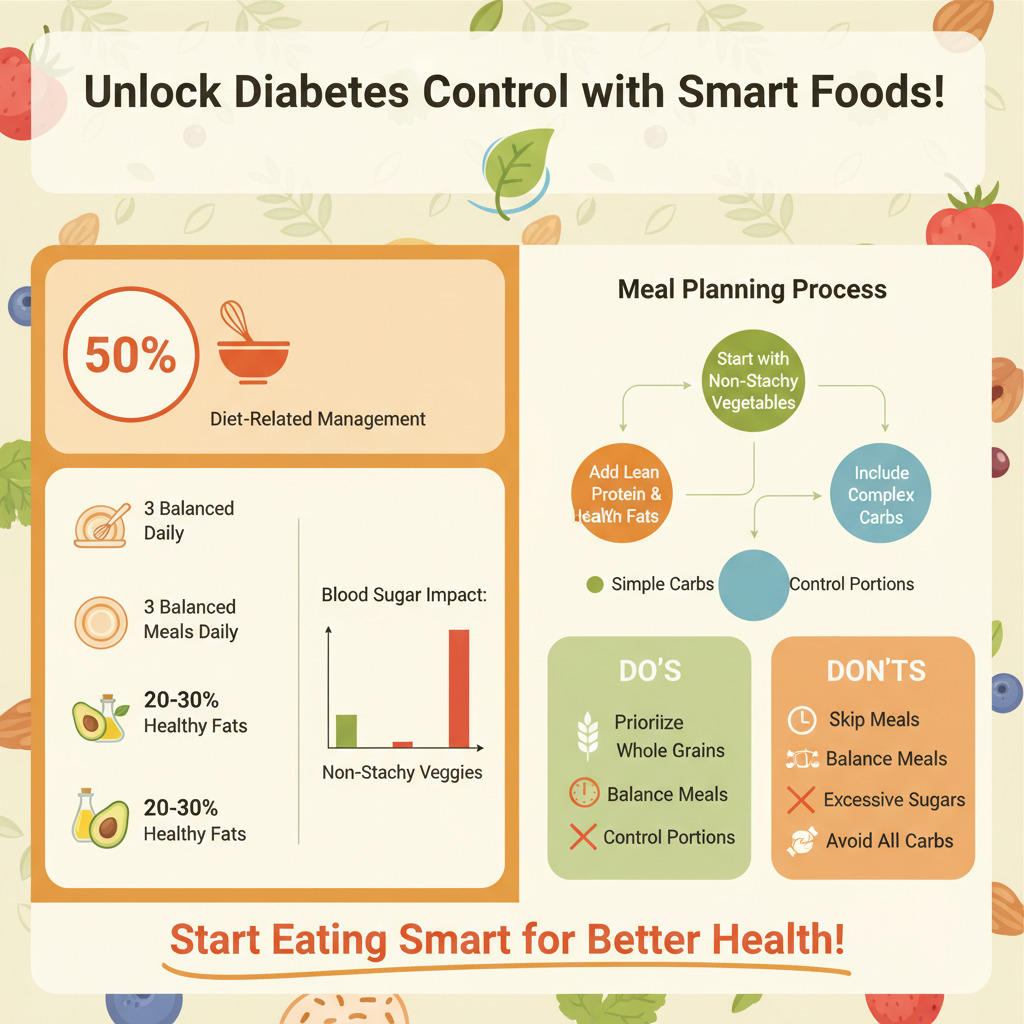

When it comes to building a diabetes-friendly plate, non-starchy vegetables are your best friends. They are nutritional powerhouses that can be enjoyed in generous amounts without derailing your blood sugar goals.
* High in Fiber, Low in Carbs: Non-starchy vegetables are celebrated for their incredibly high fiber content and remarkably low carbohydrate count. This unique combination makes them ideal for diabetes management. The fiber slows down digestion, meaning any minimal carbohydrates they contain are absorbed very slowly, preventing blood sugar spikes. Soluble fiber, in particular, can help lower cholesterol levels, while insoluble fiber promotes digestive health and regularity. Plus, their low caloric density means you can fill up your plate without worrying about excess calories, which is beneficial for weight management, a key factor in diabetes control.
* Key Examples: The variety of non-starchy vegetables available is vast and delicious! Embrace vibrant leafy greens like spinach, kale, and collard greens, which are bursting with vitamins K and A. Broccoli and cauliflower are versatile cruciferous vegetables packed with antioxidants and fiber, perfect for roasting, steaming, or adding to stir-fries. Bell peppers, in all their colorful glory, offer a great source of Vitamin C. Don’t forget refreshing cucumbers, fantastic for salads or as a crunchy snack, and asparagus, a nutrient-dense spring favorite. Other excellent choices include mushrooms, green beans, zucchini, tomatoes, and eggplant. The more color and variety you include, the broader the spectrum of nutrients you’ll receive.
* Benefits: Beyond their direct impact on blood sugar, non-starchy vegetables offer a wealth of health benefits crucial for individuals with diabetes. Their high fiber content promotes satiety, helping you feel full and satisfied after meals, which can aid in weight loss or maintenance. They are packed with essential vitamins, minerals, and antioxidants that help reduce inflammation, protect against cellular damage, and support overall immune function. Regular consumption of these vegetables has been linked to a reduced risk of heart disease, certain cancers, and other chronic conditions often associated with diabetes. They are truly the unsung heroes of a healthy, diabetes-friendly diet.
Smart Carbohydrate Choices: Whole Grains & Legumes
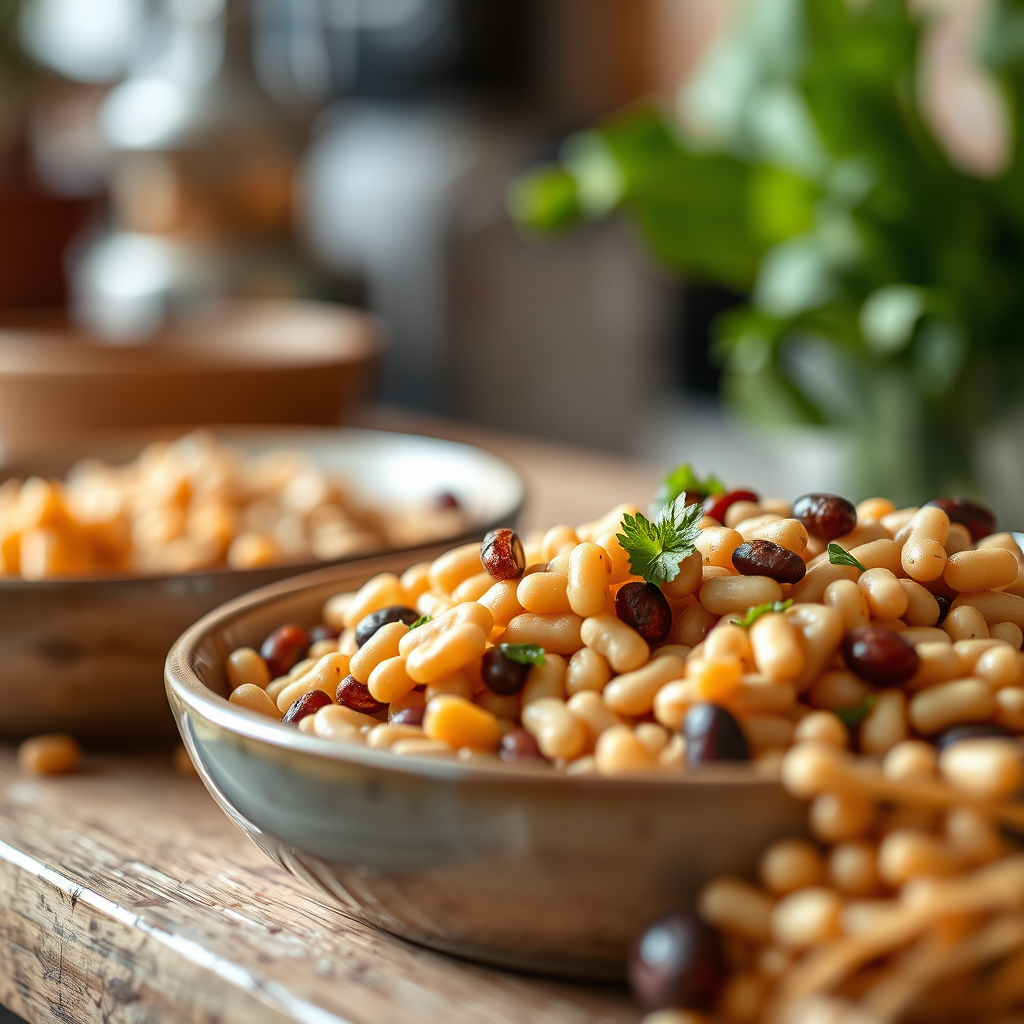
Carbohydrates are a necessary part of a balanced diet, providing energy for your body and brain. The trick for diabetes management is choosing the right kind of carbohydrates – those that release glucose slowly and steadily.
* Complex Carbohydrates: Unlike simple carbohydrates (found in sugary drinks and white bread) that cause rapid blood sugar spikes, complex carbohydrates are digested much more slowly. This slow breakdown means a gradual and sustained release of glucose into your bloodstream, providing consistent energy without the dramatic peaks and valleys. They help to maintain more stable blood sugar levels throughout the day, preventing energy crashes and reducing the strain on your body’s insulin production. Making the switch from refined grains to whole grains is one of the most impactful dietary changes you can make.
* Top Picks: Incorporating whole grains and legumes into your diet is a smart move. Whole oats, especially steel-cut or rolled oats, are a fantastic breakfast choice, rich in soluble fiber. Quinoa, often called a “superfood,” is a complete protein and a slow-digesting carbohydrate that’s wonderfully versatile for meals. Brown rice is a hearty and healthier alternative to white rice, providing more fiber and nutrients. Look for whole-wheat bread and pasta instead of their refined counterparts, ensuring the first ingredient listed is “whole wheat.” Legumes like lentils and beans (black beans, kidney beans, chickpeas) are absolute powerhouses, offering a unique combination of complex carbohydrates, protein, and fiber that work together beautifully to manage blood sugar and keep you feeling full.
* Fiber-Rich Goodness: The high fiber content in whole grains and legumes is truly what sets them apart. This dietary fiber, both soluble and insoluble, plays a critical role in managing blood glucose. Soluble fiber helps slow down the absorption of sugar, and can even help lower LDL (“bad”) cholesterol. Insoluble fiber adds bulk to your stool, aiding digestion and promoting regularity, which contributes to overall gut health. Beyond blood sugar benefits, the rich fiber content in these foods supports a healthy microbiome, providing nourishment for beneficial gut bacteria, which increasingly is understood to have broad impacts on metabolic health and immunity.
Lean Proteins for Blood Sugar Stability
Protein is a vital macronutrient that plays a multifaceted role in managing diabetes. It not only contributes to satiety but also supports essential bodily functions, all while having a minimal impact on blood sugar.
* Essential for Satiety and Muscle: One of the most significant benefits of including lean protein in your meals is its ability to promote feelings of fullness and satisfaction. Protein takes longer to digest than carbohydrates, which means you’ll feel full for a longer period, reducing the likelihood of overeating or unhealthy snacking between meals. This satiety effect is crucial for weight management, a key component of diabetes care. Furthermore, protein is fundamental for building and maintaining muscle mass. Muscle tissue is more metabolically active than fat tissue, meaning it burns more calories even at rest and is more efficient at using glucose from your blood, which directly improves insulin sensitivity and blood sugar control.
* Excellent Sources: When selecting protein sources, prioritize lean options to minimize saturated fat intake, which can be detrimental to heart health. Skinless chicken and turkey breast are excellent, versatile choices that can be grilled, baked, or stir-fried. Fish, particularly fatty fish like salmon, mackerel, and sardines, are rich in omega-3 fatty acids, which are beneficial for heart health and reducing inflammation; leaner fish like cod and tuna (packed in water) are also great options. Eggs are an inexpensive and complete protein source, offering essential amino acids. For plant-based protein, tofu, tempeh, and edamame are fantastic. Plain Greek yogurt is another high-protein dairy option that’s also rich in probiotics, supporting gut health.
* Stabilizing Effect: Protein has a unique stabilizing effect on blood sugar levels. When consumed alongside carbohydrates, protein helps to slow down the digestion and absorption of glucose, leading to a flatter and more controlled blood sugar response. This means less severe spikes after meals. Because protein itself has a negligible direct impact on blood sugar, it’s an ideal food group to build your meals around. Pairing your carbohydrates with a good source of lean protein is a fundamental strategy for achieving stable blood sugar throughout the day and preventing the energy roller coaster that can come with carb-heavy meals.
Healthy Fats: Essential and Mindful
While often misunderstood, fats are an essential part of a healthy diet, even for individuals managing diabetes. The key is distinguishing between beneficial fats and those that should be limited, and consuming even the good ones in moderation.
* Benefits of Good Fats: Monounsaturated fats (MUFAs) and polyunsaturated fats (PUFAs) are considered “good” fats. These healthy fats are crucial for heart health, which is particularly important for people with diabetes who face an increased risk of cardiovascular disease. MUFAs and PUFAs can help lower LDL (bad) cholesterol levels, reduce inflammation, and support healthy blood pressure. Moreover, emerging research suggests that certain healthy fats can improve insulin sensitivity, meaning your body’s cells respond more effectively to insulin, leading to better blood sugar control. They also contribute to satiety, helping you feel fuller and more satisfied after meals, which can prevent overeating.
* Recommended Options: Incorporating sources of healthy fats into your diet is both delicious and beneficial. Avocados are a fantastic source of monounsaturated fats, along with fiber and potassium, making them a great addition to salads, sandwiches, or as a spread. Nuts like almonds, walnuts, pecans, and pistachios are packed with healthy fats, fiber, and protein; a small handful makes a great snack. Seeds such as chia, flax, and sunflower seeds offer omega-3s and fiber, and can be sprinkled into yogurt, oatmeal, or salads. When cooking or dressing salads, reach for olive oil, particularly extra virgin olive oil, which is rich in monounsaturated fats and antioxidants. Other good options include canola oil and fatty fish like salmon.
* Portion Awareness: While healthy fats offer numerous benefits, it’s important to remember that they are calorie-dense. A small amount goes a long way. For example, a single tablespoon of olive oil contains about 120 calories, and a quarter-cup of almonds can have around 160 calories. Therefore, moderation is key to avoid consuming excess calories, which could lead to weight gain. Instead of frying foods, try baking, grilling, or roasting with just a drizzle of healthy oil. Measure your portions of nuts and seeds, and use fats to enhance flavor and satiety, rather than making them the main component of your meal. Mindful consumption ensures you reap the health benefits without the caloric overload.
Fruits and Low-Fat Dairy in Moderation
Fruits and dairy products are nutritious components of a balanced diet, offering vitamins, minerals, and other vital nutrients. However, because they contain natural sugars, mindful consumption is essential for diabetes management.
* Fruit Choices: Fruits are packed with vitamins, minerals, and antioxidants, but they also contain natural sugars (fructose). The key for diabetes is to choose fruits with a lower glycemic index (GI), meaning they cause a slower and more gradual rise in blood sugar. Excellent choices include berries (strawberries, blueberries, raspberries) which are rich in antioxidants and fiber. Apples and pears, especially with their skins on, provide ample fiber. Oranges, grapefruits, and other citrus fruits are also good options. Limit dried fruits, fruit juices, and very ripe bananas, as these tend to have a higher sugar concentration and less fiber, leading to quicker blood sugar spikes. Portion control is always important; aim for a serving size that fits your personalized meal plan.
* Dairy Considerations: Dairy products provide essential nutrients like calcium, vitamin D, and protein, all crucial for bone health and overall well-being. When choosing dairy, opt for unsweetened, low-fat, or fat-free varieties to minimize saturated fat and added sugars. Plain Greek yogurt is an excellent choice, as it’s high in protein and often contains beneficial probiotics, supporting gut health. Skim milk or 1% milk are better alternatives to whole milk. Cottage cheese is another good source of protein. Be vigilant about flavored yogurts, which can be loaded with added sugars, often negating their health benefits. Always check the nutrition label for “added sugars” content.
* Natural Sugars: While natural sugars found in fruits and dairy are accompanied by beneficial nutrients like fiber, vitamins, and minerals, they still contribute to your overall carbohydrate intake and can raise blood glucose levels. The strategy here is not to avoid them entirely, but to consume them in moderation and combine them intelligently. Pairing a serving of fruit or dairy with a source of protein or healthy fat can significantly minimize blood sugar spikes. For example, enjoy apple slices with a tablespoon of peanut butter, or add a handful of berries to plain Greek yogurt with a sprinkle of chia seeds. This combination slows down sugar absorption, providing a more stable energy release and keeping you feeling satisfied longer.
Adopting a diet focused on these nutritious foods is a cornerstone of effective diabetes management, offering substantial benefits for blood sugar control and overall health. By consistently choosing non-starchy vegetables, lean proteins, whole grains, and healthy fats, and by being mindful of fruits and dairy, you can empower yourself to live a healthier life with diabetes. Remember, every positive food choice contributes to your well-being, helps stabilize glucose levels, and supports long-term health. Consult with a registered dietitian or healthcare provider to tailor these recommendations to your specific needs and create a personalized meal plan that genuinely supports your unique diabetes management journey.
Frequently Asked Questions
What are the best types of foods to incorporate into a diabetes-friendly diet for optimal blood sugar control?
The best foods for diabetes management prioritize whole, unprocessed options that help stabilize blood sugar levels. Focus on non-starchy vegetables like leafy greens and broccoli, lean proteins such as chicken, fish, and legumes, and healthy fats from avocados, nuts, and olive oil. Incorporating fiber-rich complex carbohydrates like whole grains (in moderation) is also crucial for sustained energy and effective blood sugar regulation. These foods provide essential nutrients without causing rapid glucose spikes.
How do specific nutrients in foods help manage blood sugar levels for individuals with diabetes?
Specific nutrients play a vital role in blood sugar management for individuals with diabetes. Fiber, abundant in vegetables, fruits, and whole grains, slows sugar absorption, preventing post-meal spikes and improving gut health. Protein helps stabilize blood sugar by reducing the impact of carbohydrates and promoting satiety, while healthy fats can improve insulin sensitivity and also slow digestion. Together, these nutrients contribute to more stable glucose levels and better overall metabolic control.
Which common foods should people with diabetes limit or avoid to prevent blood sugar spikes and improve health?
To prevent blood sugar spikes and manage diabetes effectively, it’s crucial to limit or avoid foods high in refined carbohydrates, added sugars, and unhealthy fats. This includes sugary drinks, candies, pastries, white bread, white rice, and highly processed snacks, which can cause rapid and significant glucose increases. Additionally, reducing intake of foods high in saturated and trans fats is important to support heart health, which is a key concern for individuals with diabetes.
Are fruits and whole grains truly safe and beneficial for people with diabetes, and what’s the best way to consume them?
Yes, fruits and whole grains can be incredibly beneficial for people with diabetes when consumed mindfully and in appropriate portions. Whole fruits, rich in fiber, vitamins, and antioxidants, should be preferred over fruit juices, as their fiber content helps mitigate sugar absorption. Similarly, whole grains like oats, quinoa, and brown rice offer complex carbohydrates and fiber, which help manage blood sugar more effectively and provide sustained energy compared to refined grains.
What are some practical and healthy snack ideas for individuals with diabetes to manage hunger and maintain stable blood sugar between meals?
Practical and healthy snack ideas for individuals with diabetes often combine protein, fiber, or healthy fats to promote satiety and stabilize blood sugar. Great options include a small handful of almonds with an apple slice, Greek yogurt with a few berries, vegetable sticks with hummus, or a hard-boiled egg. These nutritious choices help curb hunger effectively without causing significant glucose spikes, supporting overall diabetes management throughout the day.
References
- Eating Well & Managing Diabetes | ADA
- https://www.cdc.gov/diabetes/managing/healthy-eating.html
- Healthy Living with Diabetes – NIDDK
- Diabetes diet: Create your healthy-eating plan – Mayo Clinic
- https://www.hsph.harvard.edu/nutritionsource/disease-prevention/diabetes-prevention/diet-and-diabetes/
- https://medlineplus.gov/diabetesdiet.html
- https://www.nhs.uk/conditions/type-2-diabetes/food-and-diet/
