
The best food for diabetics focuses on nutrient-dense, low-glycemic options that help stabilize blood glucose levels while providing essential vitamins. A diabetes-friendly diet should prioritize non-starchy vegetables, fatty fish rich in omega-3s, high-fiber whole grains, and healthy fats like avocados and nuts. By focusing on whole, unprocessed foods and controlling portion sizes, you can effectively manage diabetes and reduce the risk of complications. Navigating a diagnosis of type 1 or type 2 diabetes—or even prediabetes—can feel overwhelming at first, especially when it seems like your favorite foods are suddenly off-limits. However, eating for blood sugar control doesn’t mean you have to sacrifice flavor or satisfaction. It’s really about understanding how different macronutrients affect your body and making strategic swaps that keep your energy steady and your insulin working efficiently.
Leafy Greens and Non-Starchy Vegetables
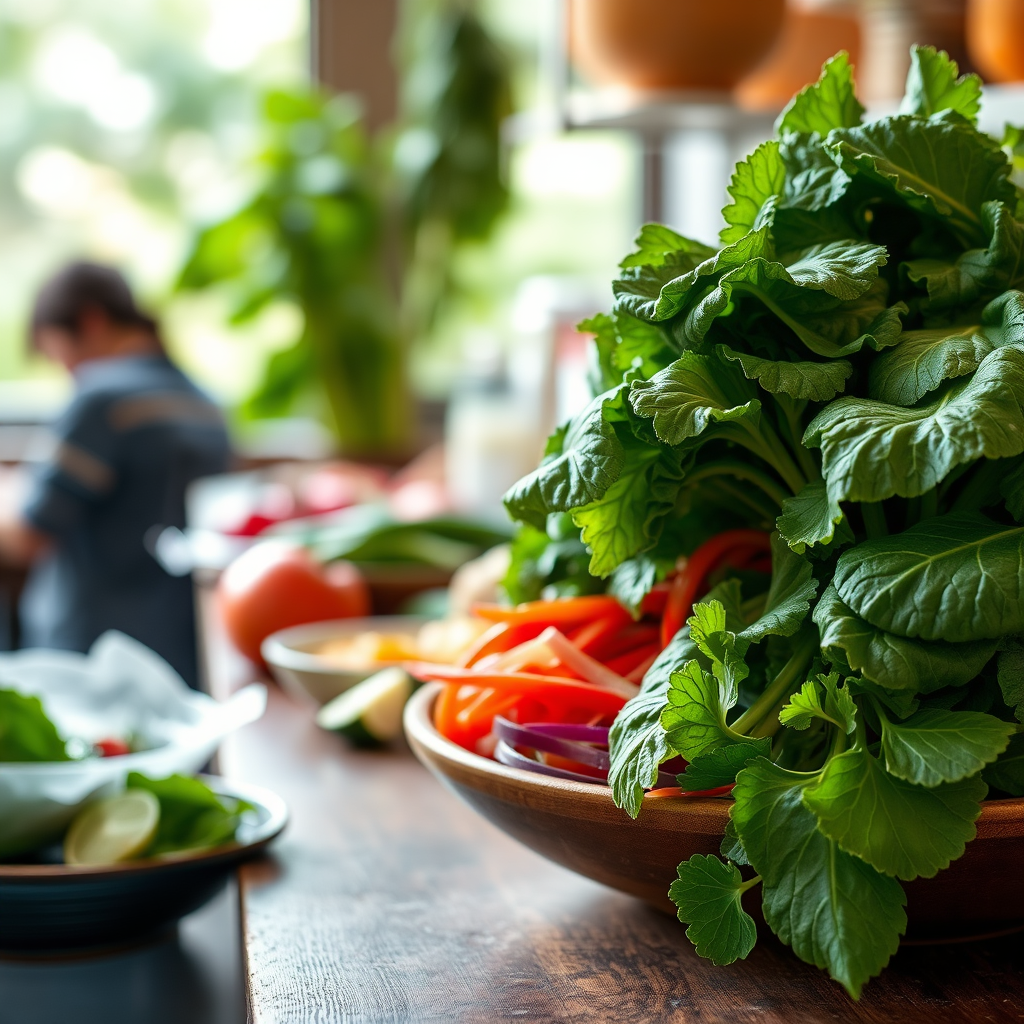
If there is one food group that should take up the most real estate on your plate, it is undoubtedly leafy greens and non-starchy vegetables. These foods are the cornerstone of a diabetes-friendly diet because they allow you to eat a substantial volume of food without negatively impacting your blood sugar.
Focus on spinach, kale, broccoli, and cauliflower as they are low in calories and carbohydrates.
When we talk about “non-starchy” vegetables, we are referring to veggies that have a very low impact on blood glucose compared to starchy counterparts like potatoes, corn, or peas. You can enjoy a large salad made with spinach and kale, or a side of roasted broccoli and cauliflower, knowing that the carbohydrate count is negligible. This is incredibly important for satiety; you can feel physically full and satisfied after a meal without the metabolic burden of processing a high sugar load.
Maximize intake of Vitamin C, magnesium, and fiber without causing blood sugar spikes.
Beyond just being low-carb, these vegetables are nutrient powerhouses. Many people with diabetes are found to have lower levels of magnesium, a mineral that plays a crucial role in how your body manages insulin. Dark leafy greens like spinach and Swiss chard are excellent natural sources of magnesium. Furthermore, the high fiber content in vegetables like broccoli acts as a buffer during digestion. Fiber isn’t broken down by the body, so it doesn’t raise blood sugar; instead, it slows the absorption of other carbohydrates in your meal, leading to a much gentler rise in glucose rather than a sharp spike. Additionally, the Vitamin C found in peppers, kale, and broccoli supports immune health and helps protect your eyes and kidneys—organs often affected by long-term diabetes.
Fatty Fish for Heart Health
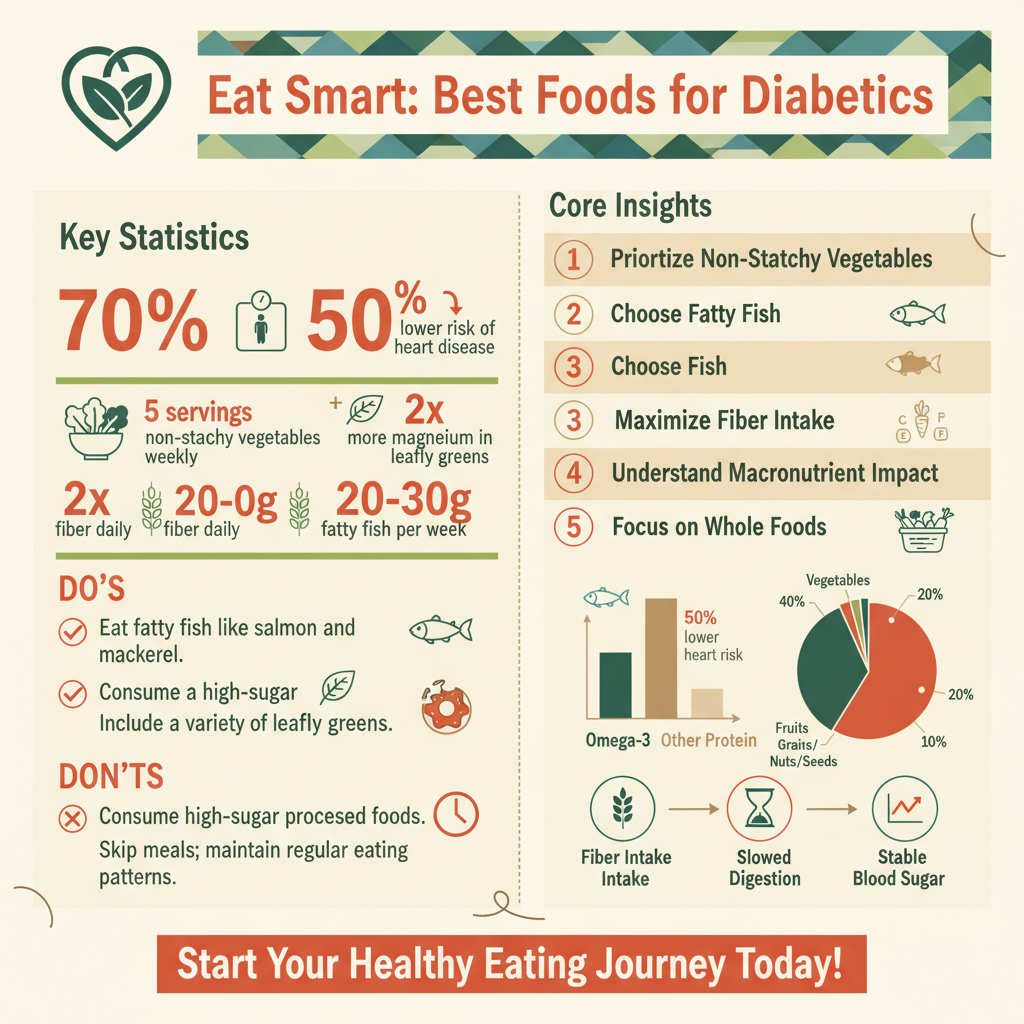
Protein is essential for stabilizing blood sugar, but the type of protein you choose matters significantly. Fatty fish is widely considered one of the healthiest proteins available, particularly for those managing metabolic conditions.
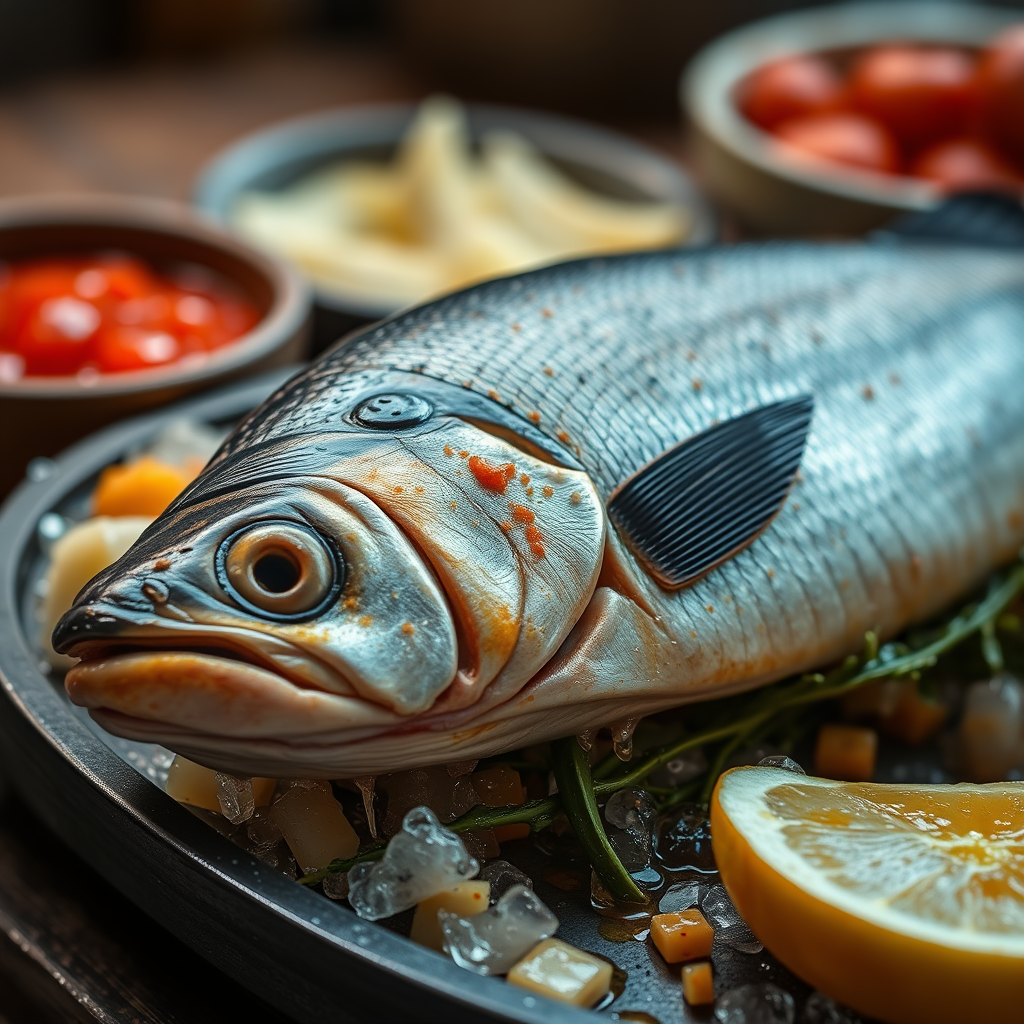
Incorporate salmon, sardines, anchovies, or mackerel into your diet at least twice a week.
These fish are superior choices because they are rich in healthy fats and contain zero carbohydrates, meaning they have no direct impact on blood sugar levels. Incorporating them into your weekly meal plan provides a high-quality protein source that keeps you full for hours. Whether you grill a salmon fillet with lemon and herbs or toss sardines into a Mediterranean salad, you are fueling your body with premium fuel. Unlike red meats, which can sometimes contain higher levels of saturated fats that may impact insulin resistance, fatty fish is lighter and offers more protective benefits.
Utilize omega-3 fatty acids to reduce inflammation and lower the risk of heart disease and stroke, which are common complications of diabetes.
The magic ingredient in these fish is Omega-3 fatty acids, specifically DHA and EPA. Diabetes is unfortunately linked to a state of chronic inflammation in the body and a higher risk of cardiovascular issues. In fact, heart disease is the leading cause of death for people with diabetes. Omega-3s act as powerful anti-inflammatory agents that help protect your blood vessels and heart. They improve arterial function and can help lower triglycerides. By making fatty fish a staple in your diet, you aren’t just managing your blood sugar numbers today; you are actively protecting your heart health for the future.
High-Fiber Whole Grains
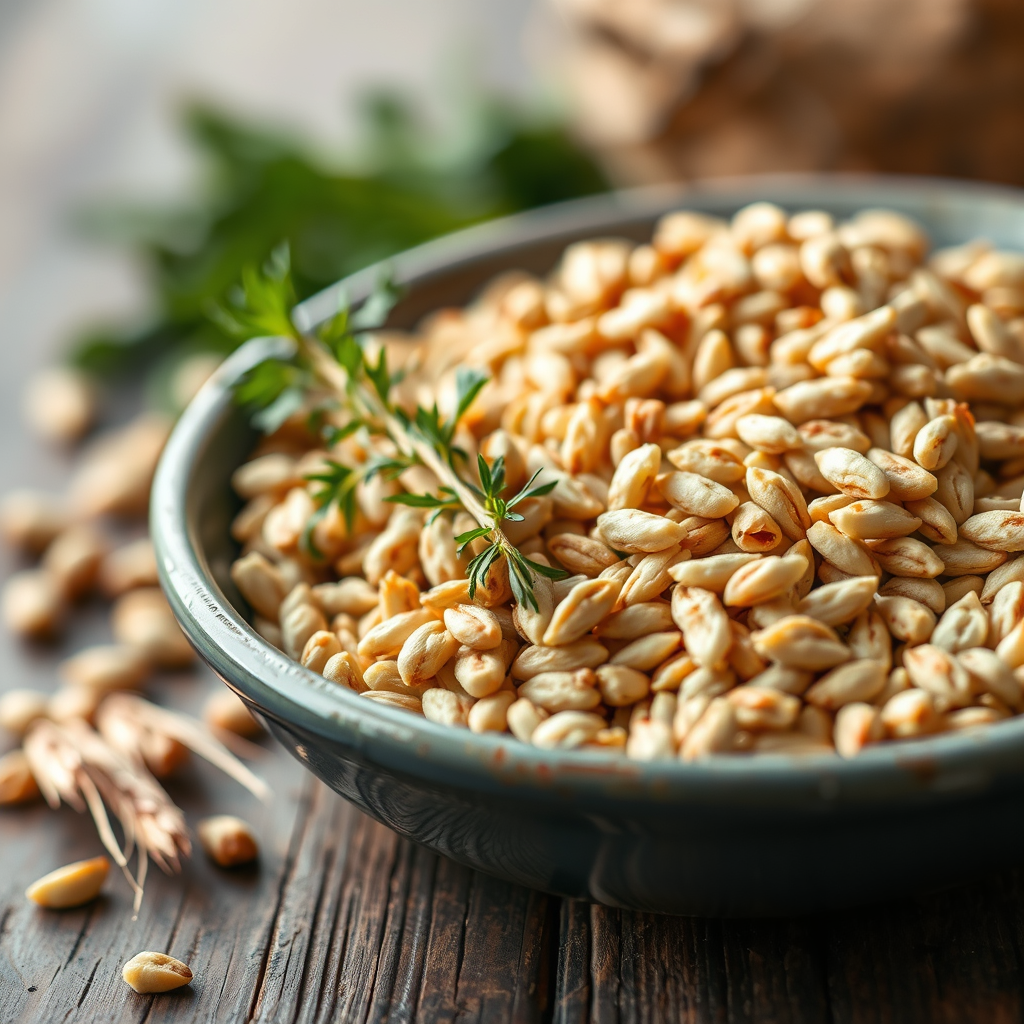
Carbohydrates often get a bad reputation in the diabetes community, but they are not all created equal. The key is to choose the right kind of carbs—complex carbohydrates that come with their natural fiber intact.
Choose quinoa, brown rice, oats, or barley instead of refined white grains.
Refined grains, such as white bread, white pasta, and white rice, have been stripped of their bran and germ—the parts that contain the nutrients and fiber. What’s left is essentially pure starch that the body converts to sugar rapidly. In contrast, whole grains like quinoa, brown rice, and barley keep the entire grain kernel. This makes them nutritionally superior and far more flavorful. Oats, particularly steel-cut or rolled oats, are a fantastic breakfast option. They contain a specific type of fiber called beta-glucan, which has been shown to improve insulin sensitivity.
Benefit from the high fiber content that slows down digestion and glucose absorption, keeping blood sugar stable.
The fiber in whole grains changes the mechanics of digestion. Imagine fiber as a net that catches sugar molecules and slows their release into the bloodstream. When you eat white rice, the sugar hits your system all at once, requiring a massive surge of insulin. When you eat brown rice or quinoa, the breakdown is gradual, providing a steady stream of energy rather than a spike and a crash. However, portion control is still vital here. Even though whole grains are healthy, they are still carbohydrates. Pairing a small portion of whole grains with plenty of protein and healthy fats creates a balanced meal that supports steady glucose levels.
Healthy Fats: Nuts and Avocados
For a long time, low-fat diets were the standard recommendation, but we now know that healthy fats are a diabetic’s best friend. Fat has no immediate effect on blood sugar, and when eaten in moderation, it can act as a powerful tool for glucose management.
Snack on walnuts, almonds, or add avocado to meals to improve insulin sensitivity.
Nuts and avocados are rich in monounsaturated and polyunsaturated fats. Research suggests that these fats can help improve the body’s sensitivity to insulin, meaning your body doesn’t have to work as hard to move sugar from your blood into your cells. Walnuts, specifically, are high in alpha-lipoic acid (ALA), a plant-based omega-3 that supports heart health. Avocados are unique because they are technically a fruit, but they are low in sugar and high in fat and fiber. Adding half an avocado to your lunch salad or snacking on a handful of almonds is a smart, heart-healthy strategy.
Use healthy fats to increase satiety and slow down the absorption of carbohydrates consumed in the same meal.
One of the best tricks for managing diabetes is “food pairing.” If you eat a piece of fruit or a slice of toast on its own, your blood sugar might rise quickly. However, if you add a healthy fat—like smearing avocado on the toast or eating a few almonds with the fruit—the fat slows down the emptying of the stomach. This delay means that the carbohydrates enter your system much slower. Furthermore, fat is very satiating. Including healthy fats in your meals prevents that hollow, hungry feeling that often leads to overeating or craving sugary snacks later in the day.
Beans and Legumes
Beans and legumes are often the unsung heroes of a diabetic diet. They are incredibly affordable, versatile, and offer a unique nutritional profile that is difficult to find in other foods.
Include lentils, kidney beans, and chickpeas as excellent sources of plant-based protein and fiber.
Beans are a rare food that provides a high amount of both protein and fiber in a single package. For example, a cup of cooked lentils provides substantial protein to build and repair tissue, along with a massive dose of fiber to aid digestion. This combination makes them incredibly filling. They can be used as a meat substitute in stews, tossed into salads for texture, or made into dips like hummus. Kidney beans and black beans are also rich in resistant starch, a type of carbohydrate that functions like fiber and fosters good gut bacteria.
Take advantage of their low glycemic index to maintain steady energy levels throughout the day.
Despite containing carbohydrates, beans have a very low Glycemic Index (GI). This means the body digests them very slowly. There is even a phenomenon known as the “second meal effect” associated with beans. Studies have shown that eating beans at one meal can actually help lower blood sugar levels at the next meal, likely due to the fermentation of fiber in the gut and the slow digestion rate. This makes legumes a strategic choice for lunch, as they can help keep your energy levels steady and prevent the mid-afternoon slump that often drives people toward sugary treats.
Berries and Citrus Fruits
Many people with diabetes fear fruit because of its natural sugar (fructose). While it’s true that some fruits like dried fruits, bananas, or melons can spike blood sugar if eaten in large quantities, berries and citrus fruits are excellent choices that can and should be part of your diet.
Opt for strawberries, blueberries, oranges, and grapefruits which are packed with antioxidants and fiber.
Berries are among the lowest-sugar fruits available. Blueberries, strawberries, raspberries, and blackberries are loaded with antioxidants called anthocyanins, which give them their vibrant red and blue colors. These antioxidants help fight oxidative stress and inflammation, key factors in diabetic complications. Citrus fruits like oranges and grapefruits are famous for Vitamin C, but they also contain folate and potassium. When eating citrus, always choose the whole fruit rather than the juice; the fiber in the pulp is essential for blunting the sugar spike.
Satisfy sweet cravings naturally while keeping the glycemic load much lower than other fruits like bananas or melons.
We all have a sweet tooth sometimes, and denying it completely often leads to binging on candy or processed desserts later. Berries offer a way to satisfy that craving naturally. A bowl of fresh strawberries with a dollop of Greek yogurt or a small serving of almonds is a dessert that feels indulgent but is actually biologically beneficial. Because these fruits have a low glycemic load, they provide the sweetness you want without sending your blood glucose on a rollercoaster ride. They allow you to enjoy the pleasure of eating fruit without the anxiety of a high sugar reading.
Successfully managing diabetes relies on creating a balanced plate filled with whole foods, quality proteins, and healthy fats. By regularly incorporating these nutrient-rich options and minimizing processed sugars, you can gain better control over your blood sugar and improve your long-term health. It’s not about perfection; it’s about consistency. Start small by swapping one meal a day with these diabetes-friendly choices—perhaps oatmeal with berries for breakfast or a salmon salad for lunch—and gradually build from there. Always consult your healthcare provider or a registered dietitian to tailor a plan that works best for your specific metabolic needs, ensuring you live a vibrant, healthy life.
Frequently Asked Questions
What are the best foods to naturally lower blood sugar levels?
The best foods for controlling blood sugar are those with a low glycemic index (GI), high fiber content, and healthy fats. Non-starchy vegetables like leafy greens, broccoli, and peppers are excellent choices because they are nutrient-dense but low in carbohydrates. Additionally, incorporating fatty fish, nuts, and seeds provides essential omega-3 fatty acids and protein, which help slow down digestion and stabilize insulin response.
Which fruits are safe and beneficial for a diabetic diet?
While many people fear the sugar in fruit, low-glycemic options like berries (strawberries, blueberries), citrus fruits, and tart apples are safe and highly nutritious for diabetics. These fruits are packed with fiber and antioxidants, which help prevent rapid glucose spikes compared to high-sugar fruits like melons or pineapples. To maximize benefits and minimize blood sugar impact, it is best to eat whole fruit rather than drinking juice and pair it with a protein source like nuts or yogurt.
How do complex carbohydrates differ from simple carbs for diabetes management?
Complex carbohydrates, found in foods like quinoa, oats, brown rice, and legumes, are digested much more slowly than simple carbs, providing a steady release of energy rather than a dangerous sugar spike. Unlike refined white bread or sugary snacks, these whole-grain options are rich in fiber, which aids in cholesterol management and keeps you feeling full longer. Swapping refined grains for complex carbs is one of the most effective ways to manage Type 2 diabetes through diet.
What are healthy, low-carb breakfast ideas for diabetics?
A diabetes-friendly breakfast should prioritize protein and healthy fats to establish stable blood sugar levels for the rest of the day. Excellent options include eggs scrambled with spinach, unsweetened Greek yogurt with a handful of berries, or chia seed pudding made with almond milk. Avoiding sugary cereals, pastries, and sweetened coffees is crucial, as these can cause an immediate glucose spike followed by a mid-morning energy crash.
Why is fiber so important when choosing the best food for diabetics?
Fiber is a critical component of a diabetic diet because the body cannot absorb or break it down, meaning it does not cause blood sugar levels to rise the way other carbohydrates do. Soluble fiber, found in beans, oats, and apples, helps slow the absorption of sugar into the bloodstream, improving overall glycemic control. Aiming for high-fiber foods at every meal also supports heart health and aids in weight management, which are vital for living well with diabetes.
References
- Healthy Living with Diabetes – NIDDK
- Diabetes diet: Create your healthy-eating plan – Mayo Clinic
- Nutrition and Diabetes | ADA
- Healthy Eating | Diabetes | CDC
- Simple Steps to Preventing Diabetes • The Nutrition Source
- https://health.clevelandclinic.org/best-foods-for-diabetes
- Treatment for type 2 diabetes – NHS
- https://www.hopkinsmedicine.org/health/conditions-and-diseases/diabetes/diabetes-diet-create-your-healthy-eating-plan
