
Navigating fast food with diabetes might seem challenging, but it’s entirely possible to make smart, healthier choices that fit your dietary needs. The key isn’t to find a single “best” restaurant or meal, but rather to understand how to select items that are lower in unhealthy fats, added sugars, and excessive carbohydrates, while prioritizing protein, fiber, and non-starchy vegetables. This guide will help you identify optimal options and strategies to enjoy fast food mindfully. With a little planning and smart ordering, you can absolutely fit fast food into a diabetes-friendly eating plan without derailing your health goals.
Understanding the Fast Food Landscape for Diabetes

When you’re managing diabetes, understanding the typical fast-food environment is your first step toward making informed decisions. Fast food is notorious for quick, convenient, and often incredibly tempting options, but it comes with a unique set of challenges for blood sugar management.
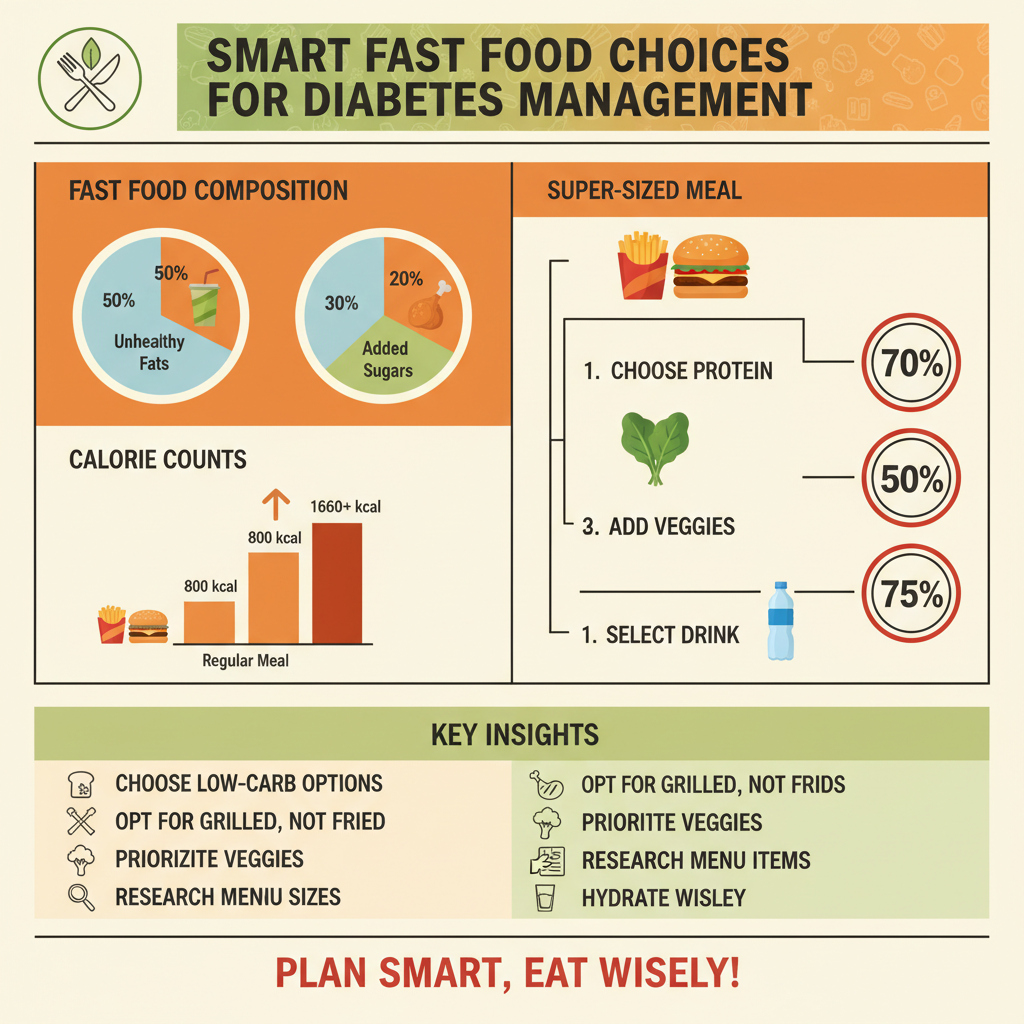
* Many fast-food items are high in refined carbohydrates, unhealthy fats, sodium, and added sugars, posing significant challenges for blood sugar management. Think about the classic combo meal: a burger on a white bun, a large order of fries, and a sugary soda. This combination is a triple threat. Refined carbohydrates (like those in white bread and fries) are quickly converted to glucose, leading to rapid blood sugar spikes. Unhealthy fats, especially saturated and trans fats found in fried foods and processed meats, contribute to insulin resistance over time and can increase your risk of heart disease, a common complication of diabetes. High sodium content can impact blood pressure, and hidden added sugars in sauces, dressings, and drinks can dramatically elevate your carbohydrate intake without you even realizing it.
* Portion sizes are often oversized, leading to excess calorie and carbohydrate intake if not carefully managed. “Super-sized” or “value” meals might seem like a good deal for your wallet, but they’re often a detriment to your health. These larger portions can contain two or three times the amount of carbohydrates, fats, and calories that you actually need in a single meal. Without careful attention, it’s easy to overeat and consume far more than your body can process, leading to higher blood sugar levels and potential weight gain.
* Lack of transparency in ingredients and nutritional information can make informed choices difficult without prior research. While many larger chains have improved their transparency, it’s not always easy to find detailed nutritional information on the spot. You might not know the exact carb count of a burger bun, the type of oil used for frying, or the sugar content in a seemingly innocent salad dressing. This lack of immediate information can make it tricky to compare options and choose wisely, underscoring the importance of doing a little homework before you even step foot in the restaurant. Luckily, most major chains now have comprehensive nutrition facts available on their websites or apps.
Key Nutritional Focus Points
Navigating the fast-food menu with diabetes becomes much easier when you know what nutrients to prioritize and which to moderate. Focusing on certain food groups can help stabilize blood sugar, keep you feeling full, and support your overall health.
* Prioritize Protein & Fiber: These nutrients help slow digestion, stabilize blood sugar, and increase satiety. Look for lean meats, beans, and vegetables. Protein is essential for building and repairing tissues, and it has a minimal impact on blood sugar directly. When paired with carbohydrates, protein helps to slow the absorption of glucose, leading to a more gradual rise in blood sugar. Similarly, fiber, found in plant-based foods, is a non-digestible carbohydrate that helps regulate blood sugar by slowing the absorption of sugar into the bloodstream. It also adds bulk to your meals, making you feel fuller for longer, which can prevent overeating. Think grilled chicken breast, fish, lean steak, or even black beans in a burrito bowl. Load up on fibrous veggies like lettuce, tomatoes, and onions.
* Monitor Carbohydrate Count & Type: Focus on complex carbohydrates from vegetables rather than simple, refined carbs from sugary drinks, white bread, and fries. Carbohydrates are the primary nutrient that impacts blood sugar, so managing your intake is crucial. Not all carbs are created equal, though. Complex carbohydrates, found in non-starchy vegetables, whole grains (if chosen carefully and in moderation), and legumes, are digested more slowly due to their fiber content. This leads to a more controlled and sustained rise in blood sugar. In contrast, simple or refined carbohydrates, such as those in white buns, fries, desserts, and sugary beverages, are rapidly broken down into glucose, causing quick and significant blood sugar spikes. When scanning the menu, aim to limit these refined options and instead choose items that derive their carbohydrates from whole, unprocessed sources.
* Watch Fat Content: Opt for sources of healthier fats and limit saturated and trans fats commonly found in fried foods and processed items. While fats don’t directly impact blood sugar levels as carbohydrates do, they play a significant role in heart health, which is particularly important for individuals with diabetes who have an increased risk of cardiovascular disease. Healthy fats, like monounsaturated and polyunsaturated fats (found in avocados, nuts, and olive oil), can be beneficial. However, fast food is often laden with unhealthy saturated and trans fats from deep-fried items, greasy cheeses, and processed meats. These fats can contribute to inflammation, insulin resistance, and an elevated risk of heart disease. Choose grilled or baked options over fried, and be mindful of creamy sauces or excessive cheese, which are often high in saturated fat.
Smart Menu Categories & Choices
Knowing which sections of a fast-food menu to gravitate towards can make your ordering process much simpler and healthier. These categories often offer the best opportunities for diabetes-friendly customization.
* Grilled Meats: Choose grilled chicken, fish, or lean steak options instead of fried or breaded alternatives. This is perhaps one of the most impactful choices you can make. Fried chicken, fish fillets, or breaded cutlets are often high in refined carbohydrates from the breading, unhealthy fats from the frying oil, and excessive sodium. Switching to grilled significantly reduces these concerns. A grilled chicken sandwich (ask for no bun or a whole-wheat bun if available), grilled fish tacos (again, be mindful of the tortillas and sauces), or a lean steak salad are excellent choices. Grilled options typically provide plenty of lean protein without the added sugar, refined carbs, and unhealthy fats of their fried counterparts, helping to keep your blood sugar stable and your heart happy.
* Salads: Opt for salads with lean protein, plenty of non-starchy vegetables, and ask for dressing on the side to control portion. Salads can be a diabetes-friendly dream or a carb and fat nightmare, depending on how they’re built. The key is to load up on non-starchy vegetables like mixed greens, spinach, cucumbers, bell peppers, and tomatoes. Add a generous portion of lean grilled protein like chicken, shrimp, or steak. Crucially, always ask for salad dressing on the side. Many fast-food dressings are surprisingly high in sugar, unhealthy fats, and sodium. By adding it yourself, you can control the amount, often needing just a fraction of what would typically be served. Also, be wary of “crunchy” toppings like croutons, crispy noodles, candied nuts, and tortilla strips, which add unnecessary carbs and calories.
* Vegetable Sides: Look for steamed vegetables, side salads, or fruit cups where available, avoiding creamy or sugary sides. When it comes to side dishes, ditch the fries, onion rings, and macaroni and cheese. Instead, actively seek out healthier alternatives. Many chains now offer steamed broccoli, green beans, or corn (in moderation due to its carb content). A simple side salad with a light vinaigrette (again, on the side) is another excellent choice for added fiber and nutrients. Even a plain fruit cup can be a good option for a touch of natural sweetness and fiber, but be mindful of portion size due to natural sugars. These sides help boost your fiber intake and provide essential vitamins without the blood sugar spike.
What to Limit or Avoid
To successfully manage your blood sugar and overall health while enjoying fast food, it’s equally important to know what items are best left off your plate. These categories often contain hidden traps for individuals with diabetes.
* Sugary Drinks: Sodas, sweet teas, milkshakes, and large fruit juices are loaded with sugar and should be avoided or replaced with water, unsweetened tea, or diet beverages. This is one of the most critical points. Sugary drinks are direct sources of rapidly absorbed carbohydrates, causing immediate and significant spikes in blood glucose levels. A single large soda can contain upwards of 70 grams of sugar – far exceeding a healthy limit for anyone, especially someone with diabetes. Milkshakes are often even worse, packed with sugar, fat, and calories. Even “large fruit juices” at fast-food chains are typically high in added sugar with very little fiber. Always opt for water, unsweetened iced tea, black coffee, or diet soda (in moderation) to hydrate and avoid unnecessary sugar bombs.
* Fried Foods & Heavy Sauces: French fries, onion rings, fried chicken, and creamy, high-sugar sauces contribute excess calories, unhealthy fats, and carbohydrates. The appeal of crispy, golden-brown fried foods is undeniable, but their nutritional profile is often detrimental. They’re typically cooked in unhealthy oils (high in saturated and trans fats), heavily salted, and coated in refined carbohydrate breading. This combination leads to a high calorie count, increased risk of heart disease, and potential blood sugar spikes. Similarly, many fast-food sauces – from creamy ranch and honey mustard to sugary BBQ sauce and ketchup – are laden with hidden sugars, unhealthy fats, and sodium. These can add hundreds of calories and many grams of carbohydrates to an otherwise “okay” meal. Always ask for sauces on the side and choose lighter, vinegar-based options if available, or just skip them.
* Large Portions & Refined Grains: Super-sized meals, white bread, buns, and high-carb sides can quickly derail blood sugar management. Portion control is paramount when managing diabetes, and fast-food chains often make it challenging with their massive serving sizes. “Value meals” or “super-sized” options are designed to encourage overconsumption. Regularly consuming large portions, especially of high-carb items, will invariably lead to higher blood sugar levels. Furthermore, the use of refined grains like white bread, hamburger buns, and tortillas is common. These lack the fiber of whole grains and are quickly converted to sugar in the body. Opting for a regular size, skipping the bun, or choosing a salad bowl over a wrap are simple yet effective strategies to cut down on these problematic ingredients.
Customizing Your Order for Success
The beauty of many fast-food chains is their willingness to customize. Don’t be shy about asking for modifications; it’s one of your most powerful tools for making diabetes-friendly choices.
* Modify Ingredients: Ask for no bun on burgers, skip cheese or bacon, and request extra vegetables when possible. This is where you take control of your meal. For a burger, asking for “no bun” immediately eliminates a significant source of refined carbohydrates. You can often get your burger wrapped in lettuce instead, or simply eat it with a fork and knife. Skipping cheese and bacon further reduces saturated fat and sodium, while still allowing you to enjoy the protein. Many places are happy to add extra lettuce, tomato, onion, or pickles to your order, boosting fiber and nutrients without adding problematic carbs or fats. Don’t be afraid to ask for a “protein style” burger or a “bowl” version of a burrito.
* Control Dressings & Sauces: Always ask for dressings, condiments, and sauces on the side to manage portion sizes and avoid hidden sugars and fats. As mentioned before, dressings and sauces can be secret saboteurs of a healthy meal. A single serving of ranch dressing can contain 15-20 grams of fat and several grams of sugar. By asking for it on the side, you empower yourself to use just a fraction of the amount, or to opt for a lighter, more diabetes-friendly choice like a squeeze of lemon or vinegar. This simple step can save you hundreds of calories, grams of fat, and hidden sugars, making a big difference in your meal’s overall nutritional impact.
* Check Nutrition Information: Many fast-food chains provide detailed nutritional guides online or in-store; use these to plan your meal ahead of time. This is your secret weapon. Before you even leave the house, hop online and check the nutritional information for your chosen fast-food restaurant. Most major chains have comprehensive menus with calorie, carbohydrate, fat, sugar, and sodium counts for every item. This allows you to compare options, identify the best choices, and even plan out your exact order. Knowing the carb count of specific items helps you dose insulin accurately or simply stay within your daily carbohydrate goals. A little pre-planning goes a long way in ensuring your fast-food experience is a smart and satisfying one.
Example Meal Combinations
To help you visualize how to put these strategies into practice, here are a few practical and tasty meal combinations that prioritize blood sugar management and nutritional value.
* Breakfast: Egg white grill (no cheese, whole wheat bun) with a side of unsweetened coffee. Many fast-food places offer breakfast sandwiches. Look for options with egg whites, which are leaner, and choose grilled or baked protein like chicken sausage or lean ham. While a whole wheat bun is better than white, if you’re aiming for lower carbs, you can ask for no bun at all. Skipping the cheese cuts down on saturated fat and sodium. Pair this with unsweetened coffee or tea to avoid any sugary add-ons, giving you a protein-packed start to your day without the carb overload. For instance, a McDonald’s Egg McMuffin (no bun, no cheese) with the egg and Canadian bacon alone, or a Starbucks Egg White & Roasted Red Pepper Sous Vide Egg Bites.
* Lunch/Dinner: Grilled chicken salad (dressing on the side, no croutons) with a side of water or unsweetened iced tea. This is a classic diabetes-friendly fast-food choice. Start with a base of mixed greens and pile on plenty of non-starchy vegetables like cucumbers, tomatoes, and bell peppers. Add a generous portion of grilled chicken, fish, or lean steak for protein. Crucially, ask for your dressing on the side and use it sparingly, or choose a lighter vinaigrette. Skip the croutons, crispy noodles, or candied nuts, which add unnecessary carbs and calories. This meal is high in fiber and protein, helping you feel full and keeping blood sugar levels stable. A great example would be a Panera Bread Fuji Apple with Chicken Salad (customized), or a McDonald’s Premium Grilled Chicken Classic Salad (without dressing or croutons).
* Snack: Small plain yogurt (if available) or an apple slice side. When hunger strikes between meals, look for simple, wholesome options. Some fast-food restaurants offer plain Greek yogurt cups, which are an excellent source of protein and probiotics, just be sure it’s unsweetened. A small side of apple slices (often available at places like McDonald’s or Chick-fil-A) provides natural fiber and a touch of sweetness. These options are far superior to chips, cookies, or sugary pastries, offering nutritional value without causing significant blood sugar spikes.
Making smart choices at fast food restaurants is about being prepared and knowing what to look for. By prioritizing lean proteins, non-starchy vegetables, and mindful carbohydrate and fat intake, you can still enjoy occasional fast food without compromising your diabetes management goals. Always remember to check nutrition information and don’t hesitate to customize your order to better suit your needs. With these strategies, you’re empowered to make fast food a convenient option that aligns with your healthy lifestyle, proving that managing diabetes doesn’t mean giving up all your favorite things – just making smarter choices about them!
Frequently Asked Questions
Which fast food chains offer the best diabetes-friendly options?
Several fast food chains are increasingly offering better options for people managing diabetes. Restaurants like Chipotle, Subway, Panera Bread, and Chick-fil-A often provide customizable meals that allow for control over carbohydrates and unhealthy fats. These establishments frequently feature grilled proteins, ample vegetables, and whole-grain choices, making them easier to navigate for a balanced diabetes-friendly meal.
What specific menu items should someone with diabetes look for at fast food restaurants?
When choosing fast food for diabetes, focus on lean proteins like grilled chicken, fish, or turkey, and plenty of non-starchy vegetables. Opt for salads with dressing on the side, bunless burgers, or bowls with a base of greens instead of rice or starchy pasta. Prioritize high-fiber foods and healthy fats while carefully monitoring carbohydrate counts to keep blood sugar stable.
How can I make common fast food meals healthier to manage my blood sugar?
To make fast food meals healthier for diabetes management, always choose water over sugary drinks and swap fries for a side salad or apple slices. Ask for sauces and dressings on the side to control portion sizes and sugar content, and consider going “bunless” or using lettuce wraps for sandwiches and burgers. These small adjustments can significantly reduce carb and calorie intake, helping to prevent blood sugar spikes.
Are there any fast food breakfast options suitable for people with diabetes?
Yes, several fast food breakfast options can be suitable for individuals with diabetes by making smart choices. Look for egg-based dishes without added sugar, like an egg and cheese muffin without the muffin, or a breakfast bowl with eggs, meat, and vegetables. Avoid sugary pastries, pancakes, and high-carb breakfast sandwiches, opting instead for protein-rich items that help stabilize blood glucose throughout the morning.
Why is it important to check nutritional information when choosing fast food with diabetes?
Checking nutritional information is crucial for people with diabetes to make informed choices and effectively manage their blood sugar levels. Fast food items can often contain hidden sugars, excessive carbohydrates, unhealthy fats, and high sodium that can negatively impact glycemic control. By reviewing calorie, carb, fat, and sugar counts, you can select meals that align with your dietary plan and prevent unexpected blood sugar spikes, ensuring your fast food choices support your diabetes management goals.
References
- https://diabetes.org/healthy-living/recipes-nutrition/eating-out
- Diabetes diet: Create your healthy-eating plan – Mayo Clinic
- https://www.ucsfhealth.org/education/eating-out-with-diabetes
- https://www.joslin.org/patient-care/health-topics/nutrition/eating-away-home-and-fast-food
- https://www.cdc.gov/diabetes/managing/healthy-eating.html
- https://www.nhs.uk/conditions/type-2-diabetes/eating-well/
- Diet in diabetes
- https://health.clevelandclinic.org/how-to-eat-healthy-at-fast-food-restaurants-if-you-have-diabetes/
