
The best dog food for diabetic dogs is formulated with high fiber, low fat, and complex carbohydrates to slow glucose absorption and stabilize blood sugar levels. While veterinary prescription diets like Hill’s Prescription Diet w/d or Royal Canin Glycobalance are the gold standard for management, high-protein commercial kibbles with a low glycemic index can also be effective options when approved by your veterinarian. Navigating a diabetes diagnosis for your furry best friend can feel overwhelming at first, but with the right nutritional strategy, your dog can live a happy, energetic, and long life. The key lies in consistency and understanding how specific ingredients interact with your dog’s insulin therapy.
Understanding the Nutritional Needs of Diabetic Dogs

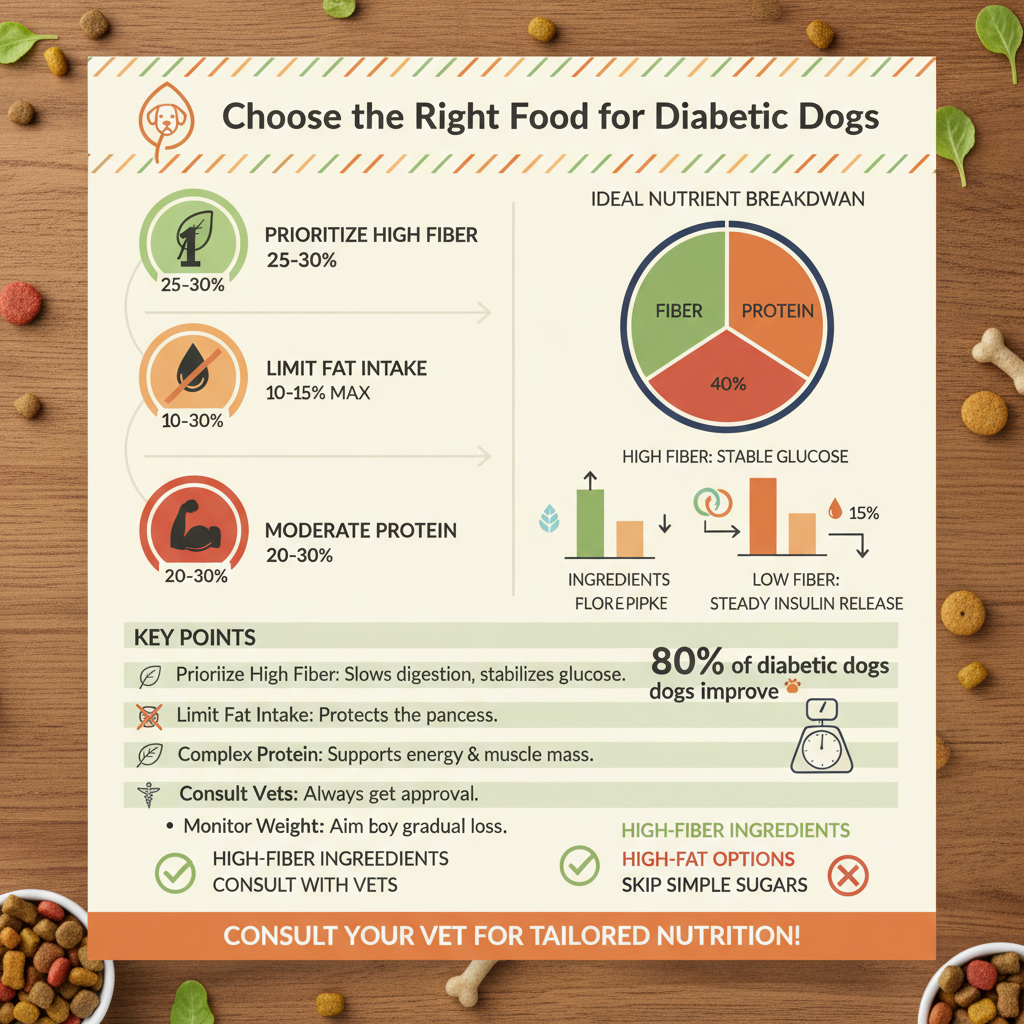
When a dog has diabetes, their body struggles to produce or utilize insulin effectively, leading to erratic blood sugar levels. Food is no longer just fuel; it is a critical part of their medical treatment. To keep those glucose curves flat and predictable, we need to look at three main nutritional pillars.
Fiber is the unsung hero of a diabetic dog’s diet. It essentially acts as a “brake” for digestion. When food contains significant amounts of insoluble fiber, it slows down the rate at which the stomach empties. This means that glucose from the food enters the bloodstream at a steady trickle rather than a sudden flood. This prevents dangerous post-meal blood sugar spikes (hyperglycemia). Furthermore, fiber adds bulk to the diet, helping your dog feel fuller for longer, which is vital if they are on a calorie-restricted diet for weight loss.
There is a strong biological link between high fat intake and pancreatitis (inflammation of the pancreas). Since the pancreas is already compromised in diabetic dogs (specifically the cells that produce insulin), feeding a high-fat diet puts unnecessary stress on the organ and can trigger a painful, life-threatening attack. Therefore, a low-fat diet is non-negotiable for most diabetic pets.
Simultaneously, we want to focus on high-quality, moderate protein. Protein provides a steady source of energy that doesn’t require insulin to process in the same way carbohydrates do. It also supports lean muscle mass. Diabetic dogs can sometimes lose muscle if their condition isn’t well-regulated, so adequate protein intake helps keep them strong and active.
Complex Carbohydrates
Not all carbs are created equal. In the world of canine diabetes, the “Glycemic Index” (GI) is your roadmap. We want to avoid simple sugars that spike blood glucose rapidly. Instead, we focus on complex carbohydrates. Ingredients like barley, sorghum, and oats take much longer for the body to break down. This slow breakdown aligns perfectly with the slow release of injected insulin, ensuring the medication and the food work together in harmony.
Ingredients to Look For and Avoid

Walking down the pet food aisle—or scrolling through options online—can be dizzying. Knowing exactly what to look for on the ingredient panel empowers you to make safe choices for your pup.
Recommended Ingredients
You want to see high-quality, recognizable whole foods. Look for lean meats like chicken, turkey, or whitefish as the primary protein sources. For carbohydrates and fiber, look for whole grains like barley, brown rice, oats, or sorghum. Many high-quality diabetic-friendly foods also include “functional” ingredients like powdered cellulose or beet pulp for fiber, and leafy greens or pumpkin, which provide nutrients without a heavy sugar load.
Harmful Additives
There are certain ingredients that act like kryptonite for a diabetic dog. You must be vigilant about avoiding simple sugars. Surprisingly, many semi-moist dog foods (the ones that look like burgers or meaty chunks) use sugar as a humectant to keep the food soft. Avoid anything containing:
Corn syrup
Molasses
Propylene glycol
Dextrose or Maltose
Additionally, try to avoid white rice or corn gluten meal high up on the ingredient list, as these can cause faster glucose spikes compared to their whole-grain counterparts.
Understanding Labels
Reading a dog food label is a skill. The “Guaranteed Analysis” panel lists protein, fat, fiber, and moisture, but rarely lists total carbohydrates. You often have to play detective. A good rule of thumb is to look at the fiber count; diabetic foods usually have a crude fiber content of 10% or higher. If you want to know the carb content, you can estimate it by subtracting the protein, fat, fiber, moisture, and ash (usually estimate ash at 7%) from 100. The remaining number is roughly the carbohydrate percentage. For a diabetic dog, you generally want this number to be low and comprised of complex sources.
Prescription Diets vs. Over-the-Counter Options

One of the first conversations you will likely have with your vet is whether to switch to a prescription diet or stick with a commercial brand. Both have pros and cons.
Veterinary Formulas
Veterinary prescription diets are considered the gold standard for a reason: consistency. When you buy a bag of prescription food, the formulation is precise. The nutrient profile does not fluctuate between batches, which is critical because even a slight change in ingredients can alter how much insulin your dog needs. These foods are scientifically formulated specifically for glucose management, often boasting fiber levels that are difficult to find in commercial brands. They take the guesswork out of the equation.
Commercial Alternatives
However, prescription diets aren’t the only way. Some owners prefer high-quality commercial foods, often due to ingredient preferences (like wanting fewer by-products). “Weight Management” or “Healthy Weight” formulas are often the best commercial substitutes because they naturally tend to be lower in fat and higher in fiber. Grain-free foods can be an option, but be careful—many grain-free foods use potatoes or tapioca as binders, which have a high glycemic index. If you choose an over-the-counter option, it must be approved by your vet, as your insulin dosage will need to be adjusted to match that specific food.
Cost and Accessibility
It is an unfortunate reality that prescription foods are significantly more expensive than standard kibble. They also require a veterinarian’s authorization to purchase, meaning you can’t just pick them up at the grocery store in a pinch. High-end retail brands are generally more accessible and somewhat more affordable, though premium “holistic” brands can sometimes approach the price point of prescription diets. Balancing your budget with your dog’s medical needs is a valid concern, so be open with your vet about what you can afford.
Top Recommended Brands for Diabetic Dogs
If you and your veterinarian decide that a specialized diet is the right path, these are three of the most trusted names in the industry.
Hill’s Prescription Diet w/d
Hill’s w/d is arguably the most famous diet for canine diabetes. It is a “multi-benefit” food, originally designed for digestive care and weight management, but its nutritional profile is perfect for diabetes. It features very high fiber levels to manage blood sugar fluctuations and is low in fat to protect the pancreas. Many vets start here because it has a decades-long track record of success in stabilizing diabetic dogs.
Royal Canin Glycobalance
Royal Canin takes a very scientific approach with their Glycobalance formula. It is specifically engineered to minimize post-prandial (post-meal) blood glucose spikes. It uses a specific blend of cereals with a low glycemic index and includes high protein levels to maintain muscle mass. The kibble density and palatability are often praised by owners of picky eaters.
Purina Pro Plan Veterinary Diets DM
Purina’s DM (Dietetic Management) formula is another top-tier contender. It is formulated to provide a high-protein, low-carbohydrate ratio that works with the dog’s metabolism to reduce insulin requirements. It also contains antioxidants to support the immune system. Purina DM is often cited as being quite palatable, which is crucial because a diabetic dog must eat before they can receive their insulin.
The Importance of a Consistent Feeding Schedule
In the world of diabetes, routine is everything. Your dog’s internal clock needs to run like a Swiss watch to keep them safe.
Timing with Insulin
The golden rule of diabetes management is: Food first, then insulin. Meals must be timed to coincide with insulin injections, usually given 12 hours apart. The food provides the glucose, and the insulin provides the key to unlock the cells to use that glucose. If you give insulin without food, your dog risks hypoglycemia (dangerously low blood sugar), which can lead to seizures or coma. If you feed without insulin, hyperglycemia occurs. They must work in tandem.
Portion Control
“Eyeballing” the scoop is no longer an option. You should use a standard measuring cup or, even better, a kitchen scale to weigh the food. If your dog eats slightly more one day and slightly less the next, their blood sugar will fluctuate unpredictably, making it impossible to find the right insulin dose. Consistent portion sizes lead to consistent blood sugar readings.
Limiting Treats
We all love spoiling our dogs, but treats can sabotage your hard work. You don’t have to stop treating, but you do have to change what you treat with. Avoid commercial biscuits or jerky that may have hidden sugars. Instead, try low-carb, low-calorie options like:
Frozen or fresh green beans
Cubes of boiled chicken breast
Dehydrated liver pieces
Raw carrots (in moderation)
Absolutely never feed table scraps. Fatty scraps are a leading cause of pancreatitis triggers, which can destabilize a diabetic dog instantly.
Monitoring Your Dog’s Health and Weight
Diet is the foundation, but ongoing monitoring is how you ensure the house stays standing.
Weight Management
Obesity causes insulin resistance. This means that the heavier the dog, the less effective the insulin injections will be. If your dog is overweight, your vet will likely calculate a calorie-restricted portion of the diabetic diet to help them shed pounds safely. As they lose weight, their insulin needs may decrease, so close monitoring during weight loss is vital.
Water Consumption
One of the easiest ways to gauge how well the diabetes is being managed at home is to watch the water bowl. High blood sugar causes excessive thirst (polydipsia) and excessive urination (polyuria). If you notice your dog is suddenly drinking the bowl dry or having accidents in the house, it is a strong indicator that their glucose levels are unregulated, and a diet or insulin adjustment is needed.
Regular Vet Check-ups
Even if your dog looks great and is eating well, regular veterinary visits are mandatory. Your vet will perform “glucose curves” (measuring blood sugar every 2 hours over a 12-hour period) or Fructosamine tests (which give an average of blood sugar over the past few weeks). These tests tell the true story of how the food and insulin are working together.
Managing a diabetic dog requires a lifelong commitment to a strict diet and schedule, but the right food makes all the difference in their quality of life. By choosing a high-fiber, low-fat diet and sticking to a consistent routine, you can help regulate your dog’s glucose levels effectively. While the diagnosis changes your daily routine, it deepens the bond you share with your pet as you become their partner in health. Always consult your veterinarian before making any changes to your dog’s diet, as they can help tailor a nutrition plan that works best for your pet’s specific condition.
Frequently Asked Questions
What are the most important nutritional requirements for diabetic dog food?
The best food for diabetic dogs must focus on a low-glycemic diet rich in complex carbohydrates and high fiber, which helps slow down glucose absorption and prevents dangerous blood sugar spikes after meals. Additionally, because diabetic dogs are at a higher risk for pancreatitis, a low-fat diet is often recommended to reduce stress on the pancreas. High-quality protein is also essential to help maintain muscle mass while keeping the dog at a healthy, manageable weight.
Can I feed my diabetic dog over-the-counter food instead of prescription diets?
Yes, many high-quality commercial dog foods are suitable for managing diabetes if they meet specific nutritional criteria, though prescription diets are formulated to guarantee consistent nutrient levels. When looking for over-the-counter options, search for grain-free or high-protein kibble that lists specific fiber sources (like cellulose or beet pulp) and avoids simple sugars or fillers. Always consult your veterinarian before switching from a prescription diet to a retail brand to ensure it won’t interfere with your dog’s insulin requirements.
How does high-fiber dog food help manage canine diabetes?
High-fiber dog food is a cornerstone of diabetes management because fiber slows the digestion process, allowing glucose to enter the bloodstream at a steady, controlled rate rather than all at once. This prevents the rapid post-meal blood sugar surges that make diabetes difficult to control. Furthermore, fiber increases bulk and promotes satiety, helping your dog feel full without adding excess calories, which is vital for necessary weight management.
What specific ingredients should I avoid in food for a diabetic dog?
You should strictly avoid semi-moist dog foods and treats, as these often use high-fructose corn syrup, propylene glycol, or other sugars to maintain their soft texture, causing immediate spikes in blood glucose. It is also important to avoid simple carbohydrates and high-glycemic fillers like white rice, corn, and white potatoes that break down quickly into sugar. instead, look for complex carbs like barley or sorghum which digest much more slowly.
How strict does the feeding schedule need to be for a diabetic dog?
Consistency is critical for diabetic dogs; you must feed the same amount of food at the same times each day, typically in two meals spaced 12 hours apart to coincide with insulin injections. Feeding your dog immediately before administering insulin ensures that the medication peaks at the same time the food is digesting, minimizing the risk of hypoglycemia (dangerously low blood sugar). Establishing this routine is just as important as the type of food you choose for long-term health.
References
- Nutrition | Cummings School of Veterinary Medicine
- https://www.vet.cornell.edu/departments-centers-and-institutes/baker-institute/our-research/animal-health/diabetes
- https://www.avma.org/resources/pet-owners/petcare/diabetes-pets
- https://www.merckvetmanual.com/dog-owners/hormonal-disorders-of-dogs/diabetes-mellitus-in-dogs
- https://www.aaha.org/aaha-guidelines/diabetes-management/nutritional-management/
- https://www.ncbi.nlm.nih.gov/pmc/articles/PMC7230485/
- https://www.vetmed.wsu.edu/outreach/pet-health-topics/categories/diseases/diabetes-mellitus
