
Choosing the best dog food for a diabetic dog fundamentally involves selecting a formula designed to stabilize blood sugar levels through precise nutritional management. This typically means a diet rich in high-quality protein, complex carbohydrates with a low glycemic index, and a balanced fiber content. The goal is to avoid rapid spikes and drops in glucose, maintain a healthy weight, and support overall well-being. This guide will walk you through the essential factors in selecting the optimal diet for your diabetic canine companion.
Understanding Canine Diabetes and Dietary Needs

Canine diabetes mellitus is a condition where the body either doesn’t produce enough insulin or can’t properly use the insulin it produces, leading to high blood sugar. Think of insulin as the key that unlocks cells to allow glucose (sugar) from food to enter and be used for energy. Without enough insulin or proper insulin function, glucose builds up in the bloodstream, leading to hyperglycemia. This is most commonly Type I diabetes in dogs, meaning their pancreas can no longer produce sufficient insulin. Symptoms often include increased thirst and urination, unexplained weight loss despite an increased appetite, and lethargy.
Diet plays a critical role in managing diabetes by directly influencing glucose absorption and insulin response. Every time your dog eats, particularly carbohydrates, their blood sugar levels rise. For a diabetic dog, whose body struggles to process this glucose efficiently, the type and timing of food are paramount. An inconsistent or inappropriate diet can lead to dangerous fluctuations in blood sugar, making the condition incredibly difficult to manage and potentially causing severe health complications like diabetic ketoacidosis or nerve damage.
The primary goal of a diabetic diet is to help regulate blood glucose levels and maintain an ideal body weight. This involves providing nutrients that release glucose slowly and steadily, preventing sudden spikes (hyperglycemia) or dangerous drops (hypoglycemia) in blood sugar. Maintaining a healthy weight is also crucial, as obesity can worsen insulin resistance, making it harder for the body to utilize insulin effectively. By carefully controlling what and when your dog eats, you can provide crucial support to their insulin therapy and significantly improve their overall health and quality of life.
Key Nutritional Components for Diabetic Dogs
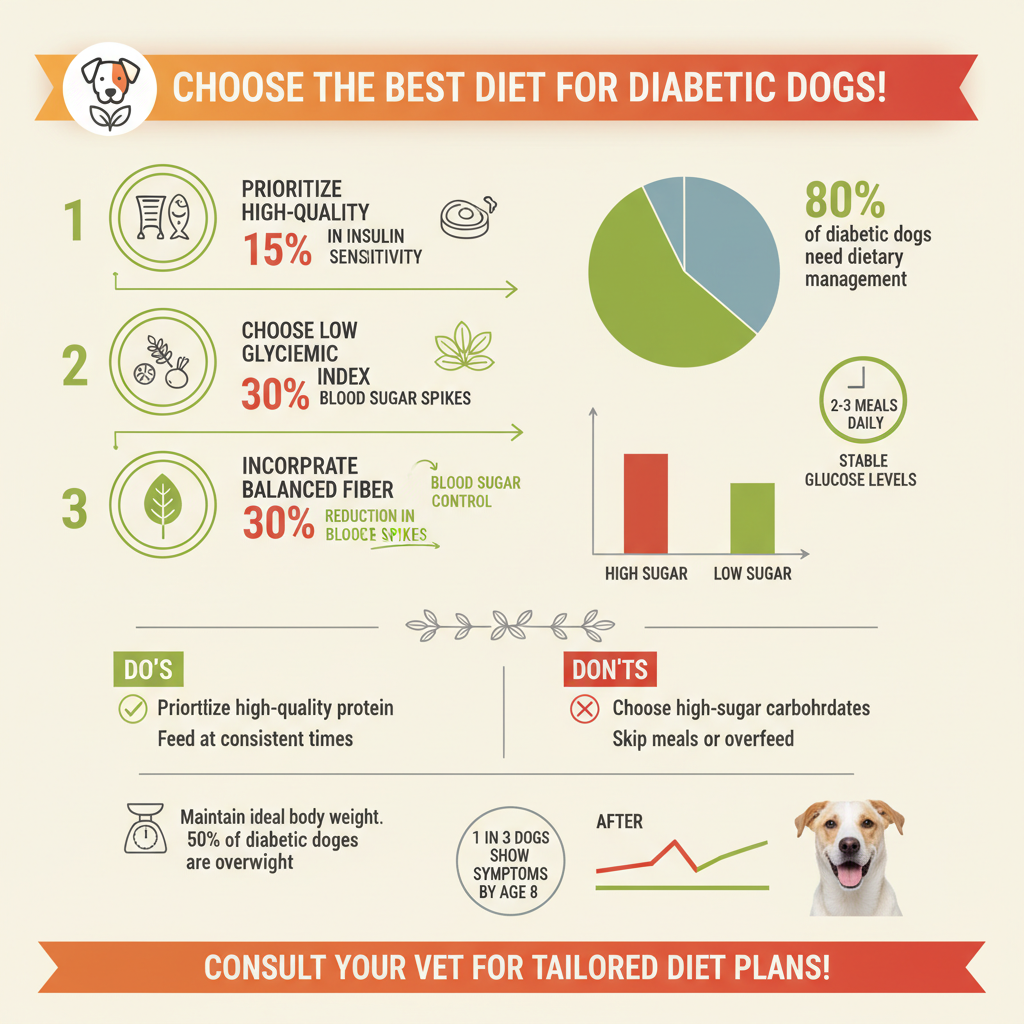

When selecting the ideal dog food for a diabetic dog, understanding the role of specific macronutrients is essential. Each component plays a vital part in stabilizing blood sugar and supporting your dog’s health.
* High-Quality Protein: Protein is essential for muscle maintenance without significantly impacting blood glucose. Unlike carbohydrates, protein has a minimal and slow effect on blood sugar levels, making it a cornerstone of a diabetic dog’s diet. Prioritizing high-quality protein sources ensures your dog receives all the essential amino acids they need for muscle health, tissue repair, and immune function, without contributing to glucose spikes. Look for whole meat sources as the primary ingredient, such as lean chicken, turkey, beef, lamb, or fish like salmon and cod. These ingredients offer excellent nutritional value and are highly digestible. Aim for dog foods where protein constitutes a significant portion of the guaranteed analysis, often above 25-30% on a dry matter basis, depending on the specific diet recommendation from your vet. Avoid vague “meat by-products” without specific naming, as their quality can be inconsistent.
* Complex Carbohydrates: For diabetic dogs, not all carbohydrates are created equal. You’ll want to opt for ingredients with a low glycemic index (GI) to ensure slow, steady glucose release. Complex carbohydrates, by their nature, are broken down more gradually by the digestive system compared to simple sugars, leading to a more controlled and sustained rise in blood sugar. Excellent choices include whole grains like oats, barley, and quinoa, which are rich in fiber and release glucose slowly. Certain vegetables like sweet potatoes (in moderation), peas, and lentils also fall into this category. The goal is to avoid carbohydrates that cause rapid spikes in blood sugar, which can overwhelm a diabetic dog’s system. Always check ingredient lists to ensure these beneficial, low-GI complex carbs are prominent.
* Balanced Fiber Content: Both soluble and insoluble fibers are crucial for slowing down carbohydrate absorption, promoting satiety, and aiding digestive health. Fiber is truly a superhero in a diabetic dog’s diet!
* Soluble fiber (found in ingredients like psyllium, beet pulp, oats, and apples) dissolves in water to form a gel-like substance in the digestive tract. This gel slows down the absorption of glucose into the bloodstream, helping to prevent sharp blood sugar spikes after meals. It also helps your dog feel fuller for longer, which is beneficial for weight management.
* Insoluble fiber (found in ingredients like cellulose, wheat bran, and many green vegetables) adds bulk to the stool, promoting regularity and aiding digestive health. While it doesn’t directly impact glucose absorption as much as soluble fiber, it contributes to overall gut health and satiety. A diet with a balanced mix of both types of fiber, typically in the range of 5-10% (or even higher in some prescription diets) on a dry matter basis, helps regulate digestion, control appetite, and further stabilize blood glucose levels.
Ingredients to Prioritize and Avoid
Making informed choices about the ingredients in your dog’s food can make a world of difference in managing their diabetes. Here’s a clear guide:
* Look For:
* Whole Meats: Prioritize lean, named whole meat sources like chicken, turkey, beef, lamb, and various types of fish (e.g., salmon, cod). These provide essential amino acids and are easily digestible. Always aim for these as the first ingredient to ensure a high protein content.
* Fiber-Rich Vegetables: Incorporate non-starchy vegetables such as green beans, peas, broccoli, spinach, and pumpkin. These are packed with vitamins, minerals, and dietary fiber, which aids in satiety and slows glucose absorption without adding excessive calories or simple sugars.
* Whole Grains: Opt for complex carbohydrates from whole grains like oats, barley, quinoa, and brown rice (in moderation). These grains have a lower glycemic index compared to refined grains, ensuring a slow and steady release of glucose.
* Healthy Fats: Look for sources of omega-3 fatty acids, such as fish oil (salmon oil, flaxseed oil), which are beneficial for skin and coat health, reduce inflammation, and support overall cellular function. Fats should be present in moderation, as excessive fat can contribute to weight gain and pancreatitis, which is often a concern for diabetic dogs.
* Natural Antioxidants & Pre/Probiotics: Ingredients like blueberries, cranberries, carrots, and spinach provide antioxidants, while added prebiotics (like chicory root) and probiotics support a healthy digestive system, which can indirectly aid in nutrient absorption and overall well-being.
* Avoid:
* High Levels of Simple Sugars: Absolutely steer clear of ingredients like corn syrup, sucrose, dextrose, fructose, molasses, and honey. These sugars are rapidly absorbed into the bloodstream, causing dangerous spikes in blood glucose that are detrimental to a diabetic dog’s health.
* Excessive Starchy Fillers: While some complex carbs are good, avoid dog foods with high amounts of refined grains and starchy vegetables as primary ingredients. This includes large quantities of corn, wheat, white rice, and potatoes. These ingredients can still have a high glycemic index, leading to unwanted blood sugar fluctuations.
* Artificial Colors, Flavors, or Preservatives: While not directly impacting diabetes, artificial additives offer no nutritional benefit and can sometimes trigger sensitivities. A natural, wholesome diet is always the best choice for any dog, especially one with a health condition.
* High-Fat Content: While healthy fats are good, an overly high-fat diet can contribute to weight gain, making diabetes management more challenging, and may predispose some dogs to pancreatitis. Always check the guaranteed analysis for fat content and discuss appropriate levels with your vet.
Prescription vs. Over-the-Counter Diabetic Dog Foods
When navigating the market for the best dog food for a diabetic dog, you’ll primarily encounter two categories: specialized prescription diets and various over-the-counter options. Understanding the differences and consulting your veterinarian is key.
* Prescription Diets: Many veterinarians recommend specialized prescription diets that are formulated specifically for diabetic management. Brands like Hill’s Prescription Diet w/d, Purina Pro Plan Veterinary Diets DM (Diabetic Management), and Royal Canin Veterinary Diet Glycobalance are examples of such foods. These diets are meticulously developed by veterinary nutritionists to provide precise nutrient profiles designed to stabilize blood glucose levels. They typically feature carefully controlled levels of high-quality protein, complex carbohydrates with a low glycemic index, and a balanced, often higher, fiber content. The advantages of prescription diets include clinical testing for efficacy in diabetic dogs, consistent nutrient levels, and often enhanced digestibility. They are backed by scientific research and are formulated to work synergistically with insulin therapy. Your vet will often have samples or specific recommendations based on their experience and your dog’s individual needs.
* Over-the-Counter Options: While some commercial dog foods may appear to align with diabetic dietary principles, it’s crucial to exercise extreme caution and scrutinize ingredient lists and guaranteed analyses for suitability. Some “weight management,” “senior,” or “low-fat” formulas might have characteristics beneficial for diabetic dogs, such as lower calorie density, higher fiber, and moderate fat. However, they are not specifically designed or tested for the complex metabolic needs of a diabetic dog. The challenges with over-the-counter options include inconsistent ingredient quality, potential for hidden sugars (even in savory foods), and carbohydrate sources that may have a higher glycemic index than ideal. It can be very difficult for a pet owner to accurately assess if an over-the-counter food provides the precise balance needed for glucose control.
Always consult your veterinarian before making any diet changes, especially when considering non-prescription options. They can help you decipher complex ingredient lists, interpret nutrient guarantees, and determine if an over-the-counter food truly meets your dog’s specific diabetic needs. Attempting to manage diabetes with an unsuitable over-the-counter food could lead to unpredictable blood sugar levels and complicate your dog’s treatment plan.
Choosing the Right Food and Transitioning Your Dog
Choosing the right food for your diabetic dog is a critical step, but it’s a decision that should always be made in close partnership with your veterinarian. Your vet possesses the medical knowledge of your dog’s specific condition and can recommend the formula best suited for their individual needs. Factors such as your dog’s age (a puppy’s nutritional needs differ from a senior dog’s), current weight (overweight dogs might need a calorie-restricted diet, while underweight dogs may need a more nutrient-dense option), activity level, and any co-existing conditions (like kidney disease, pancreatitis, or allergies) will all influence the optimal food choice. They can also analyze your dog’s bloodwork and glucose curves to provide the most tailored dietary advice, possibly recommending a specific prescription diet.
Once a food is chosen, introducing it gradually over 7-10 days is essential to prevent digestive upset. A sudden change in diet can lead to vomiting, diarrhea, or a decreased appetite, which is particularly risky for a diabetic dog as it can disrupt their feeding schedule and insulin management. Start by mixing 25% of the new food with 75% of their old food for 2-3 days. If your dog tolerates this well, move to a 50/50 mix for another 2-3 days, then 75% new food and 25% old food for a final 2-3 days, before finally transitioning to 100% new food. During this transition period, closely monitor your dog for any signs of digestive discomfort, changes in appetite, or alterations in their energy levels.
Be prepared for potential adjustments based on your dog’s response and ongoing blood glucose monitoring. Diabetes management is dynamic; what works perfectly today might need slight tweaks in a few months. Your vet will likely want to perform follow-up glucose curves after the dietary transition to see how the new food is impacting blood sugar stability. Based on these results, they may adjust insulin dosages or even recommend a different food if the current choice isn’t yielding the desired outcomes. Open communication with your vet and diligent observation of your dog are key to successfully managing their condition.
Beyond the Bowl: Feeding Schedule and Monitoring
Managing your diabetic dog’s diet extends far beyond just choosing the right food; how and when you feed them, along with vigilant monitoring, are equally important.
* Consistent Feeding Schedule: Establishing a strict feeding schedule is paramount. For most diabetic dogs, this means two meals per day, typically given 10-12 hours apart, and synchronized with insulin administration. The consistency ensures that your dog’s body receives a predictable influx of nutrients, allowing the insulin to work most effectively at managing blood glucose. Feeding at the same time each day, relative to their insulin injections, helps to prevent dangerous blood sugar spikes or drops. For some dogs, particularly those prone to hypoglycemia, your vet might recommend three smaller meals. Whatever the schedule, stick to it rigorously, as even small deviations can impact glucose regulation.
* Portion Control: Accurately measuring portions is non-negotiable for a diabetic dog. Overfeeding can lead to weight gain, which worsens insulin resistance, while underfeeding can lead to hypoglycemia or insufficient nutrient intake. Use a precise measuring cup or, even better, a kitchen scale to ensure exact portion sizes recommended by your veterinarian. Avoid “free-feeding” (leaving food out all day) entirely, as this makes it impossible to regulate glucose response and correlate food intake with insulin action. Each meal should be a controlled event to maintain ideal body weight and support stable blood sugar.
* Regular Monitoring: Continuous monitoring is vital for effective diabetes management. You’ll need to keep a close eye on several aspects of your dog’s health and report any changes to your vet:
* Blood Glucose Levels: Your vet may teach you how to monitor blood glucose at home using a pet glucometer, or they might perform regular glucose curves at the clinic. Home monitoring provides real-time data and helps you and your vet understand how diet, insulin, and activity are impacting your dog’s sugar levels.
* Weight: Weigh your dog regularly, ideally once a week, to ensure they are maintaining an ideal body condition. Any significant weight loss or gain warrants a discussion with your vet.
* Water Intake and Urination: Increased thirst (polydipsia) and increased urination (polyuria) are classic signs of hyperglycemia. Monitor these closely and note any changes.
* Appetite and Energy Levels: A sudden decrease in appetite or energy could indicate a problem, such as hypoglycemia or another underlying issue. Conversely, a sudden increase in appetite could signal inadequate glucose control.
* General Health: Observe your dog for any changes in coat quality, activity level, or overall demeanor. Maintaining a detailed log of these observations, along with feeding times and insulin doses, will be an invaluable tool for your veterinarian.
Managing canine diabetes effectively hinges on a consistent and appropriate diet. By focusing on high-quality protein, complex carbohydrates with a low glycemic index, and balanced fiber, you can significantly help stabilize your dog’s blood sugar levels and improve their response to insulin. Always partner closely with your veterinarian to choose the best food formula tailored to your dog’s unique needs, establish a strict feeding routine, and diligently monitor your dog’s response. This dedicated approach ensures optimal health, a better quality of life, and many more happy years with your beloved canine companion.
Frequently Asked Questions
What are the most important nutritional considerations for choosing the best dog food for diabetes?
When selecting the best dog food for diabetes, prioritize formulas high in quality protein, moderate fat, and especially high in complex carbohydrates and fiber. These elements help stabilize blood glucose levels by promoting slow glucose absorption and can aid in maintaining a healthy weight, which is critical for diabetic dogs. Look for ingredients like whole grains, legumes, and vegetables.
Why is a consistent and specialized diet crucial for managing canine diabetes effectively?
A consistent and specialized diet is paramount for effective canine diabetes management because it helps maintain stable blood sugar levels throughout the day. Regular feeding of appropriate diabetic dog food at scheduled times allows for better synchronization with insulin injections, maximizing insulin’s efficacy and preventing dangerous fluctuations like hyperglycemia or hypoglycemia. This consistency significantly improves a diabetic dog’s quality of life and reduces the risk of long-term complications.
How does high fiber content in dog food specifically benefit a diabetic dog’s health?
High fiber content in dog food plays a vital role in managing canine diabetes by slowing down the digestion and absorption of glucose into the bloodstream. This helps prevent rapid spikes in blood sugar after meals, contributing to more stable glucose levels. Additionally, fiber promotes a feeling of fullness, which is beneficial for weight management in often overweight diabetic dogs, and can improve overall gut health.
Which specific ingredients and food types should be strictly avoided when feeding a dog with diabetes?
When feeding a dog with diabetes, you must strictly avoid ingredients that can cause rapid blood sugar spikes. These include simple sugars like corn syrup, molasses, or fructose, as well as highly processed carbohydrates found in many treats and generic dog foods. Additionally, steer clear of excessive fats, which can lead to weight gain and potentially pancreatitis, further complicating diabetes management. Always check labels for hidden sugars and refined grains.
Are prescription veterinary diets the best option for dogs with diabetes, and how do they differ from over-the-counter foods?
Prescription veterinary diets are often considered the best option for dogs with diabetes because they are specifically formulated with precise nutritional profiles to help manage the disease. These diets typically feature controlled levels of fat, high fiber content, and a balanced blend of complex carbohydrates designed to support stable blood glucose. Unlike many over-the-counter foods, prescription diets undergo rigorous testing and are proven to be clinically effective, offering a tailored approach that can significantly improve a diabetic dog’s health under veterinary guidance.
References
- https://vet.cornell.edu/departments-centers-and-institutes/cornell-university-hospital-animals/pets/dogs/diabetic-mellitus-dogs-and-cats
- https://ceh.vetmed.ucdavis.edu/health-topics/canine-diabetes-mellitus
- https://vetmed.wsu.edu/outreach/pet-health-topics/diseases/diabetes-mellitus
- https://vetmed.tufts.edu/cuha/pet-owners/diabetes-mellitus/
- https://www.akc.org/expert-advice/health/canine-diabetes-mellitus/
- https://www.morrisanimalfoundation.org/article/diabetes-dogs-and-cats
- https://en.wikipedia.org/wiki/Diabetes_mellitus_in_animals
