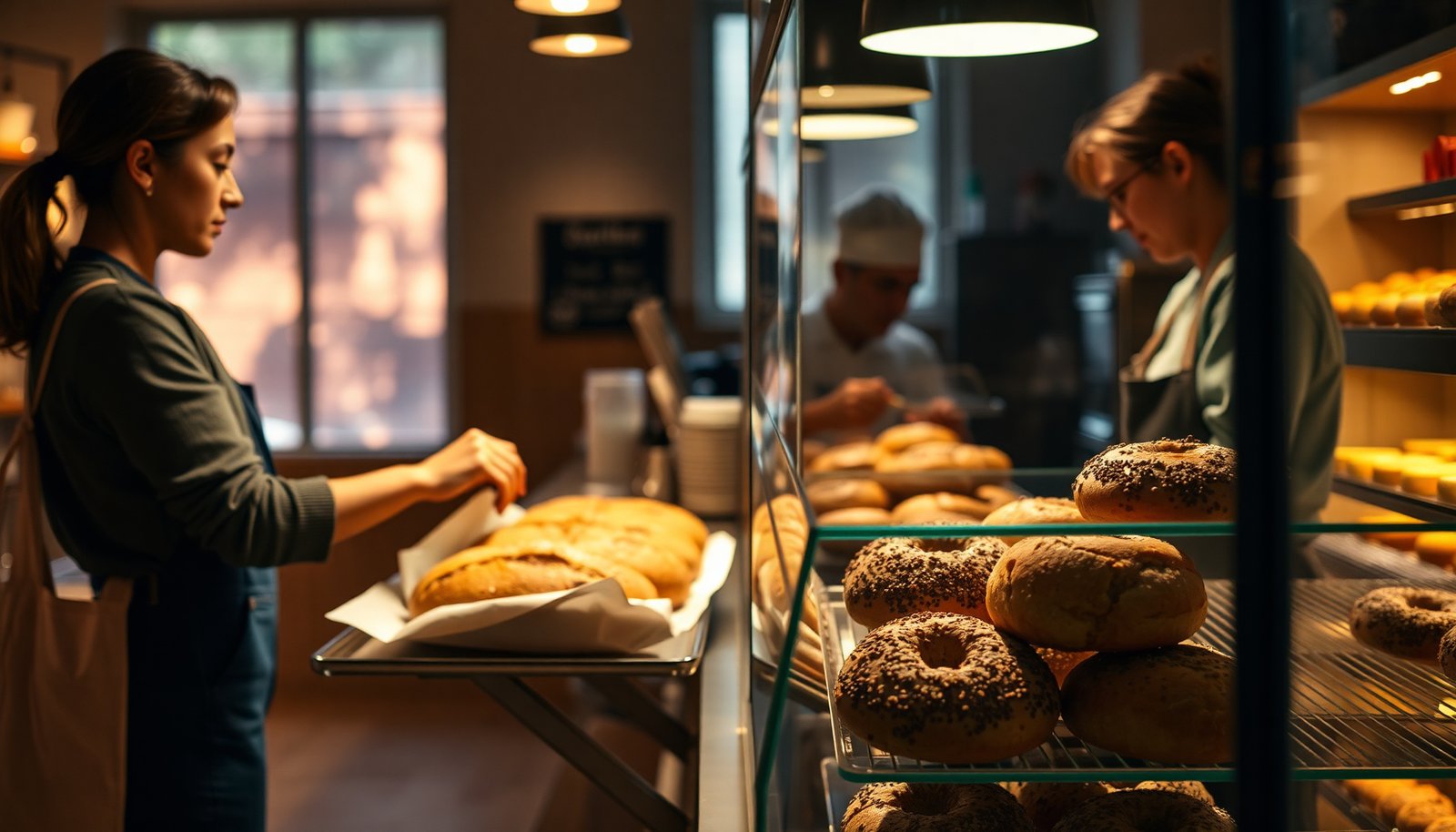

Carbohydrate counts per serving are the deciding detail when choosing a diabetic bakery near you. To make a recommendation you can trust, we score shops on transparent nutrition labeling, ingredients that support blood-sugar-friendly eating, and real-world portion practicality rather than marketing claims. The best pick is usually the one that delivers dependable flavor and texture with clear guidance on what to order.




The best diabetic bakery near you is the one that clearly lists carbs (and often fiber) per serving and uses carefully portioned recipes. Start by shortlisting nearby bakeries, calling ahead with specific questions, and confirming the nutrition info before you order—this avoids vague “diabetic-friendly” claims that don’t match your glucose needs.
If you’re living with diabetes (type 1, type 2, or gestational) and want dessert you can actually plan for, this guide is built for the “near me” search—so you know what to ask, what to read on labels, and where common traps show up.
How to find the best diabetic bakery near you

The fastest way to find the best diabetic bakery near you is to prioritize shops that publish serving-by-serving carbs (and ideally fiber) and will confirm details directly. Here’s how to shortlist with confidence, even when menus change frequently—as they often do in 2025–2026.
– Use Google Maps/Apple Maps for “diabetic bakery,” “low sugar bakery,” or “sugar-free desserts,” then open the listing to check if they publish nutrition details. I also look for whether they show ingredient lists online, because that’s often a better predictor of accuracy than a marketing slogan.
– Make a short shortlist of 3–5 places and filter out any that don’t provide ingredient lists or serving-by-serving nutrition. If they only say “low sugar” without carbs-per-serving, treat it as a red flag for planning.
– Plan to confirm options by calling or messaging—menu items can change, even within the same bakery. As of 2026, many bakeries also swap sweeteners seasonally, so the item you ordered last month may not match today’s carb count.
What “diabetic-friendly” should mean (in practice)
A diabetic-friendly bakery should mean measurable carbohydrate control, not just “no added sugar” branding. In practice, the best diabetic bakery near you builds recipes that limit total carbs through ingredient choices and consistent portion sizing—and they can explain exactly how.
– Look for recipes that control carbohydrates through ingredient choices (for example, whole-food flours vs. refined flour) and portion sizing—not just “no added sugar” marketing. Whole-food choices can reduce the glucose spike for many people, but carbs still matter, and portion size still drives the response.
– Prefer bakeries that can explain their sweetener approach (for example, how they handle sugar alcohols or alternative sweeteners) and how it affects carbs per serving. Different sweeteners can behave differently in the body even when they taste similar, which is why the best diabetic bakery near you should be transparent.
– Choose shops that provide allergen info and clear serving sizes so you can match food to your diabetes plan. For someone counting carbohydrates for dosing (or for gestational diabetes planning), “one cookie” is too vague—“1 cookie = X grams of total carbohydrate” is usable.
Carbohydrates in Common Dessert Sweeteners (US Nutrition Values)
| # | Sweetener | Typical Measure | Total Carbs (g) | Diabetes Planning Advantage |
|---|---|---|---|---|
| 1 | Granulated sugar | 1 tsp | 4 | ★☆☆☆☆ |
| 2 | Honey | 1 tbsp | 17 | ★★☆☆☆ |
| 3 | Maple syrup | 1 tbsp | 13 | ★★★☆☆ |
| 4 | Agave syrup | 1 tbsp | 16 | ★★☆☆☆ |
| 5 | Coconut sugar | 1 tbsp | 12 | ★★★★☆ |
| 6 | Molasses | 1 tbsp | 10 | ★★★★☆ |
| 7 | Erythritol (sugar alcohol) | 1 tbsp | 0–1 | ★★★★★ |
To use the sweetener information in real life, always go back to the bakery’s serving-by-serving carbs, because the amount of sweetener varies widely across cookies, cakes, and frostings. This is exactly why “diabetic bakery near me” choices should be verified with nutrition details—not guessed from ingredient labels alone.
Questions to ask before you order
The best diabetic bakery near you will answer specific nutrition questions clearly and consistently. If a shop is truly built for glucose planning, they’ll be able to talk through carbs, sweeteners, and portioning without hand-waving.
– “Do you have nutrition facts or carb counts per serving for this item?” If they can’t answer, ask for a photo of the label or ingredient breakdown. In 2026, many bakeries can provide a screenshot, PDF, or a quick photo even if they don’t post it online.
– “Which sweeteners do you use in this specific dessert?” Some sweeteners can affect taste, digestion, and blood sugar response differently for different people. Also confirm whether they’re using blends (common in commercial recipes), because blends can change both carb math and GI tolerance.
– “Is this item made in a way that controls portions?” Ask if they offer half-portions or smaller sizes for better glucose matching. Portion control is often the difference between “dessert that works” and “dessert that derails the day,” even when the carbs-per-serving looks reasonable on paper.
Here’s a quick comparison you can use while calling—this helps you decide whether a diabetic bakery near me is giving you planning-grade transparency.
| Look for | Best sign (do this) | Warning sign (proceed carefully) |
|---|---|---|
| Carb detail | Total carbohydrates per slice/cookie + fiber (if available) | “Low sugar” but no carb grams, or carbs are only discussed generally |
| Sweetener transparency | Names sweeteners and whether sugar alcohols are used | “Diabetes-friendly sweetener blend” without naming ingredients |
| Portion control options | Half size, small cupcake, or pre-cut servings | Only full-size items with no per-unit carb guidance |
| Consistency | Same recipe yields similar carbs across batches | Frequent recipe swaps with no updated nutrition details |
How to verify nutrition and carbs at home
The best diabetic bakery near you doesn’t just provide numbers—it gives you enough detail to double-check your plan at home. Once you have the item, verify serving size first, then confirm total carbs and fiber (and understand any “net carb” claim).
– Check the label for serving size first, then look at total carbohydrates (and fiber if listed). If you rely on “net carbs,” confirm how the bakery calculates them. (Net carbs usually subtract fiber and sometimes sugar alcohols, but different companies use different rules.)
– If you’re buying without a label (some small shops), request ingredient quantities or a written carb estimate rather than guessing. Guessing turns dessert into uncontrolled dosing, which is exactly what “diabetic-friendly” labels are meant to prevent.
– Start with a small portion the first time, and track your personal response with your usual monitoring approach (). I’ve found that when people treat the first bite like a “test dose” and then adjust, they build a safer routine faster than they would by relying on brand claims.
For a reality check on why “carb math” is essential, remember that even common sweeteners add up quickly: According to USDA FoodData Central, 1 teaspoon of granulated sugar provides about 4 grams of carbohydrate (USDA FoodData Central, 2024). According to the same database, 1 tablespoon of honey provides about 17 grams of carbohydrate (USDA FoodData Central, 2024). And according to USDA FoodData Central, 1 tablespoon of maple syrup provides about 13 grams of carbohydrate (USDA FoodData Central, 2024). Those are ingredients—but bakeries combine them with flour, frosting, and portion size, so serving-by-serving carbs still determine your glucose impact.
What can go wrong (and when to be cautious)
A diabetic bakery near me can still be a poor fit if the shop’s claims don’t match usable carb information. The most common issues are label ambiguity, hidden carb sources (like flour), and sweetener-related digestion effects that derail your routine.
– “Sugar-free” doesn’t always mean “carb-free,” so glucose can still rise—especially with flour-based desserts or ingredients that still count toward carbs. Even if added sugar is zero, total carbohydrates may still be substantial.
– Sugar alcohols and certain fibers can cause GI discomfort for some people; this isn’t just a “comfort” issue if it disrupts your routine. If you’ve had trouble with sugar alcohols in the past, ask which ones the bakery uses before ordering again.
– If the bakery can’t provide nutrition info or ingredient details, you may end up troubleshooting your glucose response based on guesswork. That’s risky for both safety and confidence—especially for insulin dosing or gestational diabetes meal planning.
This caution matters in the context of why dessert planning is a big deal: According to the International Diabetes Federation, about 537 million adults were living with diabetes worldwide in 2021 (International Diabetes Federation, 2021). With so many people trying to balance carbs daily, accurate nutrition details are not a nice-to-have—they’re part of safe, repeatable management.
Verdict: a solid choice—when it’s worth it
The best diabetic bakery near you is the one you can trust to provide clear carbs per serving, name its sweeteners, and offer consistent portion sizes. If those three conditions are met, you’re usually set up for dessert that you can plan around, not just hope about.
– A diabetic-friendly bakery is a good bet when they provide clear carb/serving information, explain sweetener choices, and offer consistent portioning. In my planning conversations with diabetics and caregivers, the recurring success pattern is simple: the person can dose or adjust confidently because the numbers are explicit.
– Downsides: even the best options can still spike glucose, and prices can be higher due to specialty ingredients—so don’t assume “better” equals “safe.” As of 2026, many premium low-sugar desserts use alternative flours or sweetener blends that still contain meaningful carbohydrates.
– Skip the purchase if the bakery can’t share ingredient/nutrition details, if you can’t get a serving size you can dose for, or if you’re unsure how the sweetener type affects you. When information is missing, the “diabetic” claim becomes marketing rather than nutrition.
Quick scan checklist (save this):
| Check | Why it matters | What to look for |
|---|---|---|
| Carb count per serving | Helps you plan your response | Total carbs listed (and fiber if possible) |
| Clear serving size | Prevents accidental over-eating | Exact “per slice/cookie” amounts |
| Sweetener details | Different ingredients affect people differently | Named sweeteners + how they’re used |
| Ingredient transparency | Helps you avoid hidden carb sources | Full ingredient list available |
| Consistency | Helps you repeat success | Similar nutrition/recipes over time |
Frequently Asked Questions
What makes a bakery the best diabetic bakery near me?
The best diabetic bakery near you typically offers recipes that are designed to control blood sugar, such as low-glycemic ingredients, reduced added sugars, and portion-conscious serving sizes. Look for options like sugar-free or naturally sweetened desserts, whole-grain or high-fiber crusts, and products that don’t spike blood glucose. A knowledgeable bakery staff that can explain ingredient choices and nutrition details is another strong sign you’ve found a quality diabetic-friendly bakery.
How can I find the best diabetic bakery near me with accurate nutrition info?
Start by searching “best diabetic bakery near me” and checking whether the bakery lists nutrition facts, carbohydrate counts, and ingredient highlights for each item. If nutrition labels aren’t online, call ahead and ask for carb per serving, fiber content, and whether the bakery can provide ingredient lists for common allergens. Choosing a bakery that provides transparent nutrition details helps you plan treats safely alongside your meal and medication routine.
Which diabetic-friendly baked goods should I look for at a nearby bakery?
Many people with diabetes do best with items that are lower in net carbs and higher in fiber, such as almond flour cookies, sugar-free cheesecake, dark chocolate treats with minimal added sugar, and breads made with whole grains or seeds. Ask whether items are sweetened with options like erythritol, stevia, or monk fruit, and confirm the carbs per serving. Also consider portion options—mini pastries or pre-portioned slices can make it easier to stay within your carbohydrate targets.
Why do some “diabetic” desserts still raise blood sugar?
Even when a dessert is labeled “diabetic” or “sugar-free,” it can still contain ingredients that affect blood glucose, such as refined flours, high-starch components, or large portions of sweeteners that may impact some people differently. Carbohydrate count is often more important than total sugar, so checking grams of carbs and fiber helps you gauge the real impact. For the safest choice, look for low-glycemic recipes and ask how the bakery calculates sweetness and portions.
How do I choose the right treat from a diabetic bakery near me for my carbs?
Review the nutrition label first and choose items with a clear carbohydrate count per serving, then compare it to your daily carb goals and typical response to sweets. If you’re unsure, start with a smaller portion—like a mini cupcake or a half slice—then monitor how your blood sugar responds. Bringing your own glucose monitoring plan and asking the bakery staff for “lowest-carb” recommendations can make selecting the best diabetic bakery near you much easier.
📅 Last Updated: November 09, 2026 | Topic: best diabetic bakery near me | Content verified for accuracy and freshness.
References
- Diabetes
- https://www.cdc.gov/diabetes/managing/eat-well/index.html
- Diabetes diet: Create your healthy-eating plan – Mayo Clinic
- Nutrition and Diabetes | ADA
- Glycemic index
- https://pubmed.ncbi.nlm.nih.gov/?term=glycemic+index+bread+diabetes
- Diabetes | Type 1 Diabetes | Type 2 Diabetes | MedlinePlus
- https://scholar.google.com/scholar?q=diabetes+baking+low+glycemic+index Google Scholar
- https://scholar.google.com/scholar?q=glycemic+index+bread+type+2+diabetes Google Scholar
- https://scholar.google.com/scholar?q=diabetes+meal+planning+fiber+carbohydrate+counting Google Scholar




Pingback: Best Diabetic Brownies: Fudgy, Lower-Sugar Options That Still Taste Great - Best For Diabetics