
When considering the best alcoholic drink for diabetics, it’s crucial to understand that there isn’t one single “best” option, but rather categories of drinks that are generally safer due to their lower sugar and carbohydrate content. For most diabetics, dry wines, light beers, and distilled spirits mixed with sugar-free beverages are typically the most suitable choices when consumed in moderation and with careful monitoring. This guide will help you navigate your options and make informed decisions to manage your blood sugar effectively.
How Alcohol Affects Blood Sugar
Understanding how alcohol interacts with your blood sugar is paramount for anyone managing diabetes. It’s not as simple as a direct spike or drop; the effects can be complex and vary depending on the type of drink, whether you’ve eaten, and your individual medication regimen.
Firstly, alcohol can initially cause a blood sugar spike, especially if sugary mixers are used. Think about those delicious margaritas or sweet cocktails – they often contain high amounts of added sugars from syrups, liqueurs, and fruit juices. These simple carbohydrates are absorbed quickly, leading to a rapid rise in glucose levels, which can be dangerous if not anticipated and managed. Even some regular beers and sweet wines can have enough carbohydrate content to cause an initial spike.
However, the more insidious effect, and often the more dangerous one for diabetics, is the potential for delayed hypoglycemia (low blood sugar). Later, alcohol can suppress the liver’s ability to release glucose. Your liver plays a vital role in maintaining stable blood sugar by storing glycogen and converting it into glucose when your levels start to dip. When you drink alcohol, your liver prioritizes detoxifying the alcohol over its normal glucose-releasing function. This means that if you’re on insulin or certain oral medications that stimulate insulin production, your blood sugar can drop significantly, sometimes hours after your last drink, even into the next day. Hypoglycemia can be particularly dangerous because its symptoms (dizziness, confusion, slurred speech) can easily be mistaken for intoxication, leading to delayed or inadequate treatment.
Finally, moderation is key, as excessive alcohol consumption can impair judgment and lead to poor food choices or missed medication. When your judgment is clouded, you might forget to check your blood sugar, skip an insulin dose, or indulge in high-carb snacks you’d normally avoid. This can create a cascade of blood sugar management challenges, making it harder to stay within your target range and increasing the risk of both highs and lows. Planning ahead, choosing wisely, and drinking responsibly are essential to mitigate these risks.
Safest Alcoholic Drink Choices for Diabetics
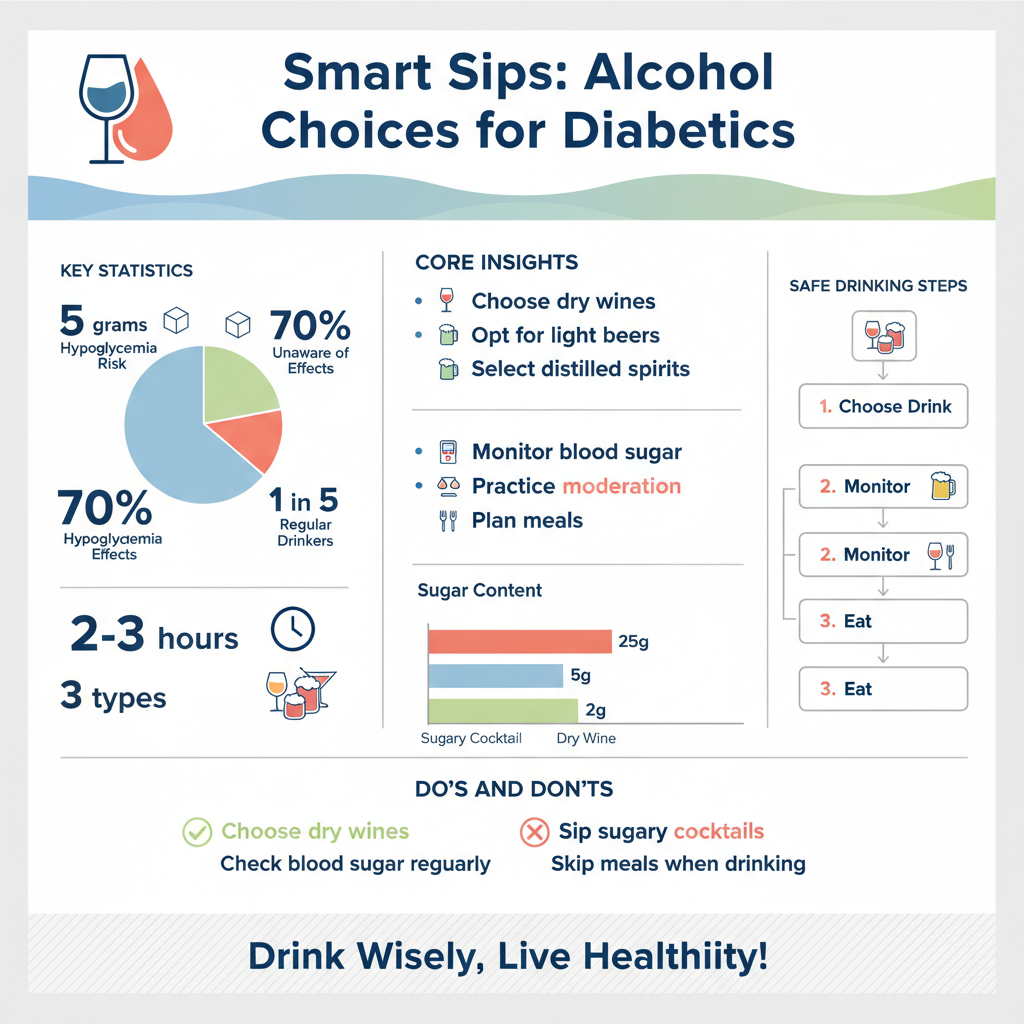

Navigating the world of alcoholic beverages doesn’t have to be daunting for individuals with diabetes. The key is to gravitate towards options that are naturally lower in sugar and carbohydrates. Here are your best bets:
* Dry Wines: Options like Pinot Noir, Merlot, Cabernet Sauvignon (reds), Chardonnay, Pinot Grigio, and Sauvignon Blanc (whites) typically contain minimal residual sugar and fewer carbohydrates. During the fermentation process, the yeast converts most of the grape sugars into alcohol, leaving very little sweetness behind in dry varieties. A standard 5-ounce serving of dry red or white wine usually contains around 3-4 grams of carbohydrates and less than 1 gram of sugar. These make excellent choices for a sophisticated drink that won’t send your blood sugar soaring. For sparkling wine lovers, opt for “Brut” varieties, which are the driest and lowest in sugar.
* Light Beers: Choosing low-carb or light beer varieties can significantly reduce the carbohydrate load compared to regular beers. While traditional beers can pack 10-20 grams of carbs per serving, many light beers offer as few as 2-6 grams. Brands like Michelob Ultra, Miller Lite, and Bud Light are popular choices, but it’s always wise to check the nutrition label, as carb counts can vary between brands and even within different products from the same brand. These options allow you to enjoy a beer without consuming an excessive amount of carbohydrates that would otherwise impact your blood glucose levels.
* Hard Liquors/Spirits: Vodka, gin, rum, whiskey, and tequila generally have zero carbohydrates on their own. This makes them excellent bases for diabetic-friendly drinks. The catch, however, is *what* you mix them with. To keep your drink sugar-free, ensure they are mixed with sugar-free sodas (like diet cola or diet ginger ale), seltzer, club soda, or plain water. You can also add a splash of fresh lemon or lime juice for flavor, as these contain negligible carbohydrates. Avoid tonic water unless it’s explicitly diet or sugar-free, as regular tonic is surprisingly high in sugar. Simple concoctions like vodka soda with lime, gin and diet tonic, or whiskey on the rocks are classic, low-carb choices.
Alcoholic Drinks to Limit or Avoid

Just as there are safer choices, there are also categories of alcoholic beverages that are best limited or completely avoided due to their high sugar and carbohydrate content. These drinks can quickly and dramatically elevate blood sugar levels, making them particularly challenging for diabetes management.
* Sweet Wines & Dessert Wines: These are often very high in sugar and should generally be avoided. Examples include Riesling (especially late harvest or semi-sweet varieties), Moscato, Port, Sherry, Ice Wine, and Sauternes. These wines retain a significant amount of residual sugar, sometimes upwards of 10-20 grams per serving, which can cause a rapid and substantial increase in blood glucose. While they may be tempting, the sugar load makes them unsuitable for regular consumption by diabetics.
* Sugary Cocktails & Mixed Drinks: Margaritas, daiquiris, cosmopolitans, piña coladas, long island iced teas, and other pre-mixed cocktails are typically loaded with added sugars and syrups. Many of these drinks are made with sugary fruit juices, high-fructose corn syrup-laden mixes, or sweet liqueurs, resulting in dozens of grams of carbohydrates and sugar per serving. A single margarita, for instance, can contain over 30-50 grams of sugar, equivalent to several servings of candy. These are essentially liquid desserts and should be avoided or drastically modified (e.g., using fresh lime juice, sugar-free sweetener, and skipping liqueurs for a “skinny” version).
* Regular Beers & Ciders: These can contain a high amount of carbohydrates and sugars, significantly impacting blood glucose levels. While light beers have been engineered to reduce carb content, regular beers can range from 10-25 grams of carbohydrates per 12-ounce serving, depending on the brew. Ciders, often made from fermented fruit juice, are notoriously high in sugar, typically containing 20-30 grams or more per serving. Both regular beers and ciders can cause substantial blood sugar spikes and are best avoided in favor of their low-carb or sugar-free counterparts. Also be wary of malt beverages and flavored alcoholic beverages, which often hide a lot of sugar.
Essential Tips for Drinking Alcohol Safely
If you choose to drink alcohol, especially with diabetes, safety should always be your top priority. Thoughtful planning and proactive measures can significantly reduce the risks associated with alcohol consumption.
* Always eat a balanced meal before or while drinking to slow alcohol absorption and prevent hypoglycemia. Drinking on an empty stomach dramatically speeds up alcohol’s entry into your bloodstream, increasing the risk of both initial blood sugar spikes (if the drink has carbs) and subsequent drops. A meal containing complex carbohydrates, protein, and healthy fats will provide a buffer, slowing down the alcohol’s effects and giving your liver something to work with so it doesn’t solely focus on detoxifying alcohol. This sustained release of glucose from food helps to stabilize blood sugar and guards against sudden drops.
* Monitor your blood sugar levels before, during, and for several hours after consuming alcohol. This is perhaps the most critical safety tip. Check your blood sugar before your first drink, periodically while you’re drinking, and critically, before bed. Alcohol’s effects can last for many hours, sometimes up to 12 hours, meaning you’re at risk of delayed hypoglycemia overnight. Set an alarm to check your blood sugar a few hours into your sleep if you’ve consumed alcohol late in the evening. Be prepared to treat low blood sugar if it occurs, but remember that glucagon may not work effectively if your liver’s glucose stores are depleted by alcohol, so oral glucose (like glucose tablets or juice) is usually the preferred treatment.
* Stay well-hydrated by alternating alcoholic drinks with water or other sugar-free beverages. Alcohol is a diuretic, meaning it increases urine production and can lead to dehydration. Dehydration itself can affect blood sugar levels and exacerbate the effects of alcohol. By alternating each alcoholic drink with a glass of water, seltzer, or diet soda, you not only stay hydrated but also naturally slow down your alcohol consumption, helping you to remain within moderation limits and maintain better control over your blood sugar.
Understanding Labels and Portion Sizes
Being an informed consumer is crucial when it comes to managing diabetes and enjoying alcohol responsibly. What you don’t know can hurt your blood sugar.
* Pay attention to labels for carbohydrate and sugar content, especially for beers and pre-mixed drinks. While distilled spirits are generally carb-free on their own, the landscape of beers, wines, and ready-to-drink cocktails is constantly evolving. Many brands now offer nutrition information, either directly on the label, on their website, or through apps. Look specifically for total carbohydrates and total sugars. Even some “light” or “skinny” options can have hidden sugars or artificial sweeteners that some individuals prefer to avoid. Comparing labels will empower you to make the smartest choices for your health.
* Familiarize yourself with standard drink sizes to avoid overconsumption: 5 oz of wine, 12 oz of beer, or 1.5 oz of spirits. What seems like a single drink can often be much more, particularly when poured in generous restaurant servings or at home. A standard drink contains roughly 0.6 ounces (or 14 grams) of pure alcohol. Understanding these standard sizes helps you accurately track your intake. A large “restaurant pour” of wine might be 8 ounces instead of 5, effectively counting as more than one standard drink. Similarly, mixed drinks can often contain multiple servings of spirits without you realizing it. Sticking to these guidelines helps maintain moderation, which is vital for blood sugar management and overall health.
* Remember that even “low-carb” options still contribute calories and can impact your overall health goals. While choosing low-carb or sugar-free alcoholic drinks helps manage blood sugar, alcohol itself contains calories (approximately 7 calories per gram, nearly as much as fat). These “empty calories” don’t provide significant nutritional value and can contribute to weight gain if consumed excessively. For individuals managing diabetes, weight management is often a key component of overall health, so factoring in alcohol’s caloric contribution is important for maintaining your dietary goals.
When to Avoid Alcohol Completely
While many individuals with diabetes can enjoy alcohol in moderation with careful planning, there are specific circumstances when it’s much safer, and often medically advised, to abstain entirely. Your health and safety should always take precedence.
* If your blood sugar is poorly controlled or fluctuating significantly. If you’re consistently experiencing high blood sugar (hyperglycemia) or frequent, unpredictable swings between high and low blood sugar, introducing alcohol can further complicate management. Alcohol’s unpredictable effects on glucose metabolism can make it incredibly difficult to stabilize your levels, increasing the risk of serious complications like severe hypoglycemia or diabetic ketoacidosis. Prioritizing blood sugar control with your healthcare team should be your focus before considering alcohol.
* If you are experiencing diabetes-related complications like neuropathy or kidney disease. Alcohol can exacerbate certain diabetes complications. For instance, alcohol can worsen symptoms of diabetic neuropathy (nerve damage) such as numbness, tingling, and pain, particularly in the extremities. If you have kidney disease, your kidneys may have difficulty processing alcohol and its byproducts, potentially leading to increased strain and further damage. Liver disease, which can sometimes be linked to diabetes (e.g., non-alcoholic fatty liver disease), is also a strong contraindication for alcohol consumption. Always discuss your specific complications with your doctor.
* If you are taking medications that interact negatively with alcohol, such as Metformin, certain antibiotics, or insulin (consult your doctor). Several medications commonly prescribed for diabetes or other conditions can have dangerous interactions with alcohol.
* Metformin: Combining Metformin with excessive alcohol consumption, particularly if you have kidney or liver issues, can increase the rare but serious risk of lactic acidosis, a dangerous buildup of lactic acid in the blood.
* Insulin and Sulfonylureas: These medications lower blood sugar, and when combined with alcohol, they significantly increase the risk of severe hypoglycemia because alcohol impairs the liver’s ability to release glucose.
* Other Medications: Certain antibiotics (like metronidazole), blood thinners, antidepressants, and medications for high blood pressure can also interact negatively with alcohol, sometimes leading to amplified side effects, reduced medication effectiveness, or other dangerous reactions. It is absolutely crucial to review all your medications with your doctor or pharmacist to understand potential alcohol interactions before you drink.
While enjoying an alcoholic drink is possible for many diabetics, it requires careful planning and awareness. Always prioritize moderation, choose low-sugar and low-carb options, and consistently monitor your blood sugar levels. Most importantly, consult with your doctor or a registered dietitian before incorporating alcohol into your diet, as individual health conditions and medications can significantly influence what is safe for you.
Frequently Asked Questions
What is the best alcoholic drink for diabetics to maintain stable blood sugar levels?
The best alcoholic drinks for diabetics are typically those low in carbohydrates and sugar, which can help minimize blood sugar spikes. Dry wines like Sauvignon Blanc or Pinot Noir, light beers, and spirits such as vodka, gin, whiskey, or tequila mixed with sugar-free sodas, seltzer, or water are generally preferred. Always consume alcohol in moderation and consider how it fits into your overall meal plan and medication schedule to maintain stable blood sugar.
How does alcohol impact blood sugar management for someone with diabetes?
Alcohol can have a complex impact on blood sugar management for individuals with diabetes. Initially, sugary alcoholic drinks can cause a rapid rise in blood glucose, but alcohol also impairs the liver’s ability to produce glucose, potentially leading to delayed hypoglycemia hours later. This makes careful monitoring essential, as the symptoms of hypoglycemia can sometimes be mistaken for intoxication, posing a significant risk.
Which types of alcoholic beverages should diabetics absolutely avoid due to high sugar content?
Diabetics should generally avoid alcoholic beverages high in sugar and carbohydrates, as these can significantly spike blood glucose levels. This includes sweet dessert wines, sugary liqueurs, regular beers with higher carb counts, and mixed drinks made with sugary sodas, juices, or syrups. Always check nutritional information or opt for custom-made low-sugar cocktails to prevent unexpected blood sugar fluctuations.
Are light beers or dry wines generally safer choices for diabetics compared to other options?
Yes, light beers and dry wines are generally considered safer choices for diabetics compared to many other alcoholic options. Light beers typically contain fewer carbohydrates than regular beers, while dry wines, such as unfortified red or white wines, have minimal residual sugar. However, even with these choices, moderation is key, and it’s important to monitor blood sugar levels closely to understand individual responses.
What important precautions should diabetics take before and while consuming alcohol?
Diabetics should take several important precautions when consuming alcohol to ensure safety. Never drink on an empty stomach; always consume alcohol with food to slow absorption and help prevent hypoglycemia. Regularly check your blood sugar levels before, during, and several hours after drinking, and ensure you stay hydrated with water. It’s also wise to inform companions about your diabetes and wear a medical ID. Discussing alcohol consumption with your healthcare provider is crucial for personalized advice.
References
- Vitamin D deficiency: Can it cause high blood pressure? – Mayo Clinic
- https://diabetes.org/healthy-living/foods-nutrition/lifestyle-changes/alcohol
- https://www.cdc.gov/diabetes/managing/healthy-living/nutrition-physical-activity/alcohol.html
- https://health.clevelandclinic.org/what-alcohol-can-you-drink-if-you-have-diabetes/
- https://www.niddk.nih.gov/health-information/diabetes/overview/managing-diabetes/alcohol-and-diabetes
- https://en.wikipedia.org/wiki/Diabetes_mellitus_and_alcohol
- https://www.nhs.uk/conditions/type-2-diabetes/eating-well/alcohol-and-type-2-diabetes/
